
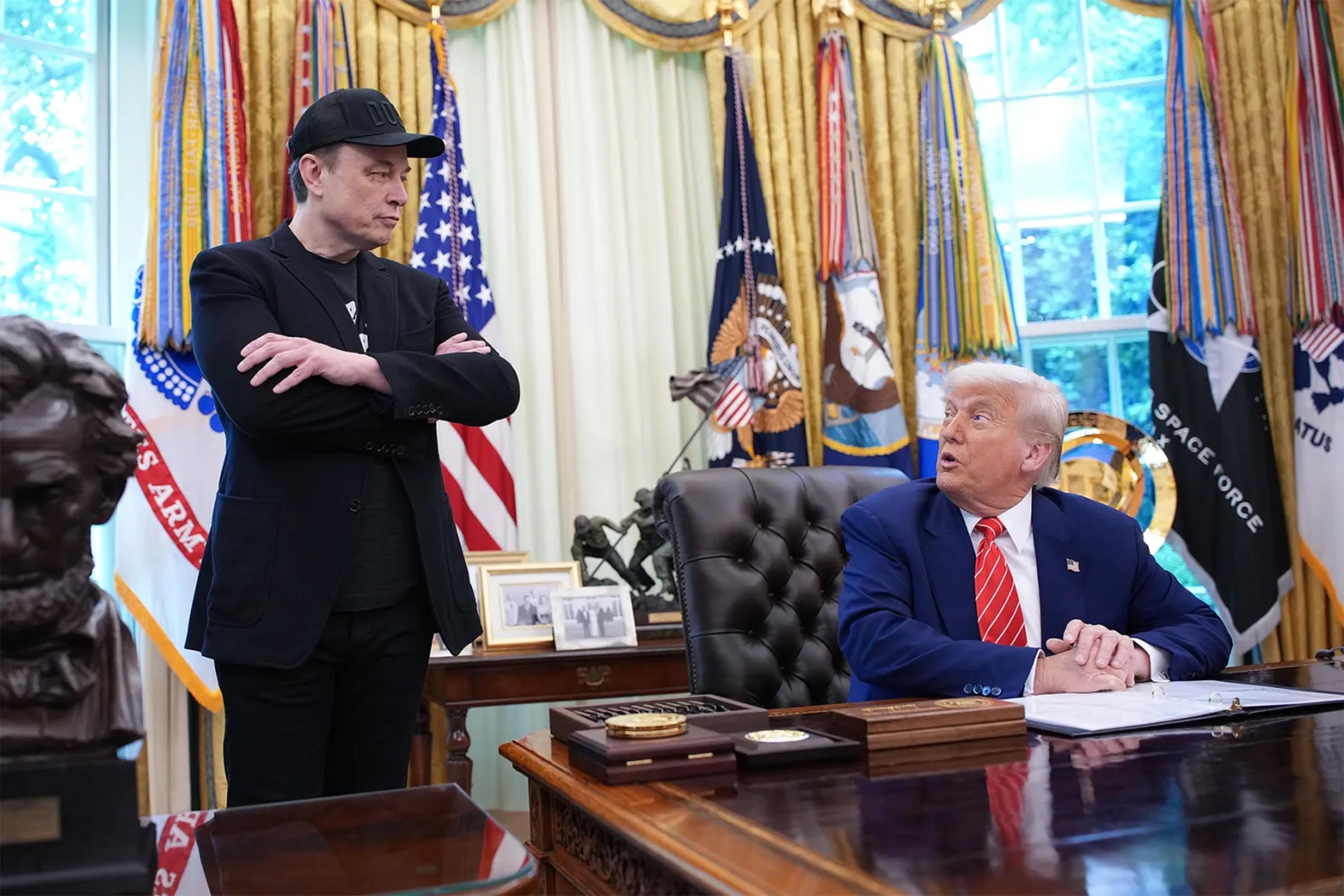
The automotive industry is filled with powerful people and deals with powerful people. That didn’t change in 2025 and although there plenty to choose from, Headlight.News believes these five were the most influential — in no particular order.
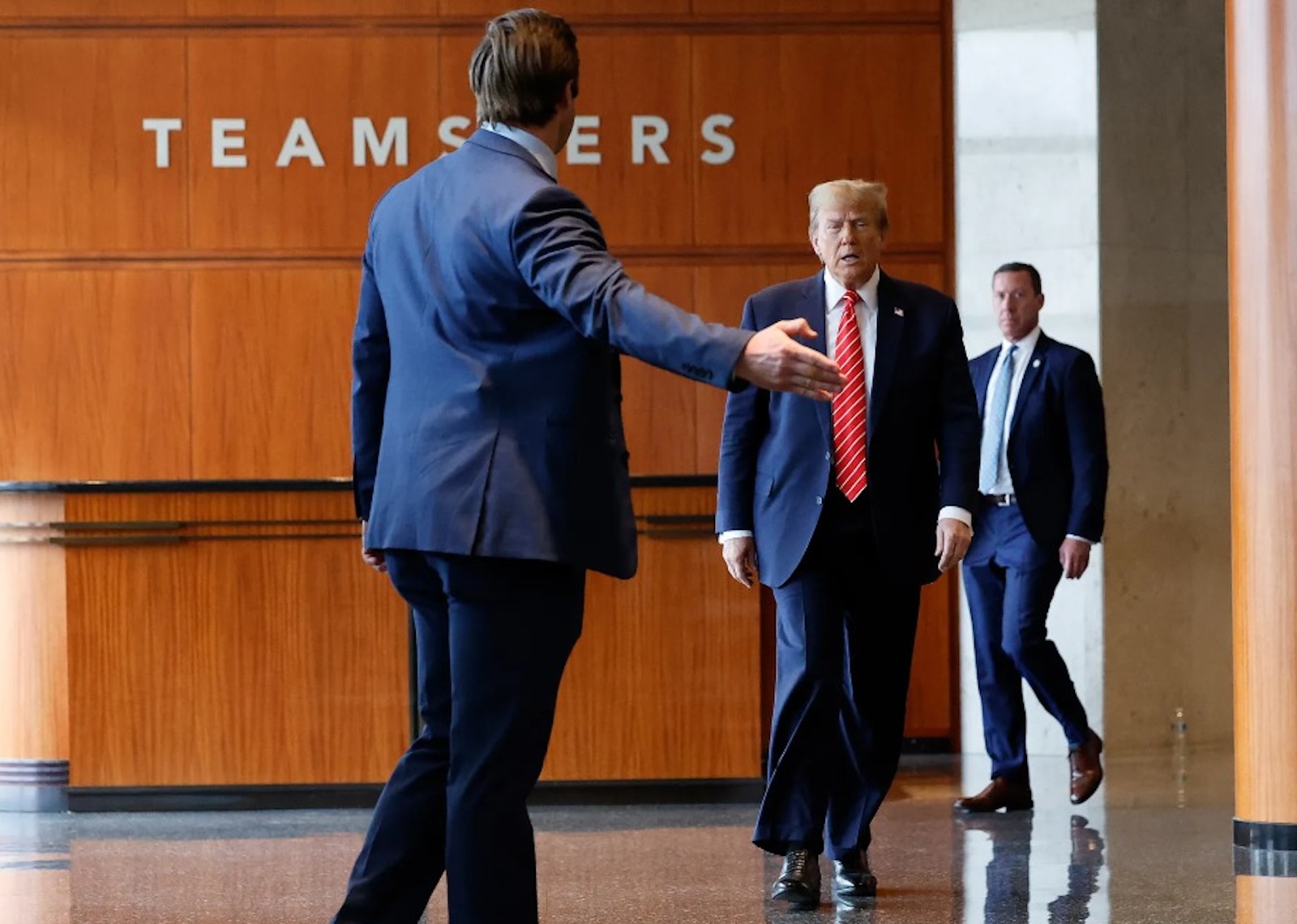
Trump said he was “flexible,” but would not change his mind about tariffs.
Donald Trump, President of the United States
Admittedly, this selection is low-hanging fruit, but whether you’re with him or against him, his actions this year have prompted industry executives to retrench their long-held product plans and strategies.
His push to completely change the tariff structure of every U.S. trading partner has resulted in massive problems for automakers and suppliers. The move was designed to force automakers to build more vehicles in the U.S. However, it has largely missed the target. Some automakers have reassigned operations back to this country, but they were previously announced moves.
The result has been automakers taking hits to their bottom lines. General Motors said it will incur $5 billion in tariff-related charges, and Ford expects a similar blow. In all, the move doesn’t seem to be having the impact Trump argued it would: a mass migration of production inside of U.S. borders that wouldn’t impact prices — which have gone up. (See related story)
Trump ran on an anti-electric vehicle platform, and he’s making good on his promises, finding ways to initiate or support the ending — or at least curtailing — of federal government funding to aid in the development and sale of EVs. He pushed Republicans in the U.S. Congress to end the $7,500 tax credit for new vehicles, while the Department of Transportation has found ways to halt funding for the expansion of the EV charging network nationwide. All this despite Tesla CEO Elon Musk being a trusted adviser for much of his term.
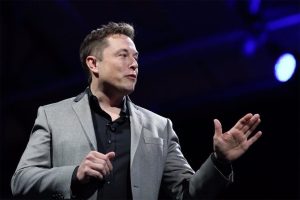
Elon Musk, Tesla CEO
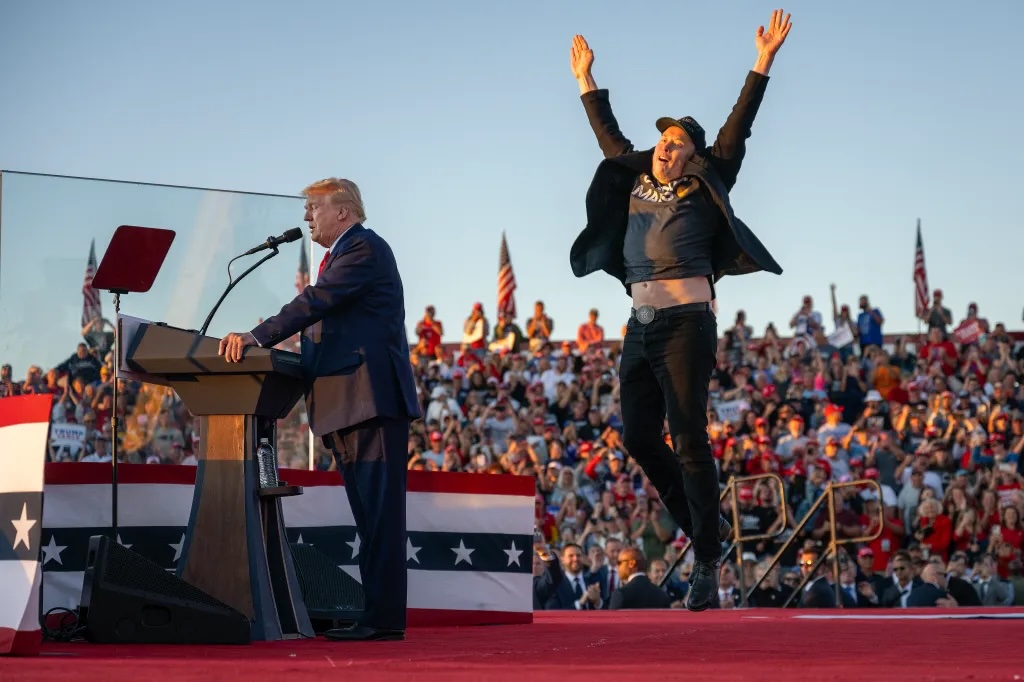
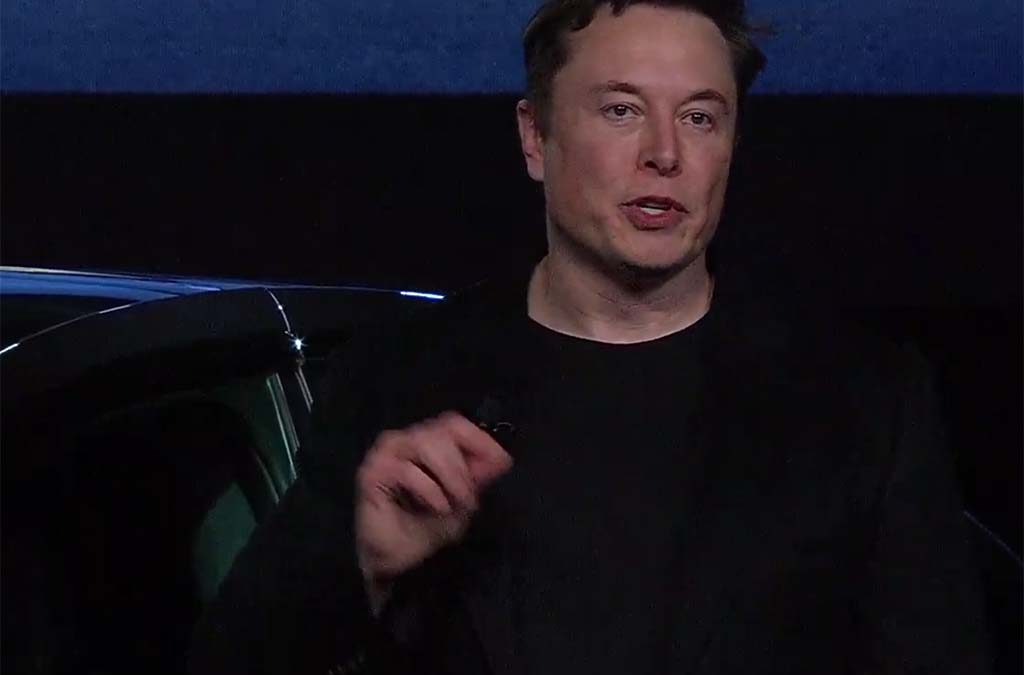
In friendlier times, Musk dumped more than $270 million to help get Trump elected.
Speaking of the relationship between Trump and Musk, Tesla’s longtime leader used his role as an adviser to the president to help stymie the EV development efforts of competition, encouraging Trump to end the federal EV tax credits created during the Biden administration. The move basically cut his competition off at the knees.
In addition, he’s erratic behavior during his time as the head of the Department of Government Efficiency — his brainchild that Trump adopted — managed to only further alienate his consumer base. Combine that with increased competition, and Tesla’s market share has continued to drop. Those things have caused shareholders to lose faith, pushing the company’s stock price down. Let’s not forget, they may reward with a $1 trillion compensation package for the privilege of testing that faith.
Tesla’s push into autonomous driving, specifically robotaxis, continues; however, it relies on the company’s full self-driving technology gaining government approval, and that is a long way from reality, although the number of testing sites is increasing.
Ford CEO Jim Farley
Few automotive executives have suffered through a more difficult year than Ford’s chief, Jim Farley. The company set the new full-year record for recalls — in June. Worse, the problems continue to roll in. While many of them are related to the abundance of electronics now standard in vehicles, the automaker has set a mark that may never be eclipsed. And those repair impact the company’s bottom line.
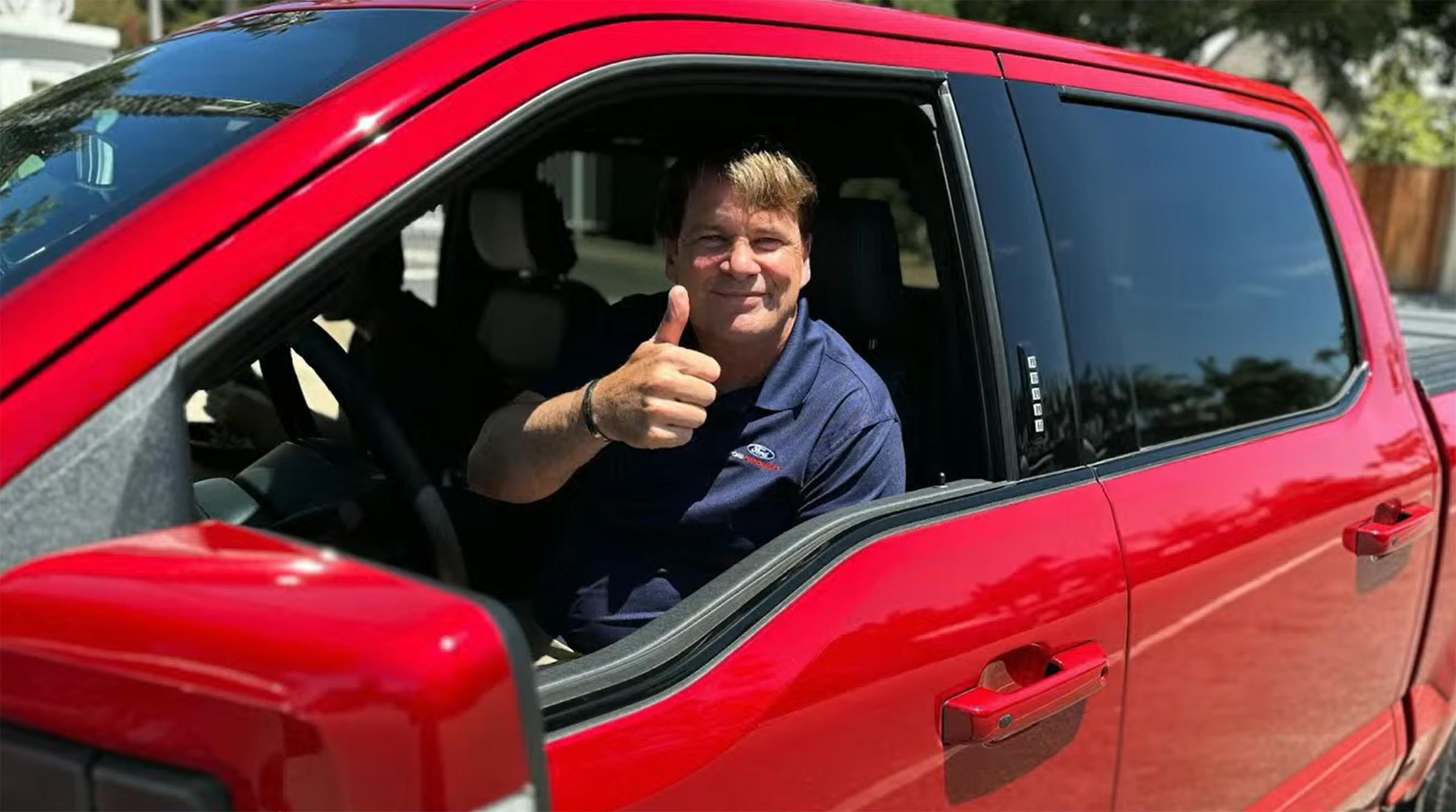
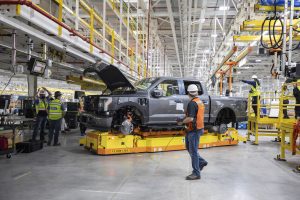
Ford CEO Jim Farley is changing the plan for the automaker at a cost of $19.5 billion.
On the flip side, the always energetically positive CEO showed he knows when to stop digging a hole. After seeing EV sales slide and then fall off a cliff in October, after the end of the $7,500 EV tax credit, Farley declared the company would be pursuing a new corporate strategy that was not reliant on electric vehicles, but instead focused on hybrids, currently gaining favor with the buying public.
He canceled the current iteration of the Ford F-150 Lightning EV and committed to developing hybrid models. However, he didn’t give up on electric vehicles entirely, committing to a multibillion-dollar revamping of the company’s Louisville assembly plant to build a new EV using Ford’s “Universal” electric vehicle platform. The first product will be a small pickup that will roll off the line at the Louisville facility sometime in 2027. Changing course forced the company to take a $19.5 billion write down on its now basically idle EV business.
Safe to say “sunk cost fallacy” is a concept with which Farley is familiar.
Rivian Founder and CEO R.J. Scaringe
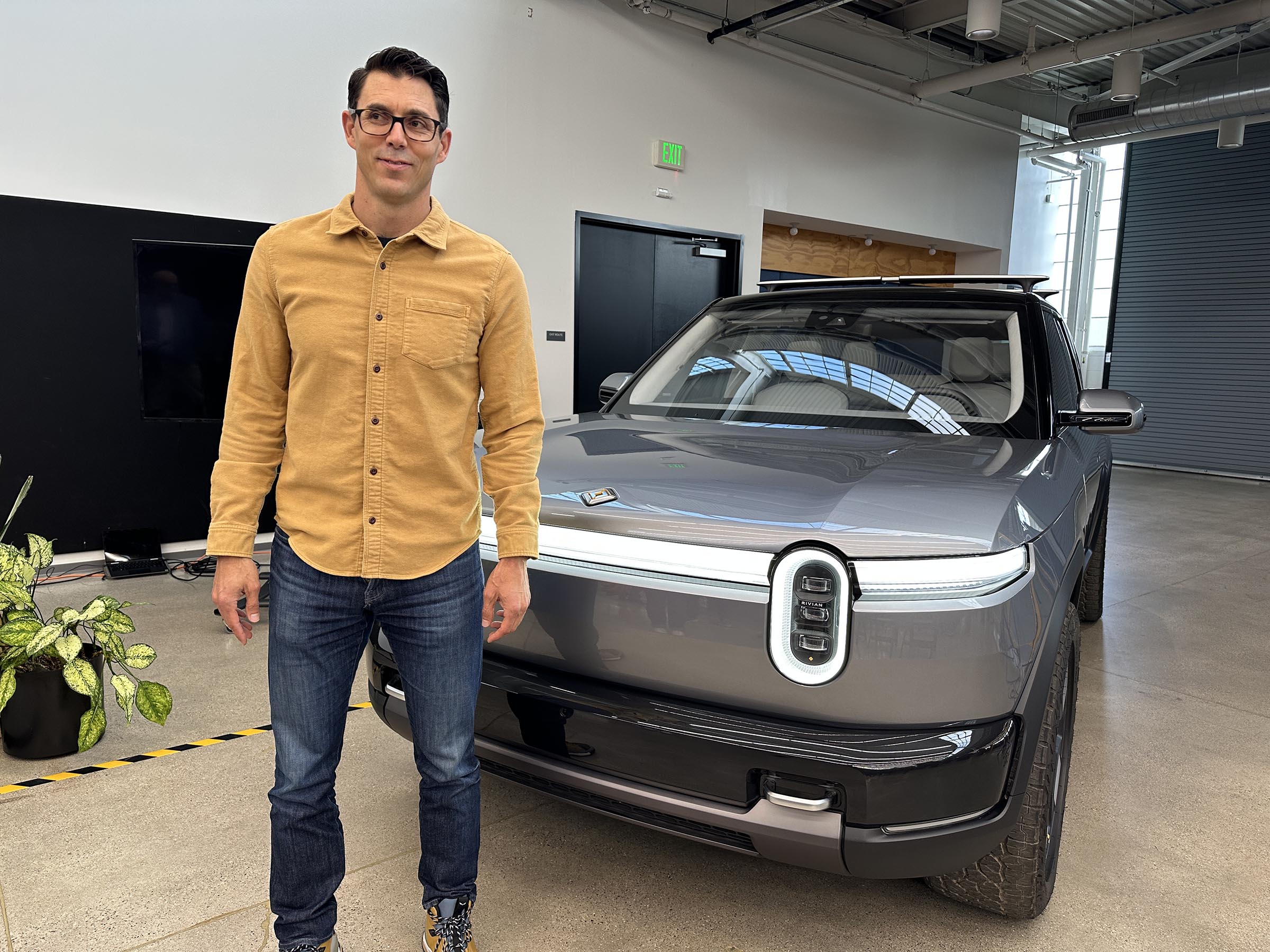
Tariffs make it difficult to plan, said Rivian CEO RJ Scaringe.
Despite the gloom and doom surrounding the electric vehicle market, Rivian’s R.J. Scaringe has kept the EV maker on track to continue its product expansion. Grown in some measure with a massive investment from Amazon founder Jeff Bezos to build a fleet of all-electric delivery trucks, the company’s consumer models continue to gain acceptance and garner praise for their workmanship and performance.
The end of the federal EV tax credit came with plenty of predictions of tough times for Rivian. However, the maker of the R1T truck and R1S midsize SUVs continues to sell vehicles and implement plans to build its next two models, the R2 and R3.
Yes, the company is still in the red, but Scaringe’s deft moves, such as partnering with Volkswagen to provide technology for its all-electric Scout brand and delaying a move into as-yet-not-completed plant in north Georgia to build the next generation of Rivians, have shown him to be smarter than the average bear … or at least the average EV startup founder.
Jeff Bezos, Slate Truck founder
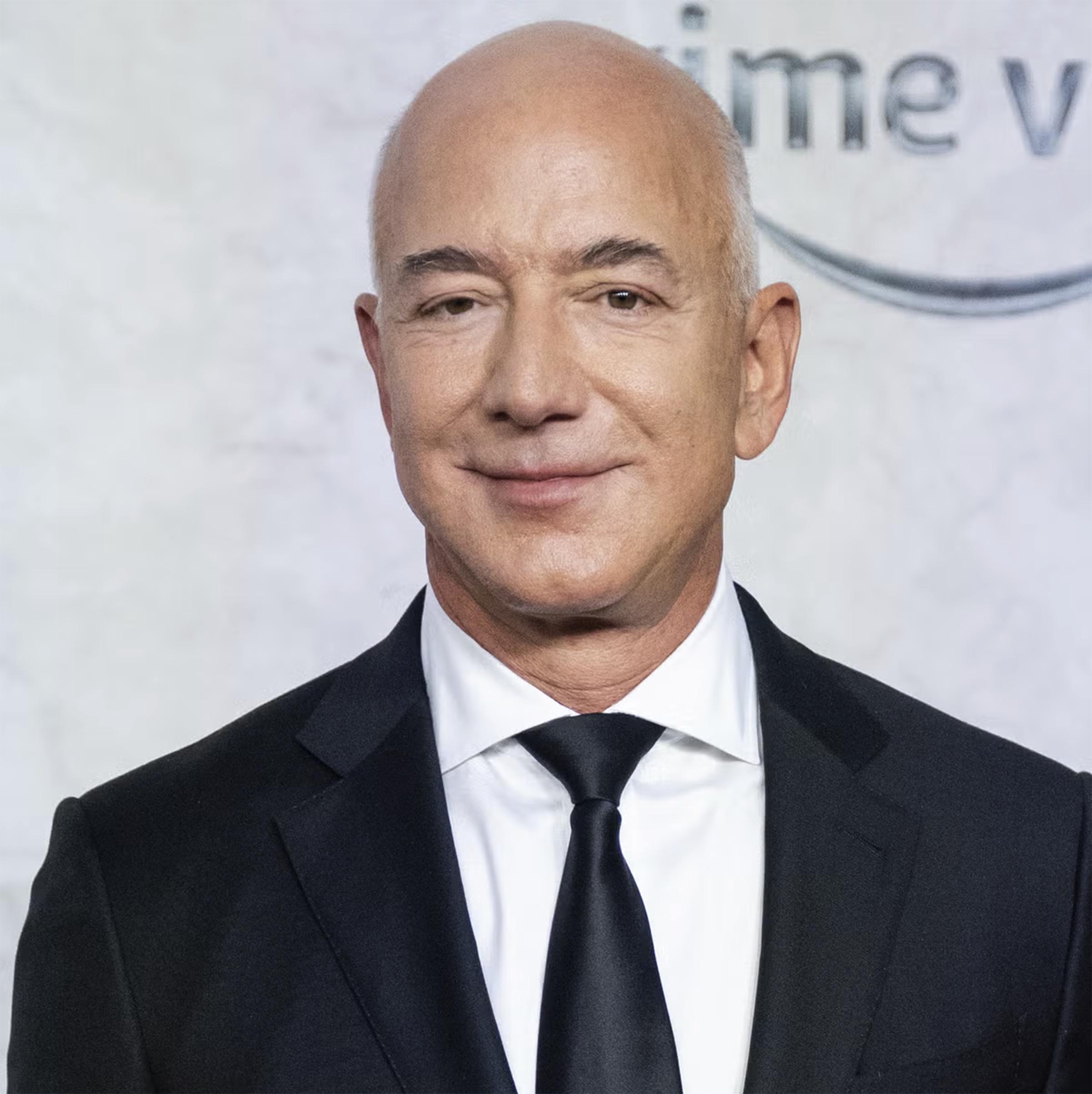
Amazon founder Jeff Bezos has invested a large sum into Slate – but CEO Chris Barman claims he’s “been very hands off.”
The man who went from selling books online to selling everything online is now expanding his influence in the auto industry. Amazon is a major investor in the aforementioned Rivian, and those unique-looking, battery-electric delivery trucks are now ensuring Amazon Prime members get much-needed Starbucks K-pods, Method dish soap and Logitech mice (maybe it’s just me?) get delivered often as quickly as the same day.
But now the man who spars with Elon Musk for the title of world’s richest person is looking to shake up the market with the Slate electric pickup. The truck once had a claimed sub-$20K price tag; however, since the end of the EV tax credit, it can be had for less than $25,000.
Yeah, it’s a pretty minimal vehicle — radio-delete is the standard setup — but it allows consumers a level of choice they’ve not enjoyed from the auto industry in decades. For a bit more money, you can buy a conversion kit that lets you make it a small SUV that seats four.
You can buy accessories a la carte to create the exact vehicle you want. Predictably, tens of thousands plunked down refundable $100 deposits. Early reviews are positive, although no final versions have made their way into buyers’ hands. That’s expected in 2027. If they’re successful on the level Bezos hopes for, it could usher in an entirely new era.

No one else in the world would pick these 5 as the most influential people in the auto industry.