
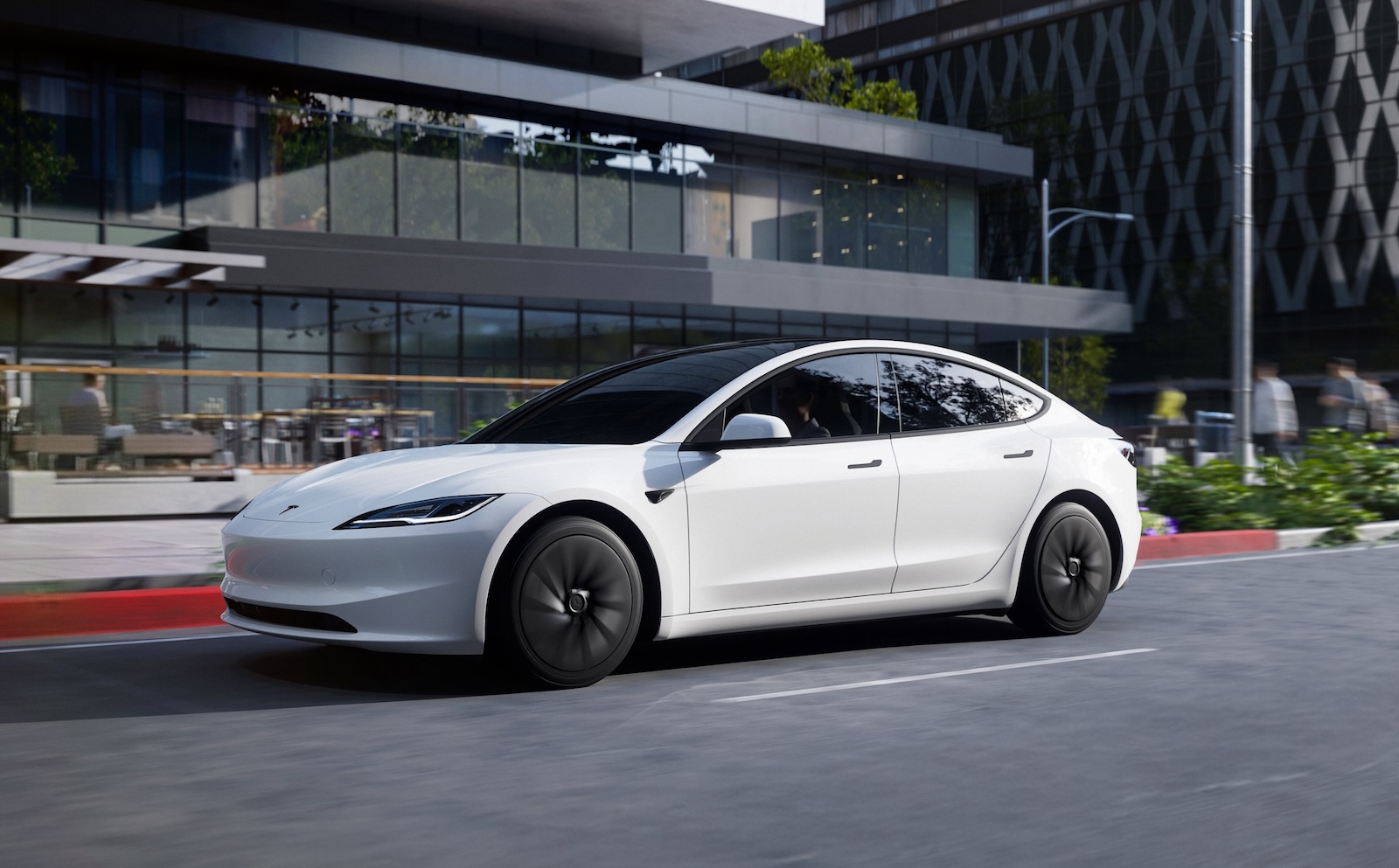
Tesla could lose access to the critical California market soon if it does not alter the advertising around its Full Self Driving, according to the state’s Department of Motor Vehicles. More from Headlight.News.
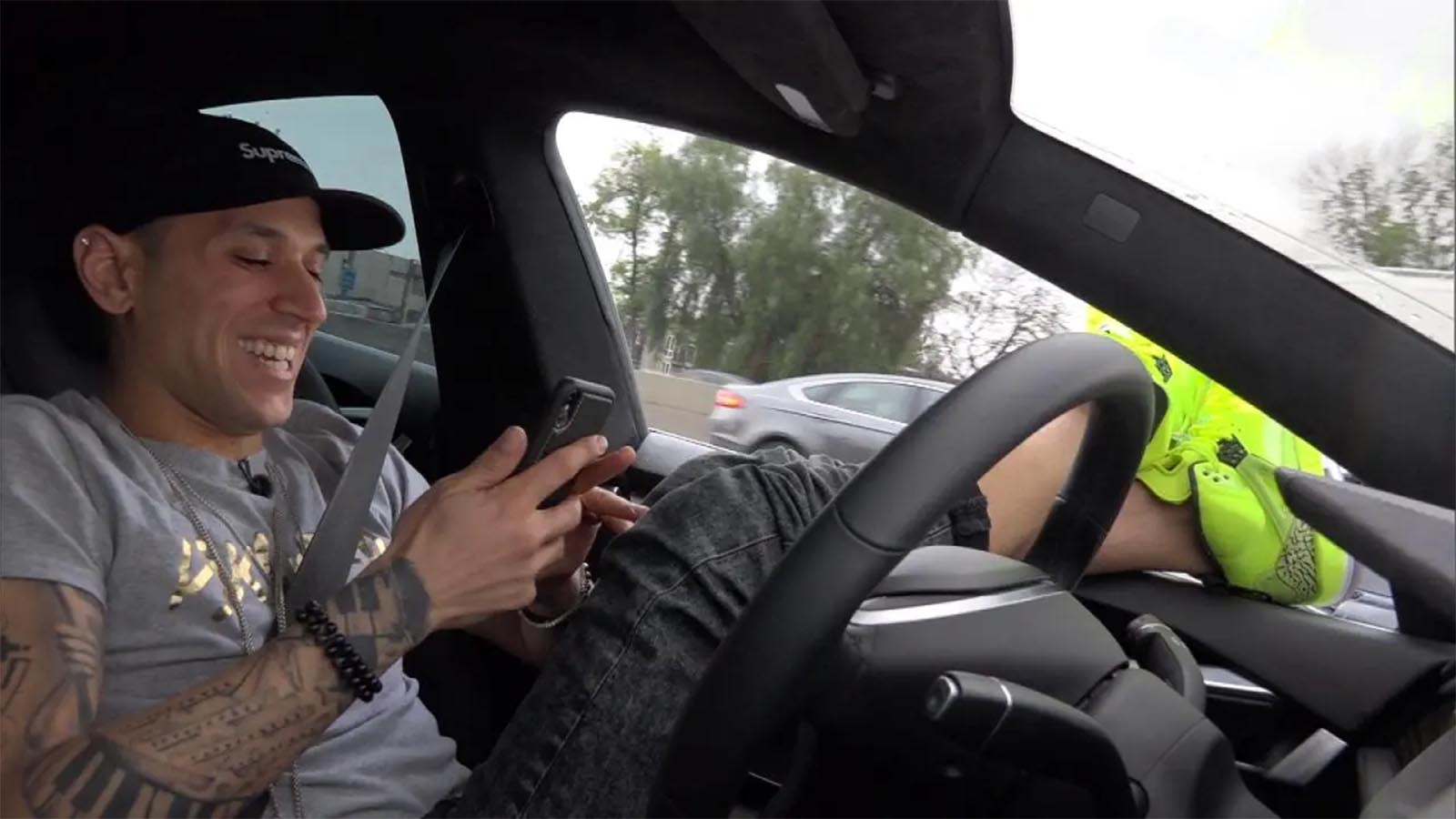
A driver hangs his feet out the window, checks texts while using Tesla Autopilot.
The California Department of Motor Vehicles obtained a ruling from an administrative judge, who concludes Tesla’s use of the terms “autopilot” and “Full Self-Driving Capability” to describe its vehicles’ advanced driving assistance systems (ADAS) is misleading and violates state law. The DMV says Tesla’s use of the word “autopilot” for its driver-assisted technology is, in particular, misleading to consumers.
The decision could lead to a 30-day suspension of Tesla’s ability to sell vehicles in the state of California, which is the country’s largest market for electric vehicles. The suspension could begin as soon as mid-March, according to the California officials.
Such a ban could come at a critical time for the Texas-based automaker which has now suffered two consecutive years of declining global demand. Earlier this month, Tesla disclosed its EV sales had dropped behind Chinese manufacturer BYD for the first time.
Tesla can fix the problem says DMV
Tesla CEO Elon Musk’s future fortunes could be severely impacted by a ban in California.
Tesla has faced repeated criticism for its use of terms including “Autopilot” and “Full Self-Driving” for its semi-autonomous technologies, both in the U.S. and abroad.
“Tesla can take simple steps to pause this decision and permanently resolve this issue—steps autonomous vehicle companies and other automakers have been able to achieve in California’s nation-leading and supportive innovation marketplace,” California DMV Director Steve Gordon said in a statement.
In a post on X, Tesla said, “This was a ‘consumer protection’ order about the use of the term ‘Autopilot’ in a case where not one single customer came forward to say there’s a problem. Sales in California will continue uninterrupted.”
DMV case against Tesla
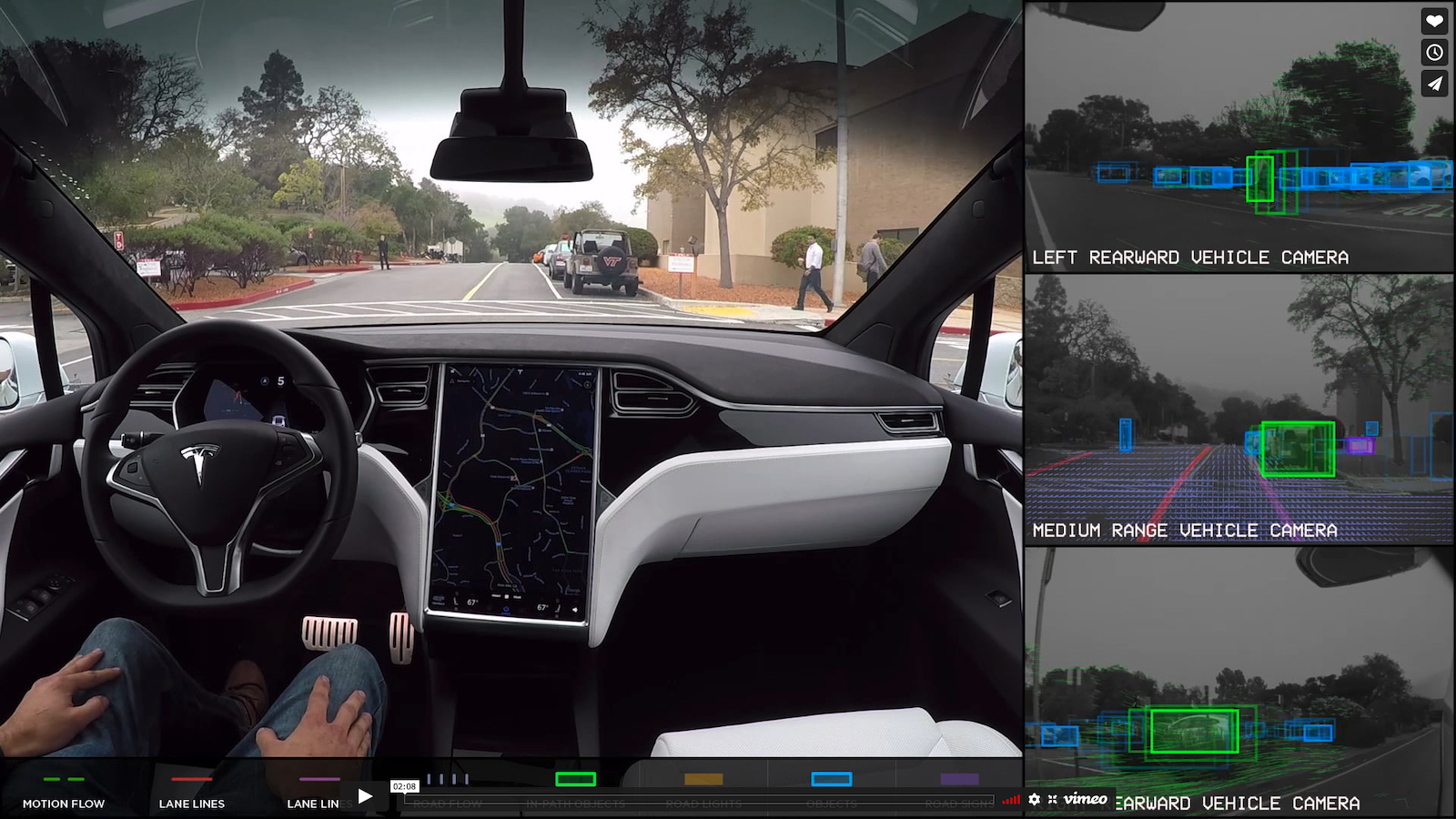
Tesla’s woes are compounded by separate investigations into Autopilot and FSD following fatal crashes involving the technologies.
The DMV, which opened the case last summer, accused the company of overstating the capabilities of its “Autopilot” and “Full Self-Driving” software and asked an administrative judge to determine whether a suspension is warranted.
The proposed suspension follows a recommendation from the administrative law judge who found that Tesla engaged in deceptive marketing related to its Autopilot and Full Self-Driving features.
“Tesla can take simple steps to pause this decision and permanently resolve this issue — steps autonomous vehicle companies and other automakers have been able to achieve in California’s nation-leading and supportive innovation marketplace,” the DMV stated.
The California administrative law judge’s ruling would not only suspend Tesla’s ability to sell vehicles in California but also suspend its manufacturing license. The automaker’s original assembly plant is located in the San Francisco suburb of Fremont. The company has 60 days to meet the DMV’s demands to avoid the suspension and additional fines.
More Tesla News
Background for the dispute
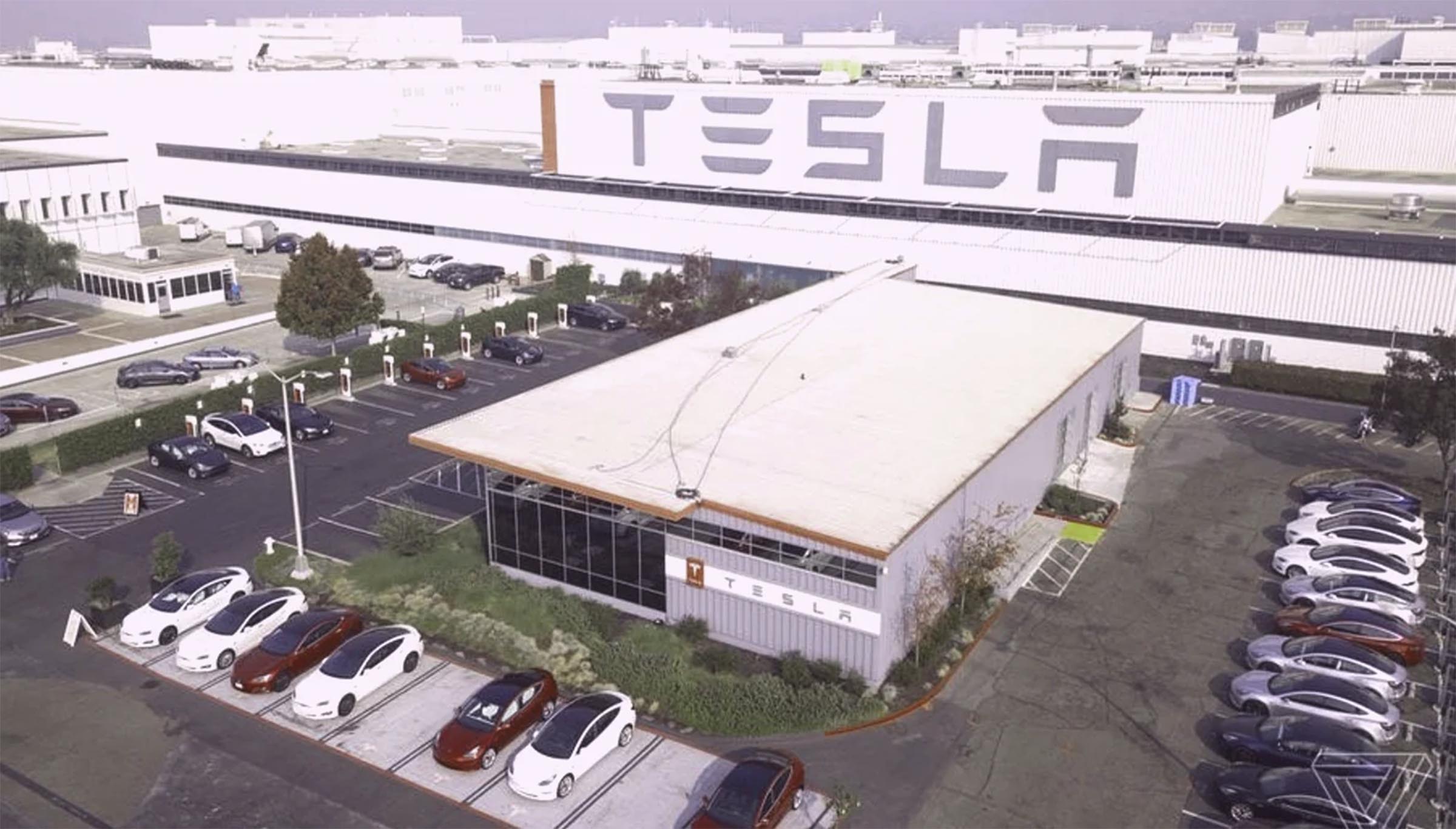
A ban could potentially see Tesla also lose its manufacturing license for its Fremont plant.
The DMV’s complaint alleged that Tesla made and disseminated statements that were misleading in advertising their vehicles as equipped, or potentially equipped, with features tantamount to fully autonomous driving capability.
Regulators noted that Tesla began advertising in May 2021 that Autopilot and the Full Self-Driving system were “designed to be able to conduct short and long-distance trips with no action required by the person in the driver’s seat.”
“However, vehicles equipped with those ADAS features could not at the time of those advertisements, and cannot now, operate as autonomous vehicles,” the agency alleged. It noted that after the DMV filed accusations against Tesla’s manufacturer and dealer licenses in November 2023 the company modified its language. It subsequently stated that FSD requires driver supervision by using the term “Full Self-Driving (Supervised).”
The clock is ticking
Tesla now has three months to correct the language used in its marketing materials. If the company fails to comply, its factory license to sell vehicles in California could be suspended for at least 30 days.
The DMV has emphasized drivers must remain actively engaged at all times when using Tesla’s driver-assistance systems. The case adds to the growing regulatory scrutiny of how automakers describe advanced driver-assistance features as companies race to develop more automated vehicles.
Musk has lauded the efficiency and. effectiveness of the company Full Self Driving system, but Tesla also continue to upgrade and change the FSD software The latest iteration, which the EV maker released this past summer has won praise from owners and numerous reviewers for improvements in its ability to be operated hands-free.
0 Comments