
If you thought the end of the $7,500 federal tax credit for electric vehicles would hammer Tesla’s earnings numbers for 2025, you’d be right — mostly.
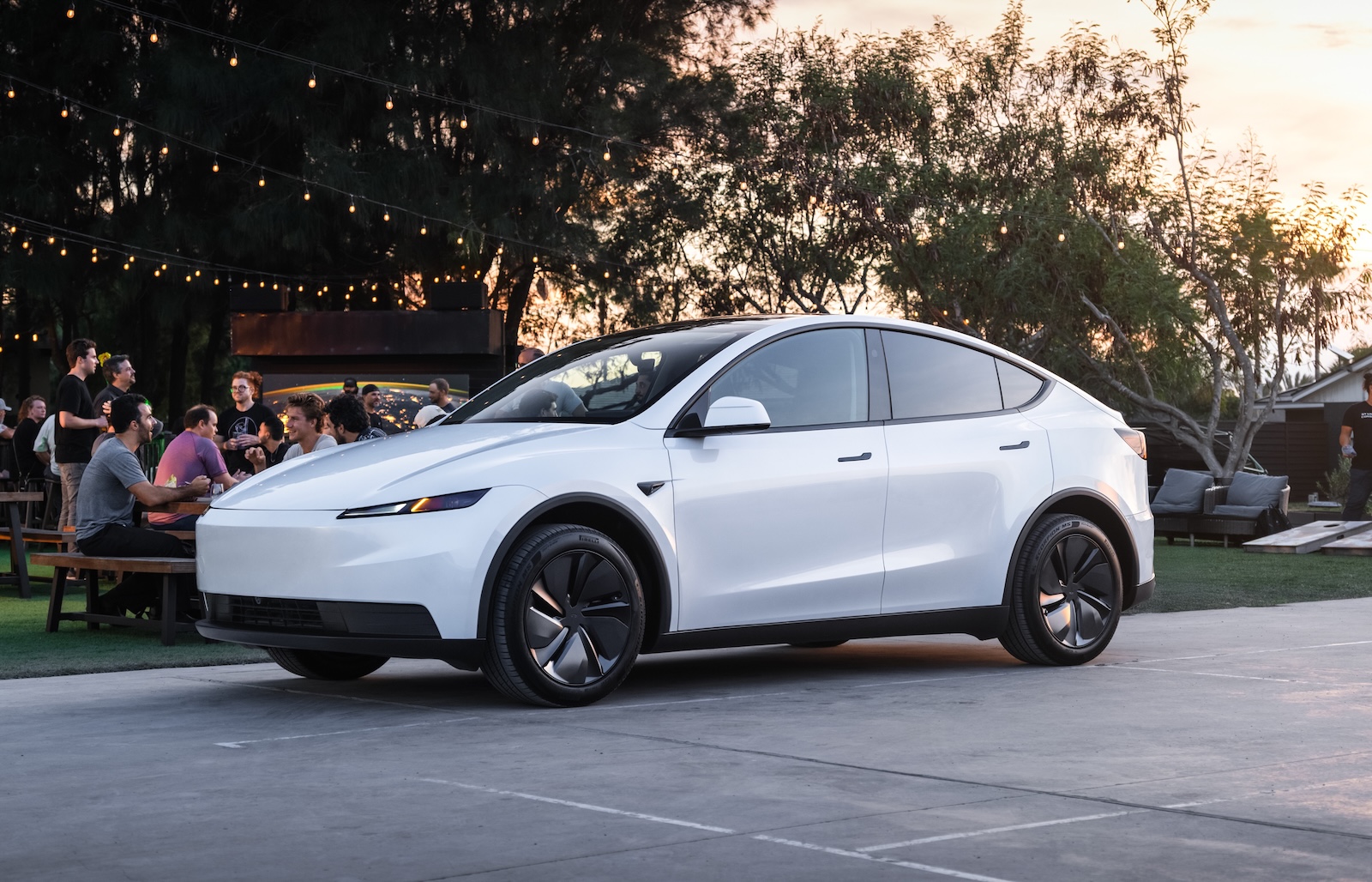
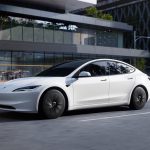
The latest Tesla Model Y rollout is complete.
Those falling sales combined new product expenditures ate into Tesla’s full-year and fourth-quarter earnings results. The EV maker reported drops in revenue and profit while telling investors the sun’ll come out tomorrow.
“We laid the foundation for the future of Tesla as we further advanced FSD (Supervised)4, launched our Robotaxi service, began installing production lines for Cybercab and fine-tuned our production-primed Optimus design while expanding our AI training infrastructure,” the company wrote in a letter to investors.
The numbers
The company’s automotive revenue fell 10% for all of 2025, due in large measure to the aforementioned decline in EV sales. However, Tesla was already lagging its previous year’s quarterly automotive revenues prior to the end of the tax credit because of tough competition.
Tesla’s overall revenue was $94.8 billion, a 3% drop compared to 2024 results. Those numbers include revenue from its energy generation and storage business and sales of carbon credits to other automakers. The company’s net income was $3.8 billion, a 46% slide year-over-year. The company’s overall Q4 revenue fell 3% to $24.9 billion, and net income declined 61% to $840 million.
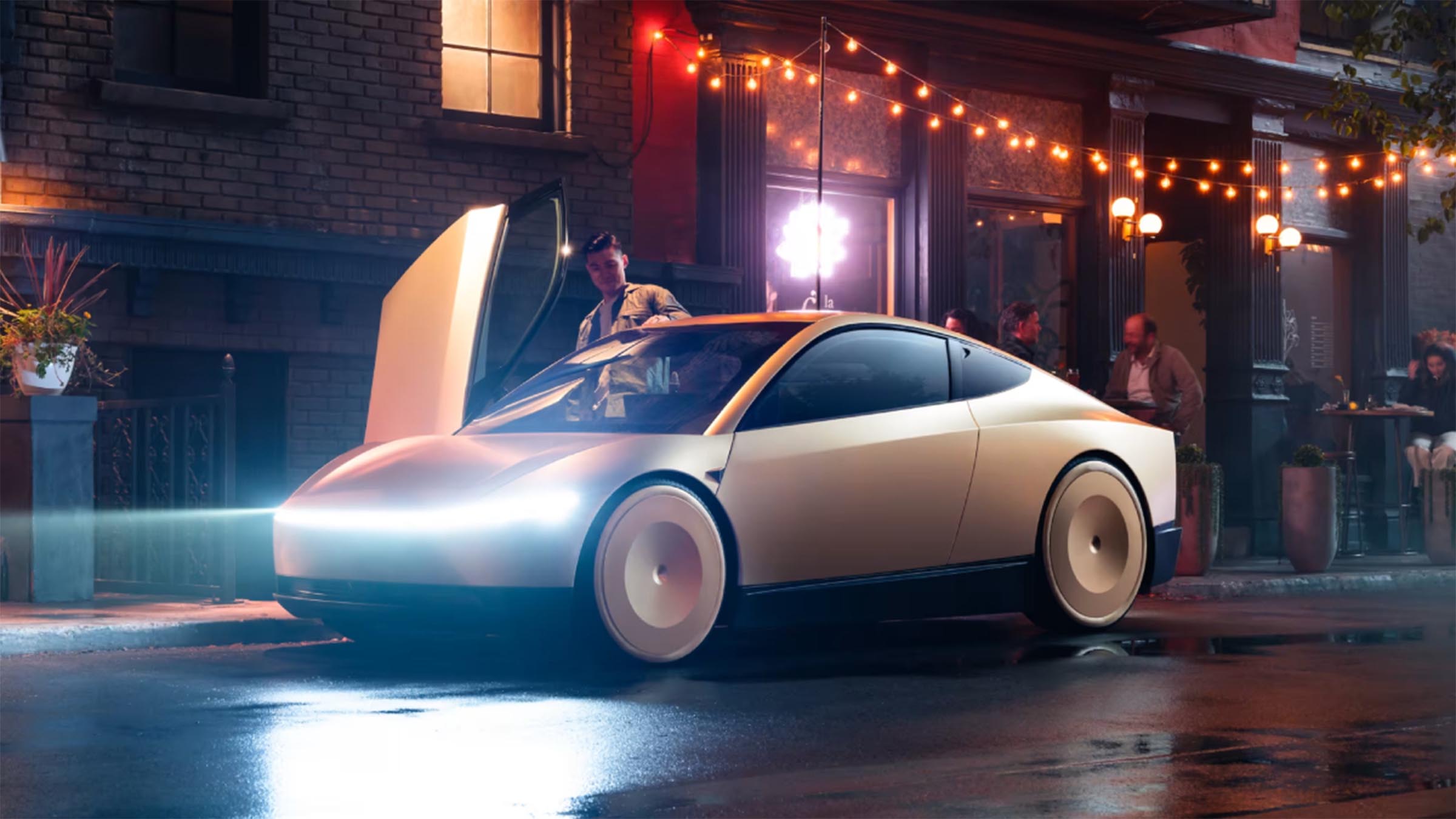
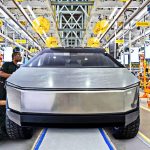
Tesla is readying for production of the Cybercab.
Tesla investors responded positively to the numbers, which were better than analysts predicted. The EV maker’s stock rose about 3% in after-hours trading. What made them happy? Probably reported an operating profit of $1.4 billion, down 11% year over year, but beating the projected $1.2 billion by analysts. The difference? Regulatory credits it sells to other automakers.
What’s coming
Tesla officials noted the company faced a lot of issues, including starting up Cybercab production, the ongoing development of humanoid production robots and its full self-driving program. The company completed the rollout of its refreshed Model Y as it pushed to improve production on Cybertruck and Semi trucks.
“In 2026, we will further invest in the infrastructure needed to support clean energy and transport and autonomous robots, including the ramp of six new production lines across vehicle, robots, energy storage and battery manufacturing, while further leveraging our existing factory, charging and service center footprint to support future growth,” the company noted in a letter to shareholders.
Those new production efforts include “production ramps of the Tesla Semi and Cybercab, both commencing” in the first half of this year. Officials noted development on the second-generation Roadster, Tesla’s first offering, continues as well.
“We continue to evolve and augment our product lineup with a focus on cost, scale and future monetization opportunities via services powered by our AI software,” the company noted. “We remain focused on growing our sales volumes through a differentiated and efficiently managed product portfolio, which includes leveraging and optimizing our existing production capacity before building new factories and production lines.”
0 Comments