
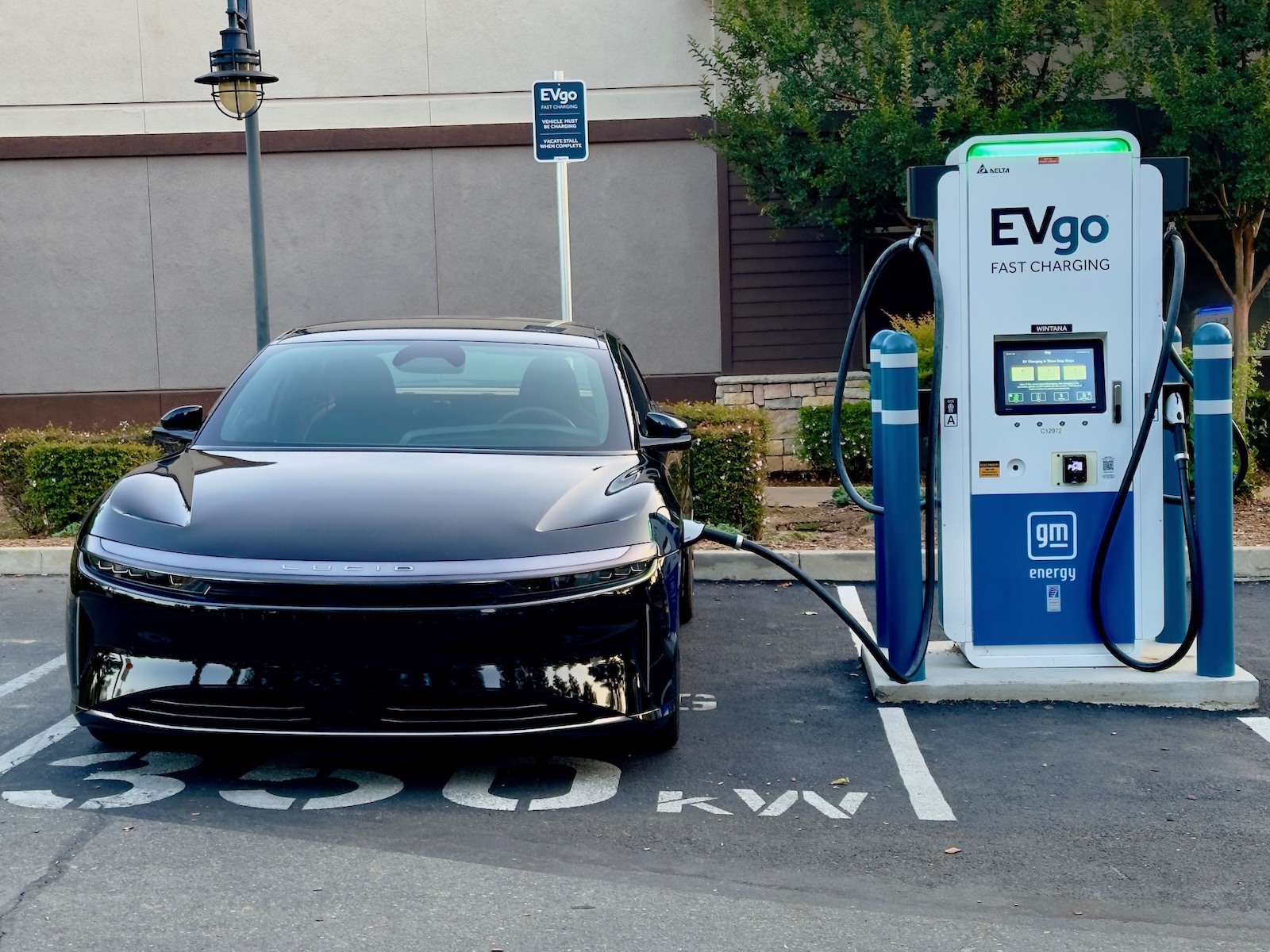
Electric vehicle sales continue to slide, but the need to charge the millions of EVs currently on the road — and the thousands more to come — still needs to be met, and new report reveals that public DC fast-charging port installations grew 30% last year.
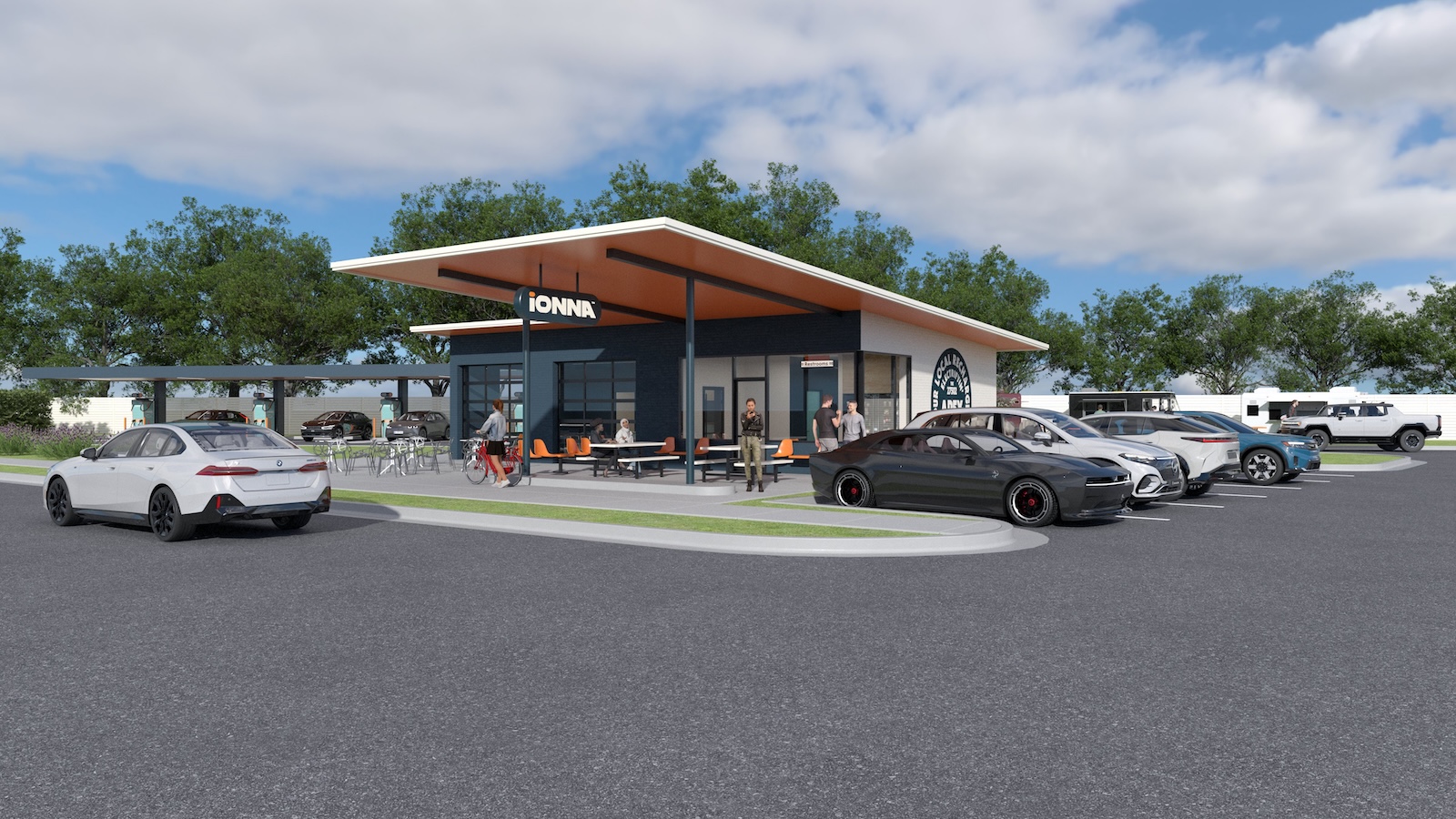
Ionna’s first Rechargery is among the 18,000 fast-charging ports installed last year.
The 30% jump translates to 18,000 new charge ports. EV sales fell precipitously after the federal $7,500 federal tax credit ended last September. However, there was a rush before then and that’s led to a massive increase in the need for fast-charging stations now. According to a report from Paren, a, EV and charging analytics firm, there were 141 million fast-charging sessions last year — also a 30% year-over-year increase.
King of the hill
The 18,000-port increase surpassed earlier predictions of 16,700 ports, Paren officials noted. They said expedited efforts by Mercedes Benz HPC (+193 percent), Ionna (+48 percent), and Red-E (+43 percent) pushed the number well past the forecast.
Although there are more companies than ever installing new chargers to grow the network, Tesla is still tops, adding nearly 6,800 Supercharger ports across the U.S. last year. Tesla’s 2025 total (6,786) was more than the remainder of the top 10 list combined (6,184).
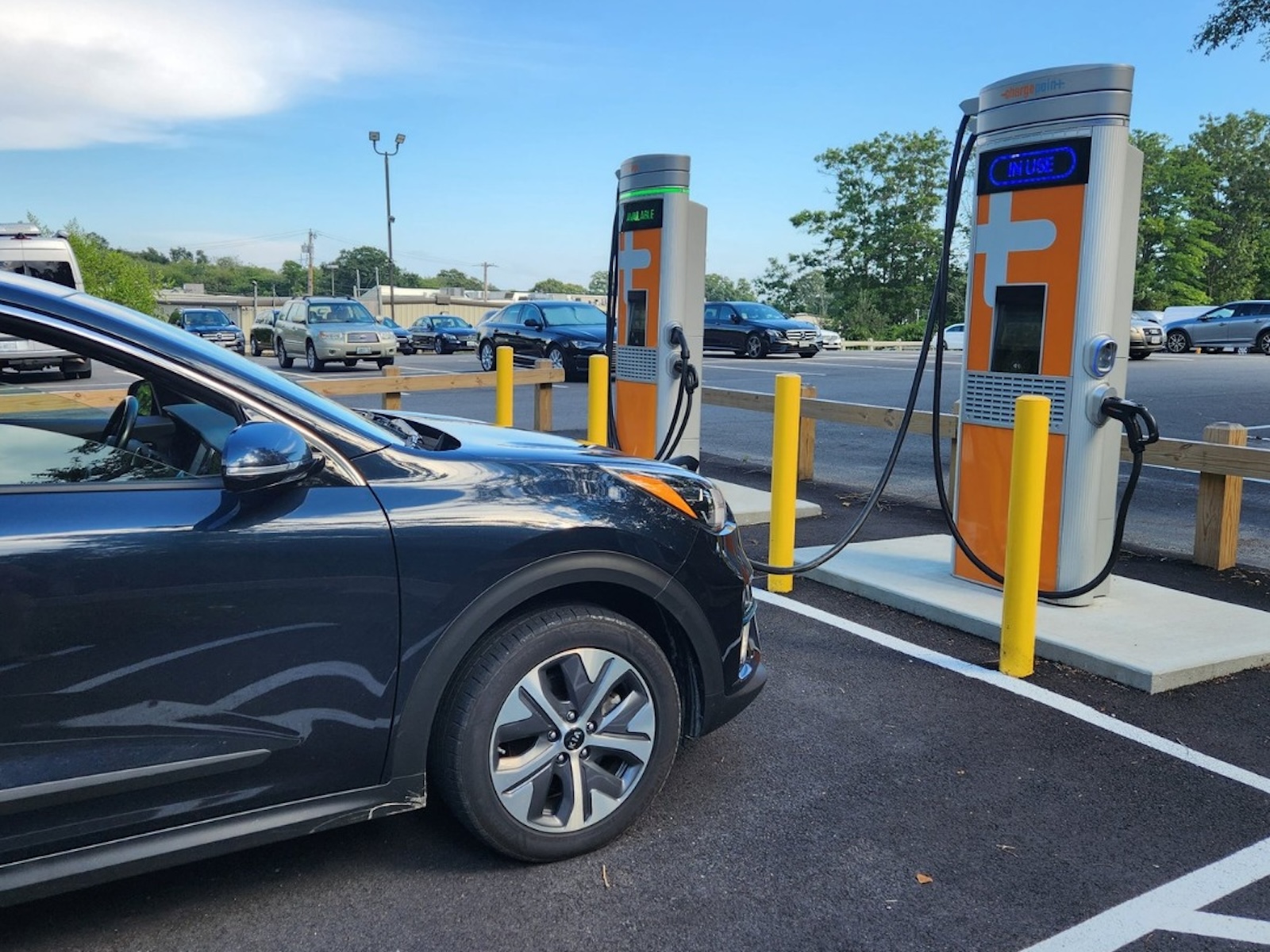
ChargePoint’s new Omni Port will begin showing up on new chargers later this year as well as being retrofitted to existing units.
ChargePoint was second, installing 976 new fast-chargers last year followed by Red E (854), EV Connect (785), and Blink (659). The forecast for this year is not as robust, with Paren predicting an 8% increase to 19,500 fast chargers. As more chargers get added, the gains begin to slow.
More and better
Not only are there 18,000 new fast-charging ports now, the overall improvement in the reliability of the network has grown at the same time, Paren noted in the report.
The improved reliability stems from a push to get better by the existing players and Tesla’s continual reliability. In addition to becoming more reliable, they’re more powerful on average. The number of ports capable of 250 kW charging grew from 27% at the start of last year to 51% at the end of 2025.
MORE EV NEWS
- Jaguar Will Be Out of Production for a Full Year
- JLR Fires Design Chief McGovern
- New JLR CEO Has His Hands Full
Good things come to those who wait
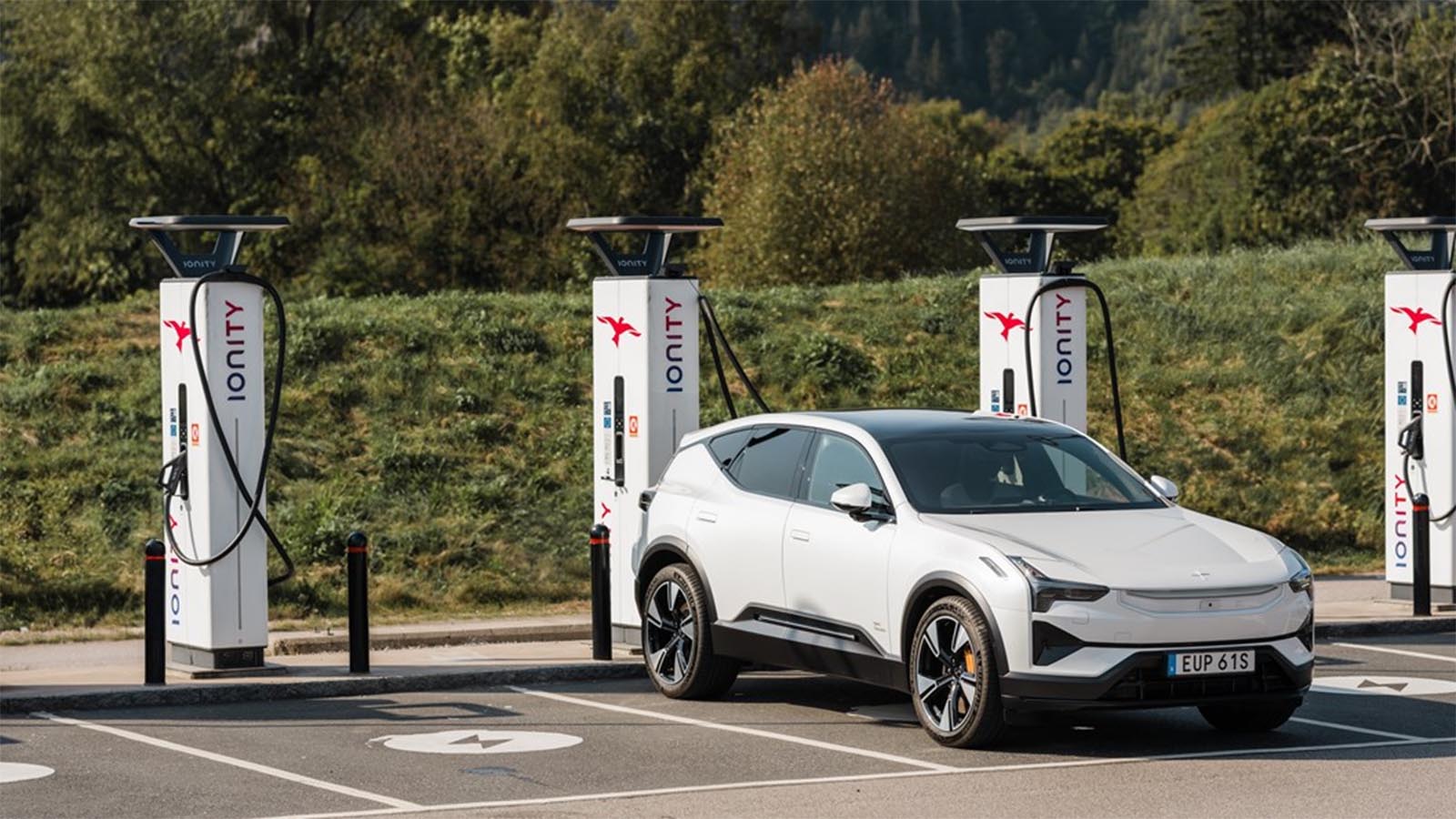
The number of public charging stations is fast on the rise, though slower Level 2 chargers still vastly outnumber DC quick chargers.
Additionally, as automakers begin shifting more and more to the Tesla charging standard, now the North American Charging Standard (NACS), that will help with the overall charging experience for consumers.
The standard is best described as the type of charging port used to charge the vehicle. Initially, there were at least three different connectors used by EVs, but in 2023 EV makers began shifting to Tesla’s setup, which later became the NACS.
As of Q4 2025, 75% of installed ports at non-Tesla networks remained CCS. NACS ports only stood for 5% of the total ports available outside of Tesla Superchargers.
The U.S. Department of Energy claims by 2030, the country will need 28 million EV charging ports to support 33 million electric vehicles. Before being overwhelmed, note the vast majority of those charging ports — 25.7 million — will be home chargers. More than 1 million will be Level 2 public chargers and 182,000 will be public DC Fast Chargers.

0 Comments