
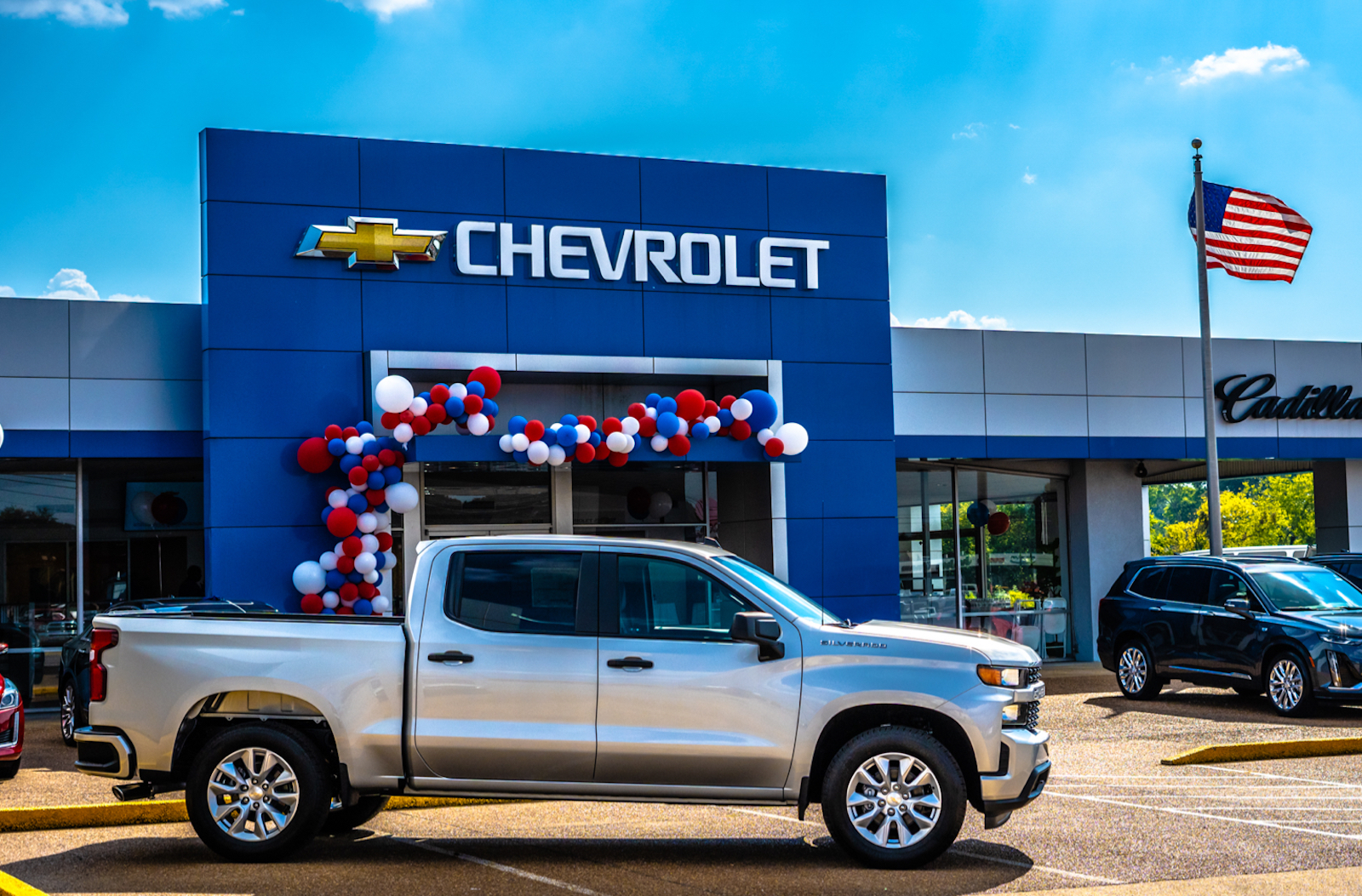
As the War with Iran drags on, Americans are becoming ever more pessimistic about the U.S economy. A potentially spiraling round of inflation, marked by surging fuel prices, could hit hard, starting with the automobile business. More from Headlight.News.
 Consumer sentiment – a key element in decisions to purchase a new vehicle — slipped about 2%, reaching its lowest reading of the year, according to the latest in a long-running series of surveys by the University of Michigan.
If anything, the results of the latest Index of Consumer Sentiment may not reflect the full level of Americans’ concerns, as the survey of roughly 1,000 Americans conducted by the University straddled f the launch of the American attack on Iran on February 28.
Since then, Iran has blockaded the strategic Strait of Hurmuz through which 20% of the world’s petroleum must travel. That has resulted in a $1-a-gallon increase in the average price of self-serve regular gasoline across the U.S. That is having a spin-off effect, economists warn, that will see a spike in prices of everything from food to airline tickets. The auto industry, in particular, could take a major hit to sales – with a subsequent impact on jobs.
Persistence of high prices spooks consumers
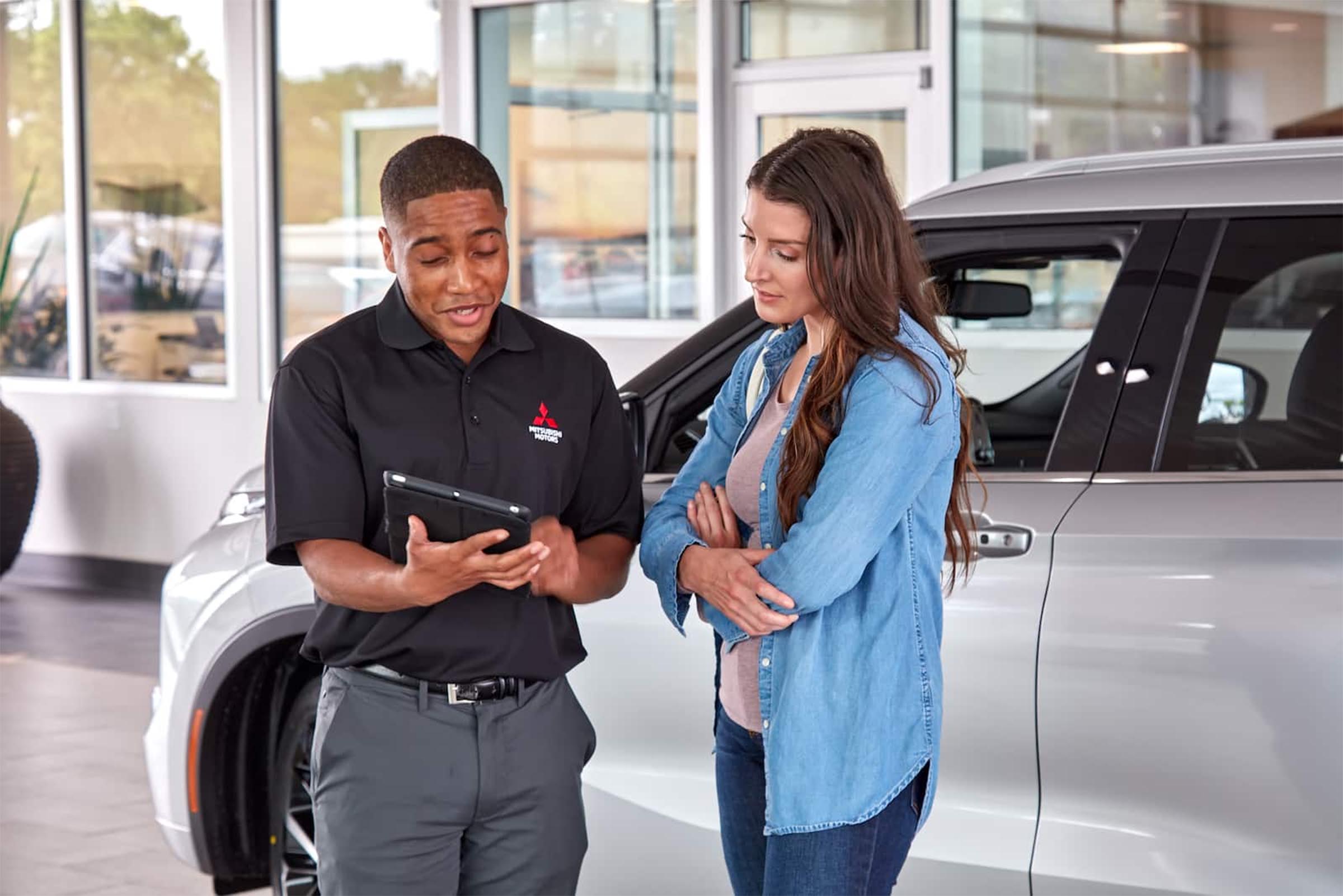 The number one factor on consumers’ minds is the persistence of high prices, and tariffs are a major factor in that. Inflation, did show signs of coming down prior to the launch of the Iran War. But there are signs it could reignite, the Federal Reserve this past month deciding to postpone what many had expected would be a reduction in interest rates due to concerns about the war’s impact.
Joanne Hsu, director of the Surveys of Consumers at the University of Michigan Institute for Social Research, said in a recent podcast prices have remained high and that’s something that consumers continue to be very frustrated about.
“The thing is, we all want prices to come down, but historically speaking, it’s really hard for prices to come down without something catastrophic happening in the economy, like a major recession. And a major recession will surely affect everyone in a very negative way,” said Hsu, a specialist in the fields of household finance, consumer sentiment and the impact of economic expectations on the national economy.
The expectation of more inflation in the latest Michigan consumer survey is one of the key findings, making it clear consumers are growing more pessimistic about prices going forward, she said.
Negative sentiment is widespread
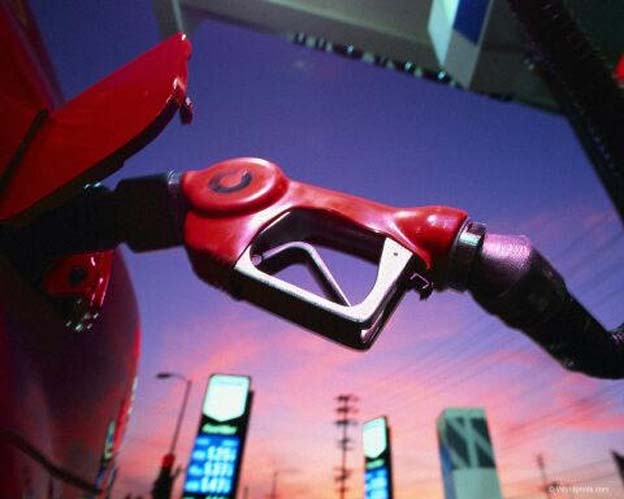
Motorists should prepare for more pain at the pump.
A broad swath of consumers across incomes, age, and political affiliation all reported declines in expectations for their personal finances, down 7.5% nationally. Interviews for this month’s index were collected between February 17 and March 9, with about half completed before the start of the US military conflict in Iran. Sentiment also rose slightly in the days leading up to the attack but such gains were then completely wiped out.
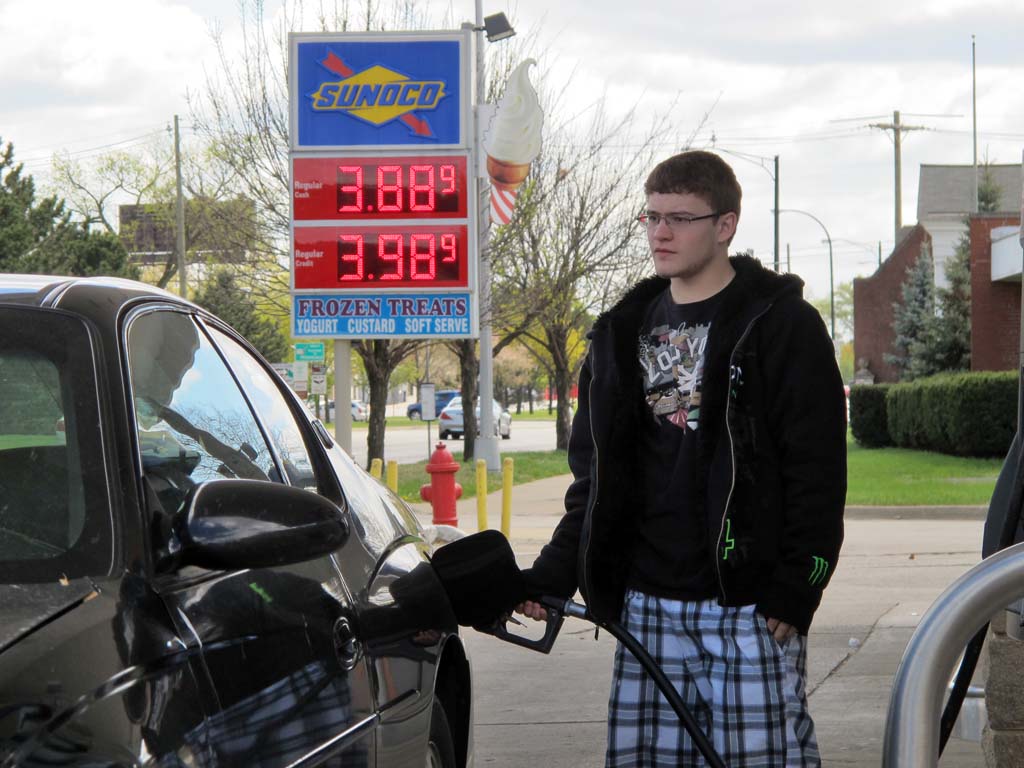
The retail price of gasoline has surged by more than a third since the beginning of March – about $1 a gallon according to data collected by both GadBuddy.com and AAA. Surging gasoline prices have exerted the most immediate impact felt by consumers, though the magnitude of how those increases will be pass through to other industries remains uncertain.
Rising oil prices and the blockade’s impact on global petroleum supplies is expected to have an impact across a wide range of economic sectors. That includes agriculture, where the price of fertilizer is increasing rapidly, as well as the industrial sector where stockpiles of oil-based precursors for industrial grade plastics are running short.
More Consumer Auto News
- As Fuel Prices Surge Expect to Pay More at the Pump and the Grocery Store
- IIHS Reveals the Safest Vehicles You Can Buy
- Consumer Reports Names its Top 10 Picks – and They’re All Electrified
Consumers see inflation roaring back – especially in the auto market
 The year-ahead inflation expectations of consumers survey by U-M ended six months of consecutive declines, stalling at 3.4%. The current reading exceeds those seen in 2024 and remains well above the 2.3-3.0% range seen in the two years pre-pandemic.
Creeping price inflation in the automotive sector also is contributing to negative news around inflation, numbers, making it harder for the Federal Reserve Board to lower interest rates.
The February average transaction price (ATP) for a new vehicle according to Kelley Blue Book was $49,353, up 3.4% from one year earlier. The ATP is one of the components of the Consumer Price Index. A higher monthly increase in the ATP indicates more inflation. Over the past three years, the average annual ATP increase has been 0.9%, indicating February’s gain was well above the near-term average. Compared to January, prices last month were higher by 0.3%.
For the 11th consecutive month, the average new-vehicle manufacturer’s suggested retail price (MSRP) – commonly called “the sticker price” – was above $50,000. At $51,440, the MSRP in February was higher year over year by 3.5%, slightly above the long-term average annual gain.
Auto sales and jobs at risk
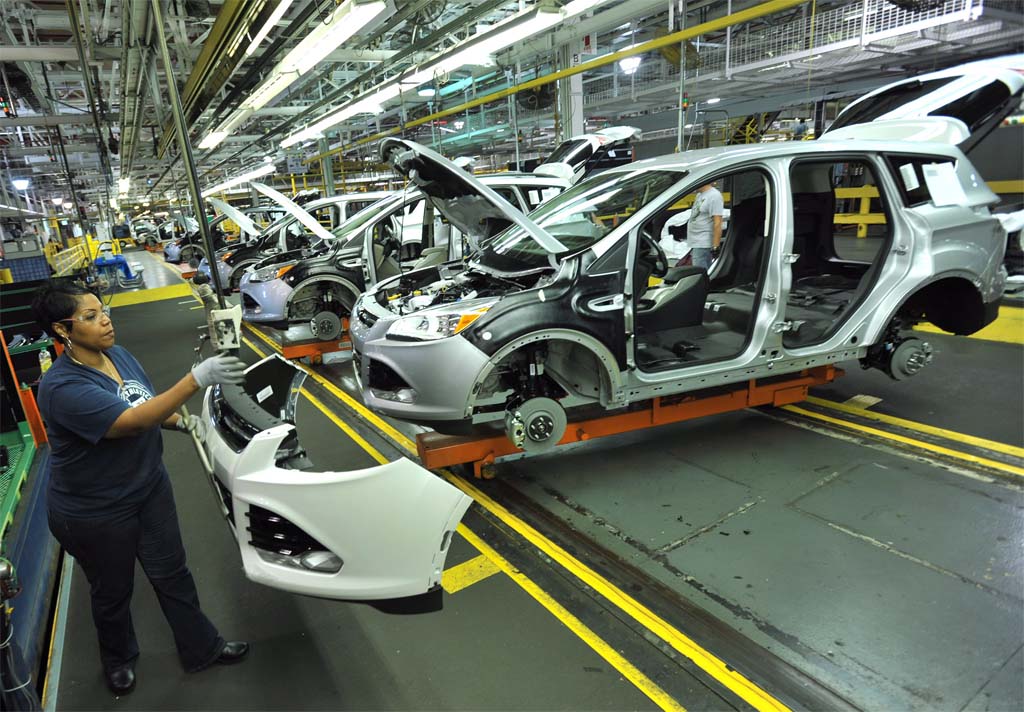
Petroleum byproducts are critical to the auto industry, used for many plastic parts, components and fabrics.
Automakers increased incentives in February, worrying that sales could be losing momentum. The average incentive package last month was equal to 6.9% of ATP, up from 6.5% in January, according to Kelley. The biggest increases were for luxury vehicle and compact SUVs. A year ago, the average incentive package was equal to 7.0% of ATP, putting more of a squeeze on buyers of new vehicles.
The closure of the Strait of Hormuz is already impacting automakers around the world. Shortages are developing not just for petroleum but for petro derivatives, such as ethylene, used for the plastics that are critical to modern automobiles. Meanwhile, vehicle shipping costs are rising.
If the Iran War ends in the coming weeks, fuel prices could quickly come back down, said Erin Keating, lead auto analyst with Cox Automotive, and assuage consumer concerns. On the other hand, if it drags on, with fuel prices driving further increases in inflation, auto sales could tumble by as much as 1 million compared to the 16.4 million vehicles sold in 2025, cautioned Sam Abuelsamid, chief auto analyst with Telemetry Research. And, if that happens, he warned, “We’re going to see job losses” which could add to declining consumer sentiment.
Paul A. Eisenstein contributed to this story.


0 Comments