
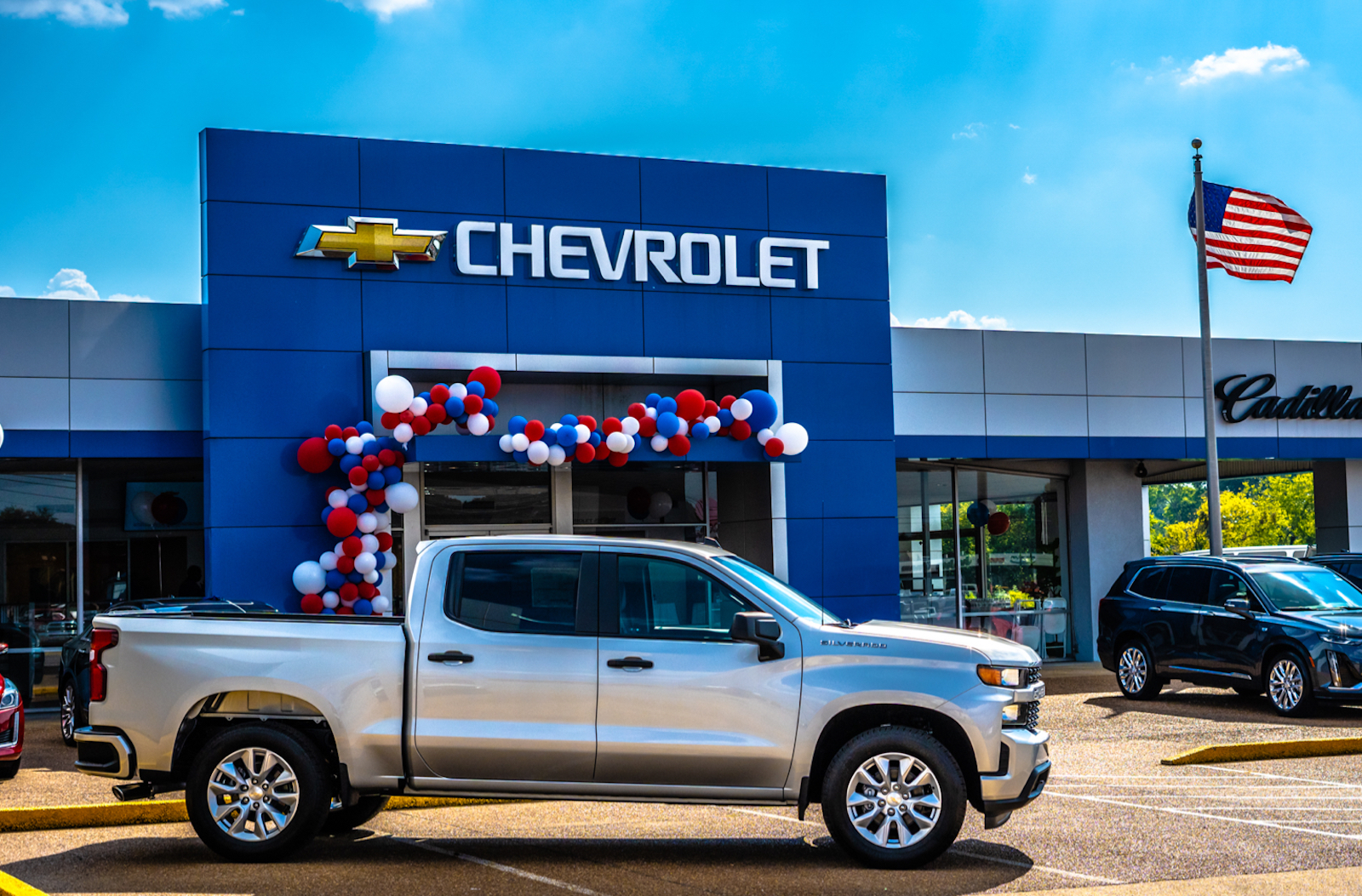
New vehicle sales appear to have gone into decline during the first quarter, with industry insiders worrying the downturn could accelerate as the Iranian War triggers not only higher fuel prices but more general inflation. More from Headlight.News.
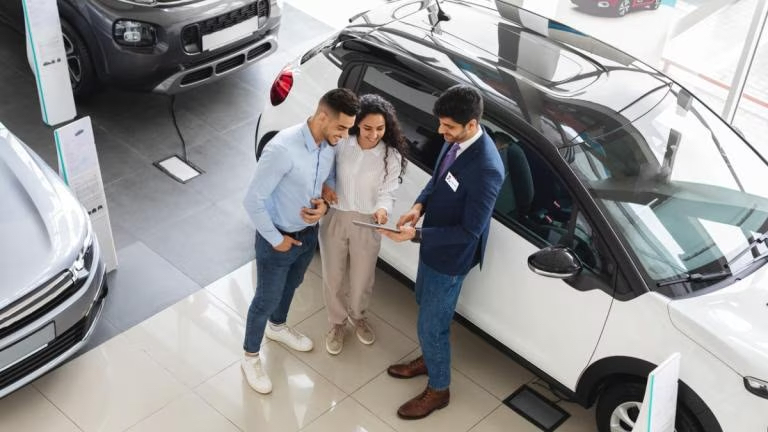
Shoppers are growing more reluctant as rising oil prices drive up the cost of vehicle ownership.
Barring some last-minute surprise, U.S. new vehicle sales look to be down by 6.3% for the first quarter, forecasts Edmunds, delivering another blow to an auto industry already reeling from faltering consumer confidence and rising prices for retail gasoline in the shadow of the U.S. war with Iran.
Edmunds anticipates U.S. dealers sold 3,693,459 new cars and trucks during the quarter, representing not just a sharp year-over-year downturn but an 8.8% decline compared to the fourth quarter of 2025.
Ford Motor Co., General Motors, and Nissan are expected to the biggest losers, based on preliminary data, reported Edmunds, the car buying service. A number of analysts, meanwhile, are warning of even sharper downturns to come, especially if the Trump administration can’t quickly resolve a war that has already triggered a more than $1-a-gallon jump in fuel prices. That’s on top of record vehicle prices that were already driving many buyers out of the market before the Iran War began.
Tough quarter for car makers

Automakers have been ramping up incentives, hoping to draw buyers back into showrooms.
“Q1 marked a bumpy start for new-car sales in 2026. Between severe weather, geopolitical uncertainty, rising gas prices and ongoing affordability challenges, it’s no surprise sales are down year over year. Comparisons are also tougher given the strength of March 2025 new-vehicle sales, which benefited from some shoppers pulling purchases forward in anticipation of tariff-driven price increases,” said Jessica Caldwell, Edmunds’ head of insights.
“That said, sales are far from falling off a cliff. A 15.9 million SAAR is right in line with our full-year outlook of sixteen million and reflects a market being sustained by more practical needs-based purchases rather than discretionary splurges,” Caldwell added.
But not everyone is quite so optimistic. If the war drags on, triggering further problems with global oil supplies, U.S. sales could drop as low as 15 million, Sam Abuelsamid, lead analyst with Telemetry Research, told Headlight.News.
Charlie Chesbrough, senior economist for Cox Automotive, said. A combination of harsh winter and volatile economic news creating slow start for 2026.
Headwinds accelerate
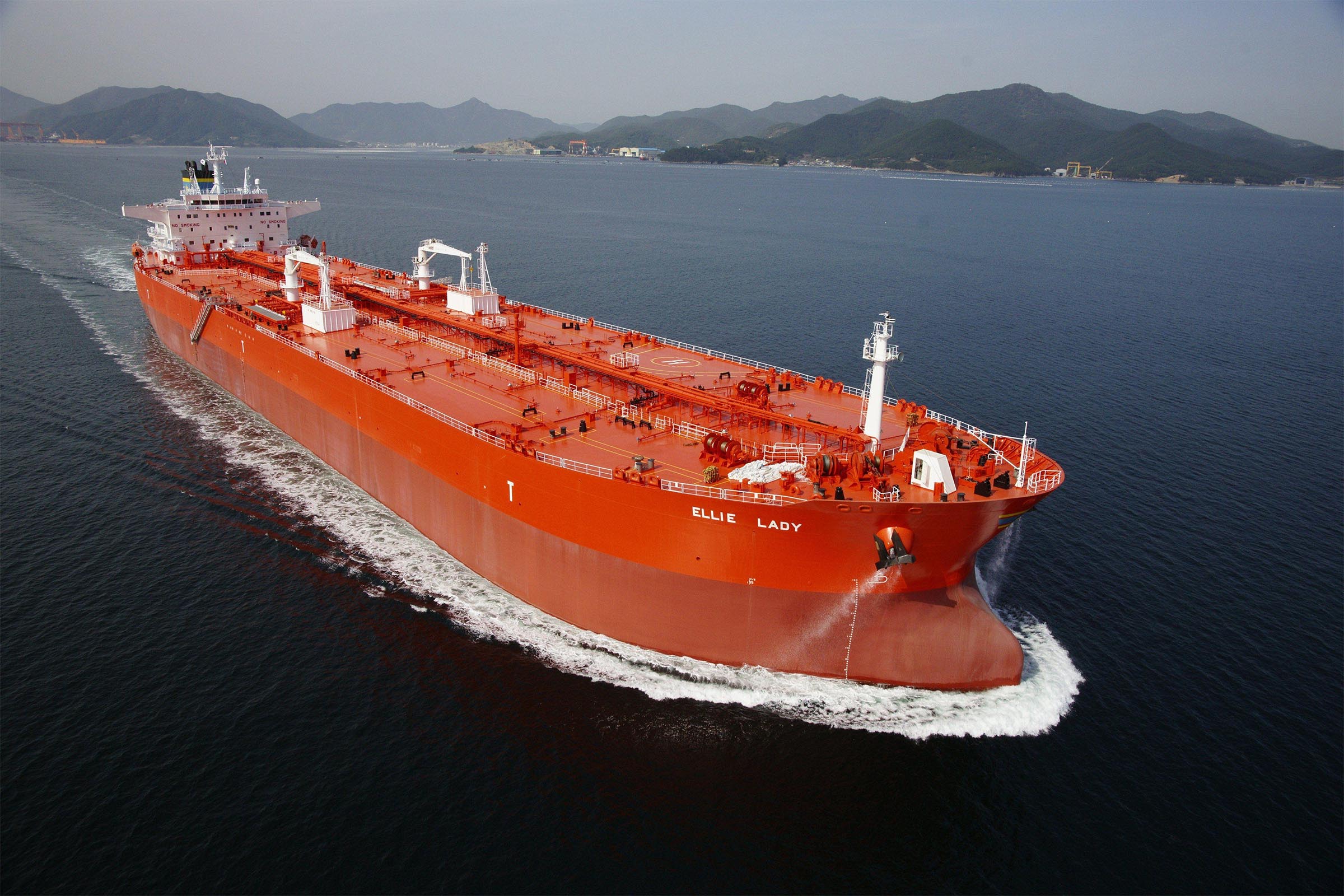
Hundreds of tankers are currently refusing to transit the Strait of Hormuz.
A variety of issues are creating headwinds for the U.S. automotive market, added Charlie Chesbrough, senior economist for Cox Automotive. These include a combination of harsh winter and volatile economic news.
One of the biggest concerns is a rise in inflation — the Organization for Economic Cooperation and Development warning the war could send it rising to 4.2% for the year.
“In the United States, the impact of higher energy prices on inflation will more than offset the effect from the decline in effective tariff rates on imports, especially given that the initial tariff rate increases from the first half of 2025 have only been partially passed through to consumer prices,” OECD said in a report released Thursday.
More Consumer News
- Iran War Threatens to Hit U.S. Auto Jobs
- IIHS Reveals the Safest Vehicles You Can Buy
- Consumer Reports Names its Top 10 Picks – and They’re All Electrified
Consumer worries mount
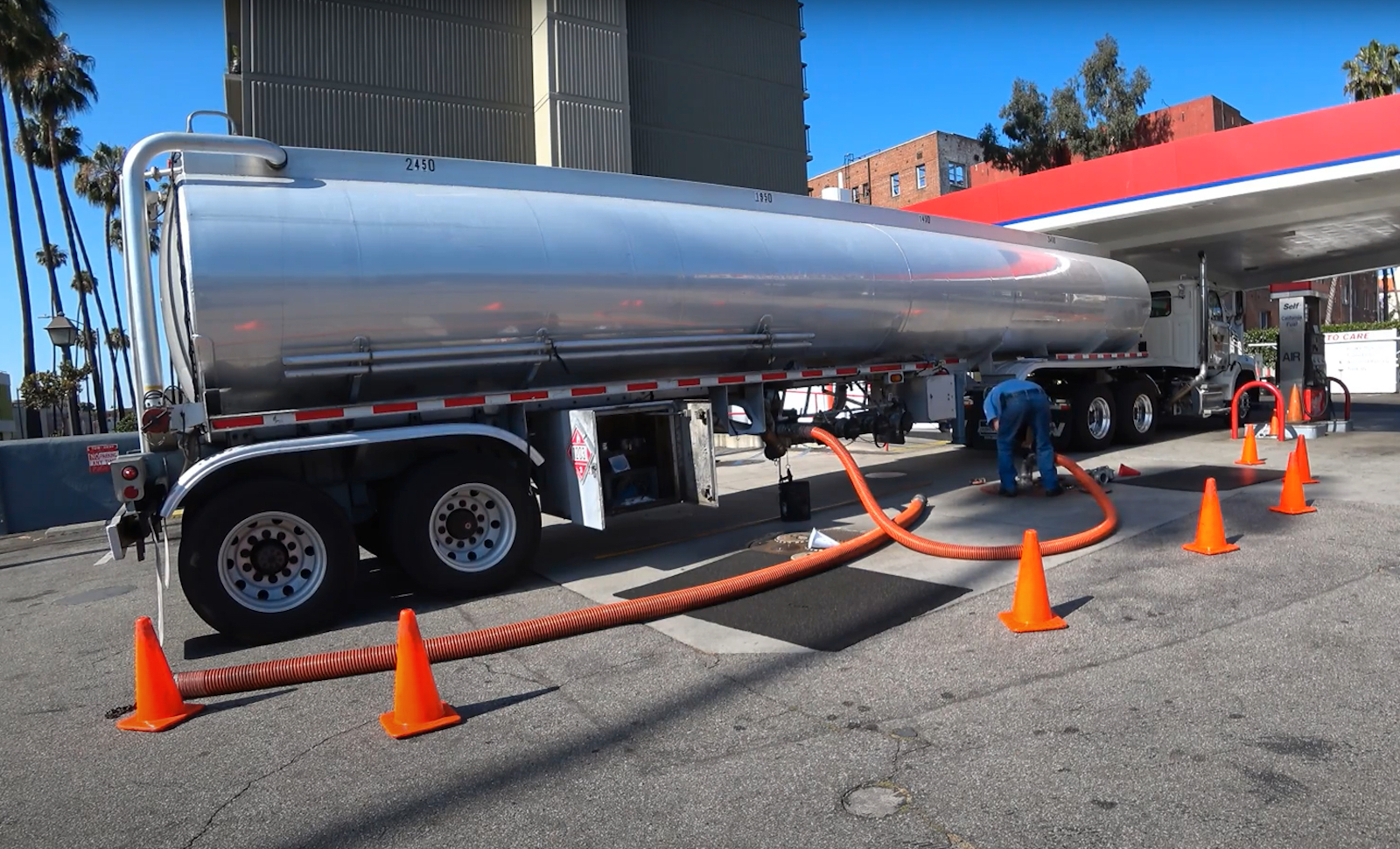
Gas prices are hovering just a fraction of a cent below $4 a gallon nationally.
As of Friday morning, the U.S. national average price for self-serve regular unleaded averaged just under $4 a gallon. The last time it hit that figure was in June 2022, following the launch of Russia’s war on Ukraine. This is adding to consumer concerns around the cost of vehicle ownership. The Consumer Price Index has risen 4.8% over the past five years, but the cost of vehicles parts has increased by 5.1%.
The cost of maintenance and repair, meanwhile, has gone up 8.1 % and the cost of car insurance has increased by 12% outstripping the rate of inflation on all fronts, Cox Automotive analysts noted.
“The Cost of Car Ownership Index is at a record high, surging almost 42% since January 2020,” said Heather Long, the Navy Federal Credit Union’s chief economist. “While overall inflation is up 25% since January 2020, the cost of car ownership has surged even higher.”
A renewed interest in hybrids and EVs
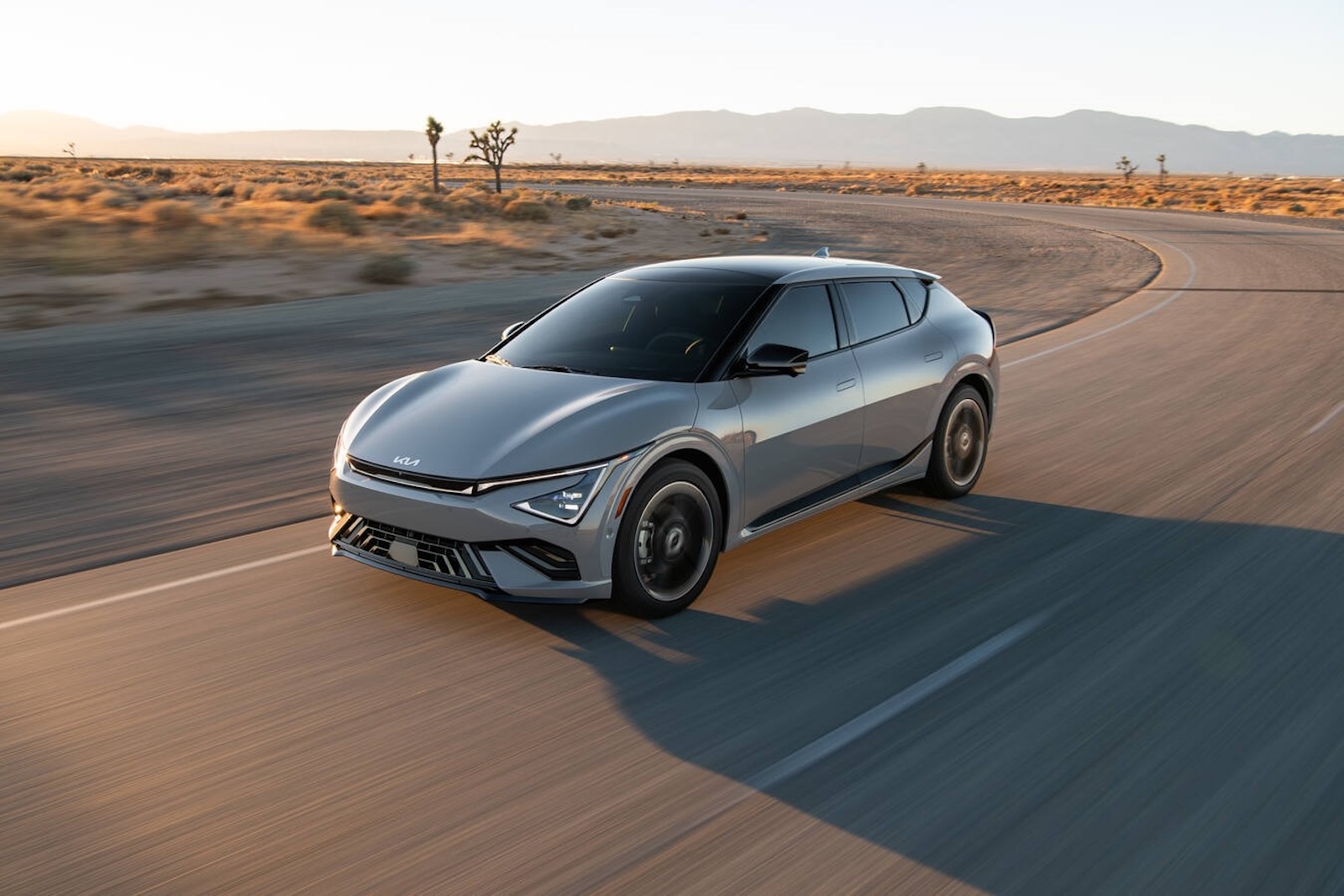
Kia officials have seen a surge in interest in all-electric models like this EV9,
The rise in fuel prices, in particular, has led to renewed interest in electrified vehicles, industry-watchers have told Headlight.News.
In online searches, there’s been a major surge in keywords “Jeep hybrid,” said Andy Bowman, the brand’s communications director. Russell Wager, marketing chief at Kia, said the Korean marque’s dealers are seeing a surge in shopper interest in both Kia hybrids and battery-electric vehicles such as the EV6 and EV9.
For the week of March 16 – 22, shopper consideration of electrified vehicles, including hybrids, plug-in hybrids, and battery electric vehicles, accounted for 23.8% of all vehicle research activity on Edmunds. That’s up from 20.7% during the week of February 23 – March 1, the period that straddled the launch of the Iran War.
Interest could be short-lived
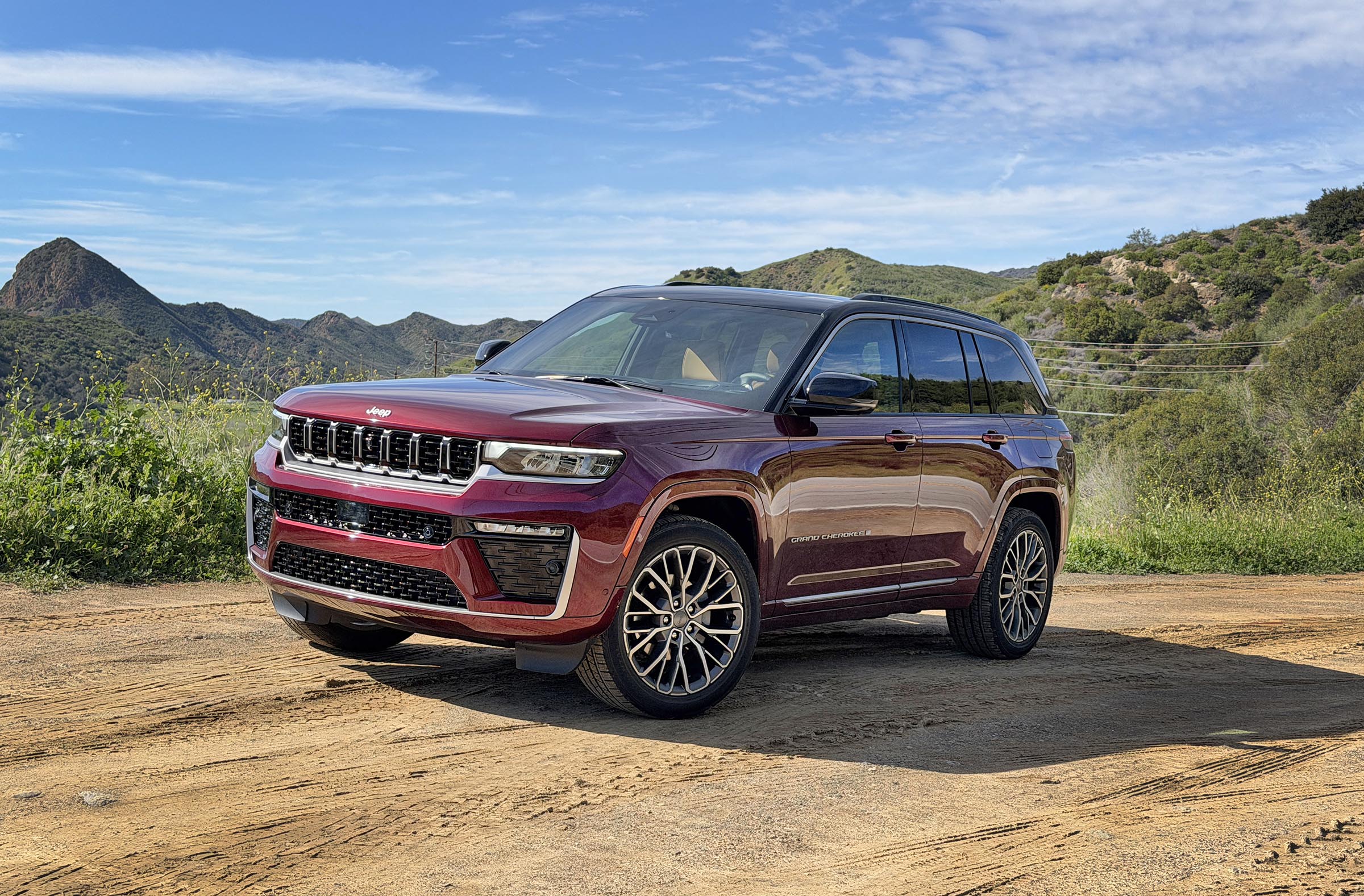
It’s uncertain whether EV sales will rebound anytime soon, but demand for hybrids, such as this new Jeep Cherokee, is hitting record levels.
“This points to affordability remaining the primary factor shaping vehicle purchase decisions right now,” said Caldwell. But she cautioned this might not translate into an actual rebound in EV sales, in particular. “While higher gas prices can spur interest in electrified vehicles, they typically need to be sustained or more pronounced to drive a meaningful shift. Right now, many consumers view the latest spike as temporary,” she said.
“New-car buyers tend to be more affluent, which helps cushion the impact of higher gas prices. But shoppers looking for lower-priced vehicles are feeling the squeeze the most, especially given how limited those options are in today’s new-vehicle market,” said Caldwell.
Where gas prices go now is far from certain. Iran this week allowed 10 oil tankers to safely pass through the Strait of Hormuz, leading to a dip in oil price futures. But the Islamic Republic denied claims by the Trump administration that it is negotiating a peace settlement. If the shooting war heats up, experts warn gas prices could be headed higher. “I don’t think you really compare this with any disruption in the past,” said Garath Ramsay BP chief economist, during a major energy conference. Sponsored by S&P Global
Since the war began, futures on international oil benchmark Brent crude have gained 40%, while those on US benchmark West Texas Intermediate crude have picked up more than 30% to trade near record highs, note analysts who follow the oil business. In normal times, more than fifteen million barrels of oil pass through the Strait of Hormuz daily, about 20% of the global supply. So, whatever happens to that route could have direct implications for future auto sales.
Paul A. Eisenstein contributed to this report.

0 Comments