
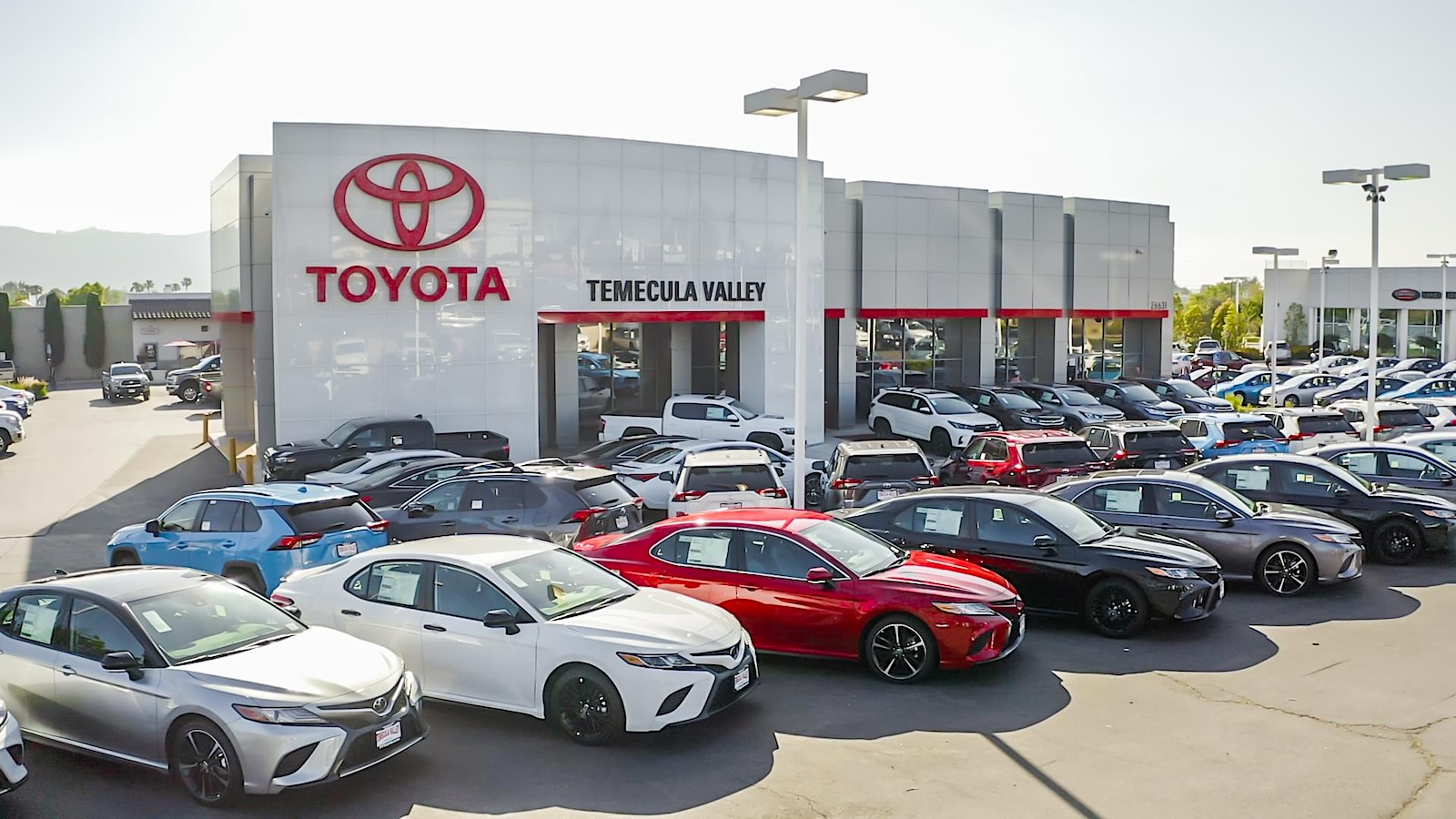
Sales of new vehicles turned downright sluggish in November amidst consumer resistance to increased prices and worsening fears about the economy. The end of EV incentives worsened the slide – though demand for hybrids continued to grow, as Headlight.News reports.

November was a mixed bag, with a handful of brands doing well but the overall industry showing more signs of weakness.
With automakers reporting growing signs of consumer resistance to rising prices, demand for new vehicles continued to soften in November. Preliminary sales data showed the month to be a bit of a mixed bag with Ford, Kia and Toyota reporting modest sales increases but key brands such Honda, Hyundai and Subaru experiencing delivery declines.
On the whole, demand appeared to soften across the industry, especially in the EV sector which was hammered by the phase-out of federal tax credits at the end of September.
Cox Automotive analysts noted overall November sales were expected to drop by as much as 6% compared to already weak October. The question is whether ongoing price hikes – worsened by Trump administration tariffs – will lead more consumers to stay out of the market. The average new vehicle price has now topped $50,000 – though by how much depends on which data source you turn to. Cox Automotive had the numbers reaching a near record $52,000.
Ford holds on, despite EV sales decline
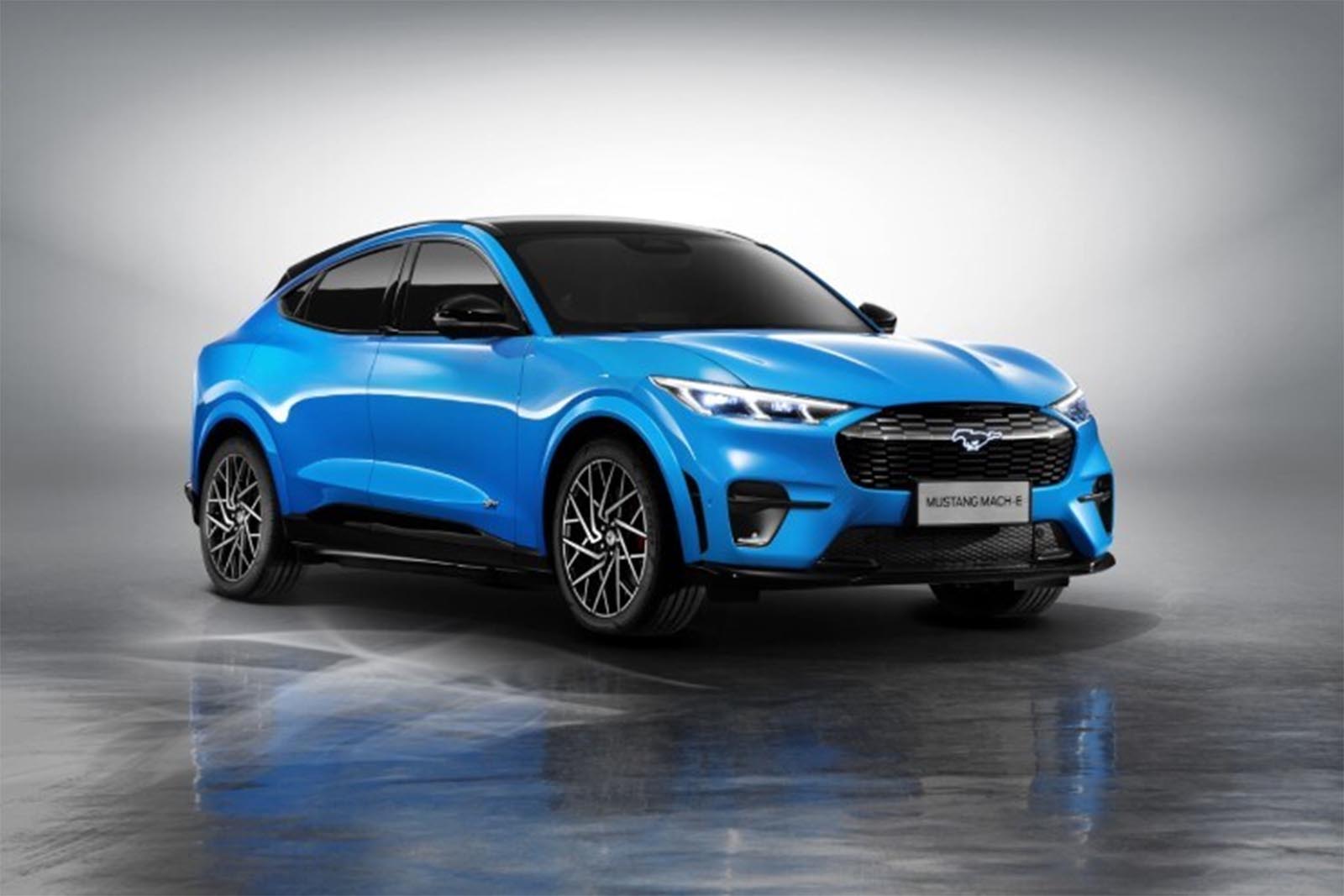
The Mustang Mach-E has been hit hard by the phase-out of federal EV tax credits.
The drop in EV sales was apparent at Ford, which reported selling 175,584 vehicles in October, an increase of 1.6% from a year ago with gas-powered vehicles offsetting a significant fall-off in demand for electric vehicles.
The automaker said it sold 3.4% more ICE vehicles in October, while electrified sales were down 9.3%, led by a 24.8% decay in sales of fully electric vehicles and 4% drop in hybrid sales.
By vehicle type, cars were the most popular, realizing a 43.0% increase in sales year-over-year, while truck sales were up 4.9% and SUVs sales dropped 4.7%. Analysts suggest part of the shift to cars was a move by consumers to avoid higher priced SUVs and trucks.
Japanese automakers take some lumps
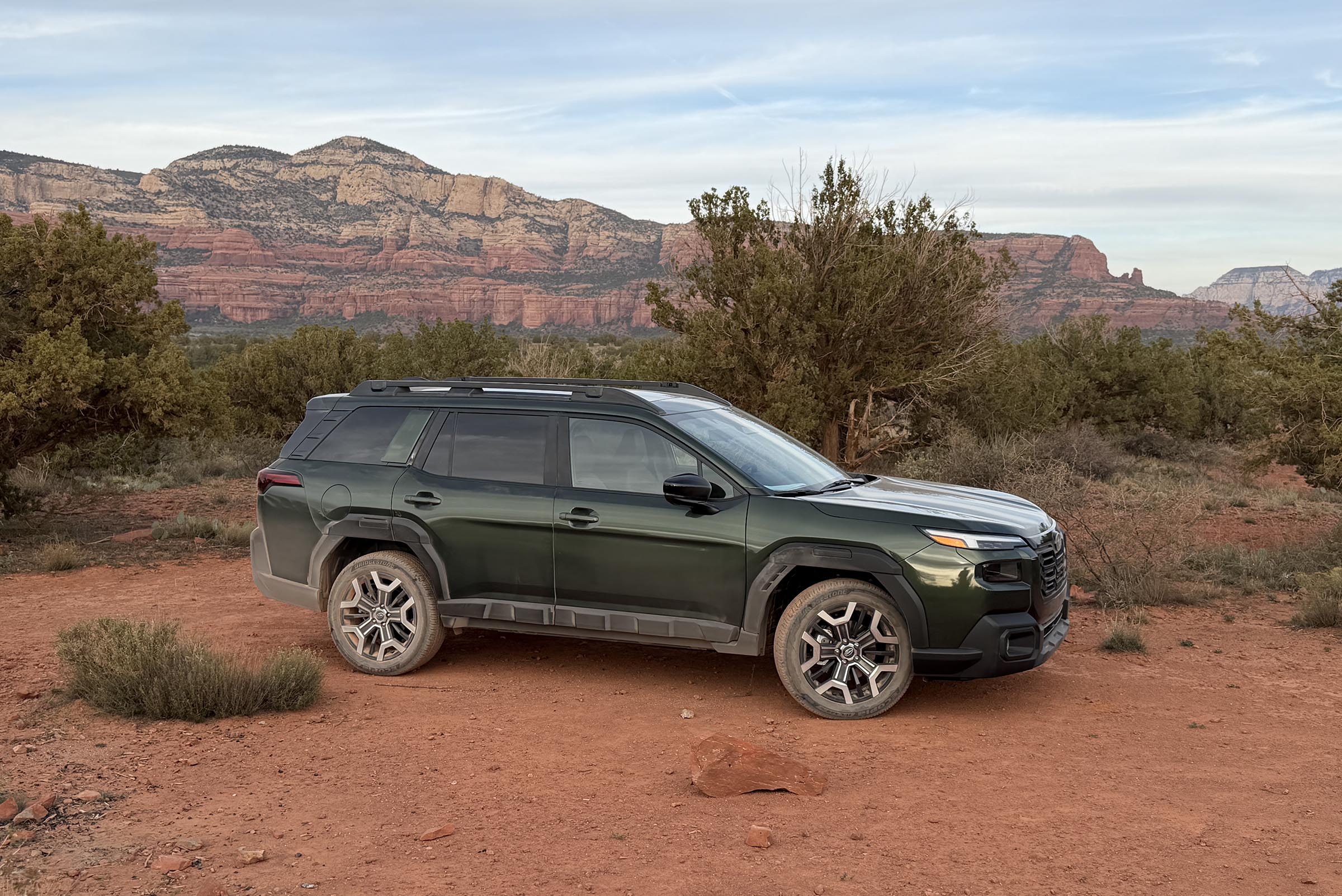
Subaru is counting on a new 2026 Outback to help reverse its sales slide.
Toyota reported November 2025 U.S. sales of 212,772 vehicles, up 2.7% on a volume basis. Toyota Division sales for the month totaled 180,990 vehicles, up 4.4% on a volume basis. Lexus Division sales for the month totaled 31,782 vehicles, down 6.2% on a volume basis.
TMNA’s November 2025 U.S. electrified sales of more expensive electrified vehicles – including hybrids like the Prius and EVs like the bZ4X — dropped 6%, but still represented 43.7% of the Japanese automaker’s total sales volume for the month.
Honda blamed a shortage of semiconductors for a steep decline in its November sales. Honda brand vehicles dropped 15.3% while Acura brand vehicles fell 4.1%.
Subaru of America, Inc. reported 52,081 vehicle sales for November 2025 a 9.7% decline from a year ago. Jeff Walters, President and Chief Operating Officer, Subaru of America, Inc. said in a statement that the automaker is hoping to regain momentum “With all-new gas, hybrid, and electric models coming to retailers, including the all-new 2026 Subaru Outback.”
More Auto Industry News
- Check Out This Week’s Headlight.News Podcast
- JLR Ousts Design Chief McGovern
- Toyota Set to Reveal New Supercar on 12/5/25
Korean automakers a mixed bag
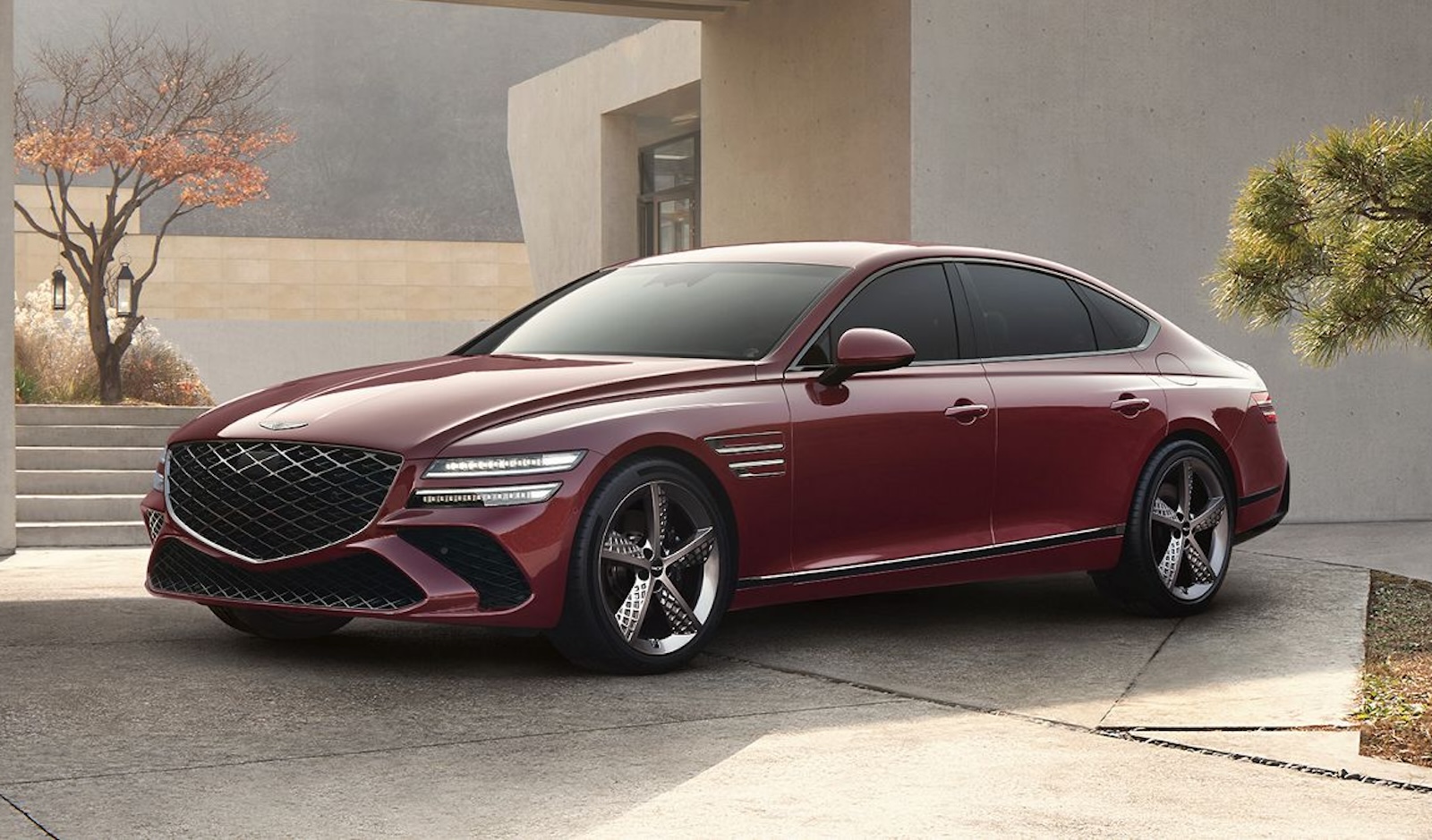
Genesis was in the black for November – just barely.
South Korean automakers Kia and Genesis reported modest increases in sales for November. For the latter luxury brand the difference between positive and negative territory was exactly fourteen vehicles. Even so, the Genesis total represented the best-ever November achievement for the brand.
Kia, meanwhile, reported the best November performance in company history, up 3% year-over-year. Kia America’s total November sales of 72,002 vehicles guarantee the fast-growing brand will achieve its third consecutive all-time best annual sales total. Year-to-date, total sales increased 7% over 2024. To date, Kia has sold 777,152 total units in the U.S. in 2025.
“As consumer demand shifts, Kia’s diverse product lineup and growing hybrid portfolio has us on the verge of our third consecutive annual sales record,” said Eric Watson, vice president, sales operations, Kia America.
Hyundai Motor America reported November total sales of 74,289 units, a 2% decrease compared with November 2024. Hybrid sales, however, reached new heights, jumping 42% and resulting in the brand’s best hybrid vehicle sales month of all time.
Record MSRPs slow sales
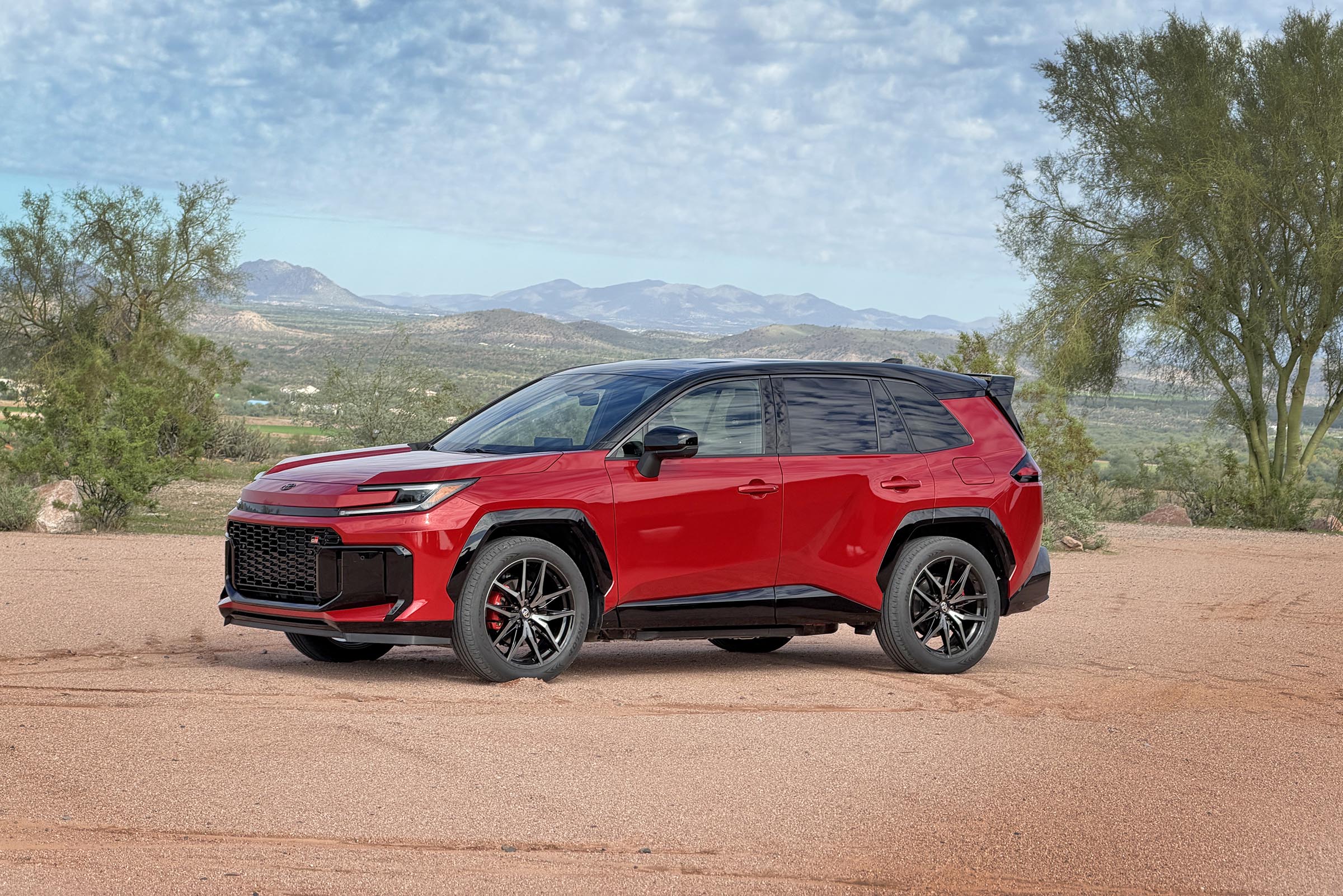
Prices for new vehicles, like this 2026 Toyota RAV4 GR, continue to nudge upwards.
According to Cox, the average new-vehicle manufacturer’s suggested retail price (MSRP) – commonly called “the asking price” – dropped ever so slightly in October, as fewer higher-priced EVs were sold last month. The new-vehicle MSRP was $51,841, down from the record set in September, but up by 2.6% year over year, according to Cox.
“October’s dip in average transaction prices was anticipated and reflects a natural market adjustment after September’s record highs. Even with the pullback, prices remain elevated year over year, “We’ve been anticipating a slowdown in the market. This is a story of moderation, not retreat,” Cox said.
MSRPs don’t necessarily tell the full story, however. Many analysts prefer to track average transaction prices – which include both options and discounts and thus show what consumers paid before driving off the dealer lot. Kelley Blue Book put the figure at $49,766. For its part, Automotive News on Tuesday showed the average “marketed price” across the U.S. was $50,036. All these numbers come in close to an industry record.
The Wall Street Journal reported this week consumer resistance to the run up in the price of new vehicles is growing. “But now auto tariffs, persistent inflation and a tighter job market have more Americans rethinking their biggest-ticket purchases. Meanwhile, the collapse of the U.S. vehicle market hastened by the end of the federal government’s $7,500 EV credit in September—has cost the industry hundreds of thousands of potential vehicle sales,” the Journal noted.




0 Comments