
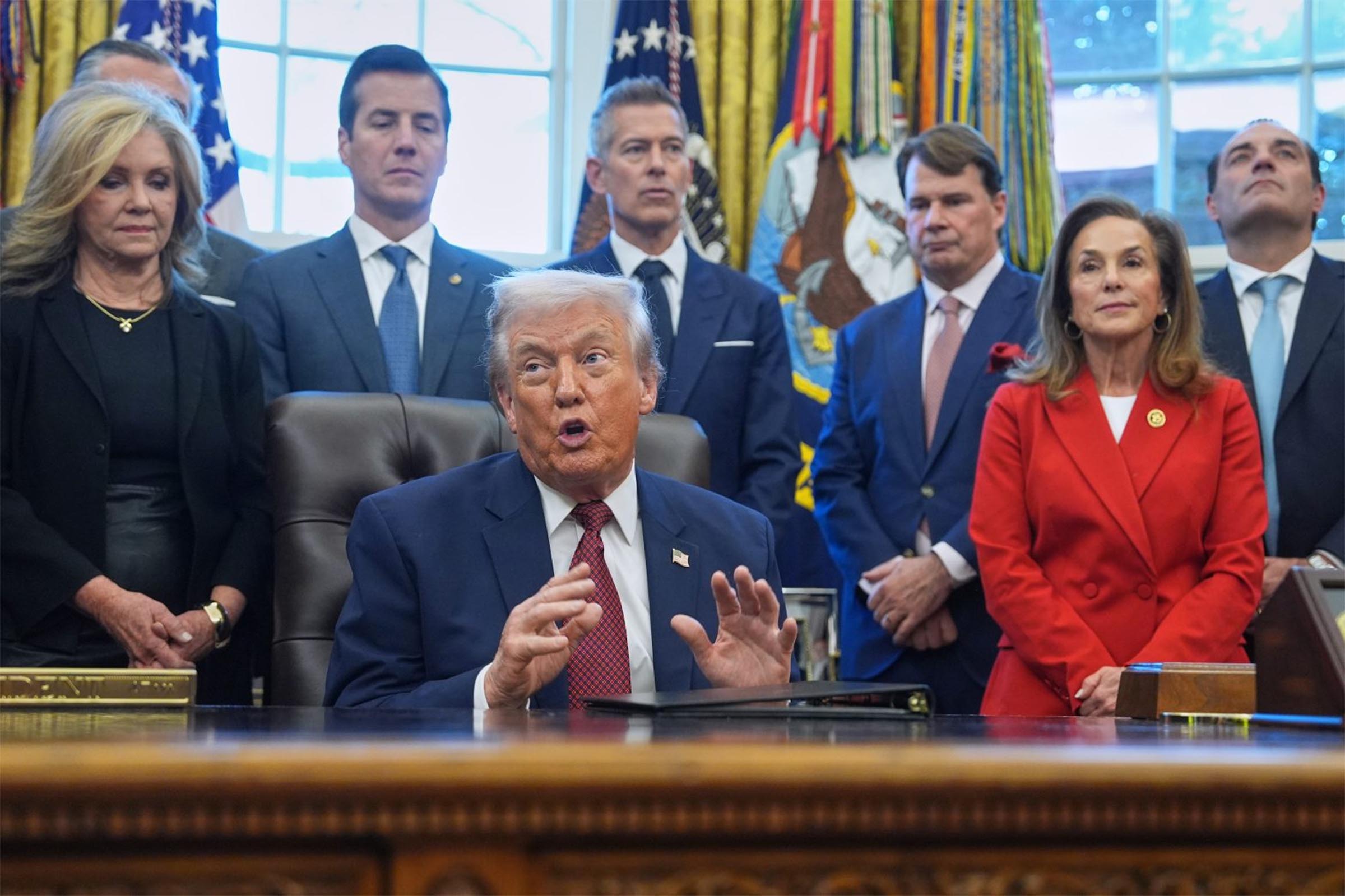
The Trump administration moved ahead with plans to gut fuel economy standards set by former Pres. Joe Biden – effectively eliminating any significant role for EVs. But the proposal is expected to face stiff challenges and may have little impact on the price of new vehicles, as Headlight.News reports.
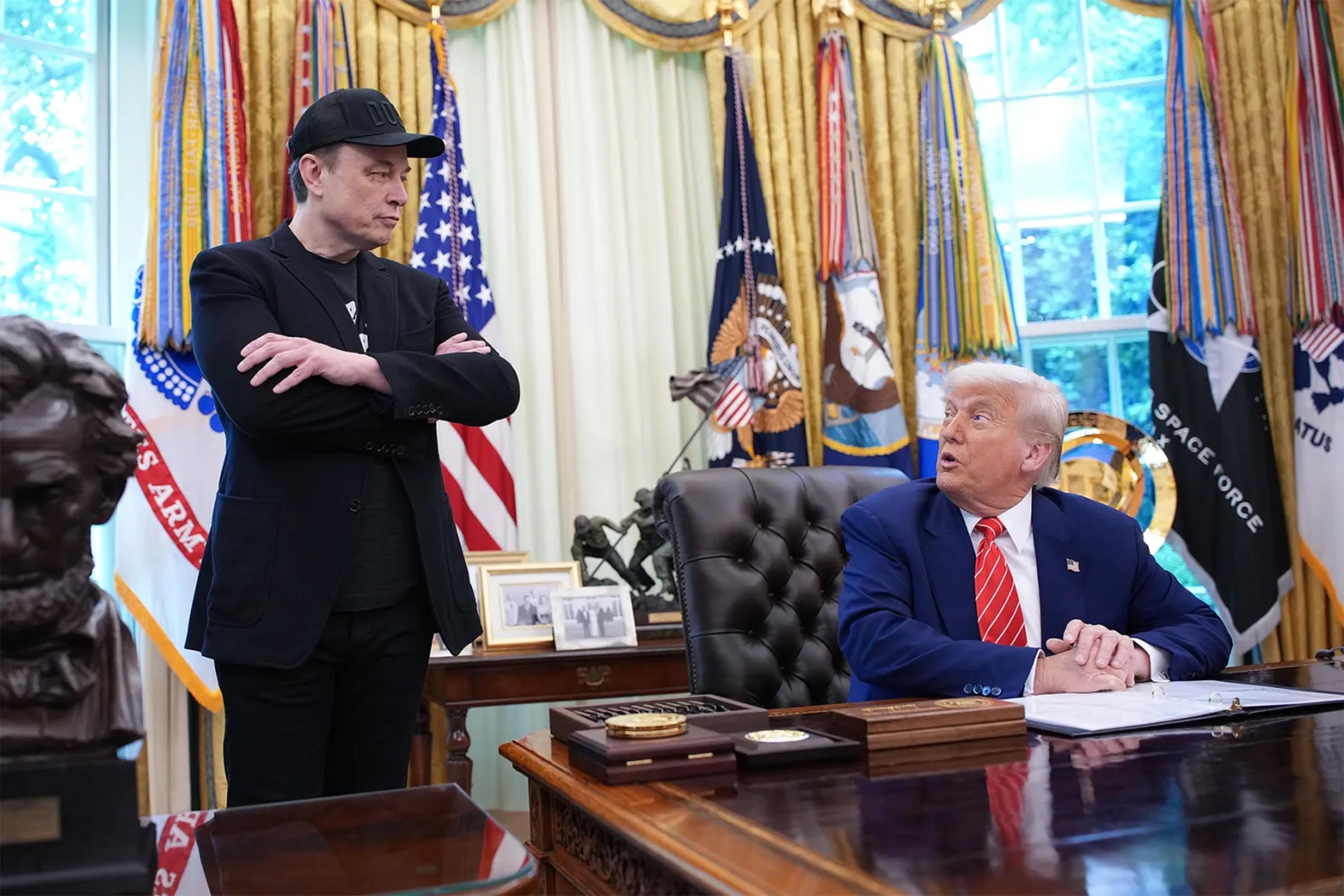
Despite on-and-off ties to Tesla CEO Elon Musk, Pres. Donald Trump has pushed back on efforts to boost EVs sales.
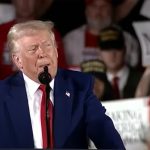
Pres. Donald Trump officially unveiled new rules that would “significantly” role back fuel economy standards set under the Biden administration, allowing automakers to not only produce less energy efficient vehicles but also sharply reduce future sales of battery-electric vehicles.
The revamped fuel standards would reverse policies which “forced automakers to build cars using expensive technologies that drove up costs, drove up prices and made the car much worse,” Trump said during a White House session attended by the CEOs of both Ford and Stellantis.
But the proposed rollback is expected to face numerous challenges. Among the critics, the California Air Resources Board said it intended to resist any rule changes, which would roll back fuel economy standards and curbs on emissions of greenhouse gases. The president previously took steps meant to eliminate California’s ability to set unique standards that would effectively ban the sale of vehicles powered by internal combustion engines.
New rules eliminate role for EVS
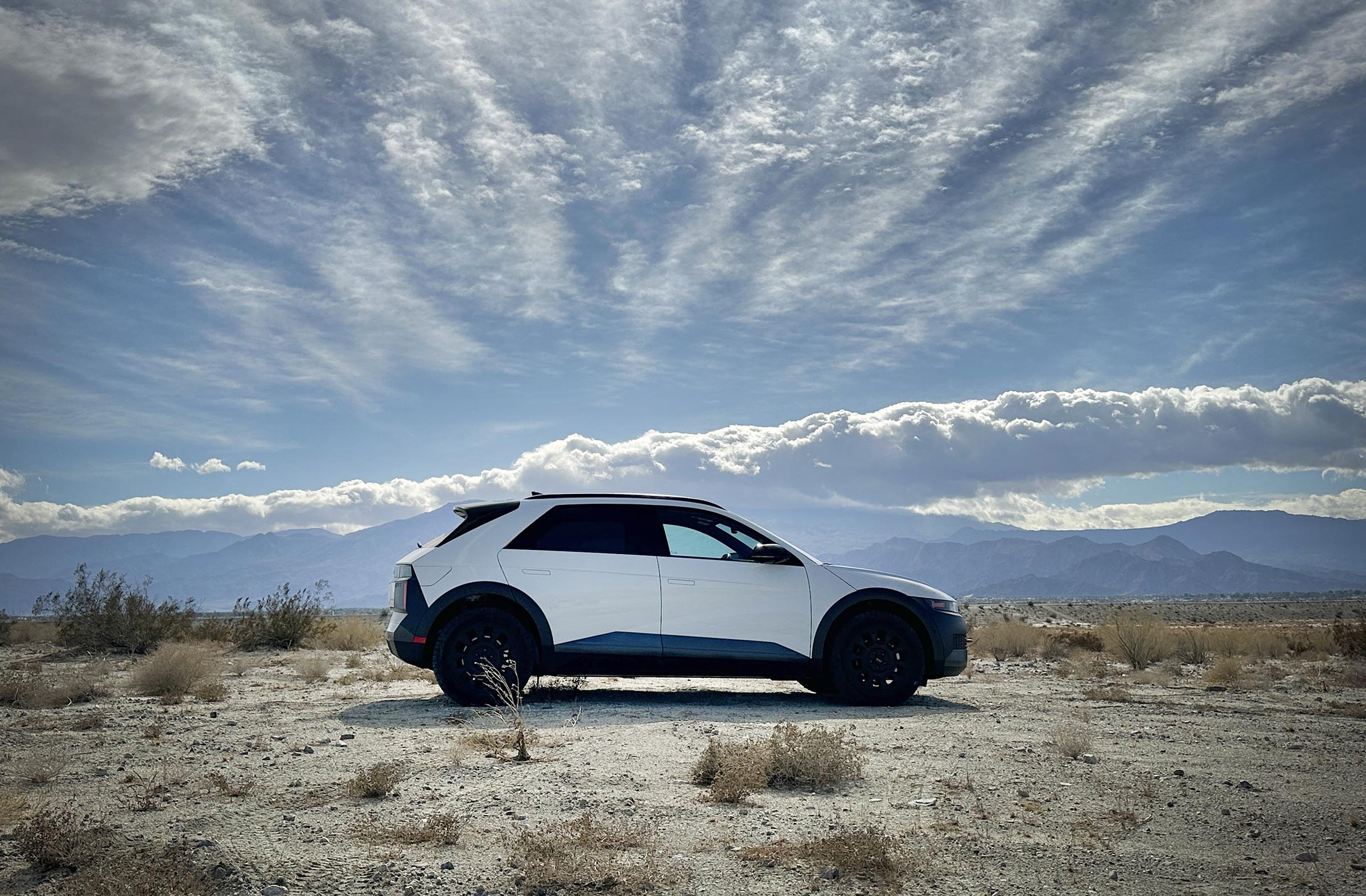
Sales of EVs, like this Hyundai Ioniq 5, have tumbled since federal tax credits were pulled at the end of September.
The official announcement of the changes by the U.S. Department of Transportation states, “DOT proposes to substantially recalibrate the Corporate Average Fuel Economy (CAFE) program to realign this program with Congressional intent. That recalibration includes proposing to amend DOT’s fuel economy standards for light-duty vehicles for model years (MYs) 2022-2026 and MYs 2027- 2031,” which would be reduced to 34.5 mpg.
The current requirements were announced in June 2024 by the Biden administration and targeted climbing from the current 39.1 mpg average for light-duty vehicles to 50.4 mpg by 2031. Light trucks were tasked with meeting a different target, with annual 2% increases in fuel economy between 2029 and 2031.
Even before taking office, Trump repeatedly expressed his opposition to EVs and other electrified powertrain technologies. That was reflected in the formal announcement made by the DOT through the National Highway Traffic Safety Administration. It noted that, “Consistent with statutory requirements, the fuel economy standards proposed in this rule are founded on light-duty vehicles powered by gasoline and diesel fuels, a category that includes non-plug-in hybrid vehicles.” It dismissed any potential mileage benefits from both EVs and plug-in hybrids.
Federal fuel economy rules are overseen by both NHTSA and the Environmental Protection Agency under legislation enacted by Congress in 1975. They have traditionally set different targets for light-duty vehicles, medium- and heavy-duty trucks.
Carmakers offer support for change
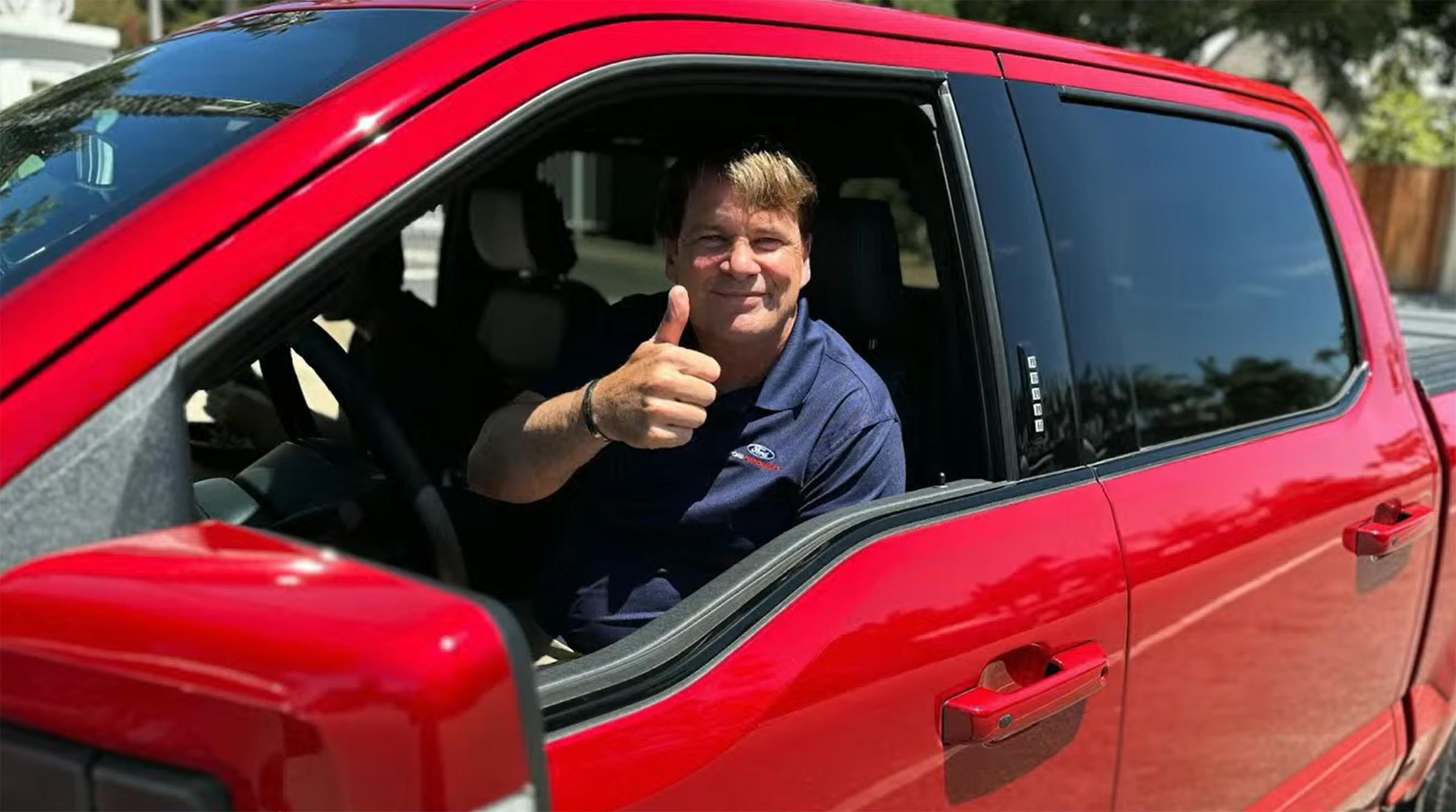
Ford CEO Jim Farley was one of the industry leaders on hand for the White House announcement Wednesday.
Stellantis CEO Antonioa Filosa expressed support for the proposed fuel efficiency rules, saying the initiative would realign the CAFE standards “with real-world market conditions as part of its wider vision for a growing U.S. automotive industry.”
General Motors also backed the proposed fuel economy standards, which would need to undergo an official rulemaking process before being adopted.
“GM supports the goals of NHTSA’s proposed CAFE rule and its intention to better align fuel economy standards with market realities. We have long advocated for one national standard that upholds customer choice and provides the auto industry long-term stability,” a spokesperson for the automaker said in a statement.
More Auto Industry News
- Nov. Car Sales Hit By Rising Prices, Plunging EV Demand
- JLR Ousts Design Chief McGovern
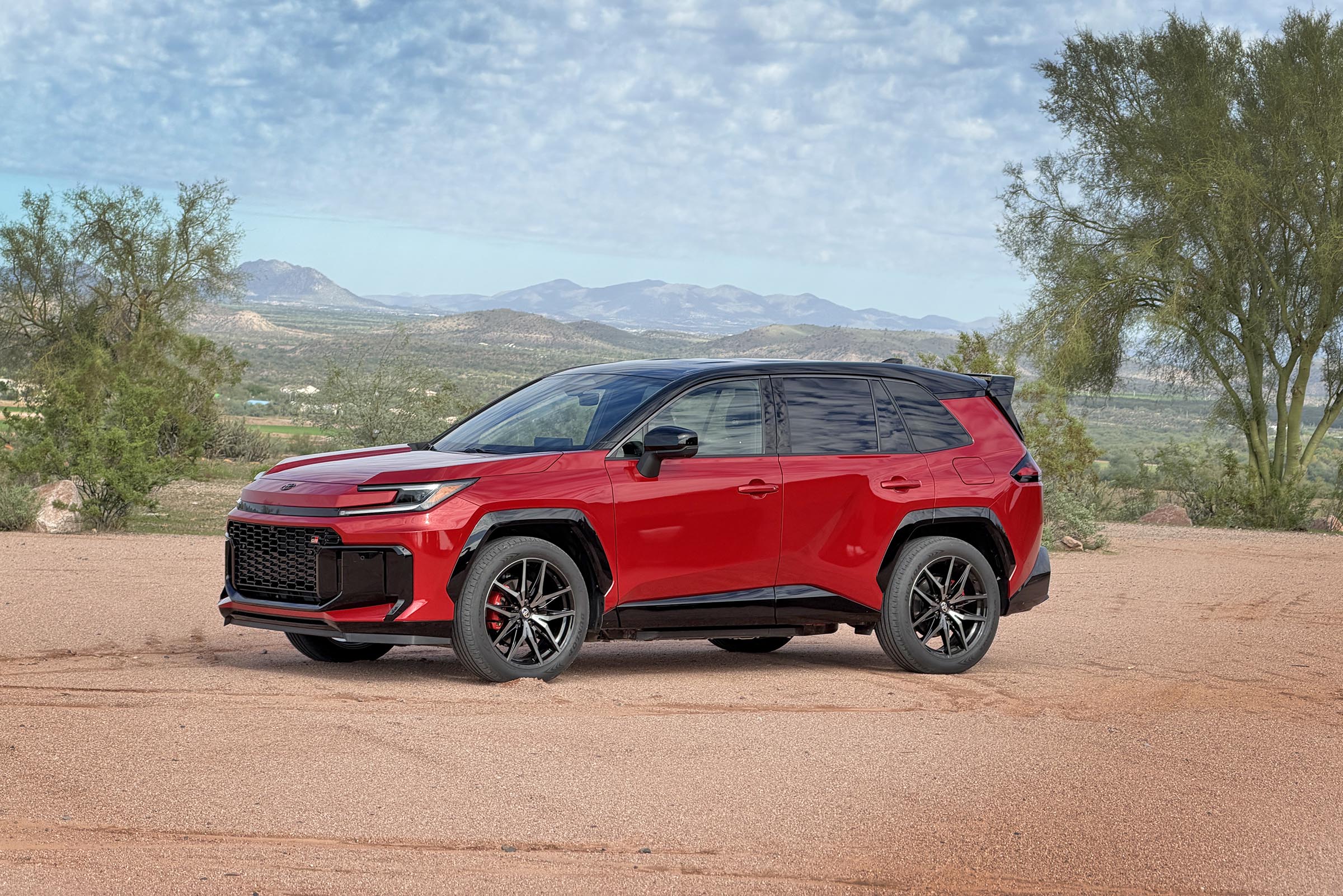
- Toyota Set to Reveal New Supercar on 12/5/25
Trump suggests Japanese microcars could be the answer
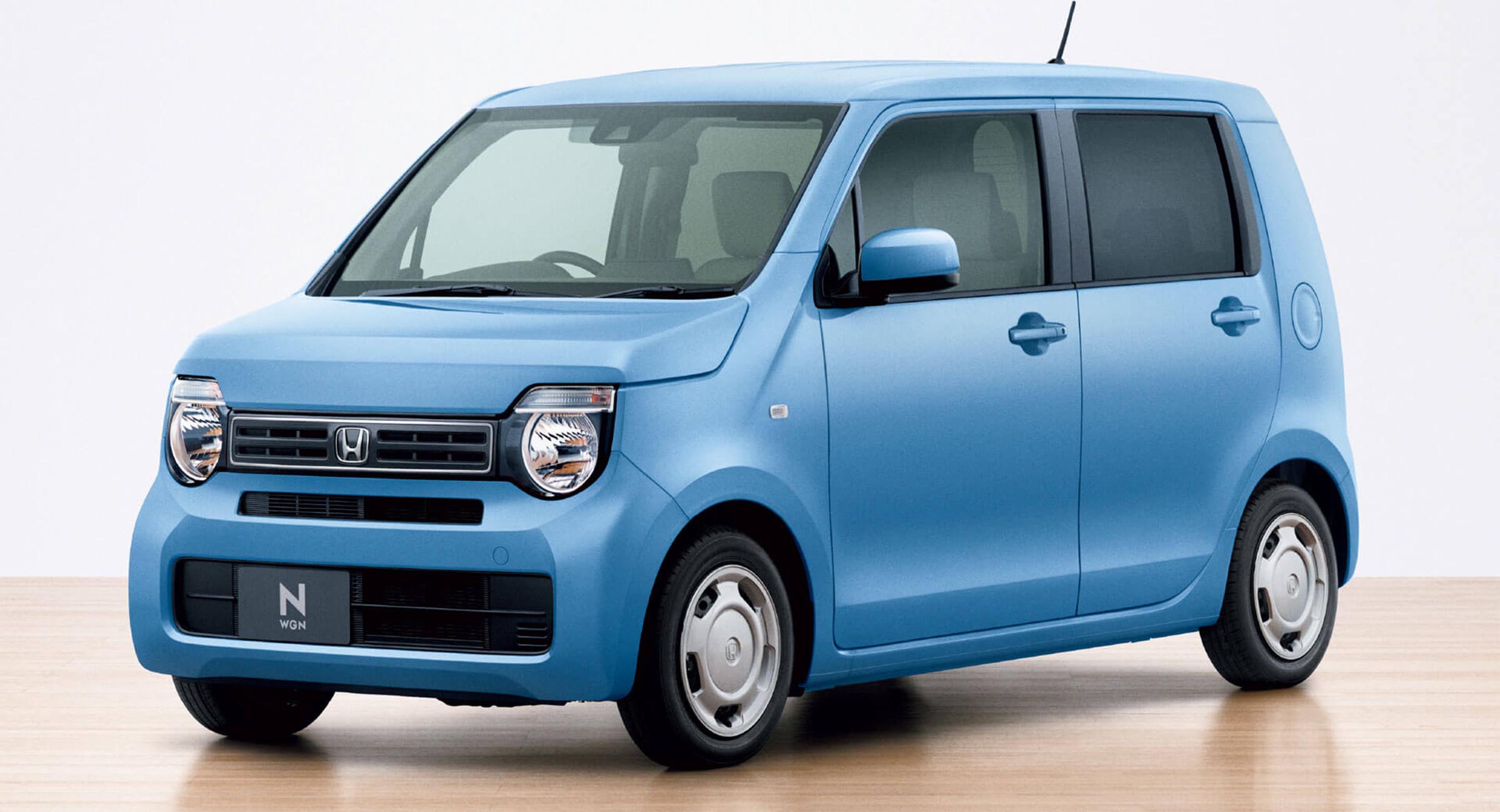
“Kei” cars, like the Honda N-WGN, can be no longer than 11.15 feet and deliver a maximum 63 hp.
During the White House event, the president was pressed on the issue of affordability. New vehicle prices are hovering at near-record levels of around $50,000, according to various industry analysts, driving many consumers out of the market.
Trump offered one possible solution: changing U.S. safety regulations to permit the sale of Japanese-style microcars. Known as “kei” cars, they account for about 40% of that country’s new vehicle market.
Describing them as “really cute,” Trump said “Honda (and) some of the Japanese companies do a beautiful job, but we’re not allowed to make them in this country,” adding that, “I think you’re going to do very well with those cars. So, we’re going to approve those cars.”
But whether they could live up to American expectations is far from certain considering they could almost fit inside the bed of a full-size pickup like the Ford F-150 and feature engines limited to less than 660cc and producing a maximum 63 horsepower.
Proposed rules face challenges
California Gov. Gavin Newsom plans to launch a legal fight to block any rollback in fuel economy standards.
This isn’t the first time the CAFE rules have come under fire, triggering numerous rounds of litigation and contention over the past 50 year. Trump’s proposed changes are bound to be challenged in court by environmentalists and public health advocates as well as the State of California, which has always guarded its role in setting fuel economy and pollution standards.
The Center for Biological Diversity, a nonprofit organization that works to protect endangered species, said the Transportation Department proposal will increase the country’s oil consumption and undermine the competitiveness of U.S. automakers.
“Trump’s action will feed America’s destructive use of oil, while hamstringing us in the green tech race against Chinese and other foreign carmakers,” said Dan Becker, director of the Center for Biological Diversity’s Safe Climate Transport Campaign.
The rules changes proposed by Trump also could be swept away by a new Democratic administration, leaving automakers, which need three to five years to prepare a new model vehicle.
Cost of new vehicles unlikely to drop
New vehicles prices are hovering near record levels averaging around $50,000.
Barring a sudden transition by consumers to low-cost kei cars, analysts suggest the proposed rule changes will not do much for consumers fretting over high prices.
Jessica Caldwell, an analyst with the car-buying service Edmunds.com, noted, “Today’s announcement was presented as a way to ease pricing pressures for consumers, but meaningful financial relief is unlikely to happen overnight. Product plans can take years to shift, and with the possibility of future policy reversals from new administrations, the regulatory landscape remains stop-and-start.”
Edmunds data show that new-vehicle prices remain roughly 30 percent higher than before the pandemic, and while looser standards may enable lower-cost, lower-efficiency vehicles, higher fuel costs over time are likely to offset upfront savings.
Although relief might not be immediate for consumers, automakers could see some short-term financial breathing room, Caldwell added. Manufacturers have been absorbing tariff-related costs on the back of investing heavily in electrification and autonomous technologies. Easing these requirements helps at the margins, but it is unlikely to dramatically alter the broader commitments they have already made, especially since automakers remain cautious about making major strategic shifts that could be upended if a future administration reinstates stronger CAFE standards. That happened when Trump lost the 2020 election to Joe Biden, a strong proponent of EVs.
Globally, Europe, China, and other major markets continue to move forward with tighter efficiency rules and accelerated EV adoption – though European Union regulators appear to be moving to rollback a planned 2035 phase-out of internal combustion technology.
What worries analyst like Sam Abuelsamid, of Telemetry Research, is that as U.S. standards shift, the domestic market may develop differently than other regions, which could both slow the adoption of new powertrain technologies in the U.S. and weaken the competitiveness of American manufacturers operating abroad.
Paul A. Eisenstein contributed to this report.




Can’t wait for the return of cars that get 11 mpg…
That said, this is consistent with the Trump administration’s attacks on science generally. Making cars more efficient and less dependent on fossil fuels is good for everyone, even people who want to drive pickups.