
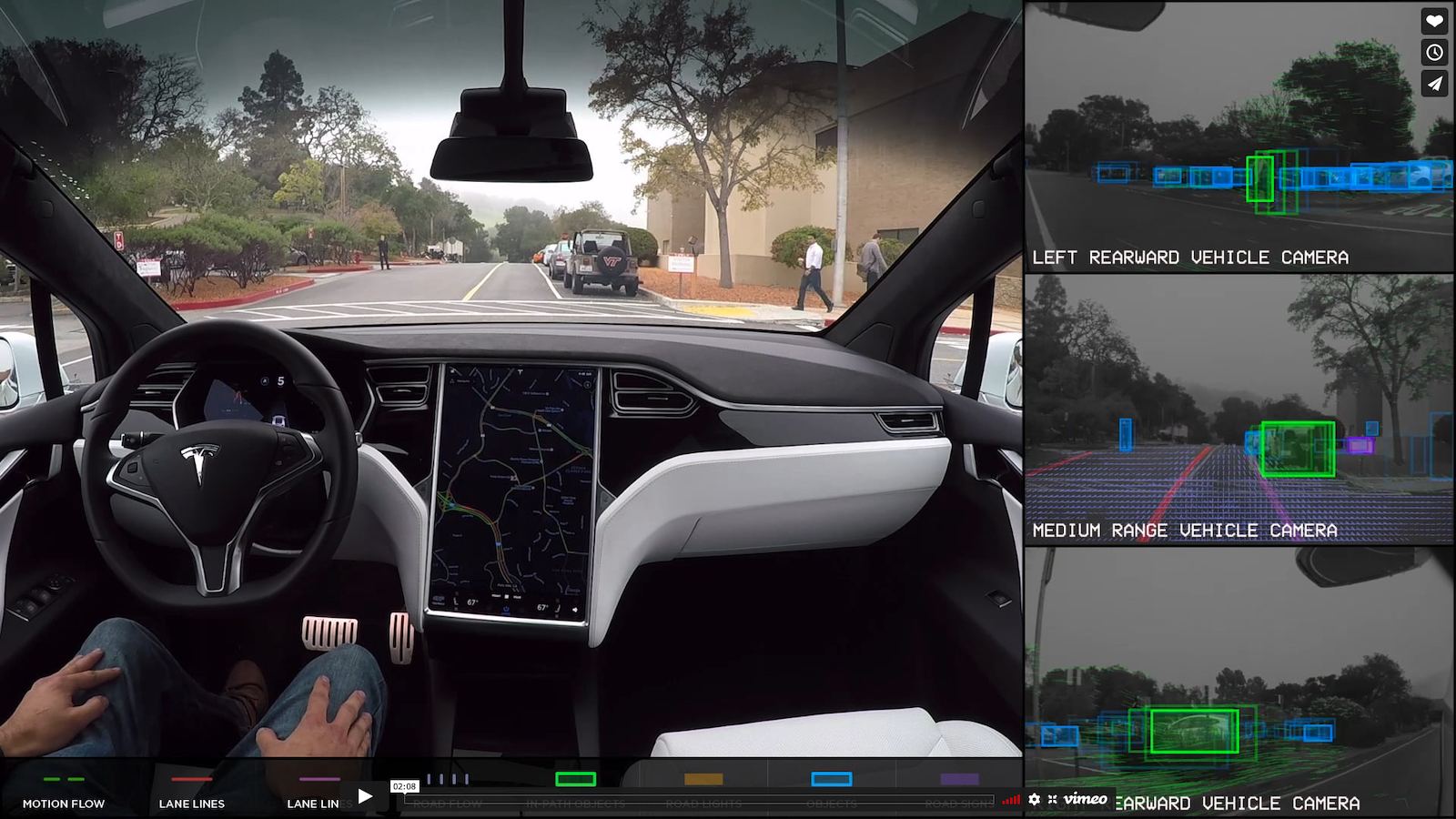
Facing the prospect of being banned from the largest EV market in the U.S., Tesla has stopped using the name, Autopilot, on the vehicles it sells in California. It’s also updated the name of its more advanced Full Self-Driving system.
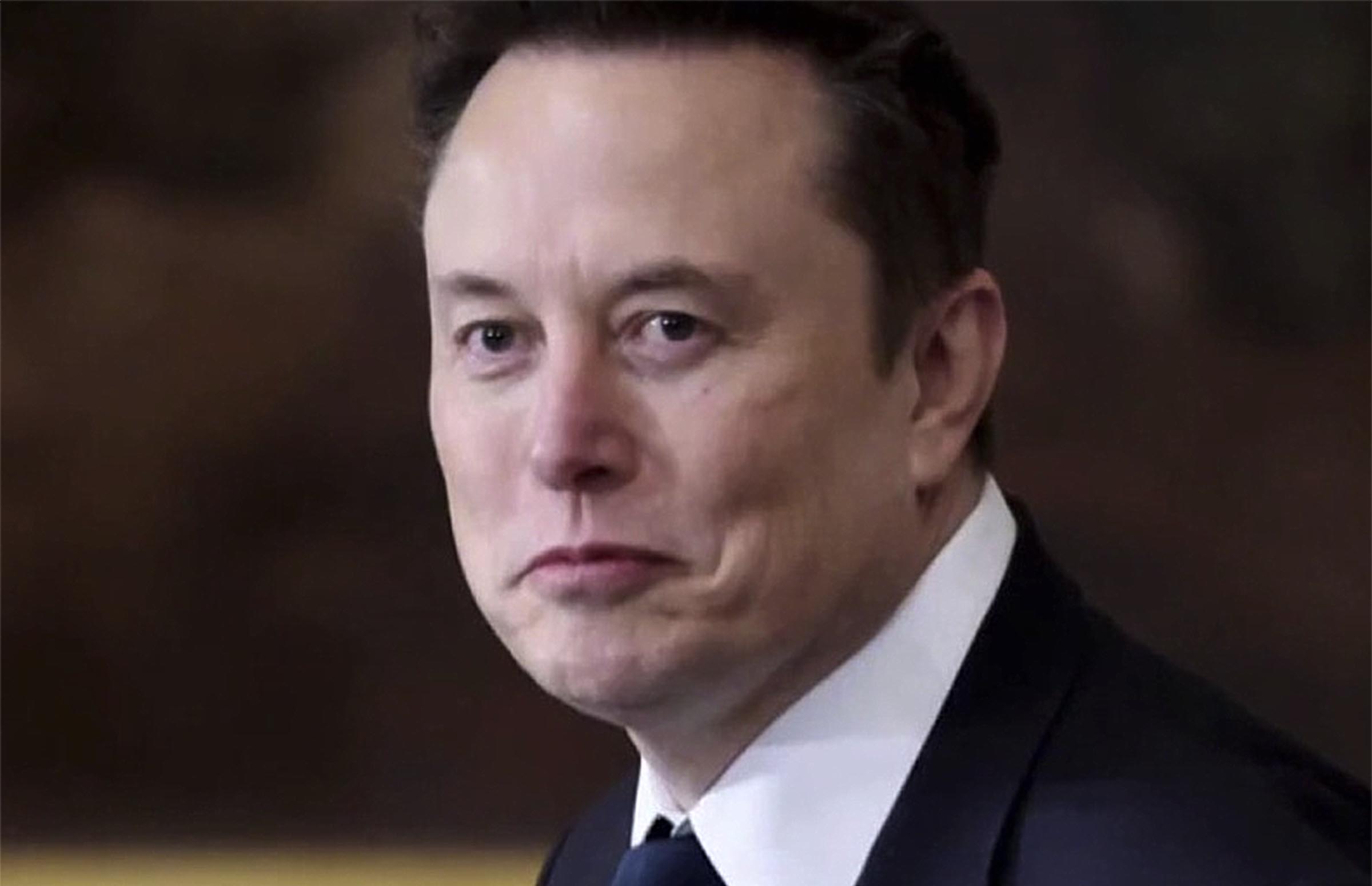
Tesla CEO Elon Musk.
California regulators have won a long-running battle with Tesla over two names they felt misled customers over the capabilities of the automaker’s semi-autonomous driving technologies.
Tesla will no longer use the name, Autopilot, for its original driver assistance technology. Meanwhile, it will now refer to a more advanced system as Full Self-Driving (Supervised), or FSD (Supervised).
The move helps resolve an ongoing battle with the California Department of Motor Vehicles, which will allow the automaker to continue selling its products in the nation’s largest market for electric vehicles. Tesla had faced the possibility of being banned from the market.
Tesla halts misleading advertising
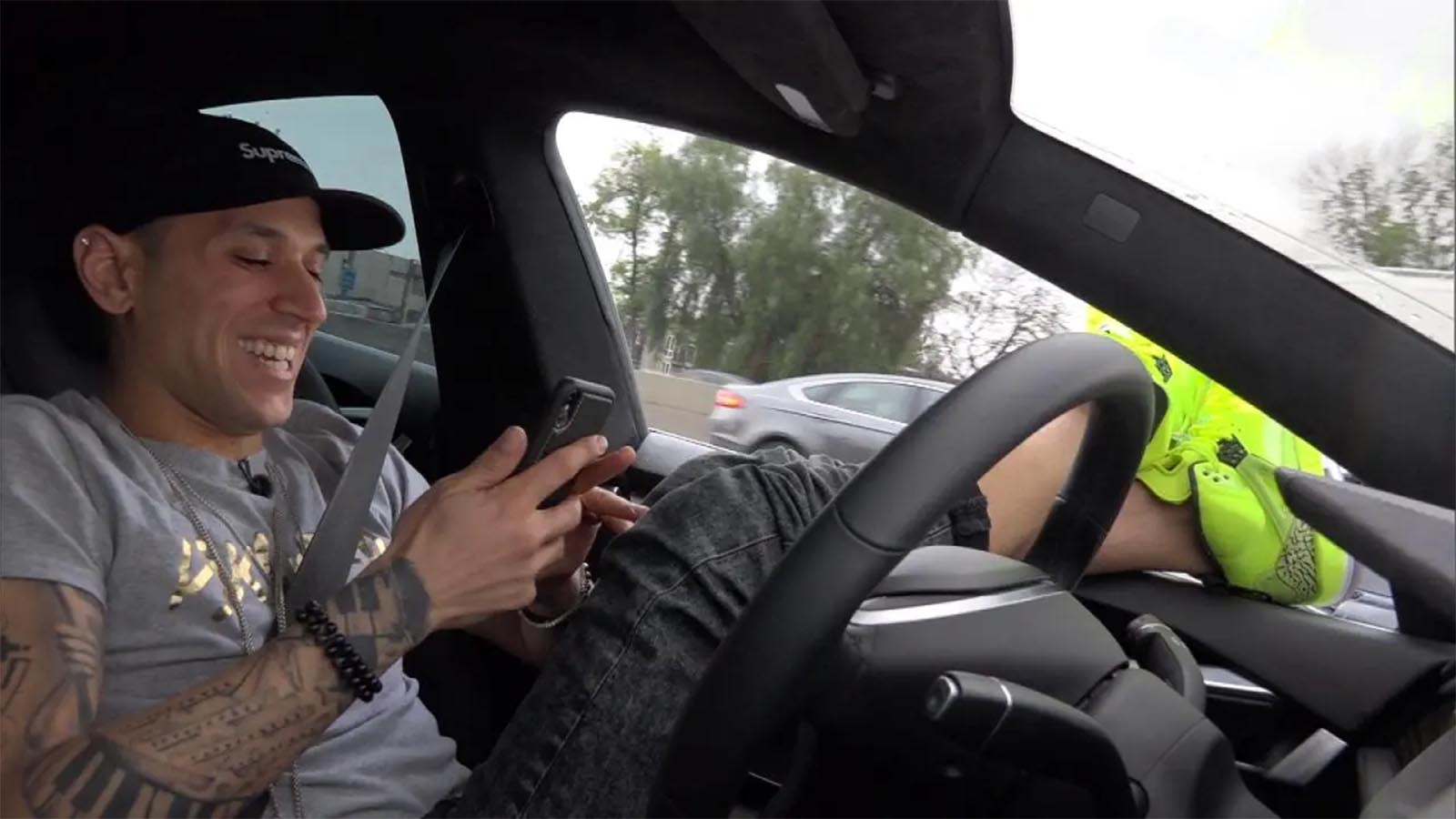
A driver hangs his feet out the window, checks texts while using Tesla Autopilot.
Critics have long contended that both the Autopilot and FSD names misled consumers about the capabilities of the technology, suggesting drivers could not only take hands off the wheel but virtually ignore what was happening around their vehicles. There have been numerous instances of owners posting videos on social media going so far as to climb into the back seat or even fall asleep behind the wheel.
The DMV had called the use of the Autopilot and Full Self-Driving names as part of misleading marketing campaigns for Tesla’s driver-assistance technologies – a concern that has been raised in some other markets outside the U.S., as well.
Tesla has now taken “the required action to remain in compliance with the state of California’s consumer protections,” Steve Gordon, California DMV director, said in a statement.
A critical moment
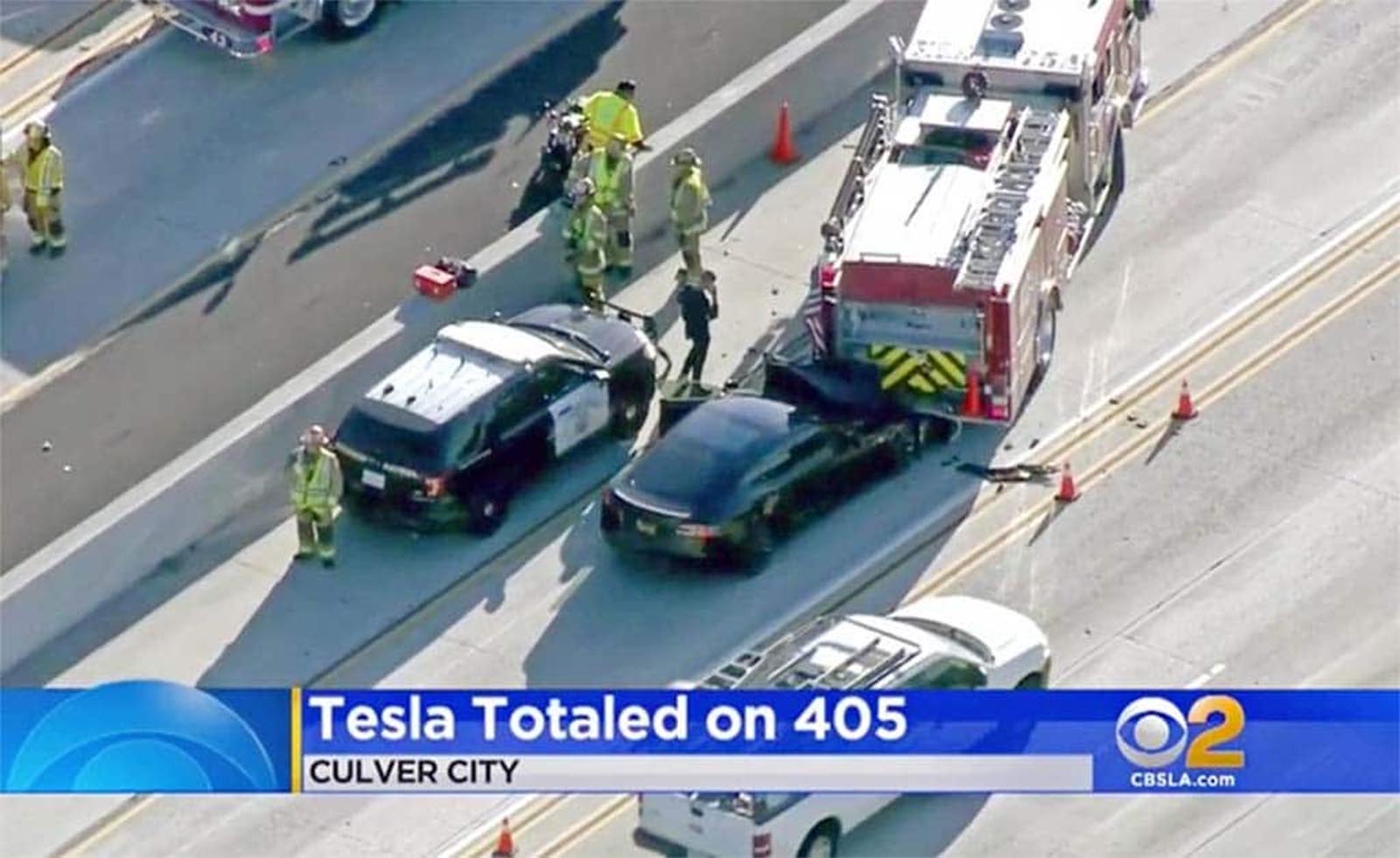
Crashes involving Tesla vehicles have raised concerns about motorists failing to heed the limitations of partially automated systems like Autopilot.
Tesla’s capitulation in the long-running regulatory battle comes at a critical moment for the automaker. Tesla could ill-afford being shut out of the key California market for any length of time as it attempts to reverse a multiyear sales slump coming at a time when the loss of federal EV tax credits are weighing heavily on overall EV demand.
Tesla reported it second consecutive annual loss in 2025, while also losing the global EV sales crown to start-up BYD – even though its Chinese rival doesn’t operate in the U.S. The Texas-based automaker sold 40,100 units in January 2026, according to data tracked by Motor Intelligence, including 11,227 cars and 28,873 crossovers and pickups. This represents a decrease from the total 48,500 units sold in January 2025, an estimated 17% drop in sales.
Tesla CEO Elon Musk also has announced plans to end production of the Model S and Model X, the two iconic vehicles, which put the company on the automotive map by conquering the fashion-driven California market.
But Tesla’s better-selling products, the Models 3 sedan and Y crossover, faced the prospect of being banned from sale in California had the DMV followed through on a threat to suspend Tesla’s license to sell vehicles across the state. The possible 30 ban was announced days after an administrative law judge in December found Tesla was exaggerating the capabilities of its driver assistance systems.
More EV News
- Tesla Rolls Out its First Cybercab Sans Steering Wheel
- Polestar Plans Largest-Ever Product Rollout
- We Get a First Deep Look Inside Ford’s New Universal EV Program
Tesla systems require human supervision
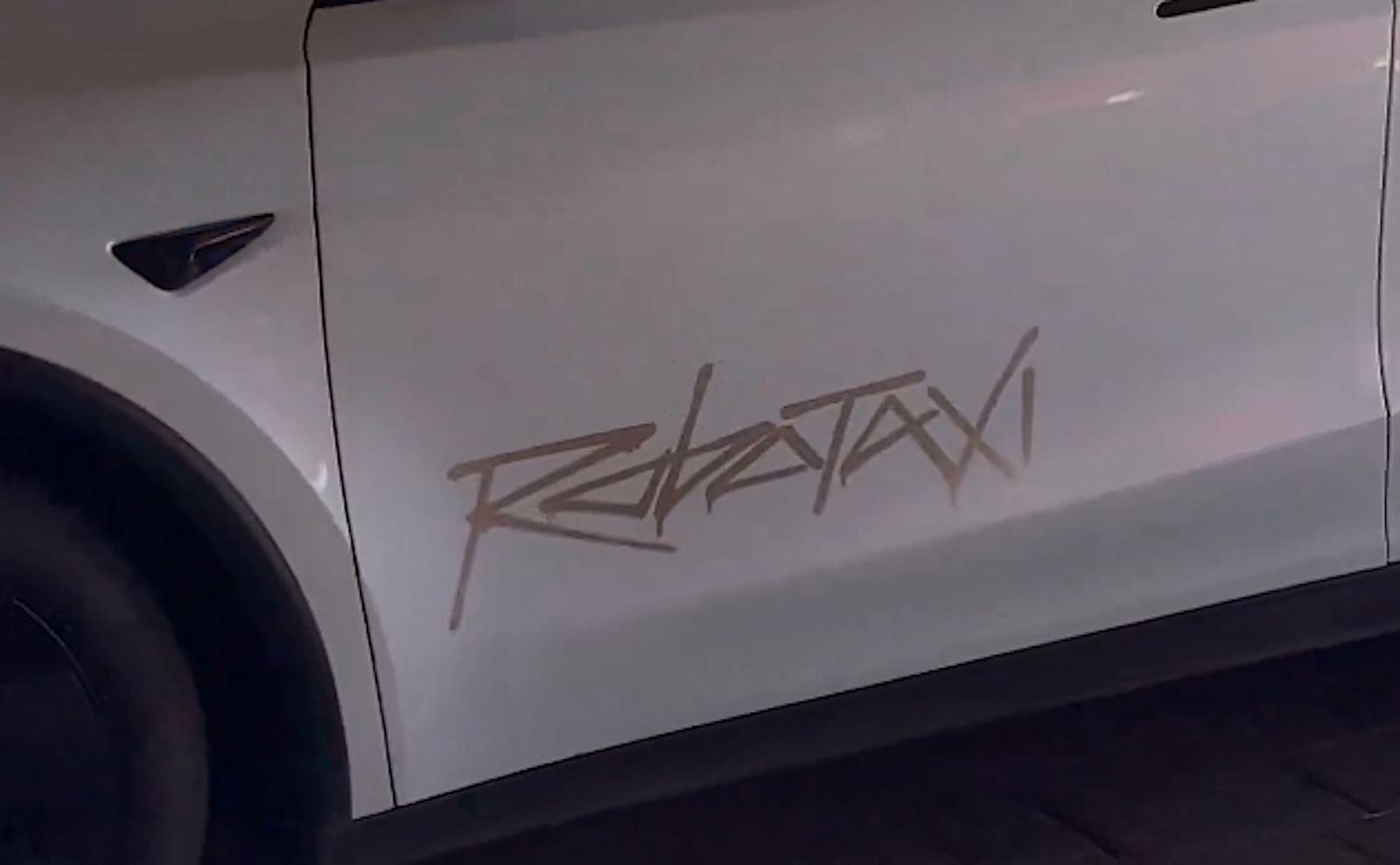 Both Autopilot and Full Self-Driving require active human supervision and thus don’t make Tesla vehicles autonomous, experts have repeatedly warned. And what was once seen as industry-leading technology has not kept up with the competition, some contend.
Comparing the various semi-autonomous systems now on the market – often referred to as “Level 2+” technologies, Consumer Reports last year ranked Autopilot eighth, behind systems from Ford, General Motors, Mercedes-Benz, BMW, Nissan, Toyota, and Volkswagen. Autopilot “is not nearly as good as what you might think it is,” wrote Kelly Funkhouser, CR’s Associate Director of Vehicle Technology.
Until now, Tesla’s disclaimers about the limitations of Autopilot and FSD have been buried in its online documentation. And critics contend Musk’s claims about the company’s efforts to develop a robotaxi business built around self-driving vehicles have further confused the public.
Crash course
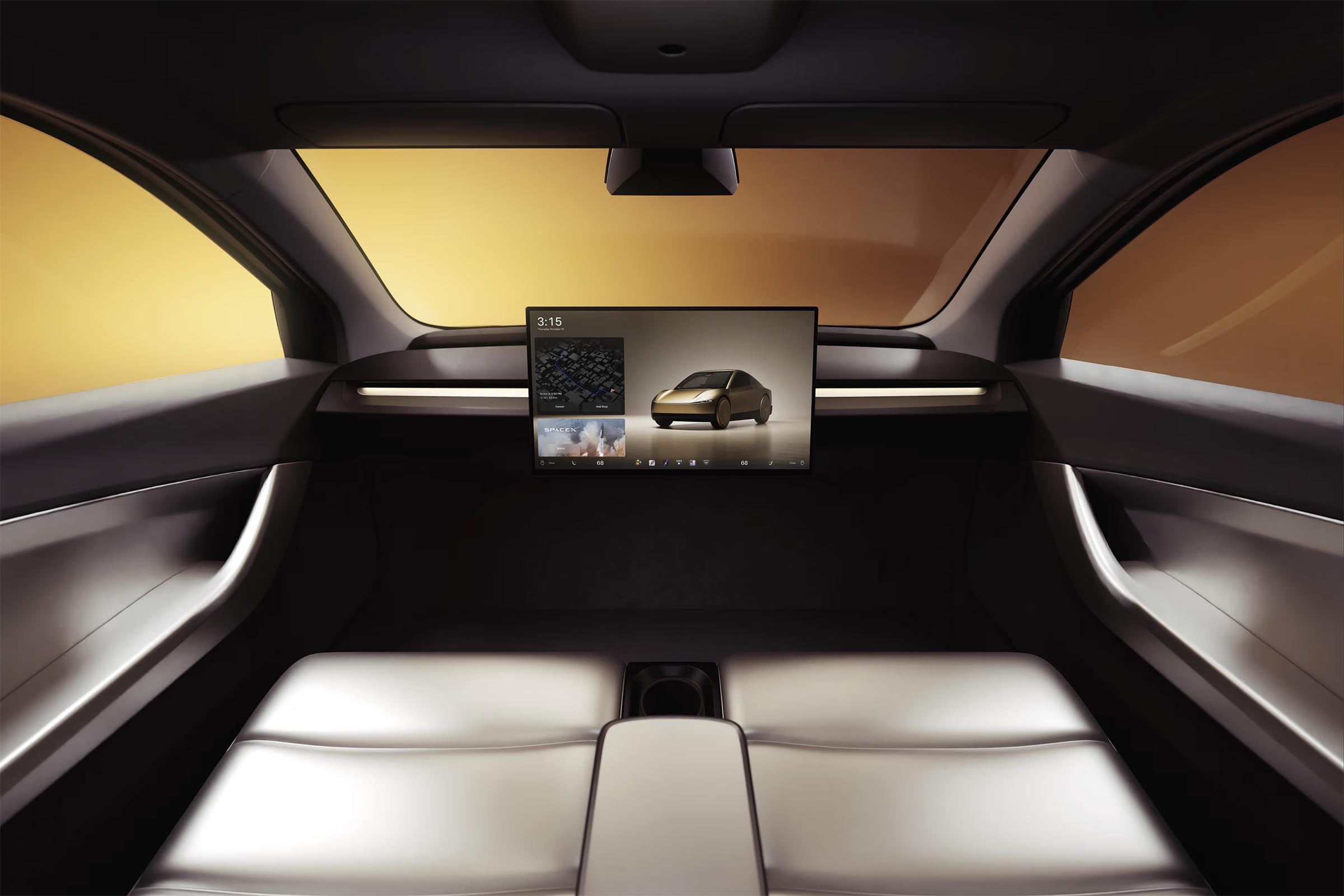
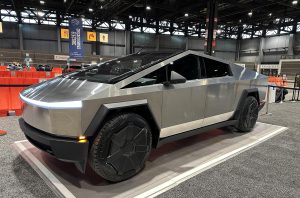
Tesla this week launched production of CyberCabs with no steering wheel or pedals.
As Headlight.News reported this week, at least 14 crashes involving those robotaxis have now been reported, such incidents occurring at a significantly more frequent rate than what human drivers experience, based on federal crash data. Musk himself has warned that the software used by Tesla needs to collectively clock about a dozen times more miles than its robotaxis have so far before it can operate flawlessly without human intervention.
California regulators aren’t the only ones concerned about Autopilot and FSD. Tesla has faced years of scrutiny over their safety record. The automaker also has faced a number of lawsuits by consumers and investors, over how its driver-assistance features are marketed, used and perform
The win by California’s DMV is something of a pyrrhic victory. The EV maker discontinued Autopilot in January to focus on FSD. The company also has increasingly been using the term Full Self Driving (Supervised} to emphasize it is not fully autonomous and requires constant supervision. But it has not been fully separated from Musk’s claims about the company’s robotaxis.
Paul A. Eisenstein contributed to this report.
0 Comments