

Paying for a new car is getting more complicated as monthly payments climb and the length of loan contracts increase. It doesn’t help that interest rates remain high. More from Headlight.News.
 With fewer economical vehicles to choose from in today’s market for new vehicles, consumers are making larger monthly payments on bigger loans, according to a study of new vehicles financing trends by Edmunds.
Car buyers continued taking on larger loans during the first quarter of 2026 while adjusting how they structure deals to keep monthly payments manageable, the tracking service found.
The average amount financed for new vehicles climbed to a record high of $43,899 during the first three months of 2026, compared to $43,759 in the fourth quarter of 2025 and well above $41,473 in the first quarter of 2025. The numbers mean that many buyers face the risk of being “underwater,” or owing more than they’d get on their old vehicles when it comes time to trade in.
Average monthly payments climb
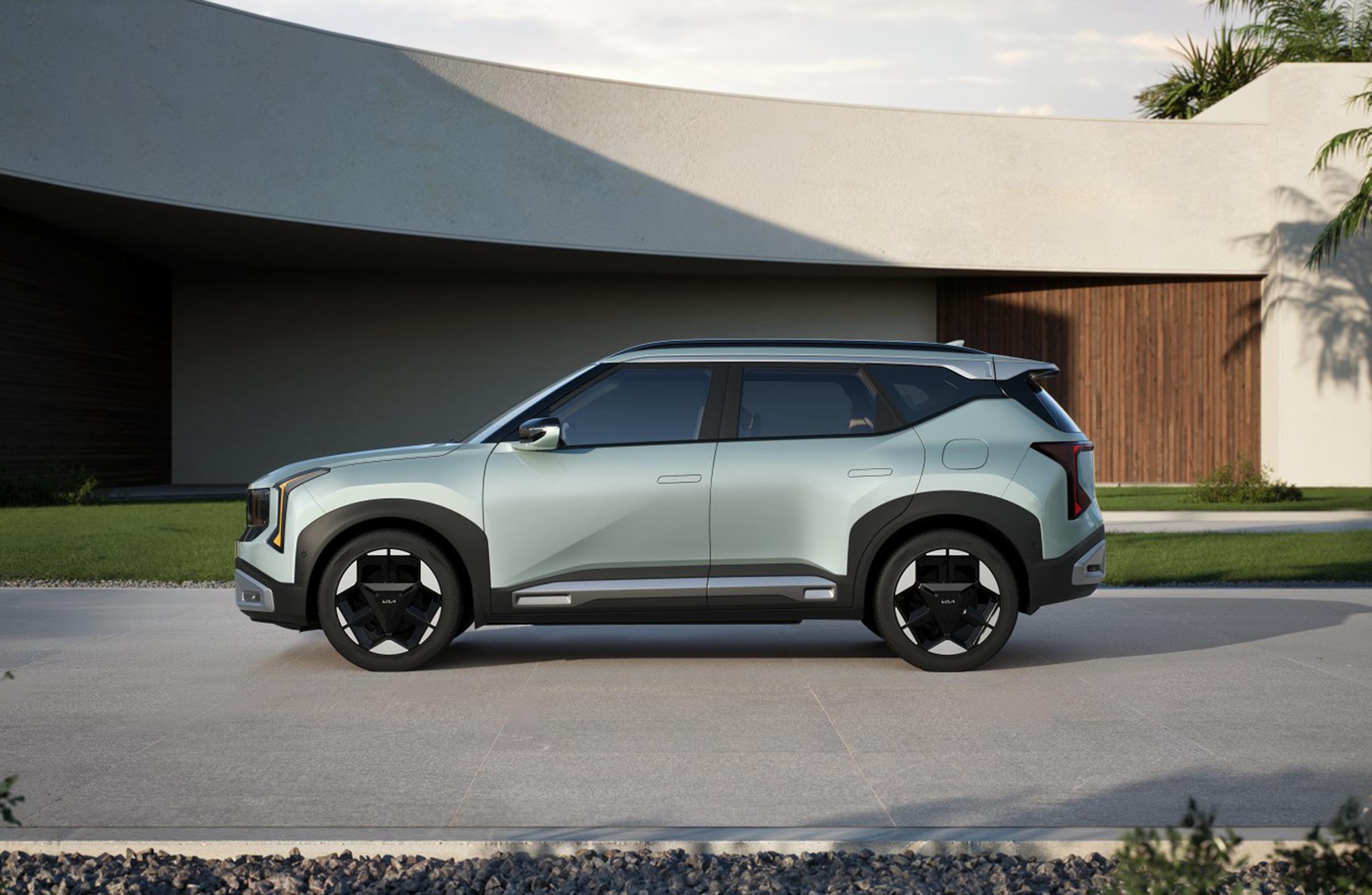
The new Kia Seltos is part of a shrinking list of vehicles priced under $30,000.
The average monthly payment on financed new vehicle purchases also continues to climb, rising to $773 in the first quarter 2026, edging past $772 in the fourth quarter of 2025 and up from $741 a year ago.
The share of new-car buyers committing to monthly payments of $1,000 or more accounted for 20% of all financed new-vehicle purchases in the first quarter, up from 17.7% during the first quarter of 2025. Additionally, Edmunds data shows that 84-month or longer loans made up 22.9% of financed new-car purchases in first quarter of 2026 — an all-time high. The figure was21.2% during the first quarter of 2025.
The average annual percentage rate for new-vehicle purchases actually rose to 6.9% during the first quarter, up from 6.7% at the end of 2025 – but down from 7.1% in the first quarter of 2025. Edmund’s analysts note that promotional financing remained limited.
Buyers work harder to finance vehicles.

Automakers have been offering fewer big deals, further restricting demand.
Financing data shows that car buyers are getting creative just to keep their purchases within reach,” said Jessica Caldwell, Edmunds’ head of insights. “As loan amounts and monthly payments continue to climb to record levels, consumers are having to work harder to make the numbers fit — a clear sign of how strained affordability has become.”
Harvard professor Kenneth Rogol, the former chief economist at the International Monetary Fund and, said interest rates are likely to remain painfully high in the aftermath of the Iran war.
That’s because steeper oil prices are adding to a slew of inflationary pressures that already exist in the world economy — and the impact on long-term interest rates is unlikely to be easily reversed, Rogoff said, speaking to CNN last week.
“I think the big thing is that interest rates are going to be higher,” Rogoff said, pointing to long-dated Treasury yields and mortgage rates in particular. “I think they’re going to stay higher and it’s painful,” he added.
More Auto News
- War, High Fuel Prices and Sliding Car Sales
- The U.S. Auto Market Could be Heading for a Crash
- Gas Prices Top $4 a Gallon – and Motorists Aren’t the Only Ones Hurting
Inventories of unsold vehicles increase.

A lineup of unsold Tesla Cybertrucks.
With vehicle sales showing signs of softening, Car Gurus reports inventory sits longer: Market Days’ Supply (MDS) reached 72.6 days in March, up from 65.9 year of year, with higher-priced vehicles lingering the longest (up to 87.7 days in the $70,000–$80,000 range.
Automakers traditionally aim for about 60 days inventory – though the figure often runs higher on some products, such as pickups, due to the wide variety of trim packages.
The inventory of affordable vehicles continues to shrink, according to CarGurus. Vehicles under $30,000 now make up about of 13% of new inventory, down from over 30% five years ago,





0 Comments