

Carmakers are facing a decline in overall sales in 2026 as tariffs and high prices shrink the pool of consumers able to afford a new vehicle, leaving manufacturers chasing affluent customers with expensive vehicles. Headlight.News has more.

Automakers have been offering fewer big deals, further restricting demand.
Car buying service Edmunds warned new vehicle sales will slip in 2026 as consumers continue to get priced out of the market.
The tracking service’s latest forecast projects 16.3 million new-vehicle sales in 2025 and 16 million in 2026. But that figure for the upcoming year could be optimistic, according to economists from the University of Michigan. They’re forecasting light vehicle sales will hover around 15.7–15.8 million units in 2026 and 2027 as automakers pass through an ever-larger share of tariff-related costs to consumers.
The drop in sales predicted by U-M and Edmunds suggests a slowdown in what is the largest manufacturing industry in the U.S. U-M economists also said the growth of the of the economy is expected to slow noticeable over the next two years, while the unemployment rises slightly, according to the school’s annual RSQE forecast.
Carmakers focus on the high end
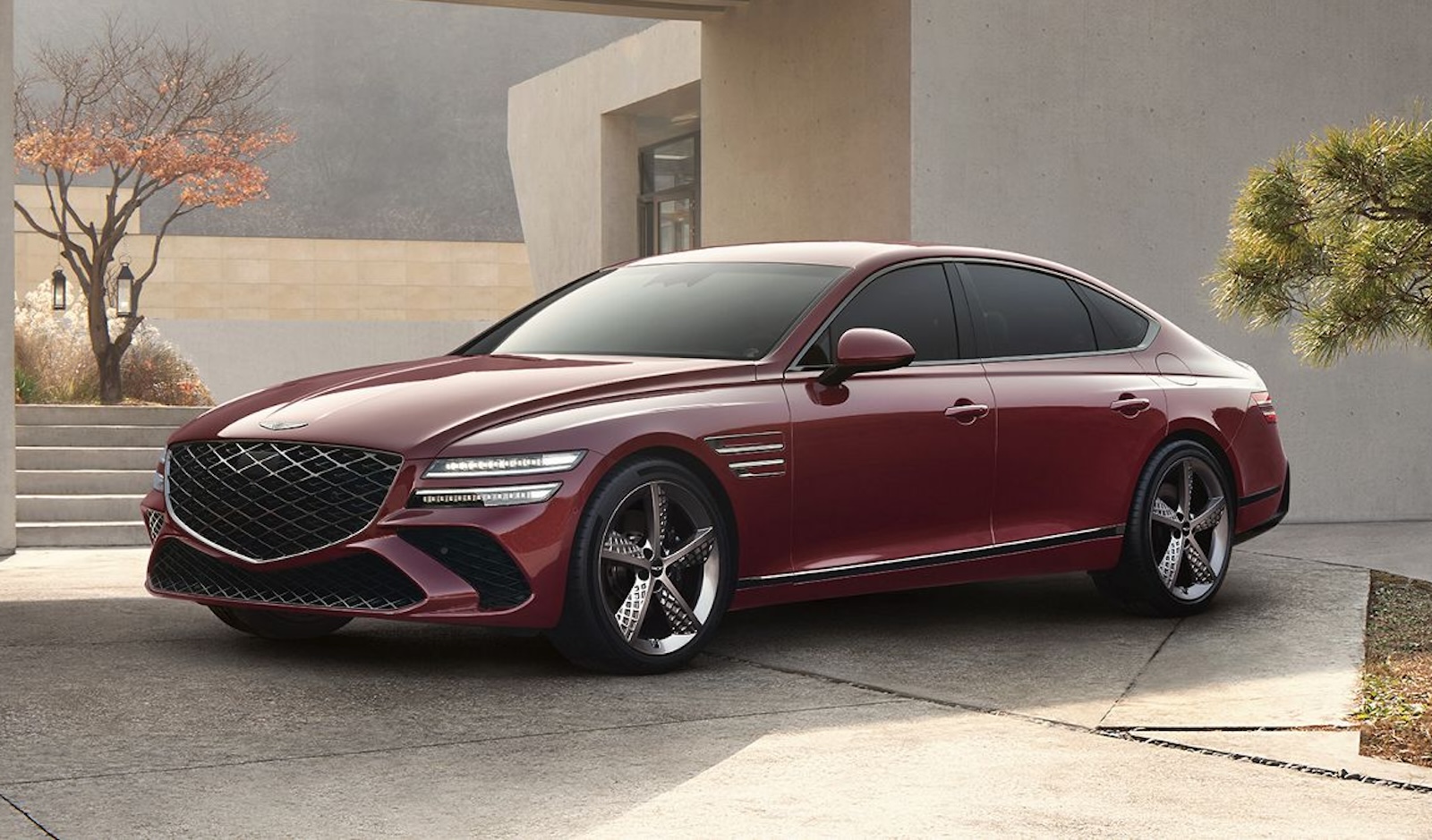
As mainstream customers get priced out, manufacturers are shifting focus to more affluent buyers.
Affordability pressures are creating a “K”-shaped divide, with higher-income buyers continuing to purchase larger, higher-priced new vehicles while many price-sensitive shoppers shift into the market for used vehicles, said Jessica Caldwell, Edmunds’ head of insights.
“At the same time, the industry is no longer leaning on cheap leases or aggressive fleet sales — the tactics that once helped push U.S. volume above 17 million units,” according to Caldwell. Prices of new vehicles will likely remain elevated but stable, with easing interest rates offering modest relief, Caldwell added.
She said the EV share of the market is expected to slip to around 6% as shoppers pull back in light of the federal tax credit expiration, but off-lease returns will rebound, supplying more affordable, near-new EV options that were missing in 2025.
Lower interest rates can’t offset inflation pressure
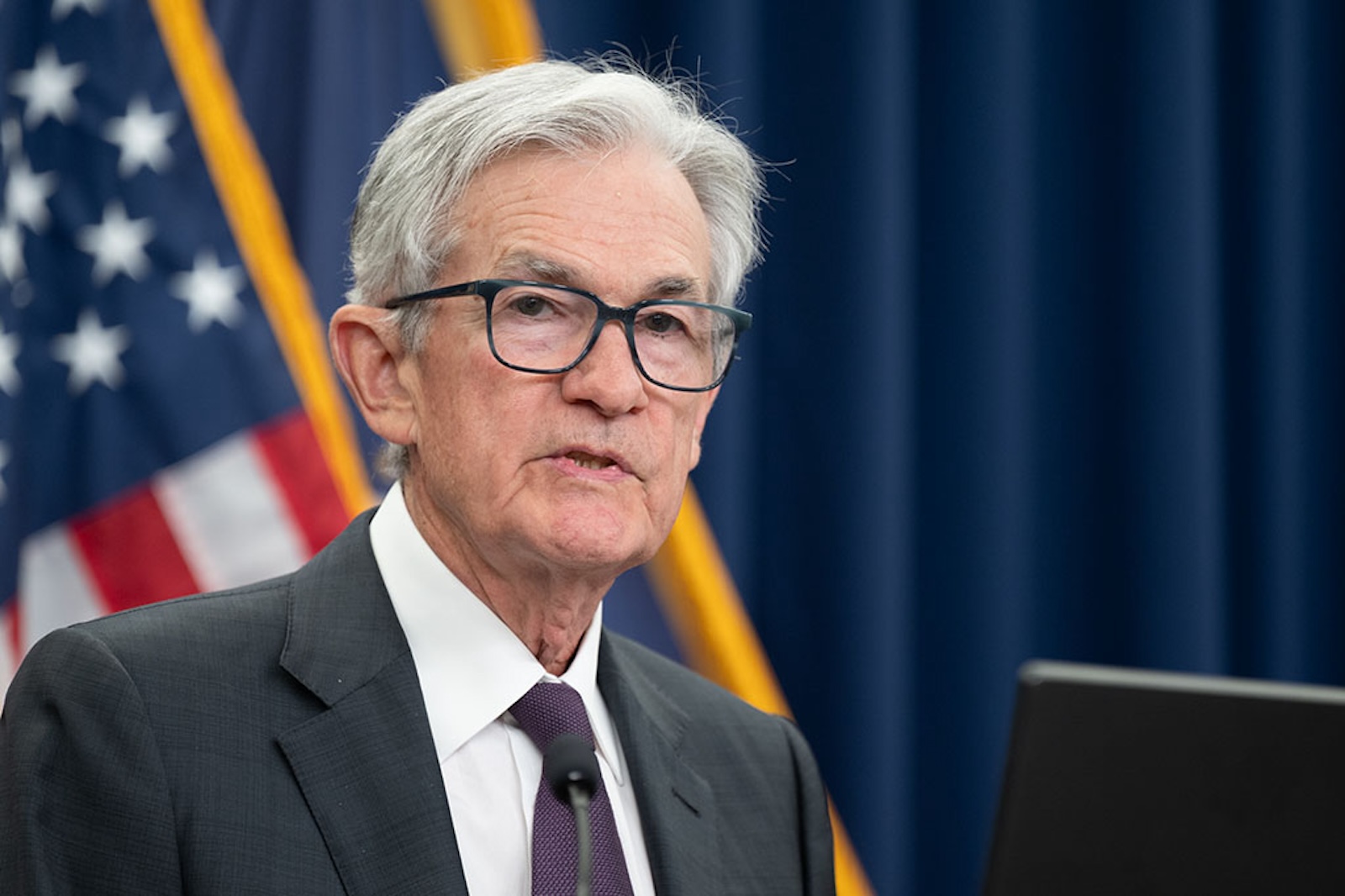
Federal Reserve Chair Jerome Powell.
The Federal Reserve lowered interest rates by a quarter of a percentage point on Wednesday in what was a highly contentious decision, suggesting officials may be reluctant to lower borrowing costs much further unless the labor market weakens sharply. The decision to cut interest rates during the board’s third meeting in a row shifted interest rates to a new range of 3.5 to 3.75%.
It also marked the fourth straight vote that was not backed by all members of the 12-person Federal Open Market Committee, underscoring how fractured the central bank has become as it grapples with the risk of both rising unemployment and sticky inflation.
One question automotive analysts are asking is whether the latest rate cut will show up in a way that positively impacts auto buyers. The cuts so far have not generated comparable reductions in auto loan rates. Meanwhile, there has been a rise in loan defaults and other factors that may not auger well for the near-term.
More Auto News
- Auto Inflation Rages as Carmakers Pass More and More Tariff Costs to Consumers
- EU May Delay, Even Cancel Plans to Ban Gas, Diesel Engines
- Rivian Announces Major Autonomy Upgrades
Consumer sentiment declines
U-M economist Joanne Hsu, director of the consumer survey, said. consumers continue to be focused on bread-and-butter issues directly influencing their personal finances, with continued frustration over high prices and weakening incomes.
During November, U-M’s highly regarded survey found personal finances and buying conditions for durables both plunged, whereas expectations for the future improved a touch but remain subdued, according to Hsu.
“Cost-of-living concerns and income worries dominate consumer views of the economy across the country,” Hsu said. “Other major developments have had limited impact on consumer sentiment this month.
The Consumer Sentiment Index fell to 51.0 in the November 2025 survey, down from 53.6 in October and below last November’s 71.8. The Current Index fell to 51.1, down from 58.6 in October and below last November’s 63.9. The Expectations Index rose to 51.0, up from 50.3 in October and below last November’s 76.9.



There are a dozen new cars for under 25K, but are they on the list? No, you still buy what you can’t afford.
Get the base model of the cheapest car out there (if you really need a car) until you have money to waste.
Go to school and get a decent job.
Save money.
Get smart.