
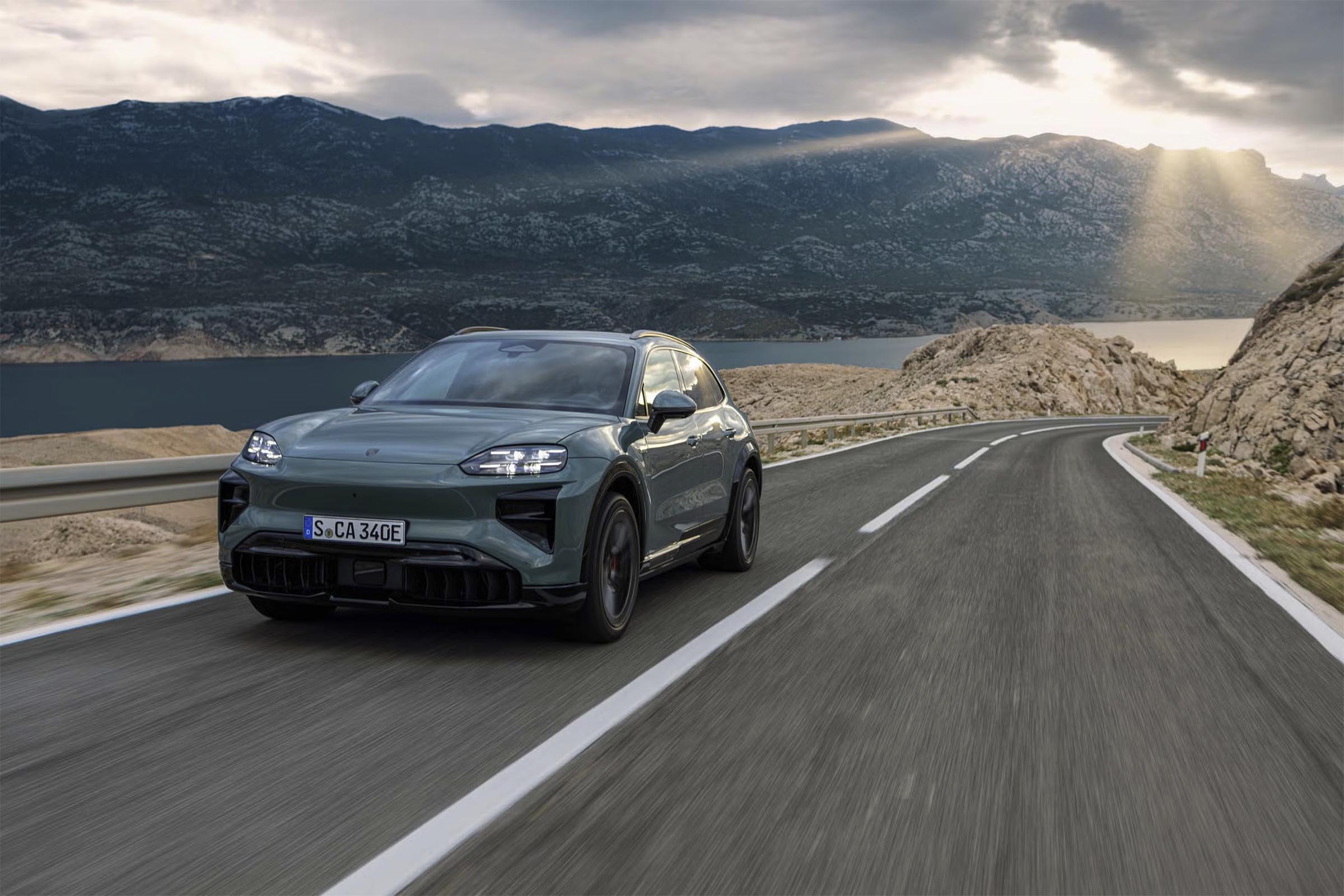
Expect to pay more for that new Porsche next month, the German automaker advising dealers it will start passing on more of the cost of the tariffs Pres. Donald Trump has put in place on imported autos. Porsche isn’t alone, however, a growing number of brands are raising already record-high prices to cover those new duties, even on domestically made products due to the cost of imported parts and components, reports Headlight.News.
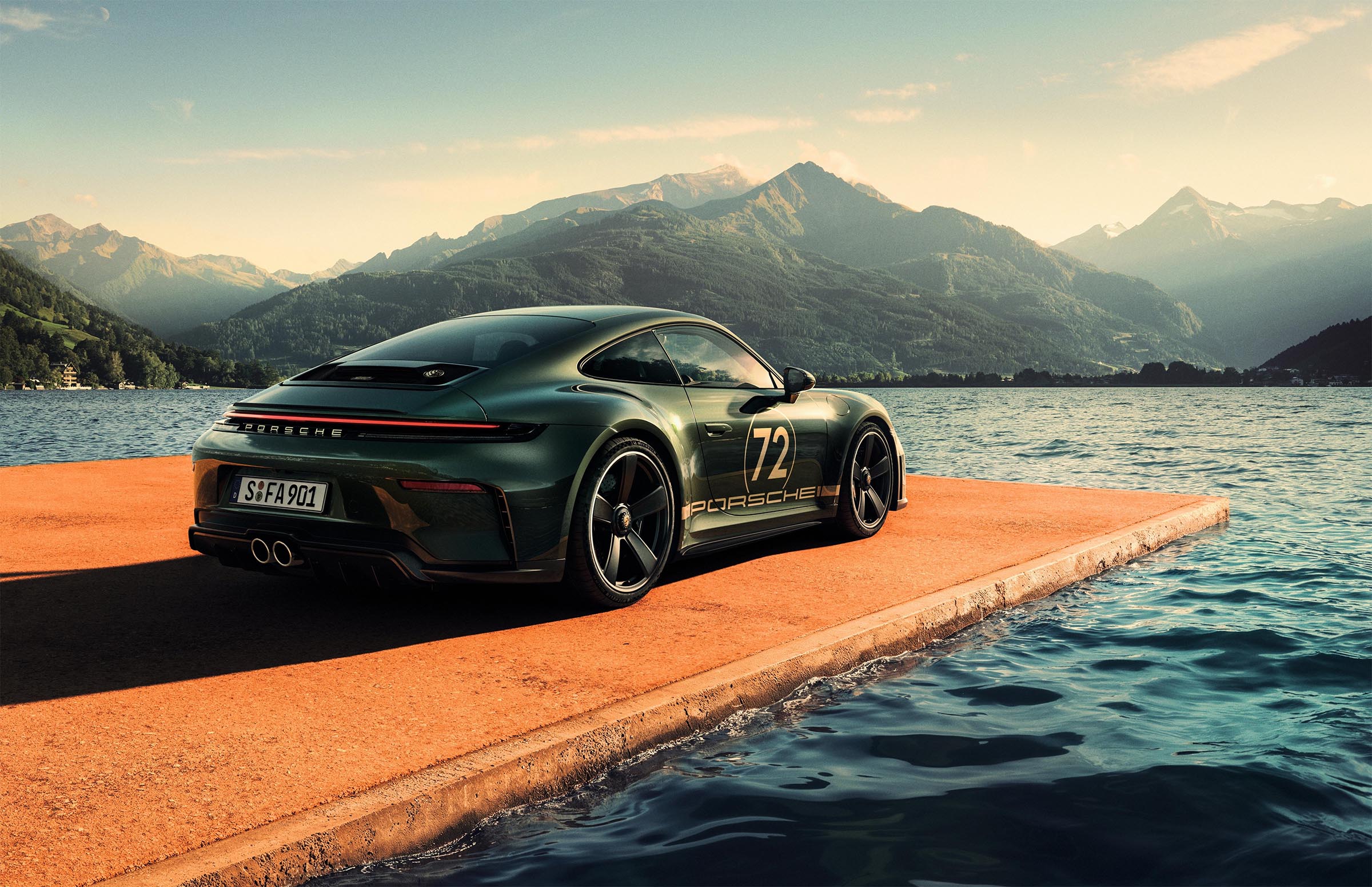
Porsche is about to launch its second tariff-based price hike since July.
For the second time since July, Porsche plans to raise prices next month. The moves are meant to pass onto customers the cost of the import auto tariffs Pres. Donald Trump put in place last spring, and will add up to thousands of dollars more on many of the German brand’s products, like the iconic 911.
Porsche is by no means alone, however. After initially being reluctant to pass on tariffs at a time when vehicle prices were already nearing record levels, manufacturers no longer say they can afford to do that. The costs are simply too great, General Motors already warning it could take as much as a $5 billion hit from the tariffs this year.
The typical vehicle now costs more than $50,000, and new data from tracking service Cloud Theory shows that’s up an average of about $2,000 from a year ago. Exactly how much of that is due to tariffs is unclear, some automakers publicly blaming added content and increased manufacturing costs rather than risking getting involved in the political fray over tariffs. But another study contends tariffs are responsible for at least 80% to 90% of the jump in 2026 model prices.
Porsche weighs in
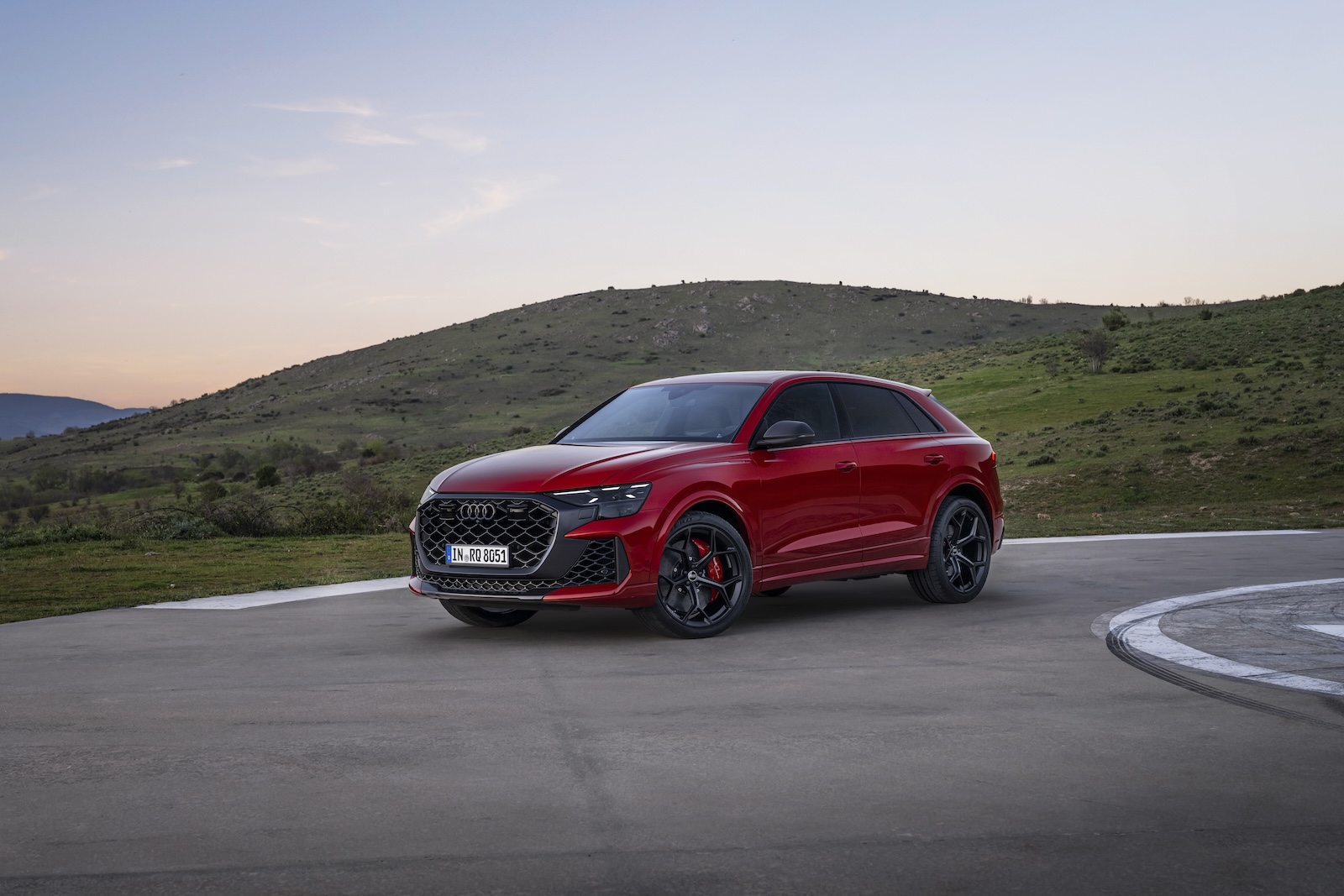
Porsche sibling Audi has also been passing on tariff costs through price hikes.
Tariffs are expected to cost Porsche about $813 million this year, according to comments made by CFO Jochn Breckner during a third-quarter earnings call. Like other automakers, its European-made products face duties of 15% when they enter the United States.
The automaker has absorbed much of that hit, even after raising prices by as much as 3.6% last July. Another increase is due in January. “This step is based on current market conditions, which we monitor regularly, making adjustments when necessary,” a Porsche spokesperson told Automotive News, adding that, “It will affect most, but not all, vehicles and will range from a 1.2 to 2.9 percent rise, depending on the vehicle.”
Other brands in the Volkswagen Group have also begun raising prices due to the Trump tariffs. Audi in August said it would adjust the cost of 2026 models by anywhere from $800 to $4,100 – though it tried to soften the blow by adding three years of free maintenance.
How much are prices going up – and why?
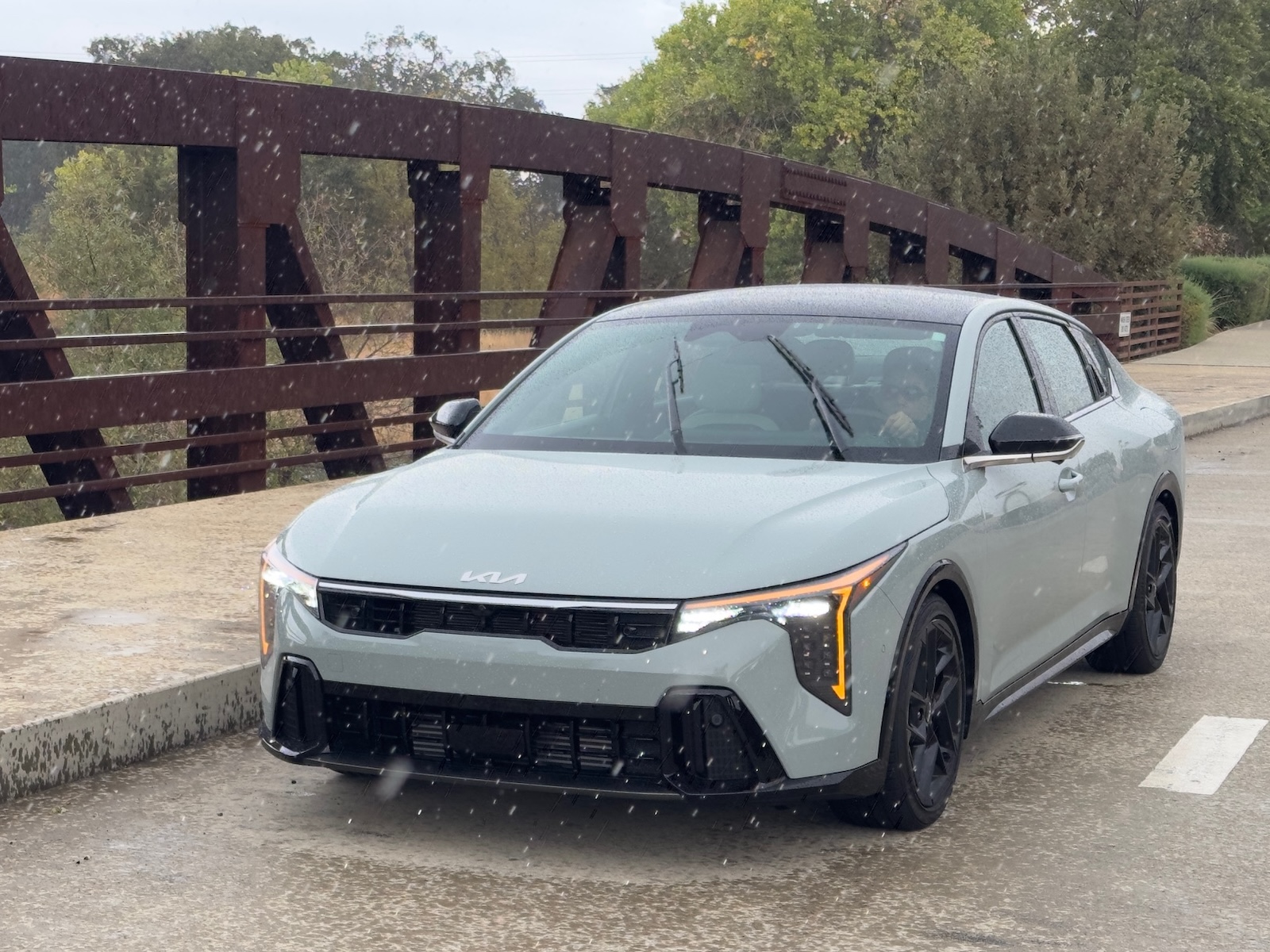
Kia officials downplayed the impact of tariffs on recent price hikes.
It’s difficult to find any manufacturer that hasn’t announced price hikes in recent months. Hyundai this month said it would increase the cost of the second-generation Palisade by as much as $3,060. Sibling Korean brand Kia, has raised prices on a number of its own 2026 offerings.
For his part, Kia’s U.S. Vice President of Marketing Russell Wager told Headlight.News the increases are the result of “added content.” And there’s no question many new 2026 models are loading up on new features that add to manufacturing costs.
But the jump in 2026 prices, about $2,000 per vehicle on average, reported Cloud Theory, compares with a much mor modest $500 increase for the 2025 model year. A report by AlixPartners, meanwhile, estimated that automakers will face a $30 billion tariff bill for all of 2025, and will pass on an average $1,760 per vehicle to customers by raising prices.
More Auto News
- Rivian Announces Major Autonomy Upgrades
- EU May Delay, Even Drop Ban on Gas, Diesel Engines
- Check Out Nissan’s e-Powered Rogue
More to come
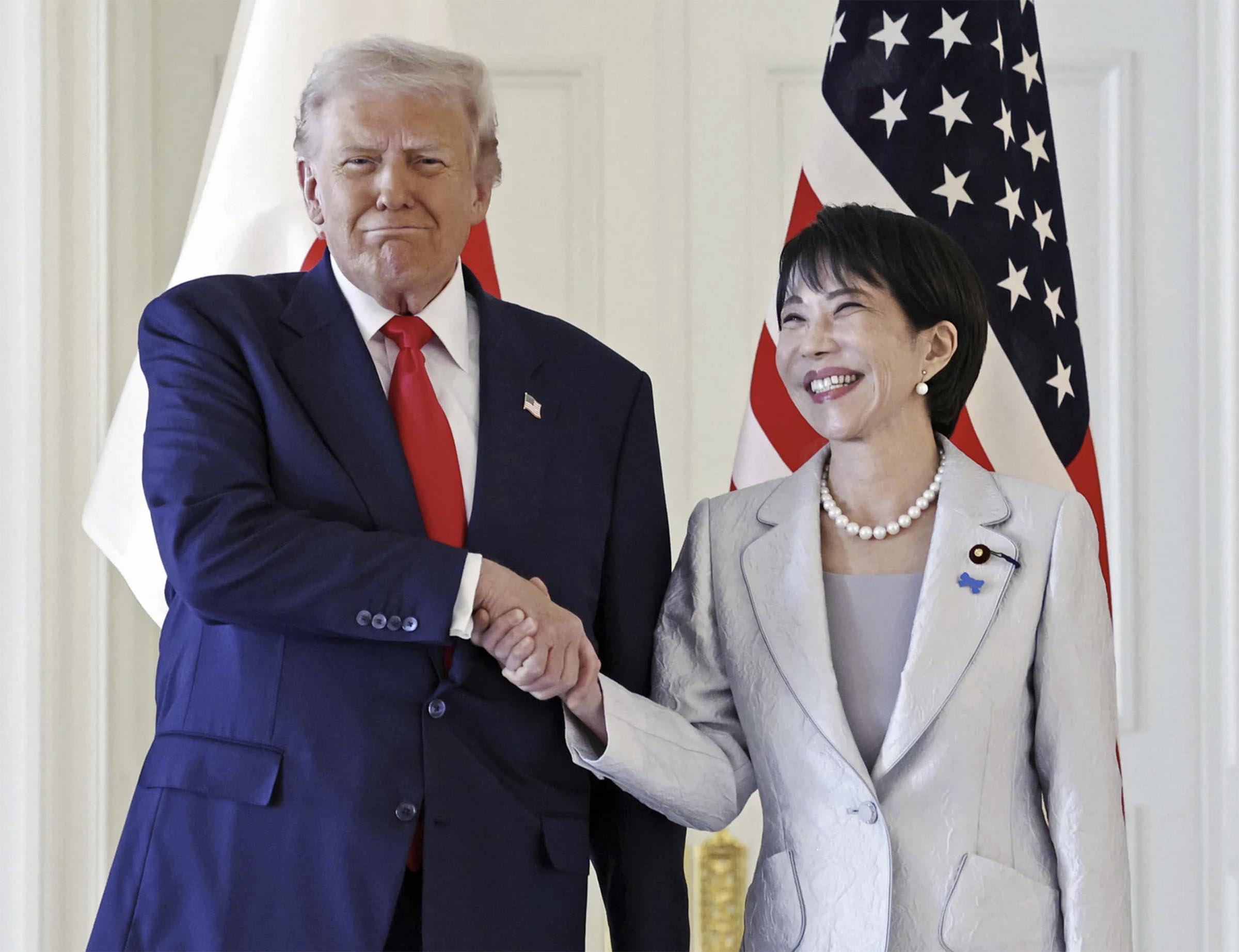
After meeting with new Japanese Prime Minister Sanae Takaichi, Trump agreed to lower tariffs on that country’s products to 15%.
Doing the math reveals that figure actually doesn’t come close to covering all the added costs from tariffs. Those duties are based on what might be described as wholesale, rather than retail costs – typically 10 to 20% less than MSRP. But that still adds up. A Volkswagen with a value of $40,000 at the border would face about $6,000 in duties. Based on recent increases to the brand’s MSRP it is still absorbing most of that, even if it didn’t pass on an extra penny for added content.
Why? “There’s still a very competitive landscape out there and market share is so huge to these manufacturers,” Scott Kunes, COO, Kunes Auto and RV Group told the Reuters news service. “It’s going to be very, very gradual.”
Automakers have two reasons to think twice about passing on tariff costs – or at least reasons to pass them on small bites. As Kunes said, there’s the “competitive landscape.” Toyota has to watch out for what Nissan does. BMW has to keep a wary eye on Mercedes-Benz. Take too big a bite and you risk losing a customer to the other brand.
Affordability
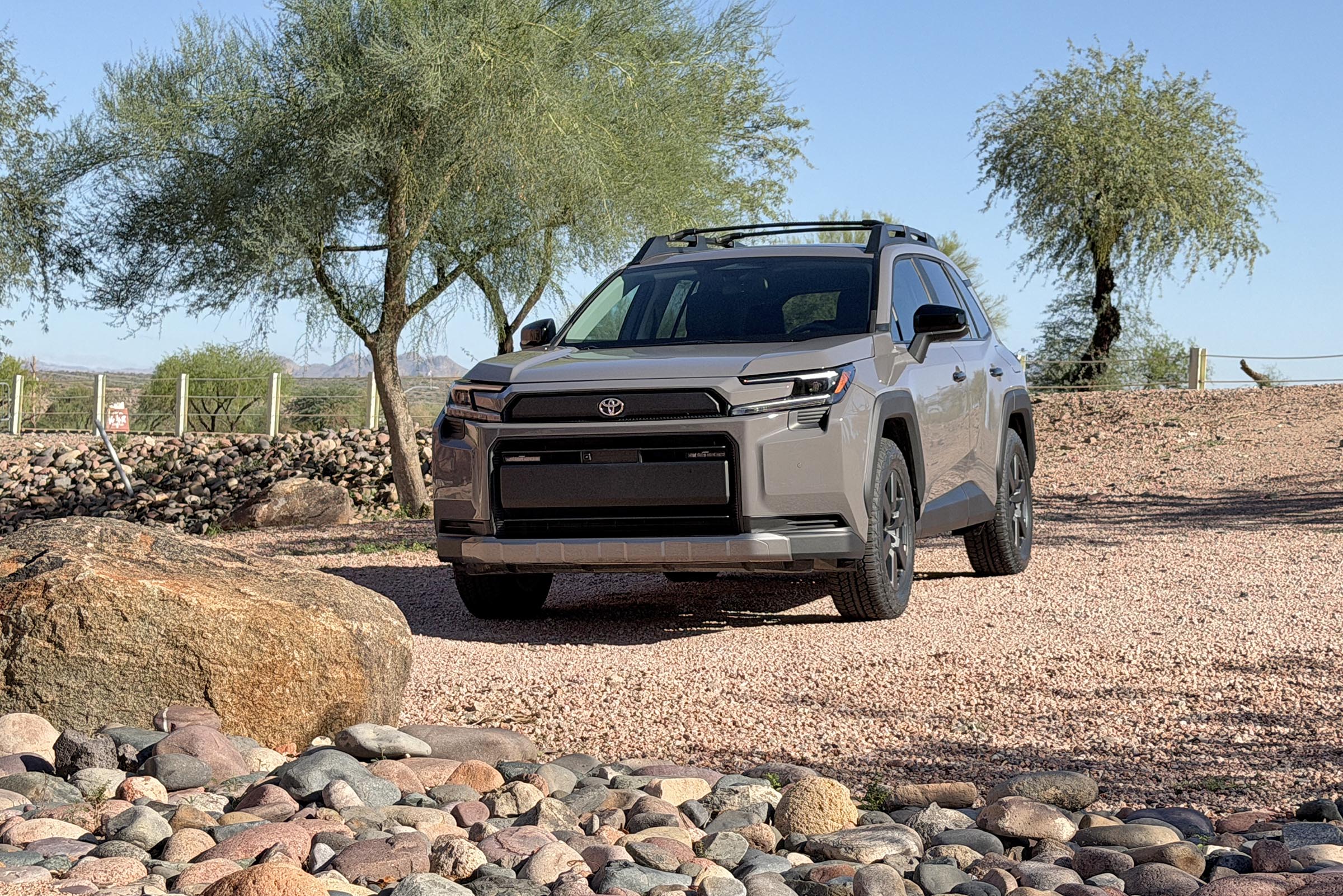
Even American-made vehicles, like this Toyota RAV4, face tariffs on imported aluminum, steel and parts.
If that weren’t reason enough, “affordability” has become a major talking point these days, as the president himself has had to deal with. He may be calling it a “hoax,” but vehicle buyers would disagree. And analysts broadly agree that millions of motorists are being priced out of the market at a time when the typical monthly car payment has reached $766, according to Edmunds.com, a 3% year-over-year increase.
Recent reports find foreign brands have cut exports to the U.S. in response to tariffs, some trying to balance inventories by producing more vehicles in American plans, where possible.
However, even for Toyota, which produces over 70% of the vehicles it sells in the U.S. locally, that doesn’t completely sidestep the impact of tariffs. The Japanese giant still faces duties on the long list of parts and components it imports from suppliers all over the world. And that goes for domestic manufacturers such as General Motors, Ford, Stellantis, Tesla, Rivian and Lucid, as well. Foreign-made content – including raw materials like steel and aluminum – typically adds up to thousands of dollars per vehicle subject to tariffs.
On top of the tariff penalty, the Trump administration has effectively raised the price of the typical vehicle by eliminating the tax credits available to many EV buyers. That can add up to a $7,500 hit and a significant increase in monthly loan costs.



0 Comments