
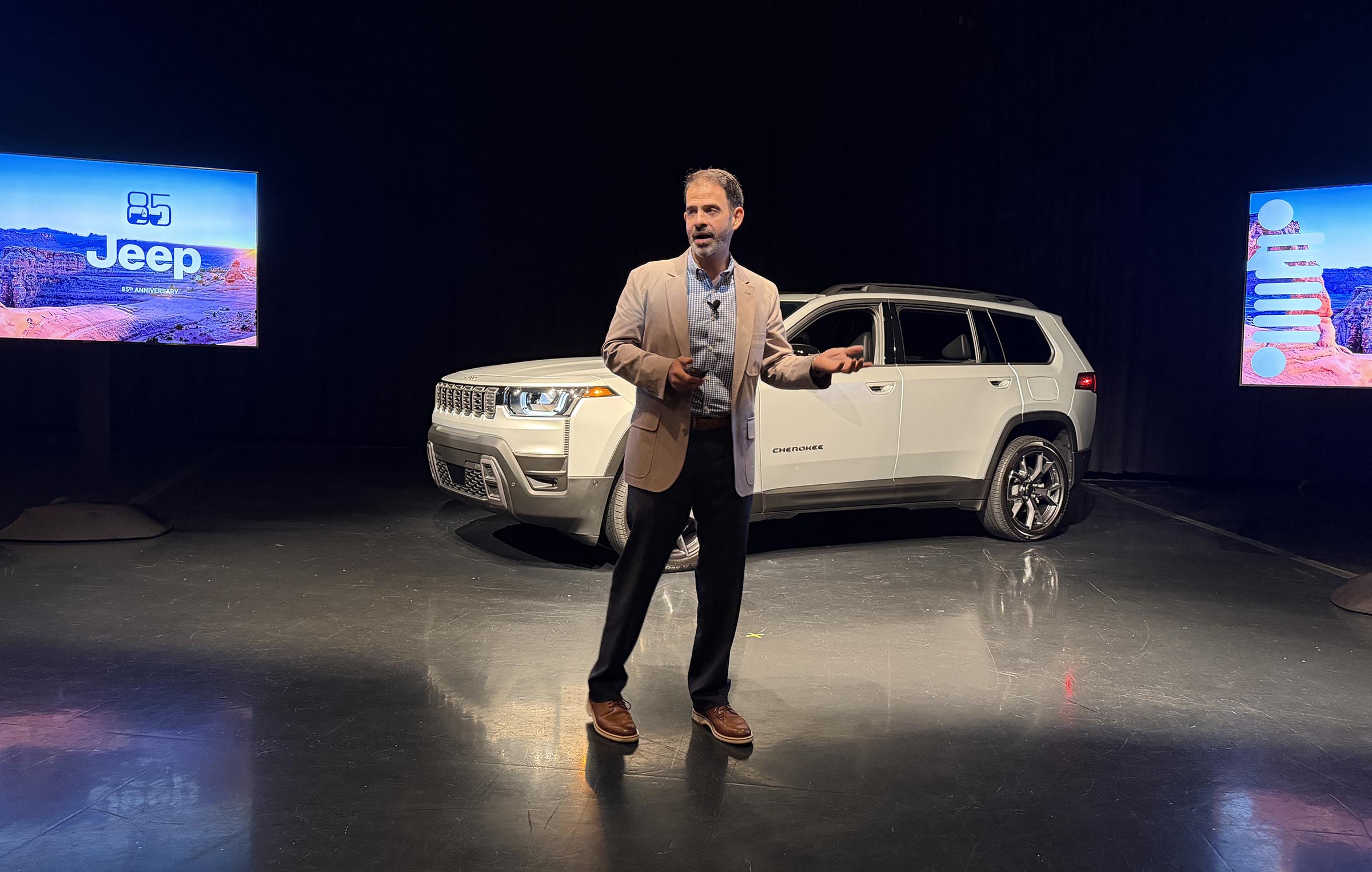
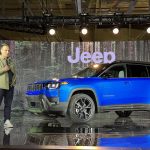
The reborn Jeep Cherokee will be critical to the brand’s future – and that of parent Stellantis.
Stellantis and Jaguar Land Rover signed a Memorandum of Understanding to explore “opportunities to collaborate on product development” – though the MOU is specifically focused on the U.S. market. The announcement comes a day before Stellantis is set to announce a broad new strategy that will focus its efforts on just four key brands, leaving some observers wondering how an alliance with JLR would fit in. Headlight.News has more.
Stellantis and Jaguar Land Rover will “explore opportunities to collaborate” in a variety of ways, the two automakers announced Wednesday morning.
Specific details weren’t covered in a news release issued by the two manufacturers, but the joint statement suggested it could cover a variety of areas including not only vehicle development but technology and even manufacturing. Significantly, the new Memorandum of Understanding is focused specifically on the United States.
The timing of the release took several observers by surprise, however. Both manufacturers are clearly facing a variety of challenges – JLR, in particular, struggling to revive the iconic Jaguar brand. But as part of its own turnaround program, Stellantis is set to announce this week a new strategy that will put primary emphasis on just four of its 14 global brands.
“Unlocking new opportunities”
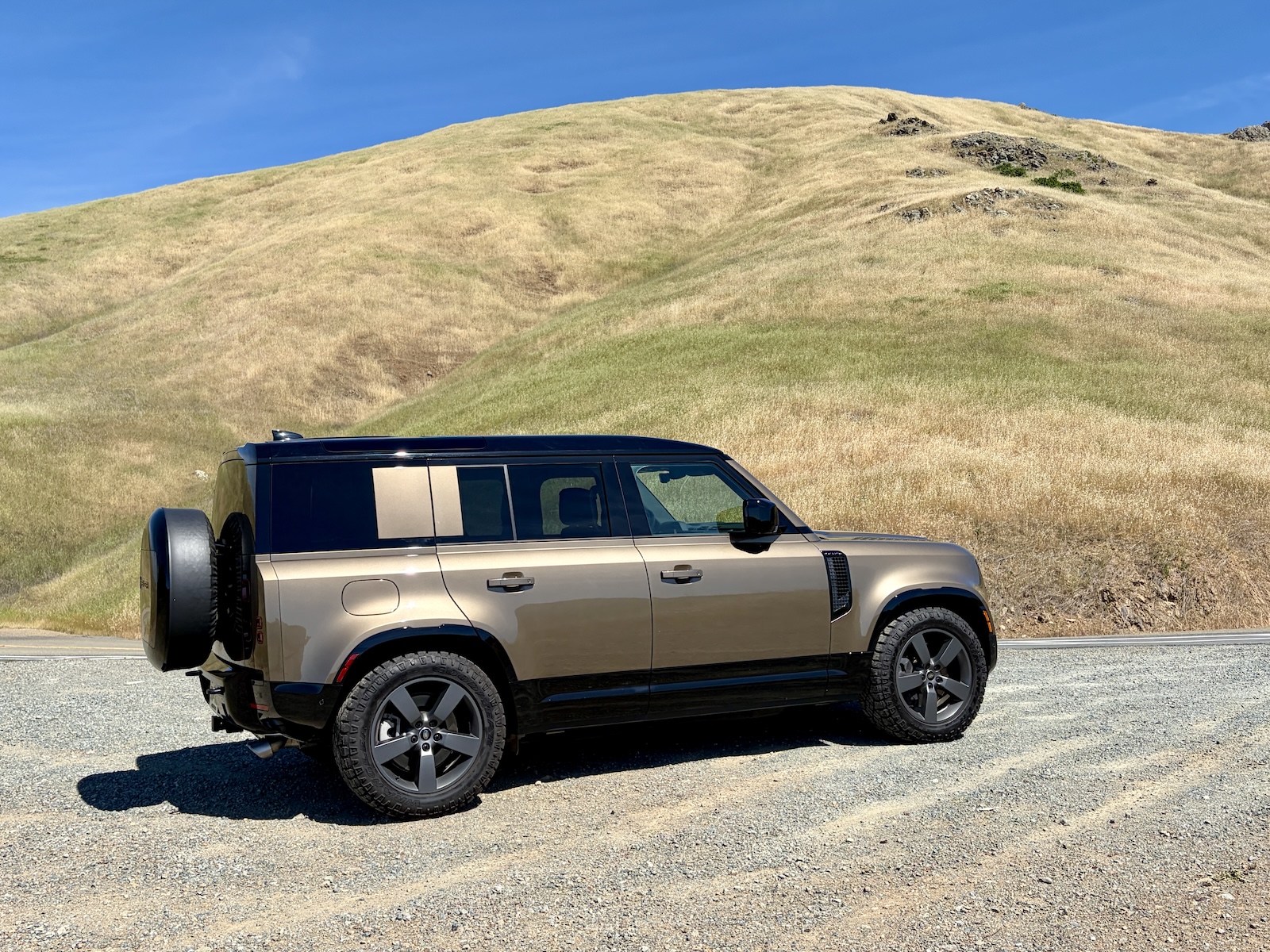
JLR faces plenty of headwinds, especially from U.S. tariffs on products like this Defender.
Exactly what the two companies might be talking about has quickly become the topic of a guessing game among industry observers. Statements by the two potential partners gave only vague clues.
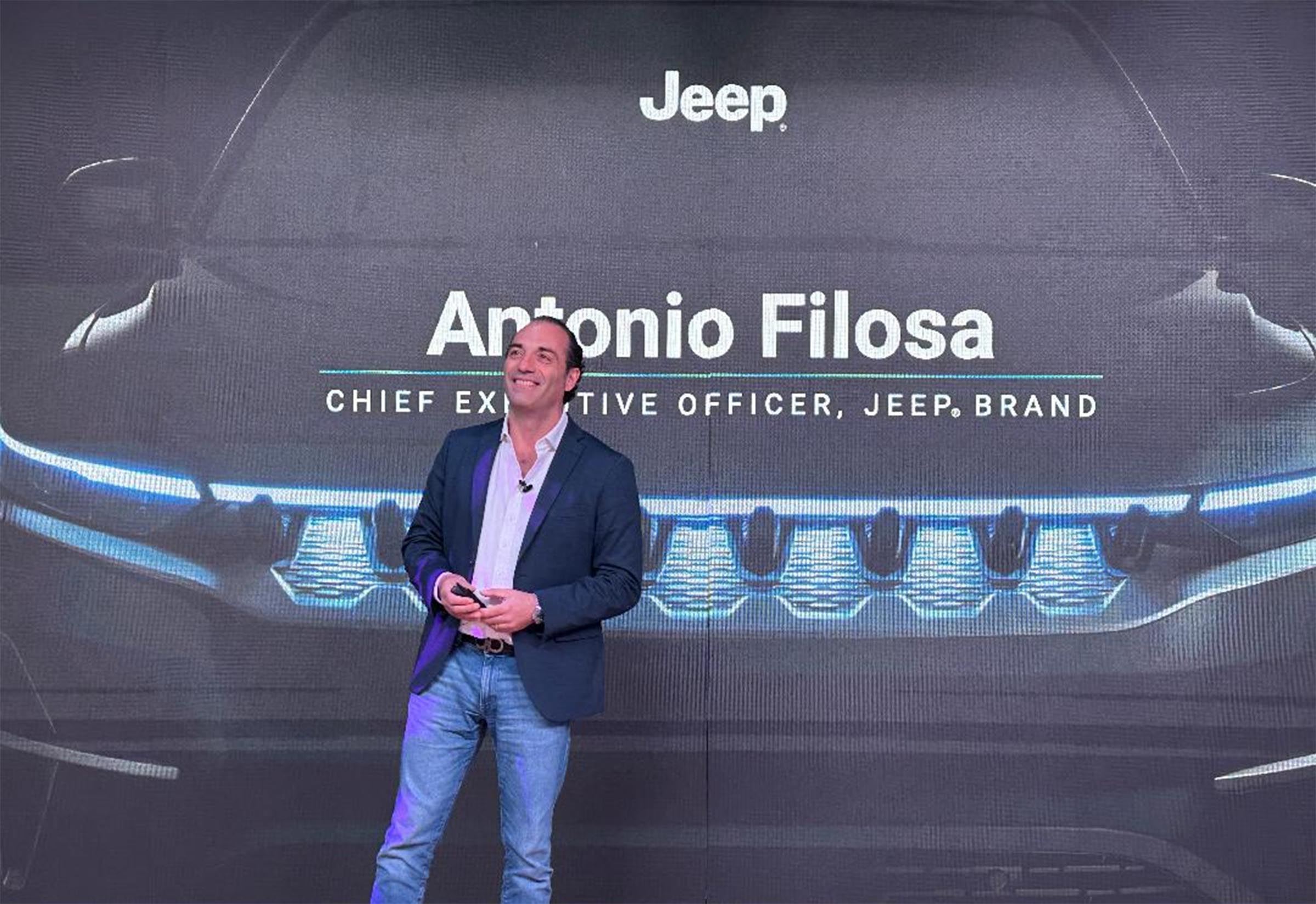
“By working with partners to explore synergies in areas such as product and technology development, we can create meaningful benefits for both sides while remaining focused on delivering the products and experiences our customers love,” said Antonio Filosa, Chief Executive Officer of Stellantis.
For his part, PB Balaji, Chief Executive Officer of JLR, added that, “As we continue to evolve JLR for the future, collaboration will play an important role in unlocking new opportunities. Working with Stellantis allows us to explore complementary capabilities in product and technology development that support our long‑term growth plans for the US market.”
Two troubled companies
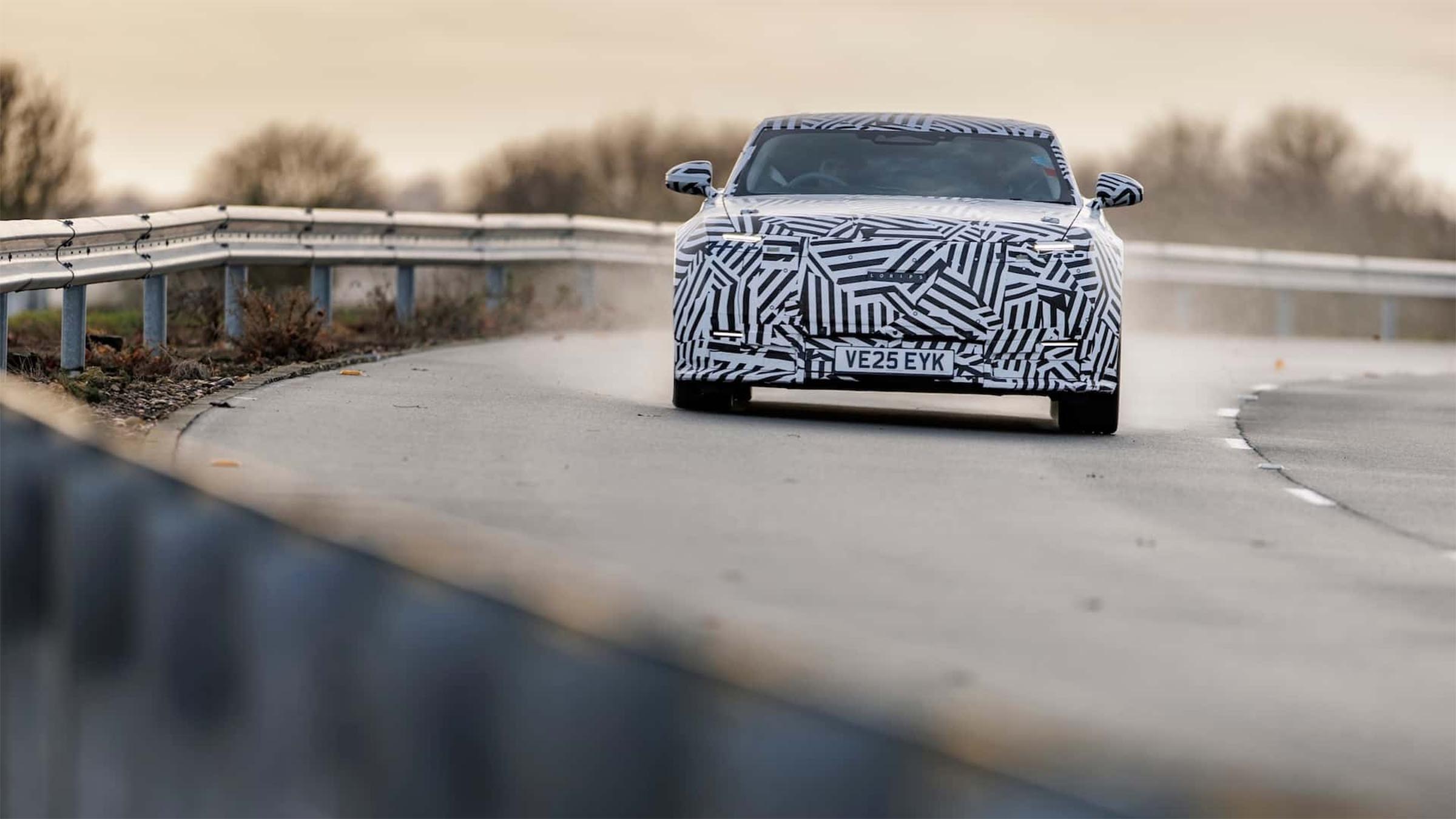
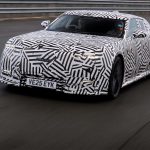
A Jaguar 00 prototype being tested.
What’s clear is that both Stellantis and JLR are facing major challenges.
The bigger automaker, officially based in the Netherlands, has been struggling for several years. Its founding chief executive, Carlos Tavares, resigned in December 2024 amidst worsening sales and deepening earnings. But there have been signs of improvement at Stellantis, the world’s fourth largest automaker reporting a net profit of €377 million, or US$440 million, for the most recent quarter. It lost €387 million the year before.
For its part, JLR reported last week a fourth-quarter profit before taxes and other one-time expenses of 458 million, or $614.8 million. But it said in a statement that the company “faced a challenging year with our financial performance impacted by a range of headwinds.” That included not only tariffs imposed by the U.S., traditionally JLR’s biggest market, but the fact that the Jaguar brand is currently out of production ahead of a shift to all-electric drive technology.
More Auto News
- Stellantis to Focus on Four Key Brands Going Forward
- Stellantis Workers Left Out in the Cold – No Profit Sharing this Year
- Jaguar May Not Go 100% EV After All
What’s the fit?
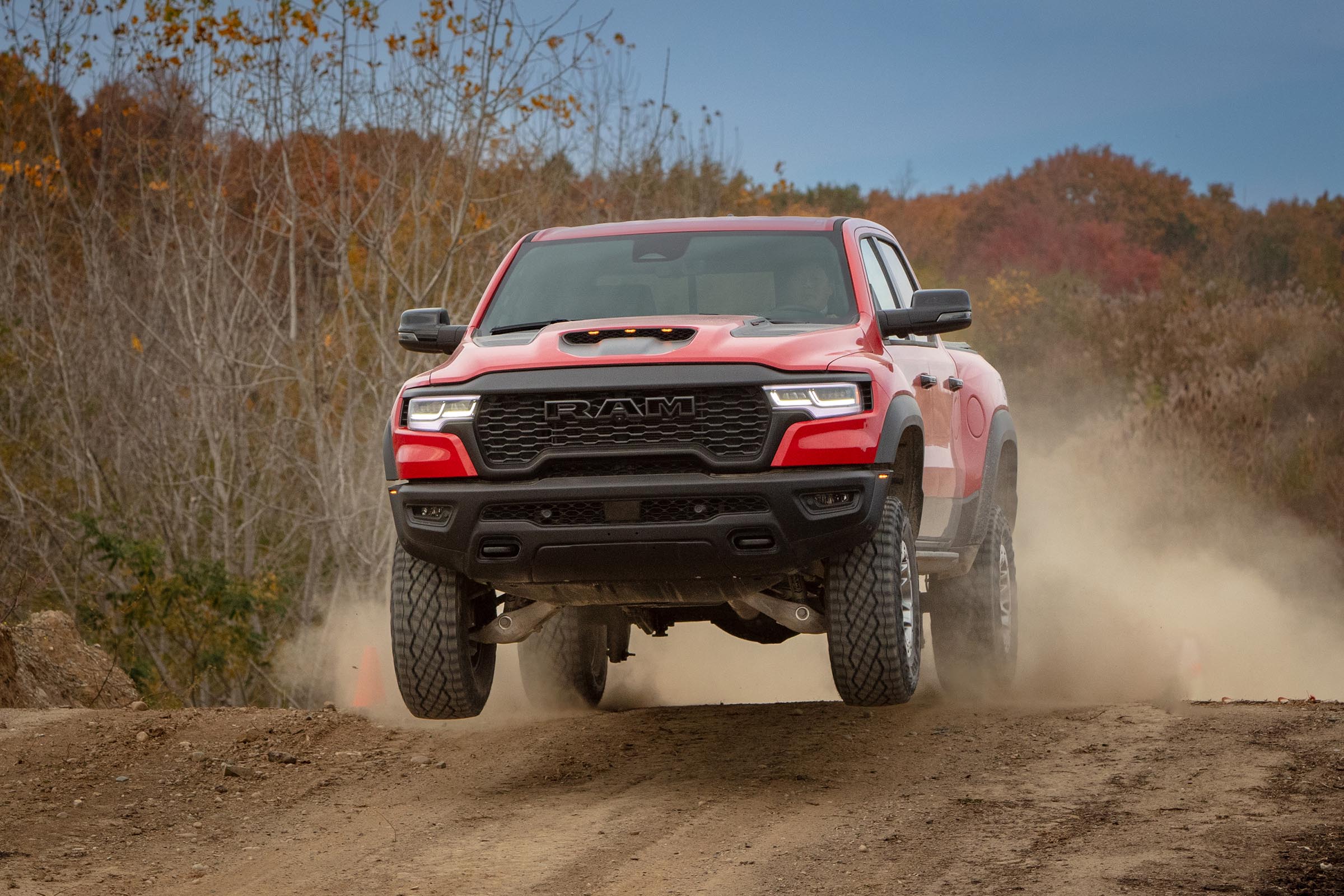
Going forward, Ram will be one of four brands dominating product development at Stellantis.
The announcement of an MOU comes at a curious time, particularly for Stellantis. On Thursday, May 20, Filosa is expected to announce a new strategy which, while for now retaining the company’s 14 brands, will move four to the head of the line. Going forward, Jeep, Ram, Fiat and Peugeot will be the key brands leading product and tech development. The rest of the family will effectively have to settle for hand-me-downs.
The question is how JLR will fit into the equation. And the announcement of the MOU “feels a but awkward,” because of “the focus on the U.S.,” said Stephanie Brinley, principal analyst for S&P Global Mobility.
There’s no question JLR could use a boost in the U.S. market, especially if it hopes to revive moribund Jaguar. And there are certainly ways the Land Rover side might be able to cooperate with Jeep, analysts suggested. Indeed, one possible benefit could come on the manufacturing side, according to Sam Fiorani, lead strategist with AutoForecast Solutions. “They might want to build in the U.S. to get around (Trump administration auto) tariffs because they can get pretty hefty when you’re importing a $100,000 Land Rover.”
Non-binding
The joint statement does suggest possible joint product development. But it also mentions technology. And that could be another area where they could pool resources, analysts said. Stellantis might want access to the EV tech JLR is developing, for example. The Indian-owned Jaguar Land Rover, in turn, might be eying the infotainment and autonomous driving systems Stellantis is working up.
Wednesday’s statement noted that the MOU is non-binding. They may have issued it simply to meet legal strictures as they continue discussions, said analyst Brinley, adding that there’s no guarantee that anything will actually come out of the proposed collaboration.

0 Comments