
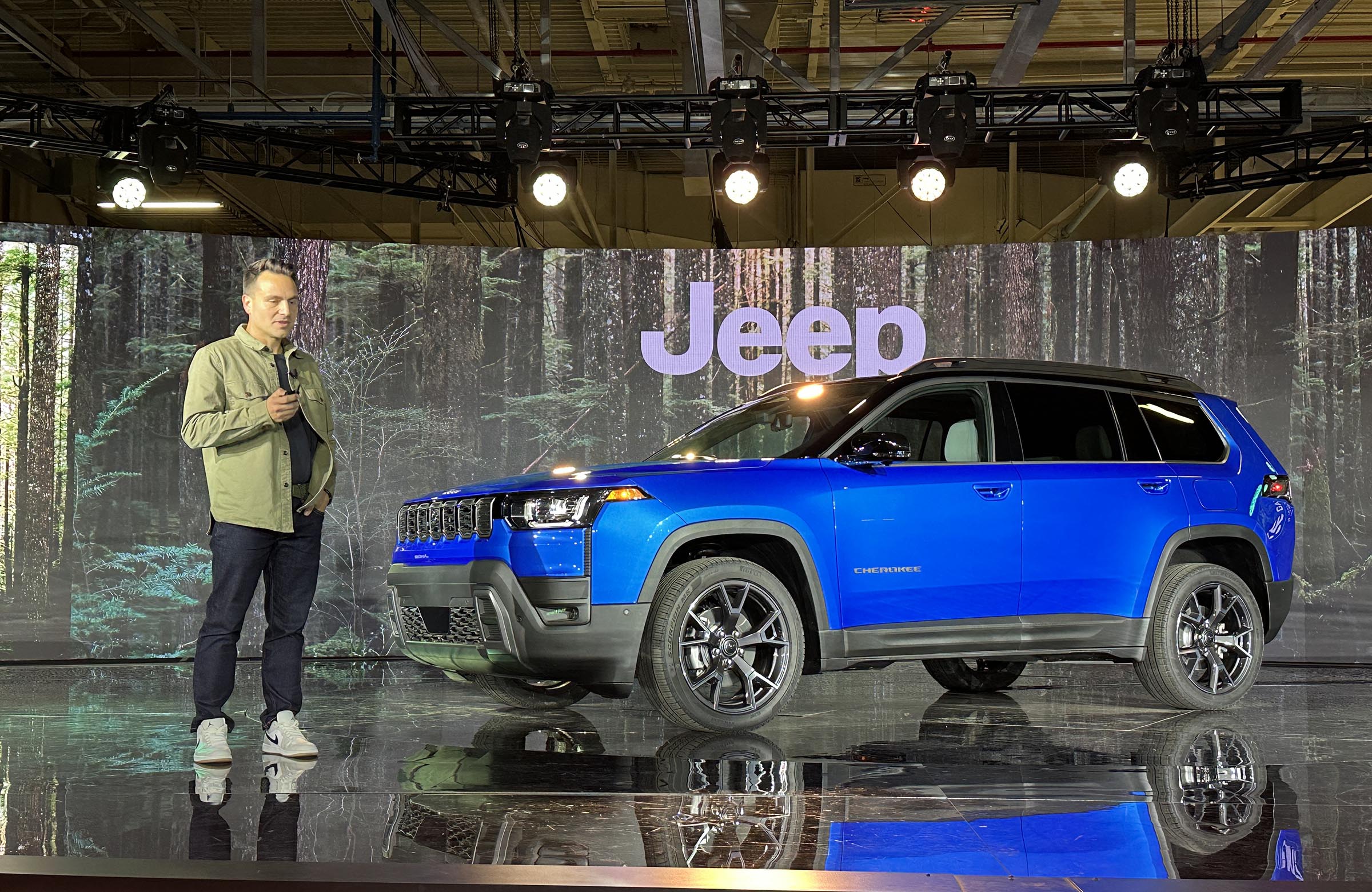
After taking a financial hammering last year, both Ford and Stellantis appear to be getting the new year off on a positive note, delivering unexpectedly strong first-quarter earnings. Ford got a boost from a big tariff refund, Stellantis from a sharp upturn in sales of Ram and Jeep models. More from Headlight.News.
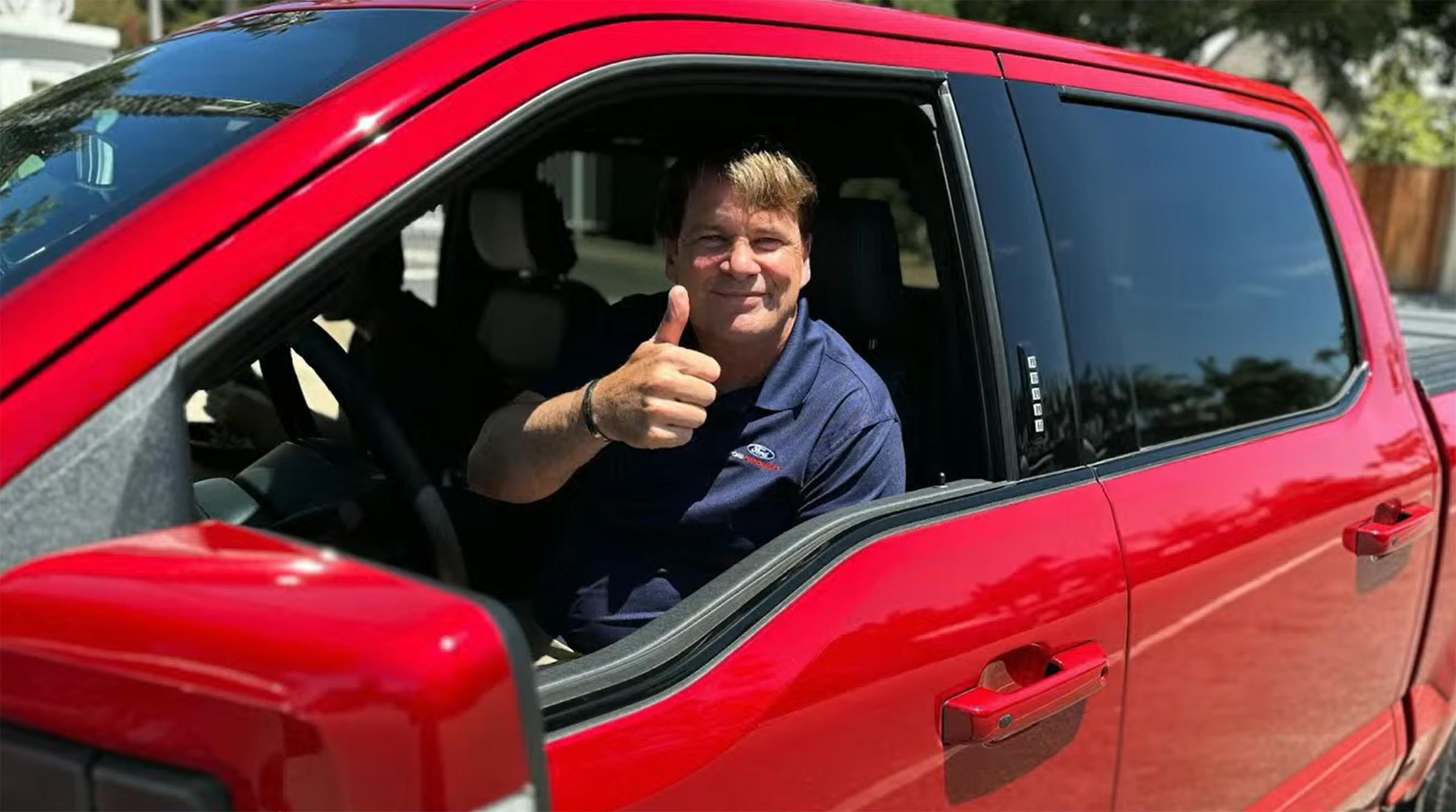
Ford CEO Jim Farley.
At a time of broad concerns mount about the U.S. economy and the health of the auto industry, in particular, both Stellantis and Ford have delivered solid financial news to a wary market over the last 24 hours.
On Wednesday evening, Ford reported a fivefold increase in net income for the first quarter of 2026 benefitting from a big refund on tariff payments. Its cross-town rival, meanwhile, bounced back into the black after a year of heavy losses reporting on Thursday morning a strong surge in demand for Jeep and Ram models.
Both automakers followed up with strong guidance for the rest of 2026 – though industry analysts still caution that the ongoing Iran War and other economic challenges could derail such optimism. Such concerns could be underscored next week when the industry reports April sales which, according to a forecast by J.D. Power, will be down by more than 7% year-over-year.
Turnaround at Stellantis
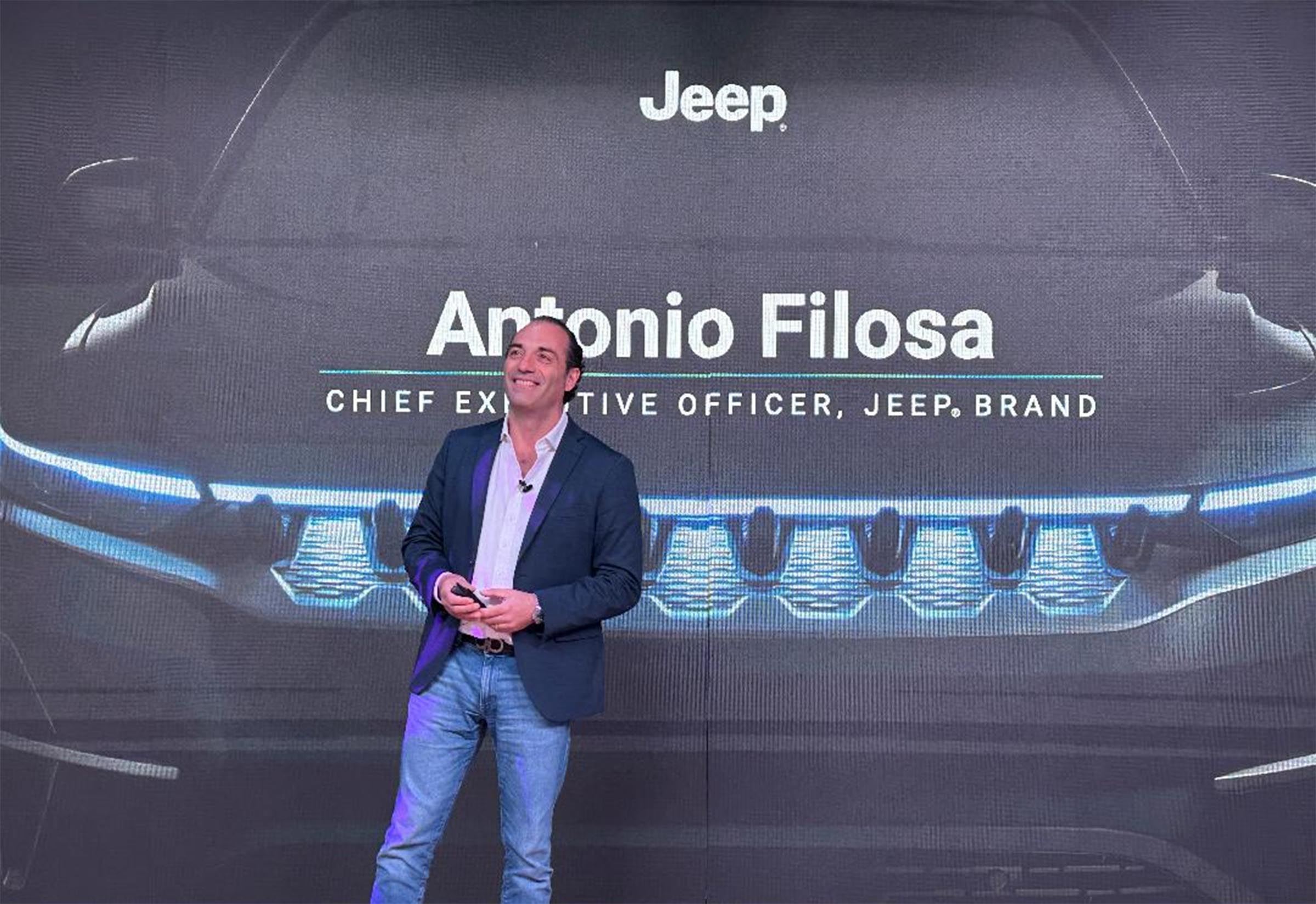
Stellantis CEO Antonio Filosa has been rushing to reverse the company’s problems.
Stellantis broke out quarterly earnings For the first time since the company was formed by the merger of Fiat Chrysler Automobiles and Groupe PSA in January 2021 – and it was able to deliver some much-needed good news considering the deep trough it found itself in last year.
Officially based in the Netherlands, the globe’s fourth-largest automaker reported a net profit of €377 million, or US$440 million, for the most recent quarter. It lost €387 million the year before. Earnings before interest and taxes came in at €960 million, significantly above the consensus forecast of €568 million among analysts surveyed by Reuters. EBIT was just €327 million a year ago.
“The first three months of 2026 reflect the early results of our actions to return Stellantis to sustainable, profitable growth,” CEO Antonio Filosa said in a news release.
While European operations were marginally in the black, the Stellantis turnaround largely reflected strong performance in the U.S. market, notably by the Jeep and Ram brands. Among other things, that reflected the automaker’s move to cut prices, reposition some key products, such as the Jeep Wagoneer SUV, and relaunch the beloved Hemi V-8.
Ford gets a tariff refund
Ford’s future could depend upon the success of its new Universal EV project.
Detroit’s second-largest automaker posted $2.5 billion in net income for the first quarter, more than quintupling the $471 million net reported a year ago. Virtually all key numbers were in positive territory, revenues rising 6% to $43.3 billion, while adjusted earnings before interest and taxes more than tripled, to $3.5 billion.
“We built the foundation for a more modern, resilient Ford, improving cost and quality and building our world-class team,” CEO Jim Farley said in a statement. “We are well-prepared to deliver for our customers and shareholders as we enter one of the most intensive product, software and physical services rollouts in our history.”
But Ford also owes a nod of thanks to the U.S. Supreme Court which in February ruled illegal a key portion of Pres. Donald Trump’s tariff program. The automaker expects to receive a $1.3 billion refund covering March 2025 through February 2026. That covers only a fraction of the tariffs Ford paid, however, as it’s still subject to separate duties the White House enacted on imported autos and auto parts, as well as foreign-made steel and aluminum.
More Auto News
- Stellantis CEO Plans to Focus on Four Core Brands
- Automakers Warn Tariffs May Force Them to Drop Entry Models
- GM Q1 Earnings Down – But Guidance is Up
What’s the outlook for the future?
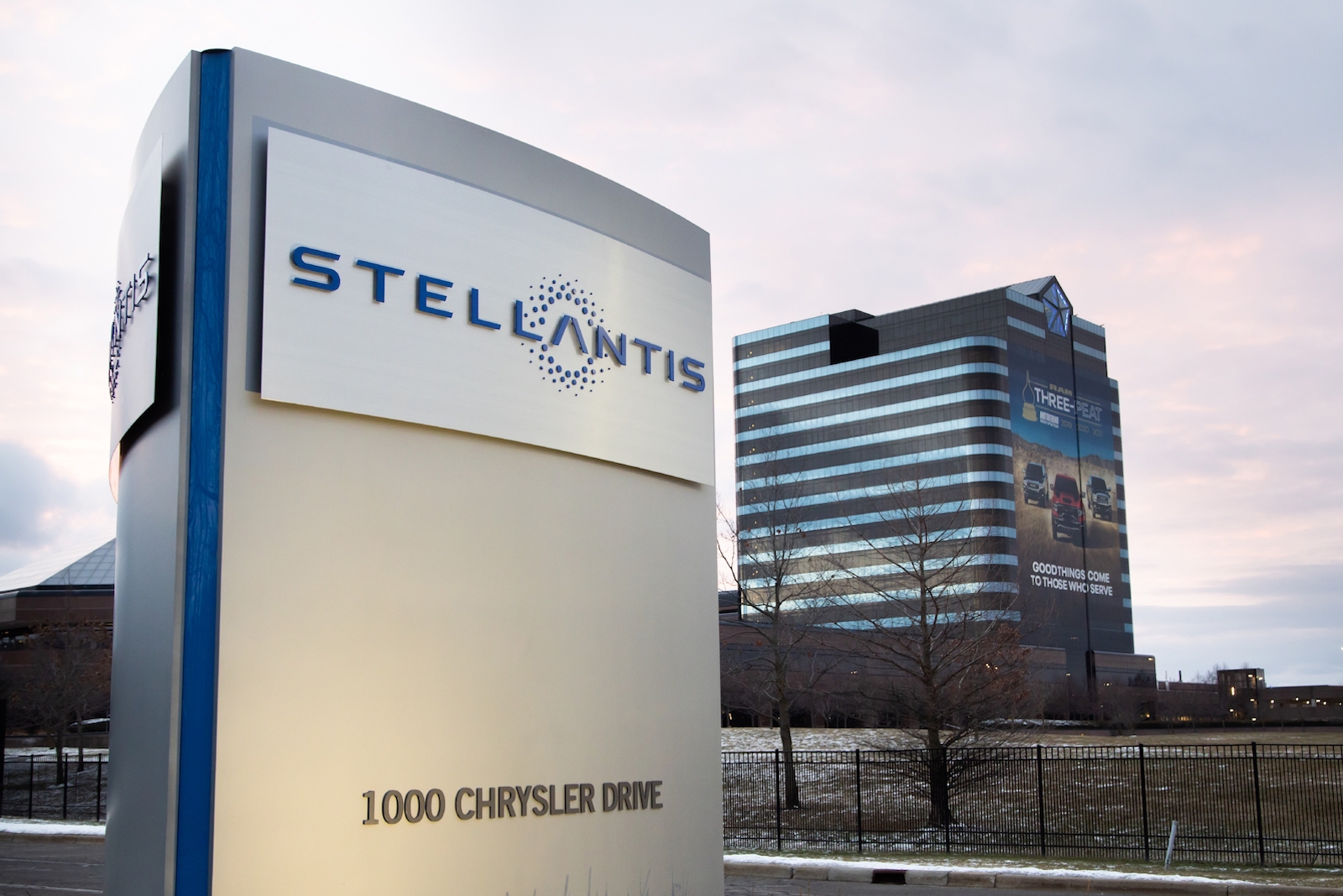
Stellantis U.S. headquarters in Auburn Hills, Michigan.
Ford isn’t the only automaker looking for a tariff refund, but its Detroit rivals are expecting smaller checks: GM booking $500 million during the first quarter, Stellantis anticipating a refund of €400 million, or US$468 million.
Stellantis and Jeep will still face the significant cost of Trump’s remaining tariffs going forward, however. And, like the rest of the industry, they face the uncertainties associated with current global economic trends – worsened by the ongoing war in Iran and surging fuel prices. U.S. new vehicles sales are expected to be down sharply for April and a critical question is whether things will level off in the months to follow.
The two automakers remained bullish in their forecasts, both upping expectations for the rest of 2026. For his part, Filosa said, “The products we launched in 2025 have been well received and we’re confident that the 10 new vehicles planned for 2026 will build on this momentum.”
But investors seem to be less upbeat. As of Thursday morning, shares of both companies were down sharply. Analyst Pierre-Olivier Essig, of AIR Capital, said that Stellantis benefits from “lots of one-offs, such as the tariffs refund, so the beat (of analysts’ forecasts) is less convincing” than it might initially seem.






0 Comments