
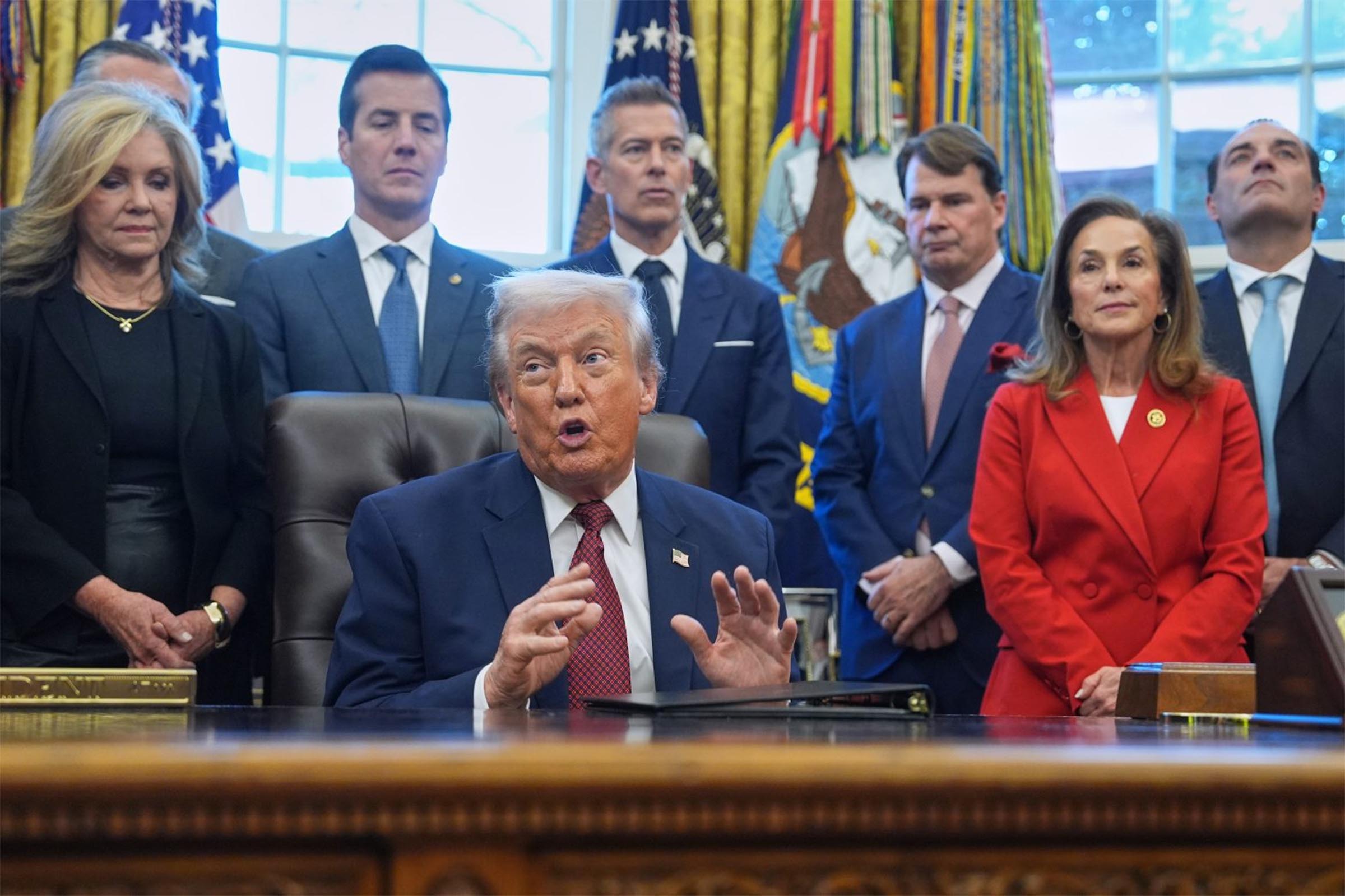
Detroit’s Big Three automakers are in for windfall refunds from the federal government – a combined $2.3 billion coming back now that a key portion of the Trump tariff regime was ruled illegal by the U.S. Supreme Court. But buyers may not see a penny of that, reports Headlight.News.
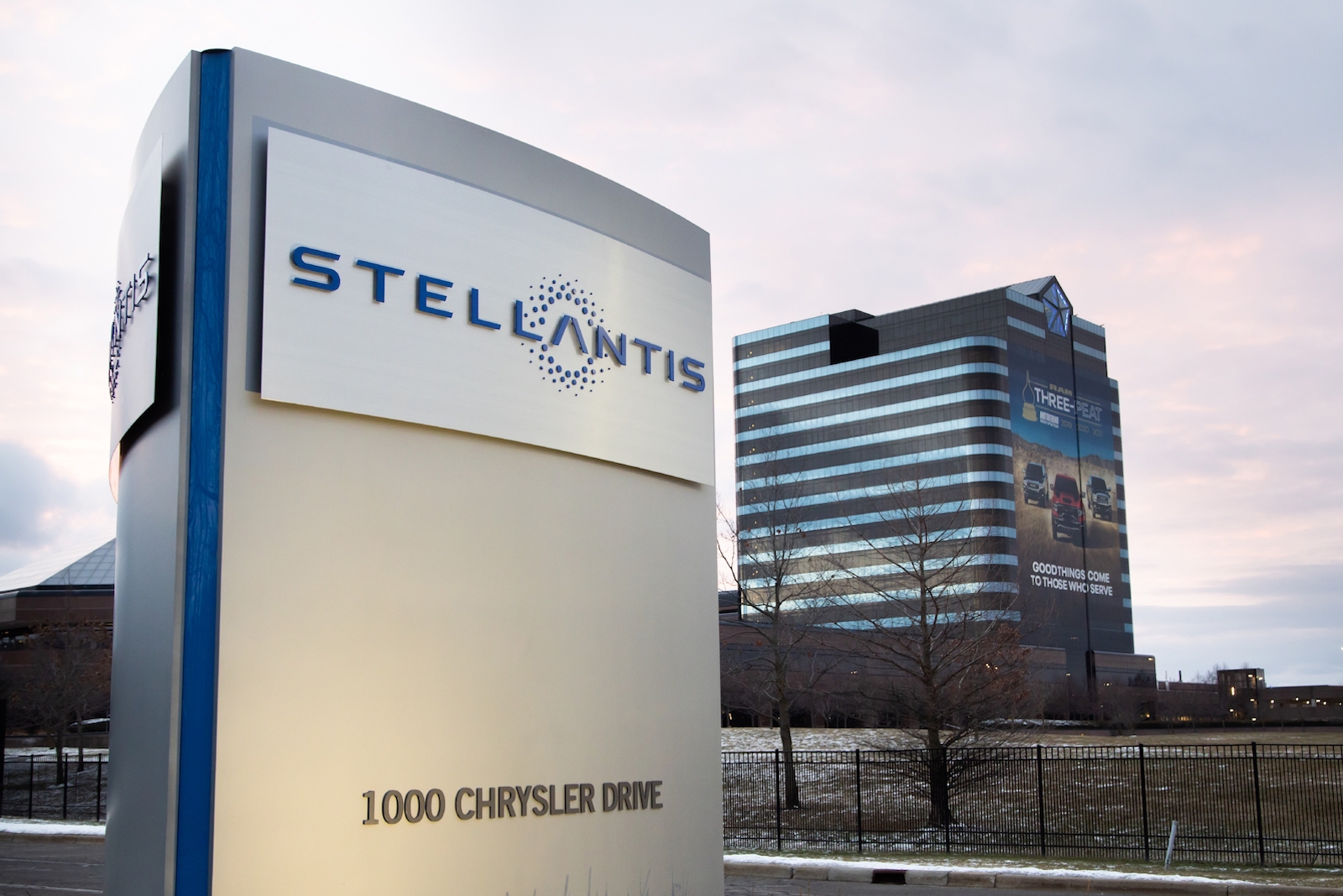
All told, Detroit automakers will get $2.3 billion in tariff refunds.
When the three Detroit automakers reported earnings last month, a closer inspection of the details revealed the fact that they’d each be getting some money back from the U.S. Treasury.
All told, they stand to receive a collective $2.3 billion in refunds due to the U.S. Supreme Court ruling that said a key portion of the Trump tariff program was illegal. General Motors, Ford and Stellantis all booked those refunds as part of their first-quarter earnings, helping them prop up their numbers.
But don’t expect to see manufacturers share the wealth with their customers, several industry experts said.
Big refunds coming
How much foreign automakers will get back hasn’t yet been revealed.
All told, the federal government collected about $175 billion in tariffs under the International Emergency Economic Powers Act before the U.S. Supreme Court ruled on February 20 that Pres. Donald Trump had no authority to order tariffs under the IEEPA.
Collectively, automakers were believed to have paid out more than $35 billion in tariffs by mid-March, according to Automotive News. The refunds, however, cover only a fraction of that total. The SCOTUS ruling did not impact separate tariffs specifically focused on imported autos and auto parts, as well as foreign-made steel and aluminum. Still, for the Detroit Big Three, the impact is substantial. Ford, for example, expects to receive a $1.3 billion refund, a major contributor to the $2.5 billion in net income the automaker recorded for the first quarter.
General Motors and Stellantis each expect to get about $500 million back on the IEEPA tariffs they paid. It isn’t clear how much is coming back for other manufacturers – including domestics like Tesla and Rivian, as well as foreign-owned makers such as Toyota, Volkswagen and the Hyundai Motor Group, but considering they constitute more than half of the U.S. new vehicle market, those refunds are likely to push into the billions, as well.
The checks are in the mail
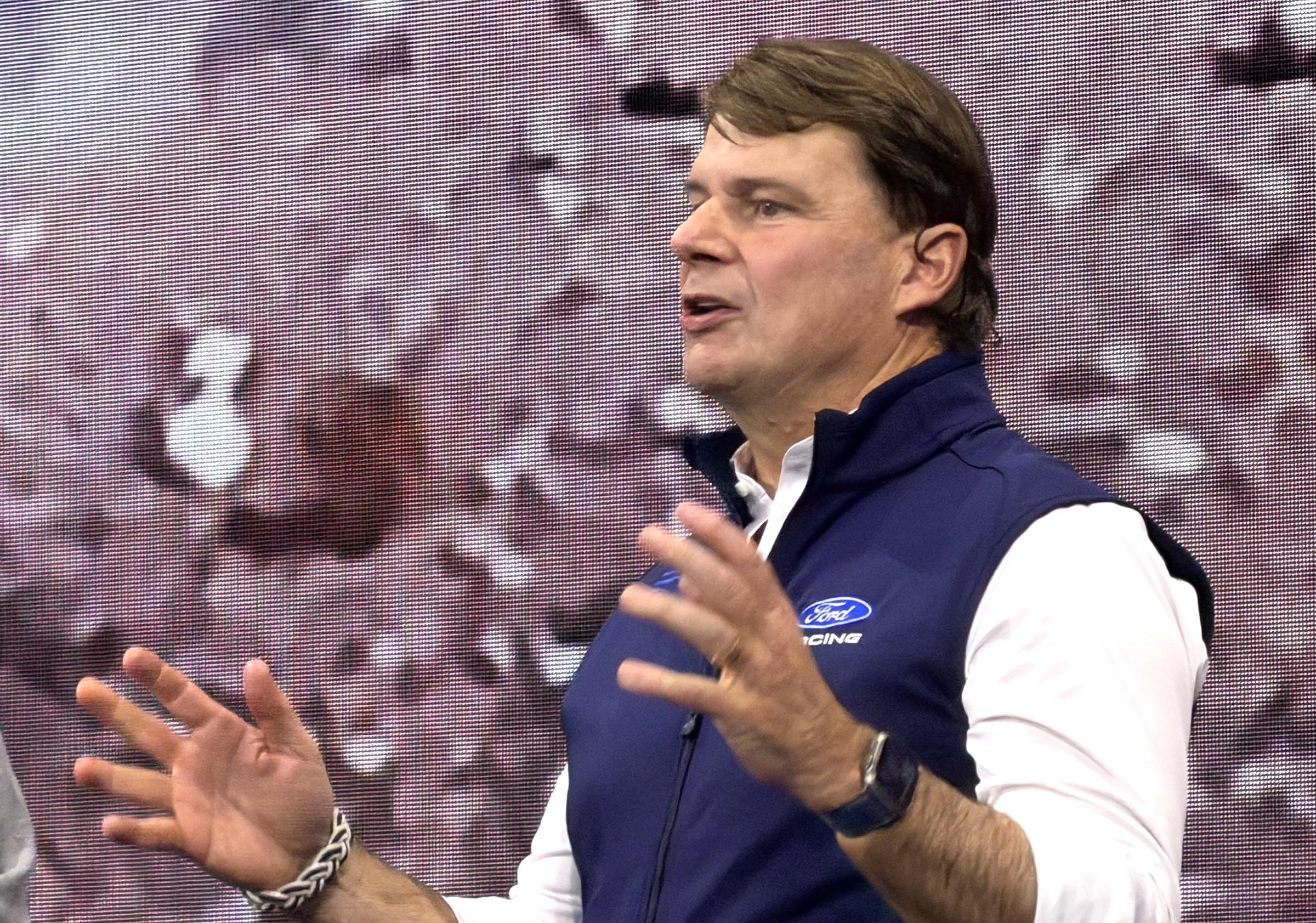
Ford CEO Jim Farley. The 2nd-largest Detroit automaker will get the largest refund, about $1.3 billion.
When the Treasury will issue the refunds has not been announced yet, though it’s not going to be as quick or easy as getting the refunds out to taxpayers. “The Consolidated Administration and Processing of Entries (CAPE) tool will be used by the U.S. Government to facilitate the refund process. Even with this tool in play, the refunds could ‘get litigated for the next two years,’ as President Donald Trump stated after the tariffs were deemed “unconstitutional,” Autoblog reported.
Indeed, Pres. Trump is leaning on corporations to not seek refunds, suggesting on April 21 he will “remember” companies that don’t. His comments came the day after a portal was opened for businesses to begin the refund application process.
During a conversation with CNBC’s “Squawk Box,” Trump said it would be “Brilliant if they don’t do that.” He added, “If they don’t do that, I’ll remember them.”
More Auto News
- Tariff Refunds Help Buoy Ford, Stellantis Q1 Earnings
- Tariffs May Force Automakers to Abandon Entry Models
- Stellantis to Focus on Four Core Brands
Consumers likely to be left out
Buyers aren’t likely to see any of the refunds.
Based on the announcements the three Detroit automakers have made, however, they seem determined to get their refunds. The question is what they might do next.
Asked whether some of that refund money might be shared with its customers, a Ford spokesman responded by text, “I don’t really know how that works.” Indeed, an official at another Detroit automaker told Headlight.News on background that his company has largely absorbed all the new tariffs enacted by the Trump administration and thus has no need to pass on any refunds.
“Absolutely not,” concurred Sam Abuelsamid, senior analyst with Telemetry Research. “It would be totally impractical,” he said, adding that it also would be “unclear how much would go to each vehicle.”
That said, Abuelsamid wouldn’t be surprised if automakers face lawsuits by plaintiffs attorneys arguing that car buyers should get at least some share of the bounty.


0 Comments