

There’s growing pressure on the European Commission to drop, or at least push back, a mandate that would see sales of vehicles powered by internal combustion engines banned by 2035. Among those calling for such a move are the leaders of Germany, Italy and Poland. Headlight.News has more.

Italian Prime Minister Giorgia Meloni is one of six European leaders calling for lifting a 2035 ban on gas and diesel vehicles.
The leaders of six European nations have sent a letter to the European Commission calling for changes to rules that currently require automakers to halt sales of vehicles using internal combustion engines by 2035.
With sales growth slowing for battery-electric vehicles, some government officials want to see the ban eliminated entirely, though others would have the EC modify the rules to allow for other clean powertrain technologies, such as plug-in hybrids and hydrogen fuel-cell vehicles.
“We are at a turning point both for the EU automotive and car components industry and for the European climate action,” the government leaders said in a letter first reported on by Bloomberg News. “We can and we must pursue our climatic goal in an effective way, while not killing our competitiveness in the meanwhile since there is nothing green in an industrial desert.”
Leaders want EU to reverse course
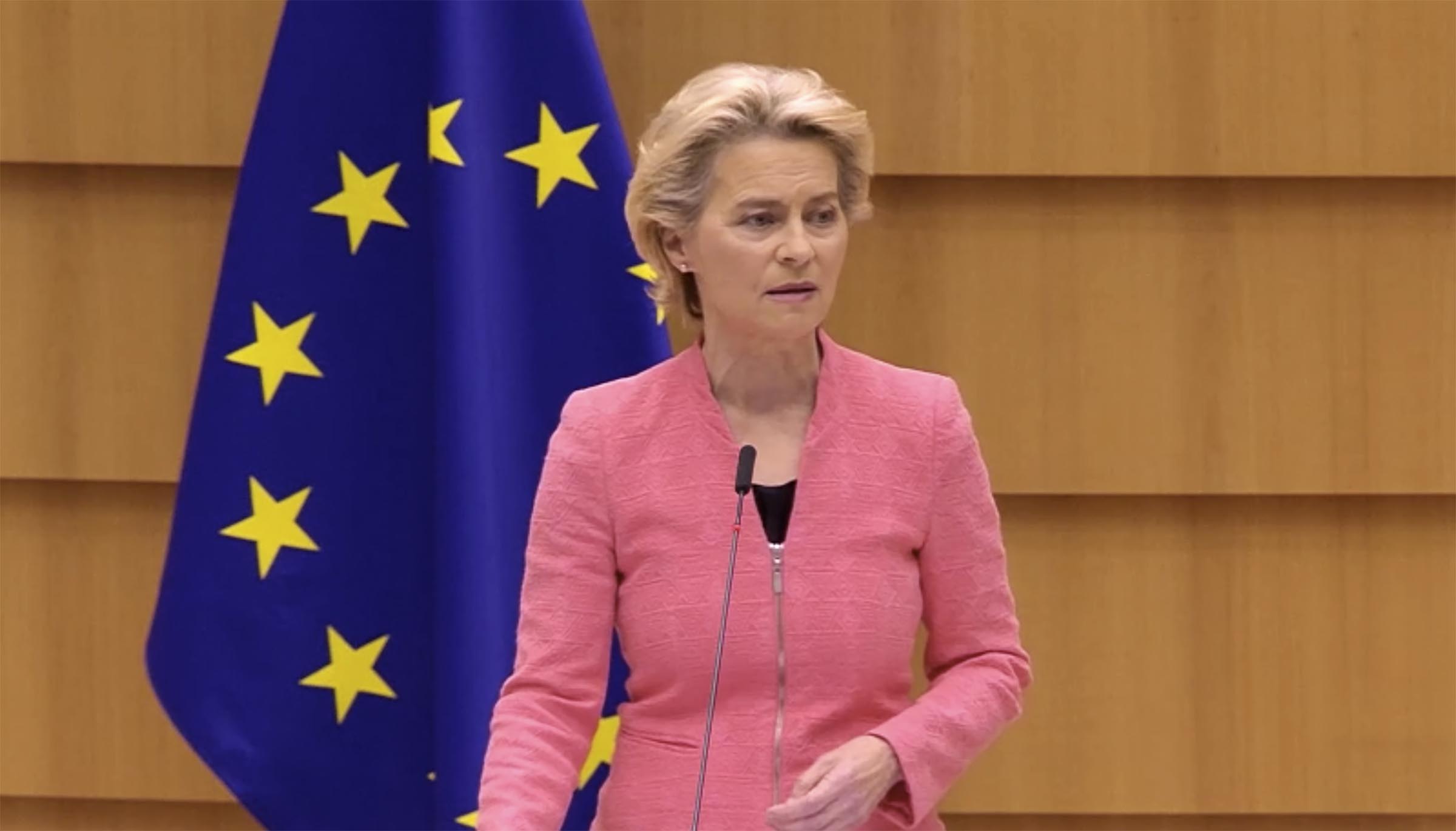
EC Pres. Ursula Von der Leyen.
Under current regulations enacted by the European Commission, member states would have to halt sales of vehicles not using battery-electric technology by 2035 – though used vehicles could continue to be sold. That planned move is part of the European Union’s “Green Deal,” which has a target of reaching regional carbon neutrality by 2050.
While there had initially been widespread support for a ban on gas and diesel-powered vehicles, sentiment has shifted across many part of the continent as sales growth in the EV sector has begun slowing down.
German Chancellor Friedrich Merz wrote to the EC last month calling on it to ease back on the 2035 target. Leaders of six other EU nations have now followed suit in a joint letter dated December 4 that said, “Fully applying the principle of technological neutrality is key: it is evident that there is no silver bullet on the path to decarbonisation, and imposing a single technological solution curbs research, innovation and virtuous competition.”
Who’s leading the fight
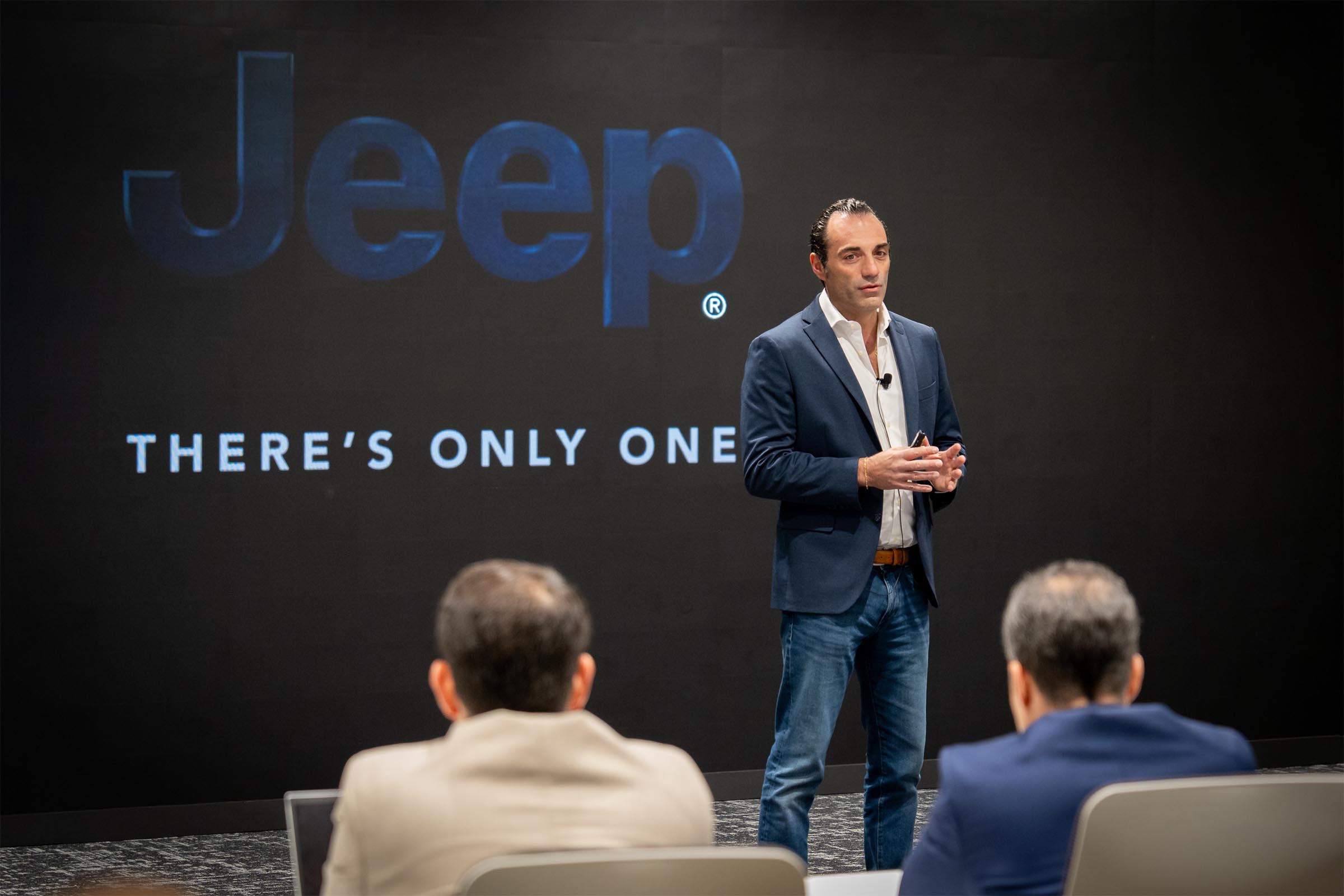
New Stellantis CEO Antonio Filosa has also called for eliminating the 2035 ban.
While Germany’s Merz has been one of the most active proponents of an ICE ban rollback, there’s growing support from other countries. The December 4 letter was jointly sent by Italy’s Giorgia Meloni, Poland’s Donald Tusk, Slovakia’s Robert Fico, Hungary’s Viktor Orban, Czech Republic’s Petr Fiala and Bulgaria’s Rosen Zhelyazkov.
Leaders from several other EU states, including France, also appear to be growing concerned about the planned ban – especially with the possible impact it could have on jobs.
A number of automakers have also been pressuring the commission to revise the guidelines, including Stellantis, Volkswagen and Renault. Manufacturers want clarity, at the least, so they can adjust spending plans accordingly.
More EV News
- Check Out Nissan’s e-Powered Rogue
- EV Plunge Worsens November Sales Slide
- A Week With Kia Niro EV Wave
What would be the alternative?
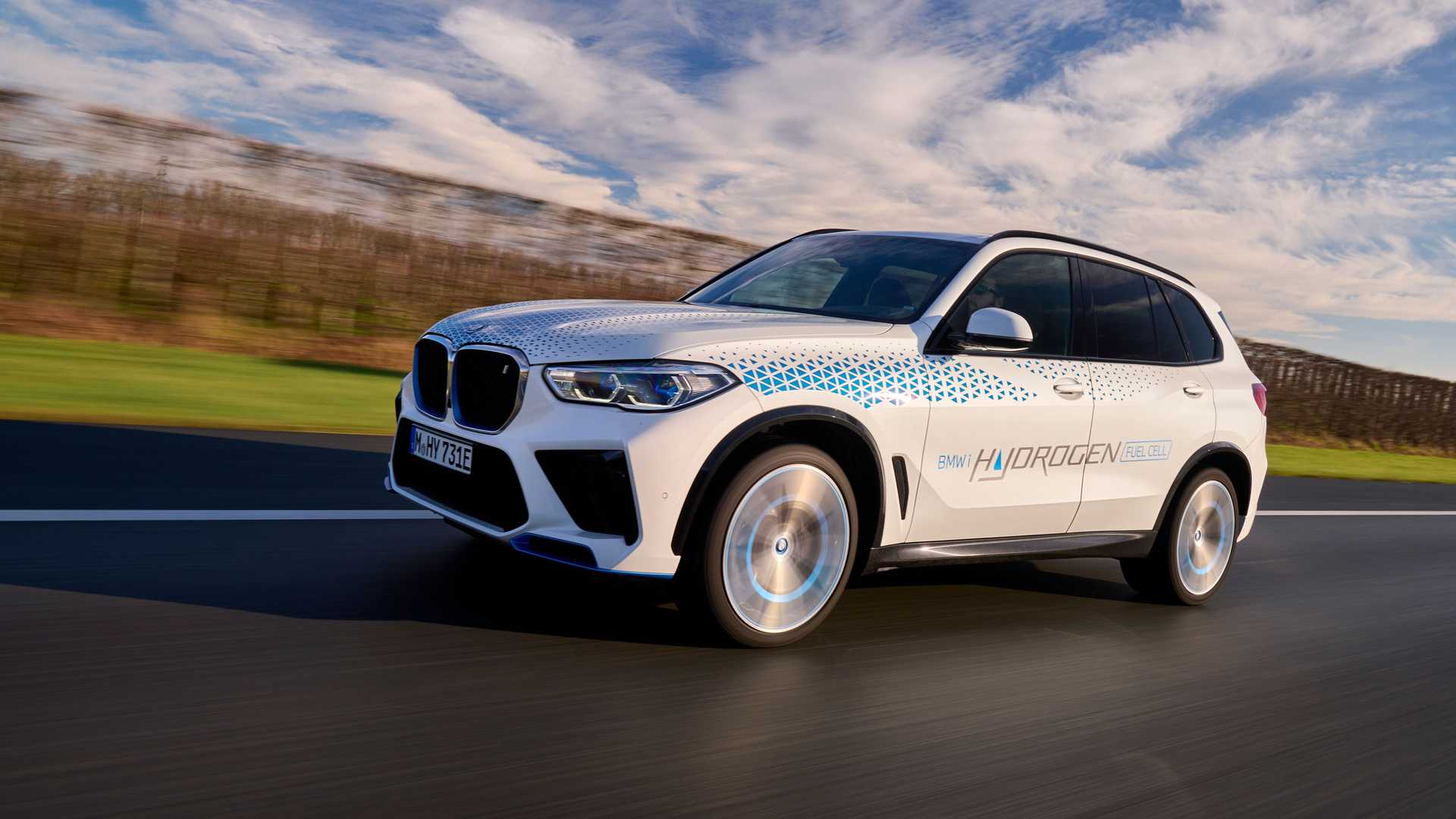
The six EU leaders hope to see the ban opened up to allow other green technologies, such as fuel-cell vehicles.
As things now stand, the rules would only allow sales of all-electric vehicles starting in 2035.
The letter sent to EC President Ursula von der Leyen proposes that the Commission allow for other technologies such as plug-in hybrids and range-extenders – which could operate in all-electric mode for much of the time. The six leaders also included fuel-cell vehicles, which produce only water vapor in their exhaust.
The European Commission is already working up a series of measures to assist the continent’s auto industry. A proposal is currently scheduled for release on December 10 but, reported Reuters, could be pushed back as regulators consider potential revisions to the EV mandate.
Despite calls to eliminate the ICE ban, there is still strong support from some EU member states, as well as from environmental organizations and various Green Party regulators. That may lead to a compromise that could push back the 2035 target date by five years, according to some European news reports. But such a delay might still see restrictions on the sale of gas and diesel-only products in favor of cleaner hybrid and hydrogen technologies.
0 Comments