
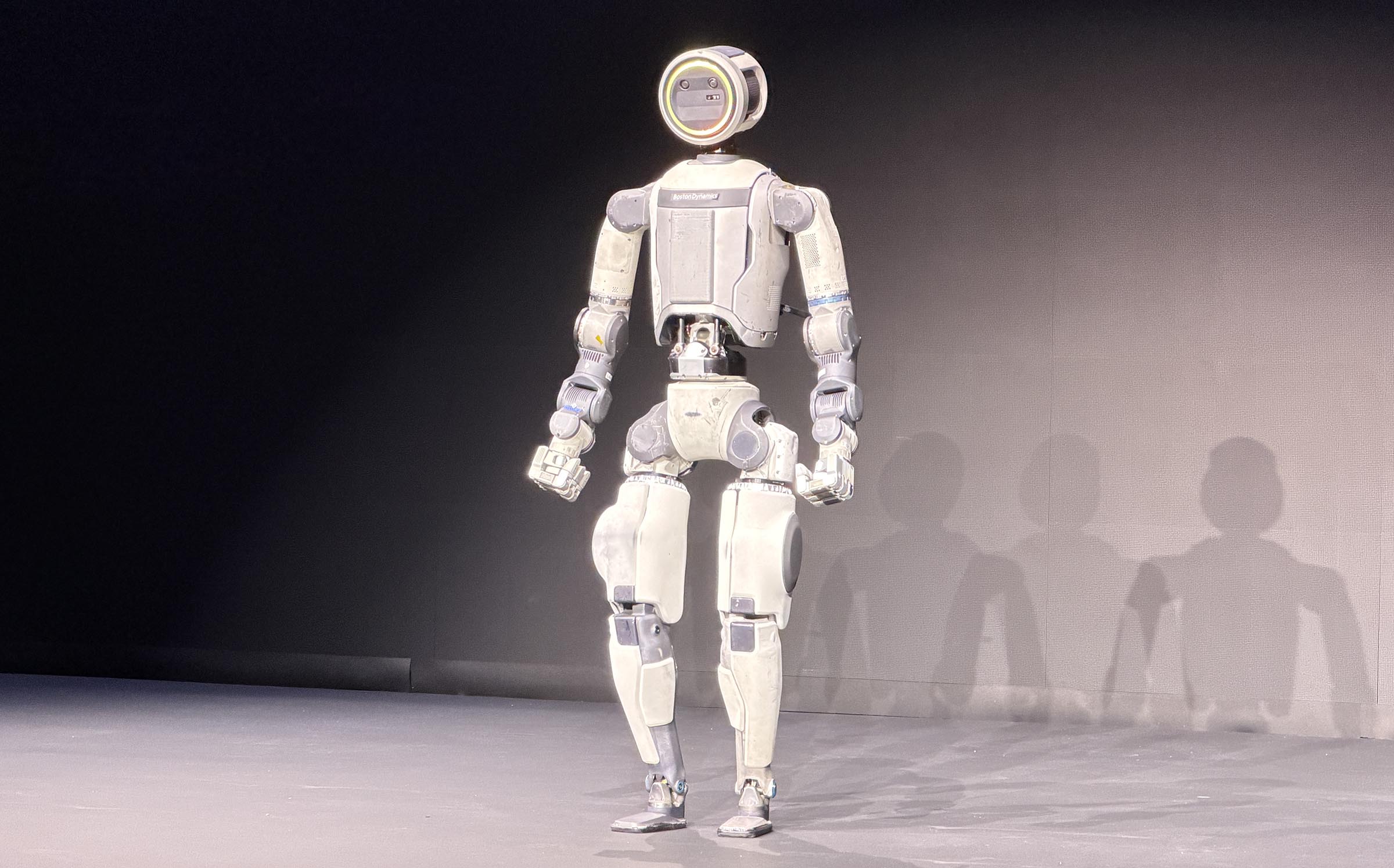
Is there a robot in your future? What was once the stuff of sci-fi appears to be moving ever closer to reality, or so it would seem at this year’s Consumer Electronics Show where Hyundai is showing off its new Atlas model. While the humanoid cyborg will initially find use in the company’s factories, future versions could find a place in your home.
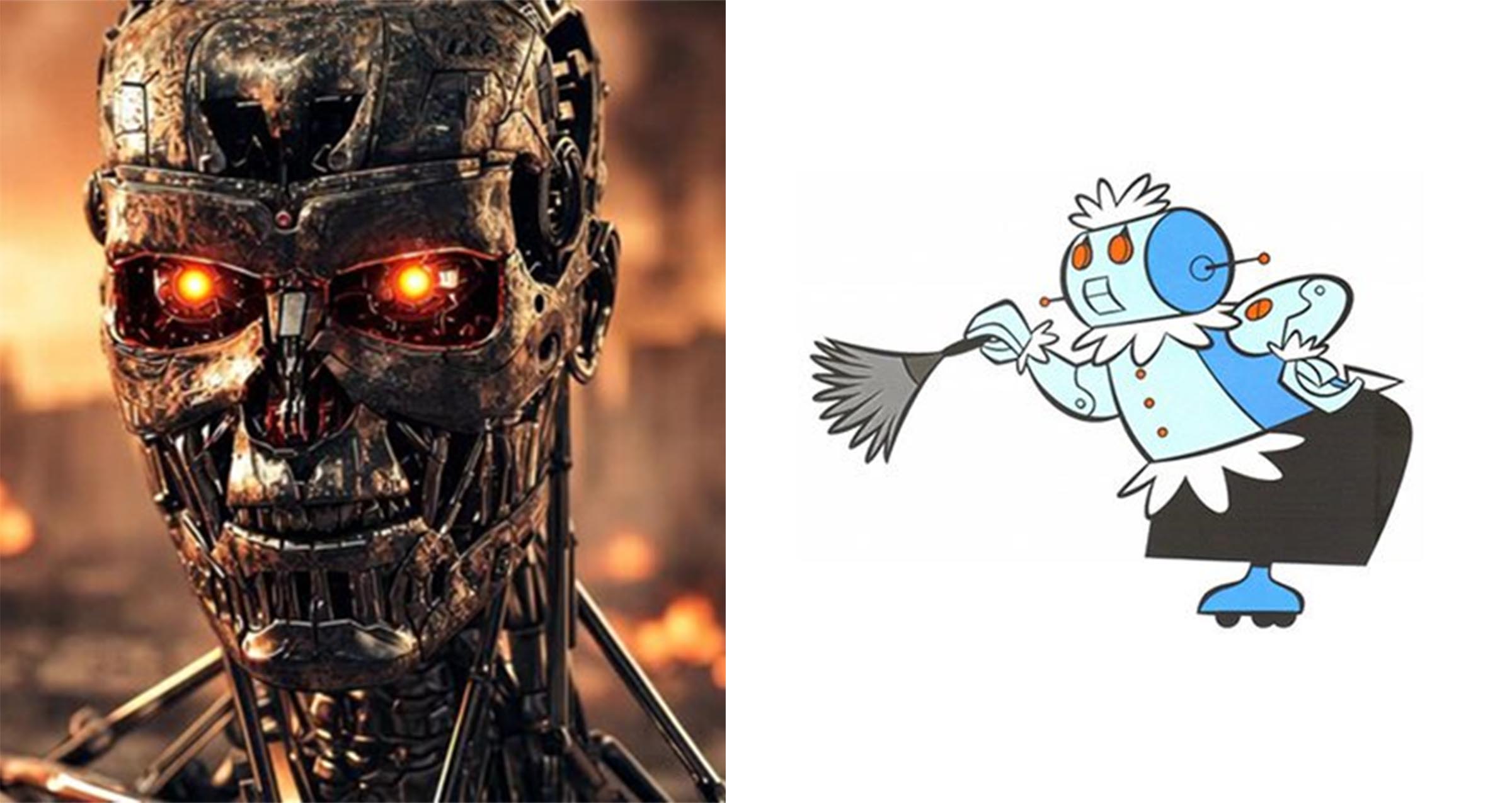
Hollywood has given us rather extreme examples of what humanoid robots might be like.
If your idea of a humanoid robot is the monstrous killing machine from the movie, “Terminator,” you might want to read on with caution. It’s another matter entirely if you’re thinking “Rosie,” from the old, animated TV series, “The Jetsons.”
Wander through the sprawling Las Vegas Convention Center this week and you’ll discover a surprising number of robots on display at the annual Consumer Electronics Show. The majority of them are little more than cute toys but a handful fall into the humanoid category, looking like they’ve been borrowed from the set of a Hollywood sci-fi flick.
The latter category includes Atlas, the latest development from Boston Dynamics, the robotics industry mainstay acquired nearly six years ago by Hyundai Motor Group. Plans call for the company to start rolling them out by the thousands, starting in 2028, initially to work at Hyundai’s auto plants. But by the middle of the next decade, Boston Dynamics’ CEO told Headlight.News, you could start seeing a version of Atlas programmed to become your friendly maid or butler.
“Cusp of a transformation”
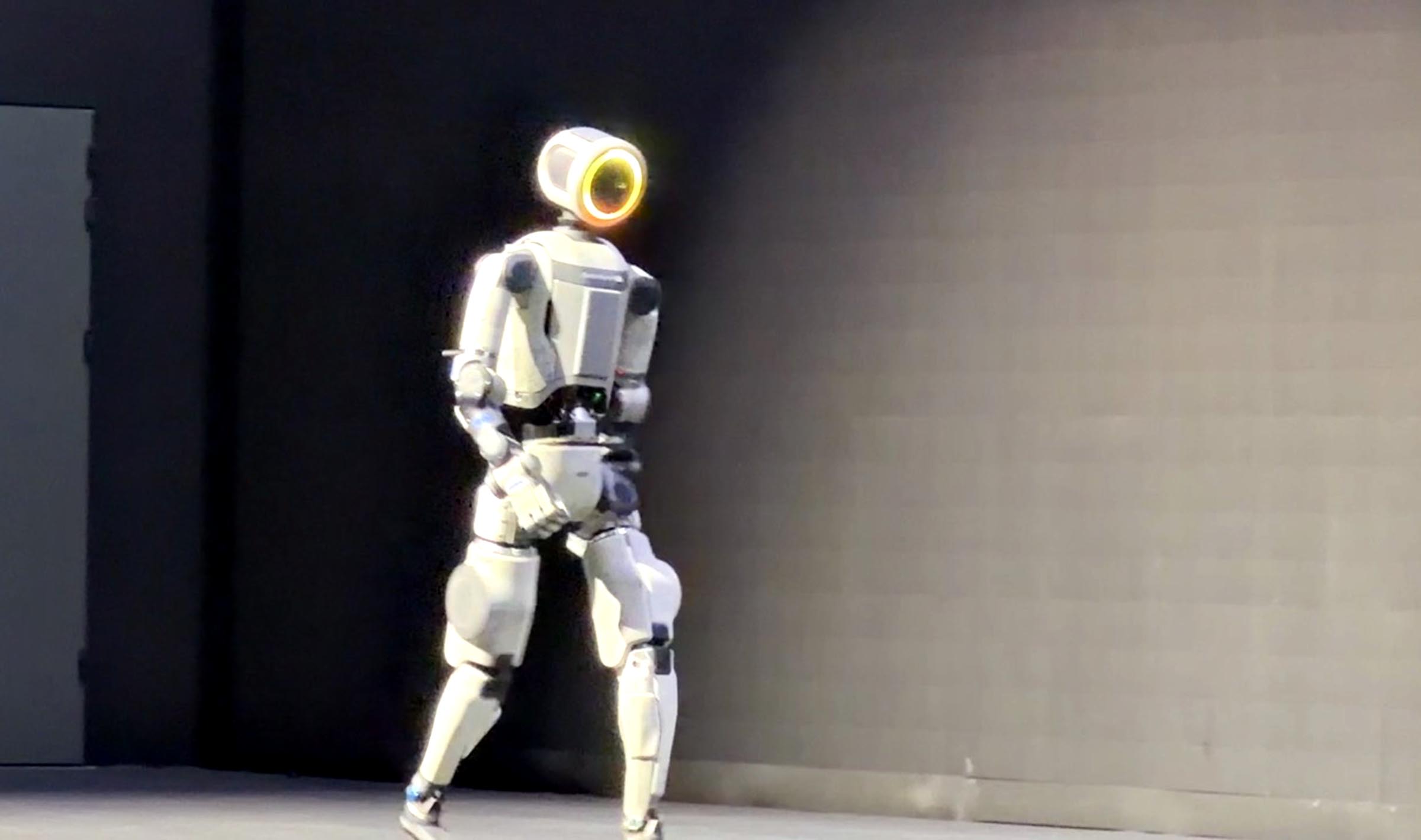
The Hyundai Atlas walks much like a bipedal human.
In recent months a variety of players have laid out plans to enter the humanoid robot market, including Tesla, Amazon and China’s BYD. Hyundai got a big boost when it acquired Boston Dynamics, long seen as one of the leaders in the field. It’s perhaps best known for Spot, its “robot dog,” which has found widespread use for functions as diverse as mapping and search and rescue.
The proliferation of robot technology has long been predicted, though it’s taken a confluence of technologies to bring it together: powerful new microprocessors, compact actuators to move limbs, more advanced batteries and advanced sensor systems. Add the artificial intelligence needed to train and operate free-standing robots like Atlas.
“We’re on the cusp of a transformation that will be as impactful as the introduction of the smartphone,” said Zachary Jackowski, the Boston Dynamics vice president in charge of the Atlas project.
Robots, robots everywhere
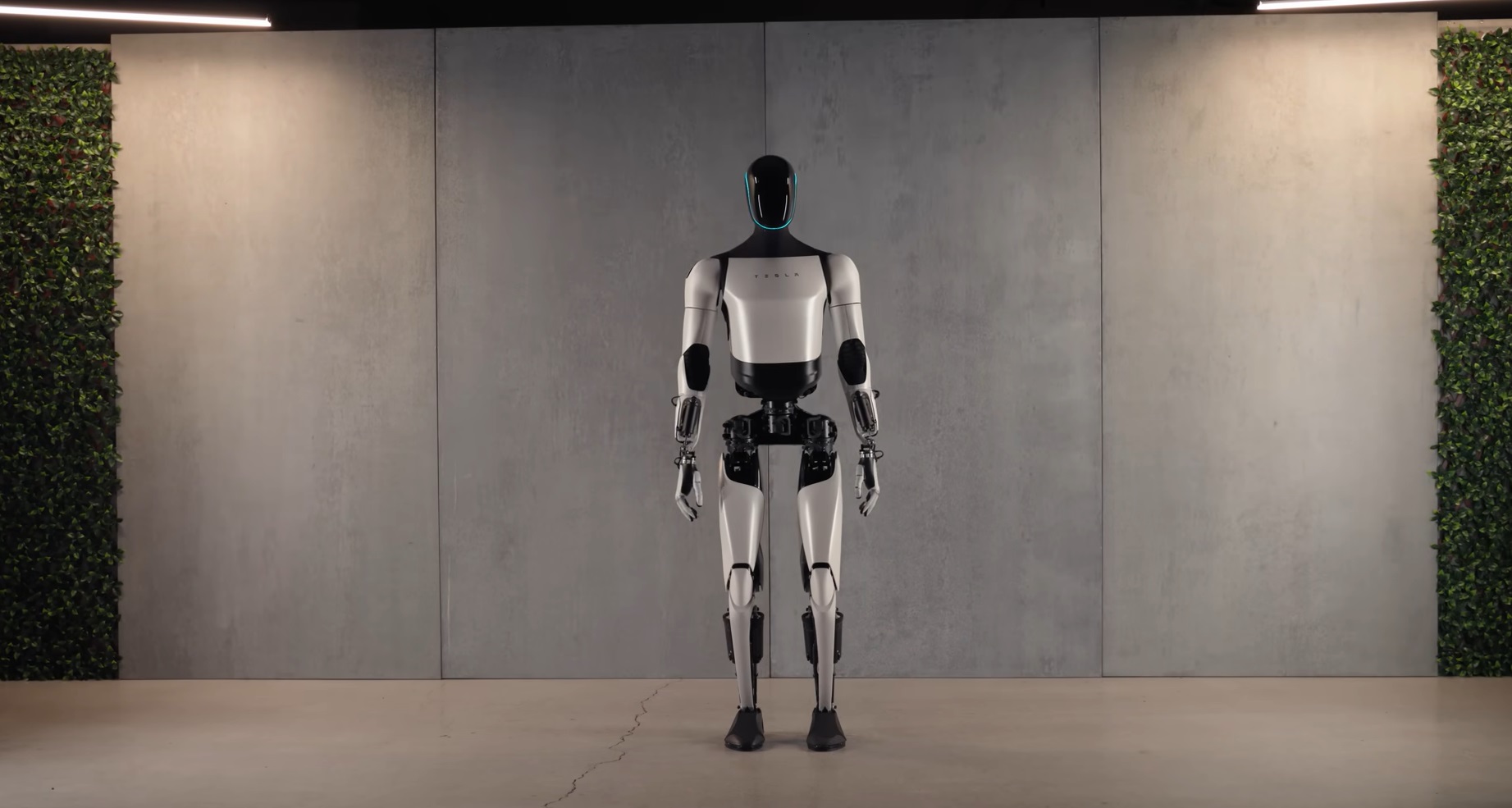
Tesla’s latest version of its Optimus robot is entering low volume production next year.
As those attending the Hyundai event at CES got to witness, Atlas has a surprisingly human-like gait. It can walk, trot, bend and even dance. More importantly, its hands and arms are even more flexible than a human, while it’s able to pick up objects weighing as much as 110 pounds. A company video showed the cyborg performance various tasks, from picking objects out of a box to loading parts on an automotive assembly line.
Explained Aya Durbin, a product lead on the Atlas program, “Our vision is a general-purpose humanoid robot that can go anywhere and manipulate any object.”
More News
- BMW Set to Put Humanoid Robots to Work at SC Plant
- Tesla Prepared to Use its Own Optimus Robot
- Musk Needs to Sell Lots of Robots to Earn his $1T Pay Package
Putting Atlas to work
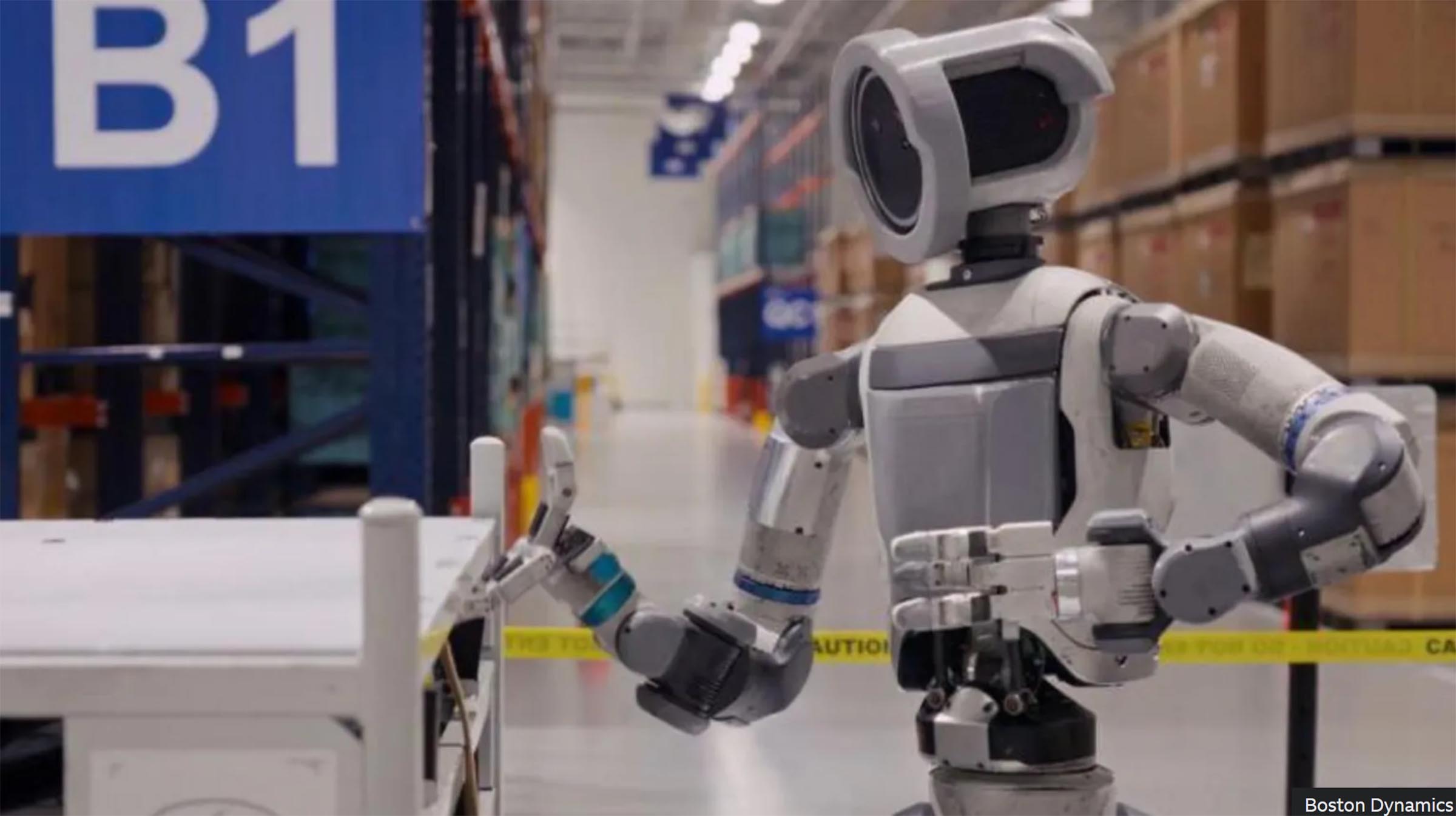
A prototype Atlas robot at work.
Hyundai showed off two versions of Atlas, including a static model that actually be closer to the version it expects to build at a new U.S. factory. The first year’s production is already accounted for, Boston Dynamics officials noted, that initial run set to go to work at various Hyundai plants.
But the new facility will have the capacity to produce about 30,000 of the humanoid robots annually and Hyundai is already lining up potential customers. The plan is to adopt a “robots-as-a-service” model, where the machines will be leased out, rather than purchased.
A sizable share of those machines will wind up in manufacturing operations where they can take on duties traditional, fixed robots can’t touch. Among other things, they should be able to operate directly alongside human workers, rather than being carefully fenced off.
Atlas is also expected to find work in warehouse operations and places where it can handle jobs that might be boring or pose safety risks, company officials said.
A Friendly Face
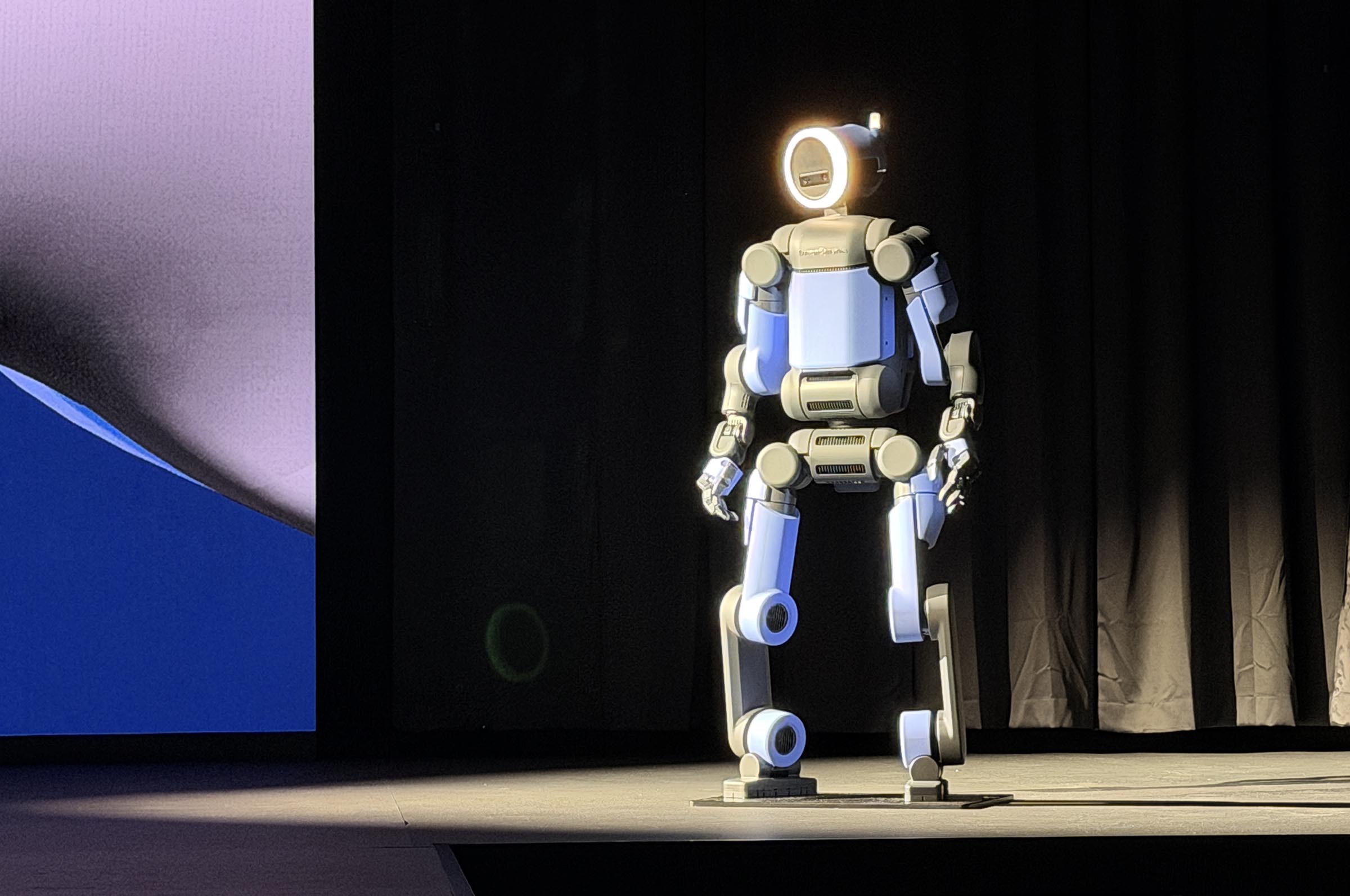
A prototype of the production version of Atlas.
They repeatedly played up the idea that Atlas will take on the sort of jobs that humans don’t want – or shouldn’t be asked to handle. One of the challenges for companies like Boston Dynamics is to play down fears that robots will take jobs away from humans. If anything, Hyundai officials insisted the arrival of the new technology will create jobs, though Hyundai Motor President and CEO Jaehoon Chang acknowledged “We understand the concerns,” during a media roundtable.
From a company standpoint, the most pressing concern is safety and Atlas is equipped with a variety of sensors. It can do things humans can’t like see in the back of its clock-shaped head. It has haptic sensors that let it grip things without crushing them.
But Boston Dynamics plans to continue training the new robot before it goes into formal production using artificial intelligence and real-world simulations. The good news is that as any one robot increases its skills it can digitally pass that knowledge to all other Atlas robots.
A robot in every home?
While the company wouldn’t provide details, each Atlas is expected to run well into six figures, several robotics experts suggested. The cost/benefit equation should work in commercial applications. But it would be well out of reach for all the most affluent consumers, said Boston Dynamic CEO Robert Playter, even if his company can address safety and other issues that would limit household applications.
But, like rival Tesla, Boston Dynamics clearly sees the potential. The first step will be bringing down pricing, said Playter, suggesting a real-world Rosie the Robot would likely have to come in somewhere “between $10,000 and $20,000” to begin to gain traction with consumers.
He sees that happening, though likely not until around 2035 – “though that’s only seven years away,” Playter quickly added in a conversation with Headlight.News.
While it’s possible we’ll eventual get our own robot maids and butlers, Playter suggested humanoid robots could be particularly helpful in eldercare situations, a field in which there’s a growing shortage of human workers as Baby Boomers and Gen X-ers grow old.




0 Comments