
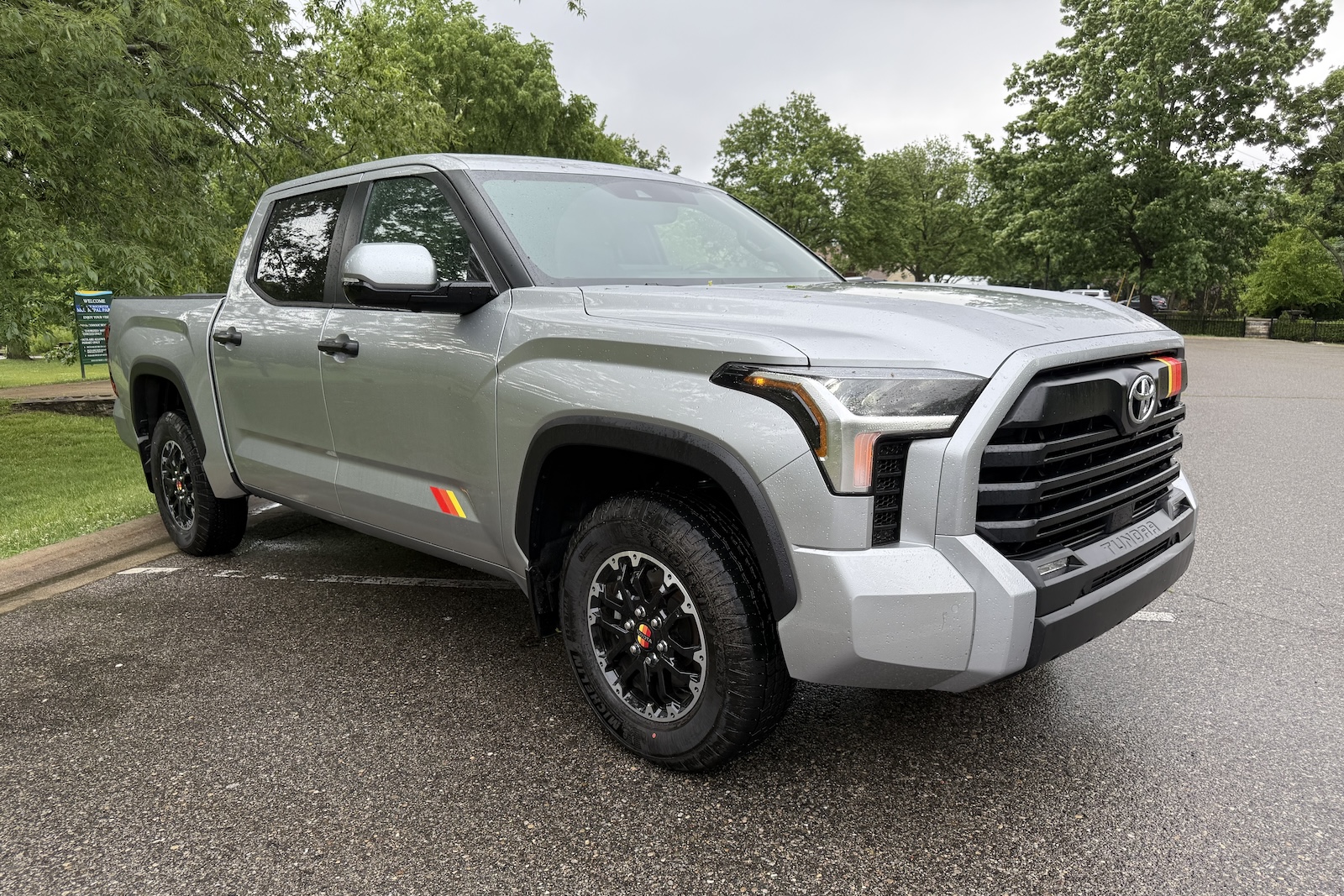
Tens of millions of American motorists were told to bring their vehicles in for repairs last year as recalls surged to near-record levels. In fact, Ford ordered more safety service actions than any other automaker in history in 2025. But other brands, some traditional known for quality and reliability, including Toyota and Honda, also racked up the recall notices for problems ranging from faulty backup cameras to failing engines and transmissions. Here are the 10 brands with the highest recall counts in 2025.
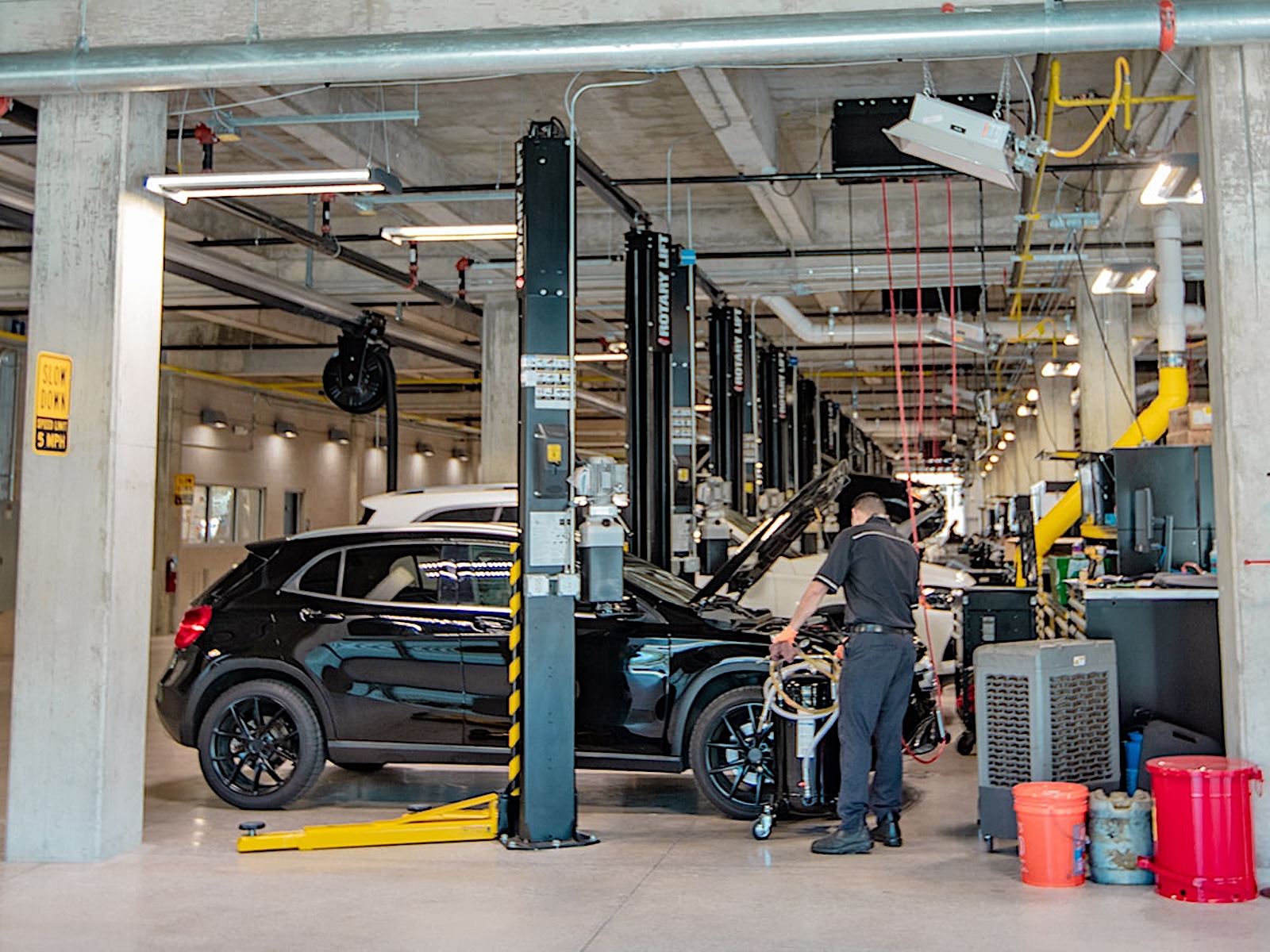
Dealer service bays were kept busy last year handling recall repairs.
If you own an automobile – pretty much any automobile – odds are high that you’ve received at least one recall notice over the years. Faced with increasingly stringent enforcement by federal regulators, automakers have learned not to delay when they discover safety related problems.
And that was particularly apparent in 2025 when the industry rolled up a near record number of recalls covering virtually every brand on the market. The service actions covered a wide range of problems, everything from faulty backup cameras to defective engines and transmissions, as well as potential fire hazards and electronically controlled doors that could lock passengers out – and, in some cases, in their vehicles.
Not surprisingly, some automakers experienced more recalls than others, starting with Ford which had more than double the previous all-time record, a total of 153 separate service actions. But Stellantis issued 53 service actions of its own, which would have been close to a record in any other years. In order of most to least, here’s a list of the 10 manufacturers that recalled the most vehicles last year
1. Ford
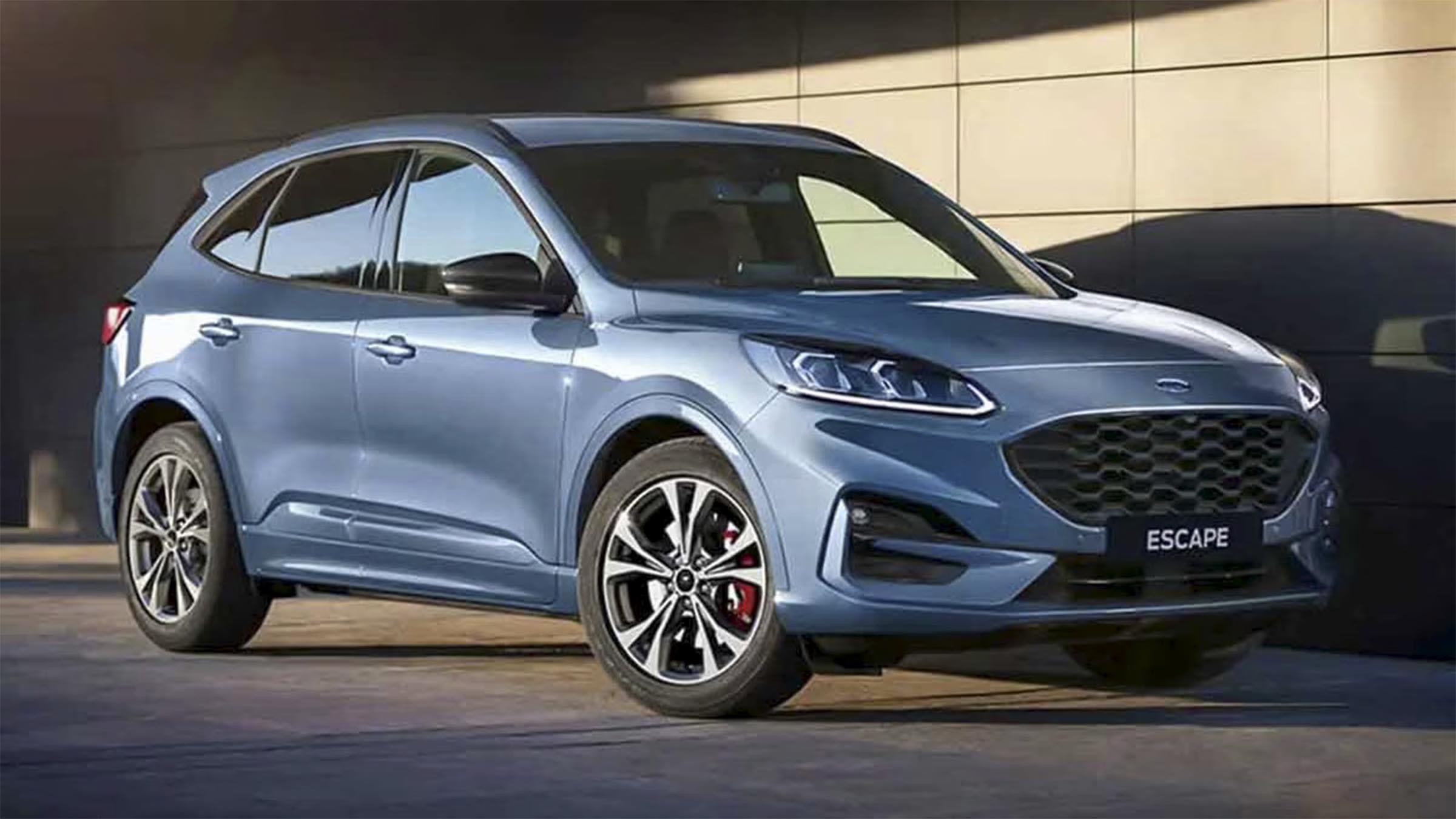
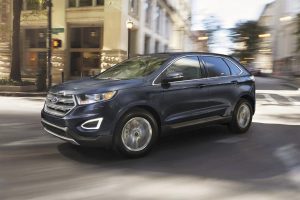
Ford Escapes were targeted to fix potential fire hazards.
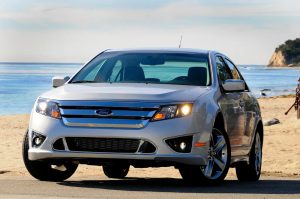
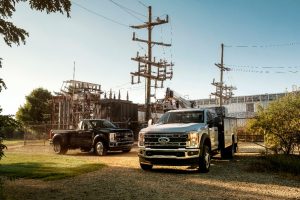
From a quality, reliability and recall standpoint, it was a very, very, very bad year for the second-largest Detroit automaker. Ford, (including both the Blue Oval Ford and Lincoln brands), launched 153 separate service actions last year, nearly three times as many as Stellantis. And that was just about double the prior record, General Motors issuing 77 recalls back in 2014.
The list of problems at Ford covered by Ford’s service bulletins took in everything from faulty backup cameras – a major, recurring issue for the automaker – to cracked fuel injectors that could lead to fires. There were rupturing brake hoses and mis-mounted trim pieces that could come flying off. Faulty batteries on the Mustang Mach-E were targeted because they could make it difficult to open the EV’s electronic door handles.
All told, Ford recalls covered 12.9 million vehicles, more than four times more than any other manufacturer last year. What was particularly troublesome was the fact that some vehicles were recalled multiple times to repair problems not properly fixed after earlier recalls.
2. Toyota
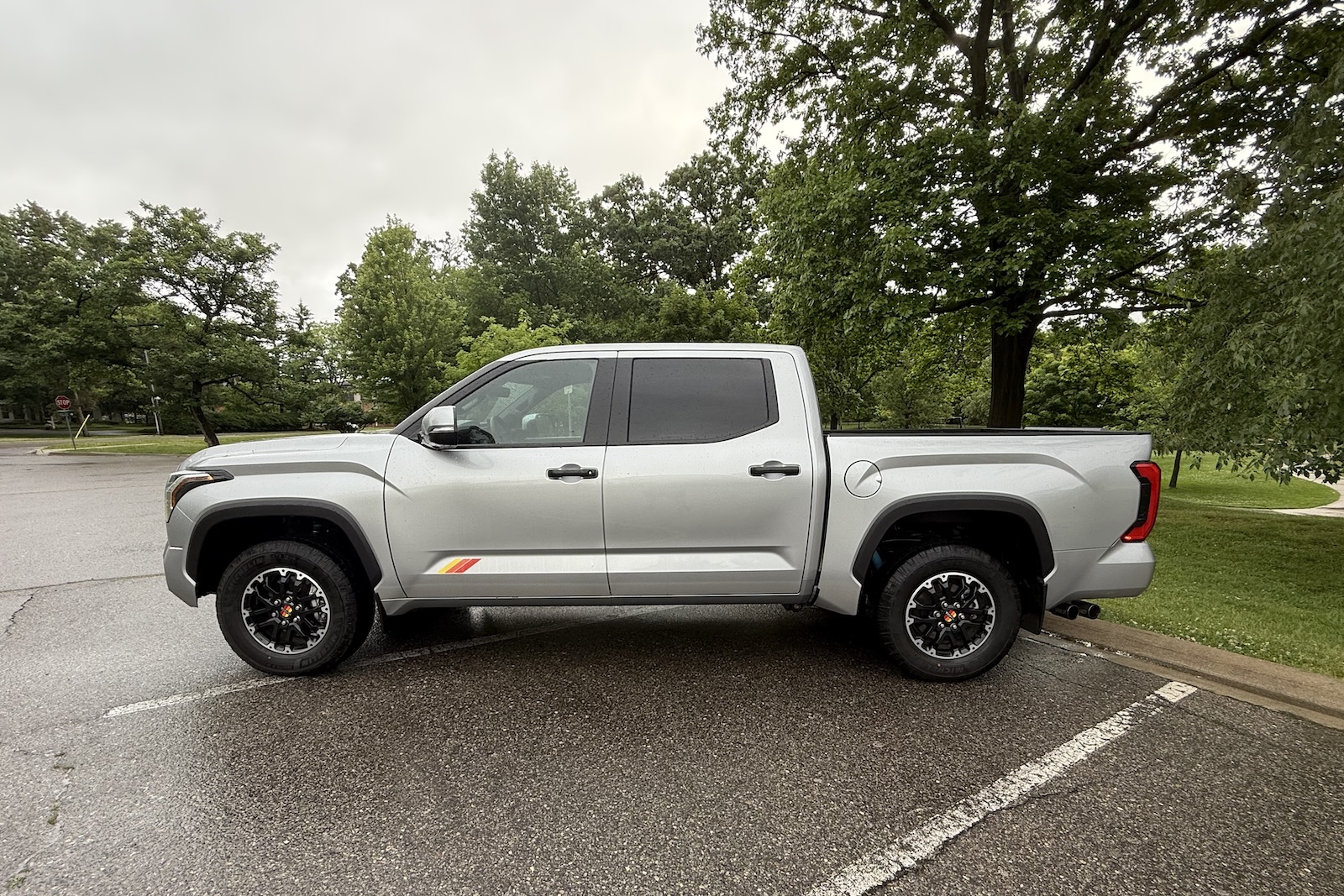
Toyota Tundra problems including potential V-6-engine failures.
Few brands have developed a better reputation for quality, reliability and dependability. But despite scoring well on the usual assortment of surveys, such as J.D. Power’s annual Initial Quality Study, Toyota had some serious recall issues in 2025.
All told, the automaker targeted 3.2 million vehicles in 15 separate recalls last year. Perhaps the most embarrassing defect involved the November announcement covering 127,000 Toyota Tundra pickups and Lexus GX and LX SUVs. It was the latest in a running series of recalls meant to address V-6 engines that could fail due to debris contamination.
The rest of the Toyota list involved relatively minor problems, such as backup lights and faulty instrument panels. Just over 1 million of the vehicles Toyota recalled had backup cameras that could unexpectedly fail – a surprisingly common problem across the industry last year.
3. Stellantis

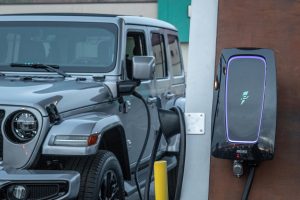
The Jeep Wrangler 4xe is now the best-selling PHEV in the U.S.
The automaker created through the merger of Fiat Chrysler and France’s Groupe PSA has had a lot of trouble getting its quality and reliability up to expectations in recent years, the Jeep and Ram brands, in particular, frequently landing low on the owner survey results.
That translated into recalls impacting 2.7 million vehicles in 2025, third from a volume perspective – though its 53 separate recalls would have landed Stellantis just behind Ford from that perspective. In one sense, this might be taken as a sign of progress. In 2024, Stellantis announced 72 recalls covering 4.8 million vehicles.
The biggest recall covered a total of 320,000 Jeep Wrangler and Grand Cherokee 4xe plug-in hybrids. Their battery packs, the automaker reported, could “fail and cause a fire.”
4. Honda
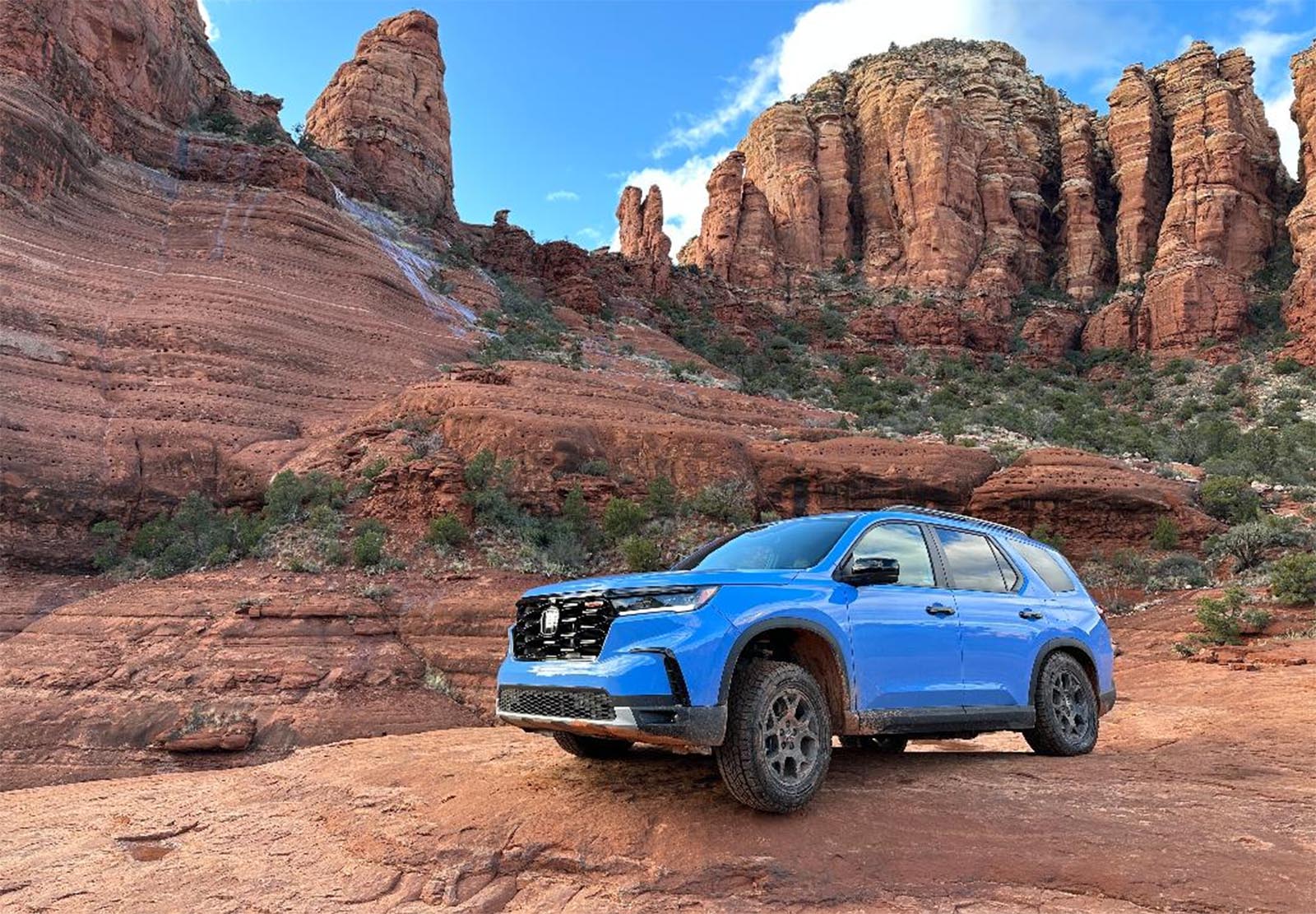
Honda Pilot TraiSport.
Another Japanese manufacturer with a traditionally solid reputation for quality and reliability, Honda nonetheless had some serious safety related issues in 2025, announcing recalls covering 1.5 million vehicles. As with Stellantis, however, that was a sign of improvement. Honda recalled 3.7 million vehicles in 2024, and 6.3 million the year before.
Honda’s 21 separate recalls. That included one covering 295,000 vehicles for a software defect that could cause unexpected engine stalling potentially leaving the vehicle stuck in the middle of the road. The problem impacted some late model Honda Pilots, as well as the Acura MDX and TLX lines.
Other notable recalls covered faulty fuel pumps and defective electronic cables. But the biggest issue impacted 400,000 Civics equipped with 18-inch wheels which, due to a manufacturing defect, could fall off.
5. Hyundai
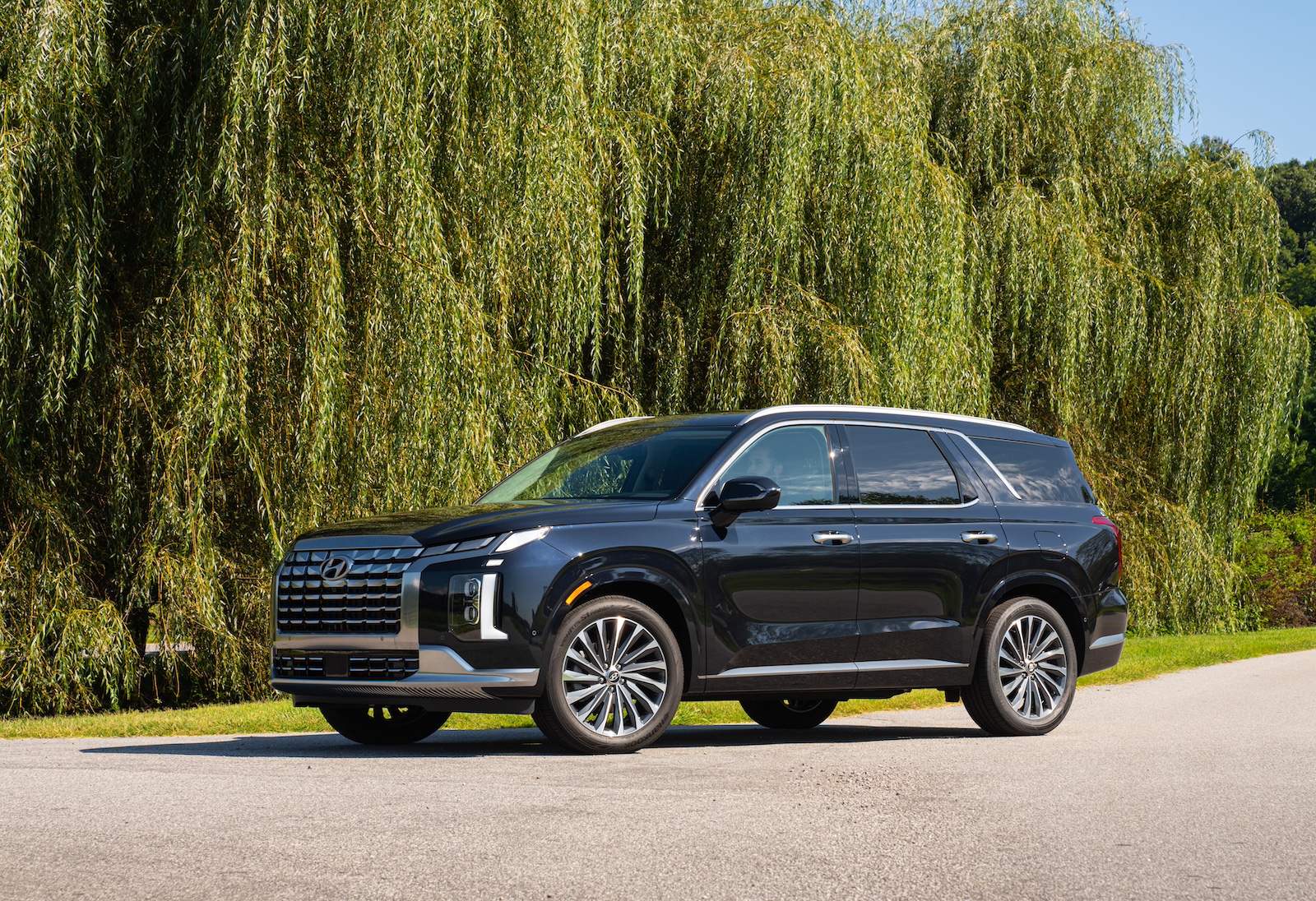
The 2024 Hyundai Palisade.
The Korean carmaker also could claim to have reduced its recall count last year – to “just” 21, compared to the 25 it announced in 2024. Still, that lower tally impacted about 1.0 million vehicles from across the line-up, including gas, hybrid and all-electric products.
Palisade SUVs made up roughly half of the vehicles covered by those service actions due to seat belts that, said Hyundai, might “fail to latch.” That could be particular disconcerting when you realize Palisade is particularly popular among “Soccer Moms” likely to be hauling around a passel of kids.
Wiring issues led to recalls covering Tucson and Santa Fe SUVs. And Hyundai was yet another brand to face defects with backup camera systems, triggering a recall covering more than 143,000 Santa Fe owners.
6. General Motors
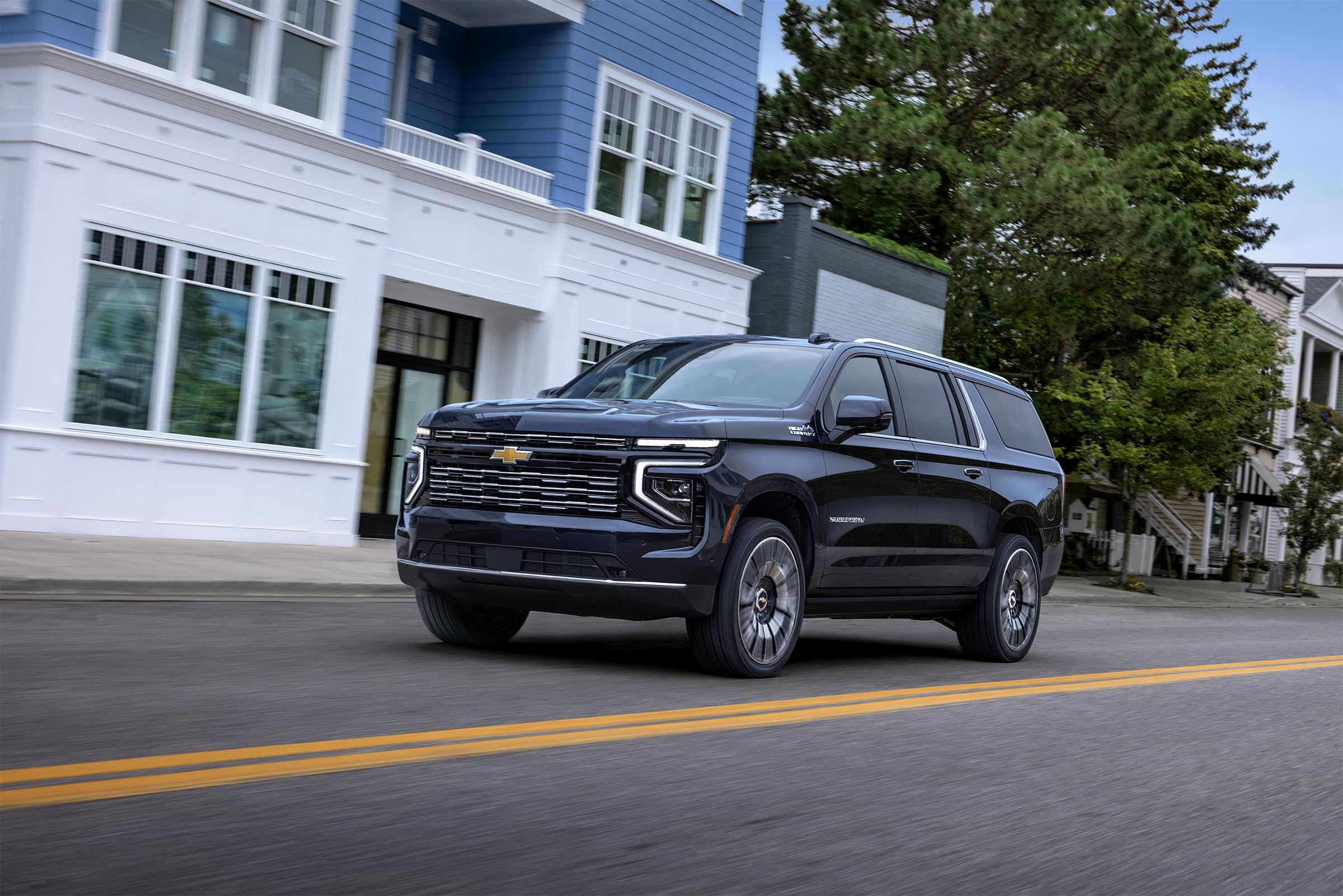
The Chevy Suburban was one of the models facing potential engine failures.
Until this year, GM was the reluctant holder of the record for the most individual recalls in one year, the 77 announced back in 2014. It fared a bit better last year, with a relatively benign 27 service actions covering 998,260 vehicles.
As with other manufacturers, GM’s various brands faced recalls triggered by a variety of niggling issues. Tailgates could swing open on some Chevrolet and GMC models. And the Chevy Equinox EV had problems with its pedestrian warning system.
But the overwhelming issue was a defect that could cause the sudden failure of the automaker’s familiar 6,2-liter V-8 engine. Numerous complaints triggered a NHTSA investigation that found vehicles like the Cadillac Escalade, Chevrolet Suburban and GMC Yukon XL could suddenly stall in traffic. A total of nearly 600,000 vehicles were targeted by this recall.
7. Kia
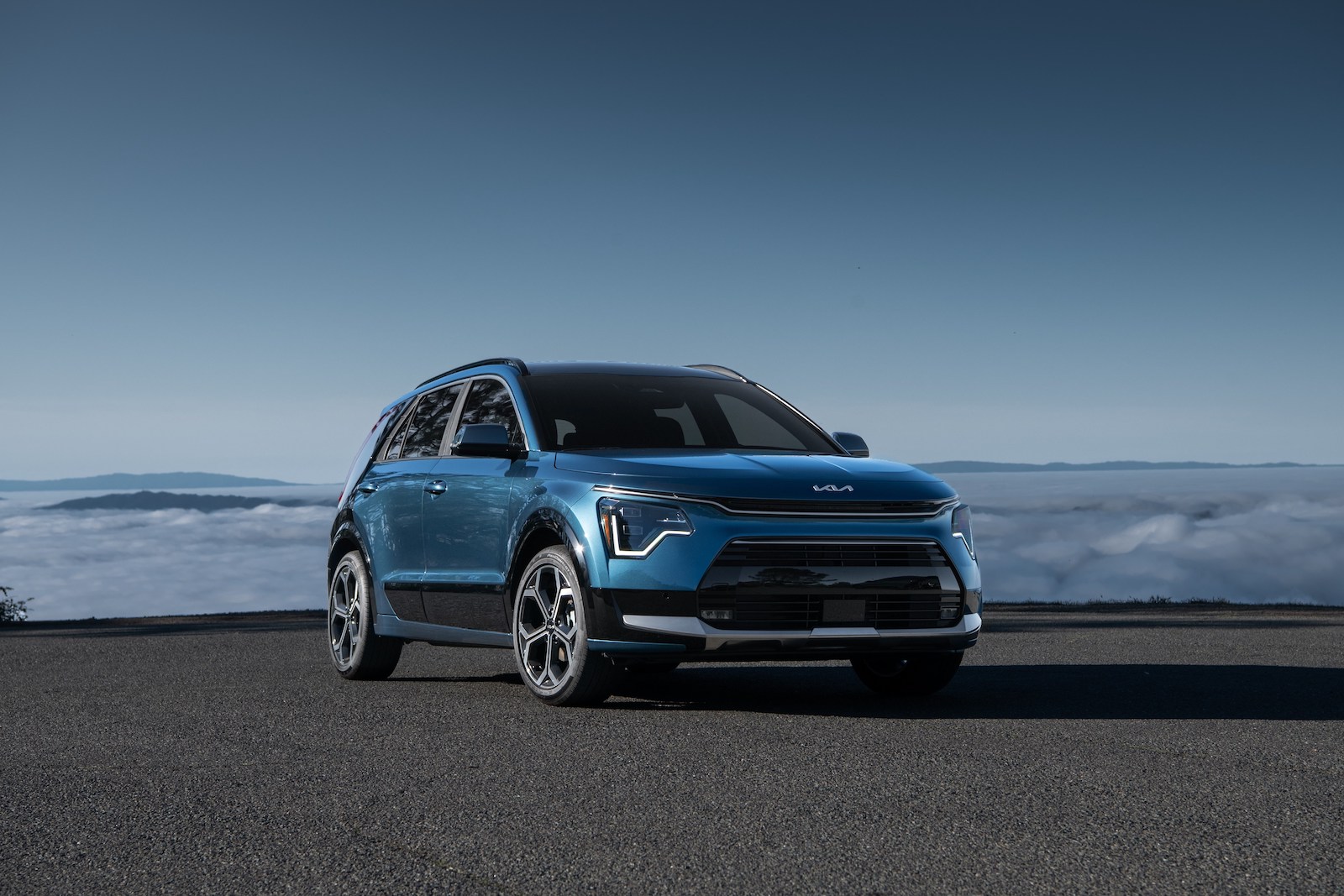
The Kia Niro EV was one of two models facing major recalls.
Hyundai’s Korean sibling just missed the 1 million mark last year, its 13 separate recalls targeting 982,346 vehicles. Two product lines created the primary headaches:
The K5 sedan experienced a mix of issues, notably a fuel tank that could unexpectedly allow air to leak in. Were that to happen, the tank could melt and cause a fire. Just over 250,000 vehicles were covered by this recall.
The other big problem involved the Kia Niro EV. Damage to wiring below the front passenger seat could cause both airbags and seatbelts from operating properly.
8. Tesla
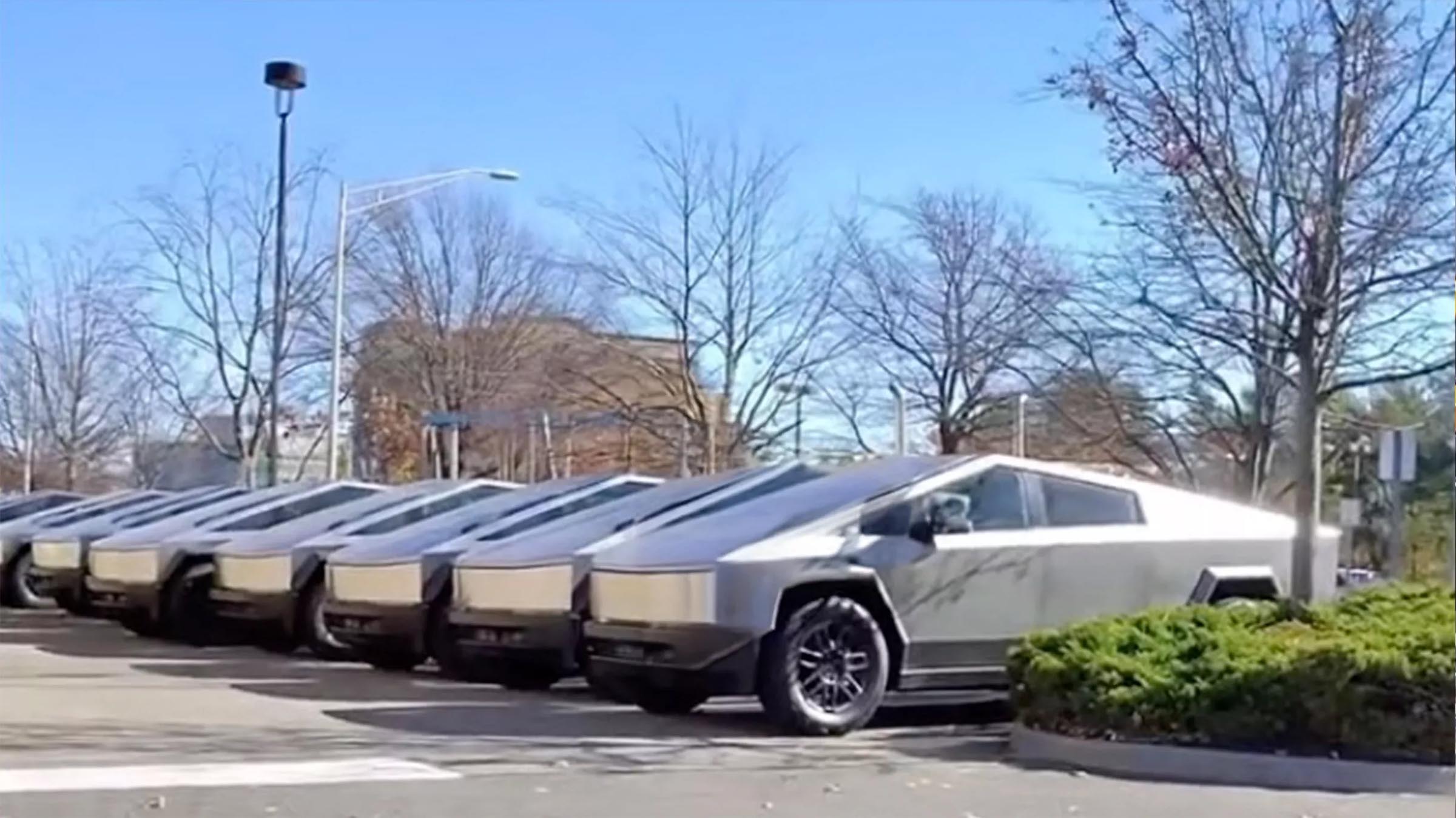
10 recalls for Cybertruck so far.
For Tesla, 2025 was actually a good year from a quality, reliability – and recall – standpoint. According to widely followed Consumer Reports, the EV maker finally started addressing problems that had routinely placed the brand at or near the bottom of its quality charts.
That was also reflected in its recall count. Yes, it was still eighth on this list, but the total of 11 recalls covering 745,075 vehicles was a big improvement from 2024 when Tesla announced service actions involving more than 5 million vehicles.
While one of last year’s recalls involved just 13,000 vehicles it was clearly among the most serious actions as it involved Models 3 and Y EVs with defective battery hardware that could suddenly lead to a loss of power, leaving motorists potentially stranded in the middle of a highway.
Other problems involved faulty power steering systems and, yes, more defective backup cameras that could suddenly go blank when computer boards short-circuited. By last October, meanwhile, the largely unloved Tesla Cybertruck was targeted with its tenth recall, this one covering off-road light bars that could suddenly detach and fly off.
9. Volkswagen Group
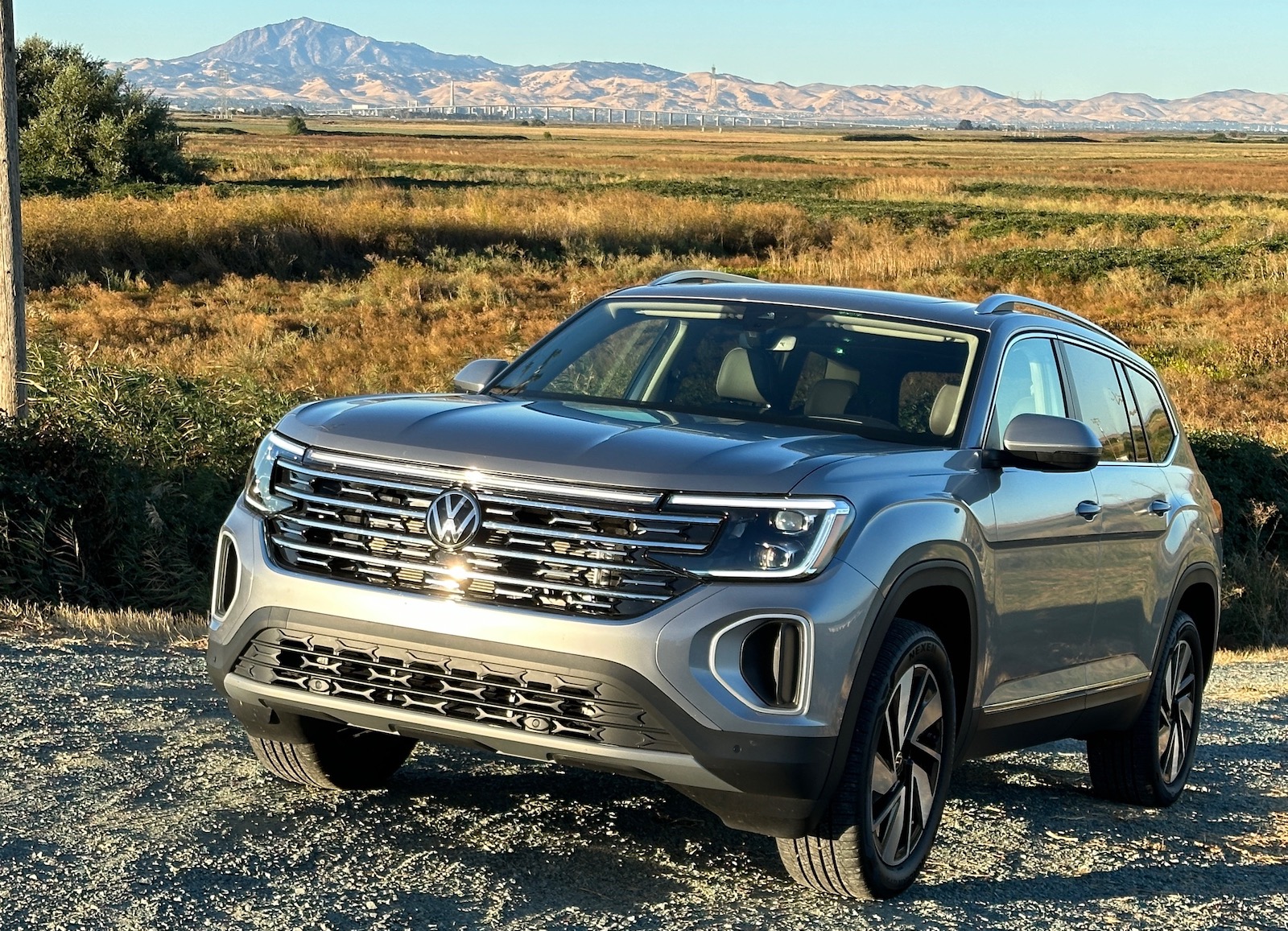
The 2024 VW Atlas.
The German automaker’s various brands sold in North America – including VW, Porsche, Audi and Lamborghini, landed on the list with 25 recalls covering 663,663 individual vehicles. (That was down from over 1 million vehicles recalled in 2024.)
About 170,000 Volkswagen Atlas and Atlas Cross Sport SUVs were impacted by two recalls, one for those seemingly endemic faulty back-up cameras, the other for loose engine covers that “may melt and cause fire,” VW announced.
The group’s biggest recall involved nearly 357,000 Audis with faulty backup cameras. Similar gear was targeted for repair on 173,538 Porsches.
10. BMW
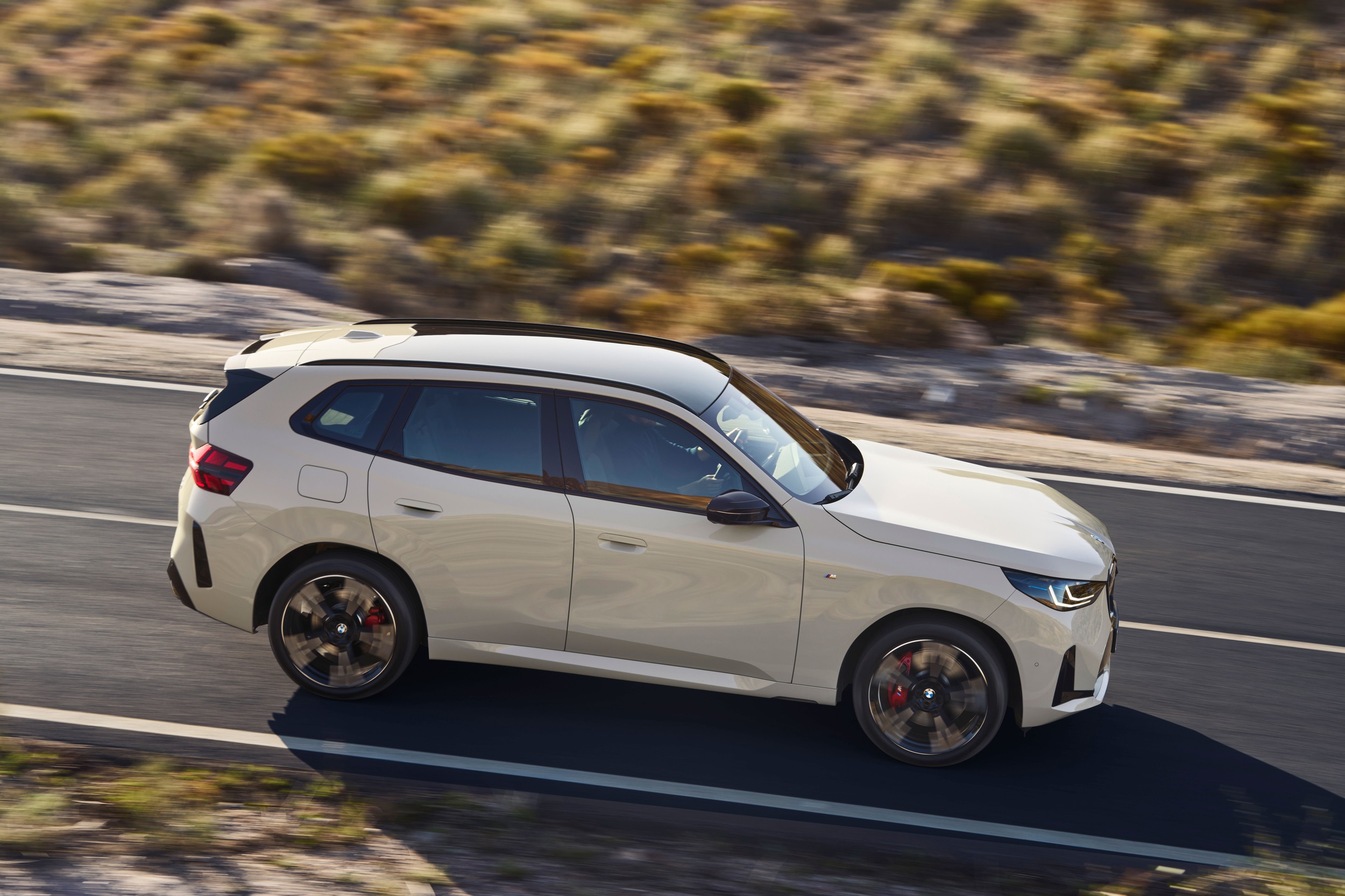
BMW X3
Rounding out the list is another German manufacturer. BMW recalled a collective 508,338 vehicles as part of 21 separate service actions last year. That was less than a third of the 1.8 million vehicles it had to fix in 2024 as part of 36 separate recalls.
Among the issues BMW owners faced: faulty engine starters that could corrode, overheat and potentially even catch fire. That impacted about 200,000 vehicles.
Malfunctioning software in various X3 models, meanwhile, led to the recall of nearly 37,000 vehicles because it could cause the steering wheel to unexpectedly start jerking. This problem underscored one big change the industry is undergoing lately: BMW has been able to upgrade the faulty software remotely, using smartphone-style over-the-update updates, rather than requiring owners to return to dealer service bays.
0 Comments