

Stellantis is phasing out the production of its 4xe technology in the North American market, even though it has two of the best-selling plug-in hybrids in its Jeep Wrangler and Grand Cherokee 4xe models. The automaker told Headlight.News it is shifting to “more competitive electrified solutions.”
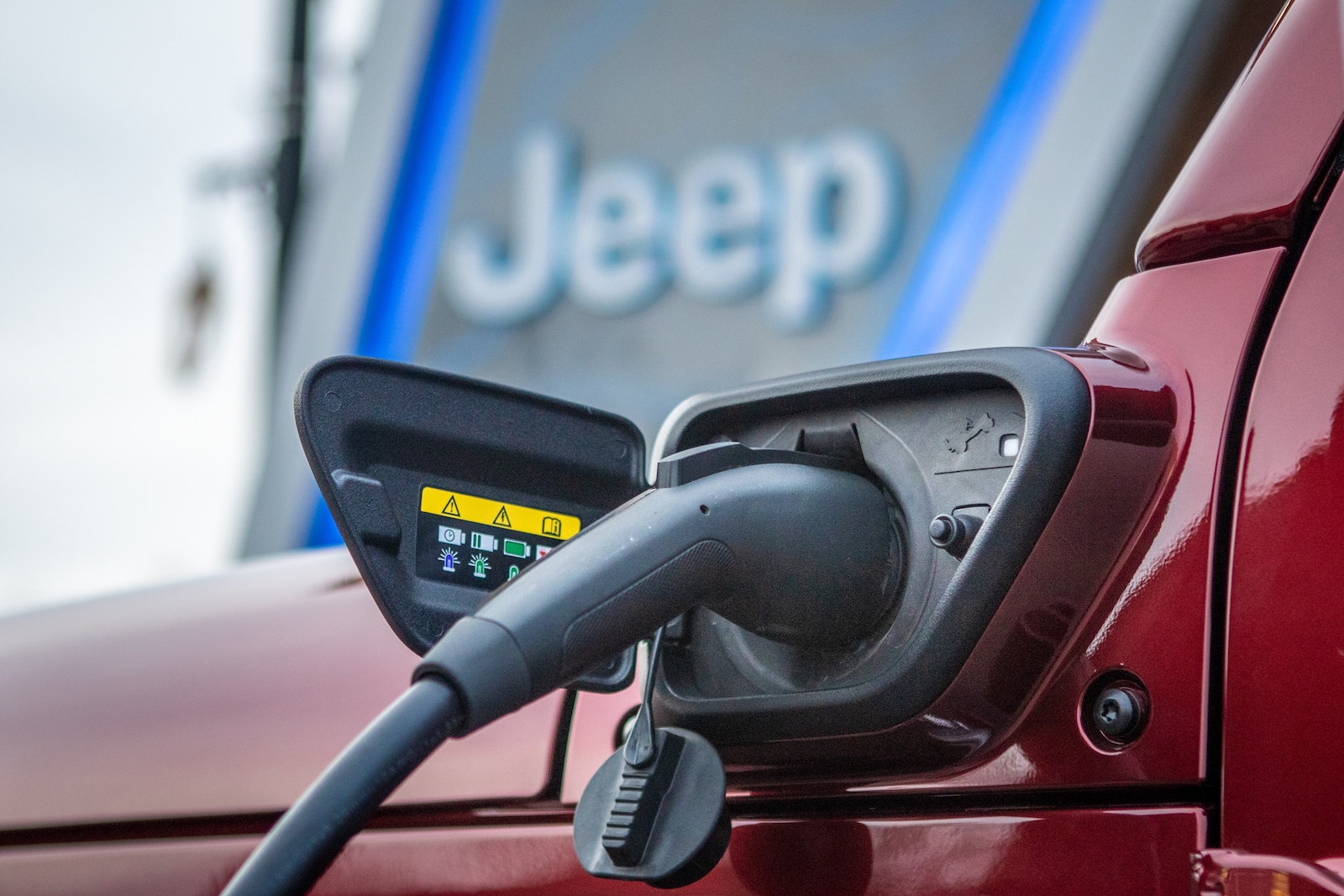
Jeep recently recalled its 4xe models to deal with a potential fire risk.
It’s not often automakers walk away from products that dominate their market segment. But that’s precisely what Stellantis will do this year as it abandons plug-in hybrids like the Jeep Wrangler 4xe and Chrysler Pacifica Hybrid.
The Wrangler 4xe, in particular, has been the best-selling PHEV in the U.S. market since its introduction in 2021. The Grand Cherokee 4xe has also ranked high on the sales charts. The automaker doesn’t break out the share of Pacifica sales made up by the plug-in hybrid package but it’s believed to play a significant role and is currently the only PHEV minivan available in the U.S.
In a statement sent to Headlight.News, Stellantis said it is “evolving” its approach to electrification “to meet evolving customer needs and regulatory requirements,” and will migrate to alternative powertrain solutions. Those will include both conventional hybrids and range-extended electric vehicles, like the system in the Ram 1500 REV.
A change in plans
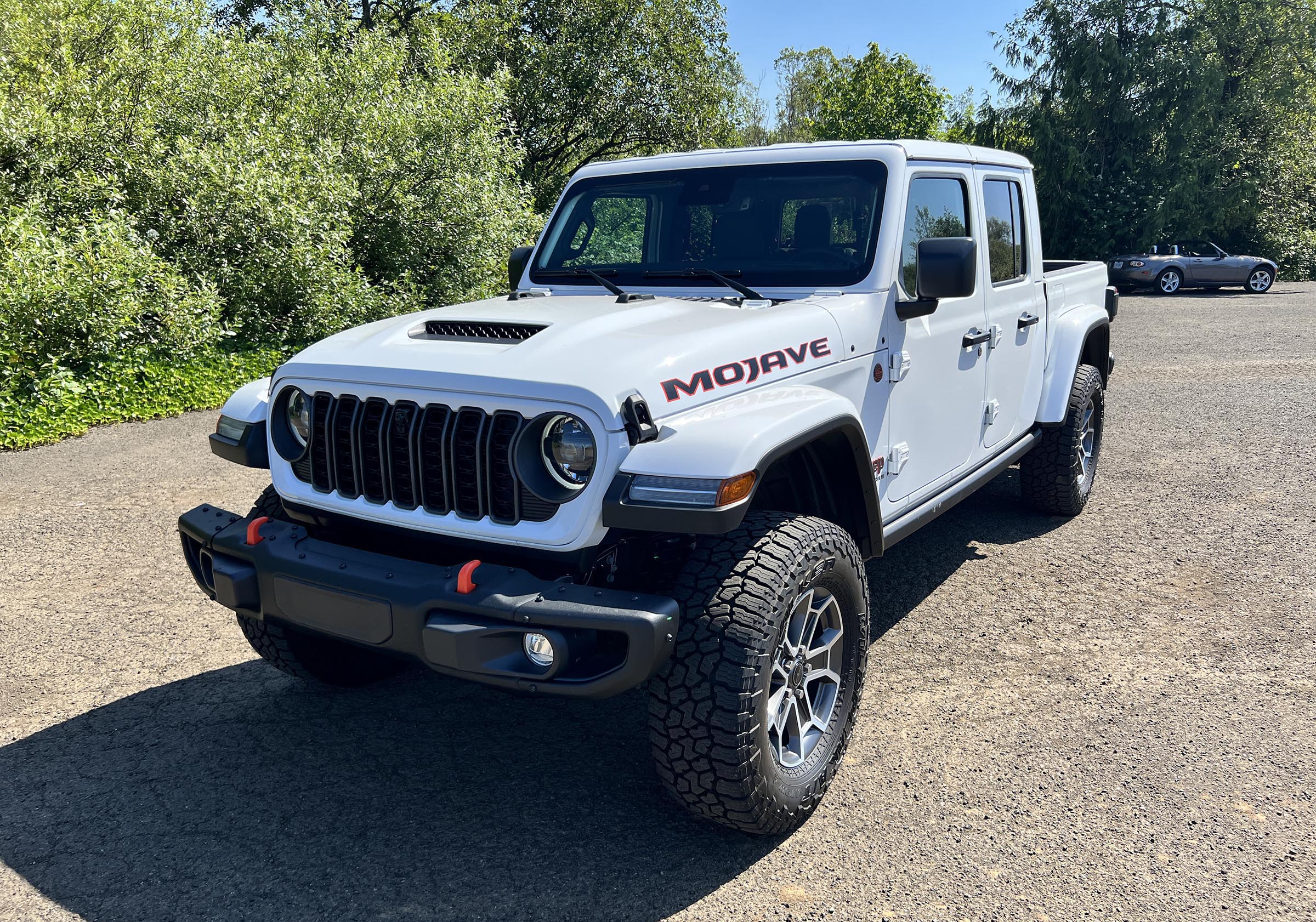
Jeep previously scrubbed plans for a Gladiator 4xe.
With a few exceptions, the various brands that make up Stellantis have been relatively slow to adopt electrified drivetrain technologies. Until recently, the anomalies were the 4xe systems used in the Pacifica and the Wrangler and Grand Cherokee 4xe packages.
As recently as a year ago it seemed the plug-in hybrid system would continue to find new applications across the Stellantis line-up. But a sign that change was afoot came last September when the automaker sent a letter out to suppliers advising them it was scrubbing plans to add a 4xe version of the Gladiator pickup. No explanation was offered at the time. Speculation centered around the overall weak sales of the compact truck which may not have justified the complexities associated with adding a new powertrain option.
But it soon became clear that Antonio Filosa, the new Stellantis CEO, was shaking up the ambitious electrification plans put in place by his predecessor, Carlos Tavares, who unexpectedly resigned in December 2024. Among other things, an all-electric version of the Ram 1500 has also been scrapped.
A new direction
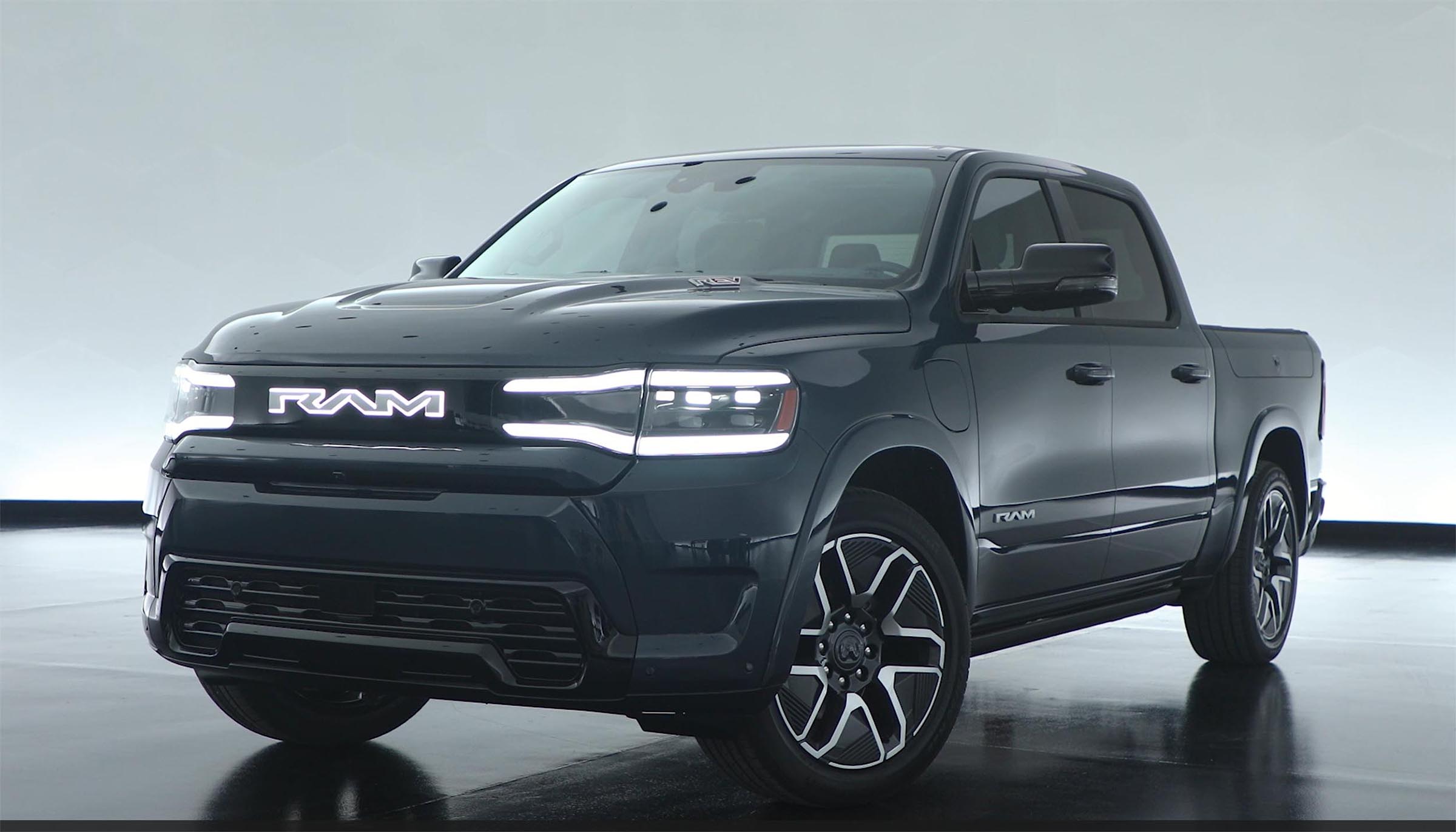
The Ram 1500 REV is the first Stellantis range-extended model.
The timing comes as little surprise. After growing eightfold from 2019 to 2023, sales of pure battery-electric vehicles flattened out in 2024 and 2025 at around 8% of the market. And with the Trump administration phasing out federal incentives on EVs and PHEVs last September demand was expected to tumble going into the new year for both technologies.
Still, the decision to drop the Jeep 4xe and Chrysler Pacific Hybrid models came as a surprise considering plug-in technology accounted for as much as half of Wrangler sales at various times.
“Stellantis continually evaluates its product strategy to meet evolving customer needs and regulatory requirements,” the company statement said. “With customer demand shifting, Stellantis will phase out plug‑in hybrid (PHEV) programs in North America beginning with the 2026 model year, and focus on more competitive electrified solutions, including hybrid and range‑extended vehicles where they best meet customer needs. This approach reinforces the company’s commitment to offering advanced propulsion systems that maximize efficiency and provide options from internal combustion to hybrid, range‑extended, and fully electric solutions.”
More Electrified Auto News
What’s coming
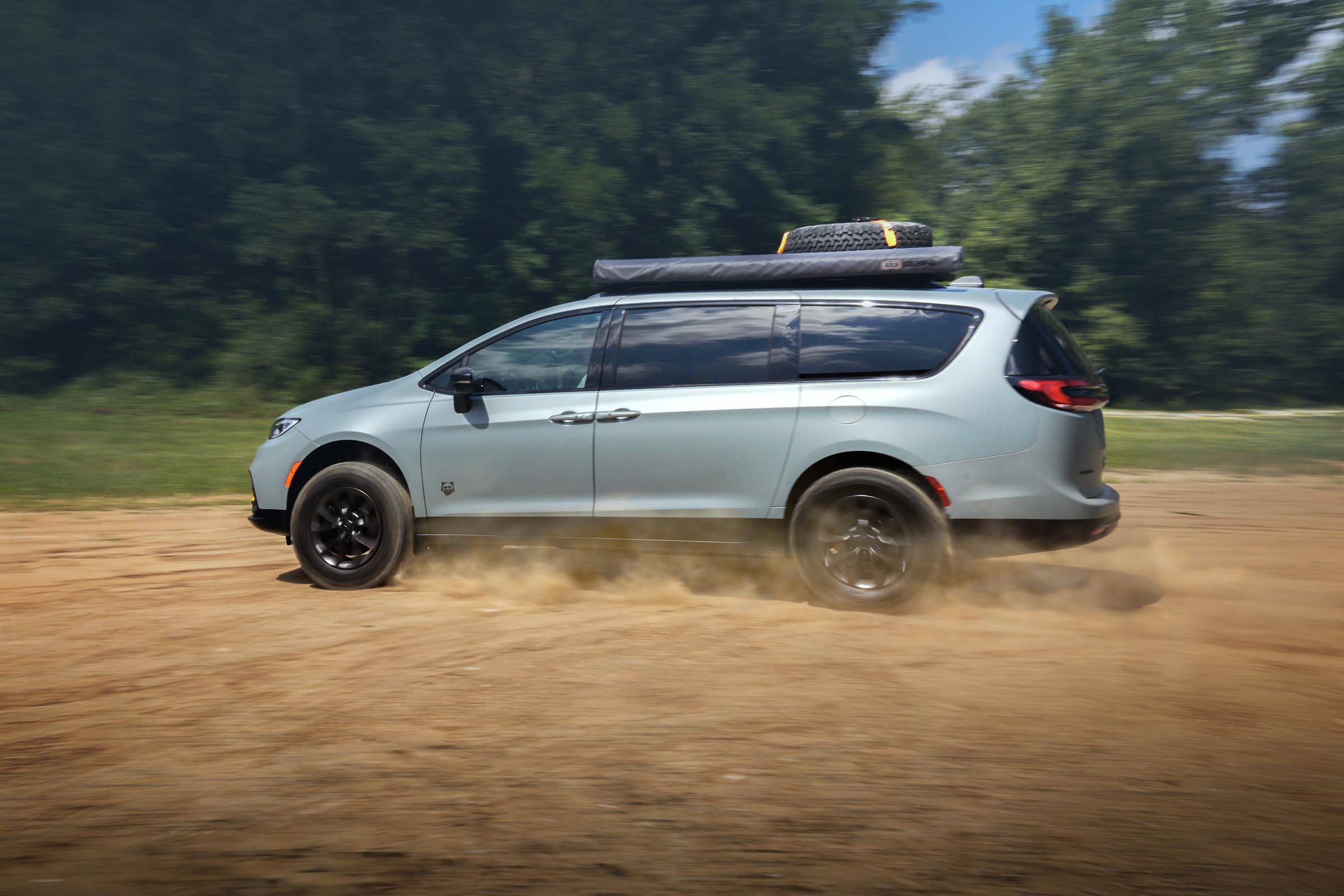
A replacement for the Chrysler Pacifica is expected to offer a R-EEV drivetrain option.
Stellantis isn’t providing a blueprint for what’s coming but those tracking the automaker expect to see more mild and conventional hybrid systems begin to roll out starting this year.
The automaker appears particularly committed to adding range-extended electric-vehicle systems, or R-EEVs – which some other automakers refer to as E-REVs. The first model to get that technology will be a version of the Ram 1500.
R-EEVs also pair up an internal combustion engine with battery drive technology. The big difference is that the newer technology uses ICE solely to generate a flow of electric current. That can be used to keep the vehicle’s battery pack charged or to provide additional power to its electric motors. There is no direct link between the internal combustion engine and the vehicle’s wheels, unlike the approach used by conventional PHEV drivetrains. This approach is simpler – among other things, requiring a less complex transmission system, Stellantis global powertrain chief Micky Bly told Headlight.News.
It’s unclear when we will see extend-range versions of Jeep products. R-EEV technology is expected to be used in the replacement for the Chrysler Pacifica due later this year — though it may not be available at launch.




0 Comments