
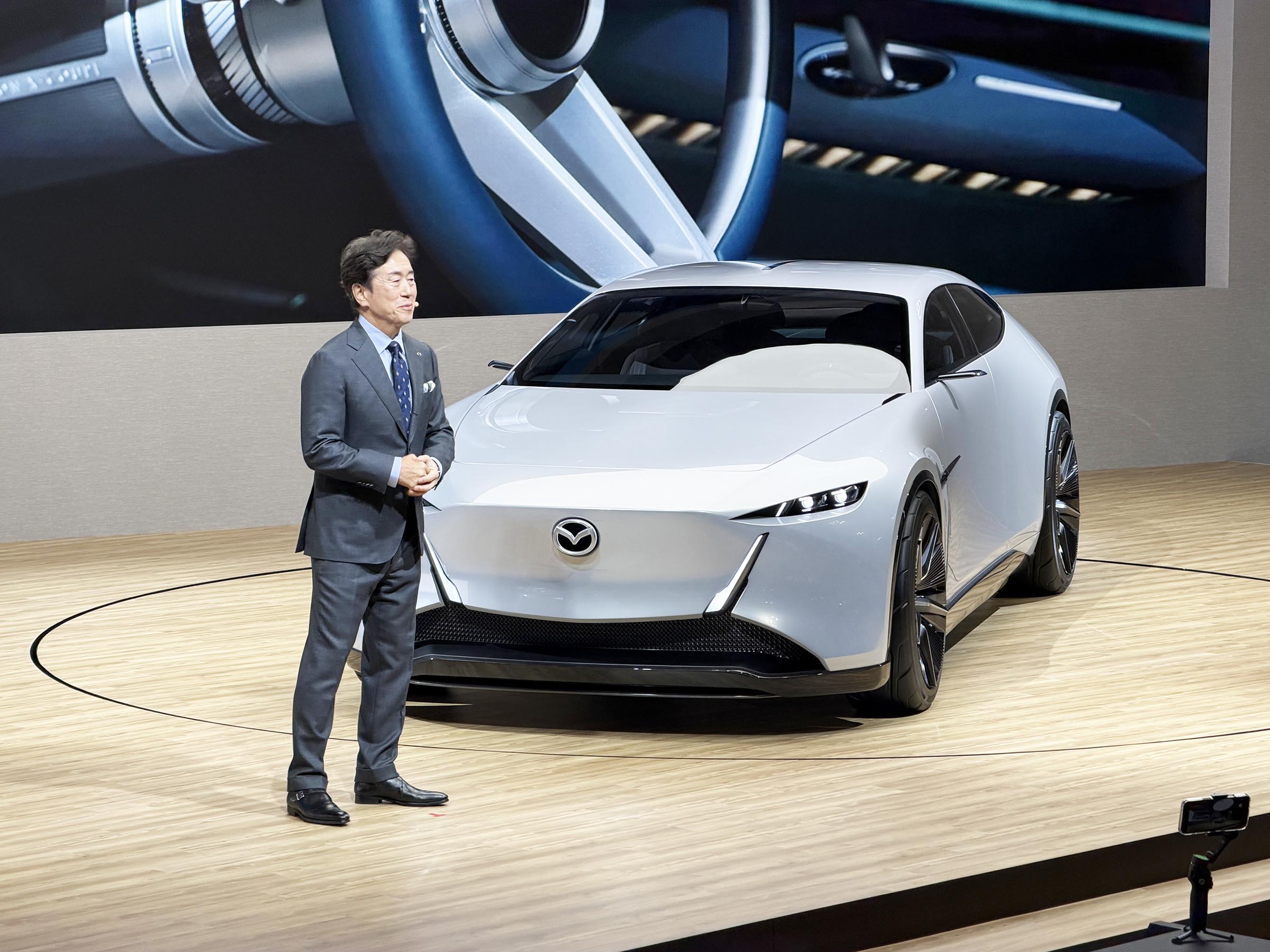
Mazda appears to be the latest automaker to stretch out its battery-electric vehicle plans, two Japanese publications reporting it now will wait until 2029 before bringing out its first long-range EV. Instead, the automaker plans to put an emphasis on hybrids and extended-range models in the interim.

The Mazda MX 30 didn’t last long in the U.S. due to range of barely 100 miles.
In recent months, there’s been a broad slowdown in EV development by a Who’s-Who of familiar automotive brands. Mazda appears to be the latest to join that club, the automaker reportedly delaying until 2029 the launch of its first long-range battery-electric vehicle.
In the near-term, expect to see the Hiroshima-based automaker shift focus to conventional and plug-in hybrids, as well as extended-range electric vehicles, like the version of its little MX-30 that uses a rotary engine as a generator to extend the range of the vehicle’s small battery pack, reported both the Nikkei news service and Japanese auto magazine Nikkan Jidosha Shimbun.
That appear to build on comments made last spring by CEO Masahiro Moto who told Headlight.News he wanted to focus on a “Multi-Solution” powertrain strategy. But, at the time, Moro was hoping to stick to the original 2027 timeline for Mazda’s next EV launch.
A slow rollout
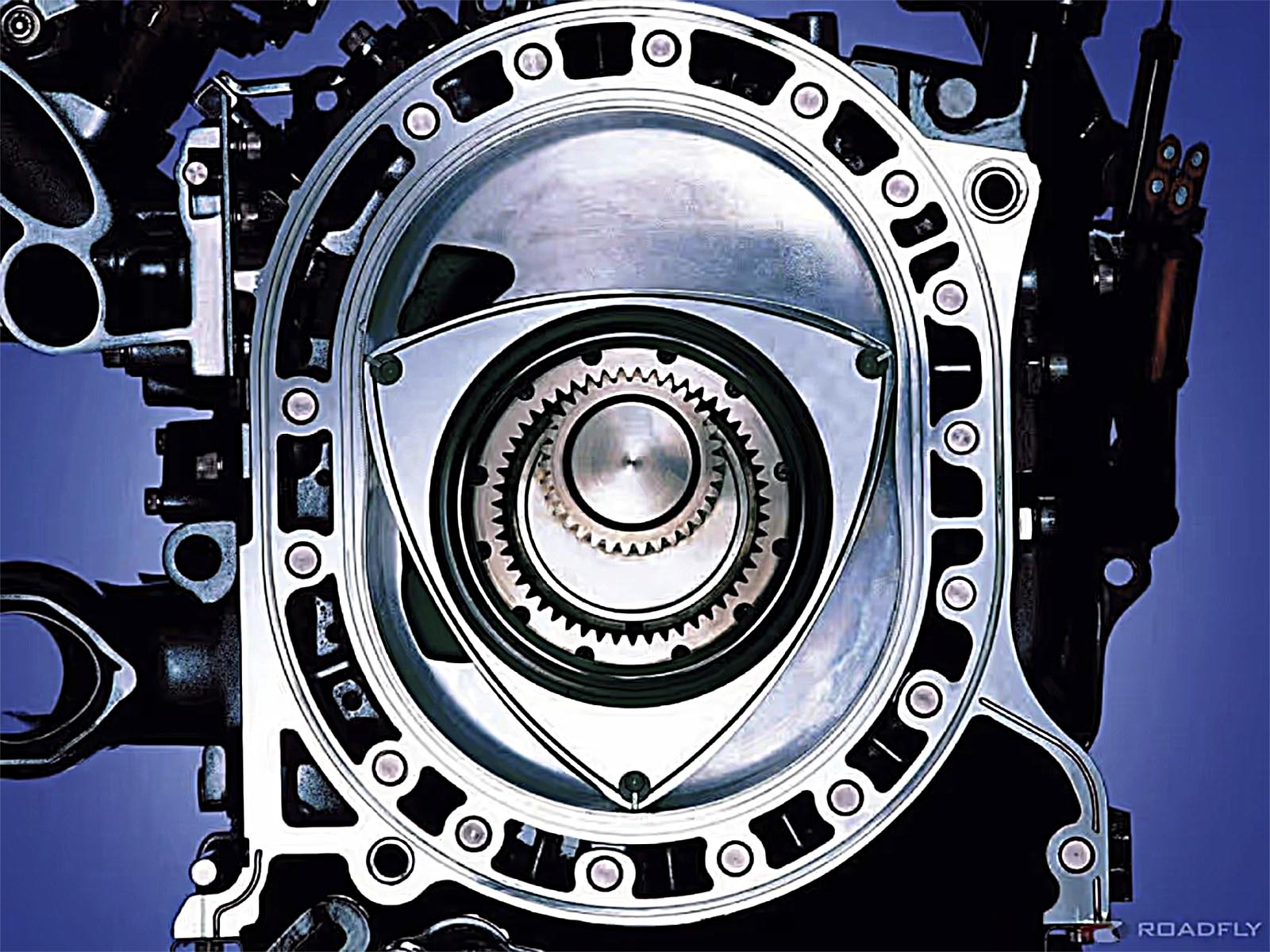
A cutaway of a rotary engine. Mazda used a 2-rotor Wankel for the X-Coupe’s extended-range EV drive system unveiled at the Tokyo Motor Show last November.
Mazda has been slow to embrace electrification, partially due to the company’s limited cash reserves, but also reflecting its traditionally independent approach to powertrain technology.
The Hiroshima automaker was one of the few manufacturers to bring to market the once-revolutionary Wankel engine. And, after years off the market, the rotary powertrain has returned in a unique form, serving as a generator to keep the limited-range MX-30 EV going even when its batteries run down.
That approach – using some form of internal combustion engine as a generator – appears to be gaining popularity across the industry, as it reduces concerns about range anxiety and obviates the need to find a charging station while on the road. Alternatively dubbed REEV or E-REV, the technology is being developed for launch by automakers including Stellantis and Ford, among others.
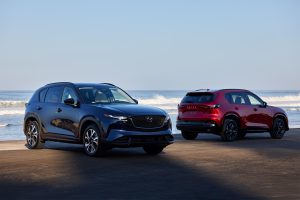
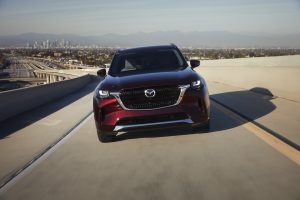
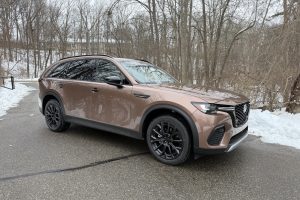
Meanwhile, Mazda is starting to add hybrid and plug-in options on more of its model lines, such as the new CX-5 and the older CX-70 and CX-90 models.
New strategy
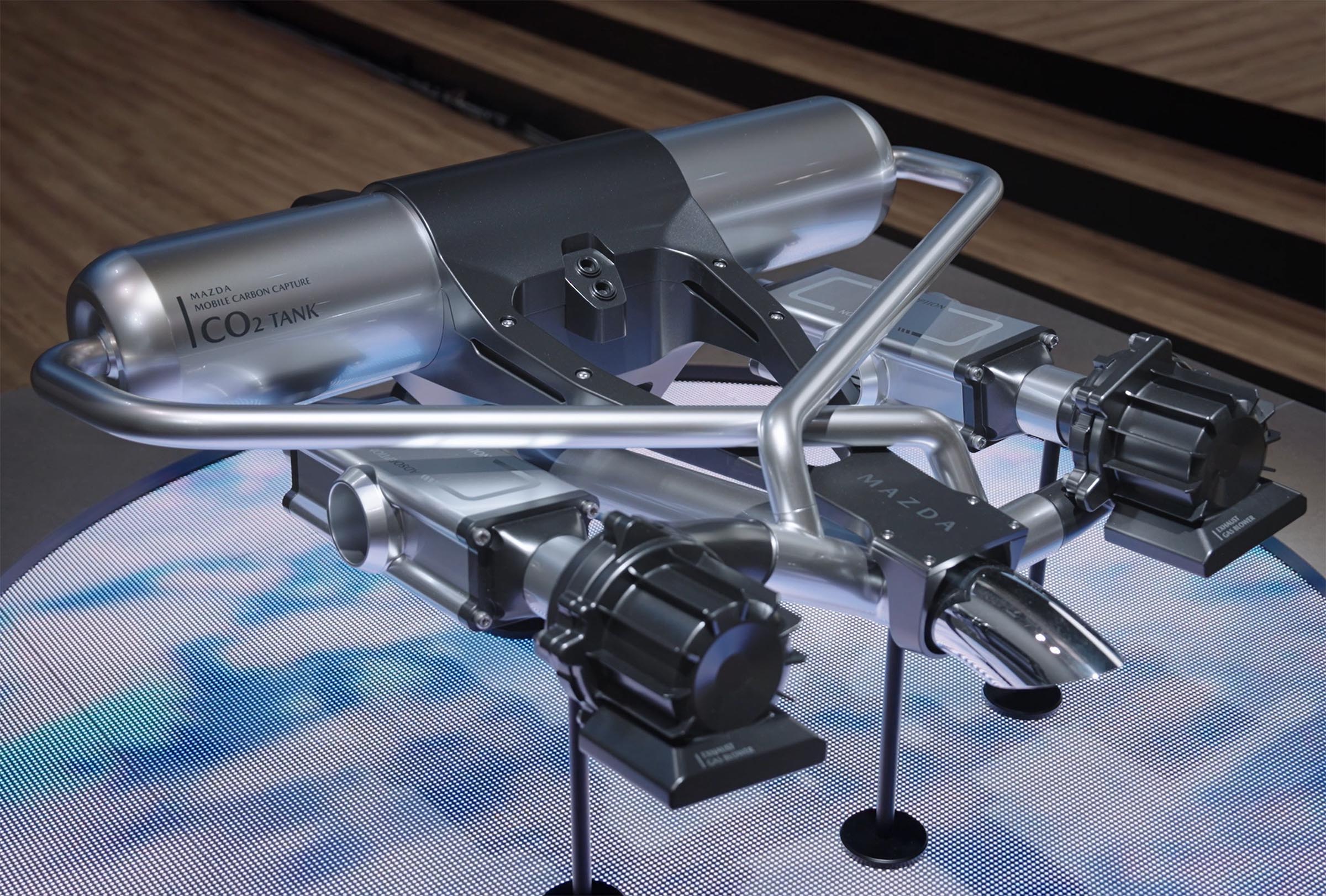
The automaker introduced its Mazda Mobility Carbon Capture system in Tokyo, claiming it could eliminate CO2 emissions from an internal combustion engine.
For the moment, Mazda hasn’t formally confirmed the report of a 2-year delay in its EV program. But it did make it clear it is reassessing its plans.
“This information has not been released by our company,” a spokesperson said. “We continue to advance the technological development of our proprietary BEVs based on our multi-solution strategy, and will determine the timing of their introduction while carefully assessing regulatory trends in each country and changes in customer needs.”
The challenge for all manufacturers is to decide how to respond to the very different approaches to electrification being taken in different parts of the world. Under Pres. Donald Trump, the U.S. no longer offers federal tax credits to EV buyers, for one thing, a move that has led to a sharp slump in demand in recent months. In China, however, the government continues to increase pressure on both manufacturers and motorists to go with either EVs or long-range hybrids.
More Mazda News
- A Week With Mazda CX-70 Premium Plus
- The More You Drive the Cleaner the Air, Claims Mazda for its New Carbon Capture System
- Mazda’s New CX-5 is Larger, More Lavish – and Gets a New Hybrid Option
Reduced spending
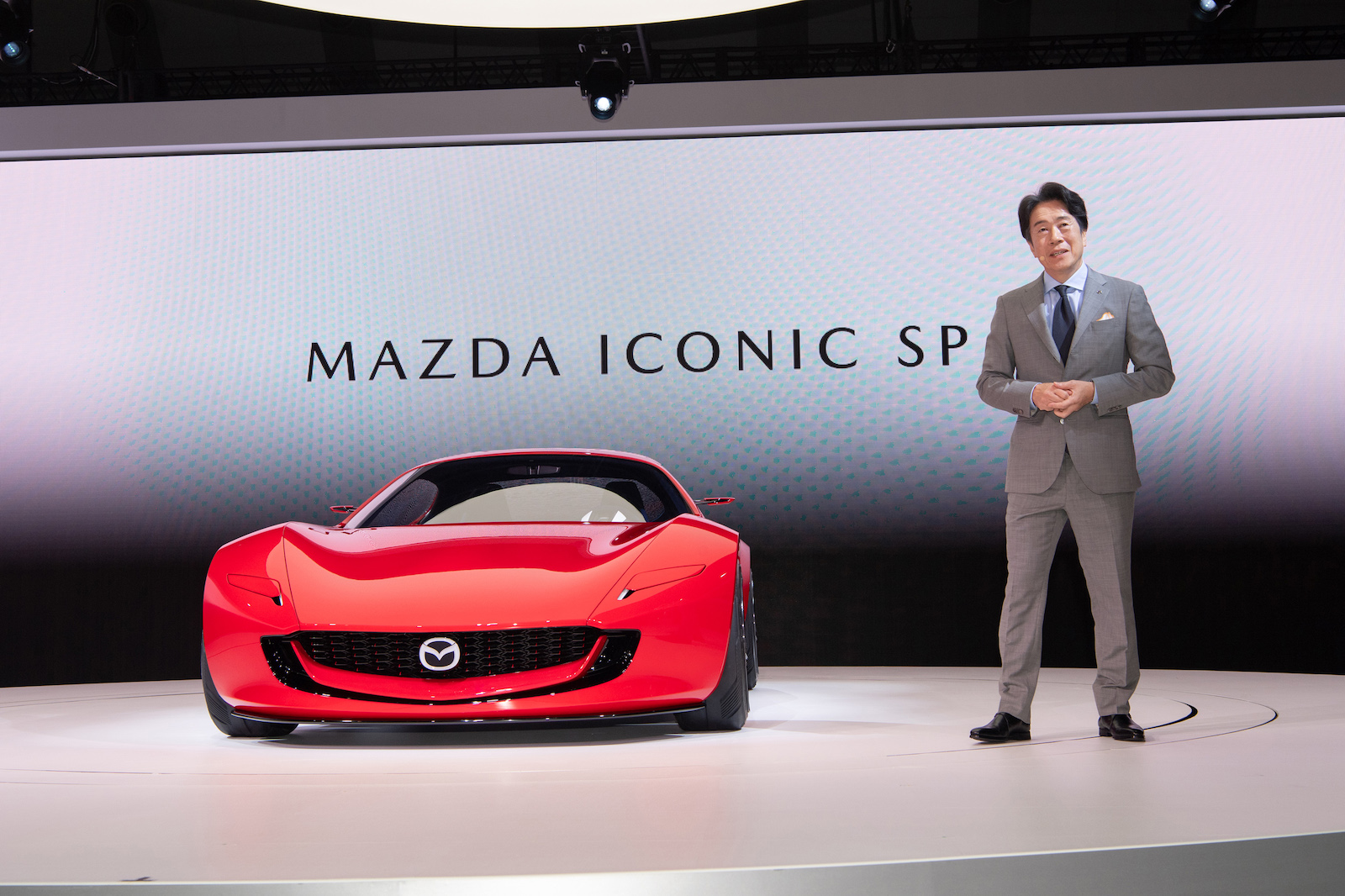
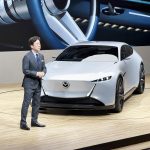
Mazda CEO Moro with the Iconic SP concept vehicle.
Last March, Mazda announced it would reduce spending across the board on electrification to $10 billion, down from a previous $13.3 billion target. But the figure is a bit misleading, as it is off-loading some costs to partners that include Panasonic, Chang-An, Denso and Toyota. In particular, the company indicated it would lean more on joint ventures going forward.
Chinese Chang-An is currently producing two EVs, the EZ-60 SUV and EZ-6 sedan, in partnership with Mazda.
Mazda had intended to launch its first long-range model developed in-house in 2027, producing it at the company’s big Hofu plant in Japan.

0 Comments