
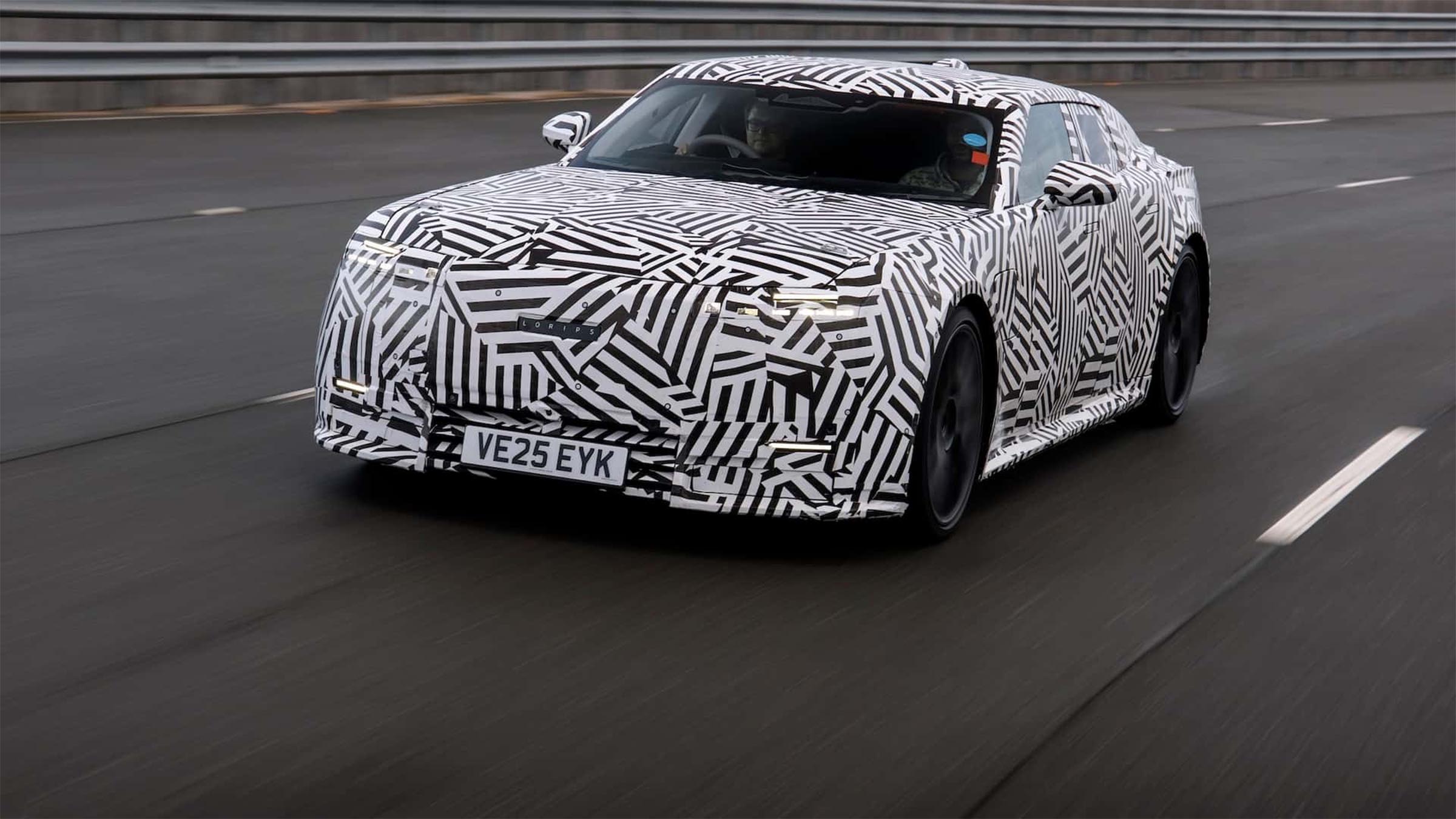
But for a handful of EV-only brands like Tesla, most automotive brands have been rethinking their electrification strategies to reflect shifting government regulations and consumer demand. Add the Jaguar half of JLR which, according to a new report, is backing off its all-EV strategy as it works up a range-extender option for the new Typee 00 model due to debut about a year from now. More from Headlight.News.
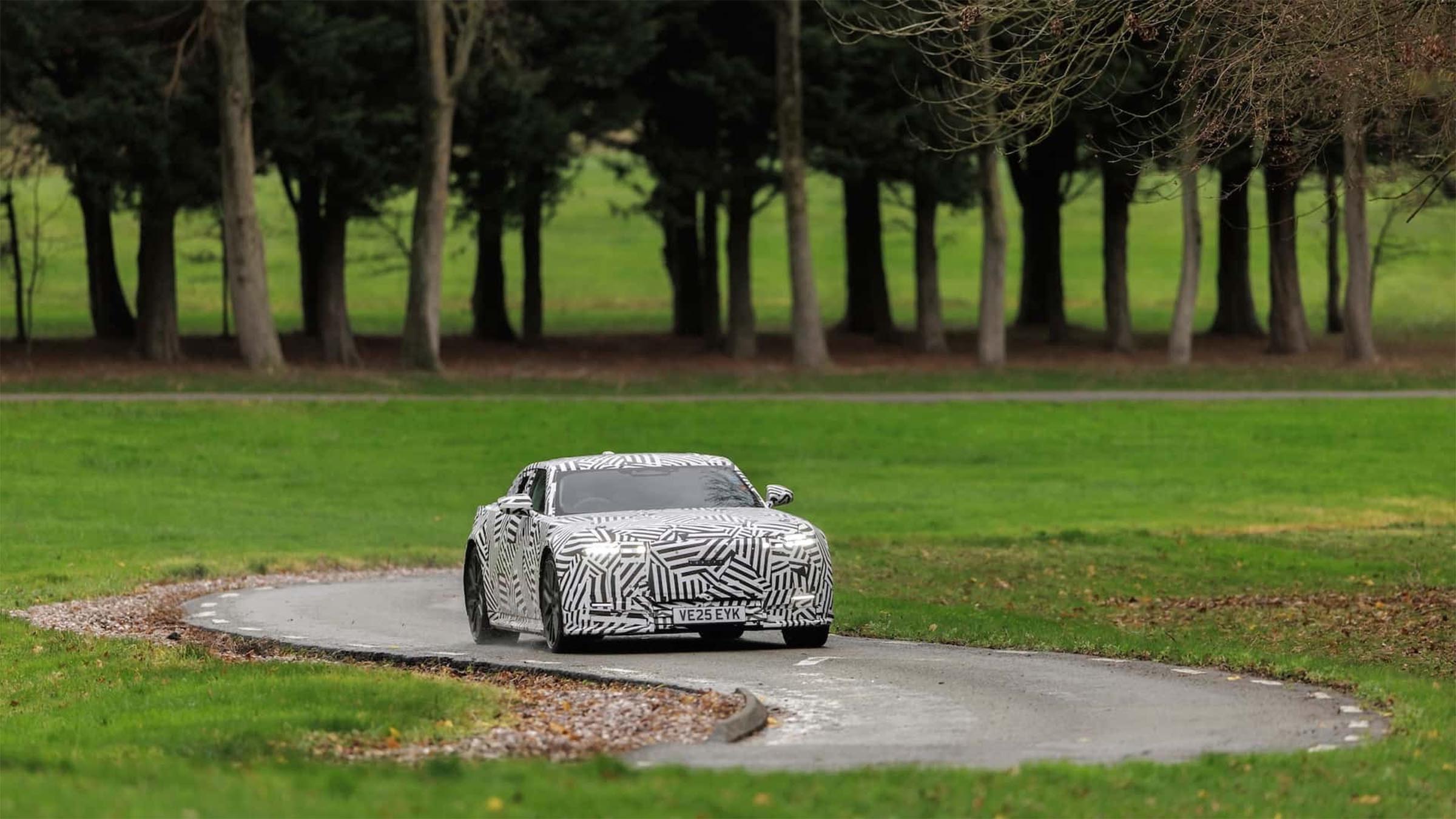
Jaguar may zig a bit on its path to going all-electric, turning to a range-extender system to ease concerns about range and charging with the Type 00 models due to begin production late this year.
When the last Jaguar F-Type rolled off the line at its Solihull plant in the UK last month it looked like the end of an era. Not only was it the last of the automaker’s big crossovers but the final vehicle Jaguar to use an internal combustion engine.
The automaker, said parent Jaguar Land Rover, would make the transition to an all-electric brand once production of the new Type 00 model started up in late 2026.
At least, that was the plan. But, like so many other automakers of late, Jaguar is rethinking its plans. Faced with changing government regulations and shifting consumer demand, a new report in The Times of London indicates the automaker is working up a range-extender system that would reduce concerns about range anxiety and charging.
Type 00
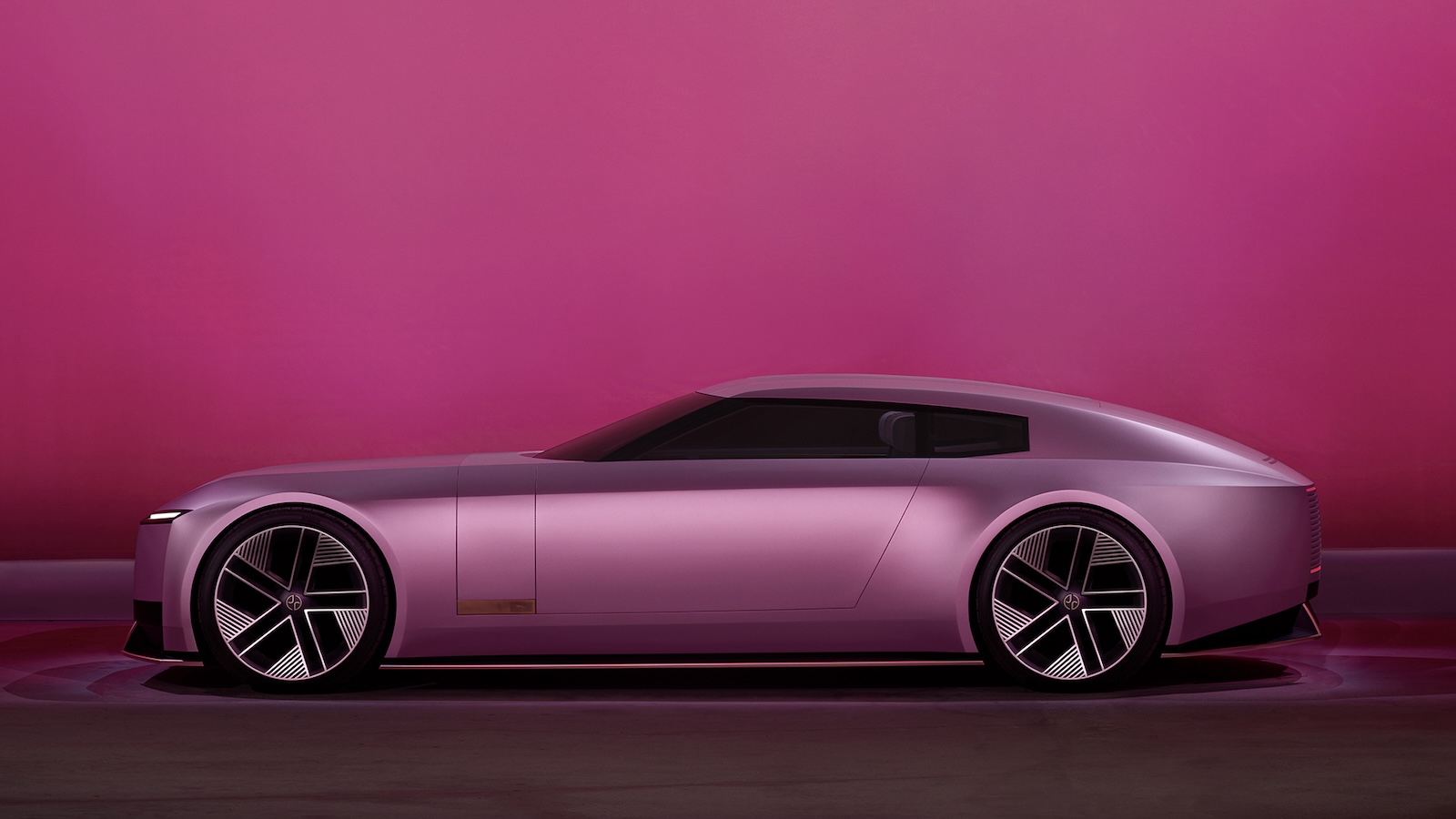
Jaguar’s concept, the Type 00, generated plenty of controversy with its edgy design and initial marketing effort.
Among traditional brands, Jaguar is in the midst of one of the industry’s most radical transformations. With the end of F-Type production at Solihull its factories will be idled for a full year, only firing back up late in 2026 with the launch of the new Type 00.
The new model has proven highly controversial on a variety of fronts, starting with the edgy design of the concept revealed in late 2024. But the bigger issue is Jaguar’s decision to go all-electric moving forward. Since that decision was made several years back EV sales growth has slowed sharply in many key markets, especially the United States where federal tax credits were phased out last September.
Jaguar had hoped to calm concerns by loading up the Type 00 with enough batteries to deliver more than 400 miles range per charge, according to the EPA test cycle – and closer to 500 miles using the WLTP test used in most of the rest of the world. But company executives now appear to believe that won’t be enough to defuse concerns about range anxiety and access to chargers among many potential buyers.
E-Revving up an alternative
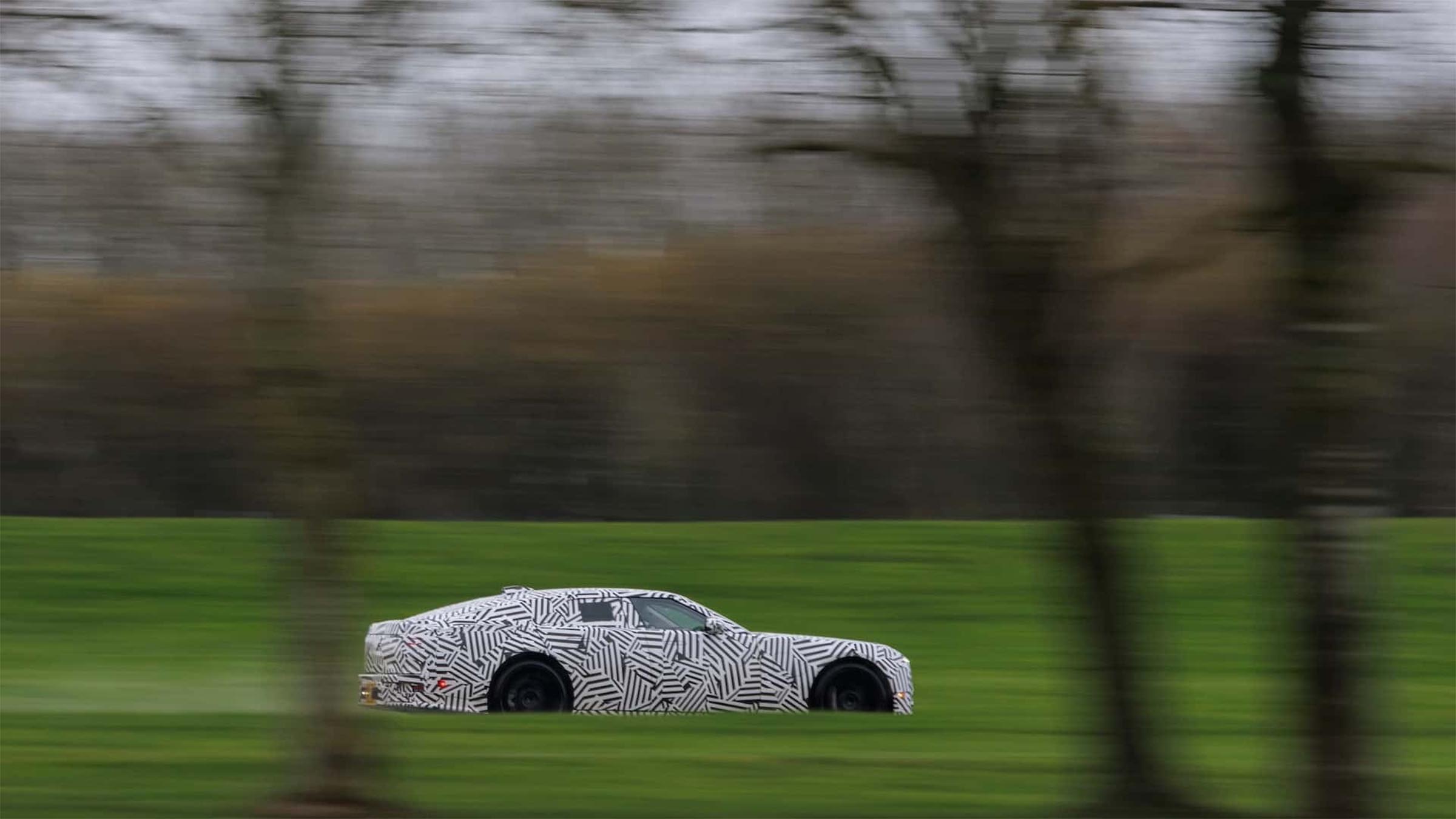
At least at launch, reports The Times, the Type 00 will only be available as a pure EV.
A number of automakers have found themselves facing similar concerns, including General Motors’ Cadillac which last year confirmed it will take longer to complete its transition to EVs than originally planned.
Manufacturers are looking for a variety of solutions. Some, like Mercedes-Benz, will continue to produce internal combustion engine technology, as well as the plug-in hybrids often referred to as a “bridge to an all-electric future.”
Jaguar, it appears, won’t return any gas-only models to the line-up, nor will it go with PHEVs. Instead, it’s developing range-extending technology that “makes it possible for traditional ICE buyers to drive a technology they at least partially understand and it alleviates the issue many buyers have: concerns about range and charging,” said Sam Fiorani, lead analyst with AutoForecast Solutions.
More EV News
- Jaguar Will Be Out of Production for a Full Year
- JLR Fires Design Chief McGovern
- New JLR CEO Has His Hands Full
Range-extenders
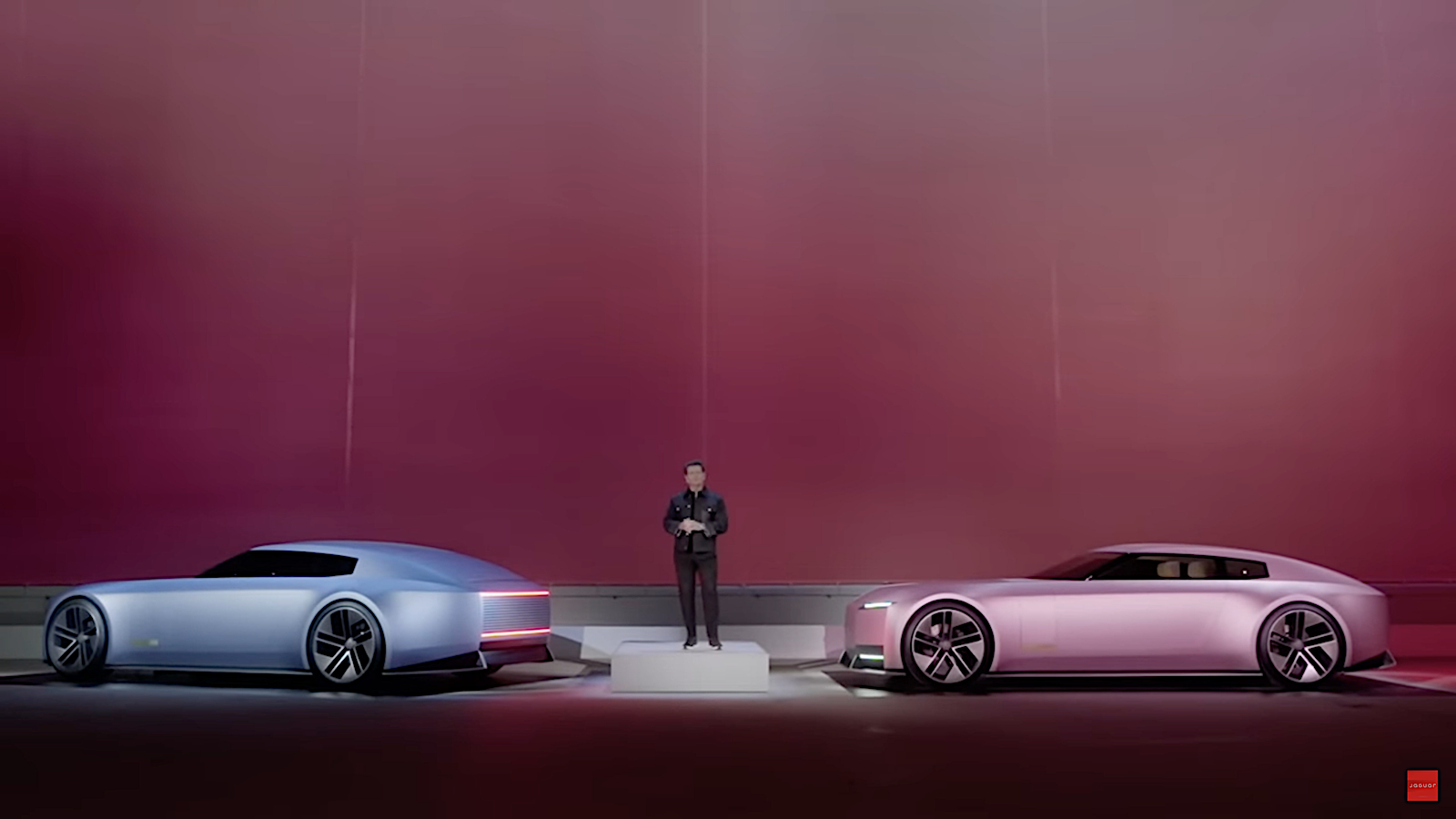
A range-extender likely won’t be available for at least a year after the Type 00 launch.
Referred to by some as range-extended electric vehicles, and by others as extended-range electric vehicles, the technology often gets confused with plug-in hybrids. Both pair gas engines and electric drive systems on the same vehicle. But PHEVs have moderately small battery packs, typically capable of running only around 50 miles per charge. Then their gas engines take over. At any time, a PHEV’s wheels can draw torque from its electric motor, ICE or both.
The wheels of a REEV – or an E-REV, if you prefer – only ever get torque from the vehicle’s electric motors. The gas engine is there solely to keep the batteries charged up if it starts to run down. Range-extenders use larger packs, as much as 200 miles, noted Fiorani, so they can handle most normal functions in EV mode. Another benefit is that the system is less complex and should be less expensive to produce.
The good news, he noted, is that Jaguar (and partner Land Rover) “has a relatively modern set of engines, incl 4-cyl engines that could be packaged” in a range-extender.
Under development
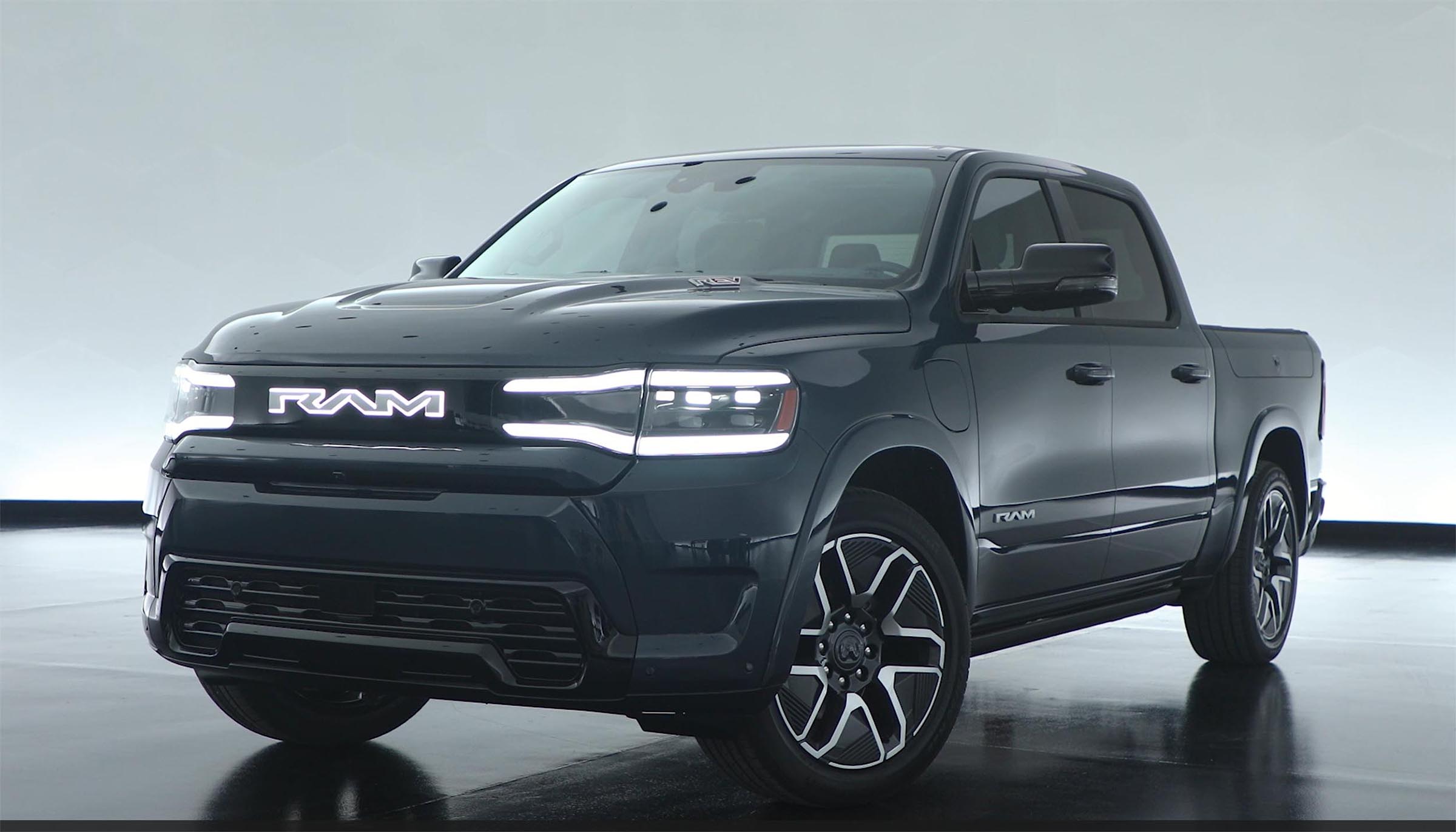
The Ram 1500 REV is the first Stellantis range-extended model.
Earlier this month, a spokeswoman said that “plans to reinvent Jaguar as an electric-only luxury automotive brand are unchanged”. The Times quoted the unnamed representative as adding, “We are looking forward to unveiling the first new electric Jaguar later this year.” But that statement doesn’t mean there won’t be some other options along the path to an all-electric future.
According to The Times, sources “close to Jaguar” indicated the Type 00 models set to launch late this year will initially roll out of the factory in all-electric form. But “a range of other engine options were in the early stages of development,” the paper said it was advised. In other words, a range-extender – or some other option – would still take some time to add as an option.
The REEV system under development would offer range of up to around 1,100 kilometers, or 684 miles, when combining initial charge and a tank of gas. And motorists could keep going, either by plugging back in or by just filling the gas tank.
A number of manufacturers now have confirmed they will launch REEVs, including Ford and Stellantis – the latter scrapping a planned all-electric version of its Ram 1500 pickup in favor of a range-extending alternative. REEVs have “proved extremely popular in China,” reported The Times, sales growing 79% in 2024, to 1.2 million vehicles.


0 Comments