
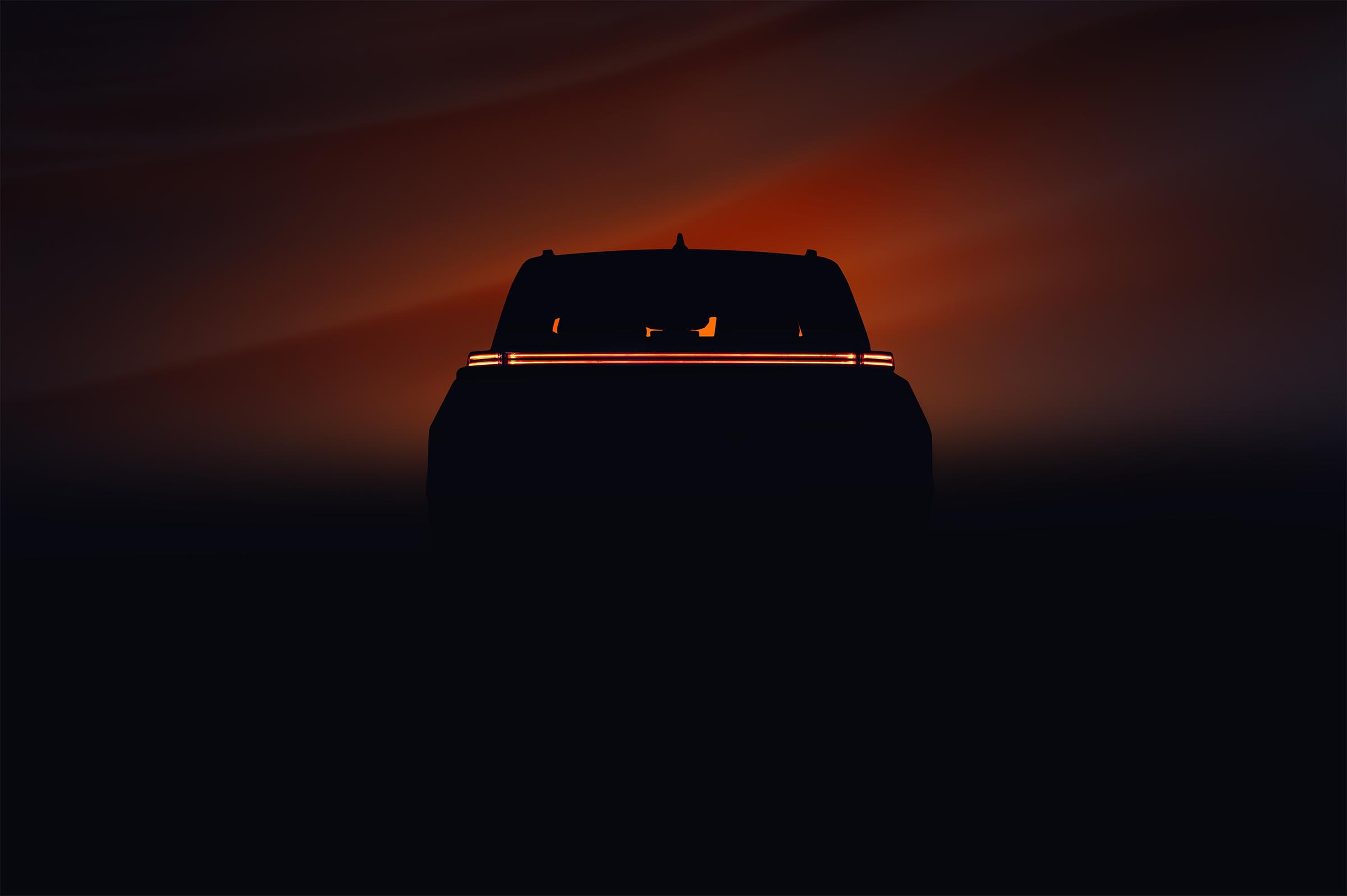
Toyota may play the EV skeptic but it’s got a big year coming up, with three new models already revealed and another battery-electric SUV set to make its formal debut on February 10. Here’s what Headlight.News has learned about that 3-row model.
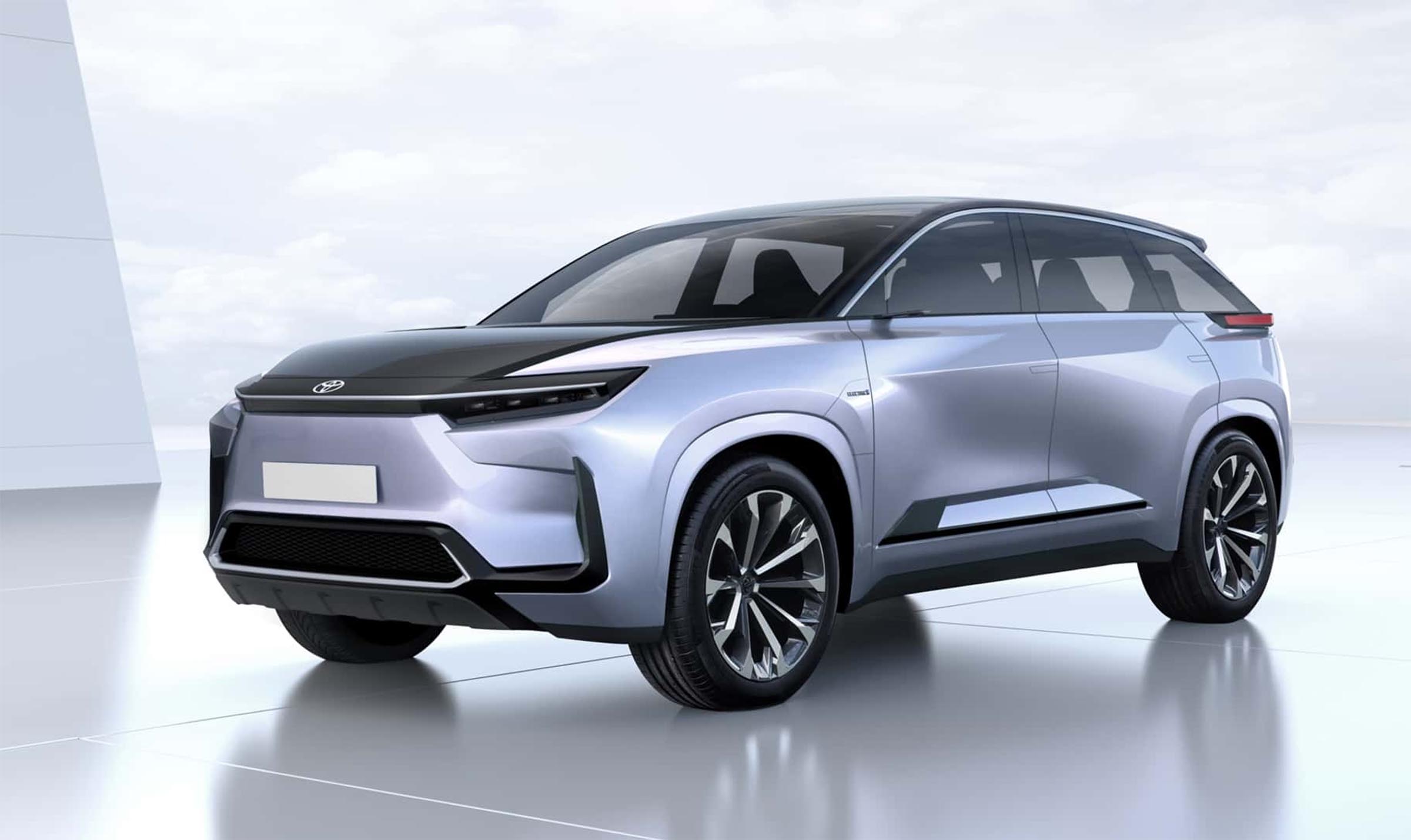
Toyota first signaled plans for a 3-row EV in the form of the bZ Large SUV Concept.
Toyota will triple its EV line-up in 2026. The automaker has already revealed plans for three new models and will reveal a fourth next month during a global media event.
The automaker is offering few details beyond this teaser image and the suggestion that, “Something new is on the horizon,” but sources have given Headlight.News a solid indication of what’s in the works.
Among other things, what is being referred to as a “D-SUV,” a reference to the vehicle’s size class, will be the first Toyota EV to be produced in the United States – and will make use of batteries sourced from a new North Carolina plant opened last November.
What’s New
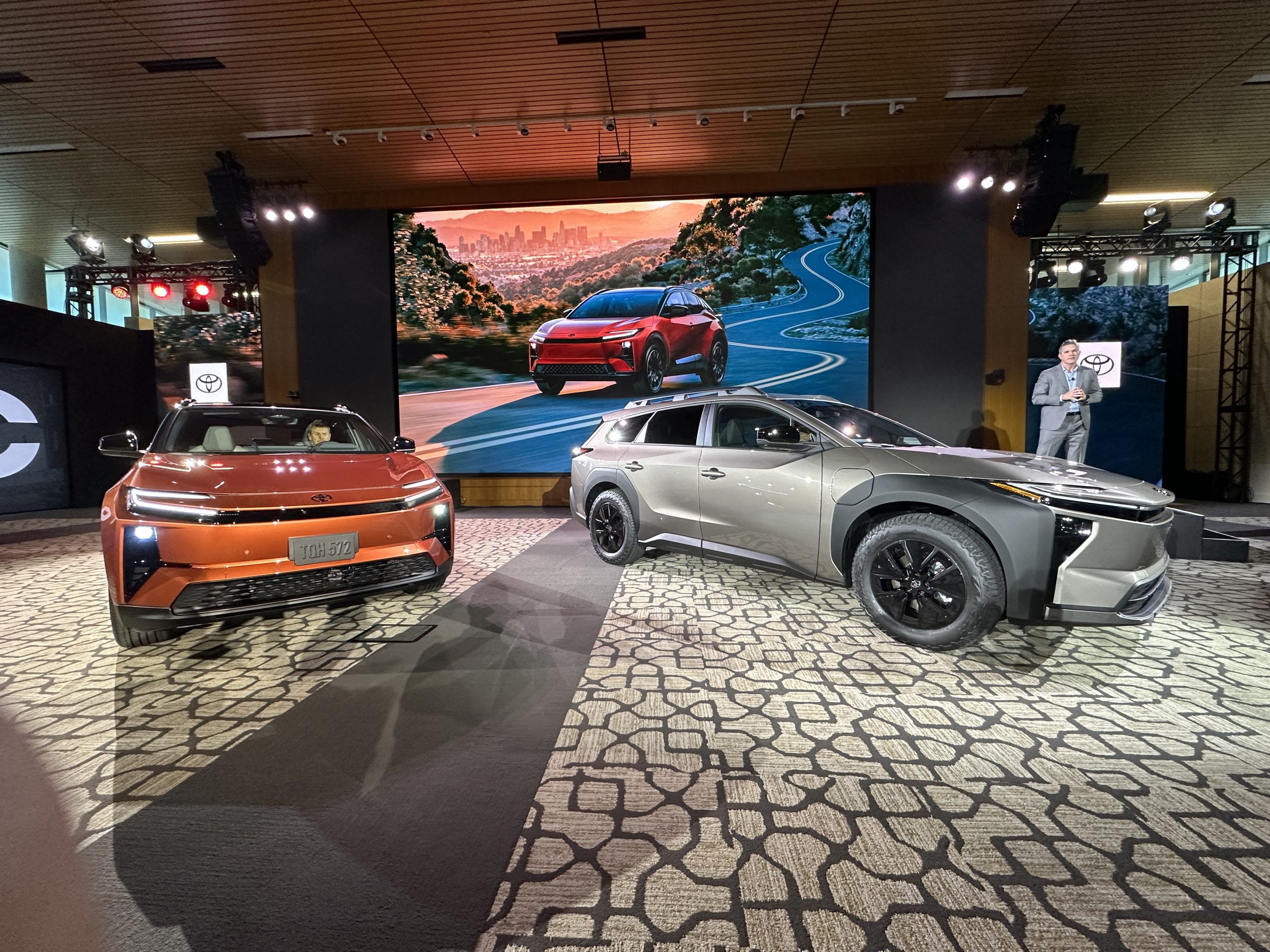
Last May, Toyota showed off two new 2026 EVs, the C-HR, (left), and bZ Woodland.
Toyota has long taken a cautious approach to EVs – a bet that has seemingly paid off at a time when EV demand has slowed down in most key markets, notably including the U.S. It has primarily favored hybrids and plug-in hybrids – with those technologies available on all but two of the models the company currently sells in the U.S.
But while sales of battery-electric vehicles have slowed down sharply since the arrival of the second-term Trump administration, Toyota doesn’t want to get left behind and has already revealed three new models for 2026: the Toyota-branded bZ Woodland and C-HR, along with the redesigned Lexus ES which will be sold with a variety of powertrain options.
Now, it’s set to add a new, three-row electric SUV targeting family buyers, with the debut to take place in Ojai, California on February 10. The D-segment EV is believed to be based on the bZ Large SUV concept of a few years back — and it will be the first Toyota EV to be produced in the U.S., rolling out of the same Georgetown, Kentucky assembly plant currently producing the Camry hybrid, according to Sam Fiorani, lead auto analyst with AutoForecast Solutions.
Another variant in the works
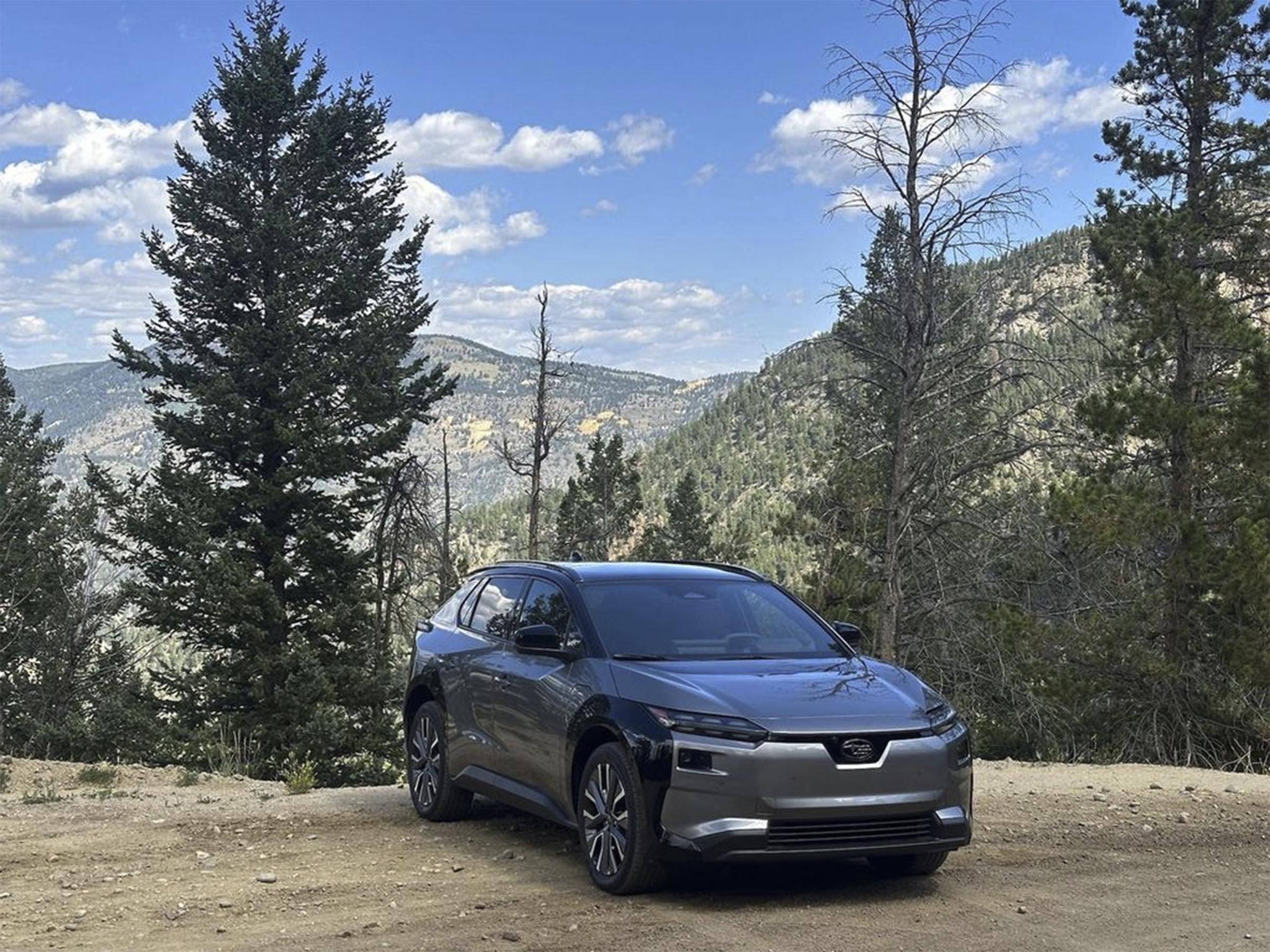
The updated 2026 Subaru Solterra.
According to Fiorani, “A second variant is also set to follow.” He has yet to confirm, however, whether it will be a more upscale version to be sold through the Lexus brand, or if it will be offered through the smaller Japanese automaker Subaru – a strategy that improves economies of scale, especially on vehicles as costly to develop as a new EV.
The two manufacturers already have developed significant ties, first working together on sports cars sold as both the Toyota GR 86 and Subaru BRZ. They teamed up again on their first long-range EVs, the Toyota bZ4X – recently renamed the simpler bZ – and the Subaru Solterra. That partnership is expected to continue.
While details will likely have to wait until Feb. 10 to be revealed, we can expect the new Toyota EV to take direct aim at the handful of 3-row EVs now available in the U.S., notably the Hyundai Ioniq 9 and Kia EV9, both starting in the low $40,000 range.
More Toyota News
Strange bedfellows
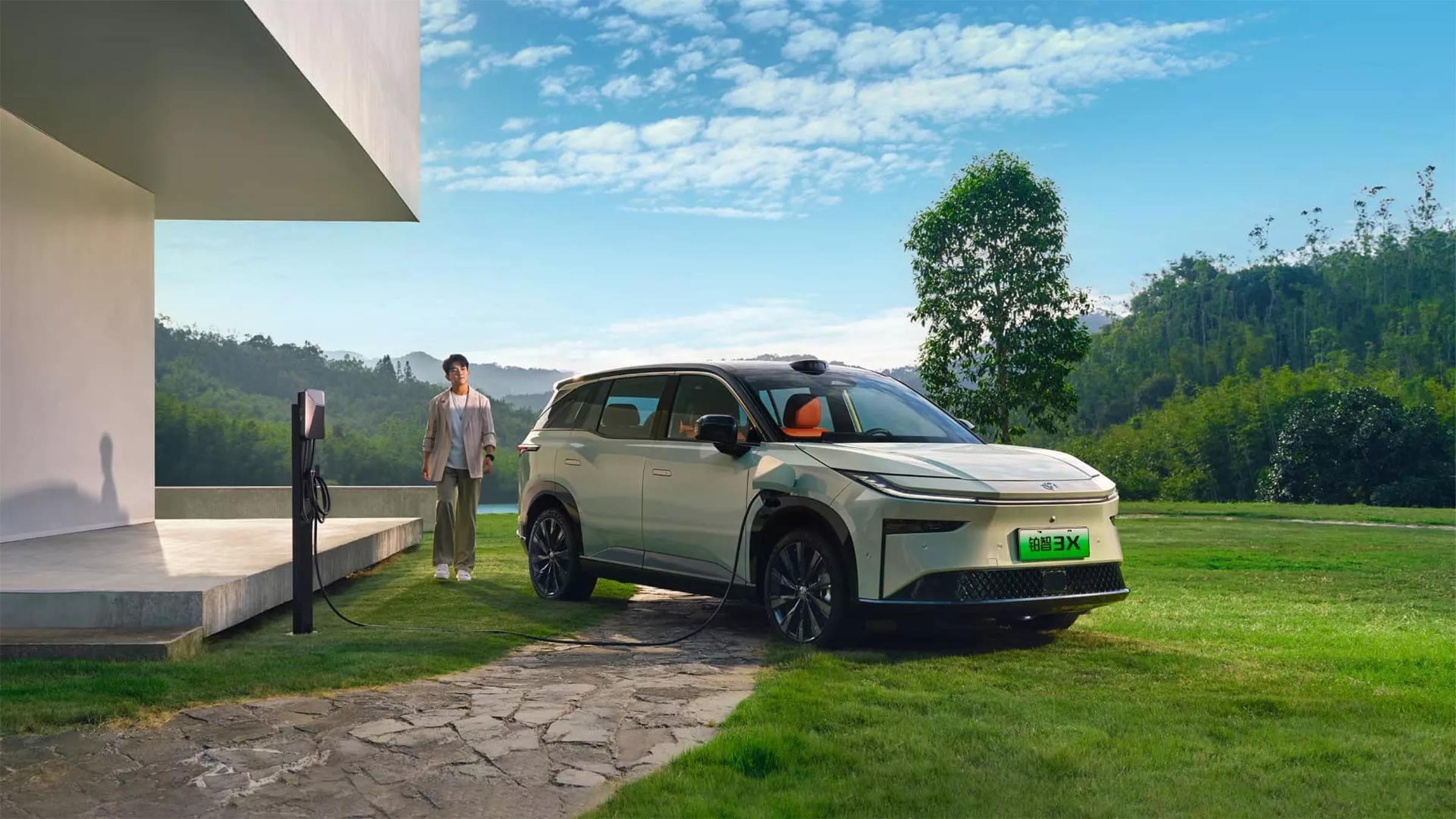
Toyota’s Chinese EV, the bZ3X.
Subaru isn’t the only partner is working with, depending upon the market. In China – the world’s largest EV market, the Japanese automaker has teamed up with domestic manufacturer Guangzhou Automobile Group. That led to the Toyota bZ3X launched last March, as well as the newer and larger bZ7X, both specifically targeting China.
Not all that long ago, Toyota was taking hits from U.S. environmentalists for seemingly lagging behind some key rivals when it comes to EVs. The strategy now seems prescient in light of the steps the Trump administration has taken to reverse Biden-era policies. Among other things, it convinced Congress to phase out federal EV tax credits last September 30. Sales of all-electric models have since gone into a slump.
But Toyota officials have stressed they remain ready to flex with the market and could put more emphasis on EVs should U.S. consumers demand them. A key element in that strategy was the opening of new battery plant in North Carolina last November, a move Toyota Motor North America President Tetsuo Ogawa called “a pivotal moment in our company’s history.”

0 Comments