

In an era when broadcast television seems to be losing its grip, the Super Bowl remains an example of traditional “appointment TV,” something millions of Americans clear their calendars for. And automakers responded by investing millions of dollars to air lavishly produced commercials. That was especially true in the auto industry. Yet, the industry seems to be growing wary and there’ll be only a handful of brands staking a presence during the broadcast of Super Bowl LX, reports Headlight.News.

Chevrolet is one of many brands that have left Super Bowl.
When the newly formed Fiat Chrysler Automobiles wanted to get the message out that the U.S. side of the company was back after its Great Recession bankruptcy, it pulled together an unusual 2-minute Super Bowl ad, dubbed “Imported from Detroit,” featuring rapper Eminem. It’s still considered one of the annual games most legendary spots.
With viewership reaching 128 million last year – the highest in its history – Super Bowl has traditionally been seen as the place to be for any company hoping to reach a mass audience. That presence doesn’t come cheap, commercial time during the Super Bowl this year reportedly running as high as $9 million for just 30 seconds, reported trade publication Ad Age.
Breaking with tradition
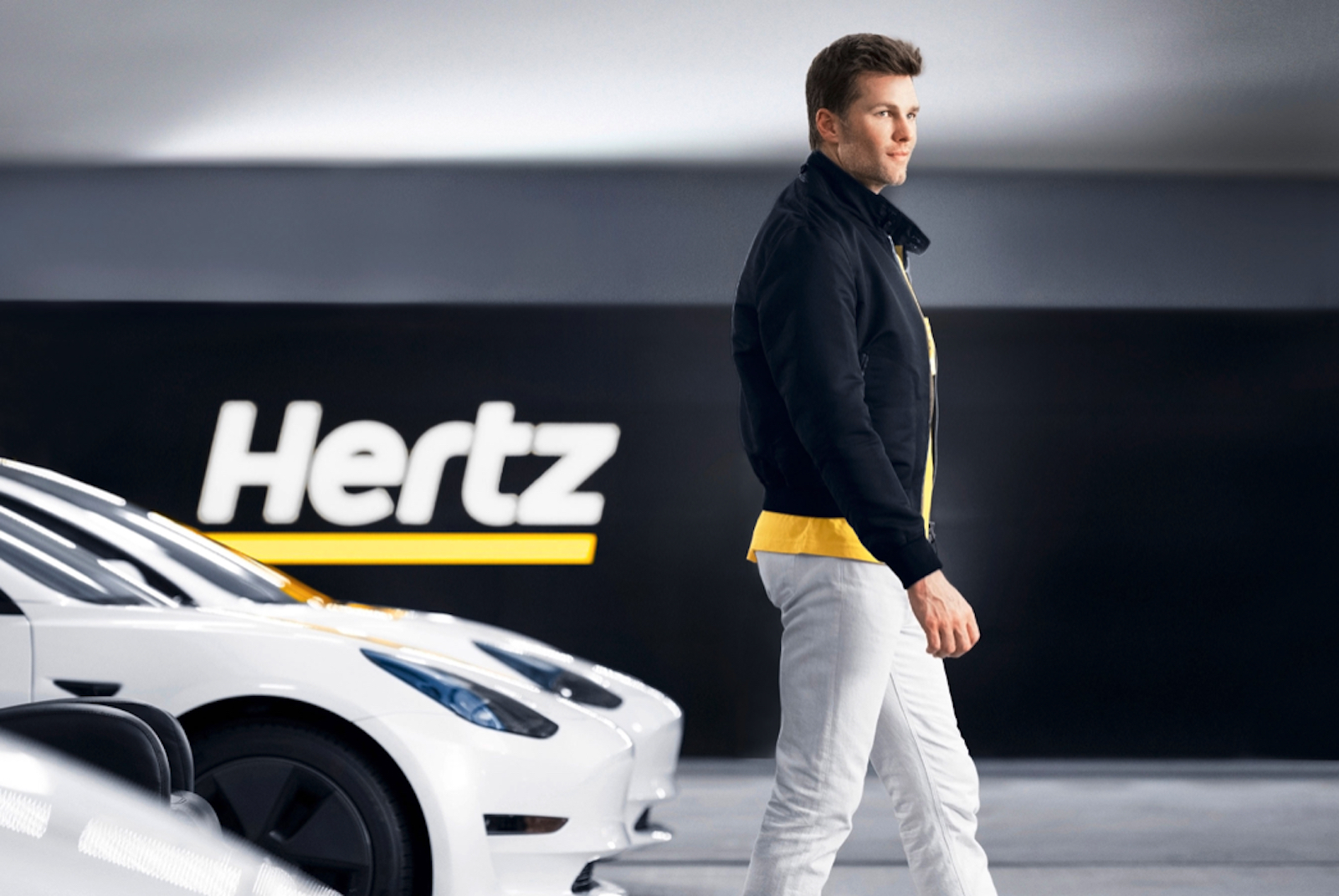
Hertz hired Super Bowl-winning quarterback Tom Brady hype the availability of Tesla EVs. It soon abandoned the tie-up with the EV maker.
Automakers have traditionally been among the most loyal of Super Bowl advertisers, Automotive News noting a record 11 car-based ads ran during the 2018 game. But, by 2025, despite its record viewership, only one manufacturer staked a presence; Stellantis running separate spots for its Jeep and Ram brands.
It was common for many years for automotive journalists to receive previews and extensive background materials on a company’s Super Bowl plans. That, often involved briefings by senior brand executives boasting about the financial investments they were making. And air time was just part of the cost. Comments made by Olivier Francois, then the ad chief at newly formed Fiat Chrysler, suggested the company spent even more to produce the “Imported” ad than it did for airtime.
With broadcast and production costs now at record levels it’s not a surprise that fewer and fewer automakers are planning to suit up for the game. As of now, Stellantis is sitting out Super Bowl LX, as is another regular, Kia. And other past participants such as BMW, Ford, Honda, Hyundai and Mercedes-Benz, are sidelined, as well.
Who’ll be there this year
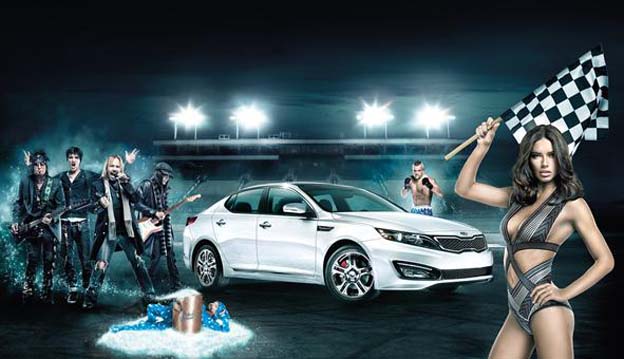
Kia is another frequent Super Bowl advertiser who’ll sit on the sidelines this year.
So far, only General Motors’ Cadillac brand and Toyota are suiting up – the Japanese automaker last seen in 2024 and Cadillac returning for the first time since 2021.
“The Big Game is still a strong brand awareness builder, but there are much more efficient ways to drive purchase consideration and conversion, which is where automakers are focused,” Jessica Caldwell, assistant vice president of insights at Edmunds, told Automotive News. “Mass reach used to be scarce. But today, streaming, social and programmatic video let brands hit millions of shoppers in a more targeted, timely way.”
More Auto News
- GM Promises to Do Better After Reporting Weak Q4 Earnings
- Toyota Set to Debut New Electric 3-Row SUV
- Jaguar May Not Go All-Electric
An on-screen battle
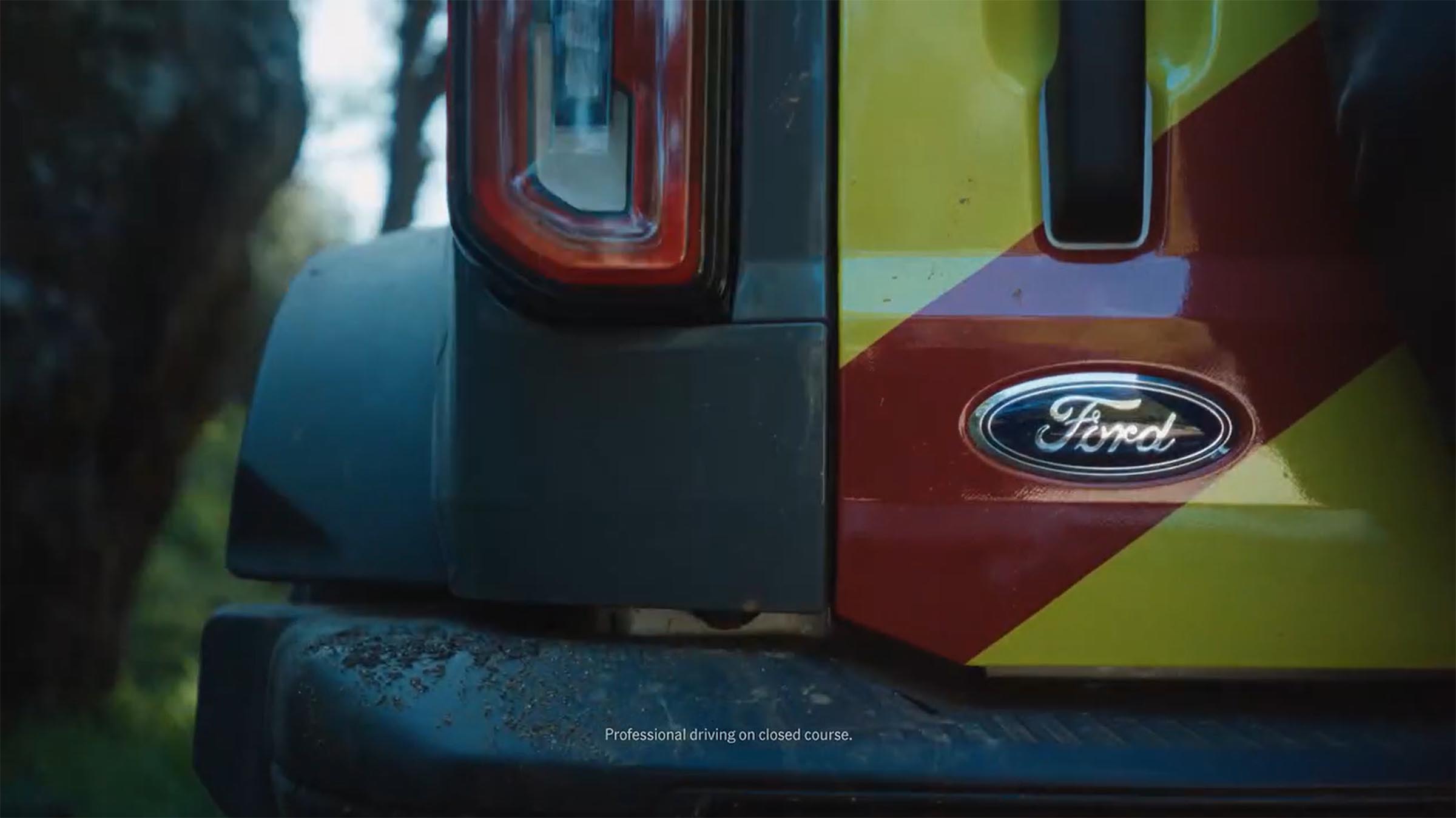
Ford’s “Help is on the way” ad ran during the NFC Playoffs but it won’t be in the Super Bowl.
It’s not that the auto industry is giving up on football. Several of the Super Bowl dropouts, including Hyundai, have staked out a presence during the playoff season. But costs are substantially lower, even if those games don’t attract quite the presence. Another potential advantage, one auto exec told Headlight.News, is that there’s less competition for consumer attention.
“Super Bowl has become as much a battle between advertisers as between the two teams on the field,” the source said on background. (For those who might have forgotten, Super Bowl LX pits the Seattle Seahawks against the New England Patriots.)
Ranking Super Bowl ads has become as important as following the score on the field for many viewers, he added, but those who do well can’t always translate that into increased business.
Plenty of alternatives
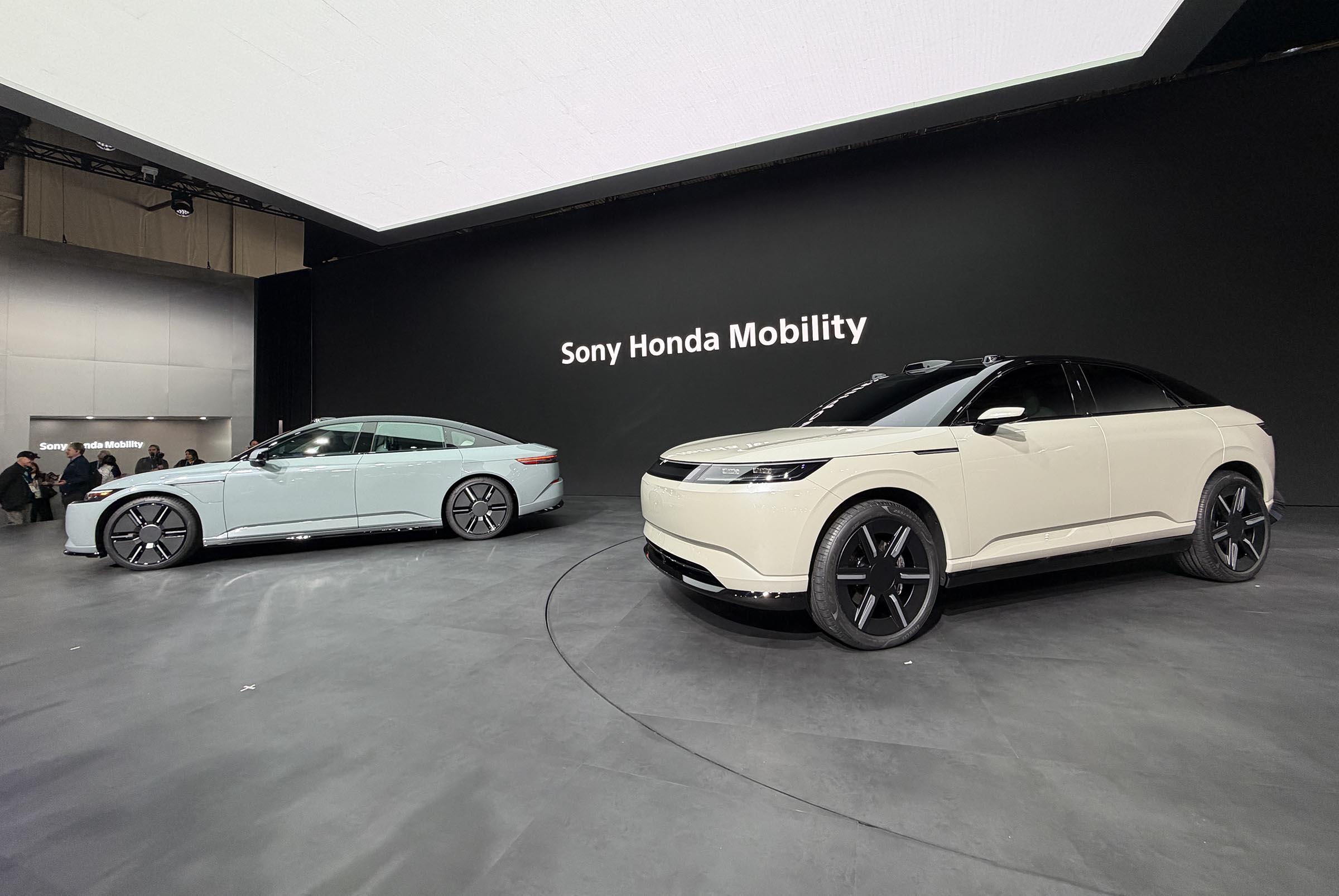
Automakers, like the new Afeela brand launched by Sony and Honda, are often turning to alternative marketing opportunities, like the Consumer Electronics Show.
Moving away from Super Bowl is just one of the many changes those who track automotive advertising and marketing budgets have been seeing. Among other things, carmakers have backed down on traditional broadcast and print spending, focusing more resources on online and, in particular, streaming content. That includes paying so-called “influencers” to promote their wares.
They’ve also largely abandoned traditional auto shows. This month’s Detroit Auto Show had barely half as many brands setting up displays this year as it did early in the new millennium. And where the event – previously known as the North American International Auto Show – once hosted as many as 70 product introductions during a 3-day media preview, there were none during the single-day preview this month.
There are plenty of other places to spend money promoting automobiles. Along with online advertising, some manufacturers have begun staging single-brand roadshows. Some have turned to alternative events, such as this month’s Consumer Electronics Show in Las Vegas. The Winter Olympics will be filled with car ads. And Stellantis is planning to overwhelm viewers of America250, the Congressionally-backed group assigned to celebrate the semiquincentennial of the United States, said Francois, now the global CMO of Stellantis.
The bottom line is that automakers are trying to not only pare back marketing budgets, where possible, but turn to alternative venues and outlets that, they hope, will give them more of the proverbial bang for the buck.


0 Comments