
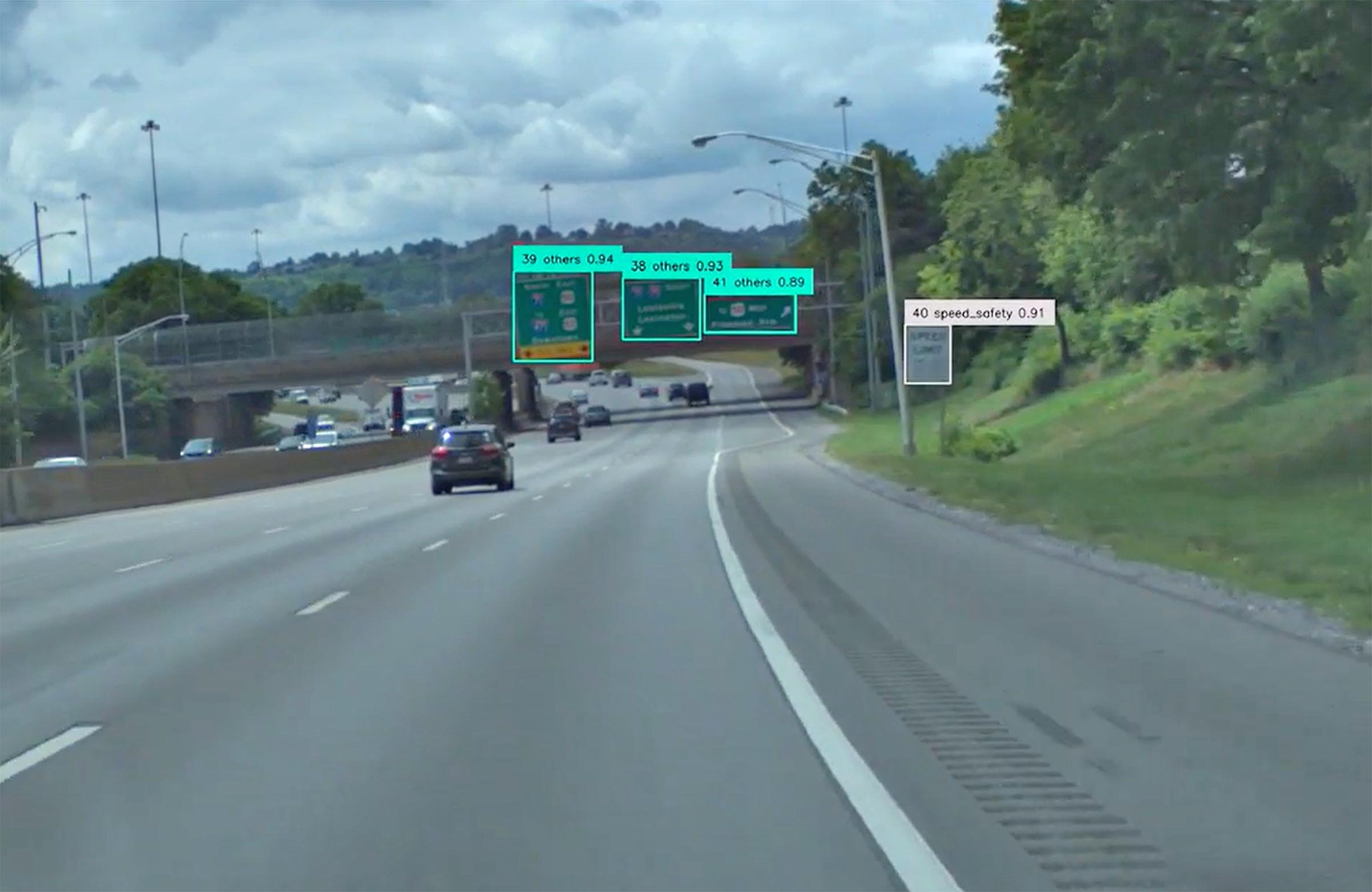
A pilot program partnering Honda and DriveOhio aims to catch small problems on the state’s roads and repair them before they get big using crowdsourced information. Headlight.News has more on the prototype Honda Proactive Roadway Maintenance System.
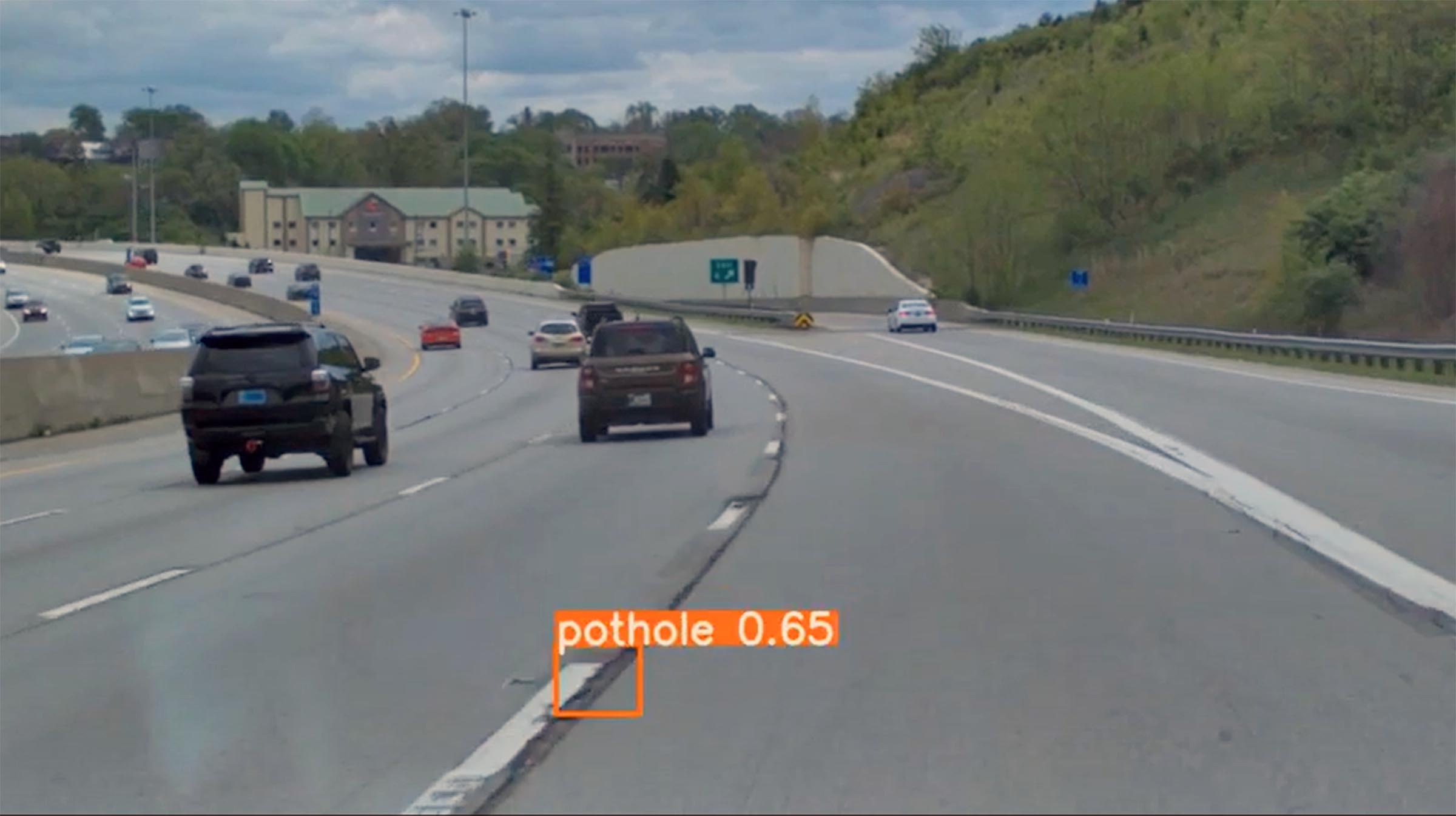
The Honda Proactive Highway Repair Program is designed to use cameras already found in most of today’s vehicles to spot problems – such as potholes – to signal when and where repairs are needed.
If you use Waze or other navigation tools with real-time traffic guidance you can give thanks to crowdsourced information gathered by motorists who’ve already traveled that route.
Now, Honda and DriveOhio, the Ohio Department of Transportation’s smart mobility hub, are putting that concept to use to see if can help keep the state’s roadways in better repair.
“The prototype Honda Proactive Roadway Maintenance System uses real‑time vehicle-generated data to automatically detect and report road deficiencies such as potholes, faded lane markings, and damaged roadside assets,” the automaker explained in a news release, “giving agencies a faster and more proactive way to maintain safer roads.”
Detecting problems automatically
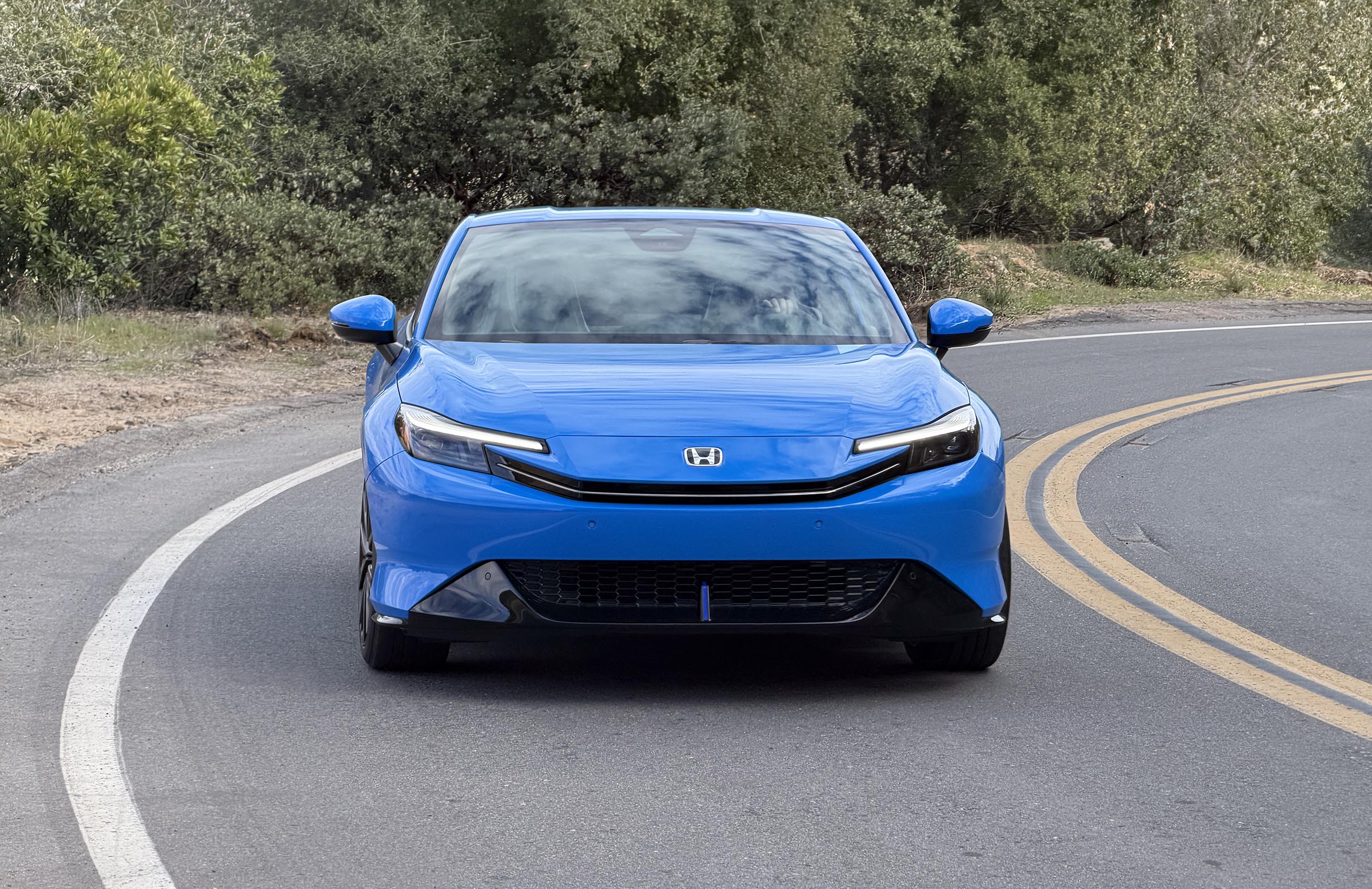
Backup cameras are now required by federal law – but most vehicles, like this 2026 Honda Prelude – also use cameras to look ahead.
Every motorist has, at one point or another, run into a pothole, struggled to figure out where the lane markings are or noticed inaccurate signage. Those are some of the problems that the Proactive Roadway Maintenance System is intended to address.
The goal is to spot problems as they develop – say, before potholes become big enough that vehicles wind up blowing tires and damaging rims – and fix them fast.
The pilot program relied on automated sensing, using specially developed software scanning Ohio roadways using cameras already built into today’s Honda vehicles – where they’re normally used for such safety features as forward collision warning. The software was designed to automatically recognize roadway anomalies, like potholes or faded markings and send a signal back through the cloud to the project’s headquarters.
Speeding up road repairs
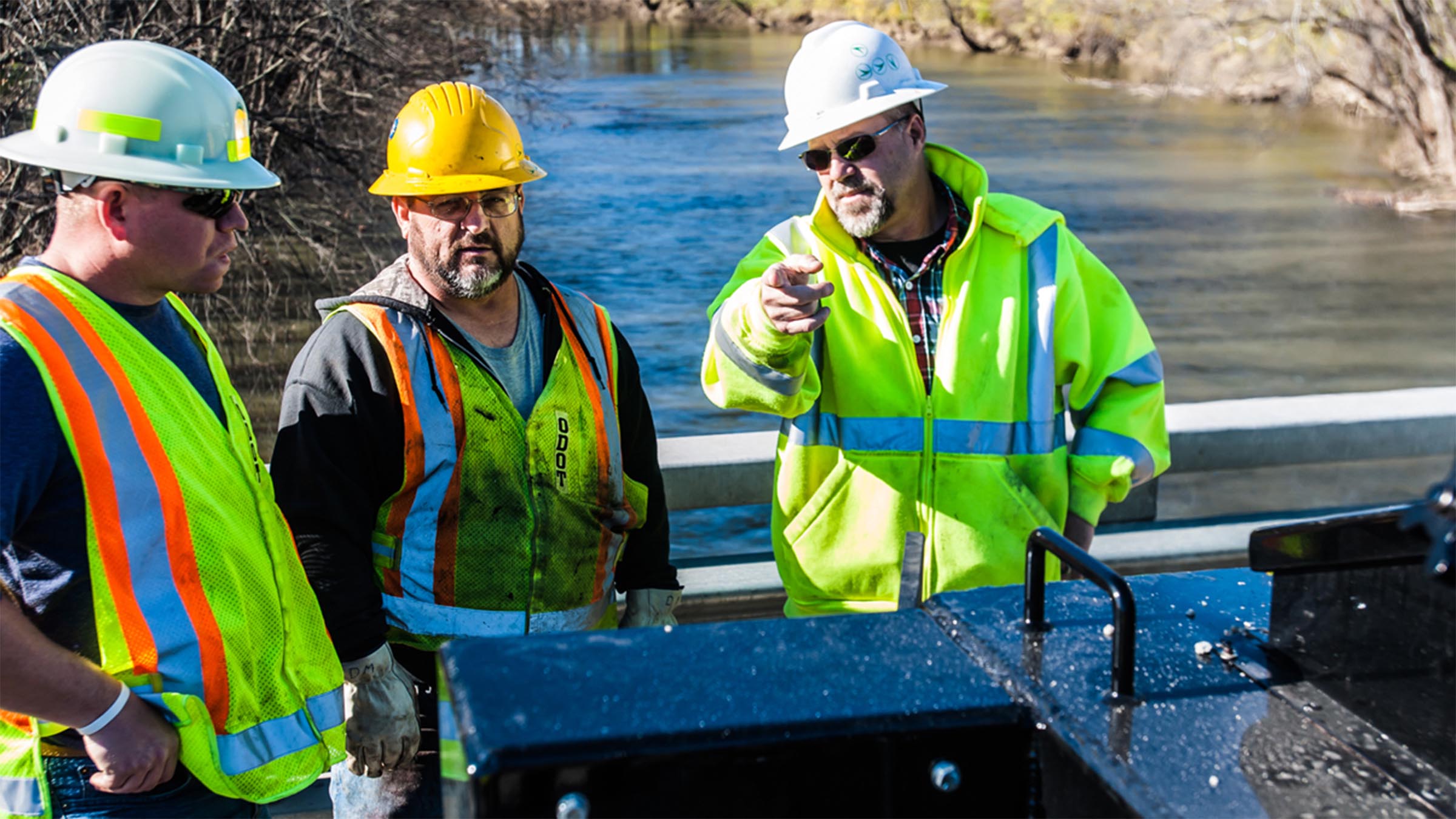
The concept could save millions of dollars annually, the partners estimate, by making it easier to spot repairs and repair them more quickly.
Conducted in partnership with technology partners i-Probe Inc., Parsons, and the University of Cincinnati, the Proactive Roadway Maintenance System was then designed to alert the Ohio Department of Transportation, or ODOT.
“The pilot showed that automated detection could save ODOT more than $4.5 million annually through less manual inspection time, optimized maintenance schedules, and prevention of costly deferred repairs through proactive inspection.
The partners didn’t provide a timeline by which they might implement the pilot on a wider scale – but they did indicate they’re looking at ways to make the project more effective.
More Auto News
- Tesla’s Very Bad Earnings Numbers
- Are Automakers Done with the Super Bowl
- GM Promises to Do Better After Reporting Weak Q4 Earnings
Human interaction
 One way to do that might be to take a tip from the popular Waze app which relies on motorist input to spot traffic problems, such as a crash, and plot out alternative routes.
“Looking ahead, Honda is exploring how crowd-sourced road condition data could empower drivers to play an active role in keeping their communities’ roads safer,” the automaker explained.
Such an approach is already being tested out in Delaware, Kansas, Missouri and the District of Columbia, according to the Federal Highway Administration, all of them teaming up with Waze. These tests require direct action by motorists assigned to report potholes much like they would another travel issue.
The D.C. Department of Transportation “launched a “Potholepalooza” campaign, using social media in 2015,” the FHA notes on its wensite. “Approximately 11,000 potholes were reported through 311 calls and conventional city employees’ reports in 3 months. Additionally, 10,000 potholes were reported by 650,000 Waze users in 1 month. The geographic distribution of reports helped the agency prioritize repairs.”
A similar program jointly run by transportation departments in Kansas and Missouri found citizen reports proving 98% accurate. That information is now used to prioritize pothole repairs.
The Honda-Ohio test aims to see if automating the process could prove even more accurate – while uncovering issues that human motorists might miss.



0 Comments