
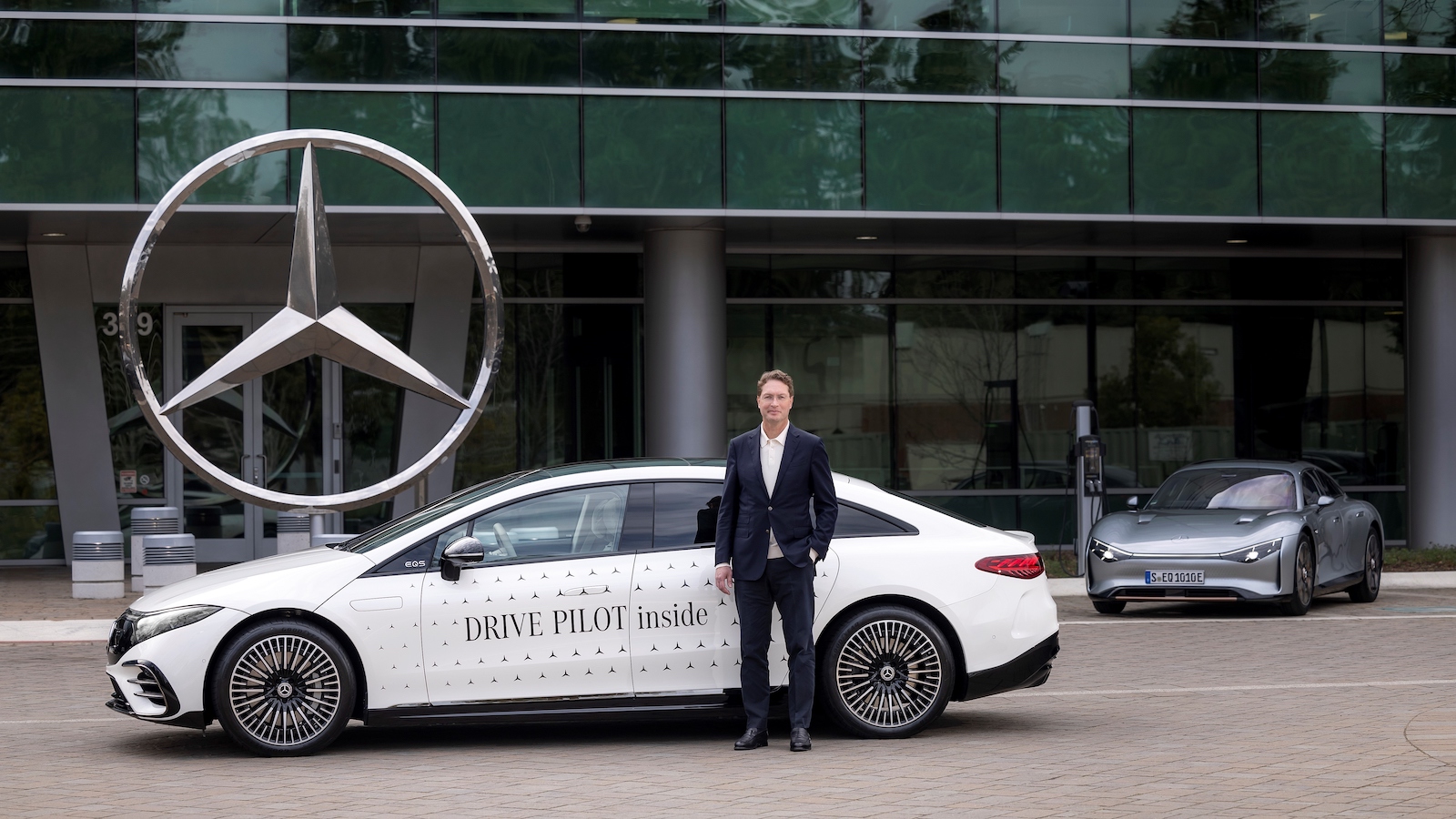
Mercedes-Benz CEO Ola Kallenius rejected pressure from Howard Lutnick, the U.S. Treasury Secretary, to move his company’s headquarters to the United States. But it will increase U.S. production. Headlight.News has more.

Mercedes HQ in Stuttgart.
Since taking office last January, the Trump administration has demanded that foreign auto manufacturers move production to the United States. Howard Lutnick, now the U.S. Treasury Secretary, tried to push things even further with Mercedes-Benz.
According to the German automaker’s CEO Ola Kallenius, Lutnick pressed Mercedes to move into headquarters to the U.S., as well. The executive rejected that bid outright, though Mercedes did agree to increase production at its two American assembly plants.
“These roots cannot – and should not – be pulled out of the ground,” Kallenius told the German publication The Pioneer. “The (Mercedes tri-)star has been a global company for more than 100 years.”
Mercedes could not be “uprooted”
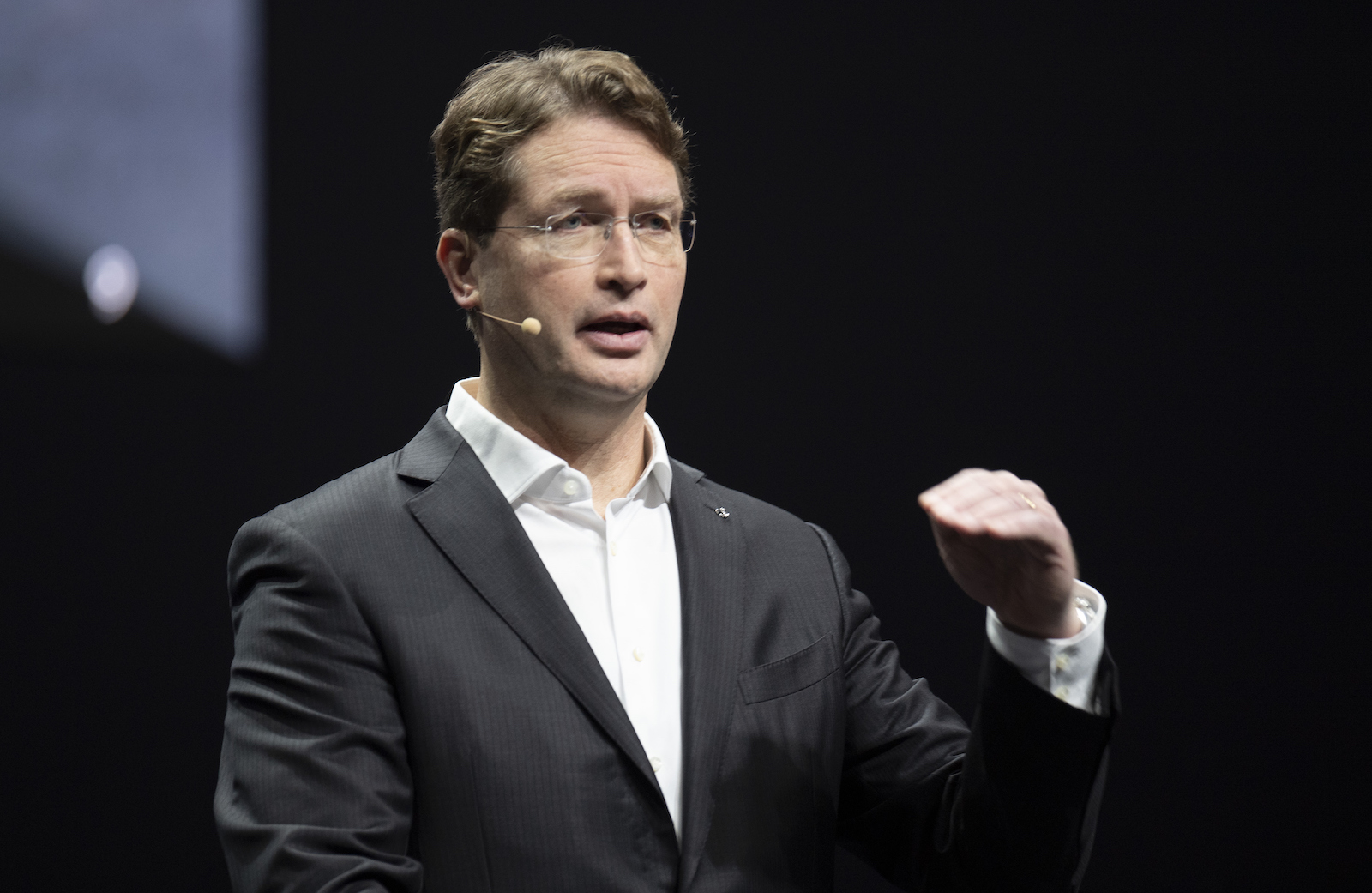
Mercedes cannot be “uprooted” from Germany, said CEO Ola Källenius.
Indeed, the “Benz” in the company’s name references Karl Benz, the man widely credited with building the first true automobile, the Patent Wagen, in 1885. The company that is today Mercedes-Benz was formed when he and another German auto pioneer, Gottlieb Daimler merged in 1926. It has been based in Stuttgart, the biggest city in the state of Swabia, ever since.
With that long history, said Kallenius, Mercedes “cannot be uprooted.”
That said, the automaker has long since expanded between Swabian and German borders. It has set up manufacturing operations in 22 countries worldwide, including China and the United States.
More U.S. production in the works
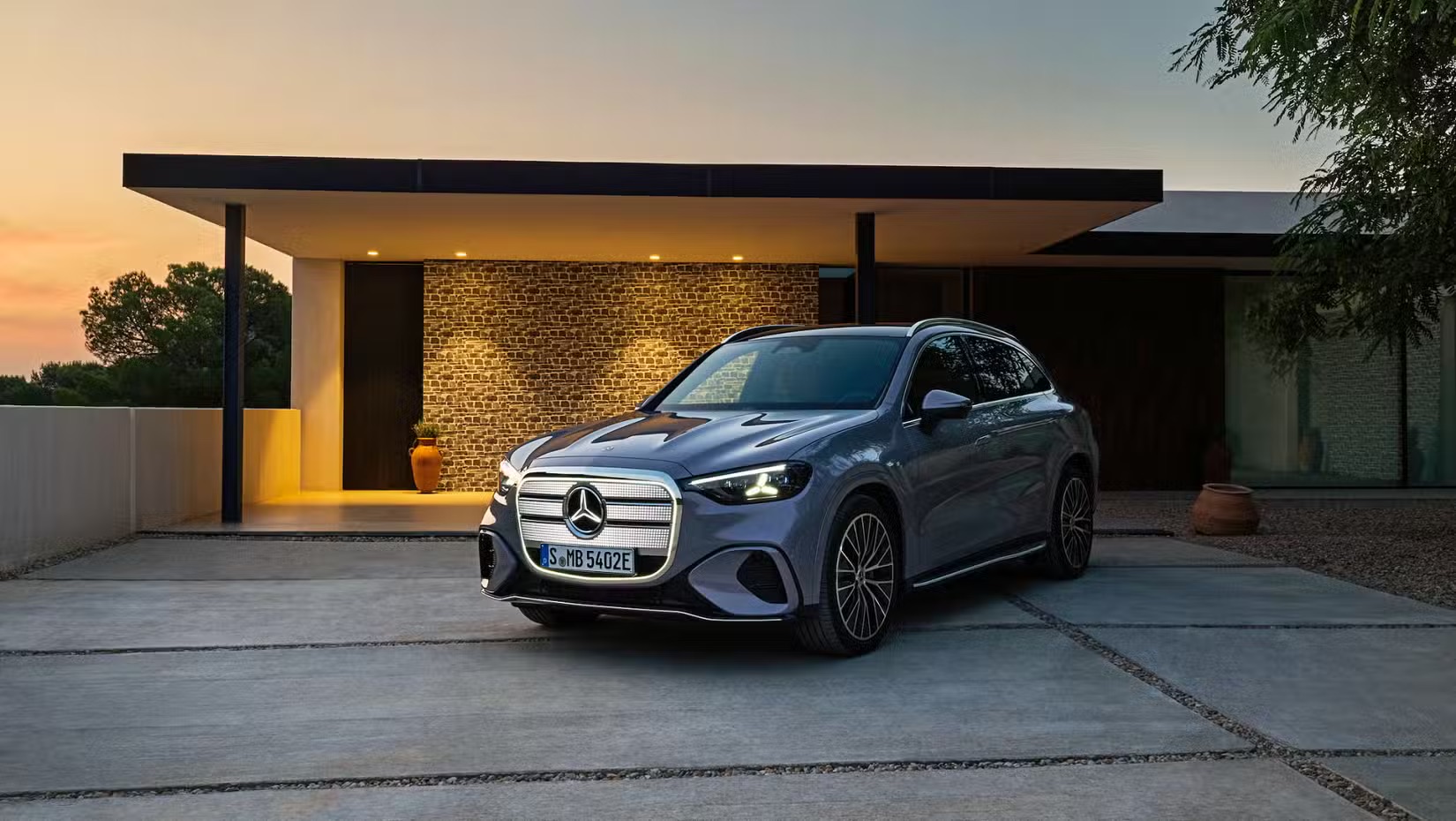
The EV version of the 2026 Mercedes-Benz GLC.
Its assembly plant near Tuscaloosa, Alabama currently produces several SUV models, including the GLE, GLE Coupe, GLS and two electric EQ models. A second factory near Charleston, South Carolina produces various versions of the Sprinter van.
The automaker last year said it would shift production of another SUV from Germany to the U.S. It hasn’t released details but it’s widely believed to be the GLC model and will begin rolling out of Tuscaloosa in 2027.
According to Kallenius, the proposal made by the U.S. Treasury chief reflected “the fierce global competition for capital that industrial centers in Europe are facing.”
More Auto News
- Are Automakers Done With the Super Bowl?
- GM Promises to Do Better After Reporting Weak Q4 Earnings
- Toyota Set to Debut New Electric 3-Row SUV
Auto industry caught up in Trump trade war
Automakers around the world have been struggling to cope with the impact of the Trump trade war and the president’s tariffs, in particular. Those duties run as high as 102.5% on Chinese-made EVs, but are generally 15% or higher with autos and auto parts shipped to the U.S. from other trade partners. The tariffs were a major factor in the weak fourth-quarter performance by General Motors, impacting not just foreign-made vehicles but those built in the U.S. using imported parts and components.
Mercedes is just one of many automakers that are either studying ways to increase U.S. production or who have already confirmed such plans. Korean giant Hyundai Motor Group last year committed to a $26 billion, though that figure includes a steel mill and a robotics plant, as well as increased auto production.


0 Comments