
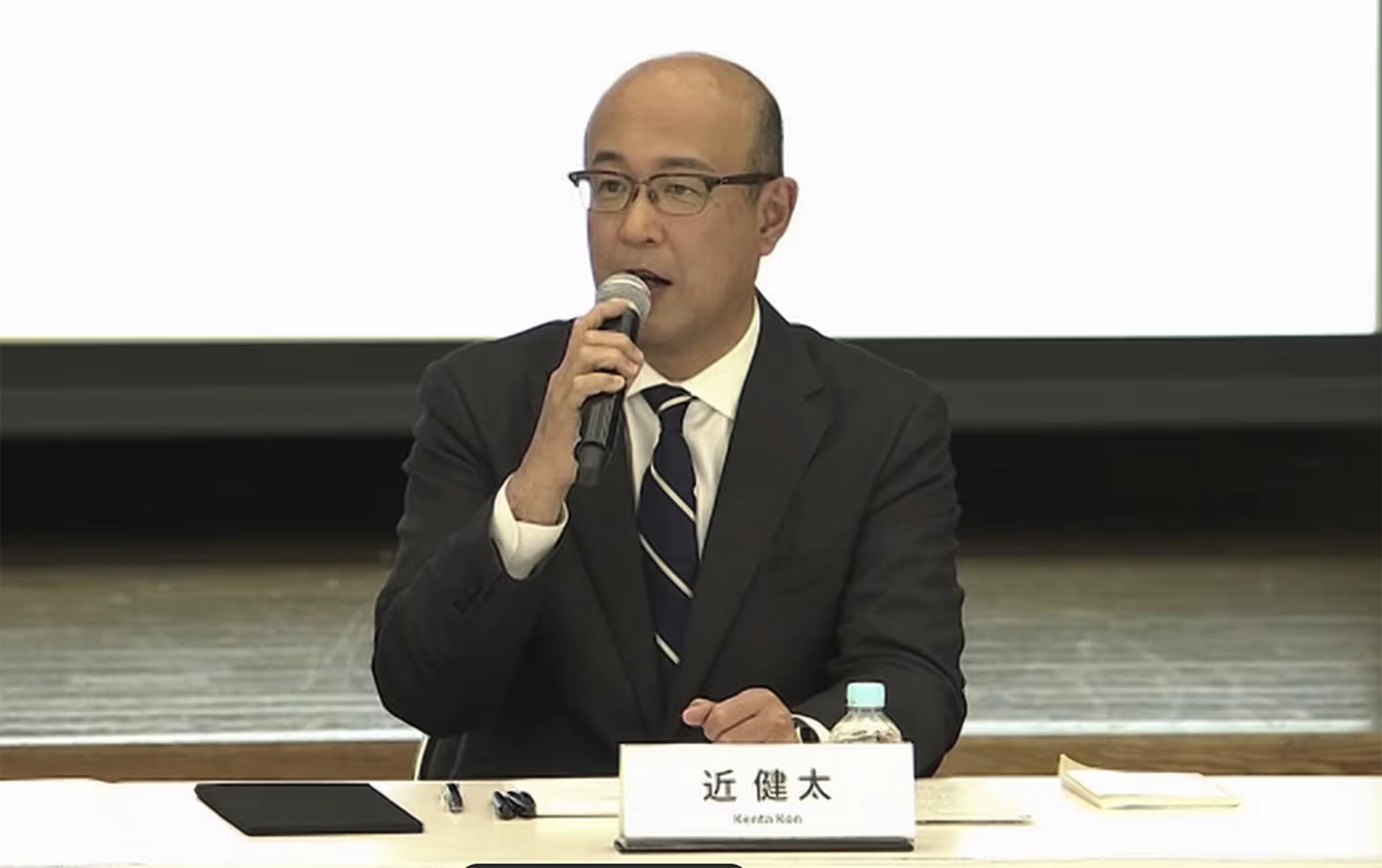
Toyota has a new CEO set to take charge on April 1 and, unlike the man he’ll succeed, Kenta Kon is a finance guy determined to deliver some big numbers for the world’s largest automaker. He intends to build up Toyota’s war chest – and one way he’ll do that is with a planned 30% increase in hybrid sales by 2028. More from Headlight.News.
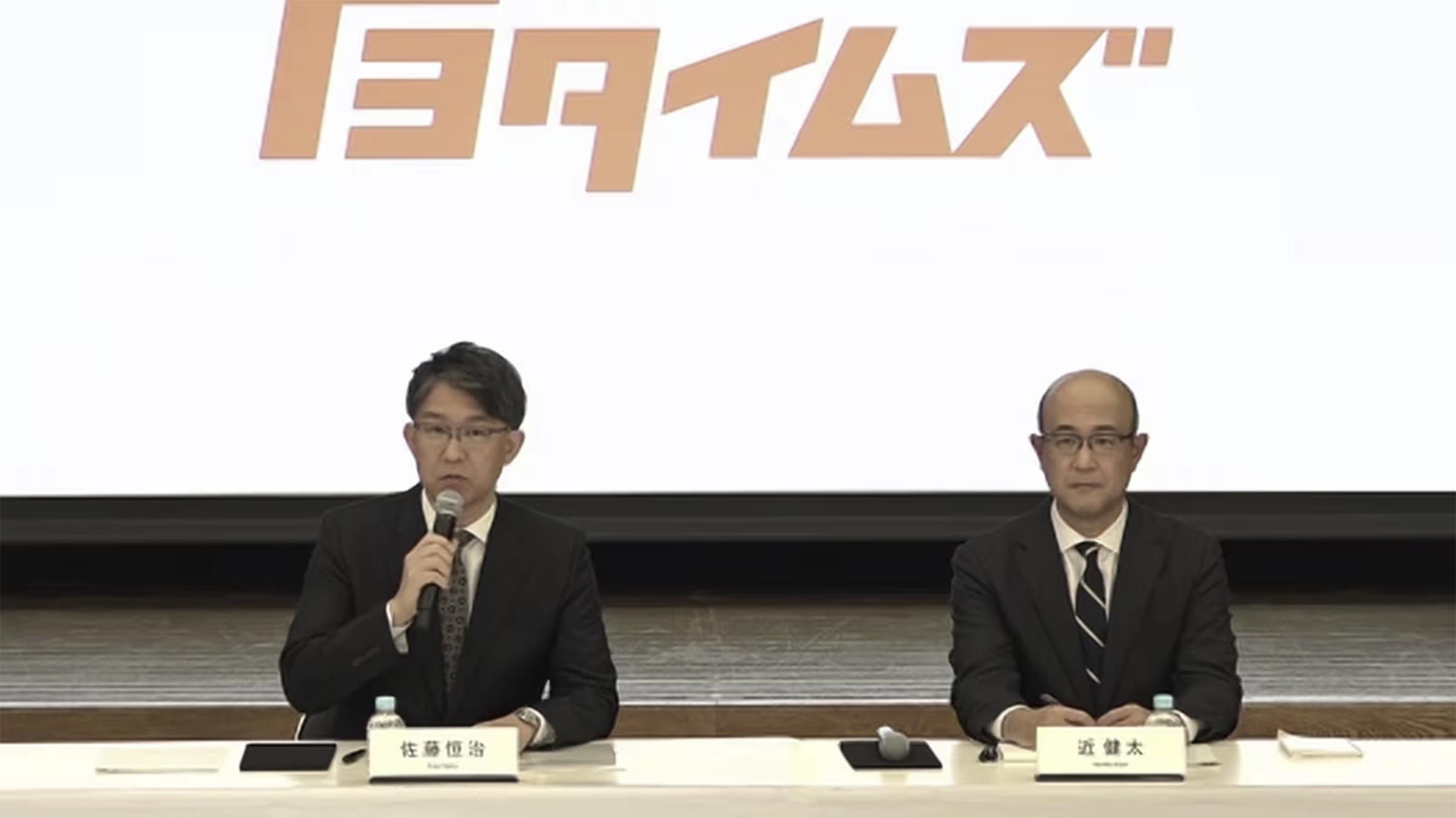
New Toyota CEO Kenta Kon and current CEO Koji Sato.
Kenta Kon “loves money,” the Toyota veteran said during a news conference on Friday in Tokyo where the veteran finance executive was named the automaker’s new CEO.
The 57-year-old Kon will officially take on that new role on April 1, the start of Toyota’s new fiscal year, succeeding current chief executive Koji Sato.
At a time when the auto industry faces a storm of headwinds and plenty of uncertainty, Kon is determined to keep Toyota’ momentum going, determined to build up the sort of financial war chest that can keep its product offensive going. Among other things, that means an even more aggressive push into the hybrid market. By 2028, Toyota hopes to increase by nearly 40% the number of gas-electric vehicles it sells worldwide.
The United States, meanwhile, will play a central role in that growth strategy.
Toyota’s Goldfinger?
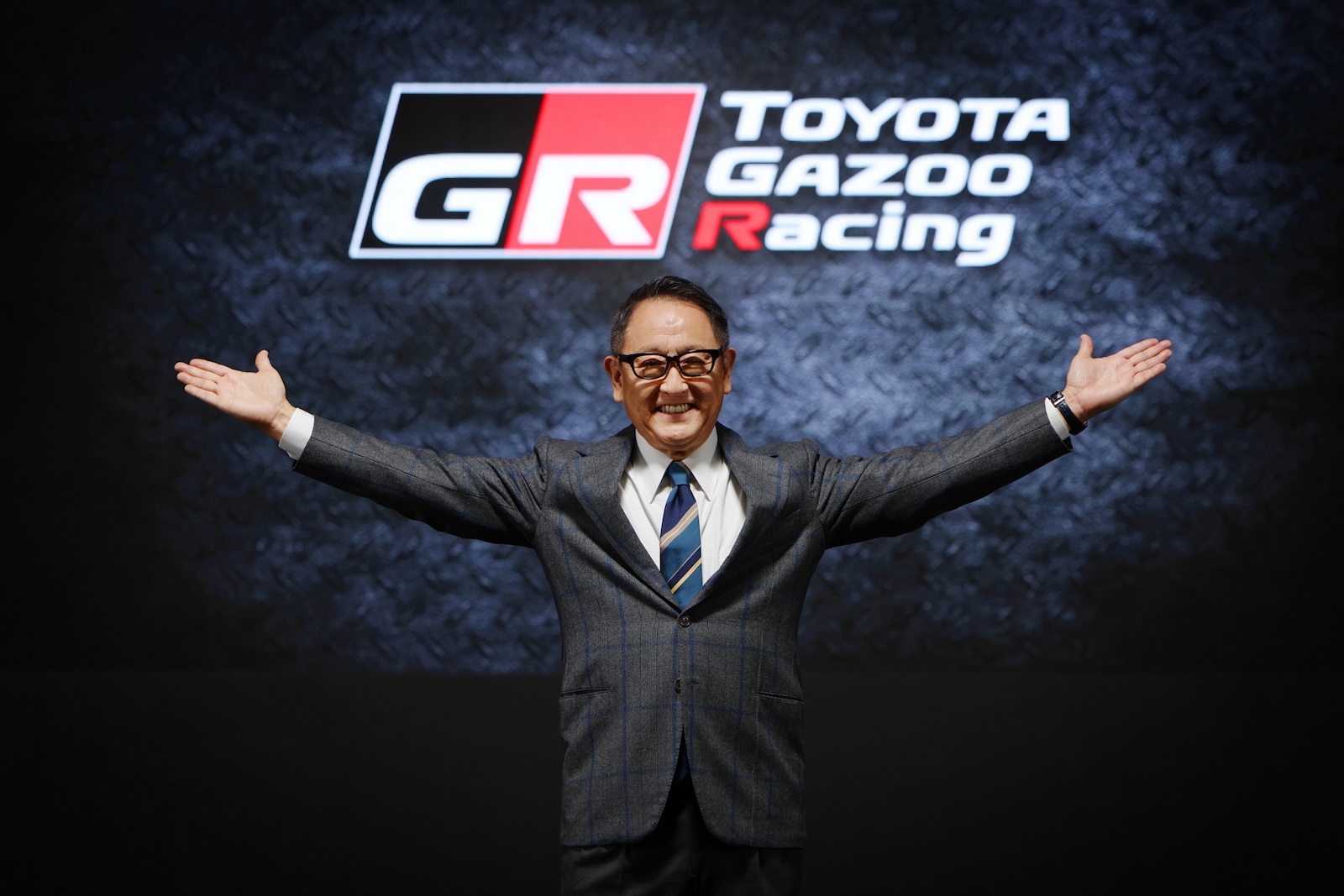
Incoming CEO Kon has been a trusted confidant to Toyota Chairman Akio Toyoda.
“I’m a guy that loves numbers. I’m a guy that loves money,” Kon said during Friday’s media briefing. “I always think about money and creating a financial foundation, so we can make good cars.”
A long-time confidant of Chairman – and former CEO – Akio Toyoda, Kon has been a key player in Toyota’s financial success story. He gets credit, according to Automotive News, for helping “develop Toyota’s new trajectirt of profit generation from selling services and add-ons to its massive pool of 150 million vehicles on the road. This approach has relieved reliance on the sale of new vehicles and has created a massive feedback loop” through parts, accessories, used vehicles, connected services and finance.
Kon’s appointment does mark something of a strategic shift. Both Toyoda and Sato were deeply rooted in Toyota’s product culture. He’s most recently been serving as CFO of Woven, the Toyota software spin-off. He contends that experience will pay off by giving experience in “an agile development culture,” something he feels “Toyota should be focused on.”
Building a better car
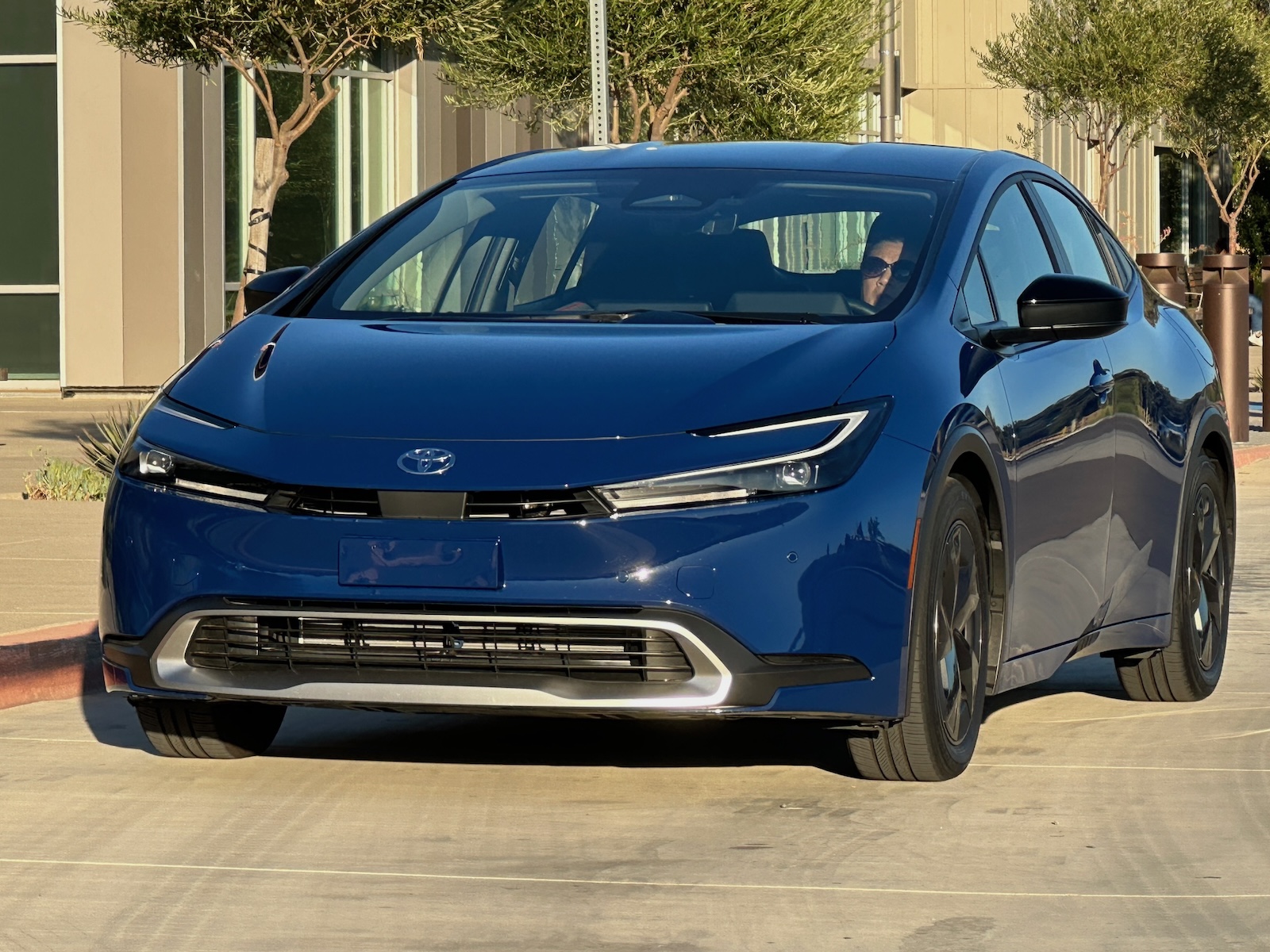
The latest-generation Toyota Prius.
But don’t expect Kon to completely shift Toyota’s direction. His experience will be critical at a time when automakers must invest more than ever in such things as electrification, software defined-vehicles and robotaxis. Despite outselling rivals Volkswagen and Hyundai Motor Group last year, Toyota is seen by many as lagging in some key areas, cautioned Koji Endo, senior auto analyst at SBI Securities Co. “Lots of money will be required if Toyota is going to catch up,” he told Automotive News.
One of the key projects Kon will inherit is Toyota’s plan to radically grow hybrid sales. The automaker introduced the world’s first gas-electric model, the first-generation Prius, more than a quarter century ago and remain the segment’s leader, with a 58% global share – including both conventional and plug-in hybrids.
It intends to expand that lead, with plans to sell 5 million hybrids worldwide this year. It then expects to grow that to nearly 6.8 million by 2028, according to a new report by Nikkei Asia. To put things into perspective, the automaker aims to grow total sales just 10% during that period, meaning hybrids would account for a significantly larger overall share.
More Toyota News
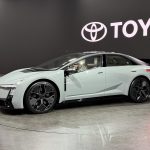
- Toyota Drops 2nd Teaser for New 3-Row EV
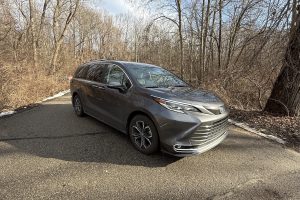
- A Week With Toyota Sienna Platinum AWD
- First Drive: 2026 Toyota bZ
Counting on the U.S. market

An earlier teaser shows the front of the new EV Toyota will debut on February 10.
In his new role, Ken will also inherit a major commitment to the U.S. market which Chairman Toyoda announced last year following a meeting with Pres. Donald Trump. All told, the company will invest 1.5 trillion yen – roughly $10 billion at current exchange rates – in its American operations by 2030.
Toyota plans to expand its U.S. manufacturing base, already the largest among all the foreign-owned automakers. Much of that will go into boosting production of hybrid powertrains and other components at five of those plants. It also is preparing to launch its first American-made battery-electric vehicle.
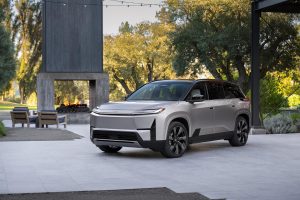
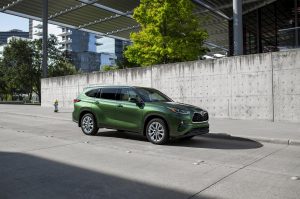
Due to debut on February 10, it is believed to be a version of the 3-row Grand Highlander SUV, it will be assembled at the same Georgetown, Kentucky factory now producing the Camry. It will use batteries provided by a new Toyota plant in North Carolina.

0 Comments