
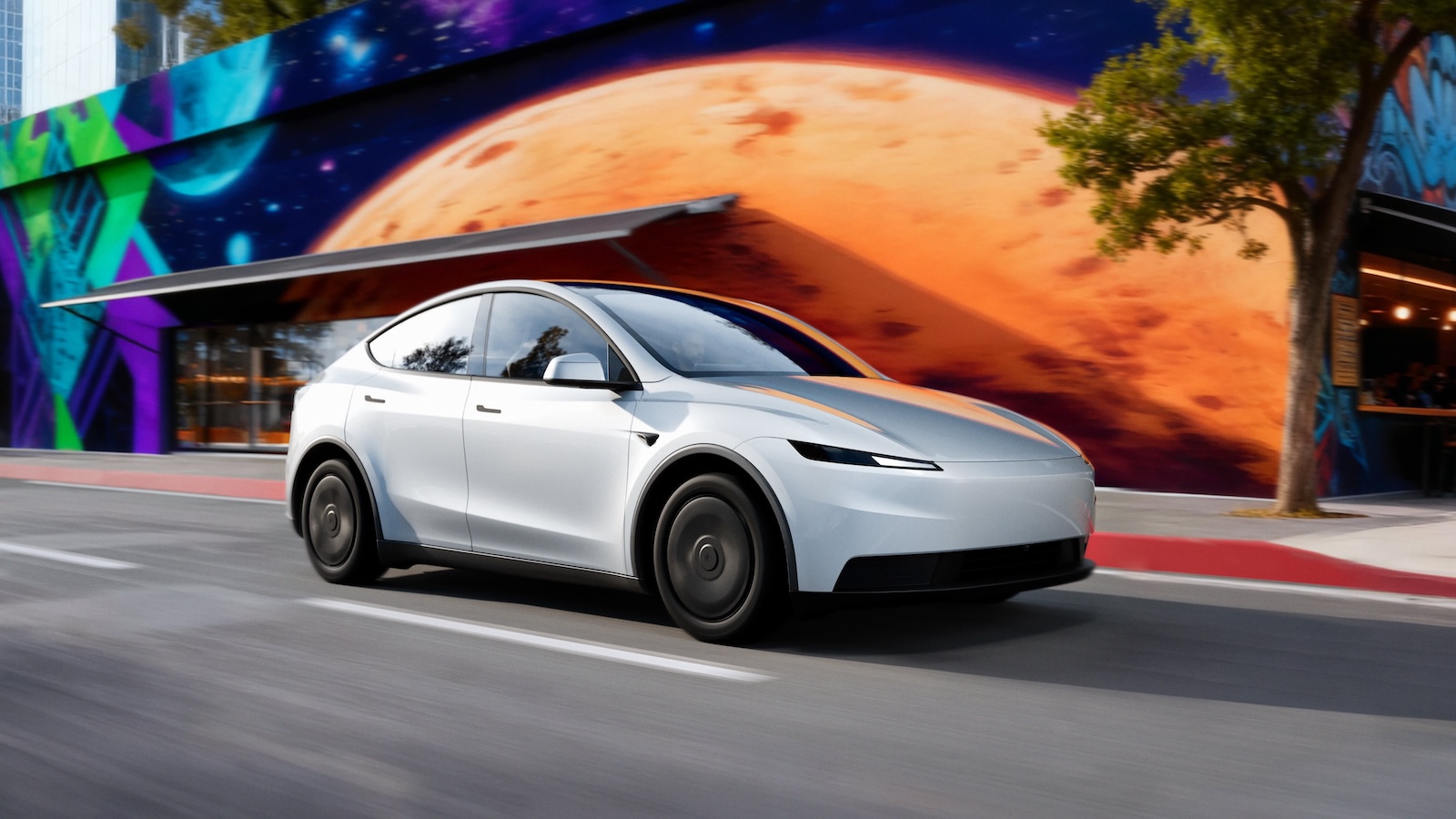
Driven largely by the phase-out of federal tax credits, U.S. sales of battery-electric vehicles slid last year, with registrations down for the first time in a decade. Most experts anticipate a rebound, though how much and how fast that recovery will happen is uncertain. Headlight.News has more.

Mary Barra, GM Chair and Chief Executive Officer, said the company took a major write-off for 2025 as it reshaped its EV program to reflect slower demand.
The U.S. EV market contracted for the first time in a decade in 2025, registrations falling 0.4% compared to the year before.
The decline reflects a variety of reasons, including the phase-out of federal EV tax credits last September, industry analysts noted. Meanwhile, a sharp slump in demand for products from Tesla, the segment’s dominant brand, overwhelmed growth by some smaller players, including Cadillac and EV start-up Lucid.
A rebound is widely expected, though how soon that will happen is far from certain as 2026 numbers will likely reflect not only the phase-out of federal incentives but the “pull-ahead” of sales that occurred in the months ahead of the tax credit phase-out, said Stephanie Brinley principal auto analyst with S&P Global Mobility.
From boom to bust?
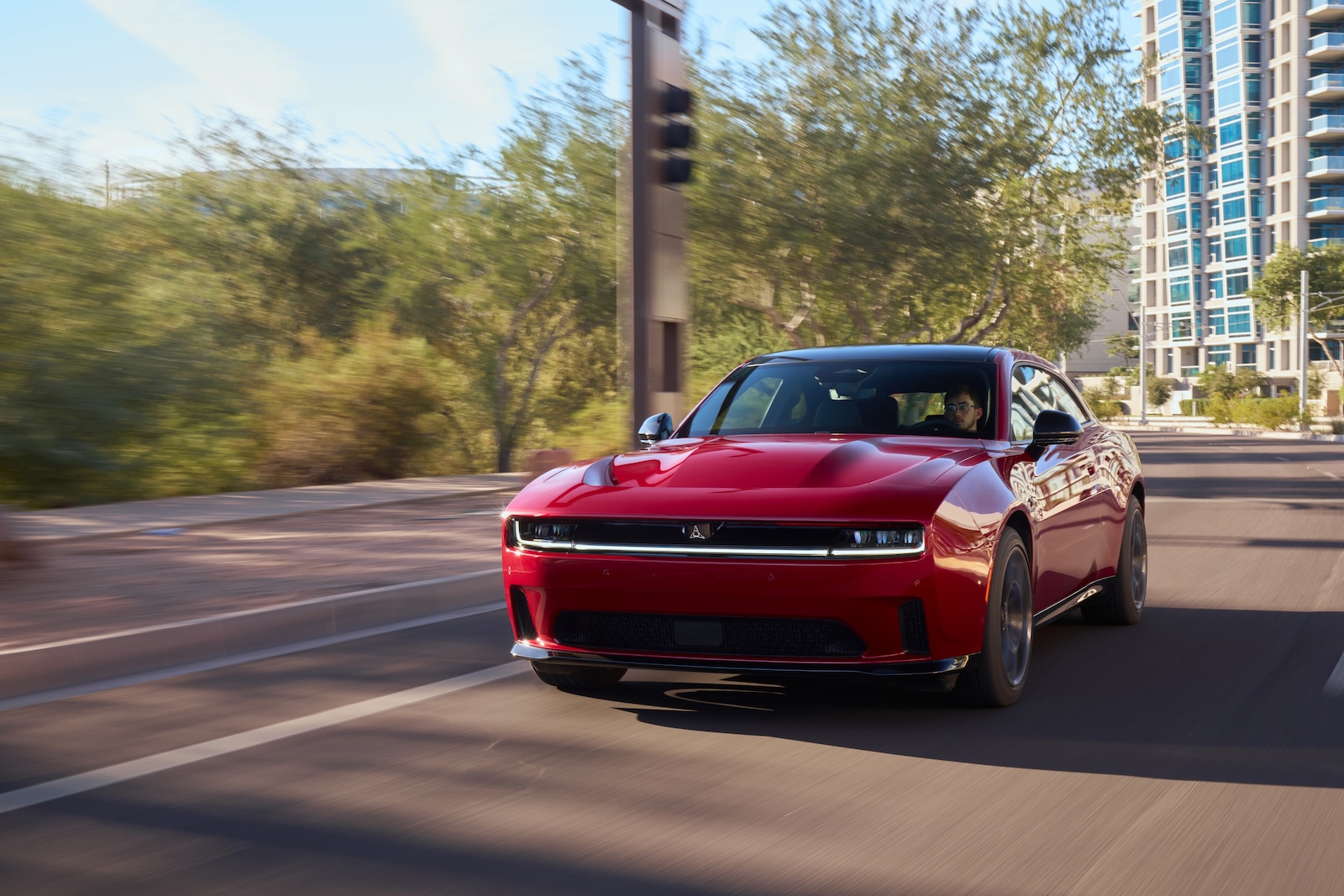
After lackluster sales, Dodge cut the R/T model from the 2026 Charger Daytona lineup.
Americans purchased 1.3 battery-electric vehicles in 2025, representing a 7.8% share of the overall U.S. new vehicle market, according to newly released registration data from S&P. That was down from 8% in 2024 – and that figure represented a roughly eightfold increase from the beginning of the decade. By comparison, registrations of all vehicles rose 2.2% in 2025, to 16.25 million, the highest total since the COVID pandemic struck in 2020.
EV manufacturers entered 2025 optimistic they would see more growth, albeit slower than in prior years. Even with federal tax credits they were feeling the impact of high pricing – the typical battery-electric vehicle running about $5,000 more than comparable gas models, according to industry data. There was also widespread concern among potential buyers about the public charging infrastructure, studies found.
Then Donald Trump came into back office, the returning president taking a number of steps aimed at short-circuiting the pro-EV steps taken by his predecessor Joe Biden. Some were symbolic, Trump ordering chargers removed from federal property. Some are in legal limbo, the administration facing lawsuits meant to undo a block on funding for public chargers. The big hit was the Congressionally approved phase-out of those tax credits as of September 30, 2025.
Unplugged
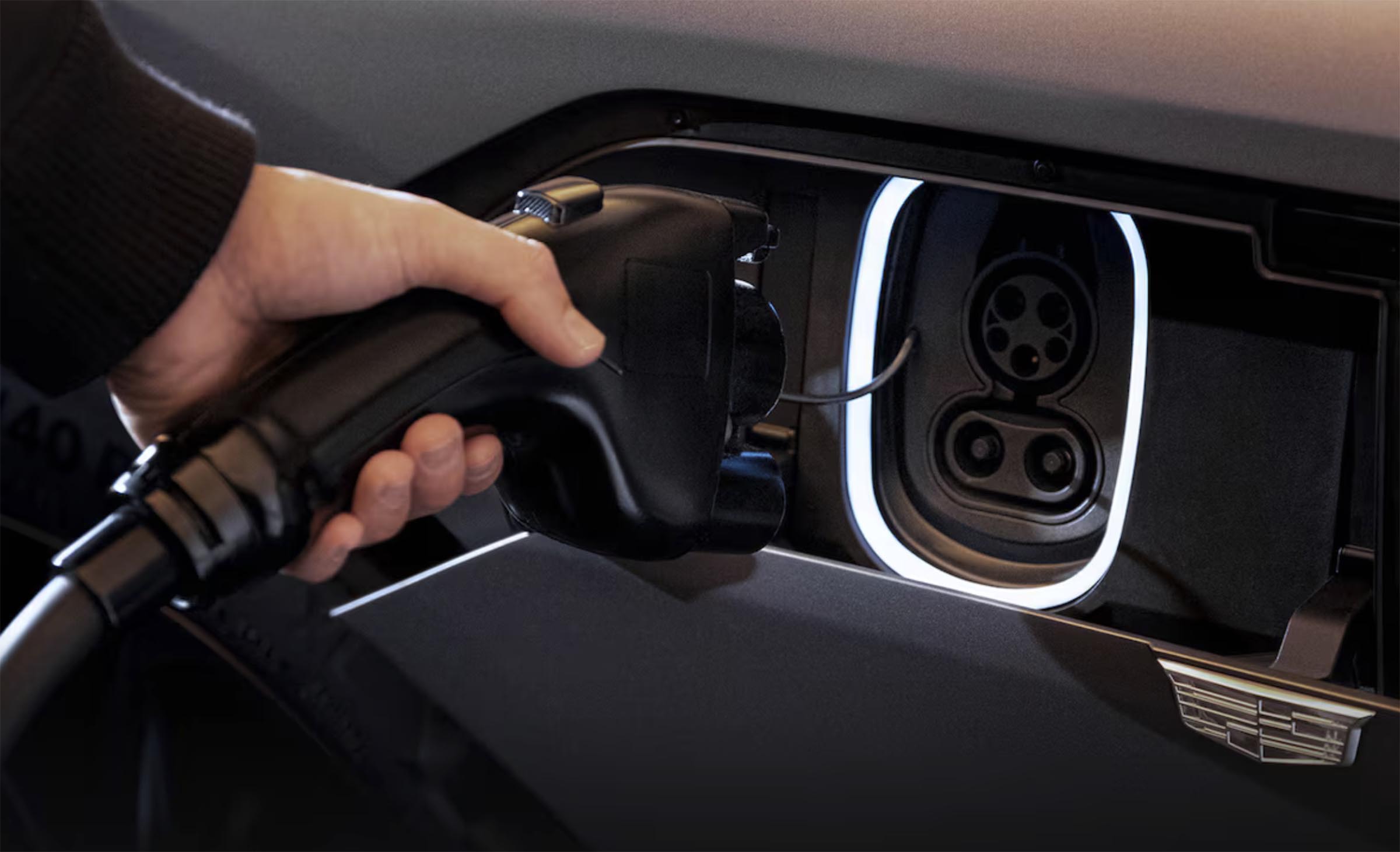 EV sales actually grew during the first half of 2025, reflected in a 4.6% increase in registrations. (S&P and other researchers often rely on registration data because some brands, notably Tesla, don’t break out sales by individual markets.) Demand then surged once Congress approved the tax credit phase-out in July, hitting a record in September as buyers raced to beat the deadline.
That “pull-ahead” has added to the woes of EV manufacturers since then, year-over-year registrations off by double-digits in October and likely continuing well into 2026, analysts like Brinley anticipate.
“We do expect that EVs will find a non-incentivized natural demand. But that will take until the middle of the year,” she said, stressing that this might translate into a “rebound,” but simply the point at which sales start to level out again.
Tesla drags down the market
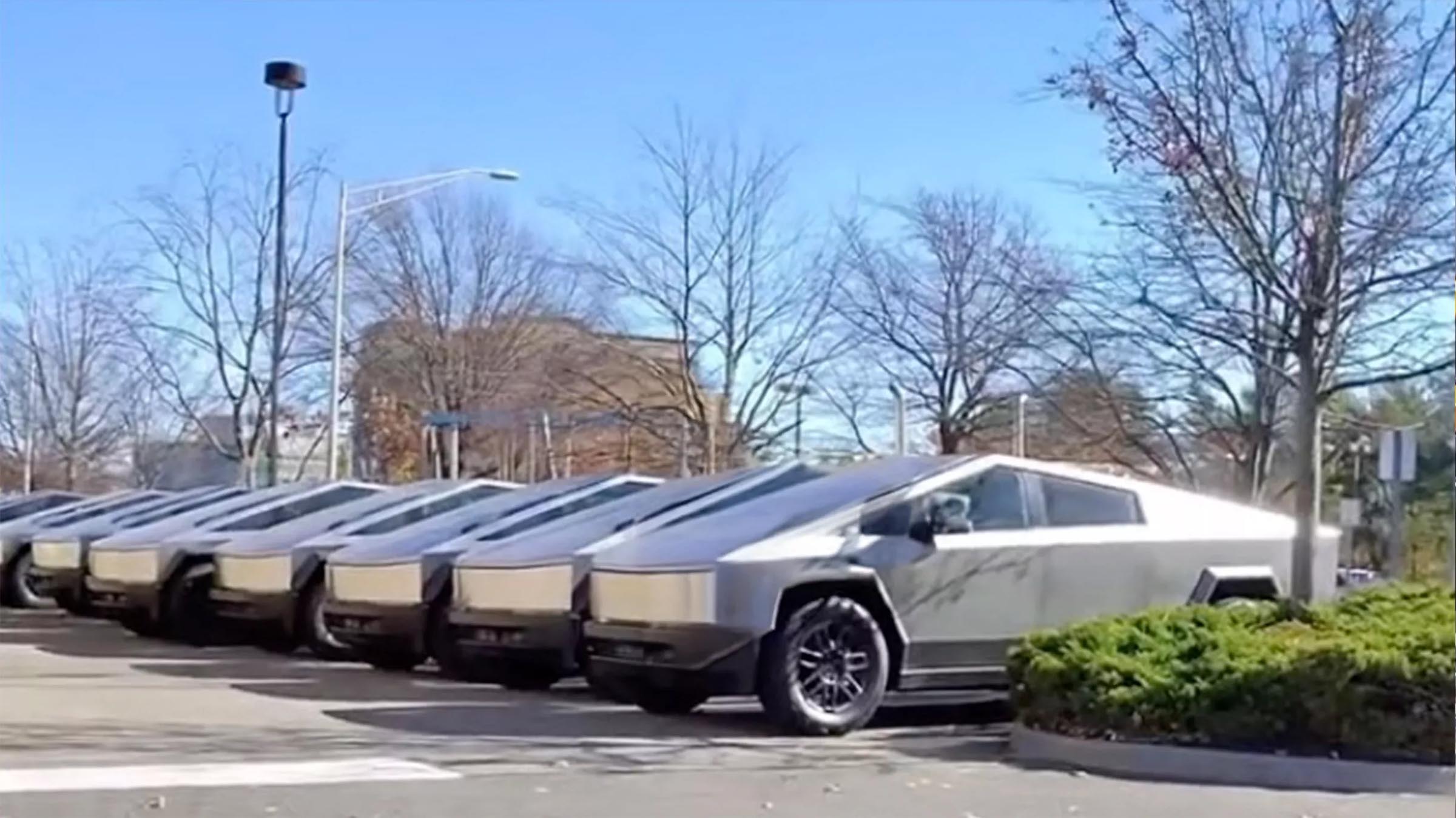
A line-up of unsold Cybertrucks.
What’s clear from the registration data is that after years of buoying EV demand, Tesla became a drag on the market last year. Worldwide sales fell for the second year in a row, to 1.64 million, Tesla slipping to number two in global EV demand behind fast-growing BYD. Even with no presence in the U.S., the Chinese automaker sold more than 2.2 million battery-electric vehicles in 2025.
For the year, Tesla registrations were off 6.8% in the U.S., reported S&P. Its share of the EV segment, meanwhile, fell 3.1 percentage points, to 44.9% — though that decline was expected even if it hadn’t lost sales momentum, simply due to the rising number of competitors. Significantly, Tesla registrations were off 35% in December. That was partly due to the market’s rejection of the Cybertruck – its registrations off 51% for the month.
But, noted Brinley, the automaker also failed to gain the upward momentum it had expected from the refresh of its best-selling product line, the Model Y. “Tesla is the largest and had the most to fall,” said Brinley, adding that, “It has the oldest products in the States and the facelift (of the Model Y) didn’t help a lot.”
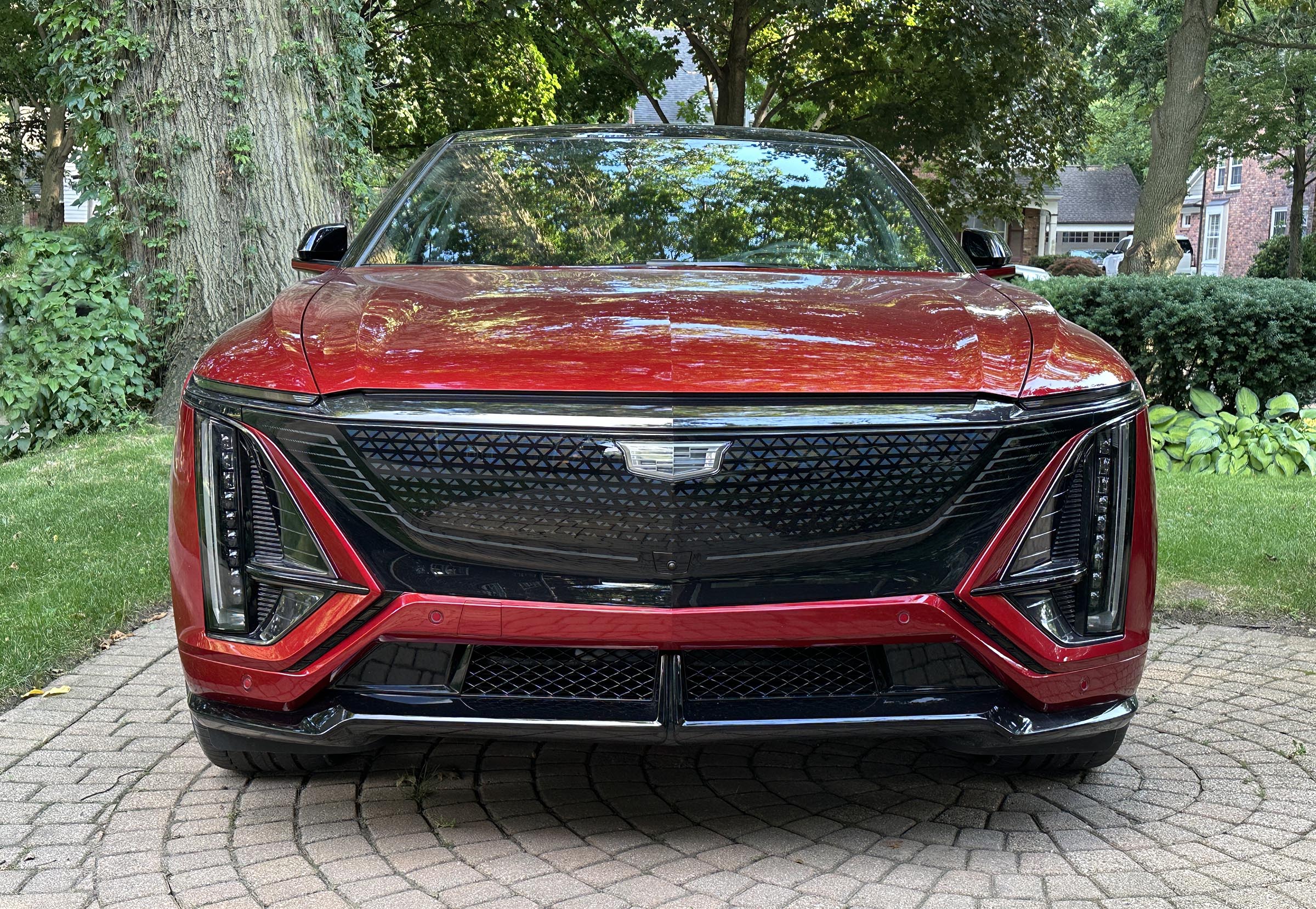
Cadillac bucked the trend and saw a solid increase in EV registrations in 2025, largely due to the addition of two new models.
From bust to boom?
When – indeed, whether – the EV market will rebound remains the big question at this point. There’s plenty of chaos in the segment. Mazda and Nissan are delaying new products. The latter manufacturer has also pulled its Ariya model out of U.S. showrooms for the time being. Volkswagen took the same step with the slow-selling ID.Buzz, though it expects to return the electric minivan to the market for 2027. Ford has scrapped plans for a 3-row EV and ended production of its all-electric F-150 Lightning in December. But it’s set to introduce a new line of compact “Universal” EVs in 2027, promising they will be more efficient and less expensive.
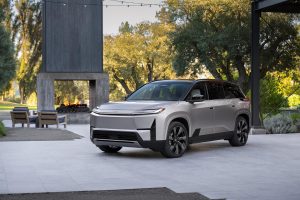
On the flip side, some brands are pushing ahead with new products. Toyota is readying first deliveries of the bZ Woodland and C-HR models and unveiled the 3-row Highlander EV this week. It will arrive in the 2027 model year.
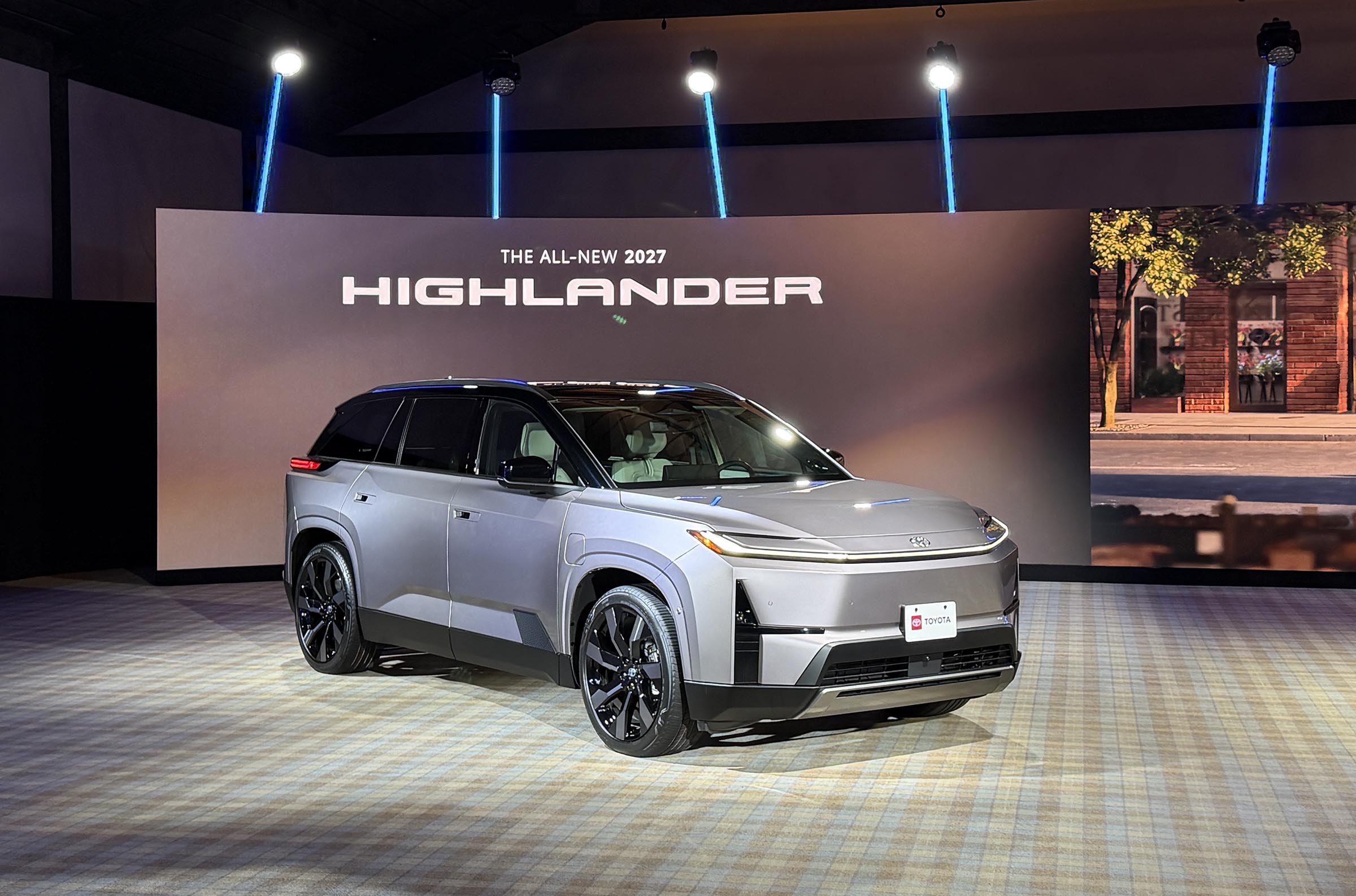
Toyota will add three more EVs over the next 12 months, including the Highlander EV it just debuted.
Cadillac last year showed that new product can connect with buyers. It now has five models in its EV line-up, two introduced in 2025. For the full year it saw 50,065 registrations, a 73% increase. Even in December it posted a 12% year-over-year gain. It should be noted that because of restrictions on pricing and buyer income, a number of Cadillac EVs didn’t qualify for federal tax credits, so the phase-out had a limited direct impact on the brand.
“As more EVs come out and the infrastructure continues to grow there is an opportunity for growth” to resume, said Brinley. But it won’t match the sort of explosive increases seen early in the decade, year-over-year demand growing 88% in 2021 and 58% in 2022.
S&P anticipates EVs will capture a 12% market share by 2030. That’s in line with what several other consultancies forecast. AutoPacific also foresees a 12% share, but that’s down from a 25% forecast prior to the arrival of the anti-EV Trump administration.





The more people drive EV, the more they like gasoline.
Quite the opposite. All research shows loyalty rates much higher for EVs. I personally wouldn’t go back.
Paul E.