
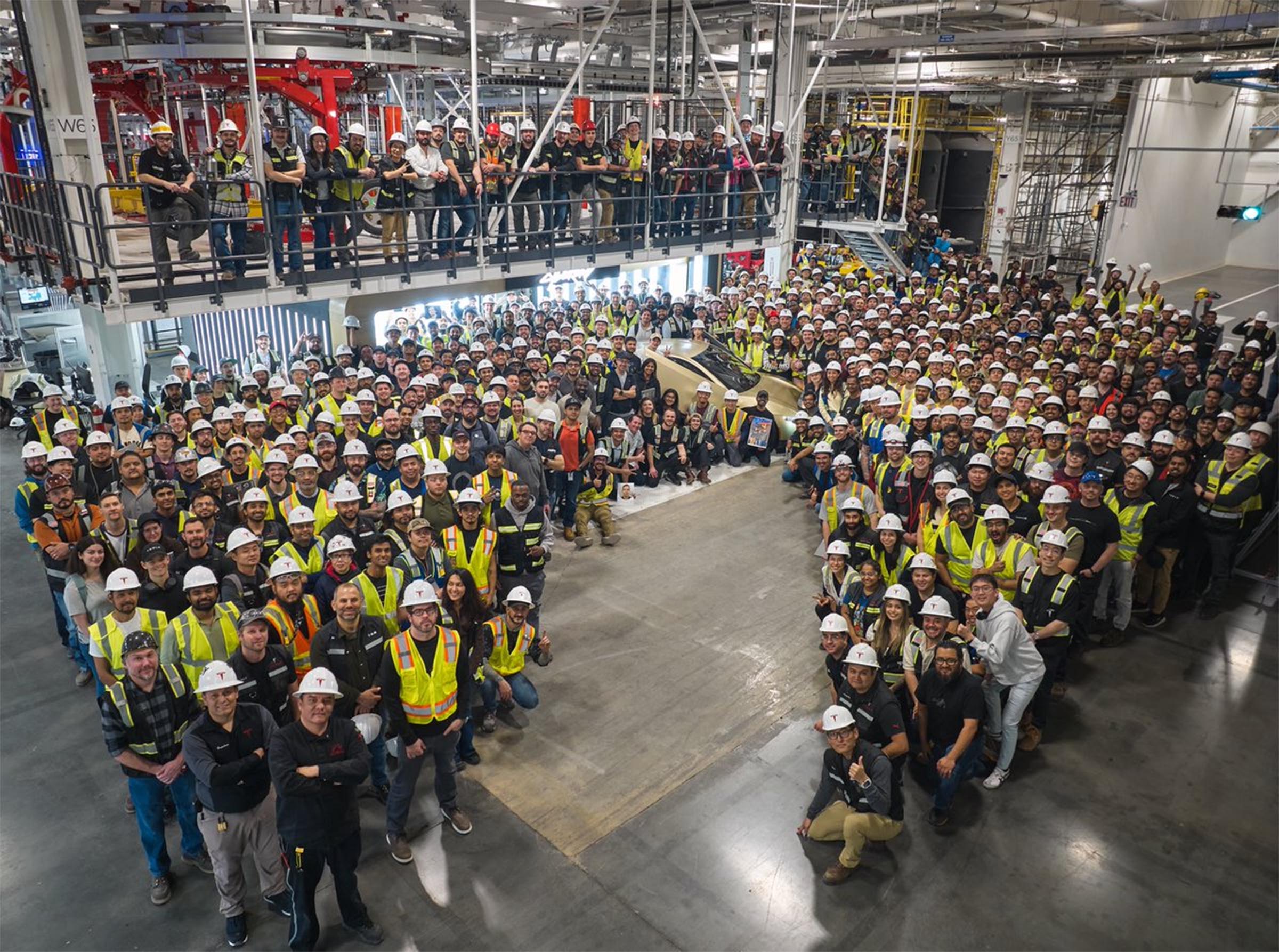
Tesla this week rolled out the first version of its Cybercab with no steering wheel. And CEO Musk indicated it will be available for $30,000. But who will buy one – especially with mounting concerns about the safety of Tesla’s self-driving vehicle technology blamed for a growing number of Cybercab crashes?
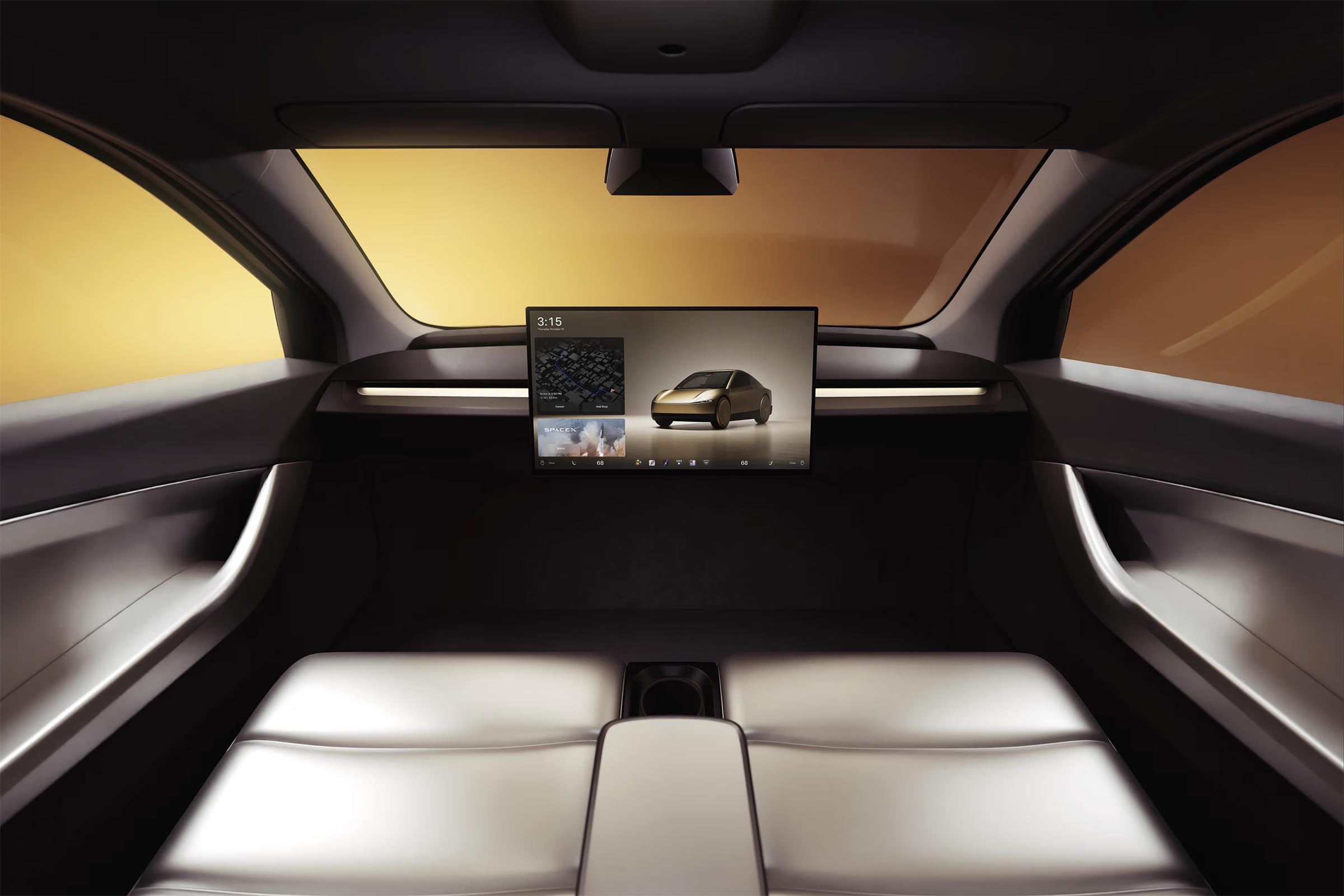 Would you buy a vehicle that had no steering wheel or pedals? That’s long been the fantasy of science fiction writers, as well as auto industry executives who keep promising us fully autonomous vehicles are close at hand.
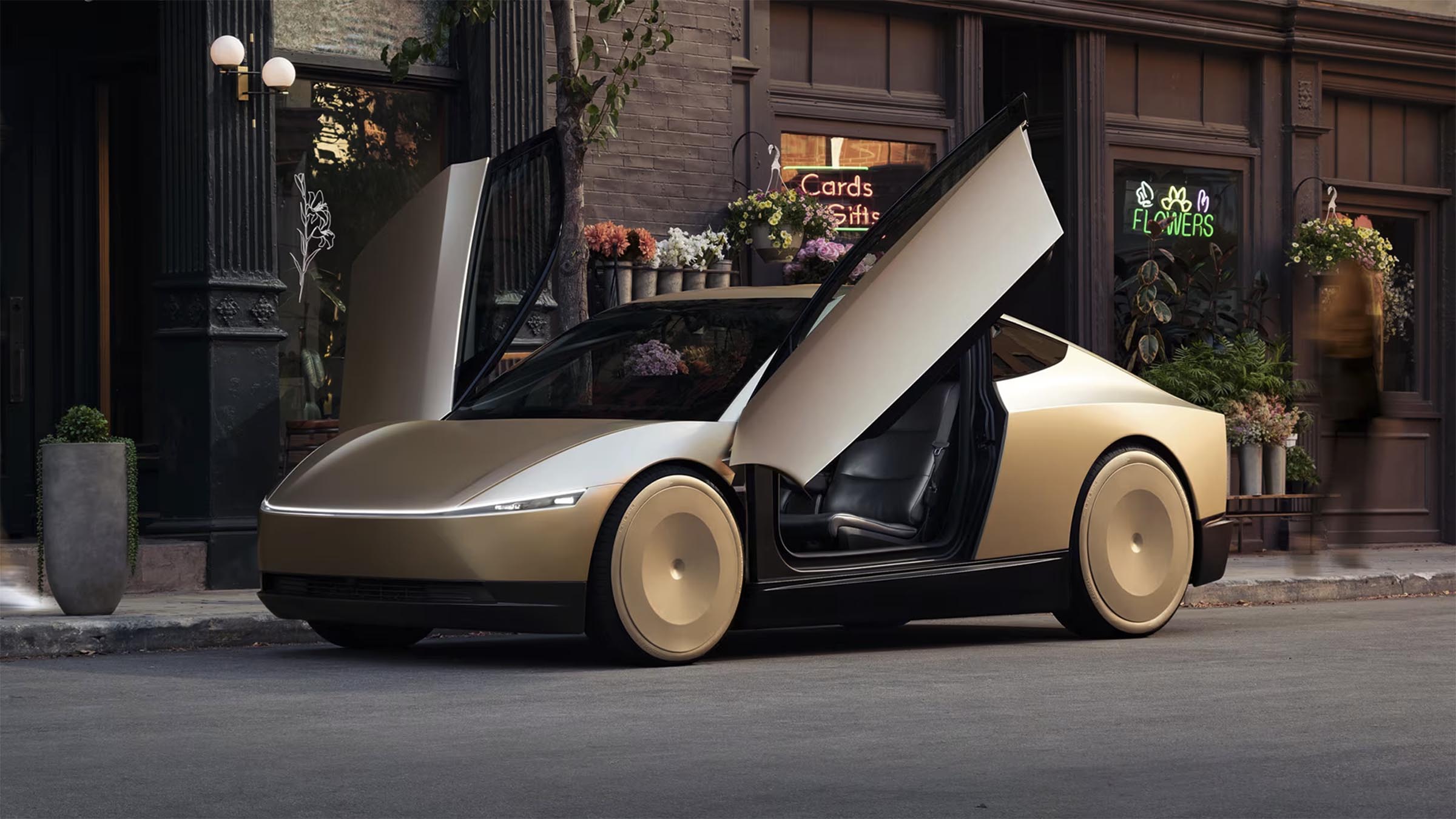
Nowhere has that pitch been made more frequently than Tesla which offers two semi-autonomous driving systems, Autopilot and Full Self-Driving, in its retail fleet. Then, last June, the automaker launched a handful of new Cybercabs as part of a ride-sharing fleet in Austin, Texas.
Early versions had familiar controls where humans could take over operating those EVs, if necessary. Now, however, Gigafactory Texas has rolled out the first Cybercab to completely eliminate manual controls. And while some will go into Cybercab fleet service, others will be available for purchase – though its not clear if that’s specifically targeting other ride-sharing fleets or if consumers might also be able to buy one. Either way, the question is whether anyone will want the completely driverless EVs considering the number of crashes that have now been blamed on faulty Cybercab software.
What’s new
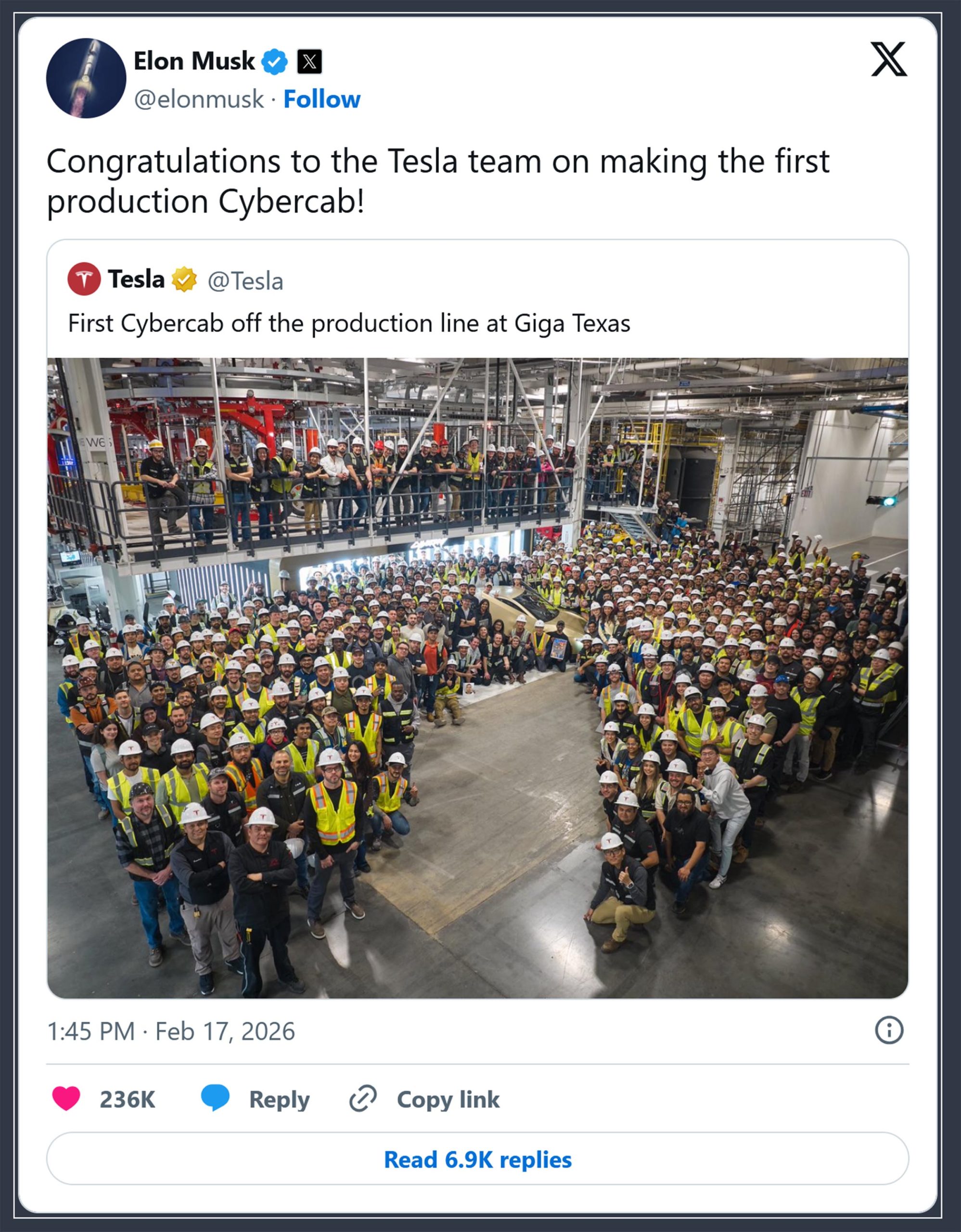
 In an almost giddy post, Tesla CEO Elon Musk celebrated this week’s roll-off of the first Cybercab to dispense with steering wheel and pedals from the company’s Austin, Texas assembly plant. It was a long-promised move following the rollout of more conventionally equipped Cybercabs last year, with the carmaker beginning its ride-sharing service in the state capital in June 2024.
We can expect to see these new versions wind up put into the Tesla ride-sharing fleet, of course, but Musk appears to have bigger aspirations, signaled by his indication the control-less Cybercab will be available for around $30,000.
Who else they might be sold to remains unclear. Tesla in the past has indicated it would like to become a supplier to other ride-sharing fleets – though, so far, it has found no buyers, either for its vehicles or for its Autopilot and FSD software systems. Musk has also expressed a desire to sell to retail customers who could use a Cybercab as a personal vehicle but then make it available to ride-sharing services when, for example, they were at work. It would be a twist on the way companies like Uber and Lyft operate today.
Getting ahead of itself
 That may be the plan, but it’s far from certain Tesla can pull it off – at least not yet.
For one thing, it’s not clear if anyone – whether another ride-sharing service or any consumers – actually will want to buy a Cybercab, especially one totally lacking in controls. The legality of using such technology is unclear, notably for private consumers. And Tesla has yet to formally lay out plans to work with any individual who’d like to put a personal Cybercab to work in their off-hours.
That said, Musk’s vision calls for surprising low operating costs – 20 cents a mile, including energy, insurance and depreciation – which could make this a potentially lucrative way to make the vehicle effectively pay for itself.
But there’s a bigger concern. Even with the latest update, Tesla’s FSD is a Level 2+ technology which, in lay terms, means it must have a driver behind a steering wheel ready to immediately take control in the event of an emergency. The initial Cybercab software took things further. But while there are some of those EVs running around Austin – and, more recently, San Francisco — on their own, most continue to have human backup operators sitting in the driver’s seat to ensure there’s no crisis.
And, so far, there’ve been a fair number of them.
More EVNews
- Toyota Bucks EV Pullback with Debut of Highlander EV
- Here’s a First Deep Look Inside Ford’s Universal EV
- Polestar Plans Largest Model Offensive Ever
Cyber crashes
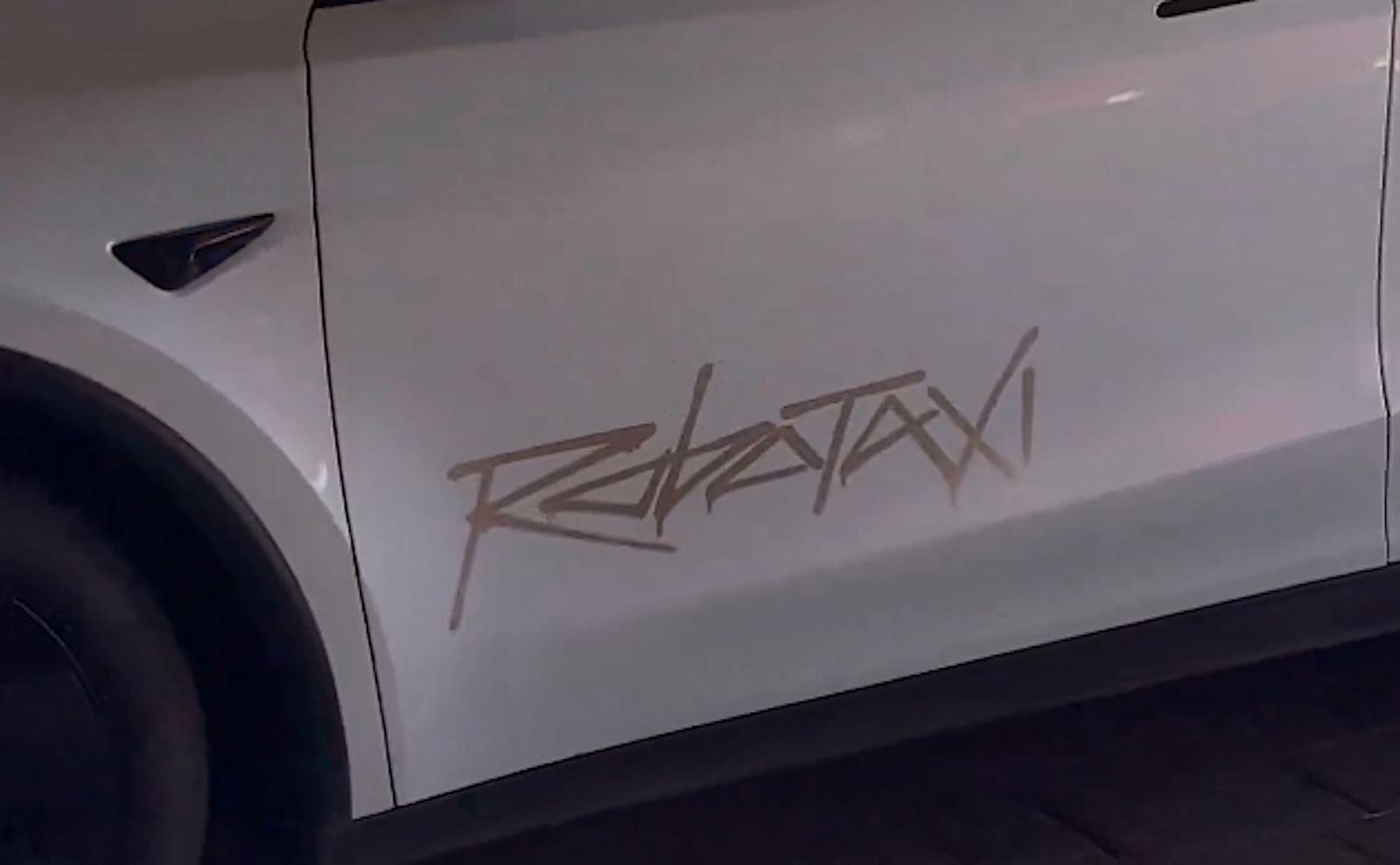 According to an analysis run by Electrek, there’ve been at least 14 crashes involving Cybercabs – though the data does not indicate how many involved fully driverless models and how many occurred even with backup operators.
One might downplay the number, noting that these incidents could have been caused by “the other driver,” but another number raises an additional red flag. All told, the Cybercab fleet has clocked about 800,000 cumulate miles, noted author Fred Lambert. That works out to one crash every 57,000 miles. Tesla itself has estimated that U.S. motorists are involved in one crash per 229,000 miles, so, “its “Robotaxi” fleet is crashing nearly four times more often than the average person behind the wheel.”
To listen to Musk, it will take time to work out the bugs. He said during an earnings call in January that the Cybercab fleet will need to clock a cumulative 10 billion miles to reach the point of “safe, unsupervised self-driving.” It will be difficult enough to clock all those miles with Cybercabs equipped with steering wheels and human backup. How to do that – safely – with no driver and no controls is another matter.
0 Comments