
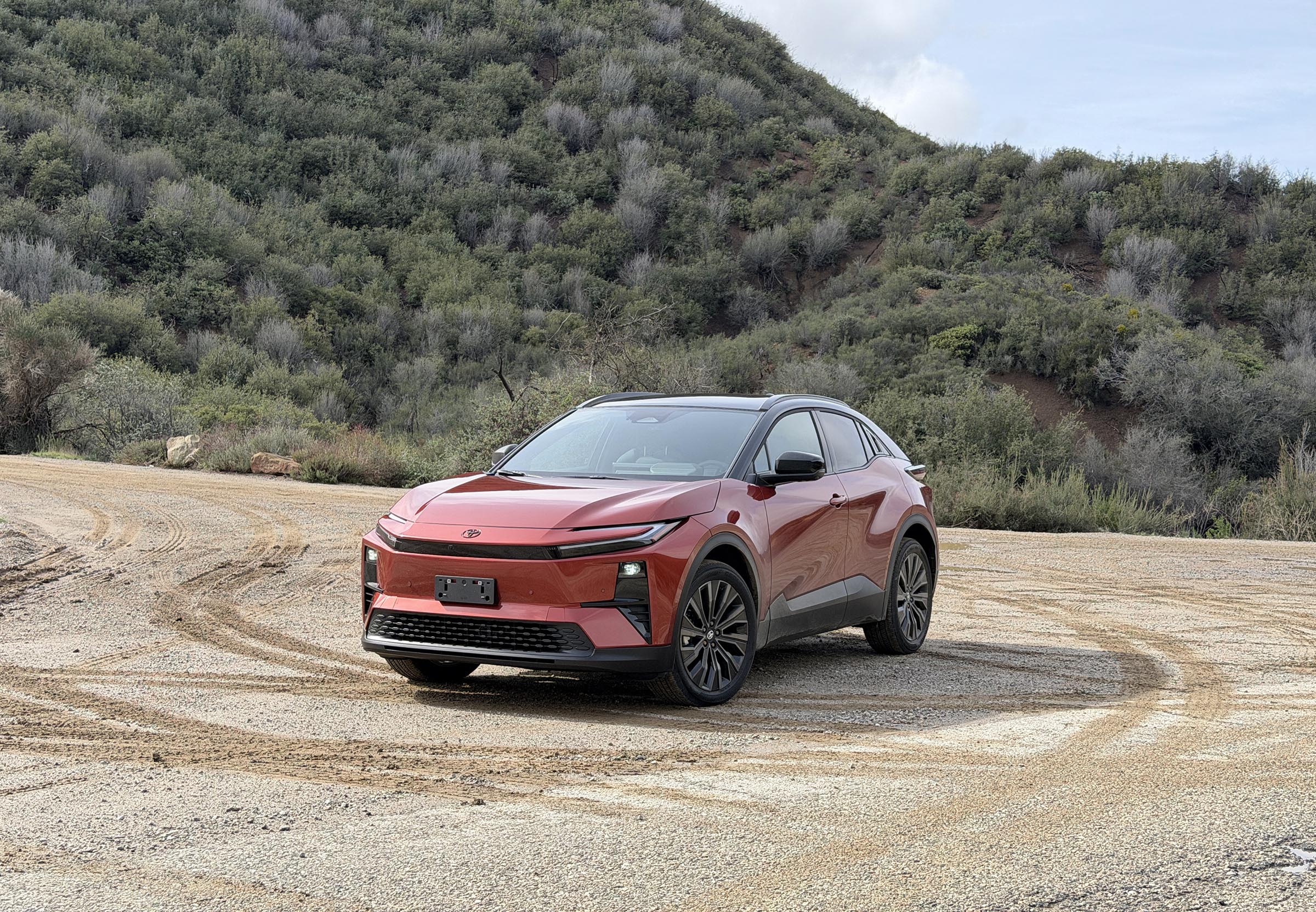
Few major automakers have been more reluctant to embrace the shift to EVs. So it was a surprise to learn that Toyota will bring three new all-electric models to market this year – even while giving the original bZ4X both a new name and an upgraded powertrain. That system is shared with the smaller 2026 Toyota C-HR, it turns out, and transforms it into a sporty, fun-to-drive – and reasonably affordable package. Here’s the Headlight.News review.
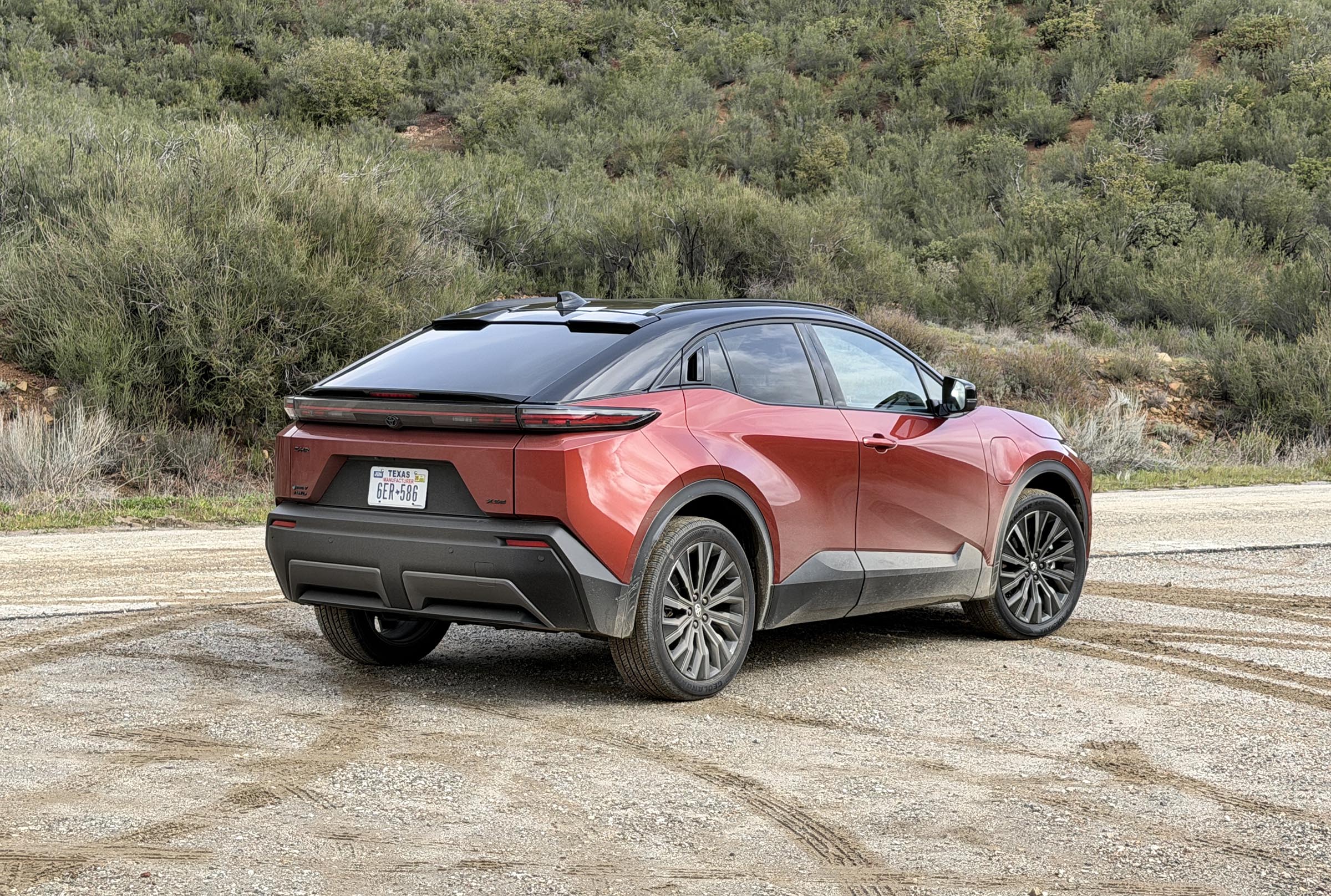
The 2026 Toyota C-HR is a very different animal from the original vehicle of that name.
If you recall the original Toyota C-HR congratulations, you’ve got a good memory. The package that joined the Toyota line-up a decade ago was largely forgettable and short-lived. It’s likely to be a different matter with the all-new battery-electric vehicle that revives that badge.
While Toyota might mercifully chosen a name easier to roll off the tongue, the 2026 C-HR has a lot going for it that will make it a standout at a time when the U.S. EV market clearly needs some excitement. Indeed, it could win over potential buyers who’d like something a bit smaller, more sporty – and less expensive – than Toyota’s original battery model, the bZ.
Sharing the same 338-horsepower twin-motor drivetrain, the new C-HR makes good use of the instant torque that electric drive technology can provide. And, as we discovered during a lengthy day of driving out in Ojai, California, it offered sporty road manners, as well. Better yet, it delivered more features than one might expect at a starting price of $38,450.
What’s new
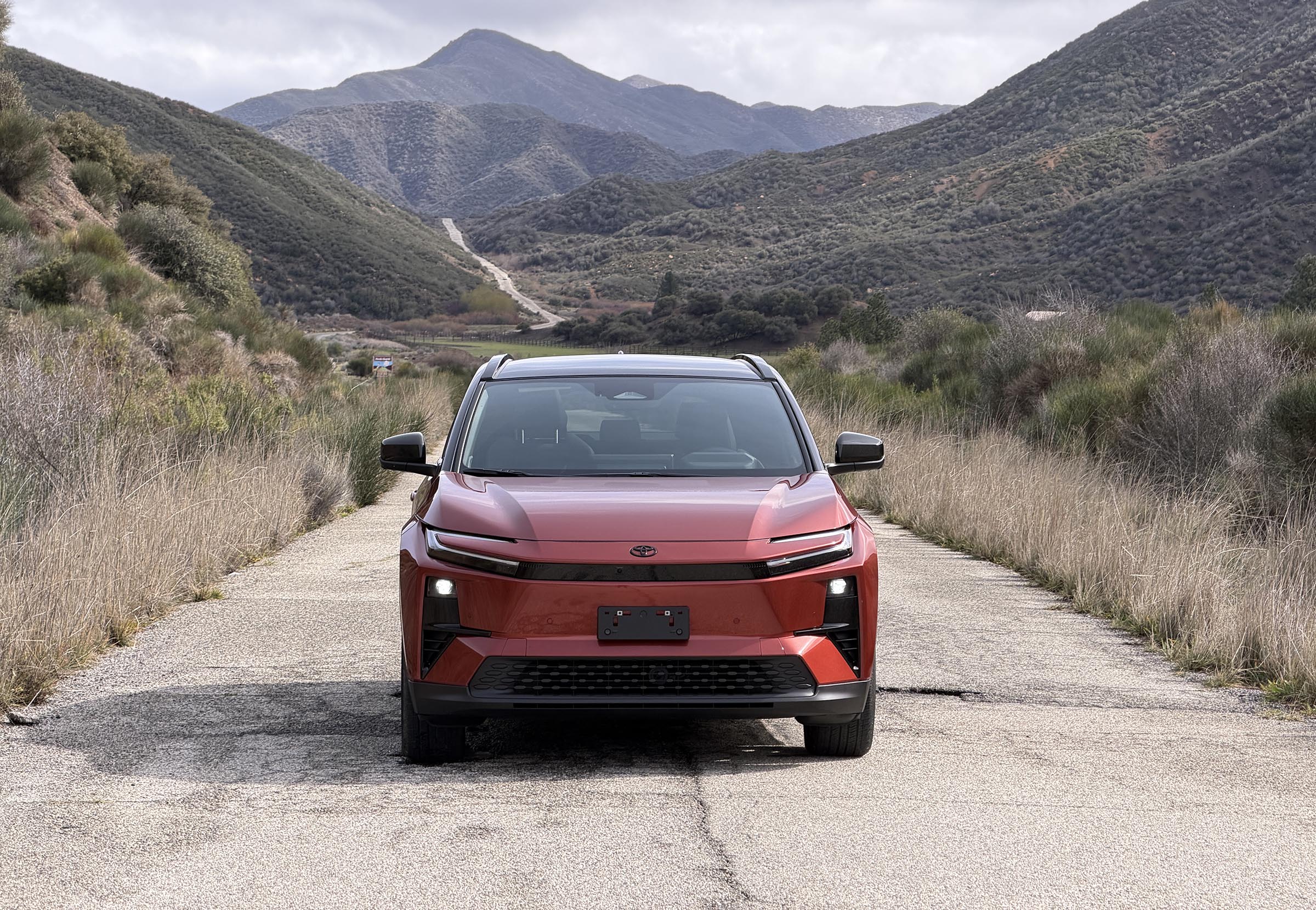
The new C-HR pikcs up on some of the styling cues used for Toyota’s updated bZ EV.
Beyond the badge and its compact footprint, the 2026 Toyota C-HR has nothing in common with the original product brought to market a decade ago. The compact coupe-crossover is the American version of what ‘s known as the C-HR+ in Europe. Think of it as “a car with attitude,” suggested David Christ, the group vice president heading the Toyota brand here in North America.
While it may have a similarly sized exterior, the ’26 C-HR boasts a markedly larger interior than the original gas C-HR, thanks to the use of the skateboard-style eTNGA architecture which places its drivetrain under the load floor. And, yes, it’s the same platform as the Toyota bZ – previously known as the bZ4X – but measures 6.7 inches shorter overall.
Like the Woodland, another new-for-2026 Toyota EV, the C-HR will come with standard all-wheel-drive, two motors delivering a combined 338 hp. That’s the same number as the newly renamed bZ but translates into a more sporty package due to its smaller, lighter package. Range falls a bit of 300 miles, while charging is mid-pack for EVs in this segment.
Powertrain
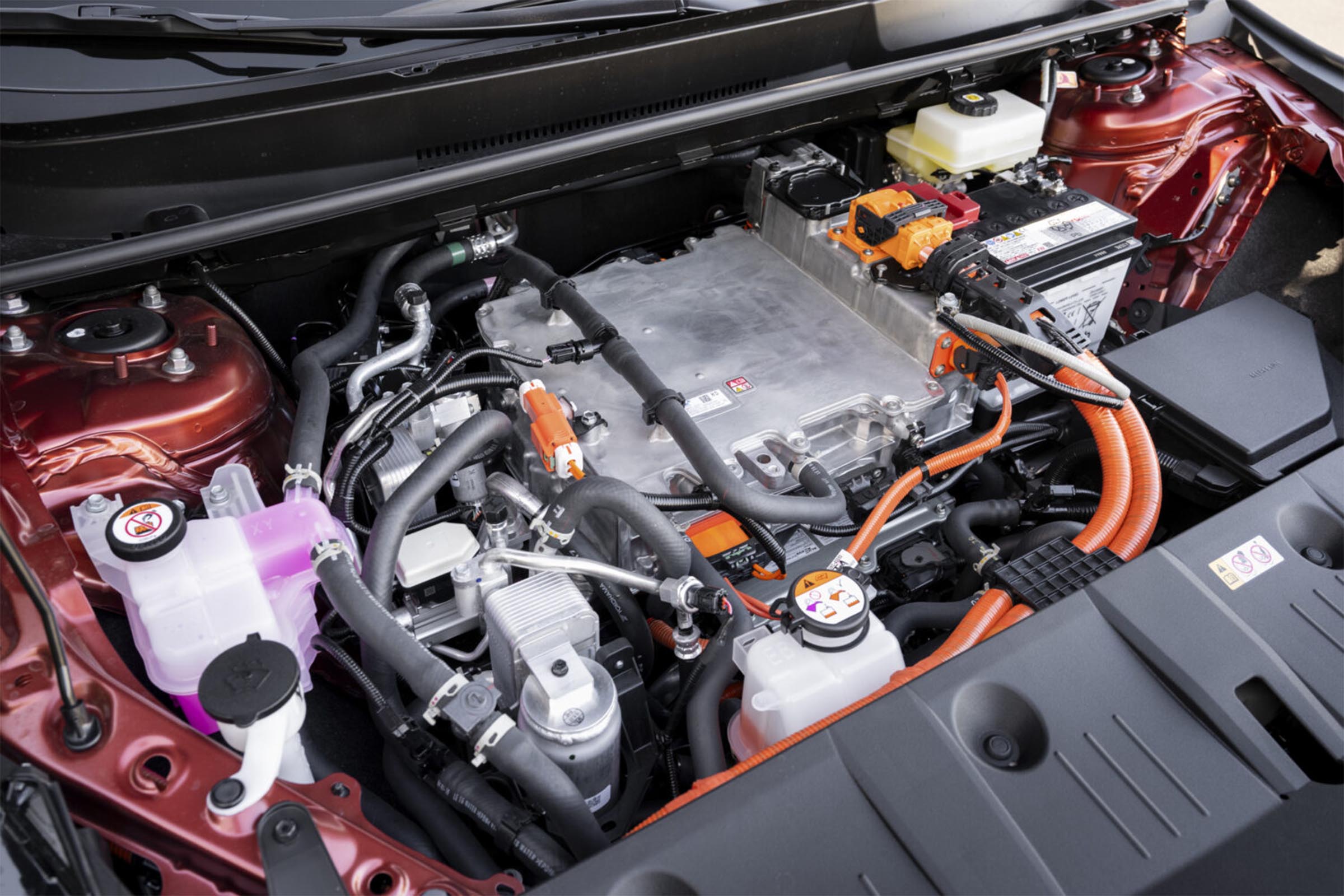
One downside: the C-HR doesn’t offer a frunk.
Across its line-up, has been working to upgrade its plain vanilla image of late, introducing sporty packages like the GR Corolla and, in many instances relying on hybrid drivetrains to deliver added performance, as well as better fuel economy.
At launch, the original bZ4X was faulted for lackluster power. Toyota corrected that mistake for 2026, boosting output from its twin-motor package to 338 hp and 323 pound-feet of torque. The latter number understates the upgrade, electric motors providing the sort of instant acceleration you don’t get from an internal combustion engine. Now, take the bZ, lop off nearly 7 inches in length and hundreds of pounds and you get an even more impressive package, the new C-HR capable of neck-snapping 4.9-second 0-60 launches.
(One surprise: the new EV is offered by Toyota solely in twin-motor, all-wheel-drive configuration, the front motor churning out 223 hp, the rear 116. The Japanese giant’s ally, Subaru, will get its own version, and its Uncharted package will offer both AWD and FWD options.)
Range and charging
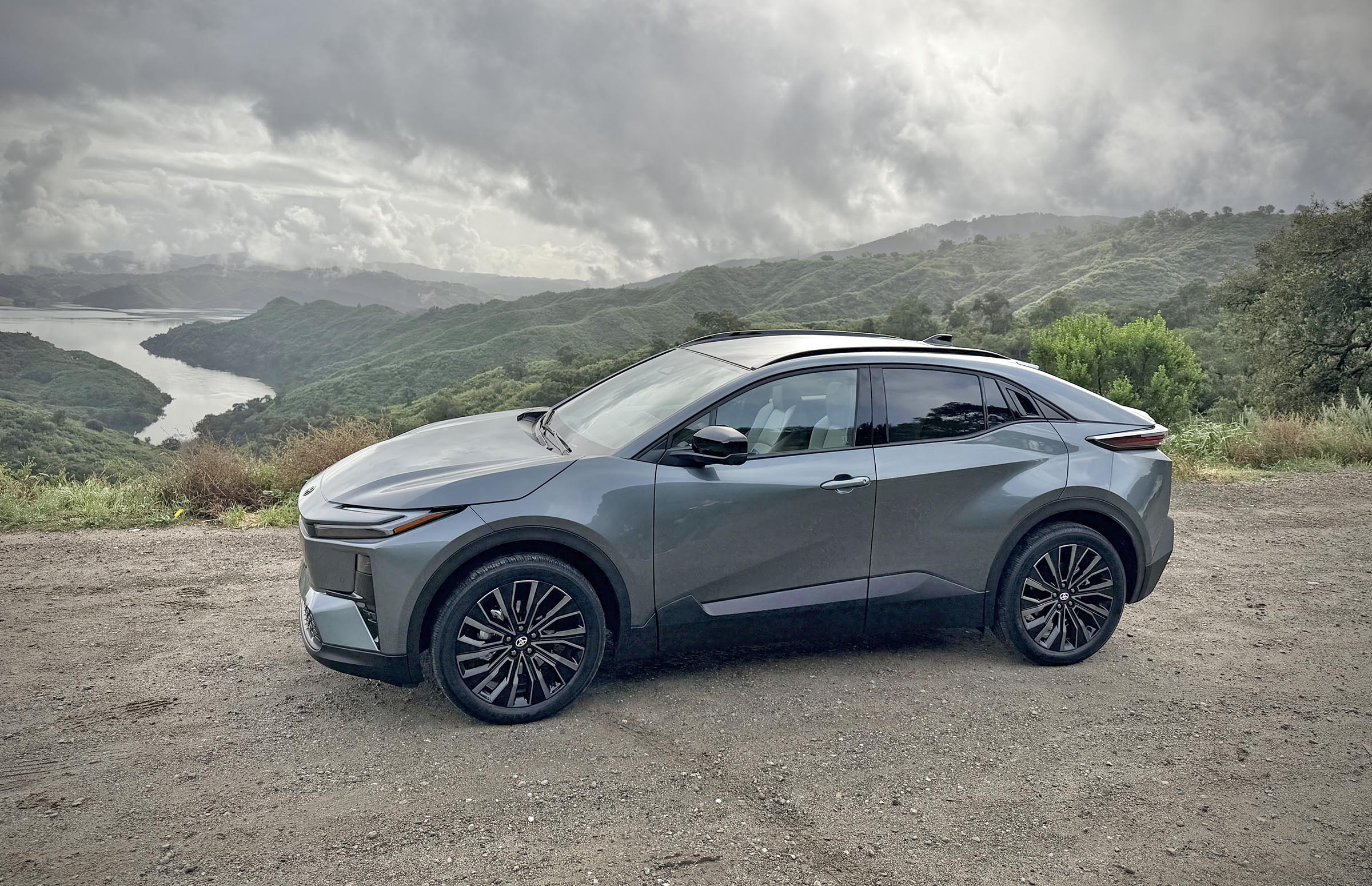
Depending upon trim, range is up to 287 miles.
There are two C-HR trims, the base package delivering good, if not quite benchmark range of 287 miles from its 74.4 kilowatt-hour battery pack. The top end XSE trim lops that down to 273 miles, in large part due to a switch from 18 to 20-inch tires.
As for charging at home, expect to leave your C-HR plugged in overnight if the battery is drained and you want to take it back up to 100%. The crossover features an onboard 11 kW AC charger, a welcome upgrade from the slow 7.6 kW system used on the original bZ4X.
Using a DC quick charger will get you from 10 to 80% in about 30 minutes – again, not benchmark but reasonable compared to other current EVs. It could be faster but Toyota surprisingly only designed the quick charger to handle a maximum 150 kW, even though chargers reaching 350 kW or higher are becoming increasingly common. The good news is that the C=HR adopts the NACS charger port that allows it to access the Tesla Supercharger network, expanding by the thousands the number of places it can plug into.
More Reviews
- A Week With 2026 Mazda CX-90 Turbo S Premium Plus
- Toyota Bucks the EV Pullback with All-Electric Highlander EV
- Consumer Reports Names its Top 10 Picks for 2026
Drive impressions
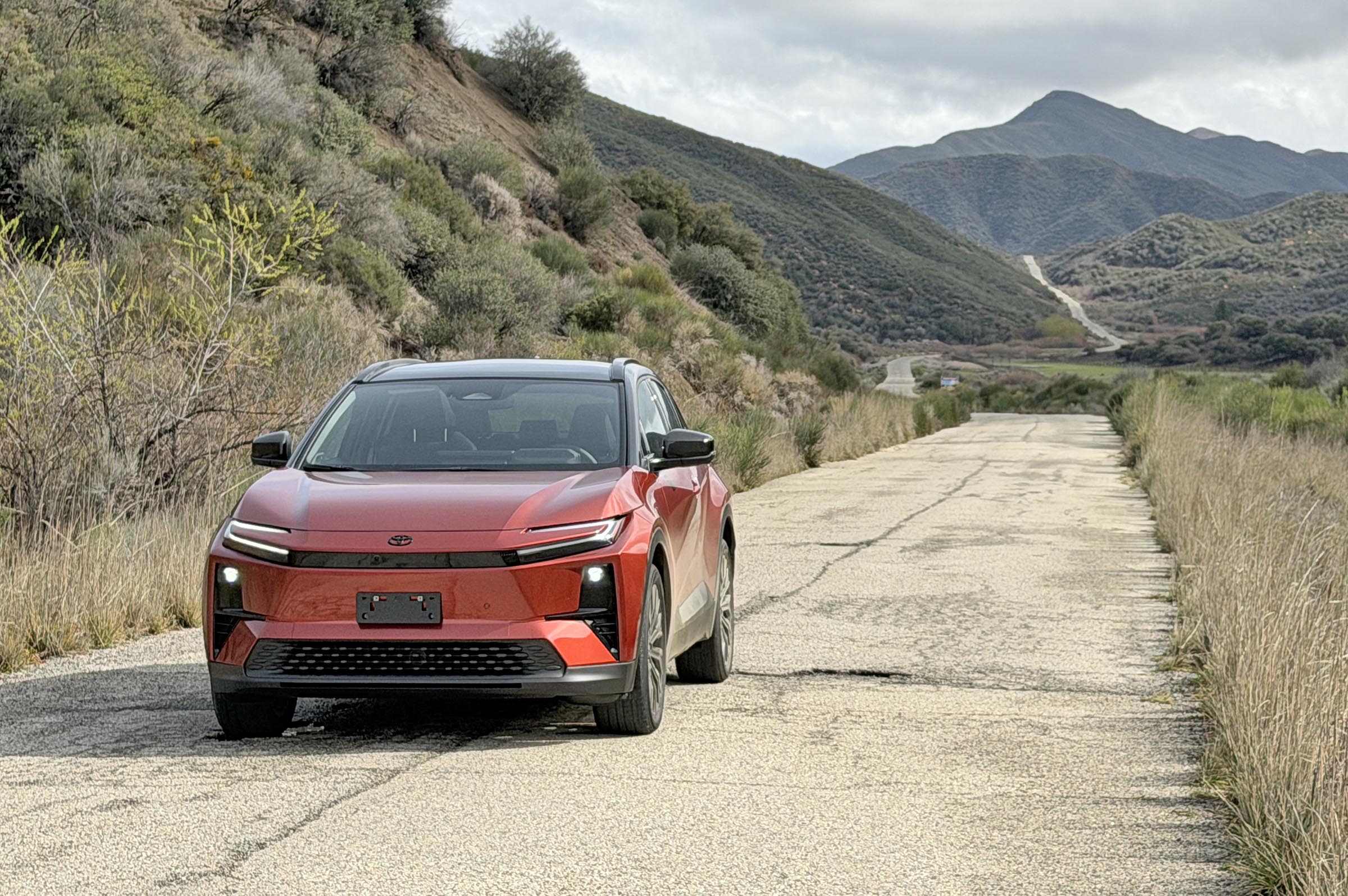
At 4.9 seconds, C-HR matches the 0-60 launch time of the Toyota GR Corolla.
For the first drive of the 2026 Toyota C-HR I headed out to Ojai, California, spending most of my time tracing a tight and twisting trail through lake country. It afforded me plenty of opportunity to test out the XSE package, with its bigger wheels.
To be honest, I didn’t go in with high expectations, assuming the compact package would be a wee bit sportier than the updated bZ – but it took me by pleasant surprises. The shorter wheelbase, paired with a retuned electric steering system gave the C-HR a sportier, more dynamic feel, quick to respond to driver inputs. I had to work hard to get those tires to squeal, even when I aggressively challenged some of the tightest corners along my route.
As just over 4,500 pounds, the crossover isn’t light, but Toyota engineers did a good job taking advantage of the skateboard-style eTNGA platform, its big battery pack hugging the ground – and translating into a low center of gravity.
The two motors also get a bit different tuning than the powertrain pack in bZ, meaning a rear-drive bias under aggressive driving maneuvers. An interesting side note: C-HR’s under 5-second launch time matches what the well-reviewed GR Corolla accomplishes.
What I also appreciated with C-HR was how composed, even tame, it felt when I headed back towards Ojai and ran into traffic. The EV has something of a dual personality. It’s a friendly daily driver that can unleash its inherent boy racer when given the opportunity.
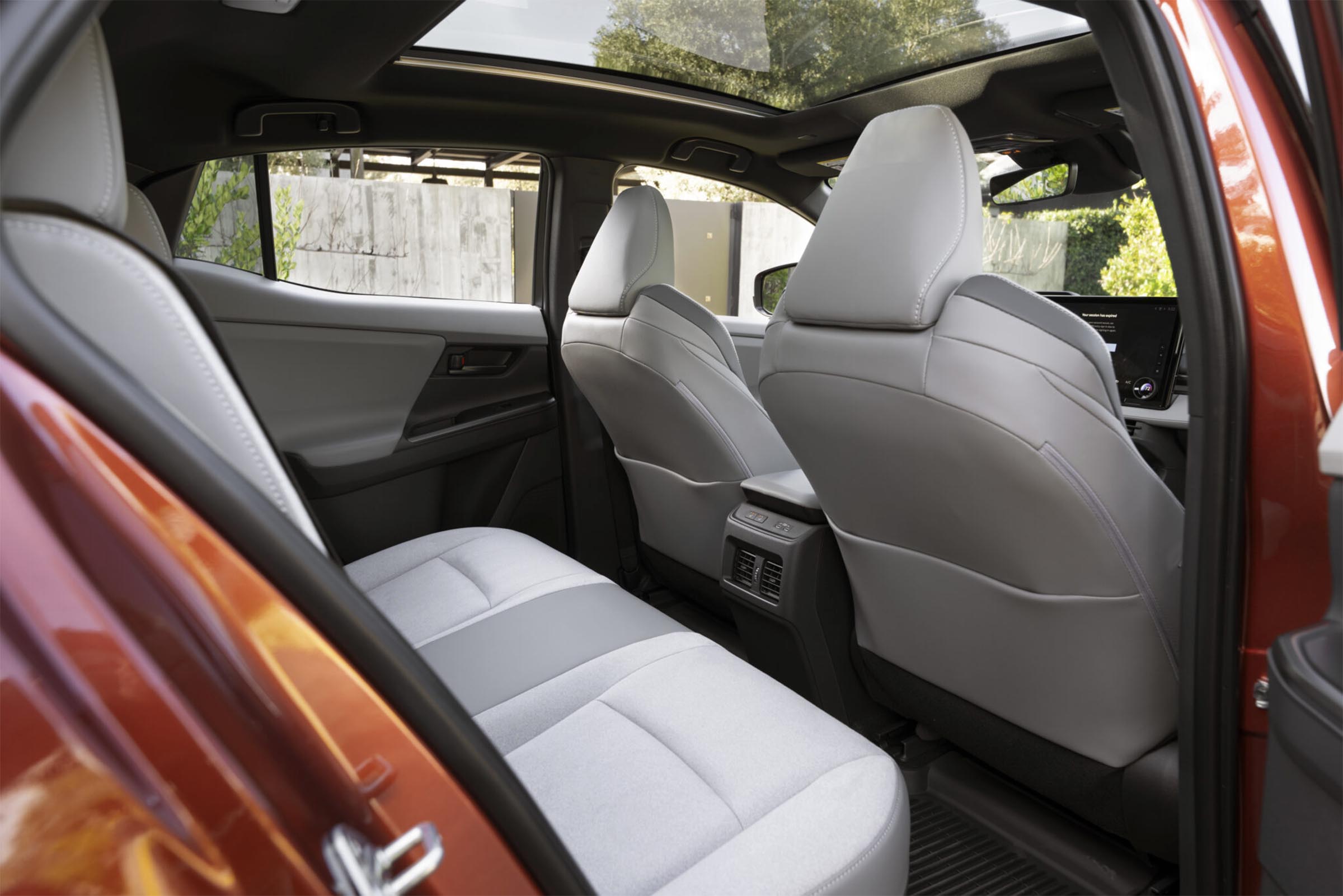
The rear seat offers moderately good legroom for a compact model.
Design
The 2026 C-HR comes in about 5 inches longer than the model sharing that name a decade ago. It’s 177.9 inches nose-to-tail, 73.6 inches and width and stands 63.8 inches in height. The wheelbase measures 108.3 inches. It falls into the compact category though, thanks ue to the skateboard layout, the interior specs are near midsize, with 93.6 cubic feet of interior space. There’s 25.3 cf of cargo capacity behind the second row, jumping to 59.5 cf with the back bench folded over. One disappointment: the lack of a frunk, or front trunk.
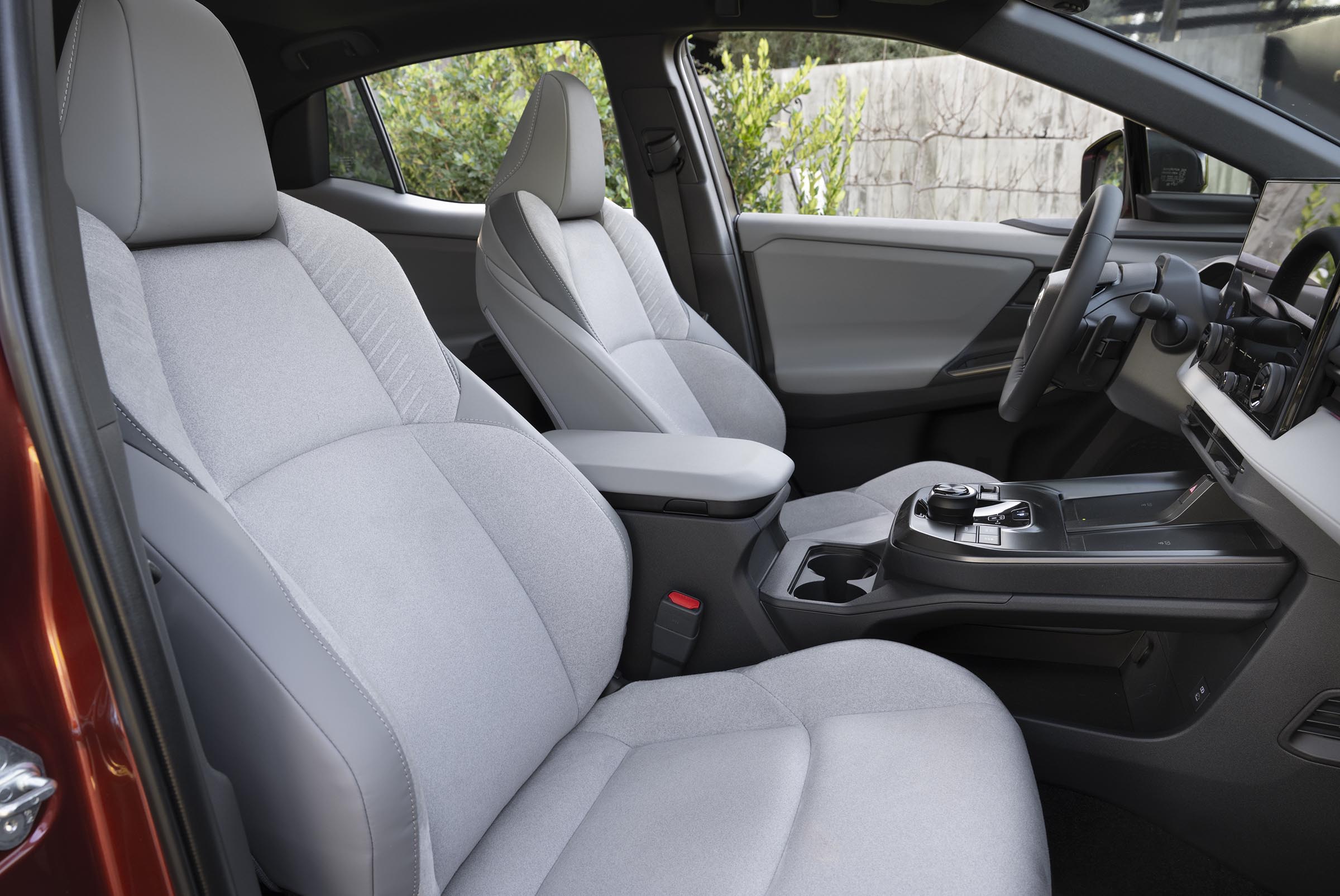
All told, there’s nearly 100 cf of interior space.
The design is more hat hatch than SUV, to my eyes a more pleasing appearance than the boxy bZ. They share a number of styling cues, especially up front, with slit-like LED headlamps, a sealed upper grille – since there’s no engine under the hood. But a lower grille provides cooling air to the motors and battery pack.
The cabin is well appointed, especially considering the base price comes in under $40,000. There’s plenty of legroom up front and enough in back that two adults could spend time back there without feeling cramped.
There’s a sporty feel to the IP layout, with an emphasis on technology, including the 14-inch touchscreen. One big complaint centers around the 7-inch digital gauge cluster. It rides atop the instrument panel but its placement is far from ideal. I found I had a choice to either position the steering wheel lower than what I’d call optimum or raise the wheel and have it cut into my view of the gauges. Kudos, on the other hand, to Toyota for providing hard controls for volume and key climate functions.
Technology
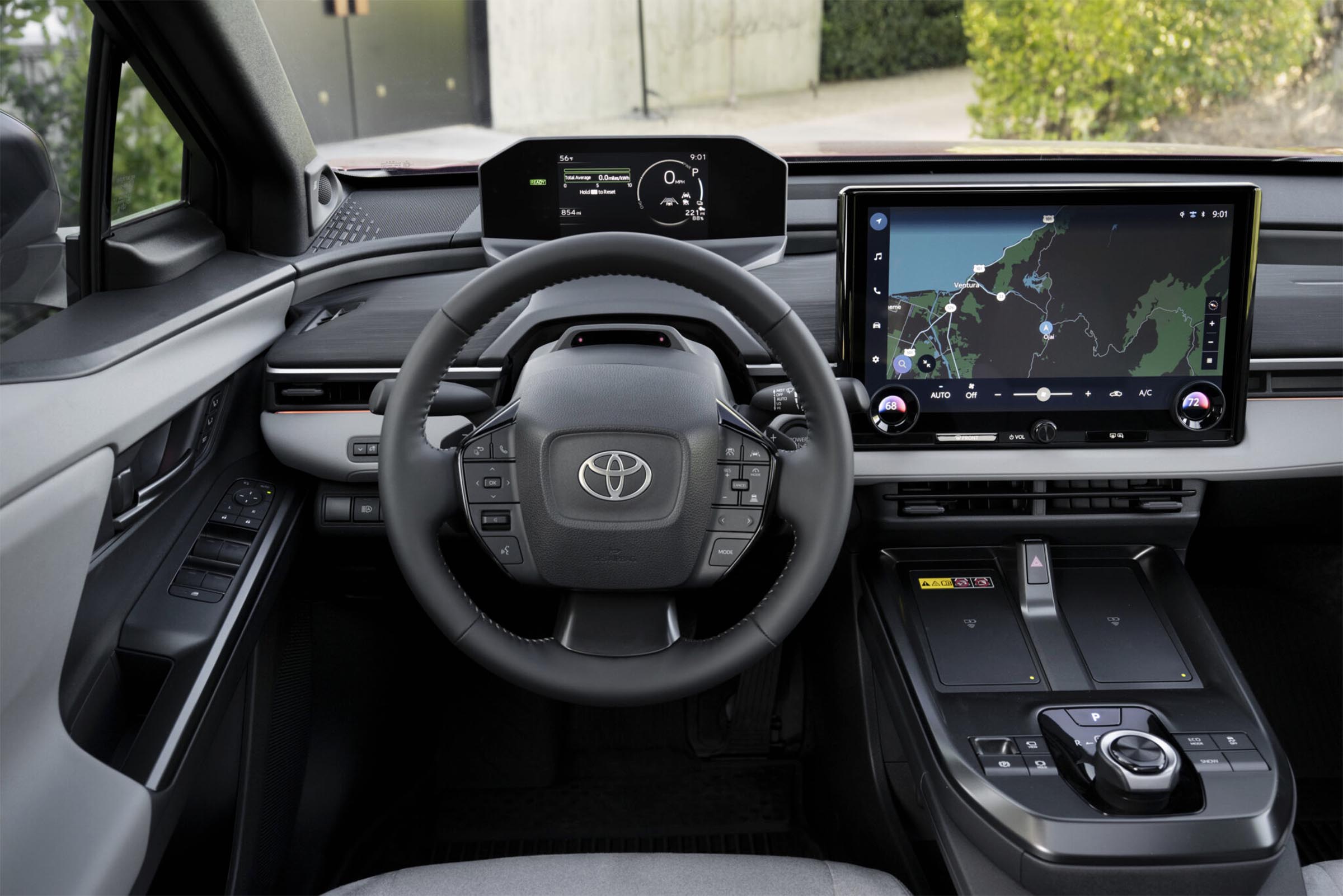
The 2026 Toyota C-HR’s tech-forward IP.
Even the base C-HR offers a reasonable level of technology, including that 14-inch touchscreen which is powered by the latest Toyota infotainment system. The integrated voice assistant can handle plenty of vehicle functions, including not only navigation and audio, but choosing climate settings, simply by starting out, “Hey, Toyota.”
Wireless versions of Apple CarPlay and Android Auto are standard, as are three USB-C ports. Depending upon package and options, C-HR offers twin wireless smartphone chargers and a 360-degree surround view monitor.
The 2026 C-HR comes standard with the latest Toyota Safety Sense 3.0 suite of advance driver assistance systems. This includes features like pre-collision system with pedestrian detection, lane departure alert, and dynamic radar cruise control.
Last word
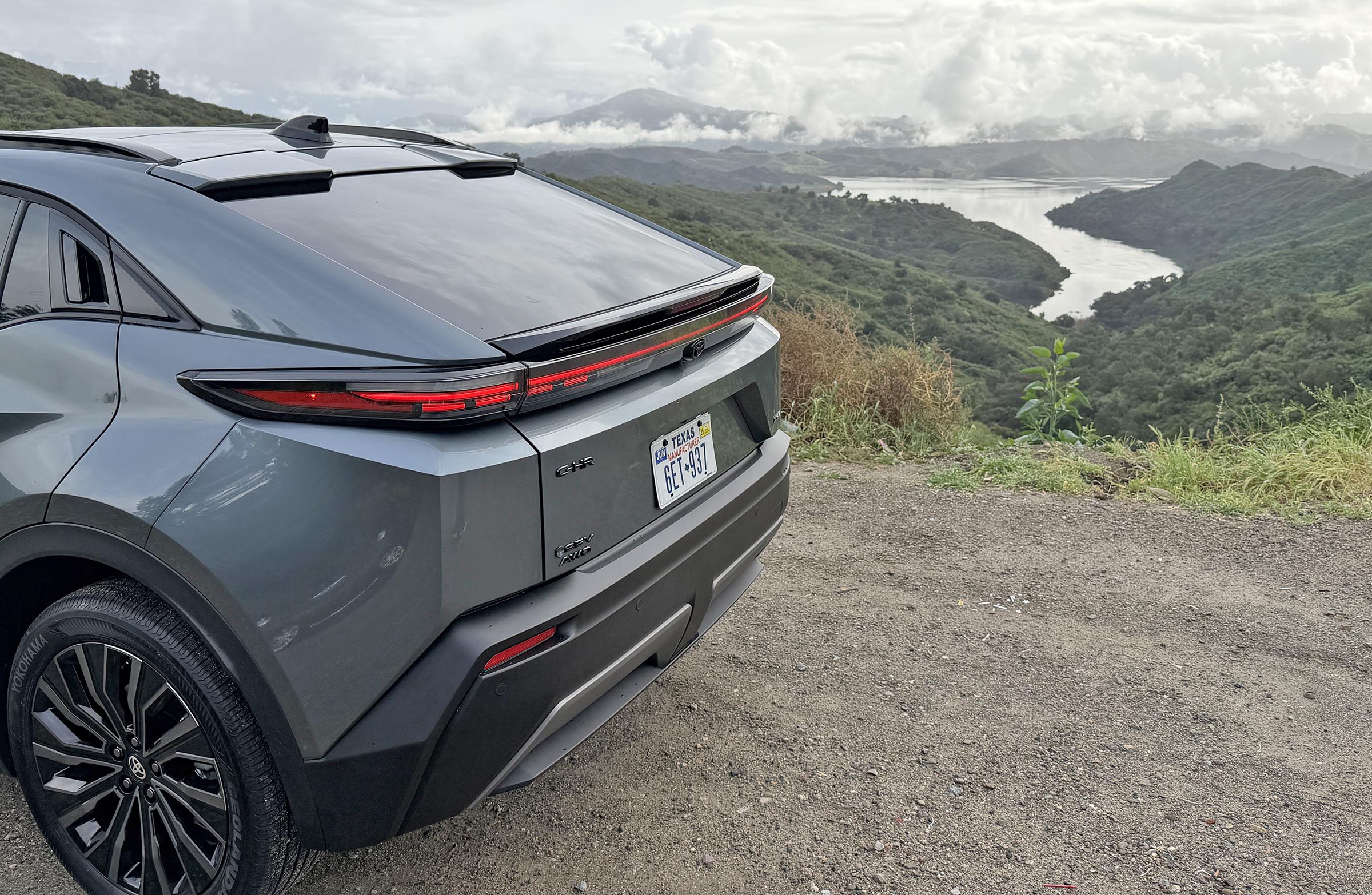 At a base price of $38,450 – including delivery fees – the 2026 Toyota C-HR can’t be called “entry level.” Those on a tight budget have options like Chevrolet’s Equinox and Bolt models to look at. But, considering what Toyota packs in, the new crossover offers a lot of value for the money. And you’ll find even more when upgrading to the $40,050 XSE package.
All told, I found the latest entry to Toyota’s EV line-up a pleasant surprise. I expected it would be a decent package, in line with most of the automaker’s current products. But it really does shed the plain vanilla feel that the brand has long settled for.
The new C-HR is a fun package to drive, offers reasonable space and utility and could win over buyers who just weren’t sure they wanted to go all-electric.




0 Comments