
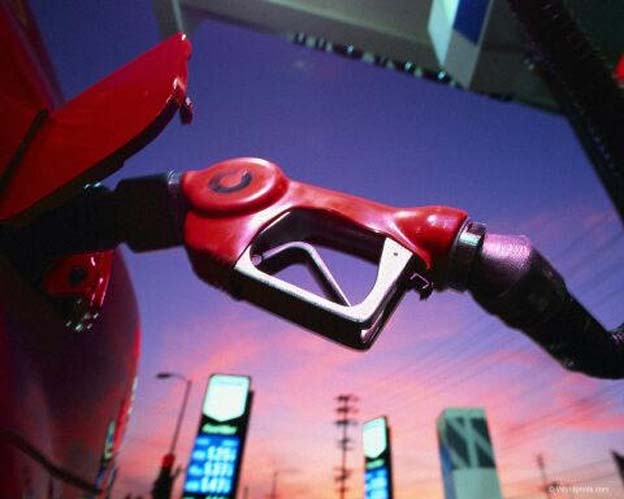
Heading into the weekend, fuel prices topped $3.32 a gallon and are expected to continue rising fast as long as the U.S. war against Iran drags on. For the typical motorist the increase over the last week is adding about $5 a fill-up. But consumers, in general, can expect to see this translate into still further price hikes on food, clothing and other goods should the war continue, reports Headlight.News.

Pres. Trump meeting with senior leaders of the U.S. auto industry last month.
If you somehow avoided your local service station this past week, be prepared for a surprise next time you fill up.
The average price of a gallon of self-serve regular gasoline topped $3.30 on Friday morning, according to real-time tracking by both AAA and GasBuddy. That’s up about 34 cents a gallon compared to a week ago, just before the bombs started falling on Tehran. Meanwhile, the price in benchmark oil markets, such as Brent Crude, have surged by as much as 33%, signaling the possibility of still higher pump prices, especially if the war in Iran drags on.
That’s going to be felt by motorists each time they fill up, but consumers, in general, could soon be facing a surge of inflation in everything from food to clothing, and particularly for goods purchased online that are vulnerable to rising shipping costs.
The war comes home

A video shows Qater defenses destroying an Iranian missile on Monday.
So far, the Iranian War has largely been battled in the air. While six American soldiers stationed in the Gulf were killed in a missile strike, there haven’t been any boots on the ground in Iran itself. It’s still unclear whether that might happen. But the war already is being felt at home, starting with fuel prices.
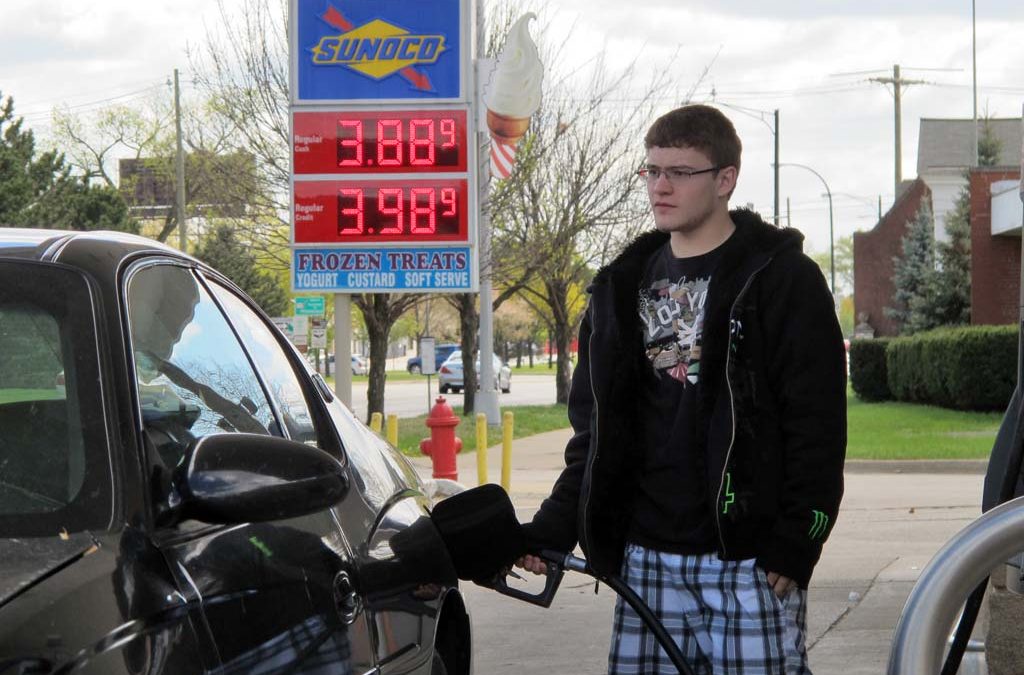
The real-time tracker operated by GasBuddy has been ticking upward on a steady pace. As of 11:30 AM EST it showed regular unleaded priced, on average, at $3.325, up about 0.005 cents in just a half hour. At that figure, the service noted, fuel is now up 2.7 cents a gallon from the same time on Thursday, 34.3 cents from a week ago, and 42.3 cents over the same time in February. To put that in perspective, with the average gas tank in a U.S. vehicle holding around 15 gallons, that’s an extra $5.14 more per fill-up than what a motorist paid on February 27, and $6.34 more than on February 6.
But that’s only one part of the problem facing consumers already strained by inflation. The U.S. Energy Information Agency pointed out that rising fuel prices will significantly impact delivery costs, whether food hauled to the local supermarket or goods purchased online.
“Fuel is one of the biggest expenses in logistics, directly affecting transportation costs, freight rates, and overall supply chain efficiency,” said Precision Transport, a major Midwest-based shipper.
Crude climbing fast
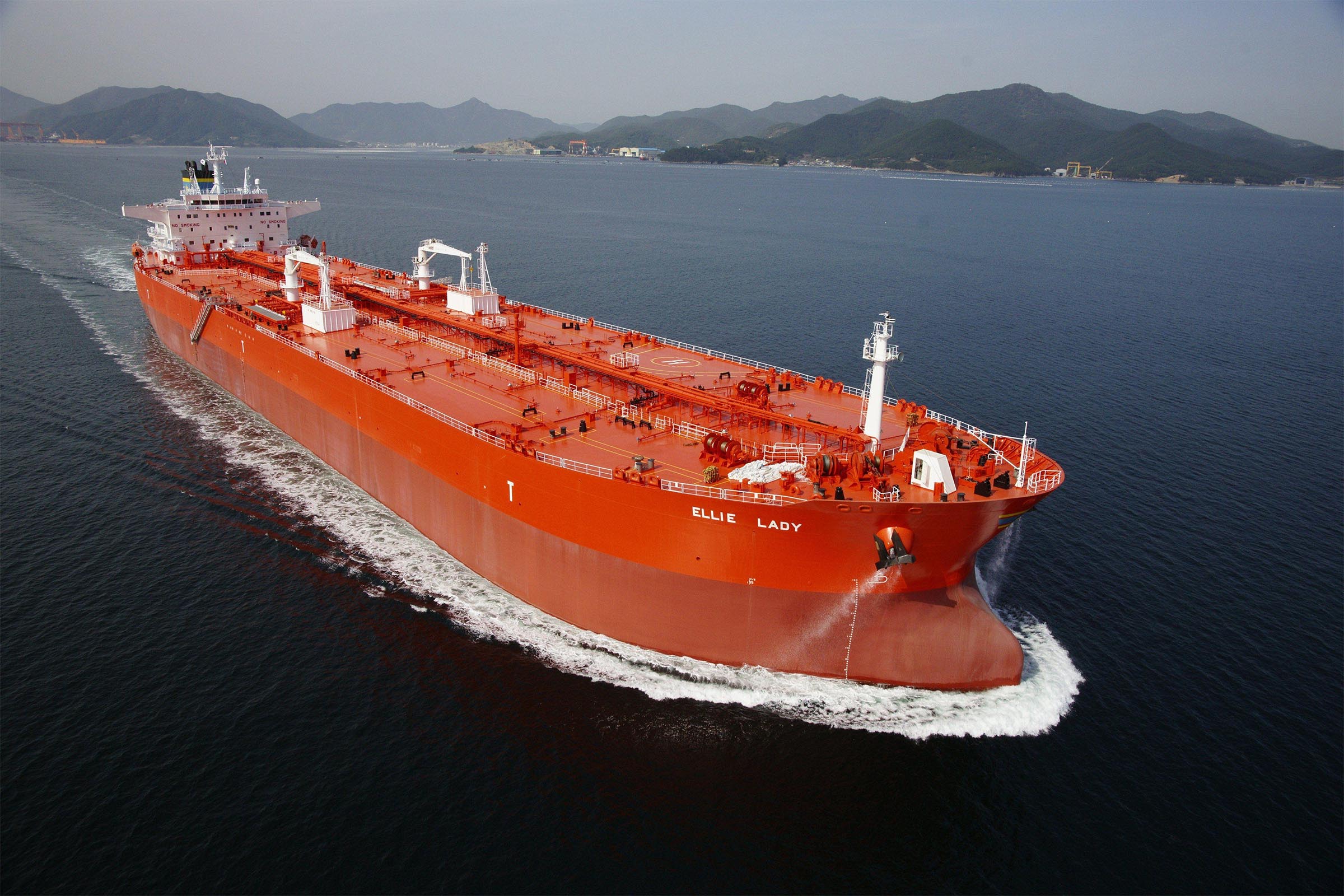
Hundreds of tankers are currently refusing to transit the Strait of Hormuz.
“Things could change tomorrow,” should the U.S. and Iran suddenly come to terms on a settlement, a move that could reopen the critical Strait of Homuz, though which about 20% of the world’s petroleum and LPG pass through, said John McElroy, auto analyst and host of AutoLine TV. “It’s all in a state of flux.”
On the other hand, things could get much worse. Over the past seven day, the benchmark Brent Crude has gone up 25%, from a close of $72.87 on Friday, February 27 to just over $91 at 11 AM EST on Friday March 6. West Texas Intermediary Crude, another global benchmark, was up 33%, rising from $66.96 to $88.94 during the same period.
There’s typically a lag between what happens on global petro-markets and what motorists pay at the pump, but the surge in the cost of gasoline points to the inevitable increases to come.
The question is “how high is up?” As website SeekingAlpha addressed Friday morning, there’s growing speculation we could see crude hit $200 a barrel, a significant jump over the record $147.50 recorded for Brent Crude in July 2008.
More Auto News
- Soaring Vehicle Destination Fees Hit Consumers Hard
- Could Car Buyers Be in For Trump Tariff Refunds
- Is a New Energy Crisis in the Cards?
Automakers facing trouble
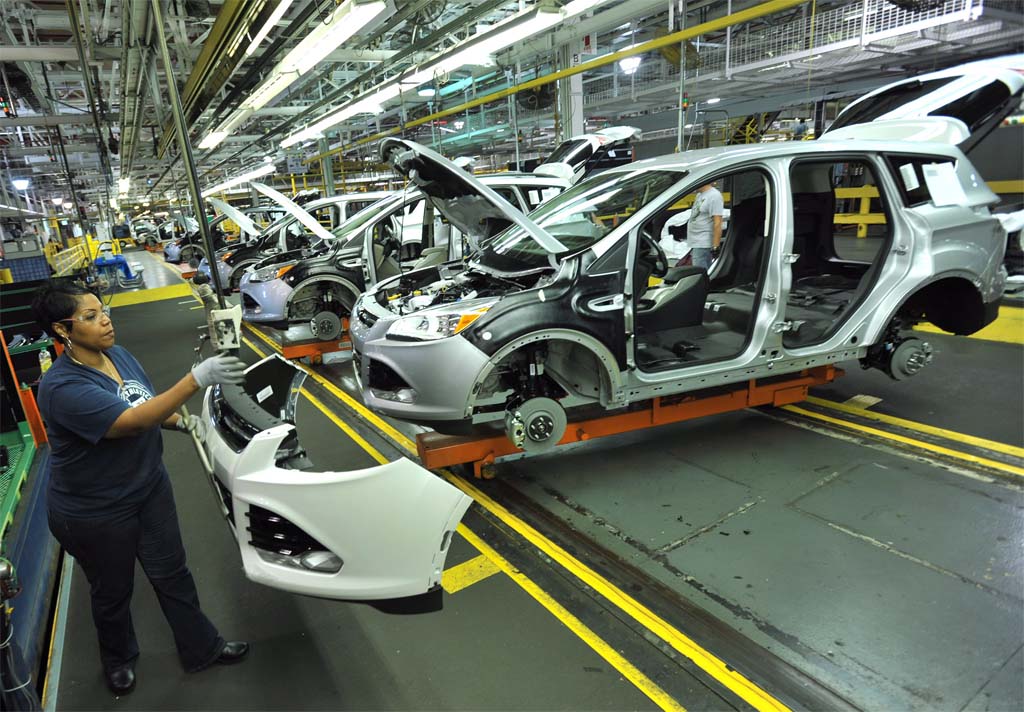
Petroleum byproducts are critical to the auto industry, used for many plastic parts, components and fabrics.
The auto industry could be particularly vulnerable to an extended war, analysts and economists point out:
- They face rising prices for parts and components due to both rising prices for raw material and surging transportation costs;
- Some of those raw materials, such as petro-based ethylene and polypropylene, are coming into short supply because they’re produced in high volume in the Gulf region and thus face the Iranian shutdown of the Strait of Hormuz. This could lead to shortages and even plant closures;
- Rising inflation can further inflame the automotive affordability problem, keeping even more consumers out of the market for new vehicles.
For some manufacturers, including Toyota, Ford and Hyundai, the Mideast represents a big market for new vehicles. As long as the war drags on, experts warn, sales in the region are expected to slow significantly.
On the flip side, any settlement between the U.S. and Iran that might lift trade sanctions on the Islamic State could be good news for the auto industry. Few global brands now compete in that market, but they’d certainly like to, considering it’s the largest market in the region, noted Automotive News. Buyers there purchased 3 million new vehicles last year, about 38% of the regional total.




0 Comments