
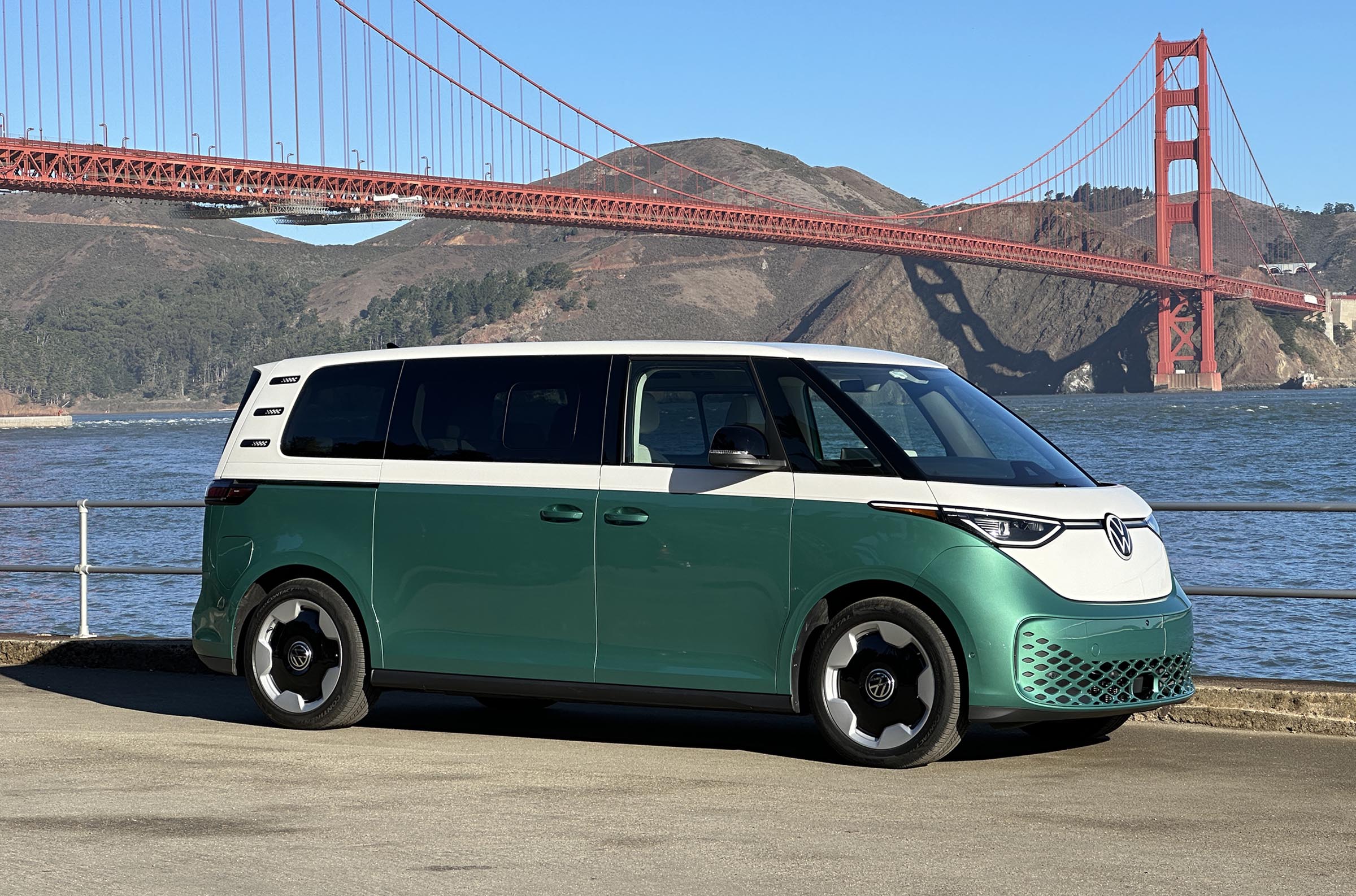
Honda revealed it’s canceling three battery-electric vehicles it planned to offer in the U.S. But it’s just the latest manufacturer pulling back on its EV program as sales plunge following the phaseout of federal tax credits last September. Headlight.News looks at other EV programs that have been cancelled or delayed.
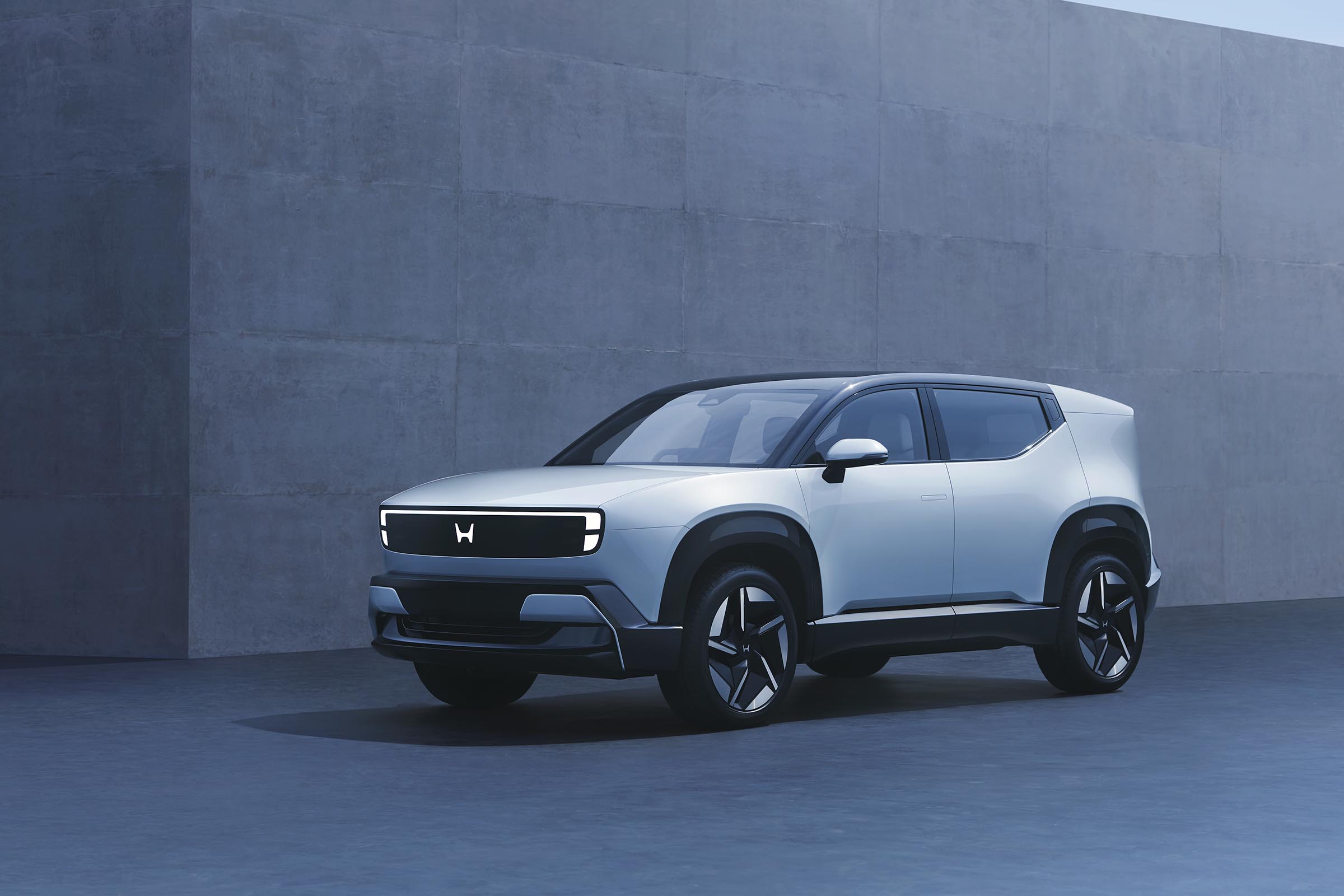
Honda revealed it would be cancelling the Honda 0 SUV and sedan due to fading sales in the U.S. The automaker isn’t alone.
Until a year ago, it looked like we might soon have as many EV nameplates on the market as conventional gas offerings. That was no surprise considering sales of battery-electric vehicles had grown more than eightfold between 2019 and 2023. But the growth in demand that started slowing in 2024 turned into a wholesale route last September following the decision by Congress — encouraged by the Trump administration — to phase out federal tax credits.
With no clear sign of how low sales might go — or when they might bounce back — a growing number of automakers have been rethinking their EV programs, often at a hefty cost. On Thursday in Tokyo, Honda CEO Toshihiro Mibe said Honda will scrap plans to launch two new 0 Series models in the U.S. for 2027, along with the planned Acura RSX. The automaker also may post a loss for the fiscal year of as much as $15.8 billion.
Honda’s move follows cuts by brands as diverse as Ford, Ram, Nissan and even EV-only manufacturer Tesla. Here’s a look at some of the most significant EV programs that have been dropped or delayed.
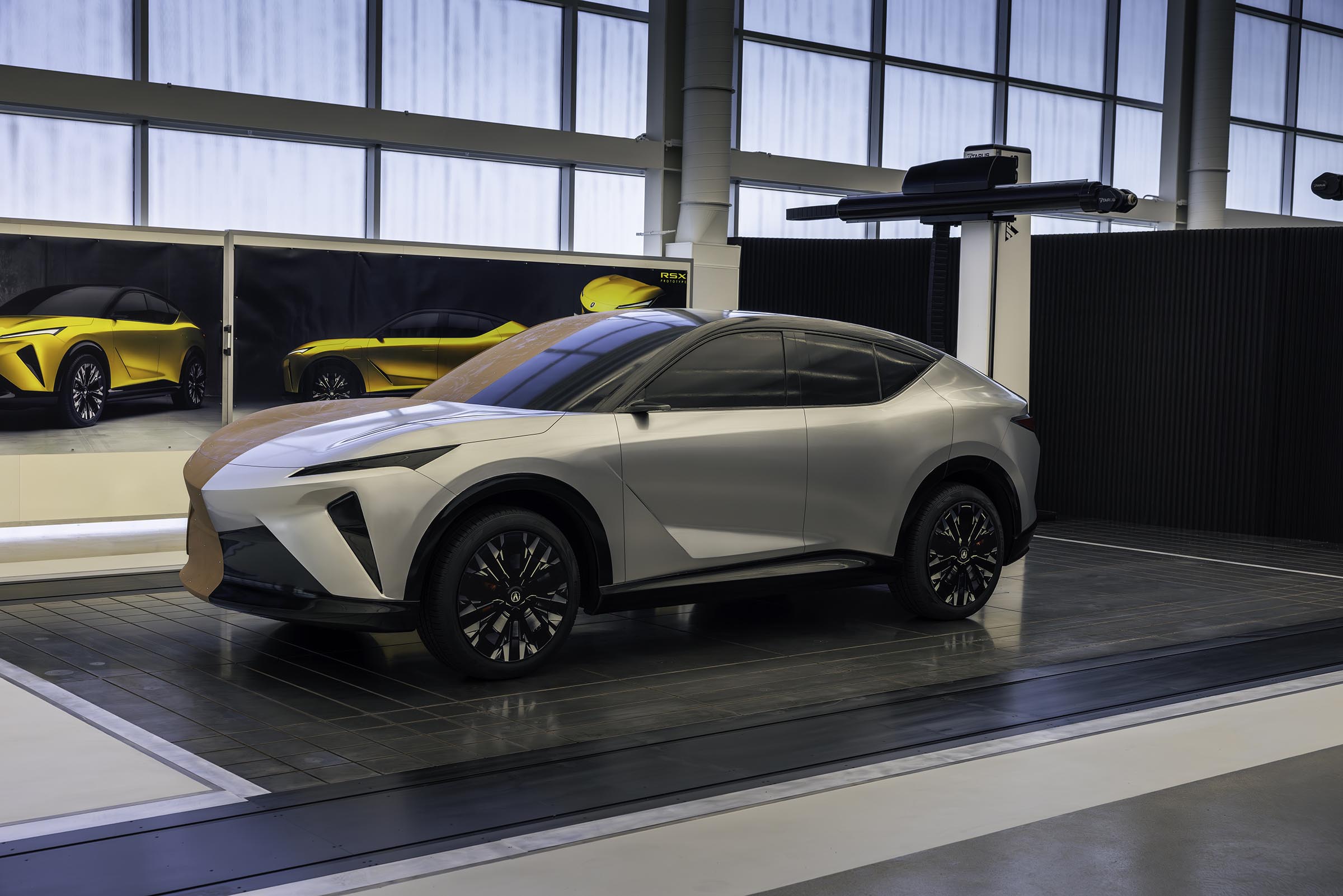
The Acura RSX also got the ziggy in Honda’s recent move to cut its losses.
Acura:
The brand announced last September it was halting production of its first EV, the slow-selling ZDX. On March 12, parent Honda said the RSX, set to be produced in Ohio, was also scrapped.
Chevrolet:
After rolling BrightDrop into the Chevrolet brand, it has now cancelled the all-electric van line entirely. The next-gen Chevy Bolt will be offered for only 18 months.
Dodge
The Charger Daytona R/T is officially on hold, but it may not make it into production. The ultimate performance version of Daytona, the Banshee, appears to be dead as Dodge rebalances the lineup to emphasize the Hurricane-powered Charger (sans “Daytona”).
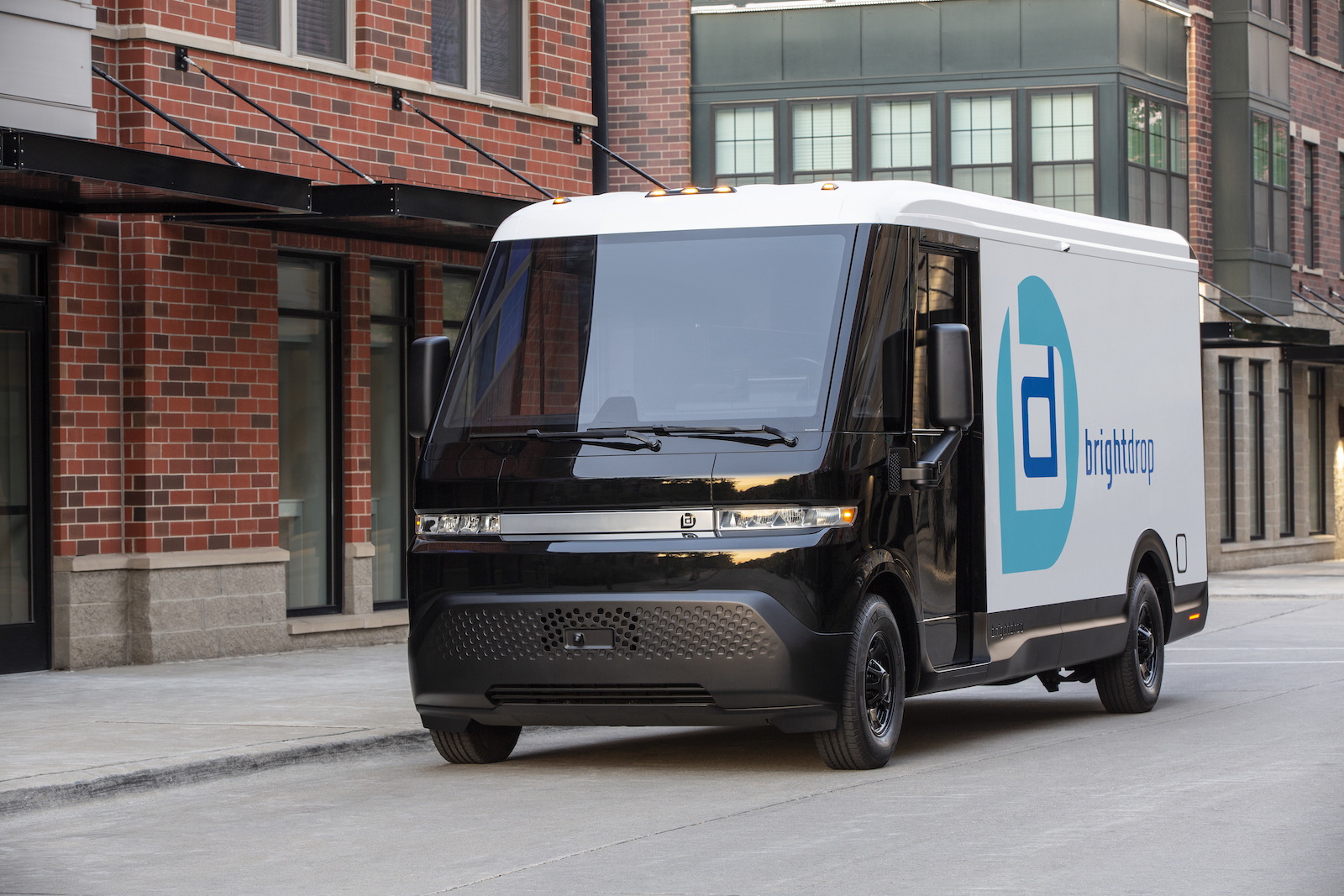
Chevrolet cancelled the BrightDrop lineup altogether after moving under the Chevy umbrella.
Ford
Ford has completely rejigged its EV plans — while taking a $19.5 billion writeoff. It scrapped plans for a 3-row SUV. And ended production of the F-150 Lightning in December. It’s shifting production at the huge BlueOval City complex near Memphis from EV to gas trucks and will revise plans for a Lightning successor to become an extended-range model. The new, affordable “Universal EV” line is scheduled to launch in 2027.
Genesis
The Electrified GV80 has been discontinued for now, but may yet return. The all-electric GV60 remains in production, however, and will add a high-performance version, the GV60 Magma, later this year.
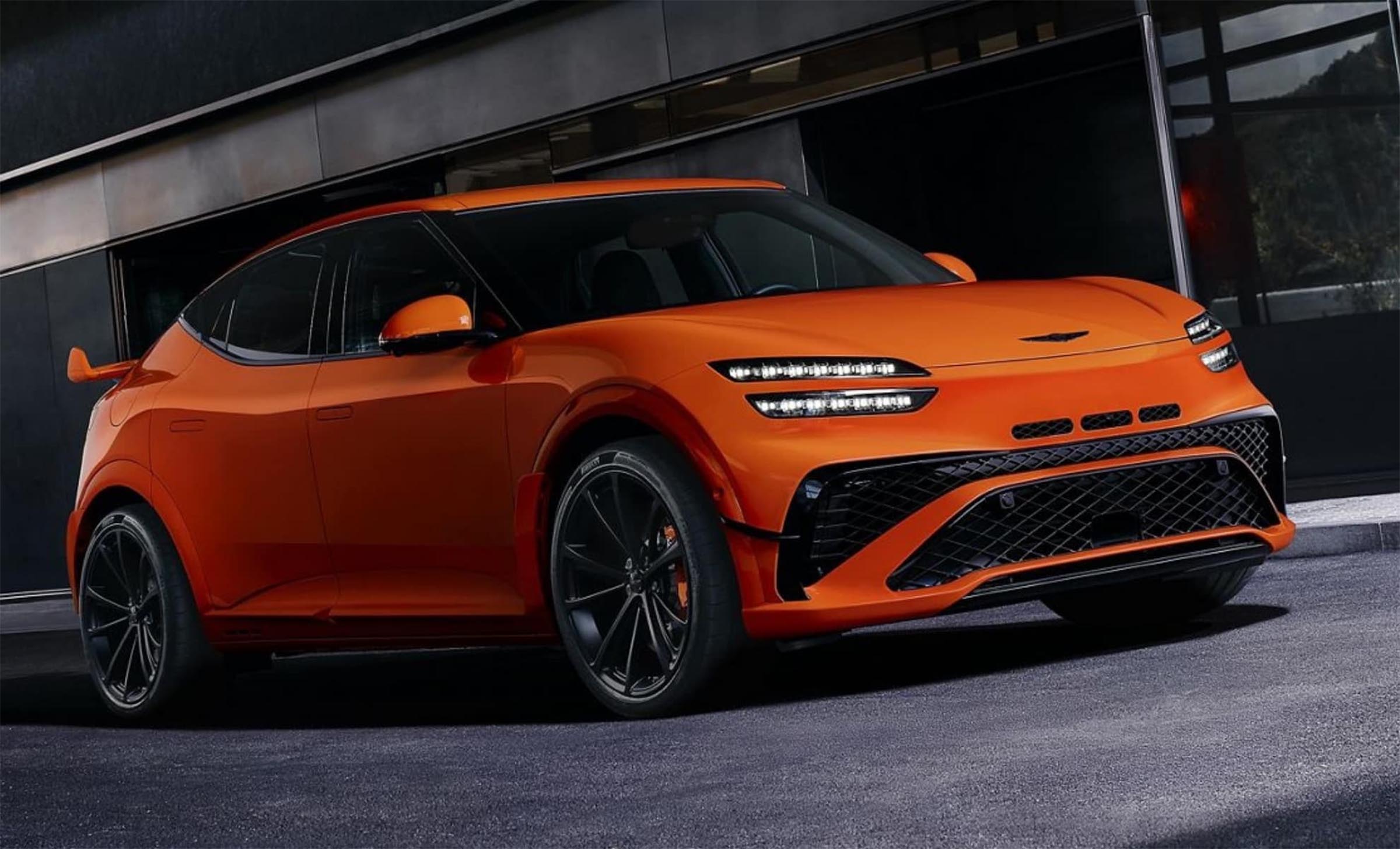
The Genesis GV60 Magma is still coming to the U.S. market later this year.
Honda
Both 0 Saloon and SUV models won’t come to the U.S. Like the Acura RSX, both had been scheduled for production at the EV Hub Honda set up combining operations at several mid-Ohio plants. Prologue to continue — for now — and Honda is working on possible “affordable” EV models.
Hyundai
The mainstream Ioniq 6 “Streamliner” has been dropped except for the limited-volume Ioniq 6 N. Production continues for Ioniq 5 and Ioniq 9 variants. Hyundai also scrapped its first long-range EV, the Kona Electric.
Infiniti
An all-electric sedan codenamed LZ1F and a crossover codenamed PZ1J have been cancelled. Both were set for production at the Nissan plant in Canton, Mississippi

The fate of the Kia EV3 will be reveald next month at the New York International Auto Show.
Kia
The EV6 GT has been indefinitely delayed. Plans regarding the delayed launch of the little EV3 will be revealed at the upcoming New York International Auto Show, while production will continue with the EV6 and EV9 models.
Lamborghini
The Italian automaker has scrapped all-electric versions of the Lanzador and Urus, brand boss Stephan Winkelmann stating he saw only marginal demand for all-electric supercars.
Land Rover
The Range Rover EV was set to debut in 2025 but has been delayed, with a possible debut later this year. Plans still call for two EVs, the Range Rover and Range Rover Sport packages.

The battery-electric Nissan Ariya is being killed for 2026 due to slow sales.
Maserati
Weak demand has led to the cancellation of the MC20 Folgore. But the brand will continue offering three other EVs: the GranCabrio, GranTurismo and Grecale.
Nissan
Ariya is out of production for 2026 but may return next year, Nissan said. The base Leaf S package is indefinitely delayed. Both an electric sedan, known internally as LZ1E, and a CUV, codenamed PZ1K, have been scrapped. Like the Infiniti EV pair, Nissan’s two all-electric additions were to have been built in Canton.
Polestar
The Polestar 2, the Swedish brand’s first all-electric model currently is unavailable in U.S. because of the hefty tariffs on Chinese-made EVs. It has an uncertain future, and there’s been speculation about what might happen with some other Polestar lines imported from China.

The Polestar 2 isn’t currently available in the U.S. due to Trump administration tariffs.
Porsche
An all-electric flagship SUV has officially been delayed, but is widely believed to be cancelled or converted to some type of hybrid package. The Boxster and Cayman EVs appear to have survived, however.
Ram
The all-electric Ram 1500 REV has also been cancelled, but that name will now be used for the range-extended pickup previously referred to as Ramcharger.
Tesla
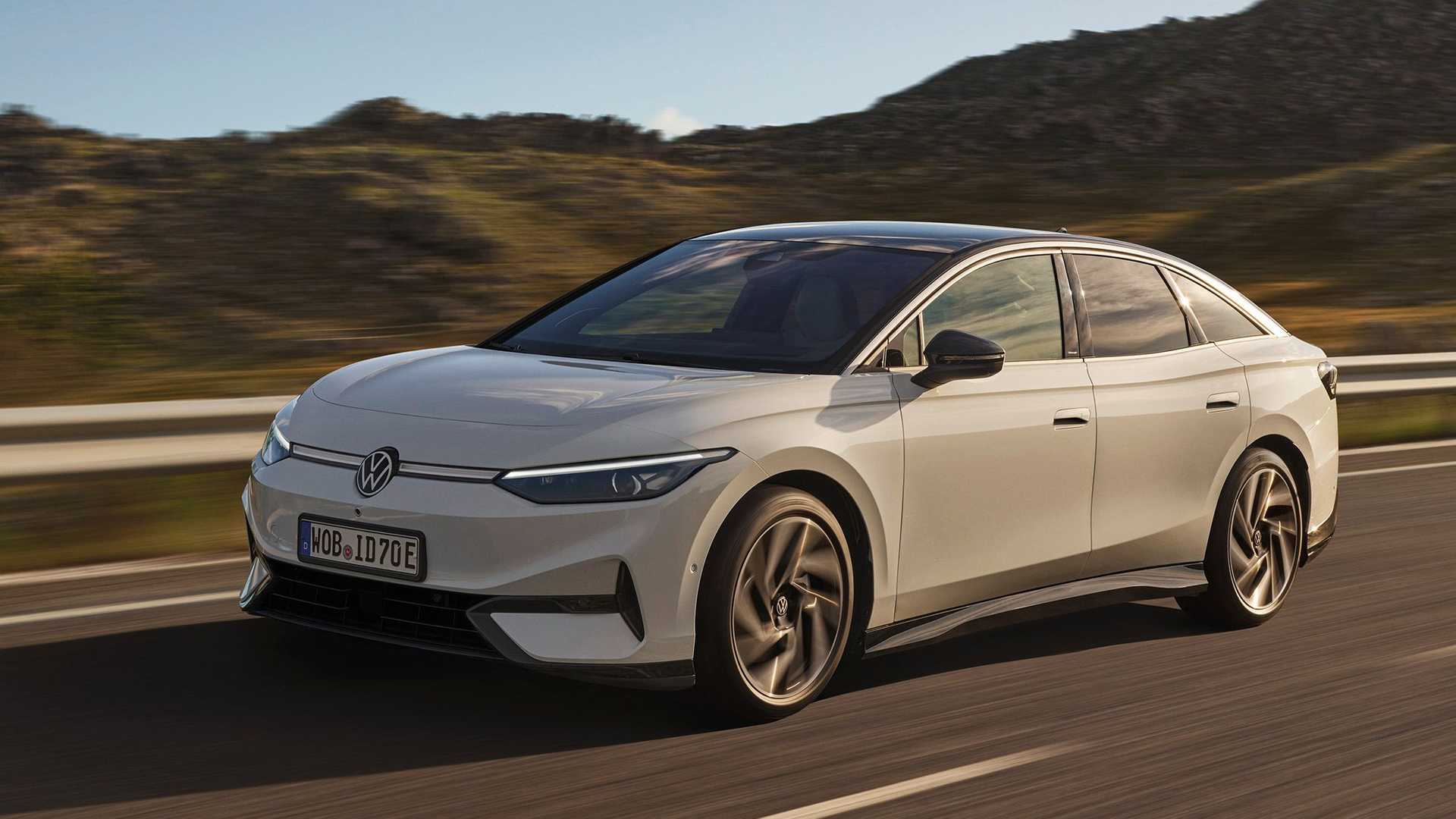
Volkswagen has scrapped plans to bring the ID.7 to North America.
Both premium lines, Models S and X, have been dropped, ostensibly to make room for Tesla to build Optimus Prime robots at its Fremont, California plant. The future of the Cybertruck is uncertain with only marginal sales, and Tesla is sending mixed signals about an “affordable” EV and retail CyberCab models.
Volkswagen
The ID.7 sedan has been cancelled for the U.S. Meanwhile, the ID.4 name is being dropped, but the crossover will be rebadged ID.Tiguan. The electric ID.Buzz microbus is out of production for the 2026 model year, but is expected to return with more mainstream options for the U.S., where it originally was sold only as a premium package in its extended 3-row form.

Very comprehensive list! A few additions:
1. The new Ford electric commercial van (aka the next e-Transit) scheduled to be built in Ohio is dead. 2. Bentley and Aston Martin EVs have been delayed
3. Porsche 718 has been delayed (since we should have seen it already)
4. Ferrari’s 2nd EV (after the Luce) is either delayed or cancelled.
It’s also a bit unclear what Chrysler is doing. Will there be a Pacifica EV? Is the Airflow dead? I guess we need to hear from the new CEO, because the previous one kept waffling.
Tesla’s signals about an affordable are pretty clear. Musk said a “$25,000 EV” would be “pointless”, so I think we can take that off the table.
And I believe the changes to the Porsche flagship SUV are official; it will launch as ICE or PHEV, with an EV variant sometime next decade.
Oh, and one more: it appears the Niro EV is dead, leaving just the hybrid variants.
Maybe this needs to be a running list… 😉
Thanks for the adds, Adam. Yep, it’s a running list.
Paul E.