
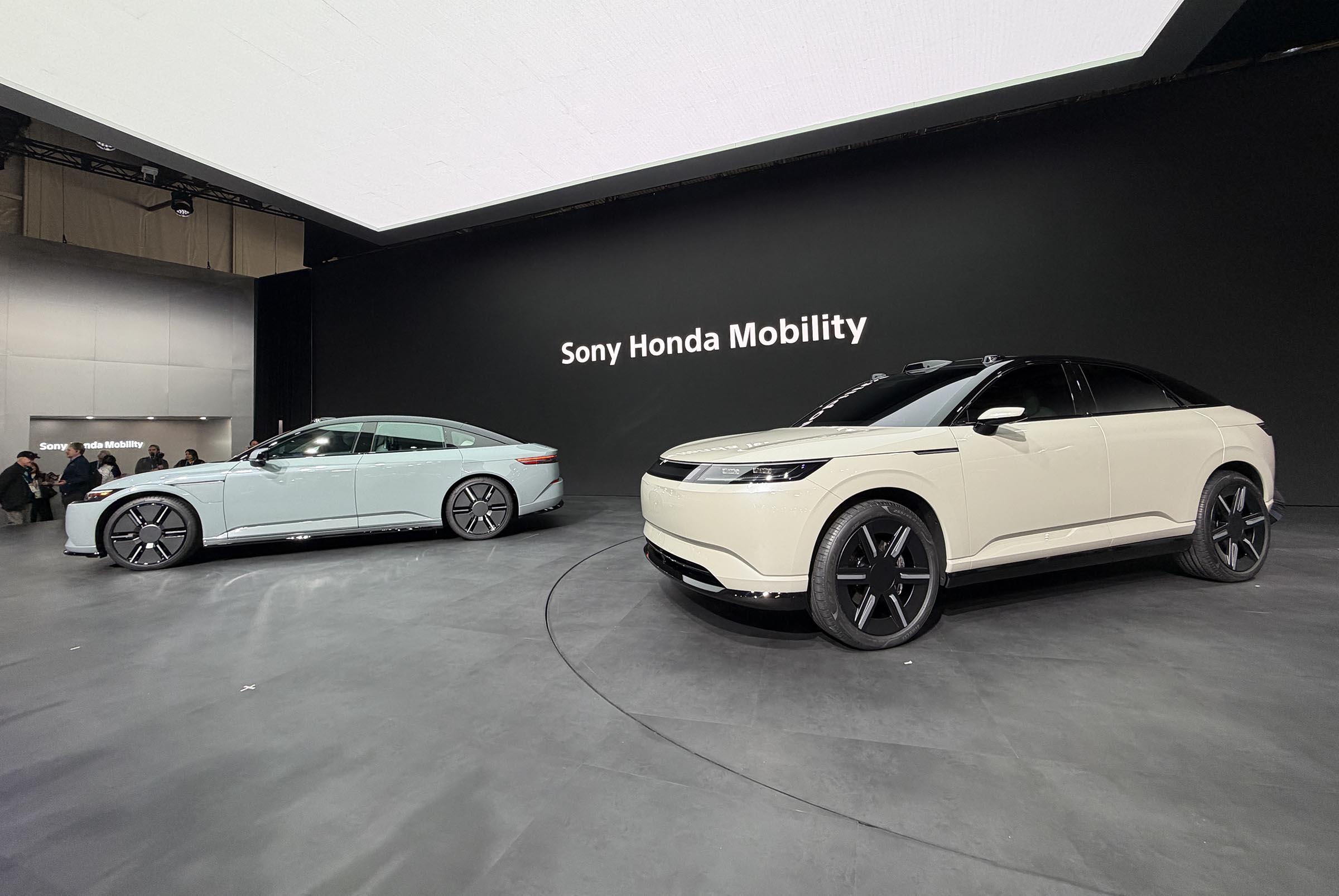
They’ve lost that Afeela feeling. Sony and Honda announced Tuesday that they’ve killed plans to bring out a tech-laden series of battery-electric vehicles. The move comes just weeks after the Japanese automaker scrapped plans to launch three new EVs in the U.S.. But it also reflects questions about the market viability of the original $90,000 Afeela sedan and subsequent models.
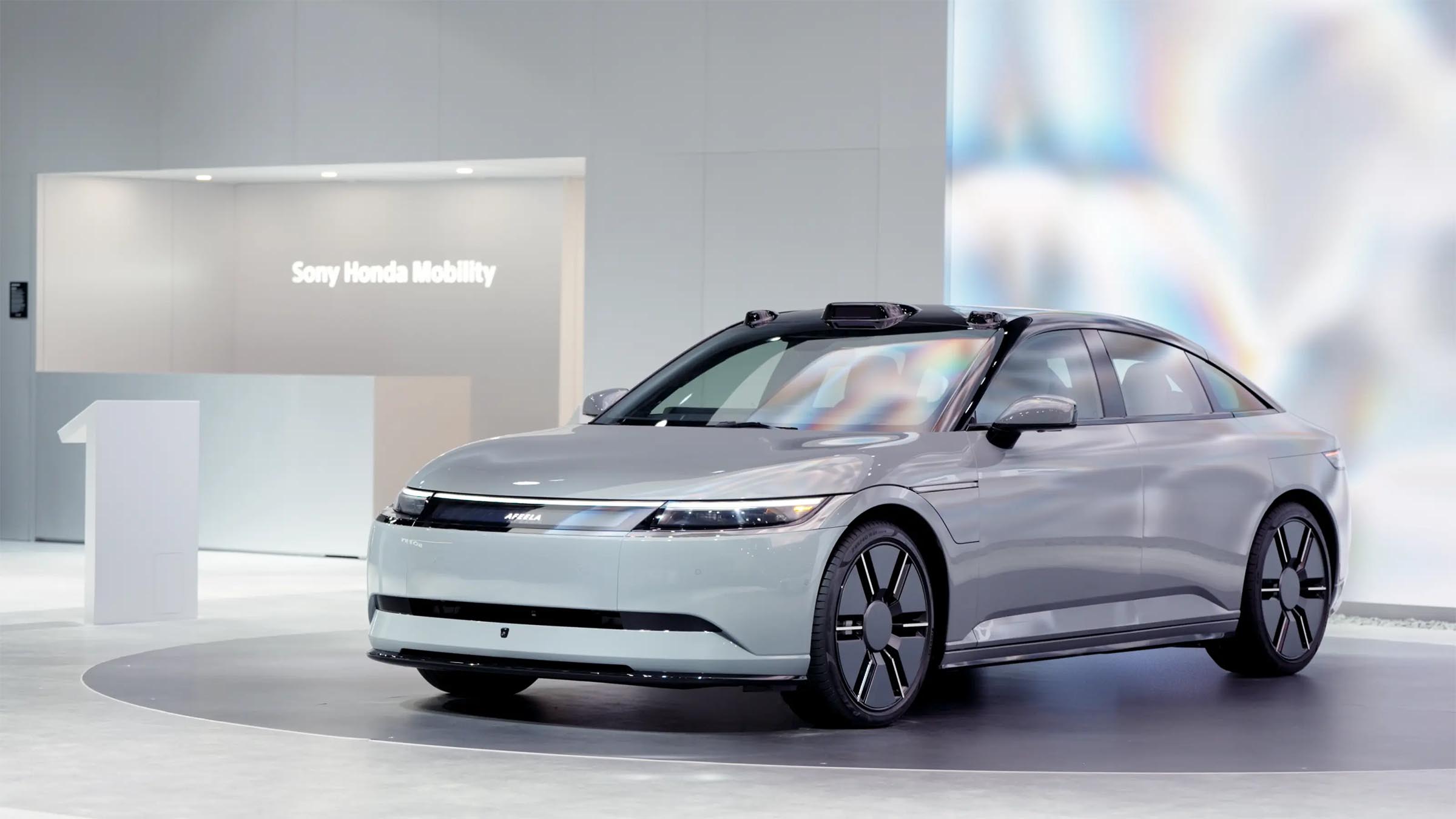
The original Afeela prototype was rolled out again at the 2026 Consumer Electronics Show.
Barely two weeks after Honda said it would abandon plans to launch three new EVs in the U.S. market, the automaker and tech partner Sony have scrapped their Afeela joint venture.
The project reportedly already faced a series of challenges – including questions about the appeal of its initial, $90,000 battery-sedan. But with Honda expecting to post massive losses as it scales back its own EV program, officials with Sony Honda Mobility (SHM) concluded they could not find a “viable path forward” for the program.
“As a result of Honda’s reassessment of its automobile electrification strategy announced on March 12, 2026, SHM will not be able to utilize certain technologies and assets that were originally planned to be provided by Honda at the time of SHM’s initial business planning,” the joint venture said in a statement. “In light of this change, SHM has determined that it does not have a viable path forward to bring the Models to market as originally planned.”
Unplugged
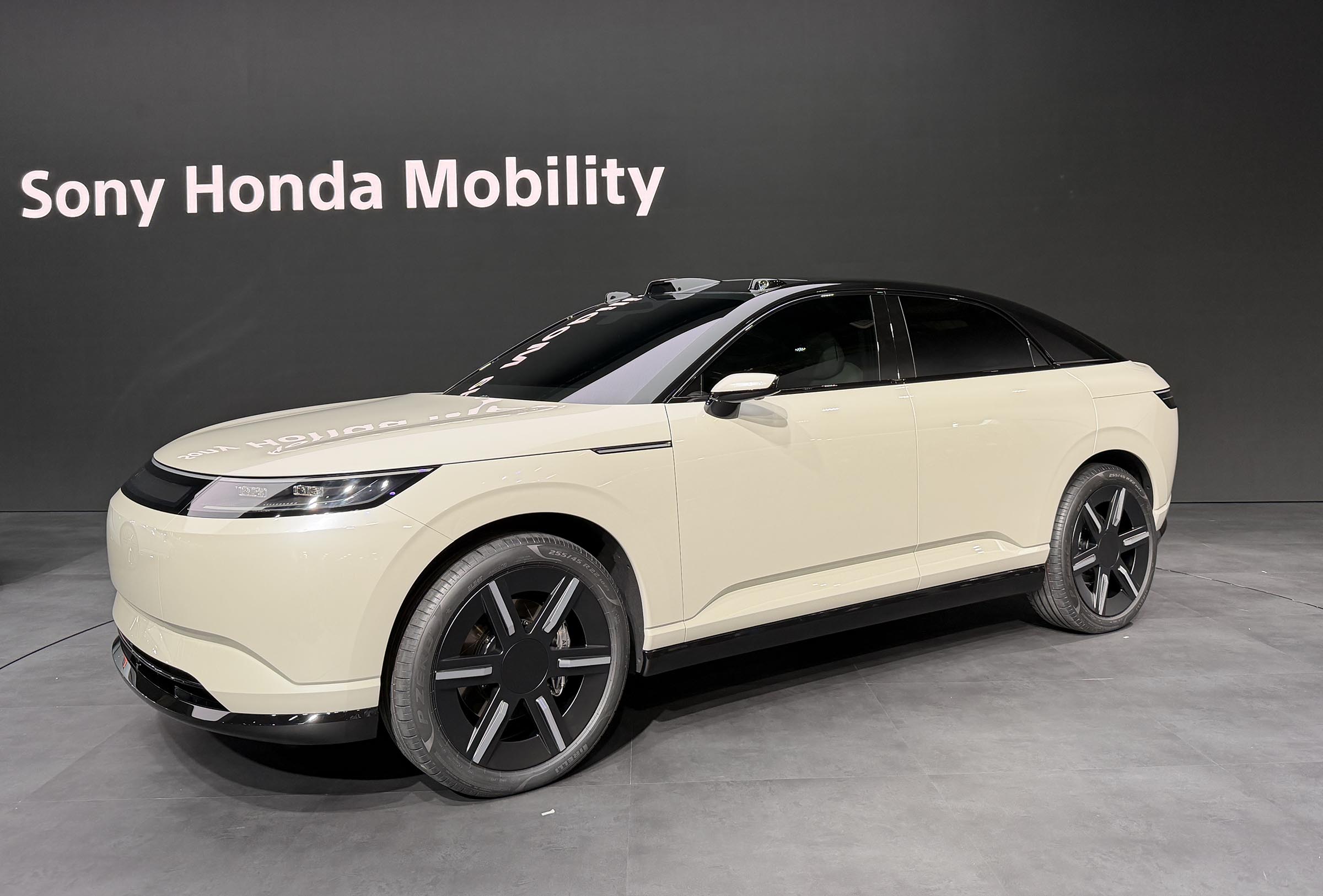
The larger Afeela Prototype 2026.
Sony had long expressed interest in getting into the EV business, in January 2021 rolling out the first in a series of prototypes at the Consumer Electronics Show. It subsequently revealed plans to team up with Honda, the Japanese automaker largely serving as a contract manufacturer. They inked a memorandum of understanding in March 2022 and officially formed the joint venture that September.
The initial project was revealed at a time when there were great hopes for the EV market, the Biden administration, along with the State of California, putting in place rules and regulations some expected to create explosive growth for battery-electric vehicles. But after expanding eightfold from 2019 to 2024, demand suddenly flattened out – and then collapsed after federal EV tax credits were phased out last September.
Even before that happened, Honda struggled to build a market for its original Prologue model, last year canceling production of the Acura ZDX. On March 12, meanwhile, CEO Toshihiro Mibe revealed that Honda no longer planned to build its 0 Series EVs in the U.S. – also scrapping the battery-powered Acura RSX. As a result, it no longer had a business case to move ahead with the “EV Hub” it was setting up in mid-Ohio, anchored by the company’s first American assembly plant in Marysville.
Massive losses
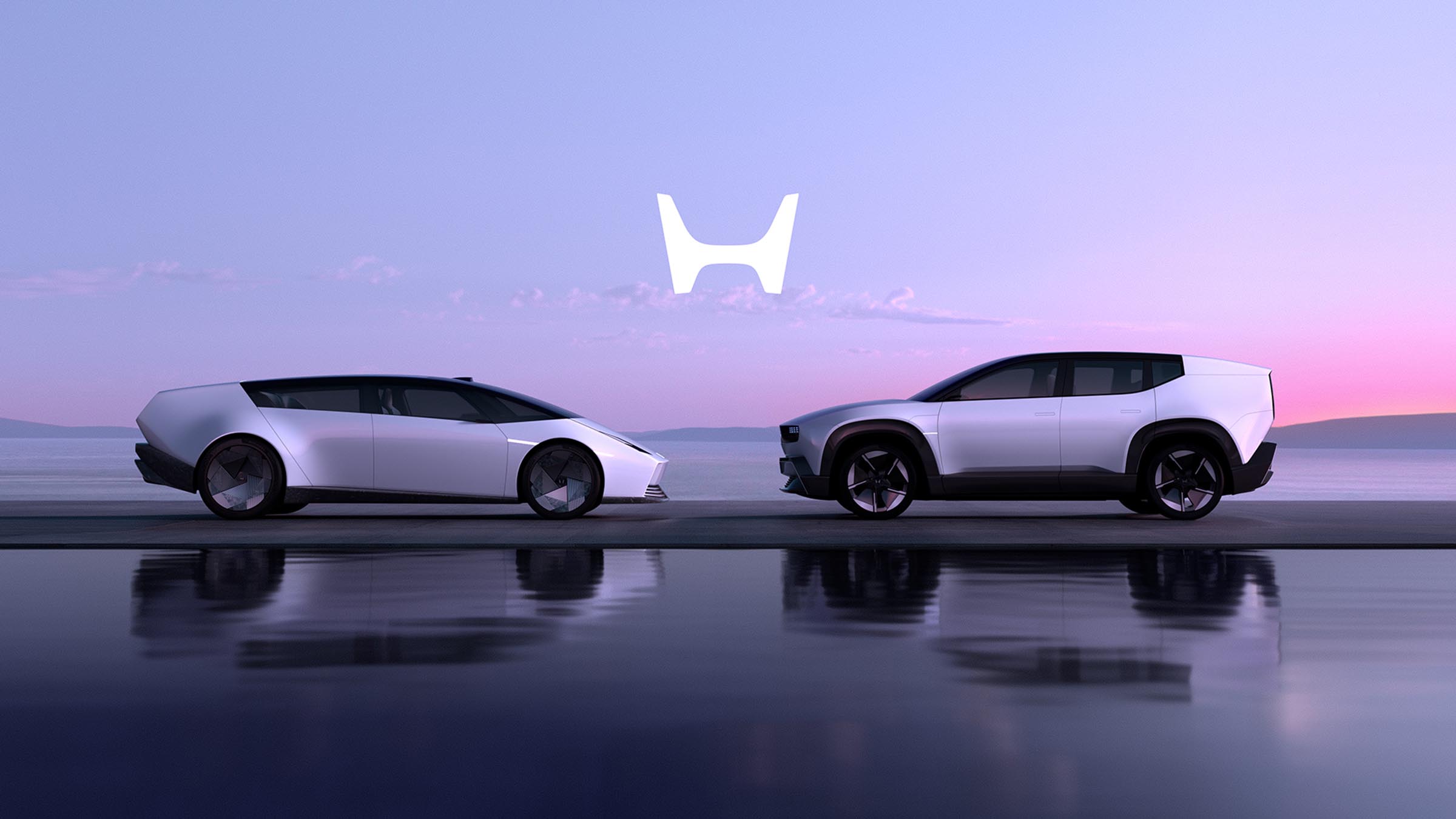
Honda also scrapped U.S. plans for its 0 Series this month.
During a Tokyo news conference, Mibe warned that the shift in direction was likely to result in a write-down of as much as $15.8 billion for the current fiscal year ending March 31. That follows news of massive losses related to restructured EV programs by a number of other automakers, including Ford and Stellantis.
It’s unclear how much of the write-down Honda already announced directly involves its role in the SHM partnership, nor has Sony said what the cancellation of the Afeela product launch will cost the electronics giant. At launch they agreed to a modest $74 million investment. Last July SHM said it had so far lost $362 million. The ending of the project could multiply that figure several-fold, an analyst familiar with the project said on background.
There is the possibility that this won’t mark the end of the program, however. Officials at the joint venture signaled that may look to see if there are other options that could keep the Afeela EVs alive.
More EV News
- All-New BMW i3 Makes its Debut
- A Week With Mercedes-Benz EQS400
- Polestar Plans its Largest Product Offensive Ever
Bad decisions
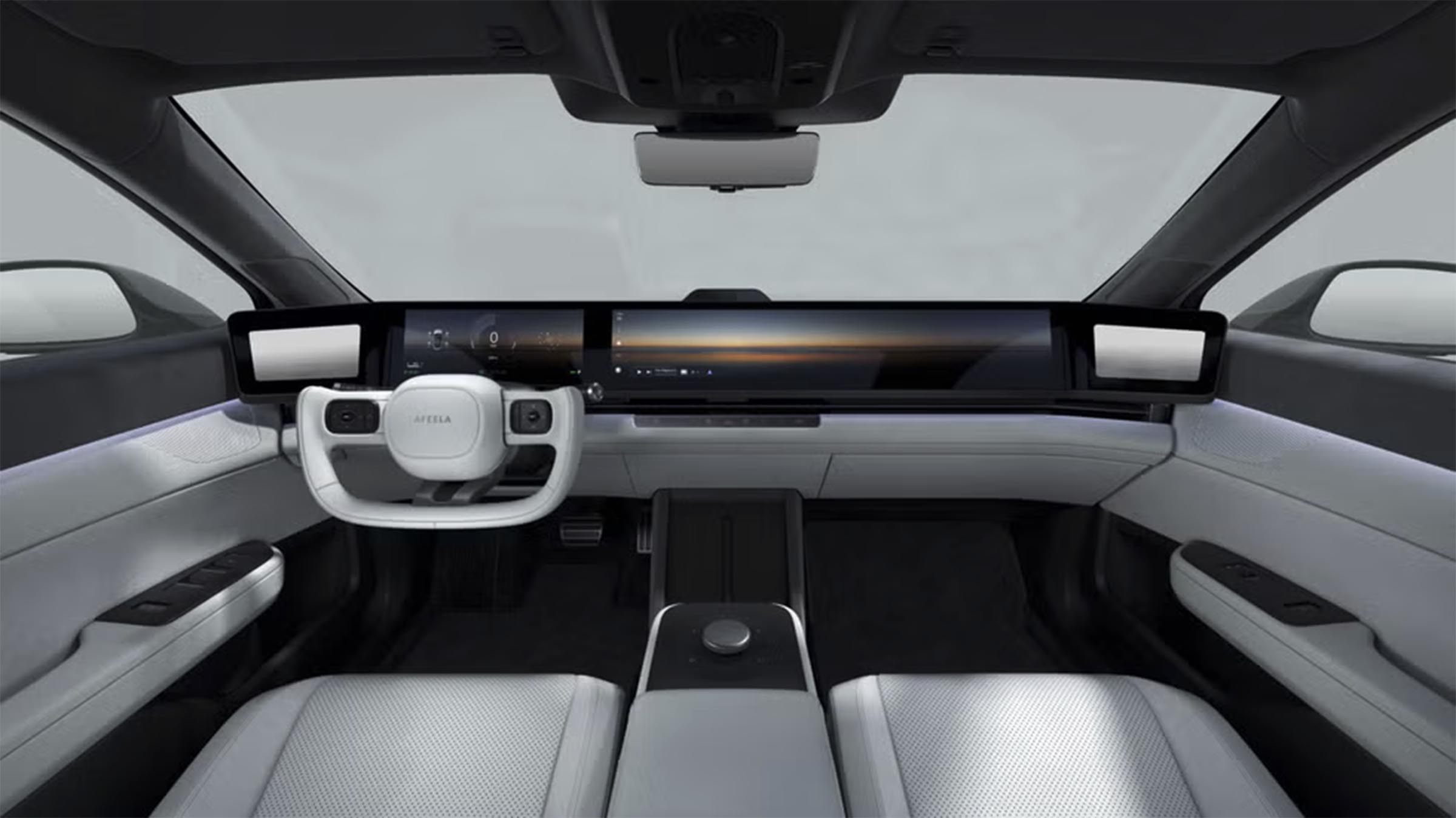
SMH hoped buyers would spend $90,000 based, in large part, on the built-in Sony infotainment and safety technologies.
Even if the SHM program moved ahead – and even if federal tax credits weren’t phased out – industry analysts were highly skeptical about whether Afeela would succeed. Questions surfaced almost from the start due to the joint venture’s decision to go with a sedan body style in a market dominated by SUVs.
The $90,000 price tag didn’t help, even with SMH promising a vehicle laden with the latest infotainment and safety technologies. Making matters worse, Headlight.News reported in January, Afeela wouldn’t get “hands-free/eyes-off” autonomous driving technology. That was a key selling point early on, and was originally seen as justifying the high price for all the onboard video systems.
SMH did roll out a second concept, an SUV, at the Consumer Electronics Show in Las Vegas, officials saying it was designed to be a living room on wheels, with occupants able to stream video and even plug into the PlayStation 5 mobile gaming network. But public reaction, as well as among analysts and reporters, was anything but enthusiastic.
Industry-wide retreat
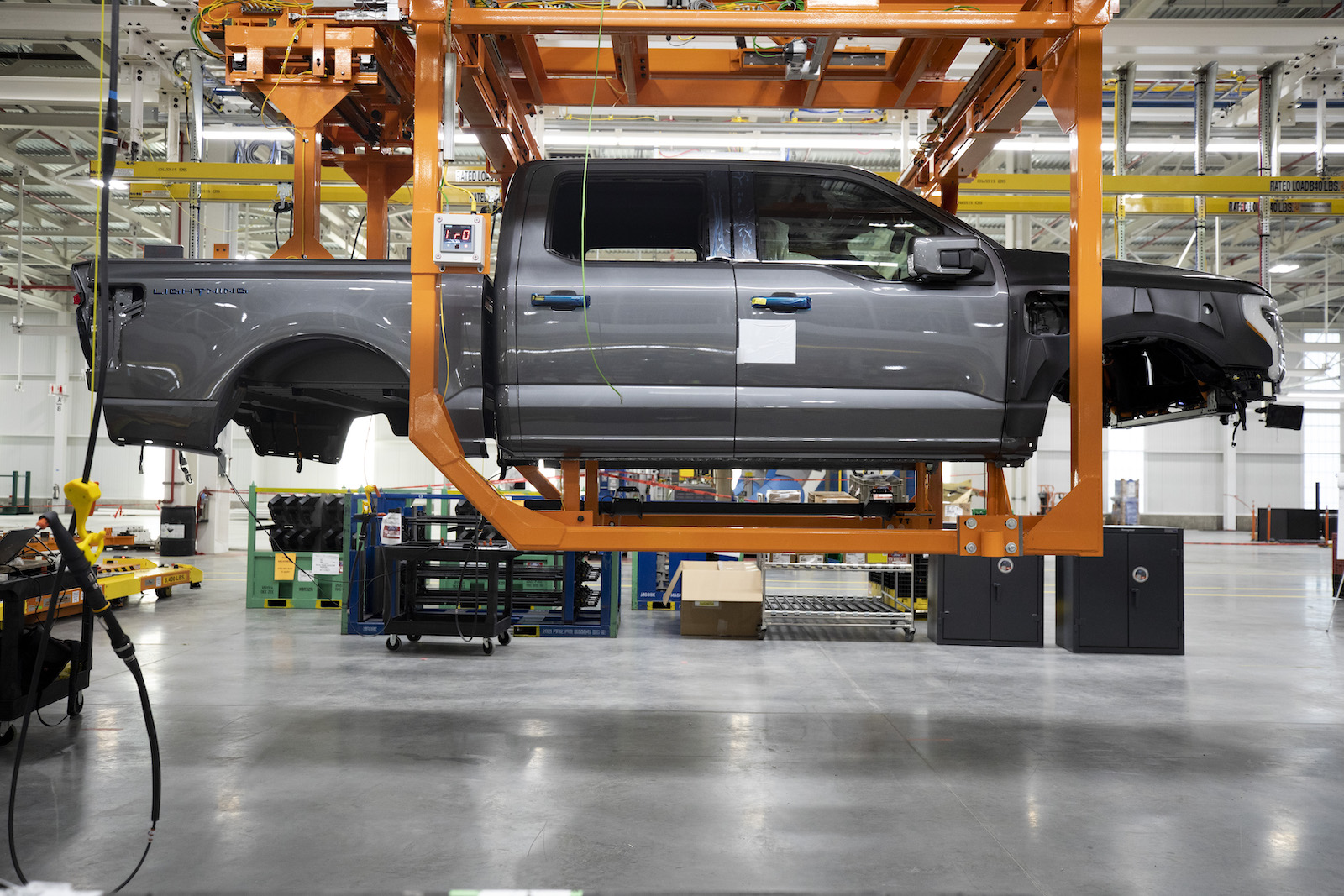
Ford ended production of the F-150 Lightning at its Rouge Electric Vehicle Center in December.
That likely contributed to Honda’s decision to restructure its EV program. It had counted on Afeela to generate enough demand to boost the economies of scale at its Ohio EV Hub.
The automaker is by no means the only one rolling back EV plans. Ford scrapped plans for a midsize SUV and in December ended production of the F-150 Lightning, while radically revising its manufacturing program, resulting in $19.5 billion in write-downs. Stellantis scrapped a number of its own battery-electric programs, resulting in over $26 billion in one-time charges.
More broadly, at least 20 brands, also including Hyundai, Infiniti, Kia, Nissan, Land Rover, Polestar, Volkswagen and Volvo, have delayed or cancelled some of their own EV projects.
On top of that, a wide range of EV start-ups, including Canoo, Lordstown Motors and Fisker, have failed. Others, including Rivian and Lucid, continue to face serious cash challenges.

0 Comments