
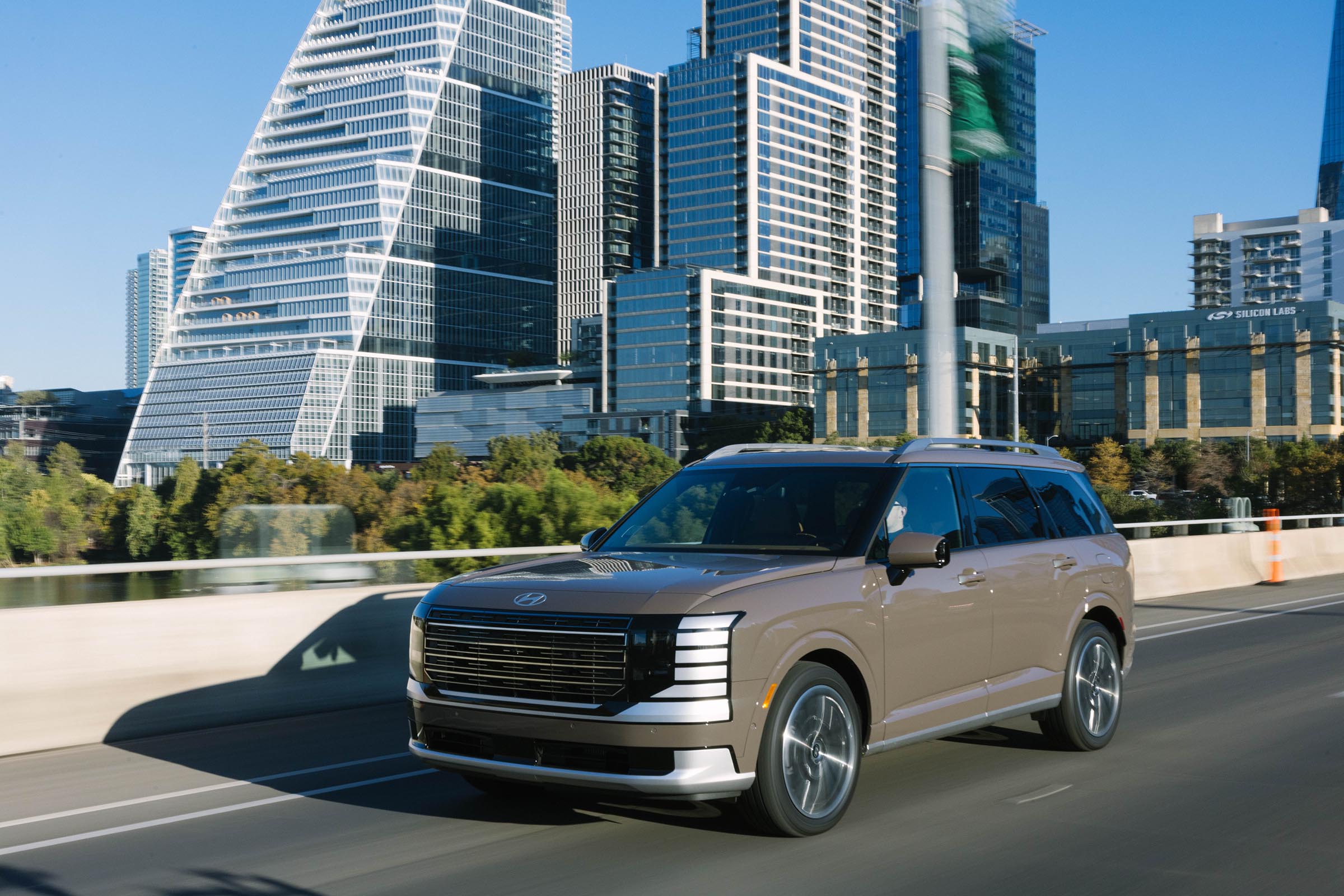
Auto sales tumbled sharply during the first quarter and could dip further, industry insiders warn. There is a big exception, however. After roughly doubling in 2025, sales of hybrid models rose another 57% through March. Headlight.News has more.
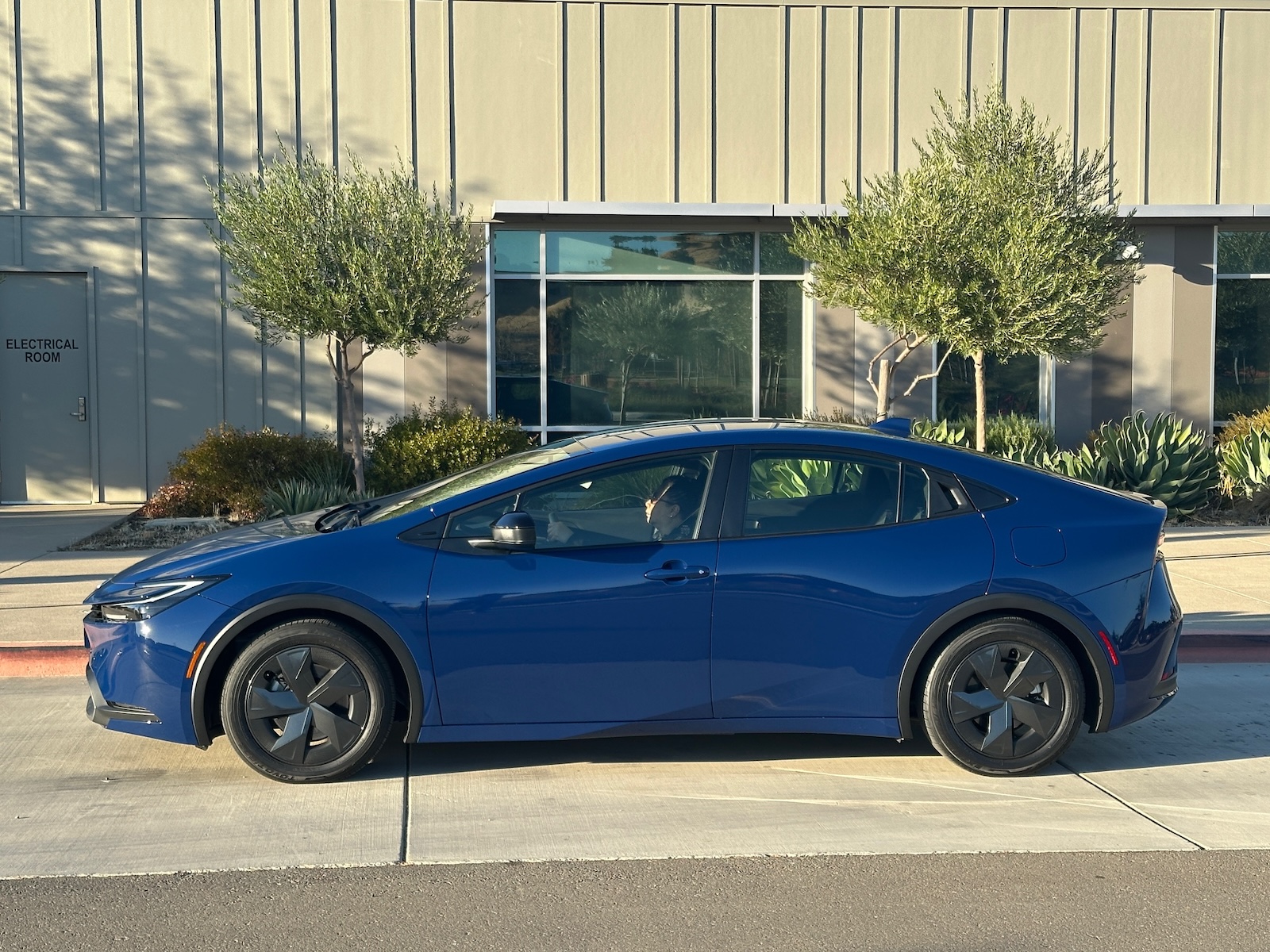
The Toyota Prius is arguably the market’s most familiar hybrid. But the latest version is sleeker – and more powerful while retaining its high fuel economy.
The new year has gotten off to a weak start for the auto industry, sales falling more than 6% during the first quarter of the year. And with vehicle prices now at record levels, even as soaring fuel prices threaten to trigger a new round of inflation, analysts warn that millions of potential buyers are being driven out of the market.
There is one big exception. While EV sales may be in the doldrum, demand for hybrid models has gone stratospheric, doubling in 2025 and jumping another 57% during the first quarter of this year, according to industry data.
“Hybrids have gotten a big boost,” said Erin Keating, lead analyst with Cox Automotive. The higher fuel costs go, she and other experts agree, the more consumers will be looking at high-mileage alternatives.
Electrifying!
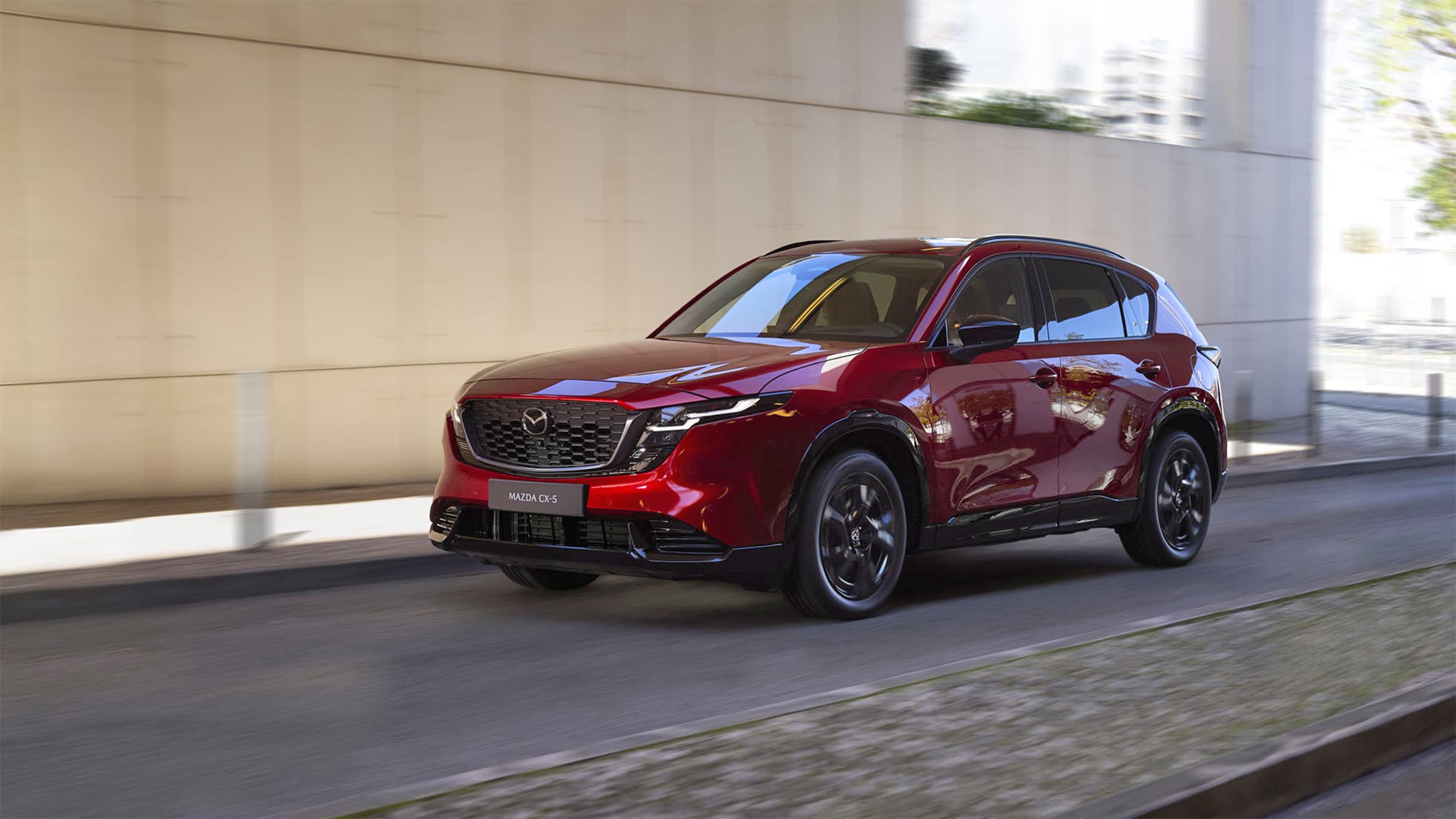
The 2026 Mazda CX-5 is Mazda’s first model offering a homebrew hybrid option.
Electrified vehicles – a term taking in conventional and plug-in hybrids, as well as battery-electric vehicles – accounted for 26% of U.S. new vehicle sales during the first quarter of 2026, industry data revealed.
Hybrids, in particular, experienced a hefty 57% surge in demand during the January-through-March period. That’s after their market share rose from around 11% in 2024 to 19.7% during the final months of 2025, Cox reported.
“I see no reason we won’t see another big surge” for all of 2026, said Keating.
Longer term, virtually all new vehicles could be electrified by the end of the decade, with the vast majority of those using hybrid powertrains, forecast Sam Abuelsamid, lead auto analyst with Telemetry Research.
By the numbers
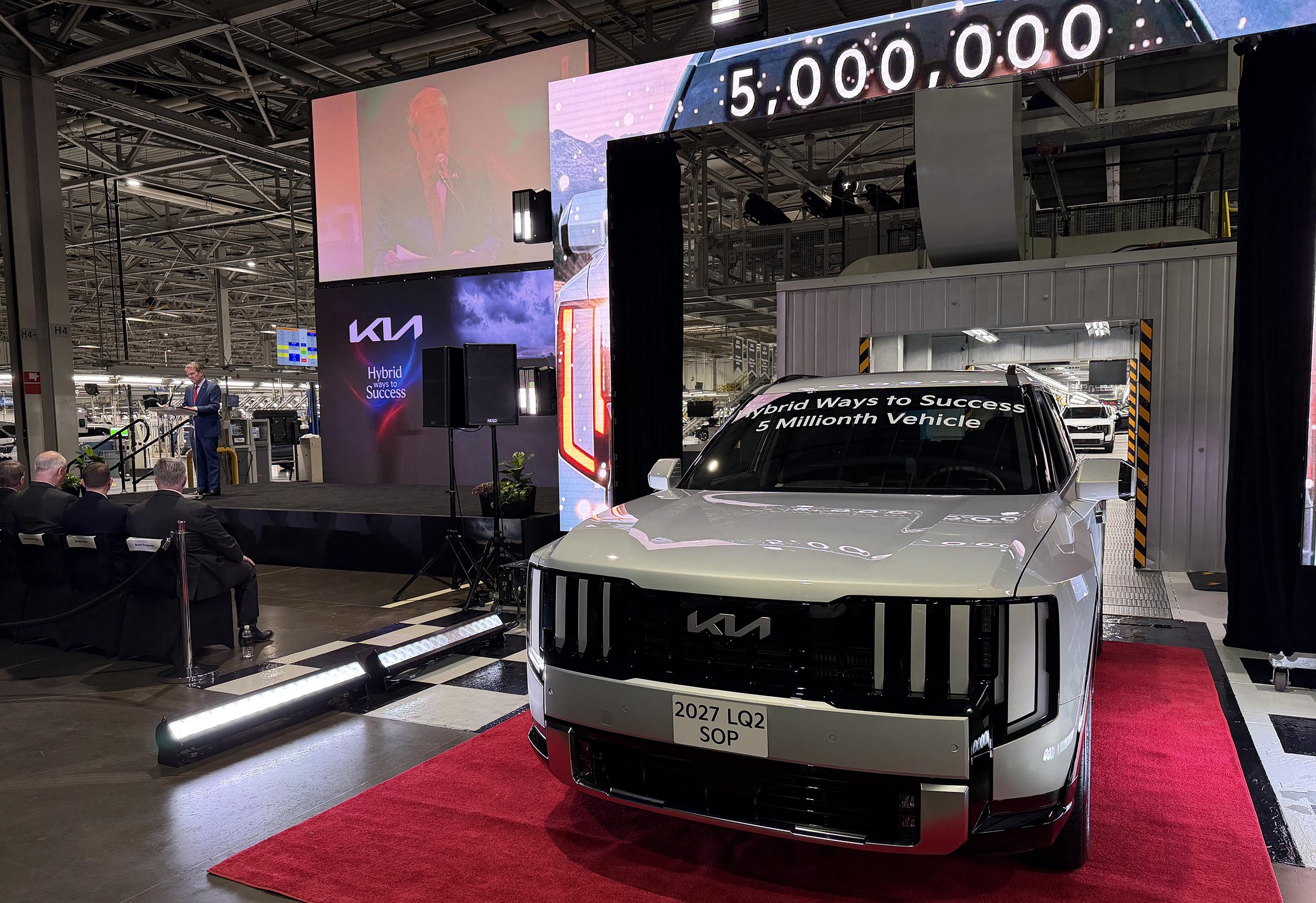
Kia recently launched production of the 2027 Telluride Hybrid.
“Our dealers report they’re seeing a lot more shoppers checking out our electrified models” over the past month, in particular, Russell Wager, Kia America’s marketing chief, told Headlight.News at the New York International Auto Show last week.
That coincides with the run-up in fuel prices due to the Iranian War. Self-service regular topped $4 per gallon on March 30 and hit $4.10 this past weekend before settling back a few cents.
The savings can be significant, especially in the big SUVs Americans favor. According to the Federal Highway Administration, the typical U.S. motorist clocks 13,596 miles per year. With its internal combustion engine, the front-wheel-drive version of the 2026 Hyundai Palisade would consume 591.1 gallons annually at an EPA-rated 23 mpg. At $4 a gallon that would work out to an annual $2,364.40 in fuel bills. The hybrid version, which gets up to 34 mpg, depending upon trim, would consume 399.9 gallons $1,599.60 in fuel.
While the hybrid Palisade costs roughly $4,000 more, a motorist would make up the difference in roughly five years. (And that doesn’t take into account the fact that the hybrid packages tend to offer more features than otherwise comparable gas models.)
More Auto News
- Kia Seltos Gets its 1st Hybrid
- Hybrid Jeep Cherokee Gets it Right
- Under Weight of War, Auto Sales Could Crash
More choices
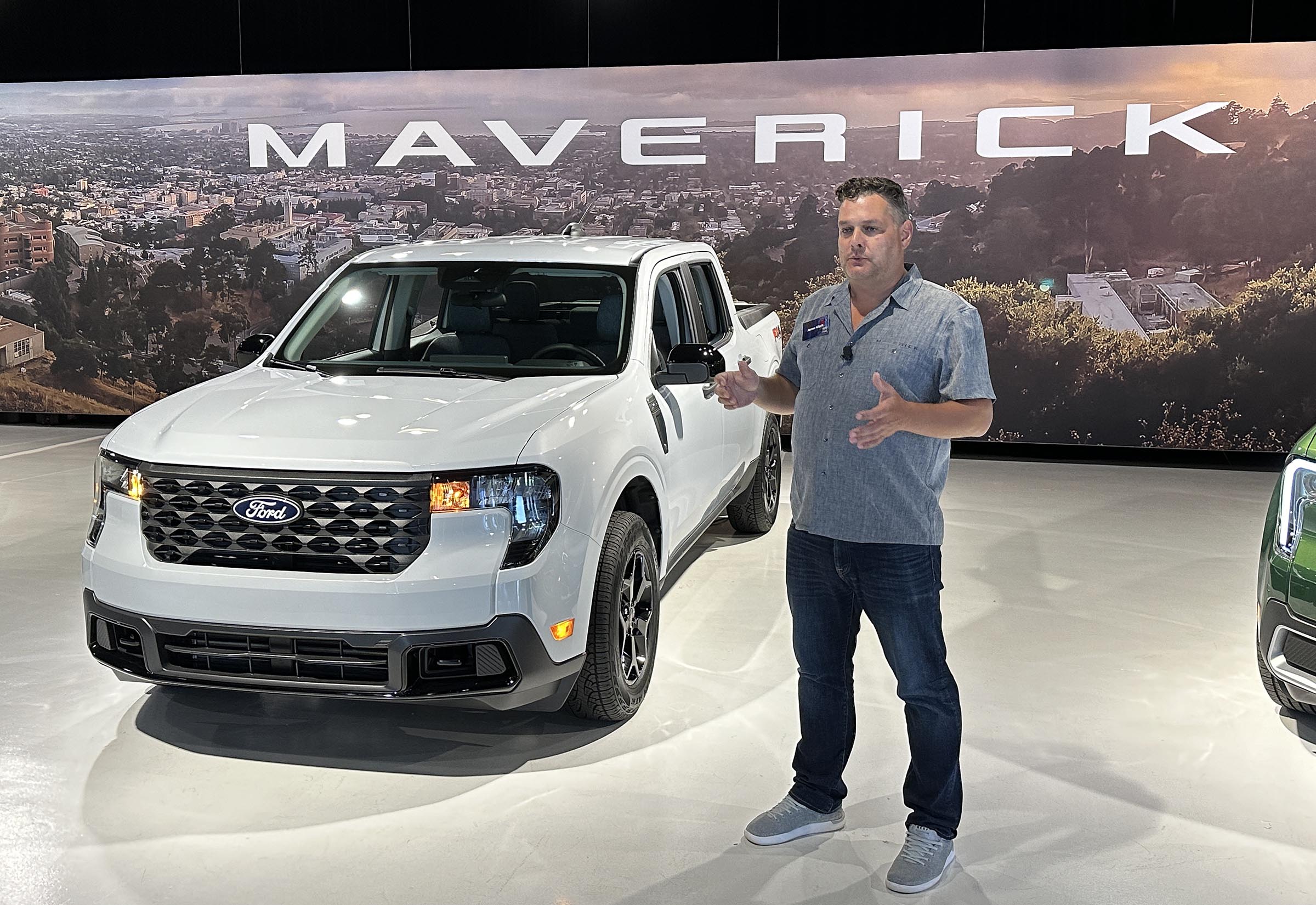
The most affordable version of the Ford Maverick is a hybrid.
The premium for Palisade’s hybrid models is among the higher ones these days. The hybrid version of the Ford Maverick is actually the base package for the compact pickup. And other manufacturers have been closing the ICE/hybrid gap.
Significantly, the number of products now offered with hybrid drivetrains has risen sharply over the past year, and will continue growing. Hyundai added the hybrid option when it launched the second-generation Palisade for 2026. Sibling brand Kia is doing the same with its redesigned 2027 Telluride. Subaru added a first-time hybrid for the Crosstrek this year. Mazda offers several different hybrids, with plug-ins for the CX-70 and CX-90 flagships, and a conventional hybrid in the CX-50. That drivetrain was borrowed from Toyota, while the 2027 CX-5 will get the first HEV developed by the smaller automaker in house.
Excluding all-electric models like the bZ, C-HR and Woodland, 16 of Toyota’s 18 other products are now offered with hybrid drivetrains. Notably, three of those – the Camry, Crown and Sienna lines – are hybrid only. Honda took the same approach with the revival of the Prelude. And the revived Jeep Cherokee also will be available only in hybrid form.
Balancing power and performance
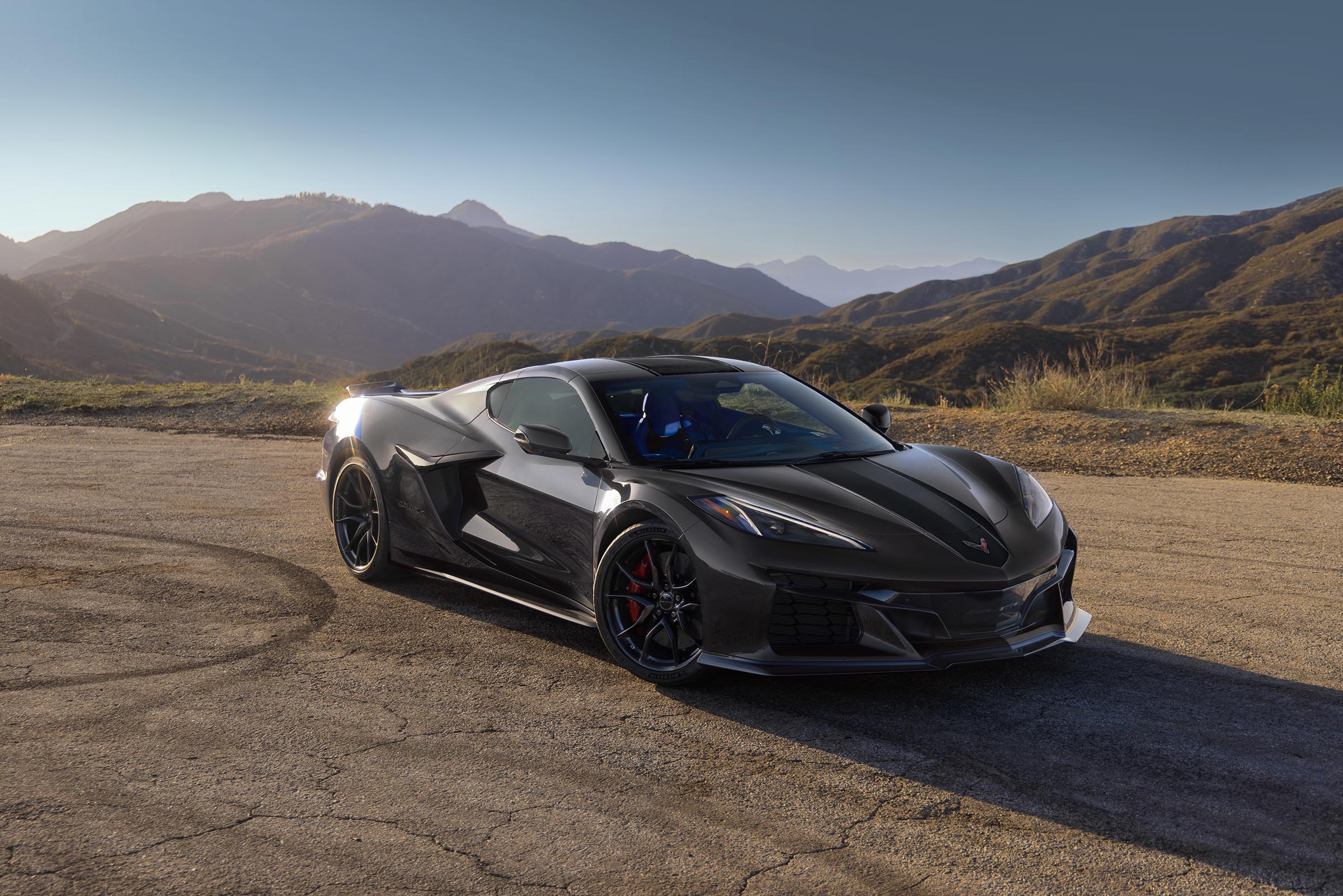
The new Grand Sport X hybrid.
Virtually all brands are expected to have hybrids in their line-up over the next several years, said analyst Abuelsamid. But they’re not necessarily the same technology that first appeared on the market a quarter century ago.
The Toyota Prius is a case in point. When the original model debuted in the U.S. in 2000 it delivered a solid 41 miles per gallon – but there was a big tradeoff in terms of performance, the quirky hybrid making a mere 97 horsepower. Over the next several generations it steadily improved fuel economy, by 2010 getting an EPA rating of 50 mpg. But it continued to ignore the fun-to-drive factor, at least until the latest version launched in 2024. Beyond getting a much more subdued new design, the remake got a 60% bump in power, from 121 to 193 hp. The plug-in Prius Prime, meanwhile, jumped 77%, to 220 hp – enough to launch from 0 to 60 in just 6.7 seconds.
Chevrolet recently showed what hybrid power can muster, launching its third gas-electric package, the Corvette Grand Sport X. Compared to the naturally aspirated model’s 535-hp LS-6 V-8, the X package jumps to 721 hp. Taking things to extremes, there’s the ZR1X which some refer to as the “ultimate” Corvette.” The most powerful ‘Vette ever churns out a blistering 1,250 hp, enough to hit 60 in less than 2 seconds – even while delivering surprising levels of energy efficiency.
New hybrid systems coming
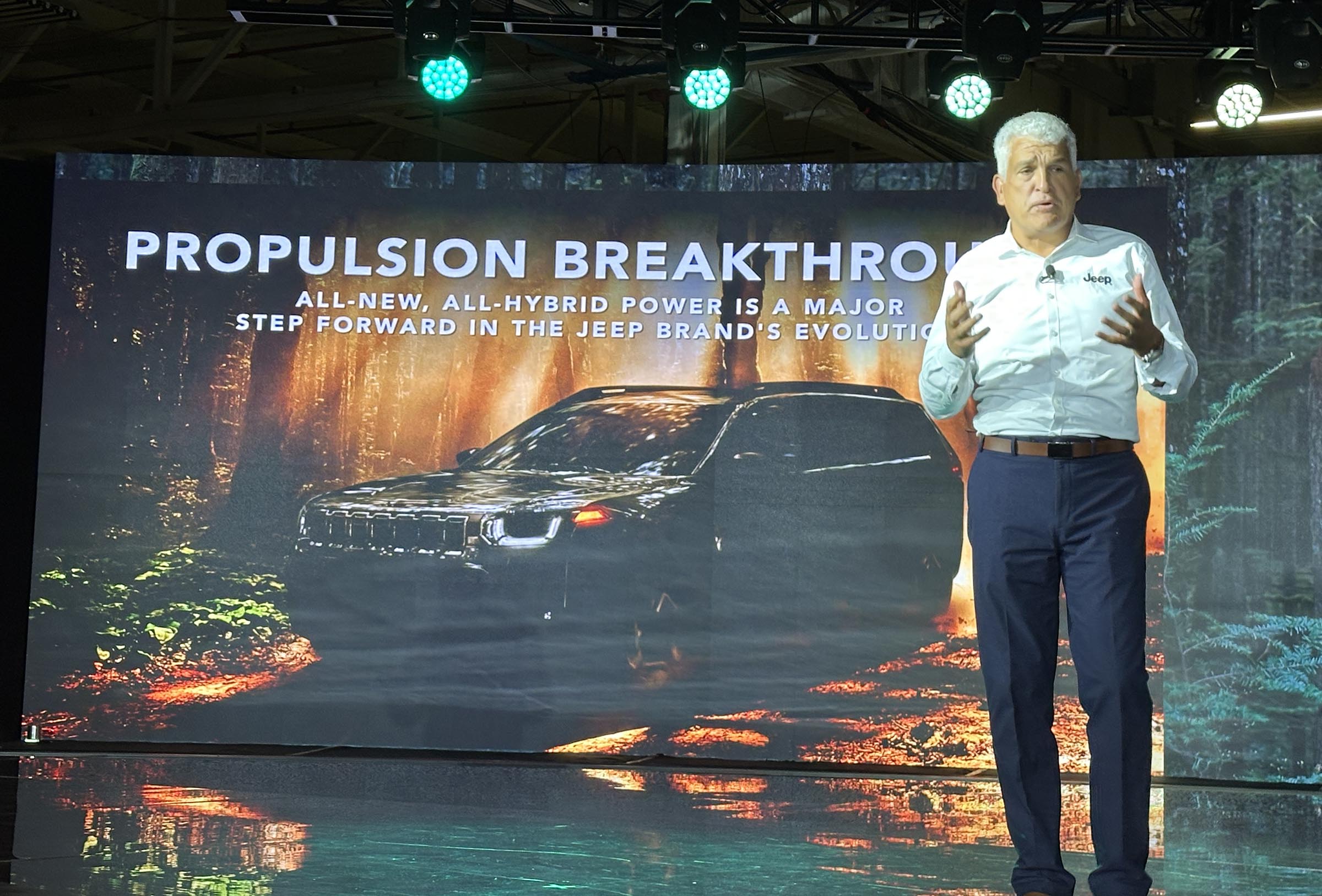
The 2027 Jeep Cherokee will only be available as a hybrid.
Automakers continue to find new ways to electrify their products. Along with EVs, conventional and plug-in hybrids, they’ve rapidly expanded the number of models with “mild” hybrid systems. Using low-voltage batteries and motors they can add a modest boost to mileage and performance for a minimal additional cost.
Nissan, meanwhile, plans to launch its e-Power system in the U.S. next year. Here, the gas motor has no direct connection to the wheels but instead serves as a generator to provide current to power the vehicle’s electric motors. Similar in concept, extended-range electric vehicles add larger battery packs allowing a vehicle to run completely emissions free for as much as 100 to 200 miles. Their internal combustion engines then fire up when the pack starts to run out of power. Ford, Hyundai Motor Group and Stellantis are among the manufacturers getting ready to launch E-REVs, sometimes referred to as REEVs.
While most customers put fuel economy at the top of their list, the improvements in performance, according to experts, have clearly helped enhance the appeal of today’s hybrids – something underscored by the rapid surge in sales.
0 Comments