
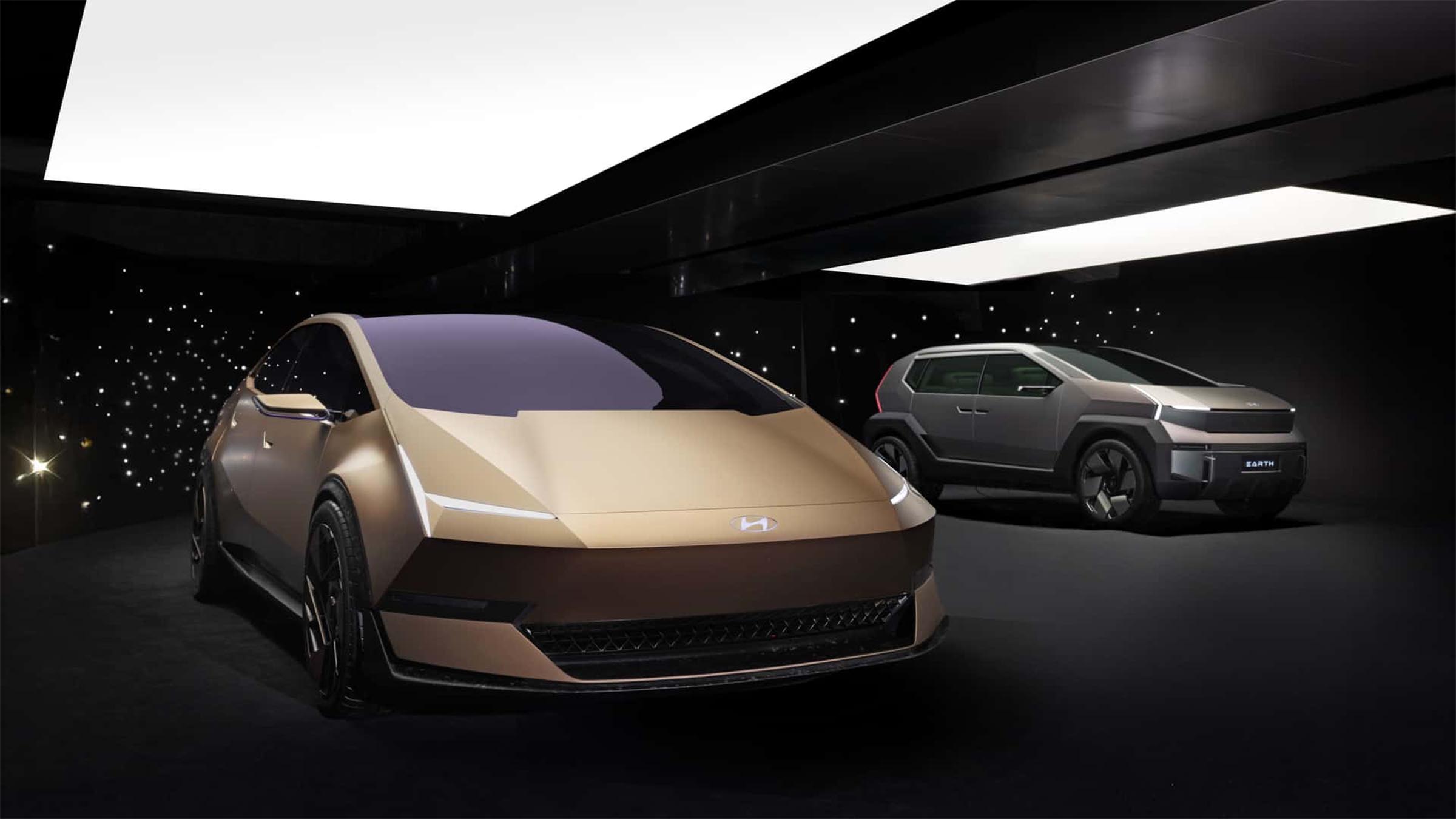
Hyundai unwrapped two new EV concepts in China. The location clearly made sense considering that’s the world’s largest market for battery-electric vehicles and the two show cars help mark the official launch in China of Hyunai’s Ioniq brand. But the two concepts, dubbed Venus and Earth, are more than fantasies in chrome and offer a hint of broader changes to come in Hyundai’s design approach.
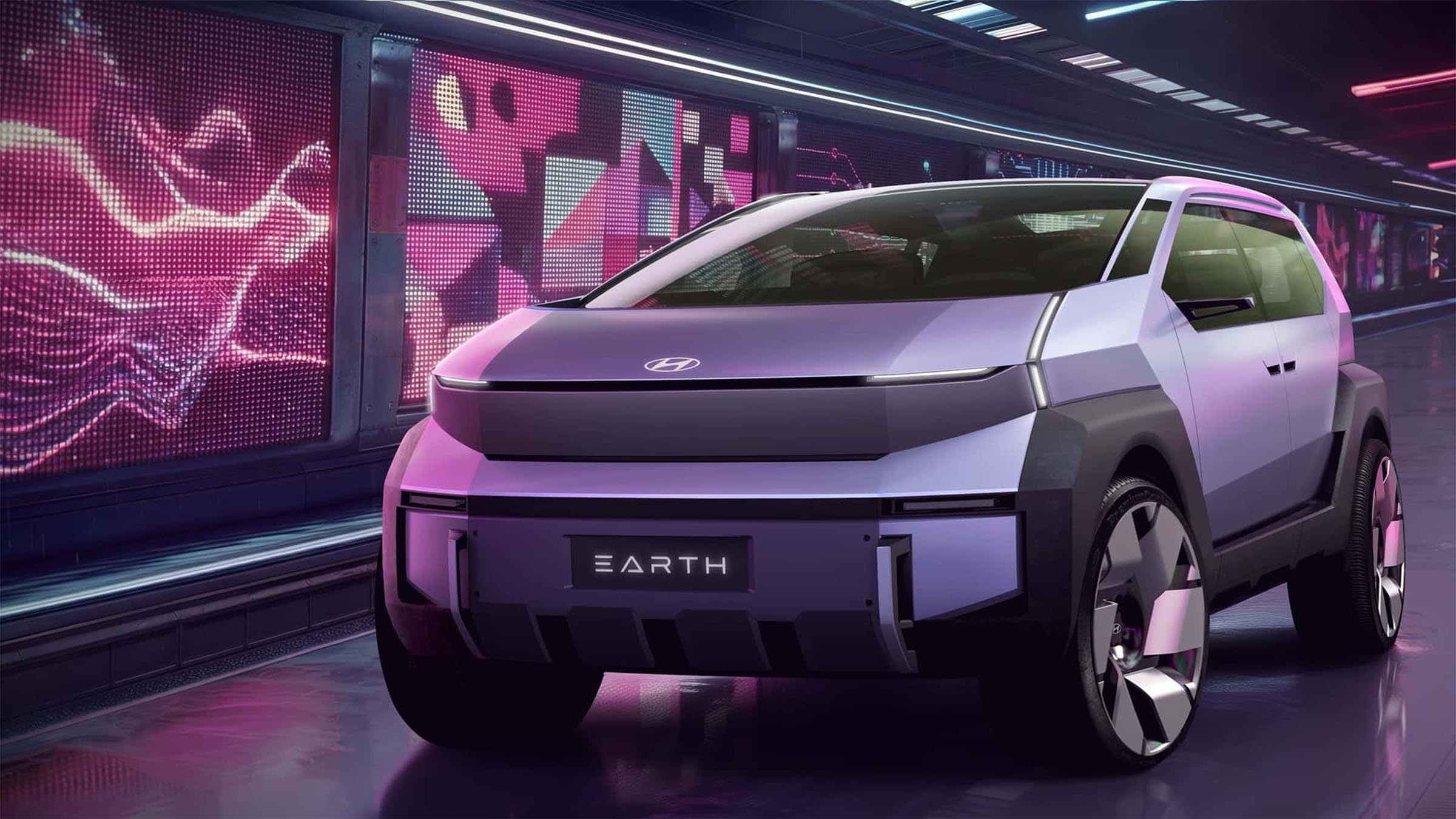
The Hyundai Earth concept.
Hyundai officially launched its Ioniq brand in China, the world’s largest market for EVs, using two new concept vehicles to catch the eye of Chinese motorists who already have dozens of other all-electric brands to choose from.
Dubbed Venus and Earth, the two show cars stand in sharp contrast to the Korean carmaker’s current EV line-up, models like the boxy Ioniq 5 and more streamlined Ioniq 6. They adopt a distinctively curved shape contrasting sweeping curves and sharp creases. The interiors, likewise, mark a shift away from what we see with Hyundai’s current line-up of EVs, with a more upscale feel and a simplified, almost Scandinavian look emphasizing massive display screens.
While Venus and Earth aren’t expected to go into production, they’re believed to “signal” the new design direction Hyundai is taking. And, going forward, that won’t be limited to its EV family, said Sam Fiorani, vice president and lead analyst with AutoForecast Solutons.
Out of this world
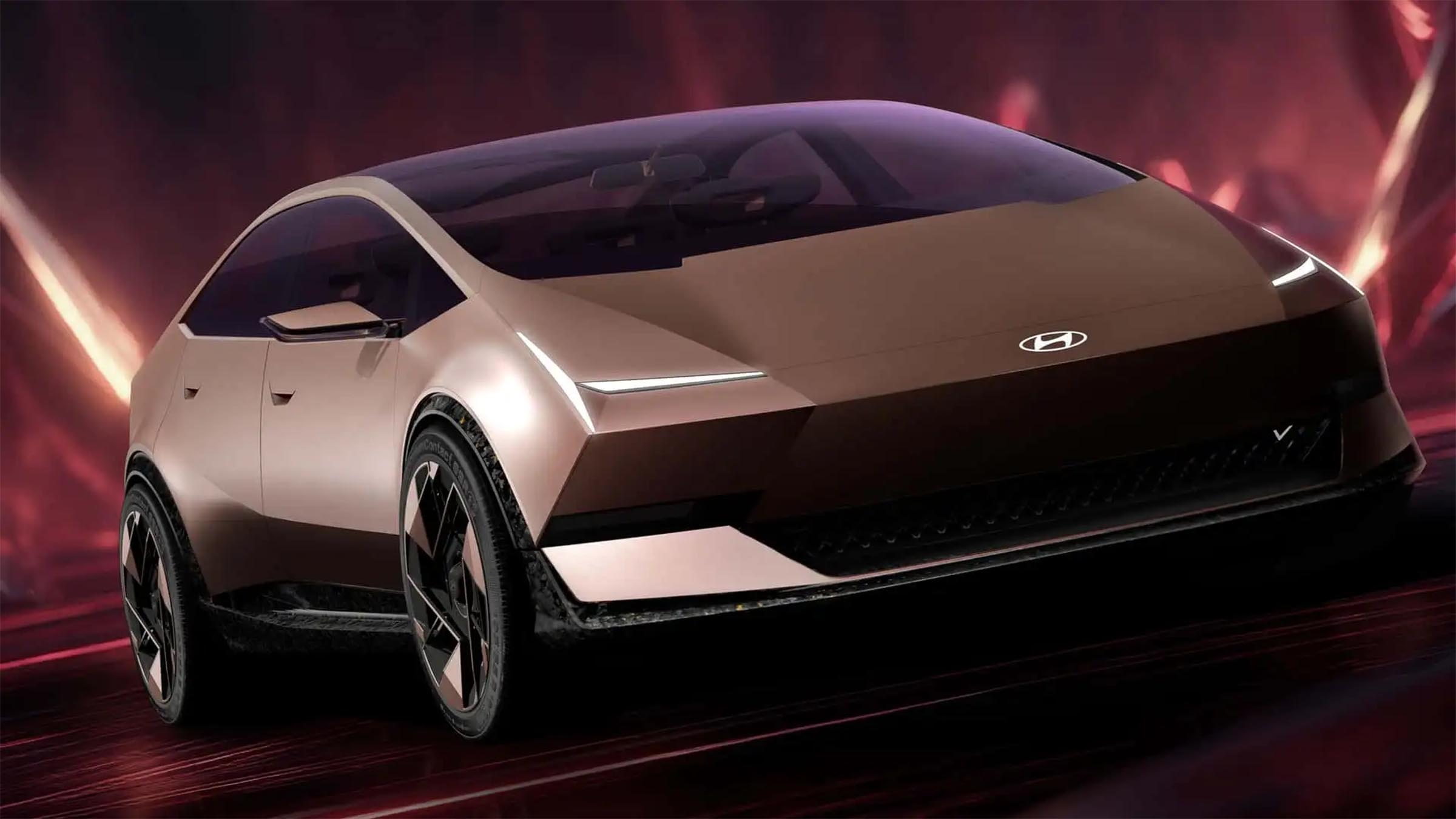
The Hyundai Venus concept.
Hyundai revealed two new concepts in China:
- Venus is a sleek sedan that could hint at what a next-generation Ioniq 6 might look like. Finished in “Radiant Gold,” it adopts what Hyundai calls a “one-curve silhouette.” The cabin features a wraparound cockpit with layered mood lighting and a massive digital display covering much of the instrument panel;
- Earth is a bit chunkier, with a sort of two-level front end, though the SUV retains an aerodynamically raked windshield flowing into a similar one-curve roofline. It gets what Hyundai describes as “air-hug” seats with underlying air modules to absorb harsh bumps. It likewise uses high-tech elements in a cabin making use of the all-electric platform to give class-above “breathable” interior space.
As for the names, Hyundai announced that while it will retain the Ioniq brand name for its Chinese EVs individual products will adopt a very different nomenclature “named after planets symbolizing how each vehicle orbits around the customer.”
Trickle-down design
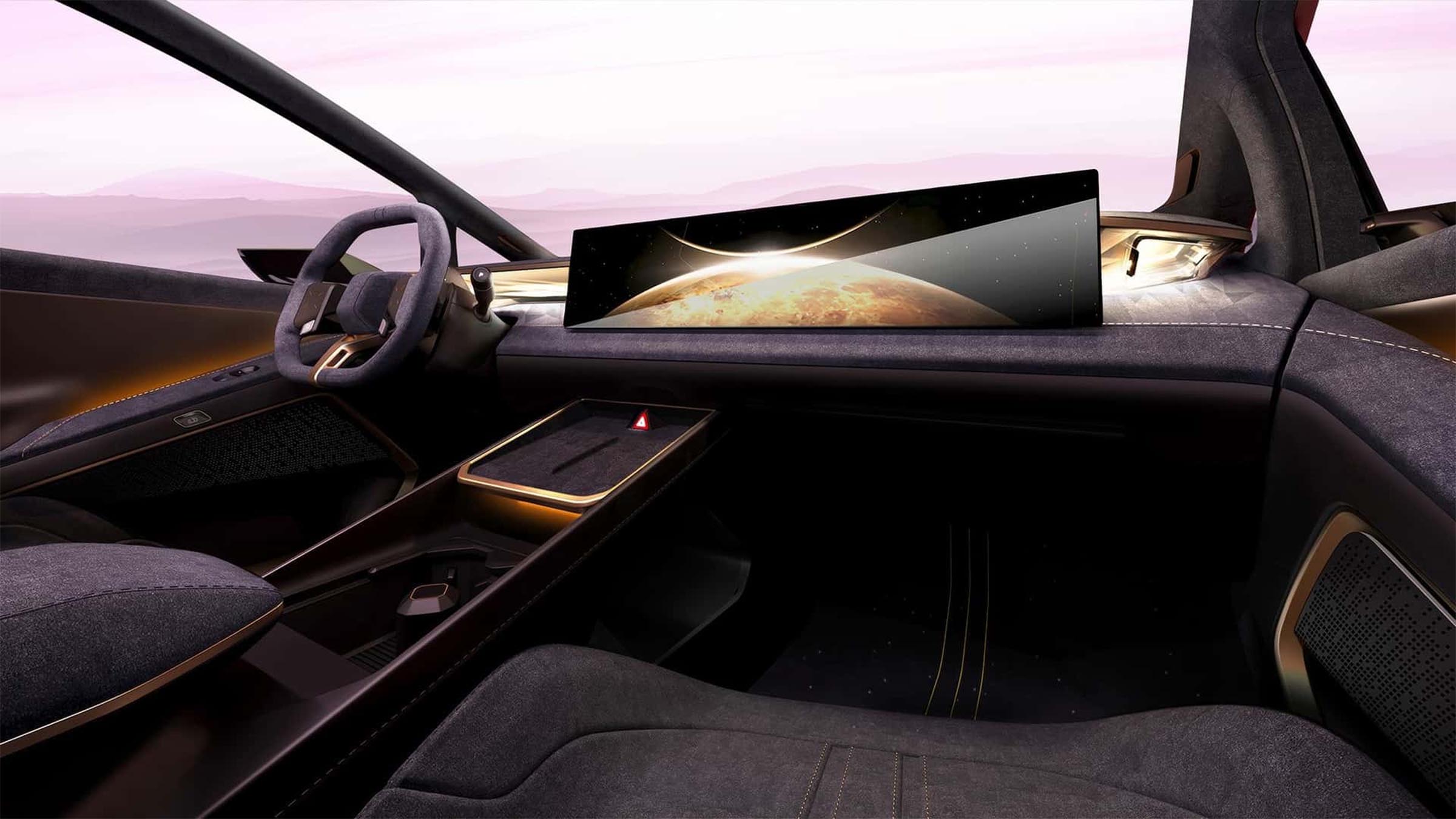
The Hyundai Earth interior.
“As we’ve been seeing with Hyundai design, on the whole,” said Fiorani, “their EV designs have trickled into their mainstream designs. They see less need to break out a separate design language for EVs.”
The latest versions of conventional Hyundai models, such as the 2026 Palisade, pick up on details like pixelated lighting, front and back, including wraparound taillights, as well as more streamlined surfacing.
Inside, the latest gas and hybrid models have followed Ioniq’s lead with larger digital displays and simplified controls.
Based on comments made by Hyundai officials in China, we’ll likely see the same trickle-down approach follow with new Ioniq EVs and then with next-generation gas and hybrid models.
More Auto News
- Kia Reveals Affordable EV3 at NY Auto Show
- First Look: Rugged Hyundai Boulder Concept
- Tariffs Leave Buick Struggling
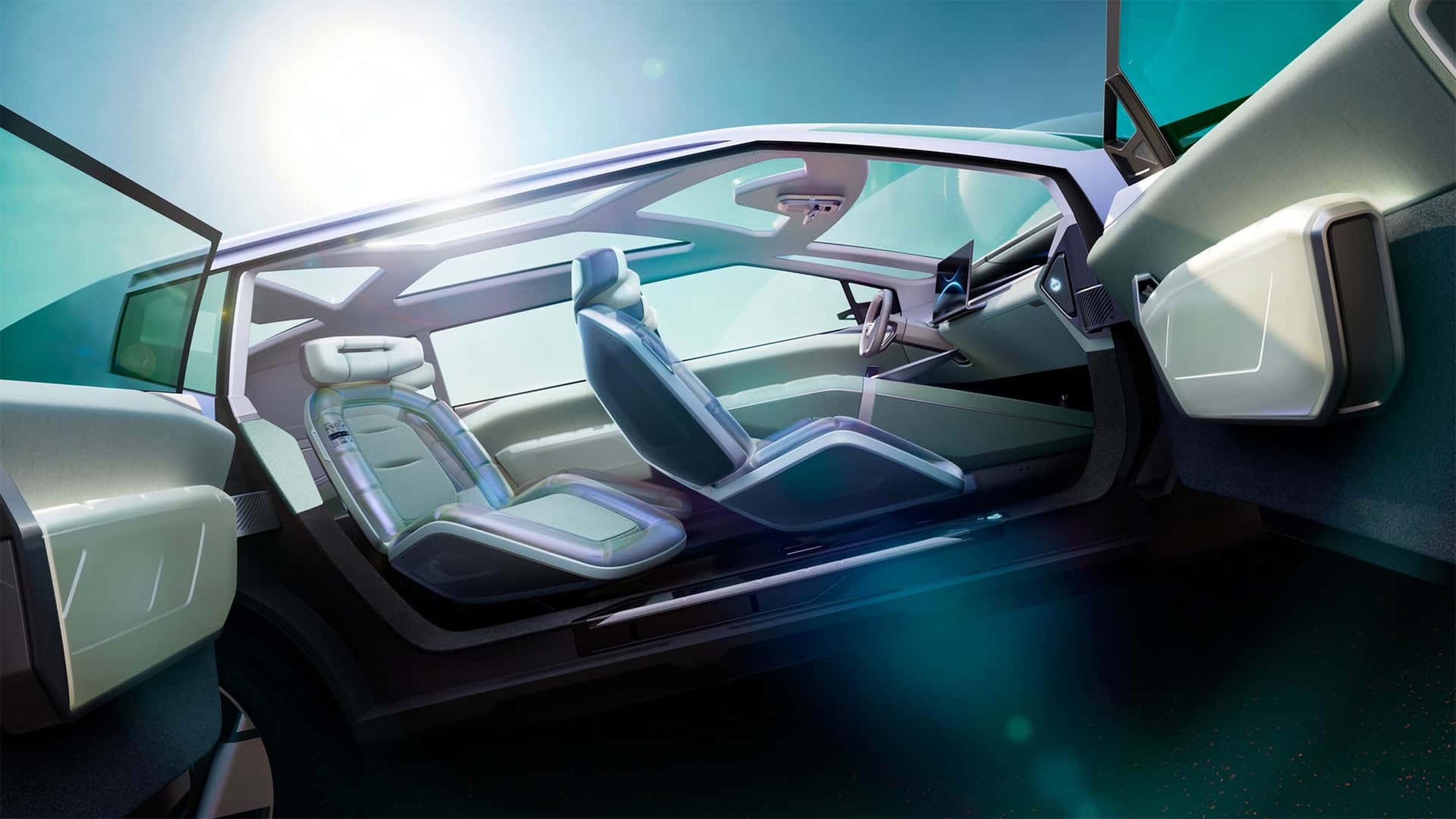
The Hyundai Venus interior.
No sacred cows
In its early years, Hyundai’s approach to design was forgettable, at best. That changed radically two decades ago, part of a strategy aimed to save a then-struggling brand, along with its push to address quality problems.
The automaker is willing to take risks, one insider suggested, while another stressed that Hyundai’s design team “doesn’t have sacred cows.”
Recent products, especially its EVs, have adopted the use of “pixelated” lighting, using clusters of small LEDs rather than single lamps. But the two Chinese concepts drop that approach. (And, significantly, the Hyundai Boulder concept revealed at the New York International Auto Show minimized the use of that technology, as well.)
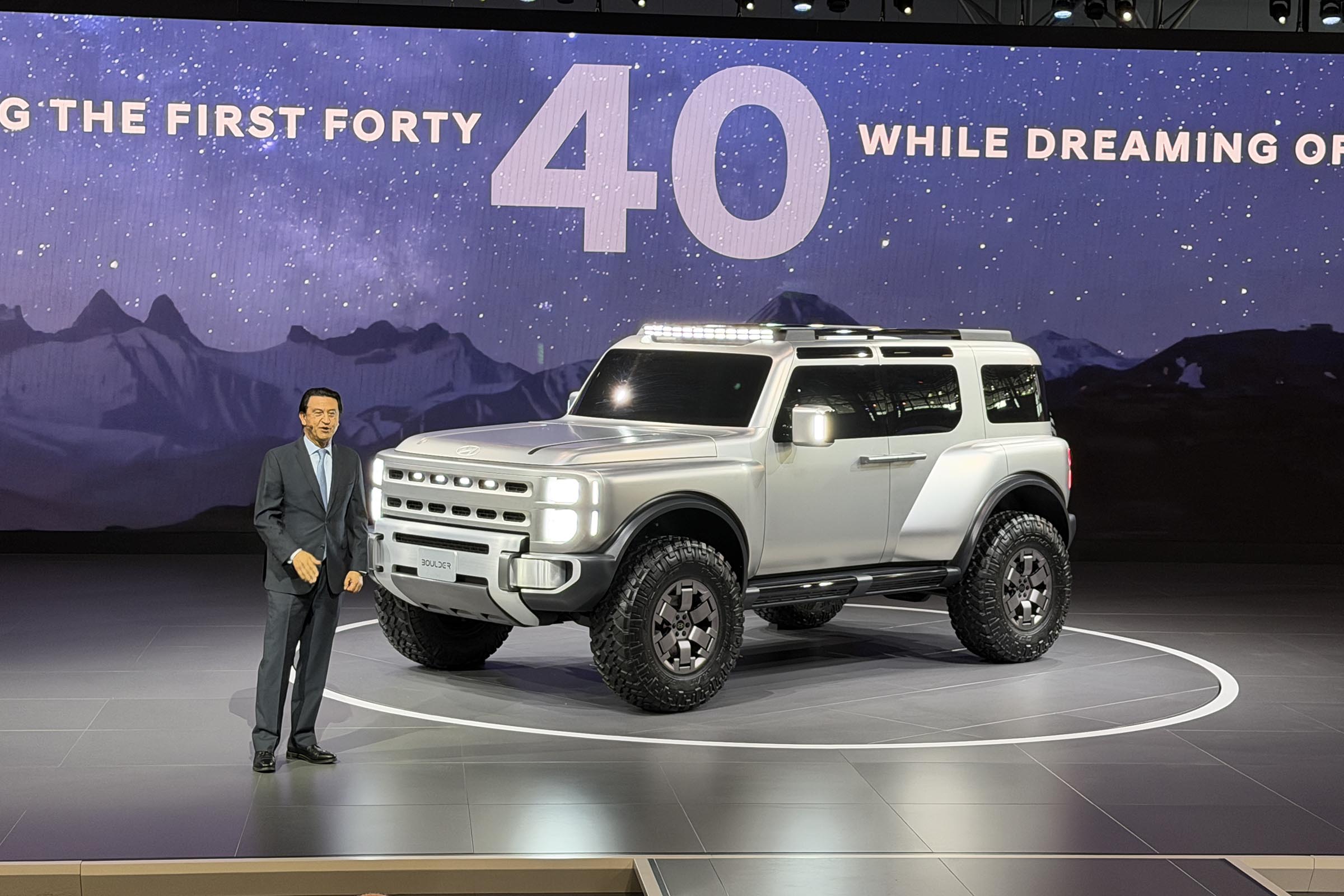
Hyundai will take a very different design direction with the production version of the Boulder concept shown in NY.
Long-term impact
How much of an influence the Venus and Earth concepts will have on Hyundai’s broader design language is uncertain, the second source cautioned. The Chinese market can be quite distinct in its styling preferences.
But during the debut of the show cars, Hyundai officials suggested the show cars will serve as a “barometer,” meant to measure consumer response. And it would come as no surprise, Headlight.News was told, to see Venus and Earth show up in other parts of the globe in the months to come, to help determine broader changes to the Hyundai design language.
0 Comments