
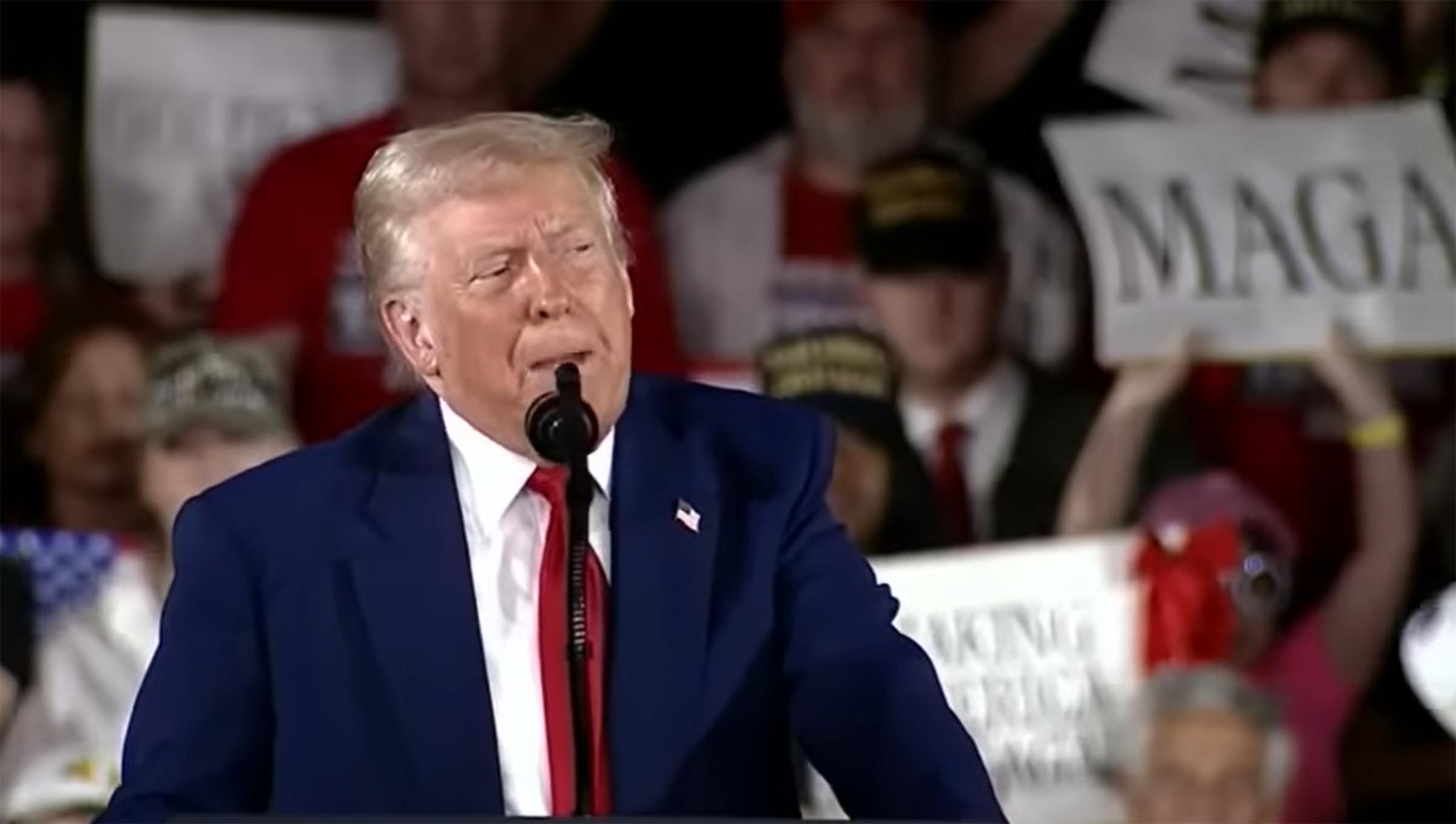
The Trump administration has invited executives from the three Detroit automakers to be on hand at the White House today as details on the rollback of current corporate average fuel economy standards are announced. It’s the latest move by the president to back off of automotive emissions and safety standards set during the prior Biden administration. More from Headlight.News.
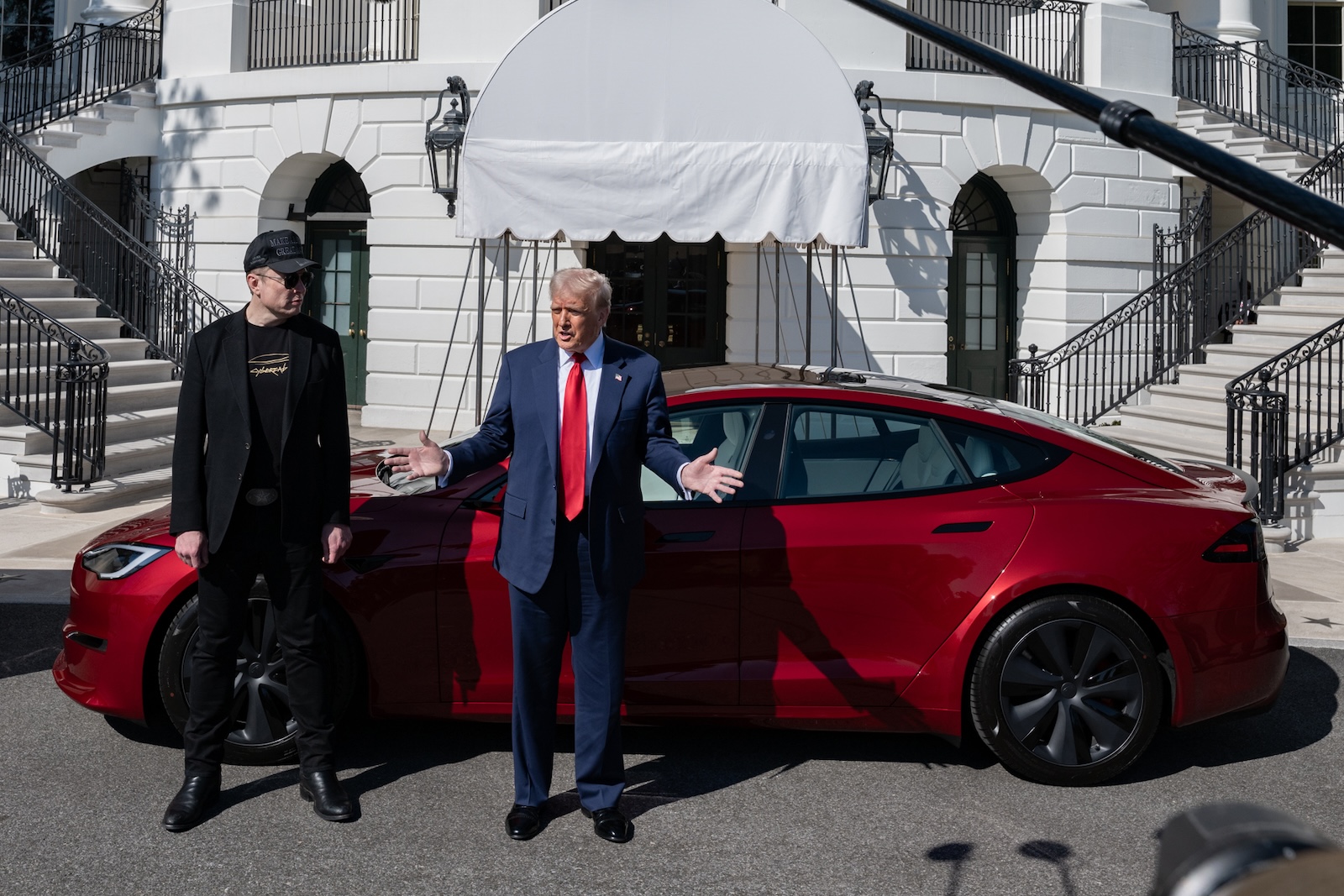
Despite once pitching Teslas on the White House lawn, Pres. Donald Trump has taken numerous steps aimed at reducing demand for all-electric vehicles.
The auto industry will see a significant reduction in the Corporate Average Fuel Economy, or CAFE, standards set by the Biden administration, the White House signaled.
Officials from Detroit’s Big Three automakers, including Stellantis CEO Antonio Filosa, are expected to attend the announcement which will be made by Pres. Donald Trump. The industry has been pressing for relief from the current mileage targets which were boosted by the prior administration as part of its push to usher in a ship from internal combustion engines to battery-electric powertrain technology.
The proposed rollback was described by the White House Tuesday as a “historic reset of the CAFE standards that were created by the Biden administration.” But the move could still face opposition before being finalized – as happened when the president moved to reduce CAFE targets during his first administration. If finalized, it would mark the latest move by Trump to reverse various automotive regulations covering emissions and safety set in place during the Biden term.
What’s the plan
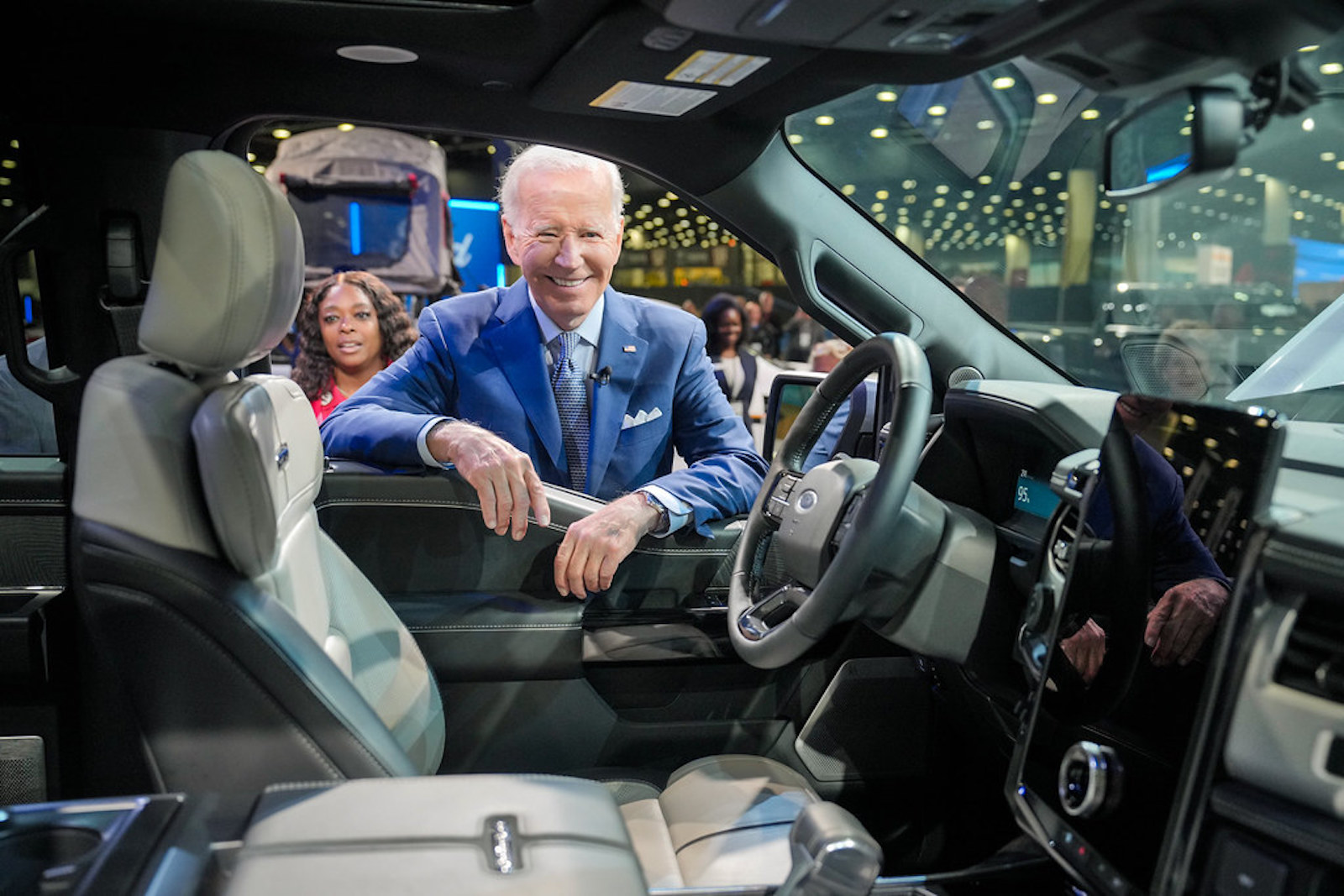
Former Pres. Joe Biden, shown here checking out a Ford F-150 Lightning, was a strong advocate of EVs.
The White House did not disclose specific numbers but sources close to the administration signaled the reduction set to be proposed by the National Highway Traffic Safety Administration would be “significant.” Federal mileage standards are set jointly by NHTSA and the Environmental Protection Agency.
The current requirements were announced in June 2024 by the Biden administration and targeted climbing from the current 39.1 mpg average for light-duty vehicles to 50.4 mpg by 2031. Light trucks were tasked with meeting a different target, with annual 2% increases in fuel economy between 2029 and 2031.
The big jump in CAFE guidelines were expected to promote the rapid increase in production and sales of electrified vehicles, primarily all-electric models, but also conventional and plug-in hybrids.
Opposing viewpoints
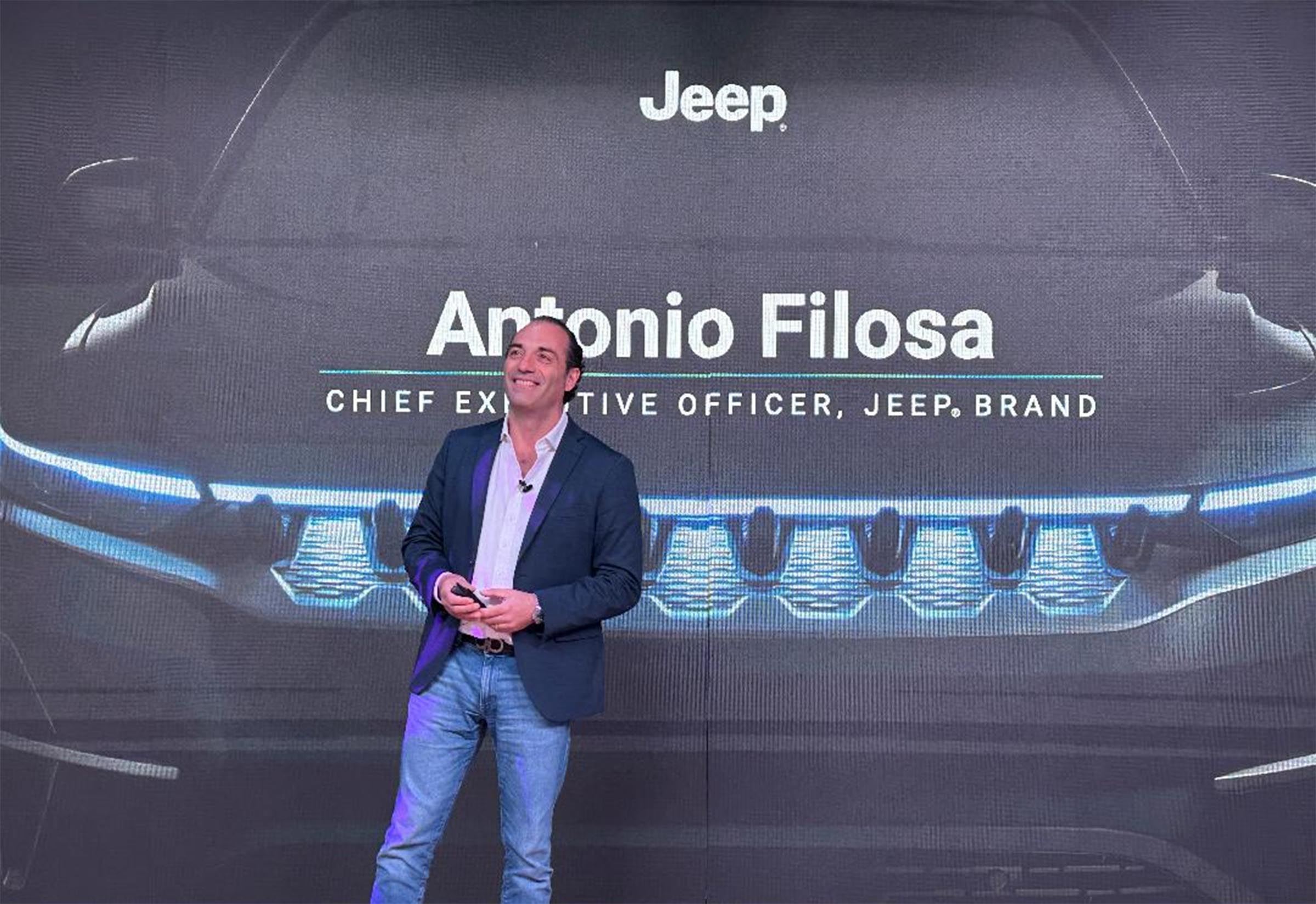
Stellantis CEO Antonio Filosa will be on hand at the White House for Wednesday’s announcement.
The Biden-era mandate was expected to reduce fuel consumption by 64 billion gallons, while reducing emissions of carbon dioxide and other gases by 659 million metric tons. It also was projected to reduce energy costs by $35.2 billion, NHTSA projected.
Critics have argued the savings are overblown – especially when it comes to consumer expenditures. Groups like the Center for Automotive Research warned that costs would rise substantially for new vehicles due to the more advanced technology needed to improve fuel economy in vehicles with internal combustion engines. They also pointed to the typically higher costs for battery-electric vehicles – an average of more than $5,000 over comparable gas-powered models.
“Stellantis appreciates the Trump Administration’s actions to re-align the Corporate Average Fuel Economy (CAFE) standards with real world market conditions as part of its wider vision for a growing US automotive industry. We look forward to working further with NHTSA on environmentally responsible policies that also allow us to offer our customers the freedom to choose the vehicles they want at prices they can afford,” Stellantis CEO Filosa said in a statement.
More Auto Industry News
- Nov. Car Sales Hit By Rising Prices, Plunging EV Demand
- JLR Ousts Design Chief McGovern
- Toyota Set to Reveal New Supercar on 12/5/25
Trump v Biden
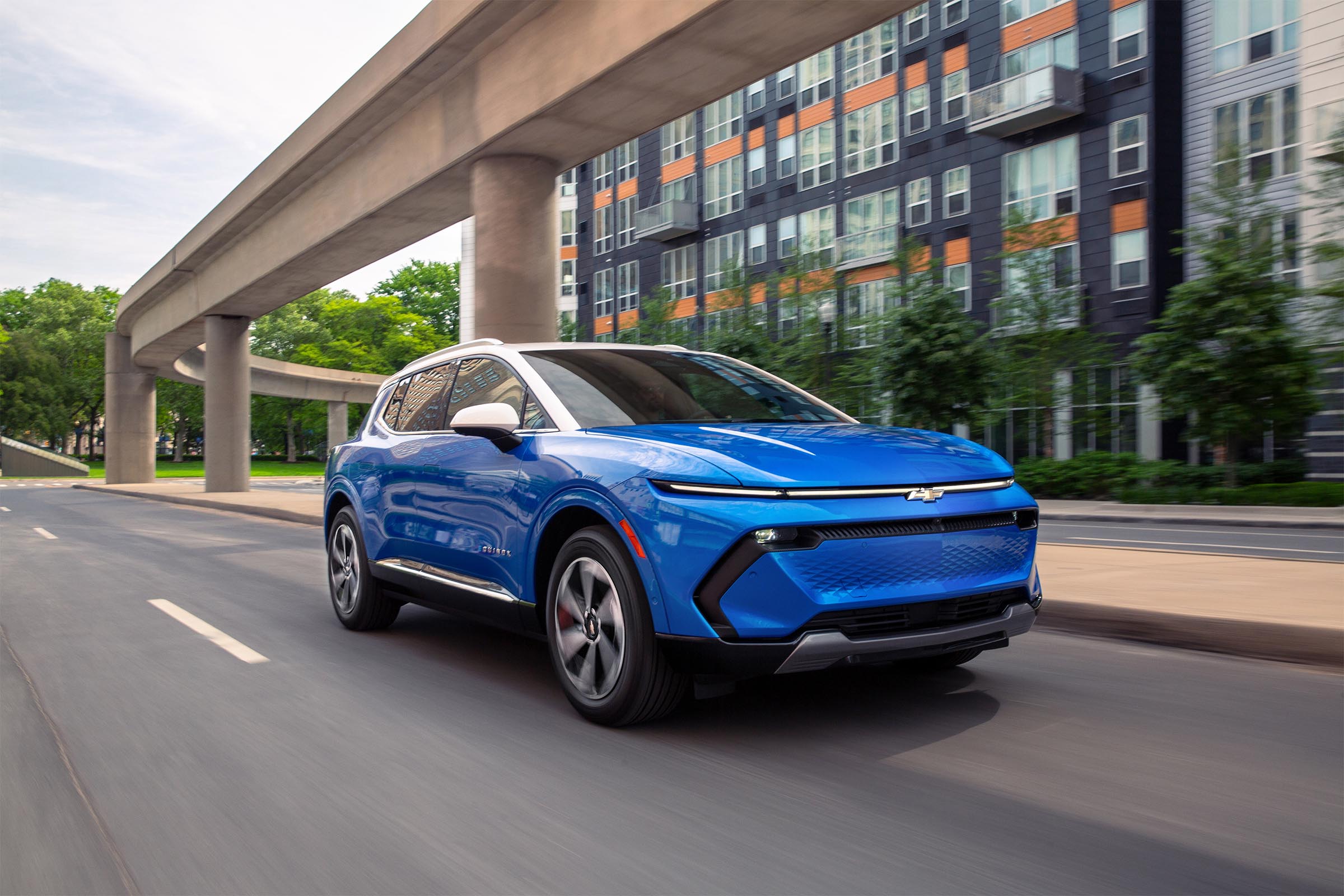
Sales of battery-electric vehicles, like this 2025 Chevrolet Equinox EV have plunged since federal tax credits ended on September 30.
Under Pres. Joe Biden a wide range of new standards impacting the auto industry came into place covering both emissions and vehicle safety. The former president was particularly proactive in pushing for the adoption of battery-electric vehicles. That included not only stricter CAFE guidelines but funding for a nationwide network of high-speed EV chargers funded by $5 billion from the federal infrastructure bill.
Trump attempted to halt that funding but faced a legal challenge that has allowed some expansion of the charging network to move forward. Separately, he ordered the removal of chargers at federal buildings.
More significantly, Trump issued an executive order barring a California mandate barring the sale of vehicles using internal combustion engines after 2035. And Congress responded by phasing out $7,500 federal EV tax credits as of September 30. While sales of battery-electric vehicles soared to new records in the weeks ahead of that date demand has since tumbled sharply and is not expected to recover for at least a couple years, according to forecasts by S&P Global Mobility, AutoPacific, Inc., and others.

0 Comments