
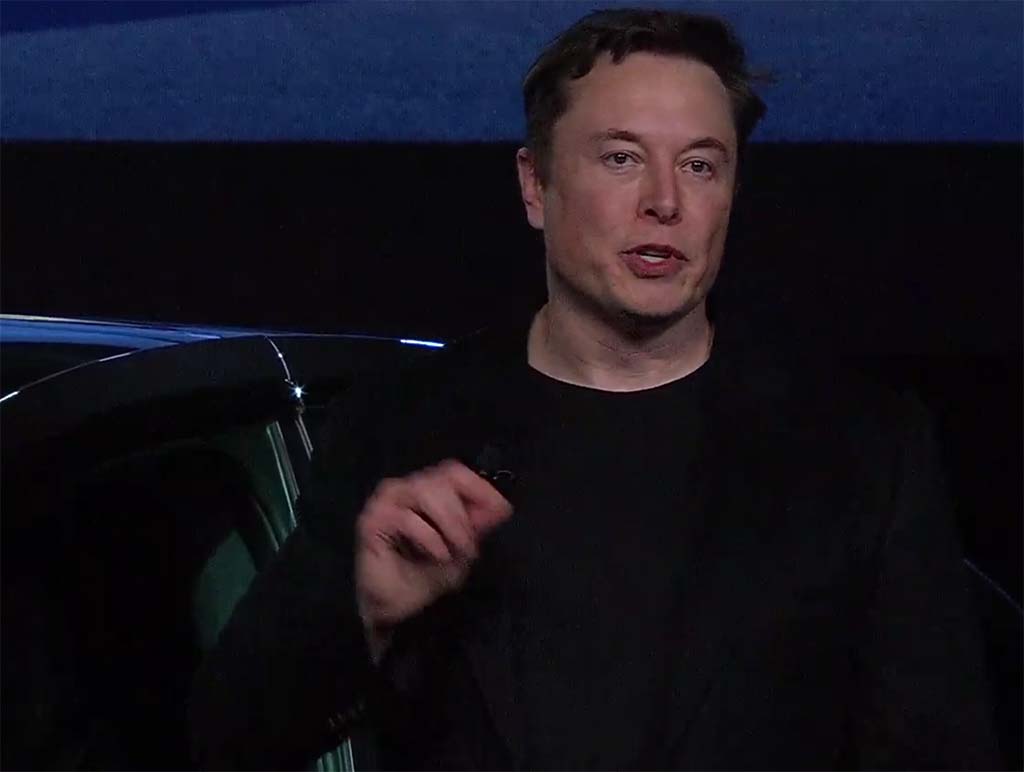
Tesla reported its second annual sales decline on Friday – a dip made worse by the fact that the Texas-based automaker also slipped to second in the global EV sales race, ceding its crown to China’s aggressive upstart BYD. Headlight.News has more.
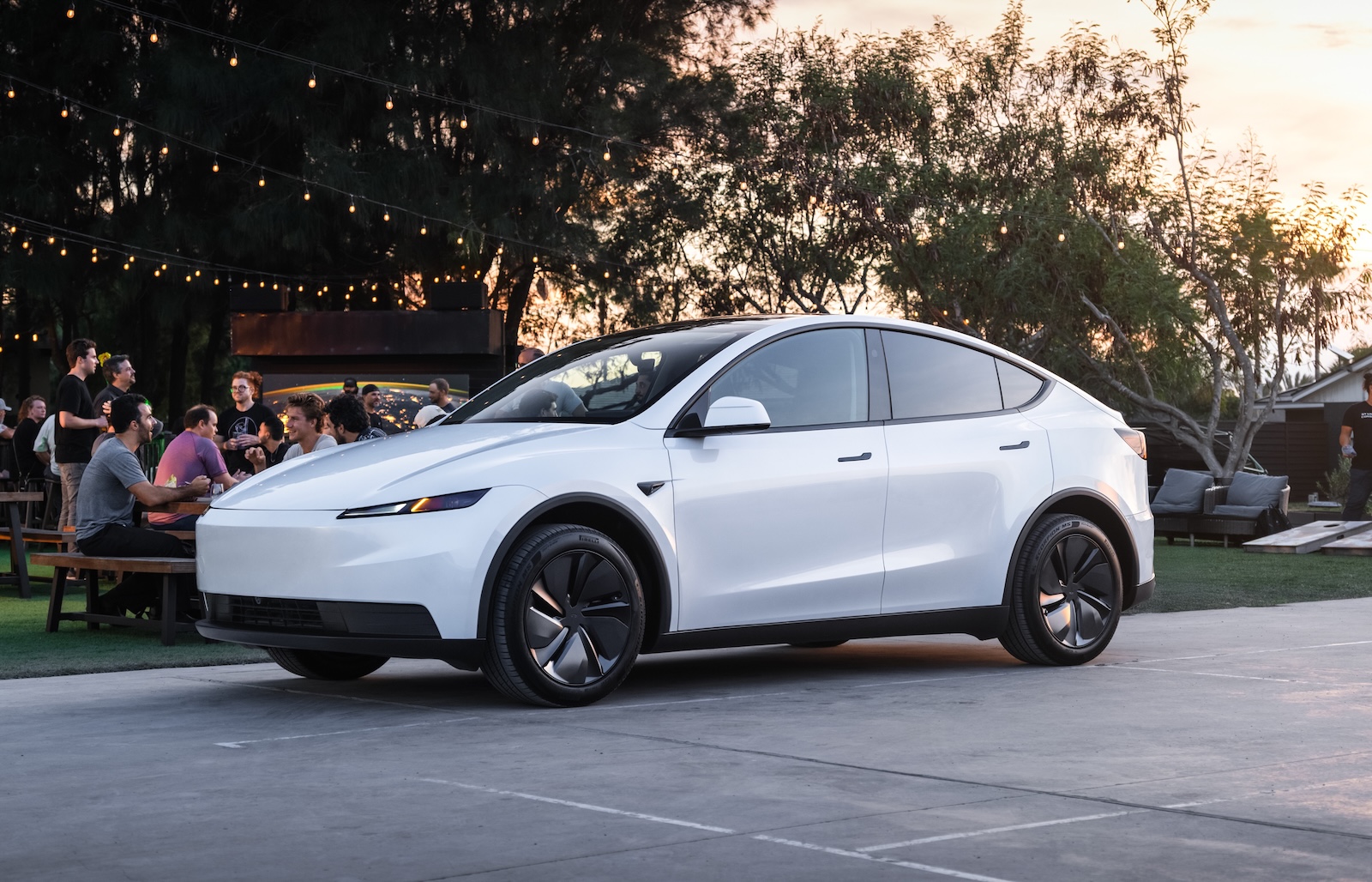
The latest Tesla Model Y has failed to give the automaker the needed bounce.
Tesla is no longer king of the hill. The U.S. automaker found itself toppled by Chinese brand BYD in 2025, following a series of setbacks that saw Tesla sales slip for the second consecutive year.
The downturn came during a period when the Texas-based company’s CEO found himself repeatedly embroiled in controversy. Elon Musk’s early ties to the Trump administration, in particular, led to widespread protests against the company, as well as boycotts by many formally loyal customers.
BYD’s surge is particularly significant considering the company doesn’t compete in the U.S., the world’s second-largest automotive market. It still managed to post a 28% sales gain for the year, Tesla sales down 8.3% in 2025.
Tesla loses momentum
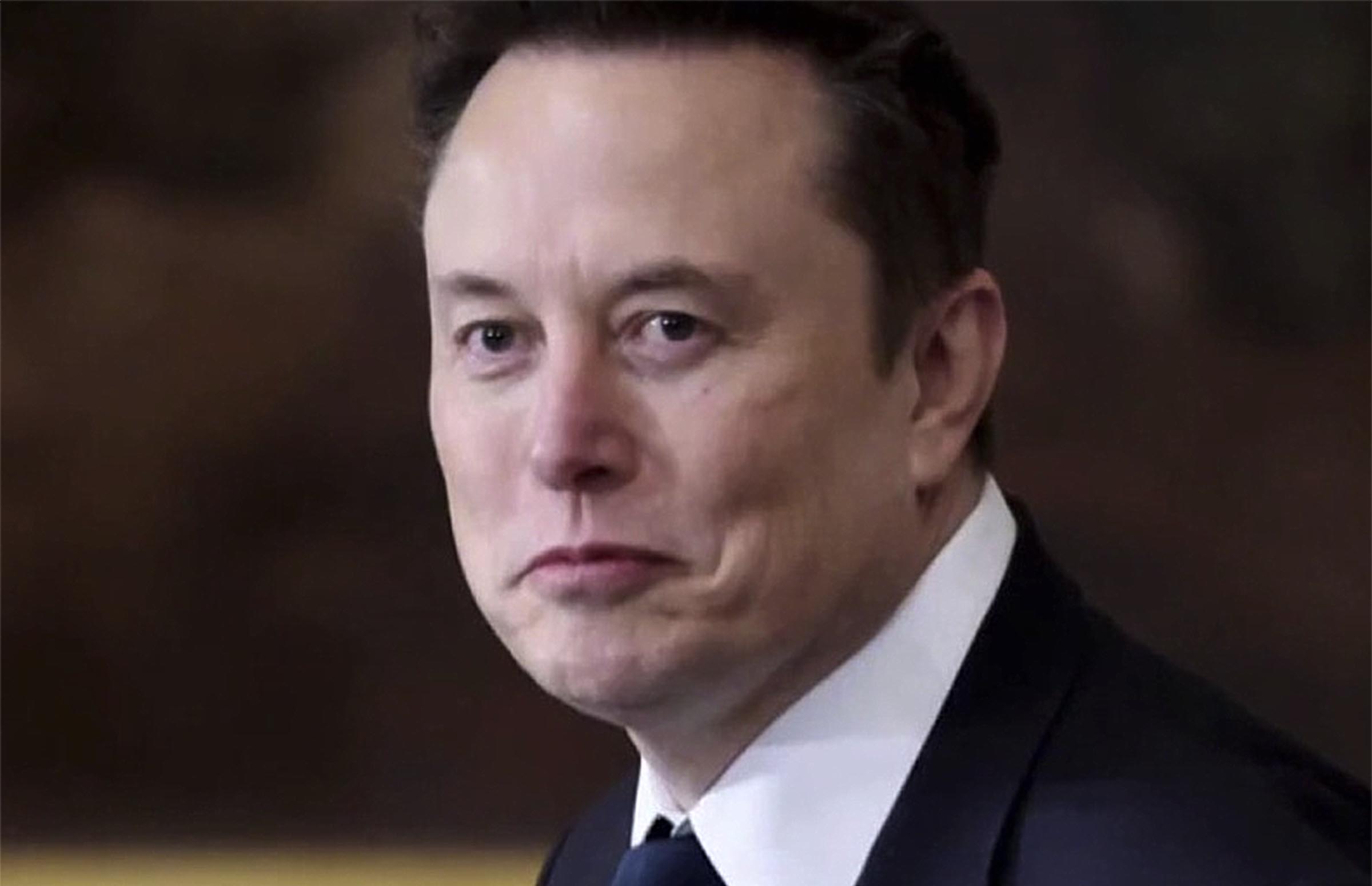
Tesla CEO Elon Musk’s future fortunes require success with the company’s new robotaxi service.
Almost from the moment it launched its Model S sedan in 2012, Tesla surged to the top of the global EV sales charts. The pioneering brand confounded competitors like Ford, General Motors and Volkswagen, gaining even more of a lead after adding the Model X SUV and then two more mainstream EVs, the Models 3 and Y.
But competitors have been coming back with a flood of new and more compelling EVs over the last several years, including products like the Hyundai Ioniq 5 and Cadillac Lyriq.
At the same time, the global EV market’s once-rapid sales growth has been tempered, especially in the United States market where demand appears to have flattened out in 2025. Demand there was expected to come in at around 8% of total new vehicle sales – final industry figures set to be released over the next several days.
For its part, Tesla sold a total of 1.64 million vehicles worldwide for all of 2025, it said Friday, down from 1.79 million the year before. The fourth quarter saw it deliver 418,227 vehicles, short of the 422,850 target set by a consensus of industry analysts.
The Trump factor
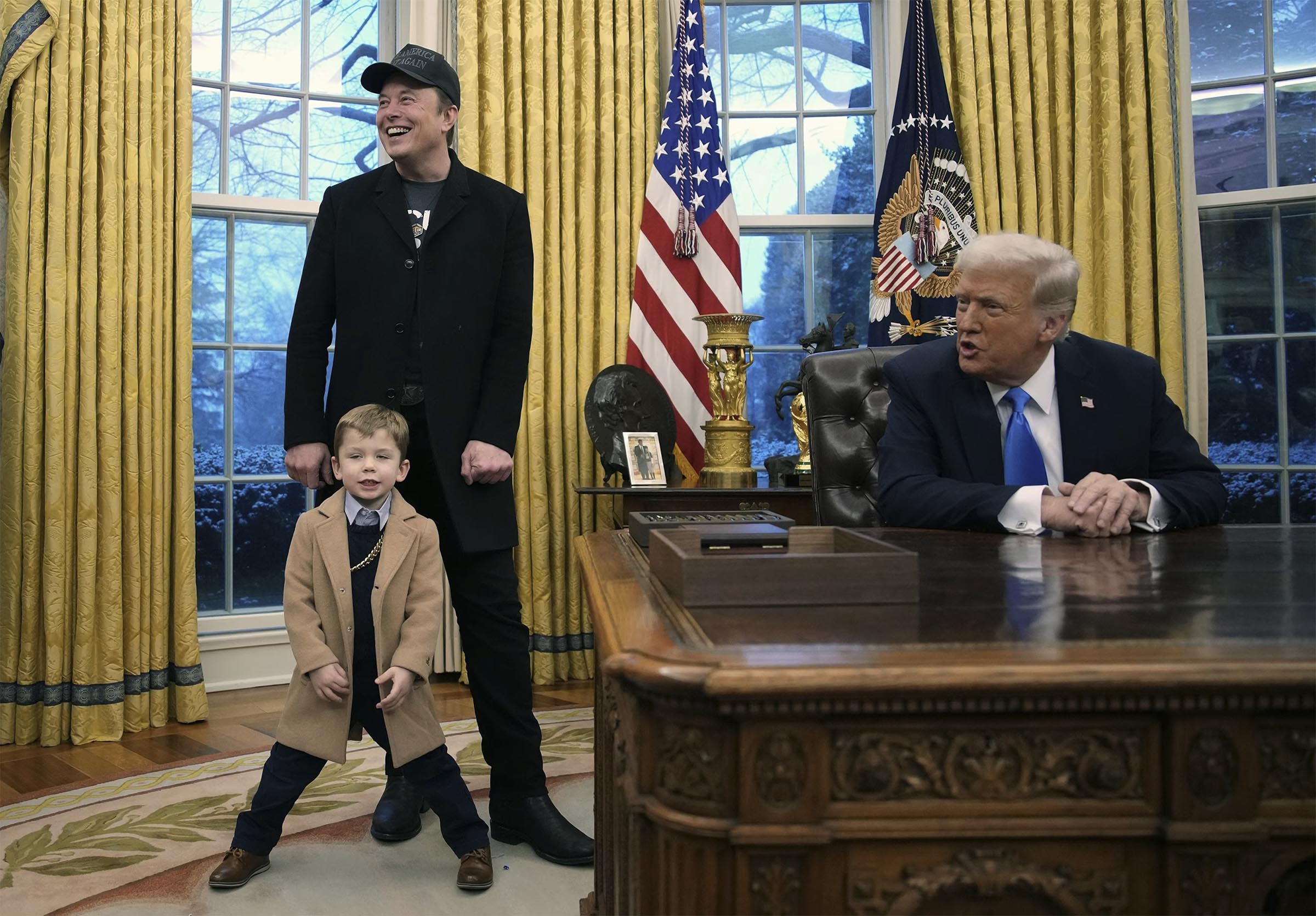
Elon Musk with one of his sons at the White House during his time heading DOGE.
The U.S. marker also lost ground during the first half of 2025, with only one good quarter to follow. Demand during the July to September period surged sharply – as it did for virtually all manufacturers competing in the U.S., as consumers raced to take advantage of the $7,500 federal tax credits set to expire on September 30.
The phase-out of those incentives underscored the impact of CEO Musk’s on-again/off-again ties to Donald Trump. The billionaire pumped more than $200 million into Trump’s 2024 campaign and subsequently became the head of the Department of Government Efficiency. But that role generated intense backlash around the world, leading to widespread demonstrations – and even some vandalism – at Tesla dealerships. And Sam Abuelsamid, lead analyst at Telemetry Research, blames boycotts for at least some of Tesla’s weakened sales.
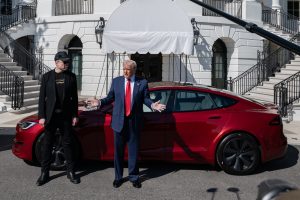
At one point, Trump tried to assist Tesla by staging what was essentially a sales event on the White House lawn. But relations between the two men soured in the months after Musk left DOGE and Trump has since taken a variety of actions that have only furthered weakened U.S. EV demand.
BYD on the ascent
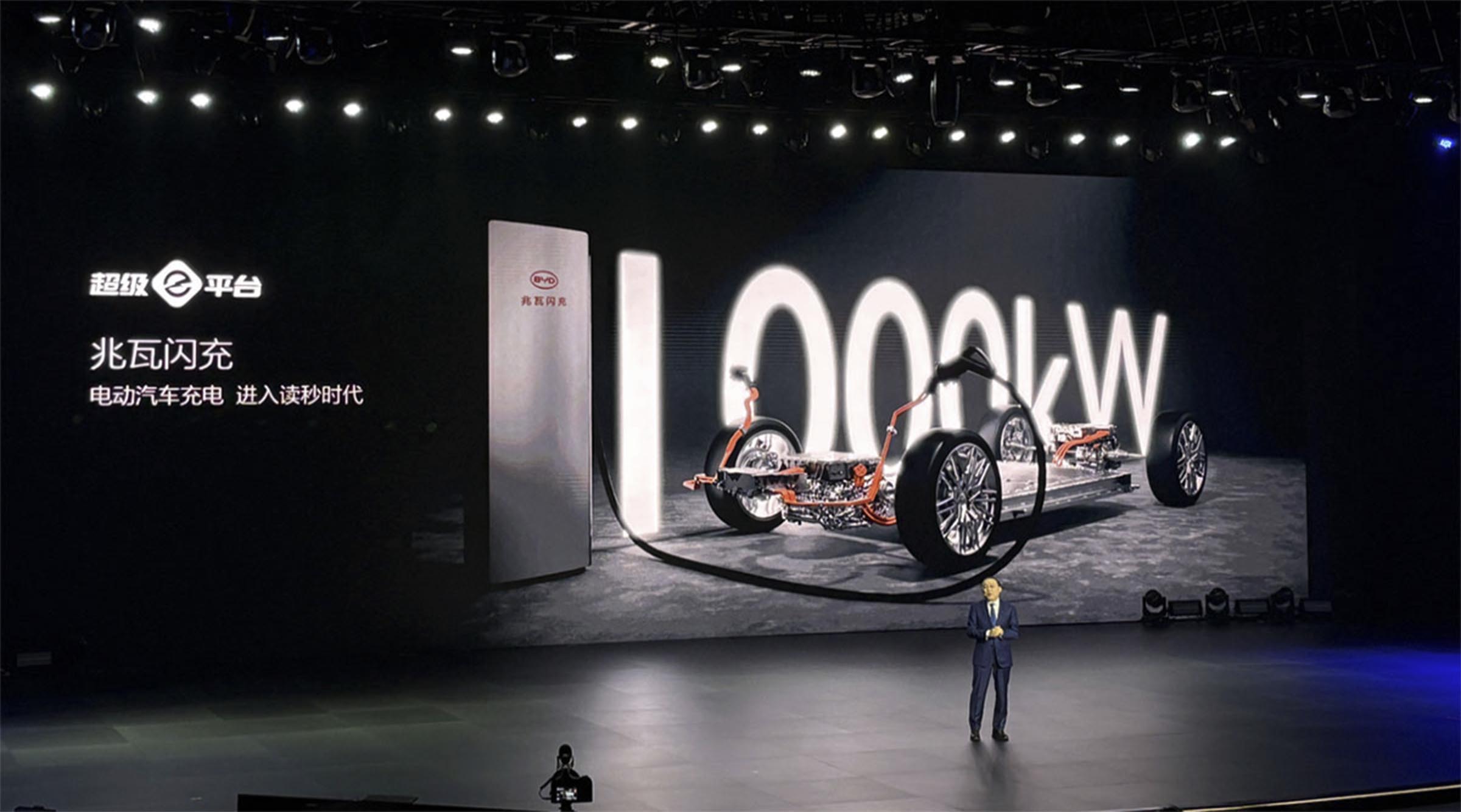
Protests aren’t the only problem facing Tesla. It’s also got more competition from players like BYD.
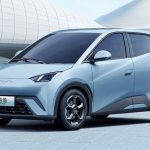
By comparison, 2025 was the year when BYD – short for “Build Your Dreams” solidified its push into EV markets worldwide. It sold a total of 2.26 million vehicles worldwide, up from 1.76 million in 2024.
The company has benefitted from a variety of factors, including the ongoing push by the Beijing government to get Chinese motorists to switch to both EVs and plug-in hybrids. But BYD has fared particularly well in a number of overseas markets, including Latin America and Europe, consumers drawn in by its low pricing. In some countries it offers EVs starting at barely $10,000.
The question is whether it can maintain that momentum. Chinese auto exports, on the whole, have surged about eightfold from barely 1 million at the beginning of the COVID pandemic. That has led to increasing fallout in markets where brands like BYD and Geely are eating away at the market share of legacy brands. That’s brought new tariffs and other trade restrictions – more expected to follow. Mexico is now considering restrictions in its market.
The trillion-dollar kid
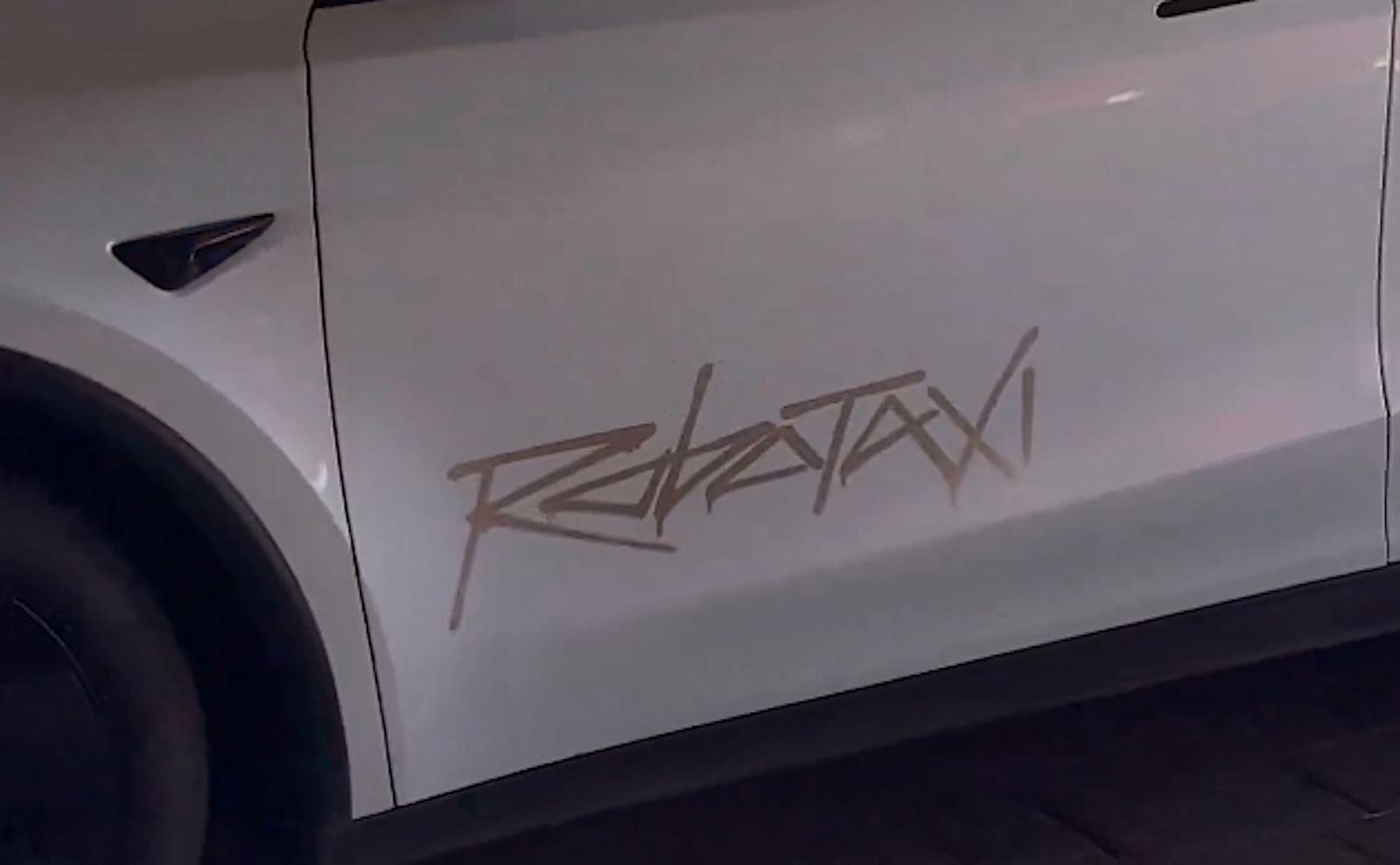
Tesla launched robotaxi service in Austin in June.
Tesla’s official fall from grace comes just months after shareholders approved a controversial pay package for Musk that could come to $1 trillion. That is, however, dependent upon the CEO guiding the company to meet an assortment of targets.
He could wind up with substantially less money if Tesla falls short in areas such as EV sales and its eventual stock price. Eventually it calls for the company’s market capitalization to reach $8.5 trillion.
The payout plan underscores a shifting strategy at Tesla, however. While it still calls for a sharp increase in EV sales it also targets growth in several other new market segments, including robotics and AI, as well as the expansion of Tesla’s robotaxi business – the latter operation launching in Austin, Texas in June. Notably, while Tesla’s EV sales were down last year, the company saw a sharp 49% surge in its energy business.



0 Comments