
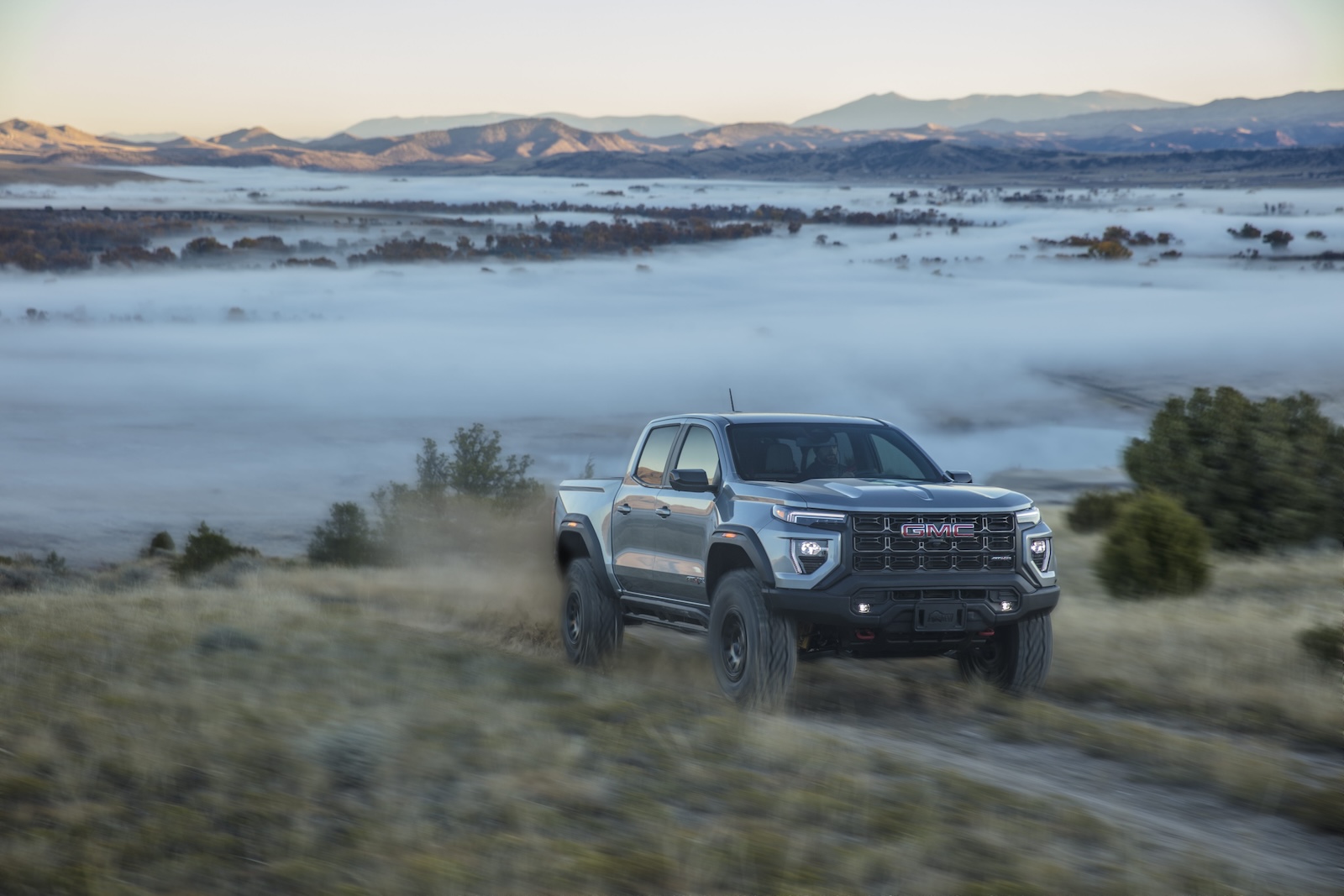
The Trump administration has moved to kill another fuel-saving technology, this time ending the credits automakers get for adding “auto stop/start” features to their vehicles. The head of the EPA described as “universally hated,” though many motorists credit the technology for substantial improvements in fuel economy. Headlight.News has more.
Since returning to office in January 2025 the Trump administration has taken steps to roll back fuel economy standards, kill EV tax credits and eliminate other green-minded technologies. The latest addition to the list: the “auto stop/start” feature today installed on roughly two out of every three vehicles sold in the United States.
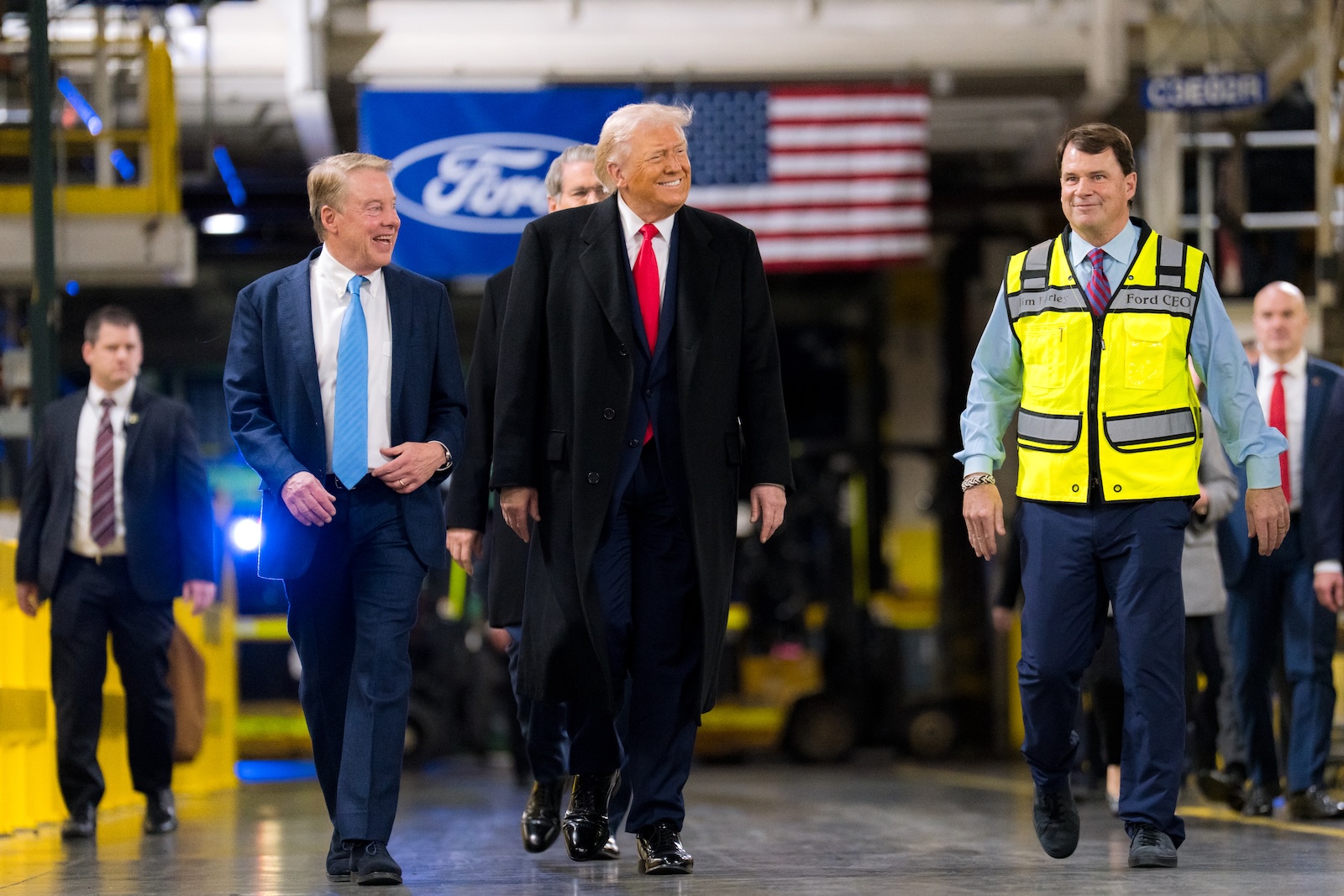
President Donald Trump toured Ford Motor Co.’s Rouge complex last month, home of the automaker’s big F-150 pickup.
EPA Administrator Lee Zeldin announced Thursday that automakers will no longer get credit for equipping vehicles with the technology – which he described as “universally hated.” But while many motorists did complain about early versions of the feature when it was first introduced, improvements have made it more popular – especially with research showing it can improve fuel economy by 5% or more.
“This administration seems to be pushing back against anything seen as ‘green,’” said Ed Kim, president of AutoPacific, Inc., even though consumer surveys clearly show overwhelming support for boosting fuel economy.
What is auto stop/start?
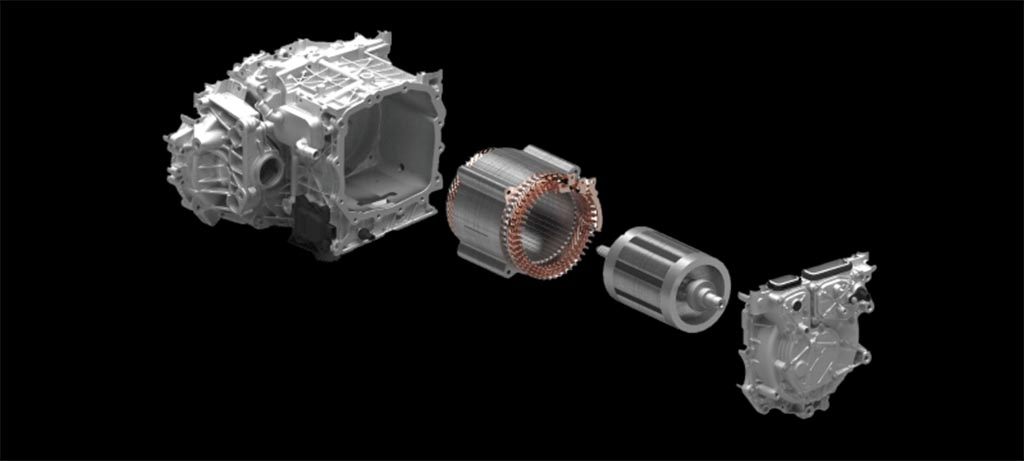
An Integrated Starter-Generator from supplier Valeo.
Also referred to as “idling stop,” the technology is designed to automatically shut off a vehicle’s internal combustion engine when it comes to a stop at, for example, a stoplight or while otherwise idling in traffic or in a bank or fast food line. The engine then restarts automatically when the driver’s foot lifts off the brake.
First introduced in the 1970s, such systems only began to see widespread us about 15 years ago. And initial systems were, indeed, often faulted for being rough and noisy in operation. Some studies found a high percentage of early users disabling the technology – though federal guidelines said stop/start systems had to automatically default back to on each time a vehicle was started.
The technology typically uses a combined starter motor and generator and requires a larger 12-volt battery than what’s found in a vehicle without the feature. But there are other approaches taken by manufacturers such as Mazda.
Benefits

Auto stop/start delivers its greatest benefit in conditions where vehicles would frequently idle, such as NY City traffic.
The potential benefits can vary widely by vehicle, as well as driver behavior and when and where the vehicle is driven. In rural settings it may seldom come into play. But stop/start can deliver substantial improvements to fuel economy in urban conditions, where a motorist may face regular stop-and-go traffic or spend time waiting in lines.
Early forecasts predicted improvements of 5%, but a 2023 report by the Society of Automotive Engineers measured a range of anywhere from 7.3% to 26.4%, the higher figure reflecting operation in New York City.
The good news for motorists, said analyst Kim, is that the latest iterations of stop/start are both more efficient “and pretty unobtrusive.”
More Auto News
- Trump Threatens to Block Opening of $5.9B Gordie Howe Bridge Needed by Automakers
- Ford Worker Who Heckled Trump Back on Job – and Has $800k from GoFundMe Campaign
- EV Registrations Slipped for First Time in a Decade
Will this decision save money?
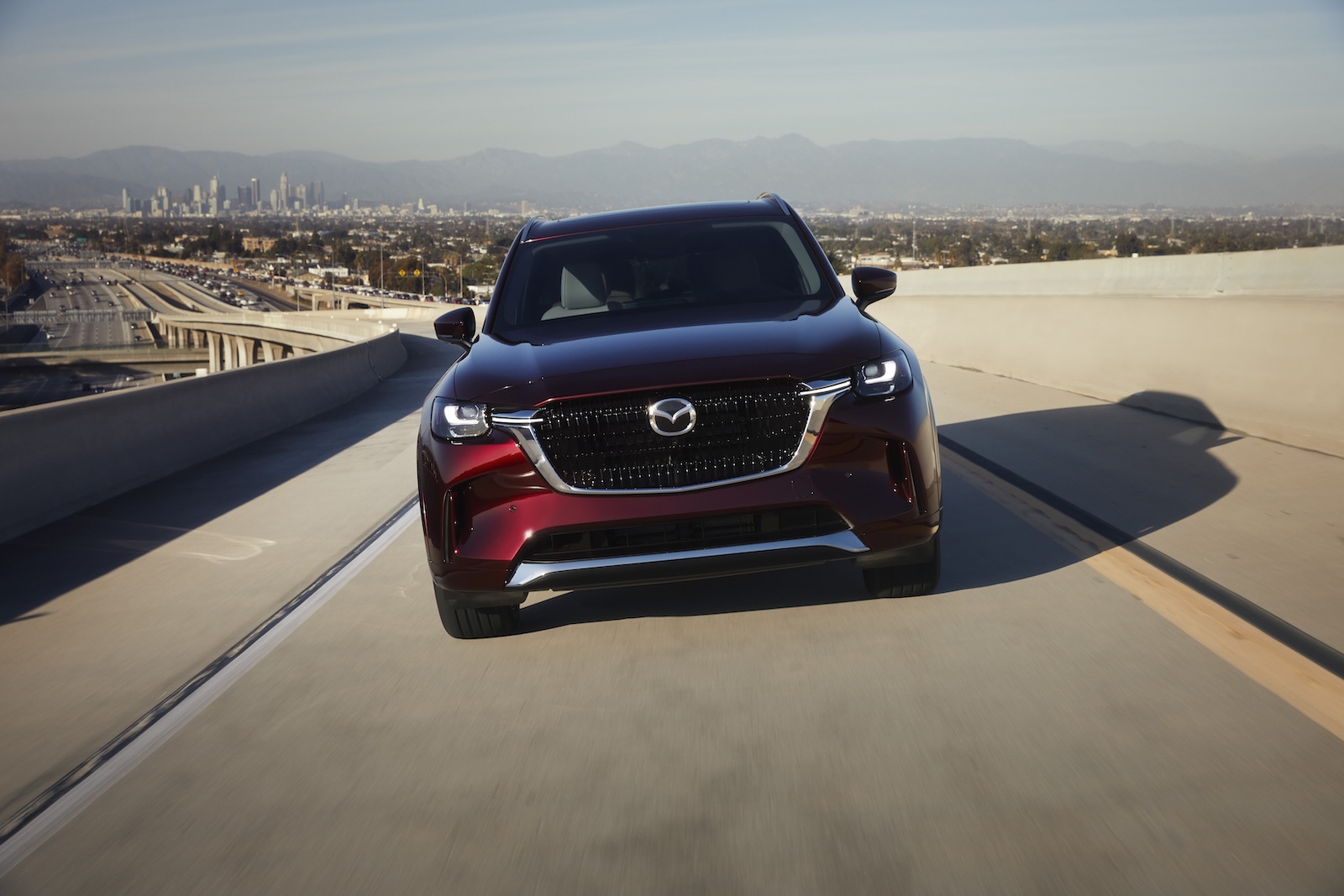
The EPA said the move will help automakers rein in vehicle costs.
EPA chief Zeldin said automakers could reduce the cost of the typical vehicle by as much as $2,400 due to the various steps the administration is taking – such as rolling back Corporate Average Fuel Economy standards.
Whether that target can be met remains uncertain and, in some cases, automakers have been cautious about anything that might reduce fuel economy and fly in the face of consumer demand. On the other hand, they are coming under increasing pressure to address affordability at a time when the average transaction price of a new vehicle has topped a record $50,000.
For his part, Kim, questioned whether the move on stop/start will have much impact on pricing because the technology “doesn’t add a lot of cost.”
Customer choice
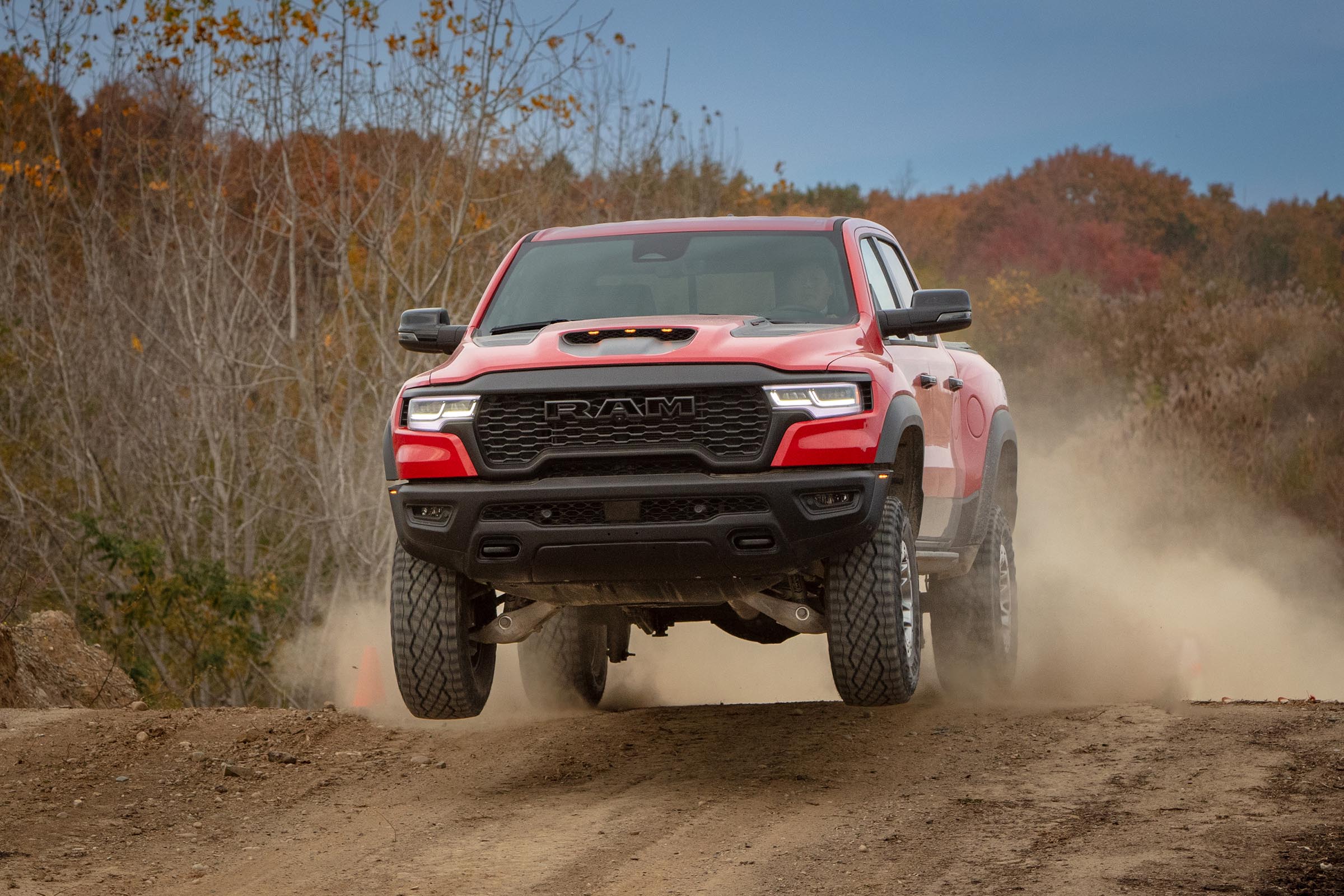
Ram sales perked up with the return of the Hemi V-8.
Several automakers did give a thumbs-up, however, pointing not necessarily to cost savings, but the flexibility to meet consumer demand, notably for powertrains that faced potential extinction under Biden-era rules.
Stellantis saw a sharp drop in sales of its big Ram 1500 pickup when it replaced its V-8 with a turbo-six engine, even though the newer powertrain was faster, more powerful and more fuel efficient. Demand for the full-size truck surged when the Hemi V-8 was relaunched last summer.
The automaker issued a statement supporting the EPA’s move on stop/start “because it enables us to continue offering Americans a broad range of cars, trucks and SUVs – including BEVs, REEVs, hybrids and efficient internal combustion engines – that they want, need and can afford.” Ford Motor Co., meanwhile, said the move will “address the imbalance between current emissions standards and customer choice.”
Whatever the reason, AutoPacific anticipates we will continue to see auto stop/start systems remain in use, with manufacturers most likely to remove the technology on their most price-sensitive model lines and, said Kim, on large trucks and other models where the ideology of buyers tends to oppose green-minded technologies.



Idiotic