
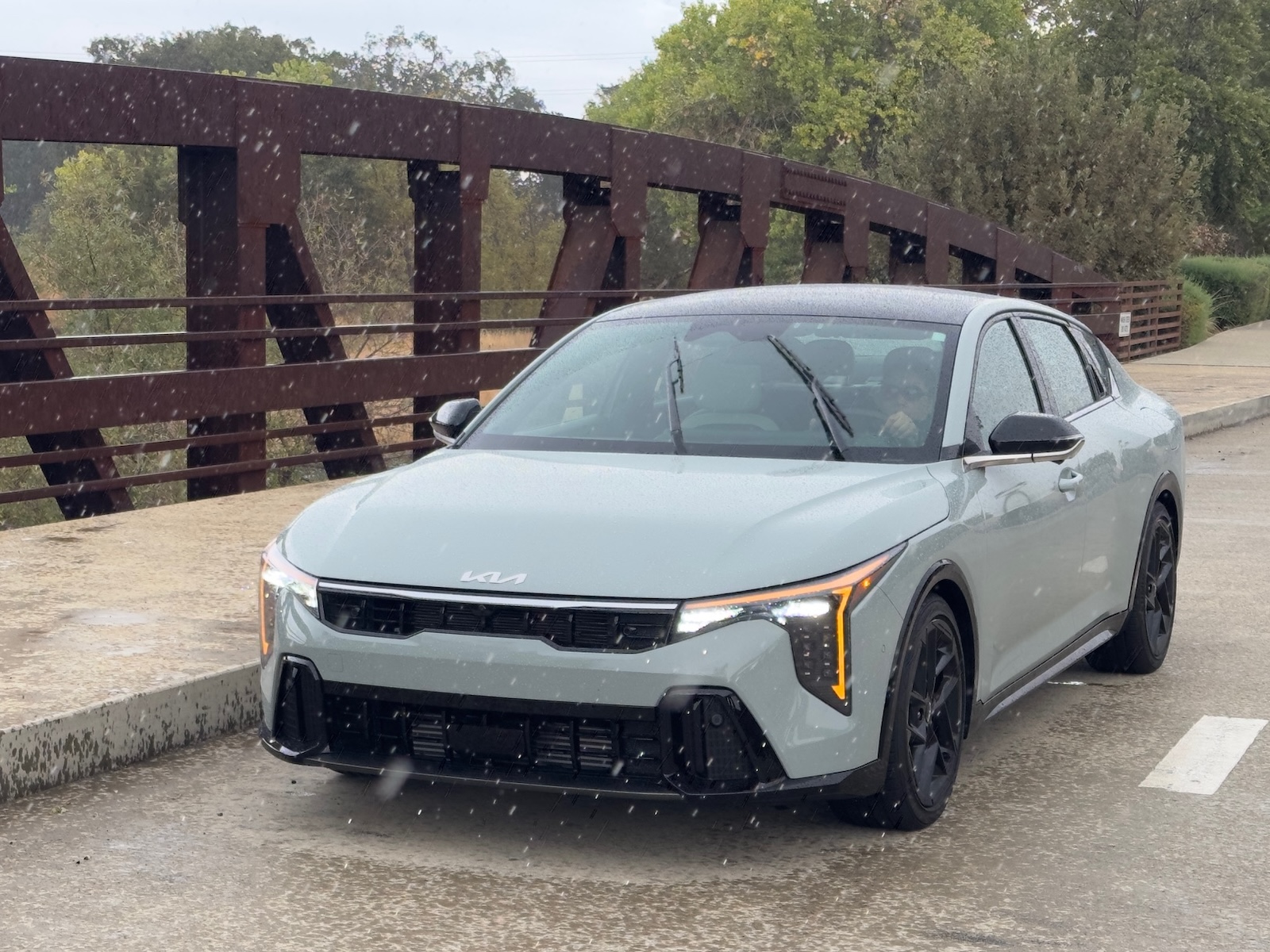
At a time when the typical buyer now spending around $50,000 to drive off the dealer lot, millions of American motorists are being forced out of the new vehicle market. Budget buyers could soon find their choices even more limited, however, depending upon negotiations to update the U.S. -Mexico-Canada Agreement. How that shakes out may lead a number of U.S. and foreign-owned automakers to drop their most affordable models.
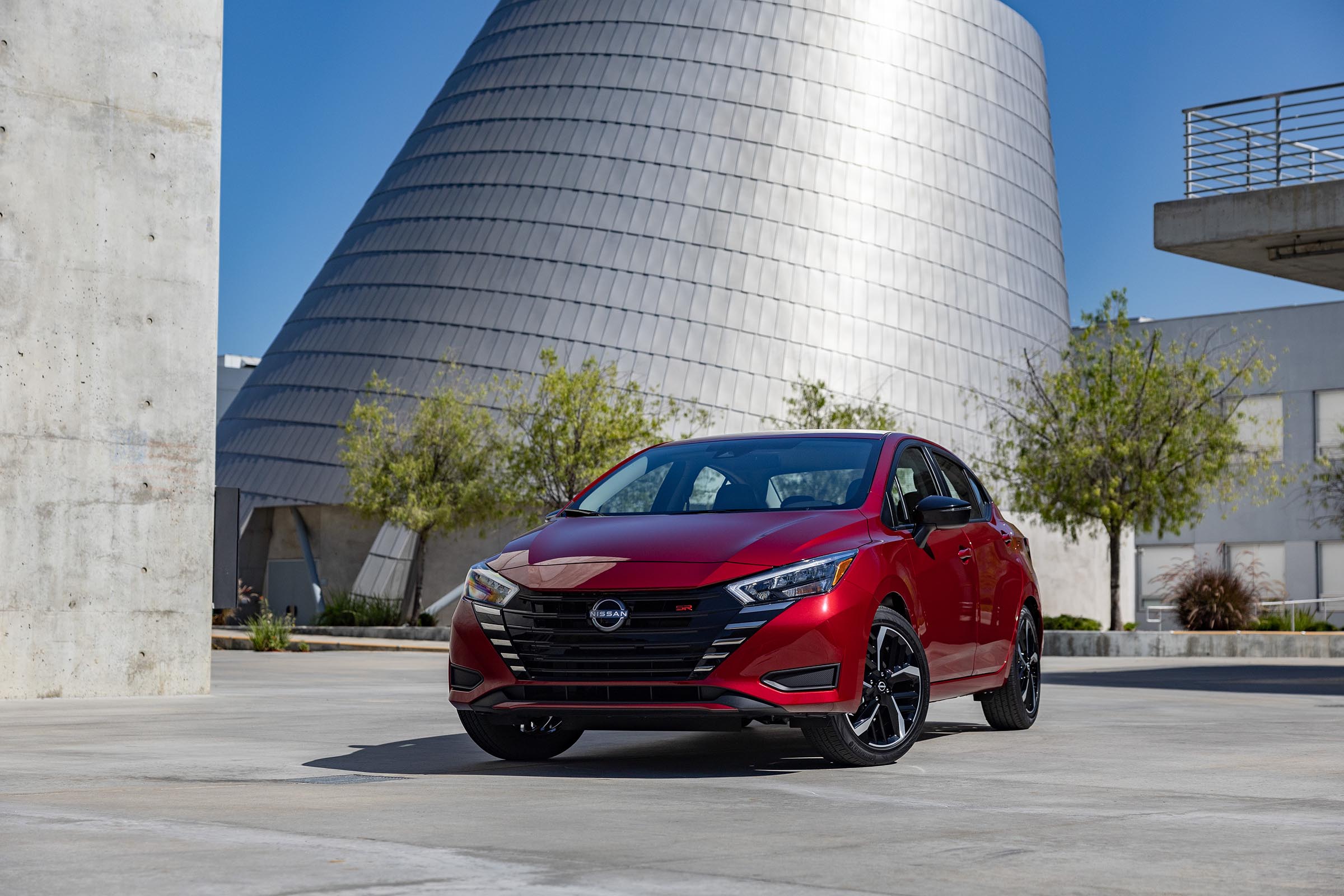
Nissan dropped the Versa because tariffs would price it beyond consumer acceptance.
When Nissan announced it would stop selling the little Versa model in the U.S. last year it put primary blame on Pres. Donald Trump’s auto import tariffs which would have made it difficult to continue profitably selling a product starting at just $17,190.
Now, it seems, a number of other manufacturers may follow suit. Depending upon what happens as the White House moves forward with plans to renegotiate the U.S.-Mexico-Canada Agreement, the future is increasingly cloudy for a wide range of base models, such as the Nissan Kicks, Kia Rio and Mazda CX-30. Separately, a number of base models imported from South Korea, including the Chevrolet Trax and Buick Envista could also be at risk because of auto tariffs, industry analyst Sam Fiorani, of AutoForecast Solutions told Headlight.News.
Despite the fact that the trade agreement usually referred to as the USMCA was negotiated during the first Trump term, the president has repeatedly complained that it encourages manufacturers to move factory jobs out of the U.S. But some foreign manufacturers have told the White House they might be forced to drop base models entirely since they couldn’t build them profitably in the States, reports the Wall Street Journal. And that, they’ve warned, will only hurt U.S. buyers and further weaken an industry already facing a sales downturn.
Prices spiral out of control

Many of the most affordable models on the U.S. market are assembled in Mexico, the country’s President Claudia Sheinbaum shown here.
While the numbers fluctuate month to month, the average transaction price of a new vehicle – factoring in incentives and options, as well as sticker prices – has been running around $50,000, according to Kelley Blue Book. The average auto loan is now $806 a month, with a record number of buyers topping $1,000 and stretching payments out for as much as 84 months, according to J.D. Power.
Mainstream manufacturers have been struggling to keep more affordable options in their lineups, and have largely found that possible only by turning to foreign manufacturing options, notably Mexico and South Korea. Even for the lower-end models still assembled in the U.S., automakers have tried to hold down costs by relying on foreign-made parts and components.
But that strategy may no longer be possible, especially if the USMCA is watered down or canceled entirely, said Fiorani. “The tariffs are making it less profitable for manufacturers to offer” base models like the now-abandoned Versa.
Limited options for budget buyers
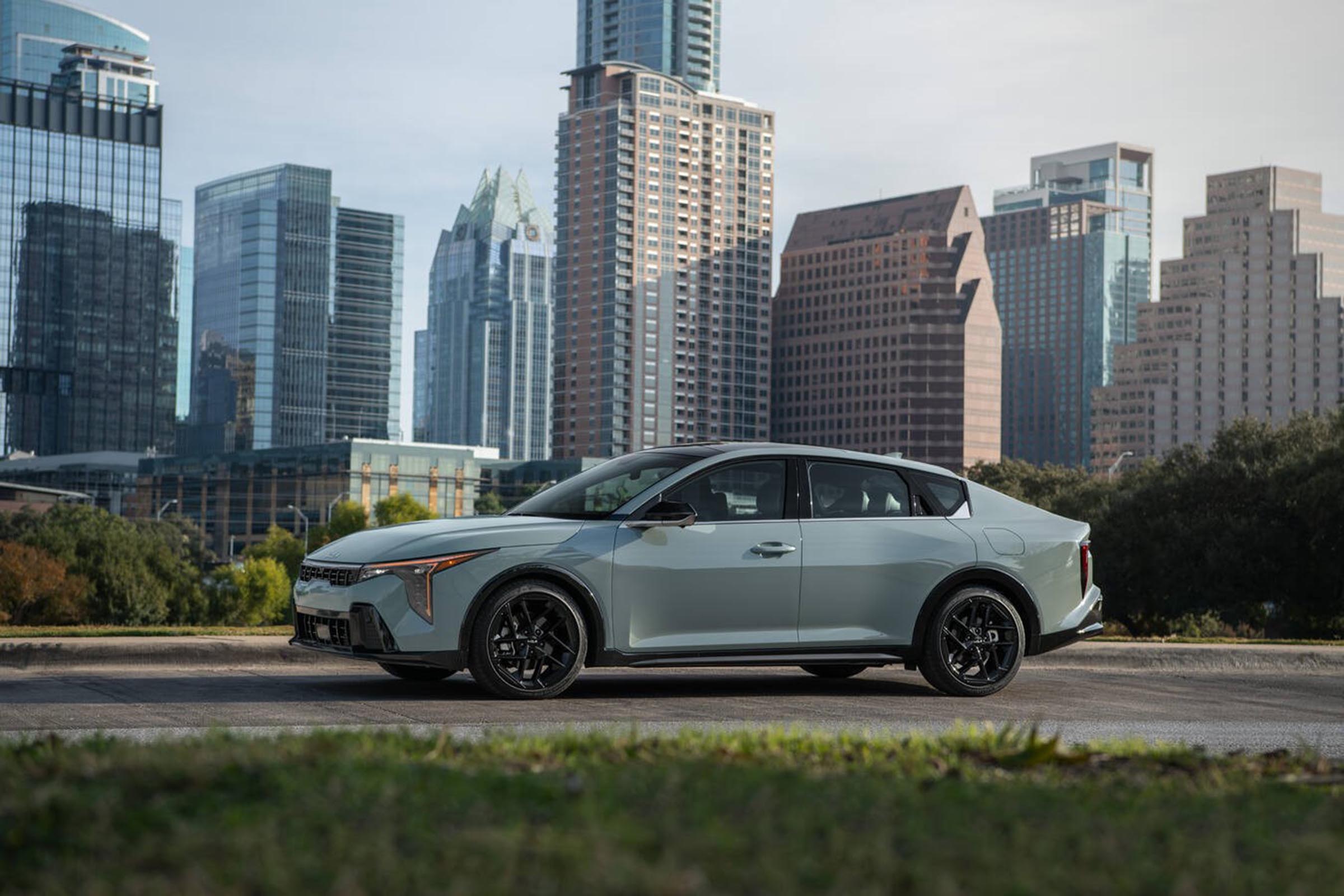
The Mexican-made Kia K4 is now the lowest-priced new vehicle available in the U.S.
The Nissan Versa with a manual transmission was, until recently, the lowest-priced new model available for U.S. buyers. There’s no longer anything available under $20,000. The closest you can come is the 2026 Kia K4 LX starting at $23,535, including destination fees. The Nissan Sentra S is next on the list at $23,845, followed by the Hyundai Elantra SE at $23,870.
Only about a dozen products today come in under $30,000. Only a small handful of those are assembled in the U.S. Various versions of the Honda Civic, for example, are assembled in either Indiana or Ontario, Canada.
That list could shrink substantially, industry insiders warn, due to tariffs and the outcome of the USMCA negotiations.
Tariffs are “killing our affordable cars,” Nissan Americas Chairman Christian Meunier told the Journal.
More Auto News
- How Did GM Do During Q1? Depends on Which Numbers You Look At
- April’s New Vehicle Sales Aren’t Looking Good
- Iranian War Triggers Surge in Fuel Prices
“Nothing but uncertainty”
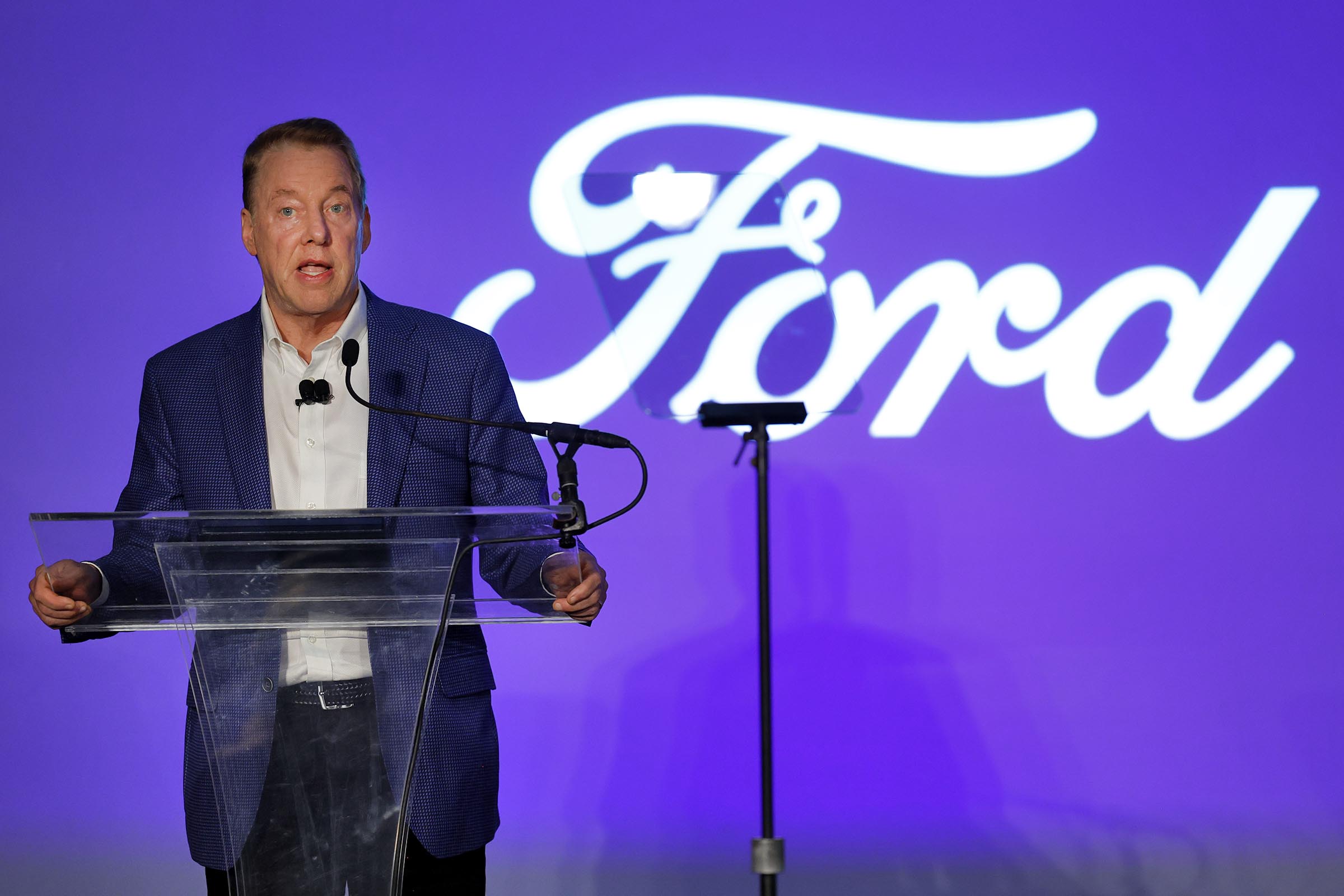
Ford Chairman Bill Ford worries about the uncertainty created by Trump administration trade policies.
Trilateral trade talks with Canada and Mexico have been a priority, the White House has said, though the process is moving far more slowly than anticipated. How much the agreement might change is far from certain, especially considering Trump signed off on the old deal in 2018, replacing the decades-old NAFTA. At the time, the president proclaimed it a far more favorable package that would help bring more manufacturing jobs back to the U.S.
However, it maintained a relatively tariff-free environment for the auto industry which had, over the decades, set up a network of parts and assembly plants operating as if national borders were just a minor inconvenience.
What happens now is far from certain. And that worries manufacturers. “We can adapt to almost anything except uncertainty. And unfortunately, where we are right now is there’s nothing but uncertainty,” Ford Chairman Bill Ford said regarding Trump automotive trade policies during last year’s Mackinac Policy Conference.
For his part, White House spokesman Kush Desai insisted the administration is ready to provide “breathing room” to help automakers adapt to what’s coming. But, he stressed, “Automakers who want to sell to American drivers need to come to terms with the need to reshore their manufacturing back to the United States.”
What budget buyers could lose
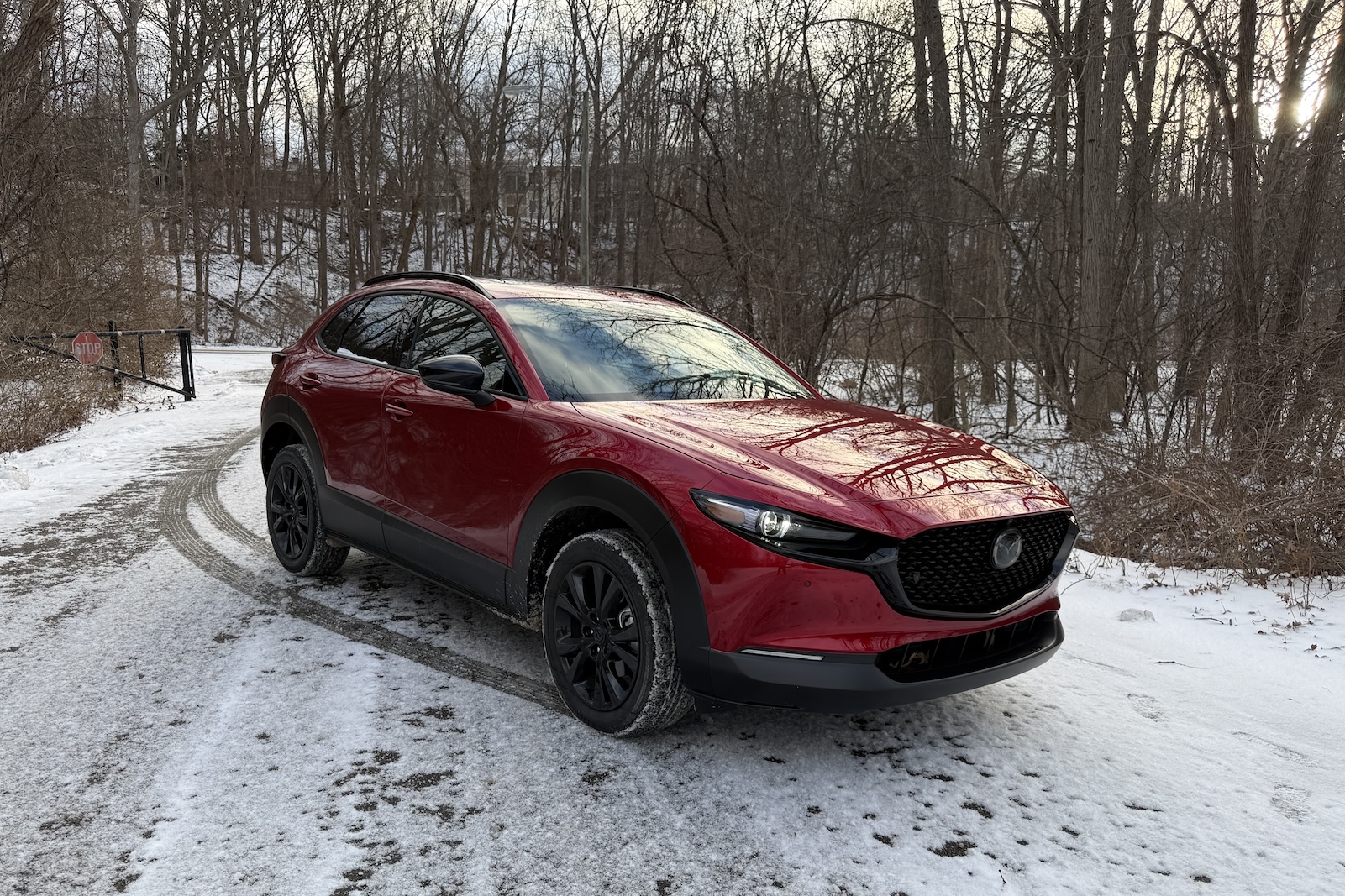
The Mazda CX-30 could be on the chopping block, depending upon how USMCA talks work out, said Fiorani.
So far, the Nissan Versa is the only entry model specifically abandoned due to Trump trade policies. But industry officials have made it clear to the White House still more products could follow, primarily models imported either from Mexico or South Korea. These, according to Fiorani, could include:
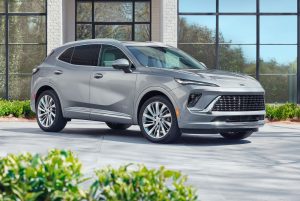
- The Chevrolet Trax and Buick Encore GX crossovers, both imported from Korea;
- The Mexican-made Mazda CX-30 and Nissan’s Sentra and Kicks models;
- Several products from the Hyundai Motor Group, including the Mexican-made Hyundai Accent and Elantra, as well as the Kia K3 and K4, the latter being their largest-selling U.S. model.
Ford also produces one of its key entry products in Mexico, the compact Maverick pickup. What happens with the USMCA negotiations could “dramatically” affect the truck’s price tag, said Fiorani. “But I can’t imagine Ford pulling it from the market” because of the high volume of Maverick sales. But the company could find itself between the proverbial rock and a hard place, he added, because Maverick prices likely would rise even higher – negatively impacting sales – were Ford to shift production back to the States.
That’s the problem with many of the Mexican and Korean imports, he and other analysts said. The added cost of production if models like Trax, CX-30 or K4 were moved back to the U.S. could simply price such vehicles out of reach for their typical buyers.





0 Comments