
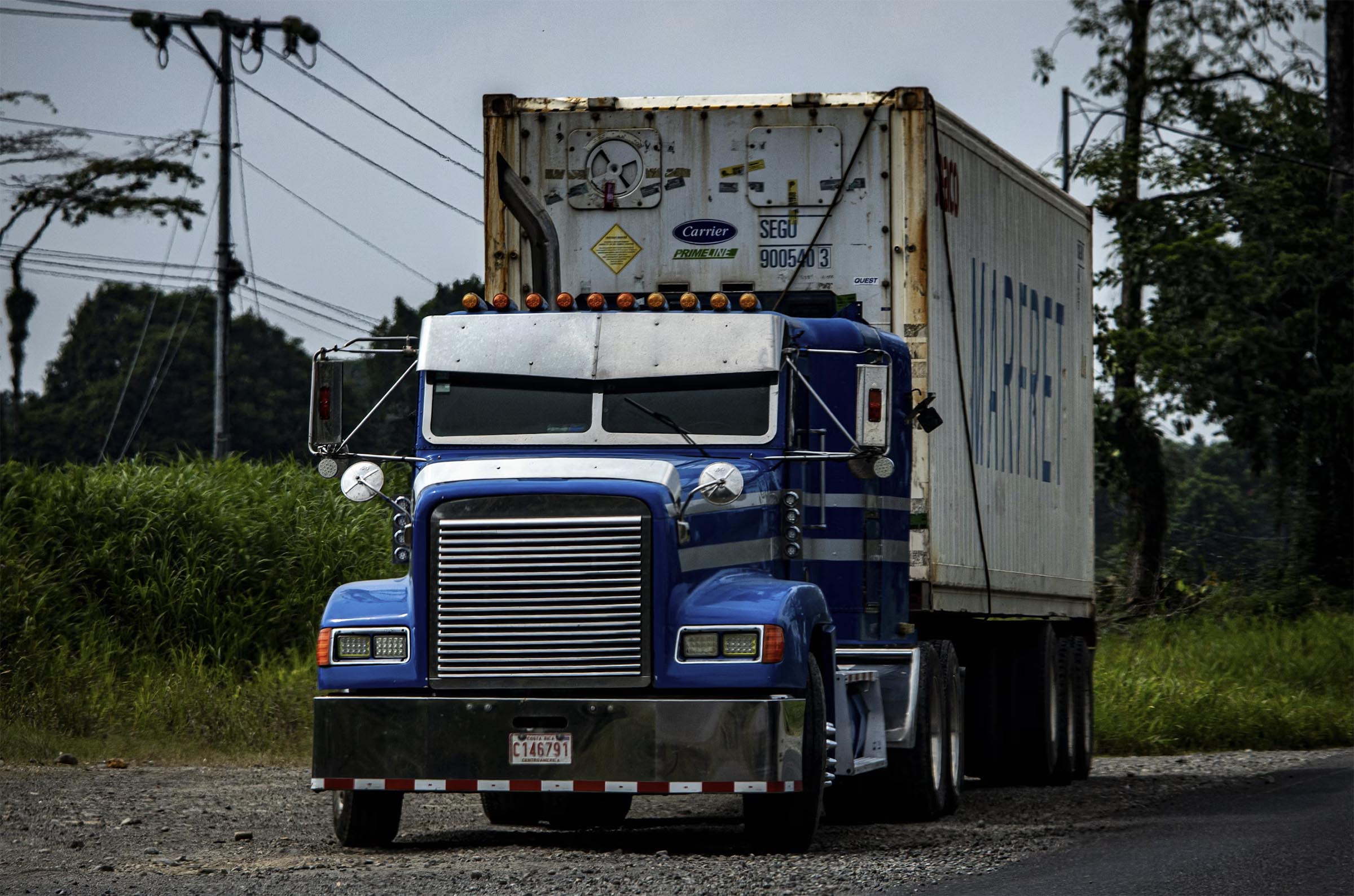
The price for diesel is about to hit a record high and that will fuel another surge in the cost of everything from burgers to construction materials.

The Ram 2500 Power Wagon gets a first-ever Cummins turbo-diesel.
Timing is everything, they say. And that’s bad news for the U.S. economy, and for the Ram brand, in particular.
The Stellantis truck brand revealed Tuesday morning it will offer a 6.7-liter Cummons turbo-diesel option for the Ram 2500 Power Wagon for the very first time. It might seem the perfect moment to bring that to market considering the sharp run-up in gasoline prices since Pres. Donald Trump launched his war with Iran last February. Unfortunately, diesel prices are also on the rise and, if anything, they’re going up faster than gasoline.
On Tuesday morning the national average cost of a gallon of diesel jumped to $5.6199, according to AAA, a roughly 34-cent increase over the past month – and nearly $2 a gallon higher than the day before the bombs started falling over Tehran. More worrisome, diesel is rapidly approaching the all-time record of $5.8159 set in June 2022.
Where’s the Beef?
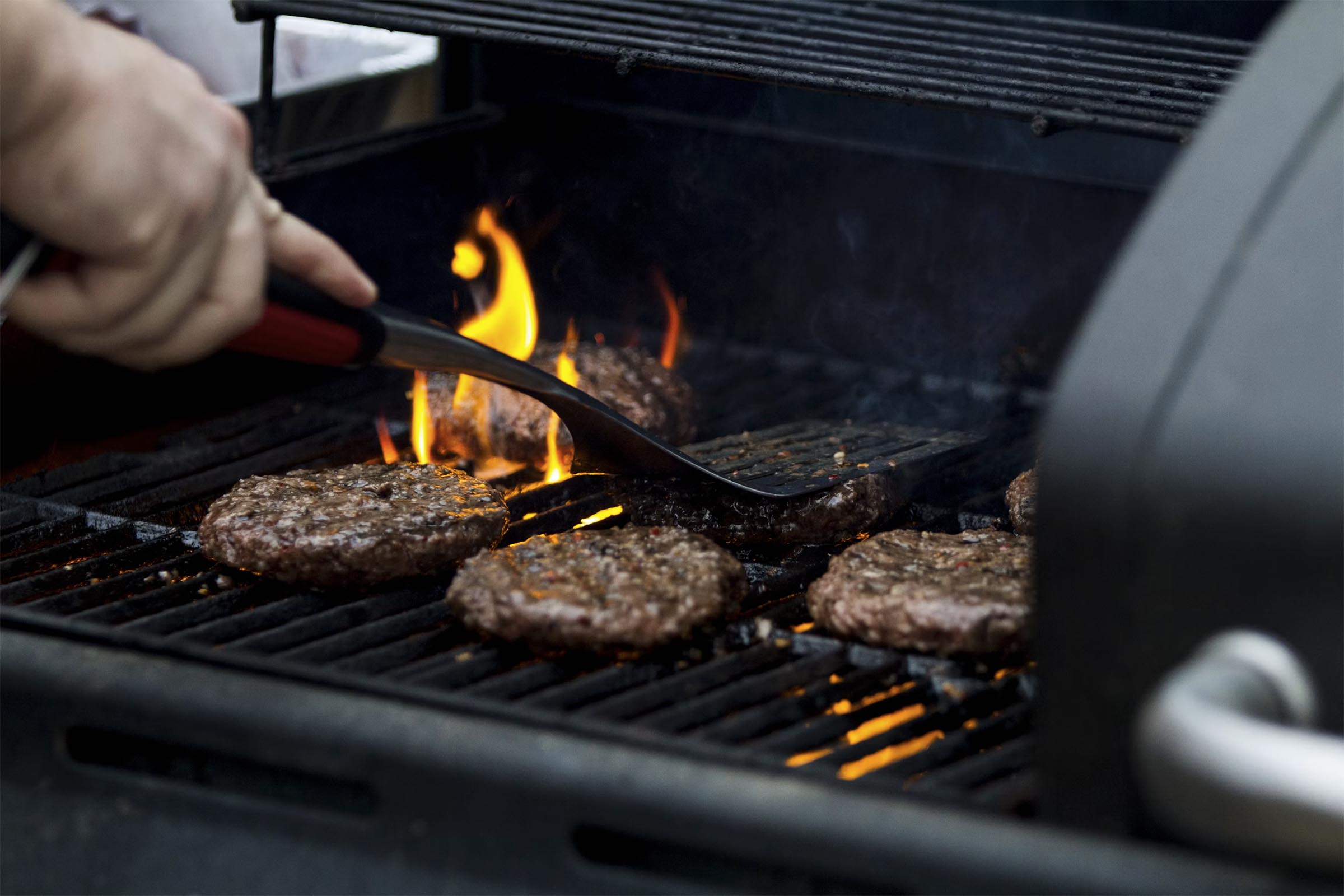
Rising diesel costs will continue to push prices up for things like ground beef.
That’s a problem, and not just for Ram trying to roll out a new model. In recent months, the headlines have largely focused on gas prices and, yes, American motorists are paying a lot more to run errands and commute. But it’s the cost of diesel that we all need to be concerned with because that’s the fuel America really runs on – as you’ll notice the next time you go to the supermarket or place an order with Amazon.
Planning to cook some burgers for the upcoming Labor Day holiday? If you stock up today you’ll pay an average $6.89 a pound, according to the U.S. Bureau of Labor Statistics’ CPI data. That’s a penny short of the all-time record – which experts anticipate we’ll top in the coming days – a 12.6% year-over-year increase.
A variety of factors have contributed to that surge, including drought and cuts in herd sizes. But the big factor is the generic term “high production costs.” And here’s where we come back to the impact of the Iran War. To get a better understanding, we’ll visit a farmer growing corn in Iowa which produces 64 million tons of that crop annually. Diesel-powered tractors plow the fields – and apply petroleum-based fertilizer – diesel-powered combines bring in the harvest. Diesel locomotives then move the feedstock to ranches across America. And, yes, diesel trucks bring cows to the slaughterhouse and then move that packaged ground beef to your local supermarket. At every step of the way, the surge in fuel prices adds to the cost of that burger you’re about to throw on the grill.
An Inflationary Pulse
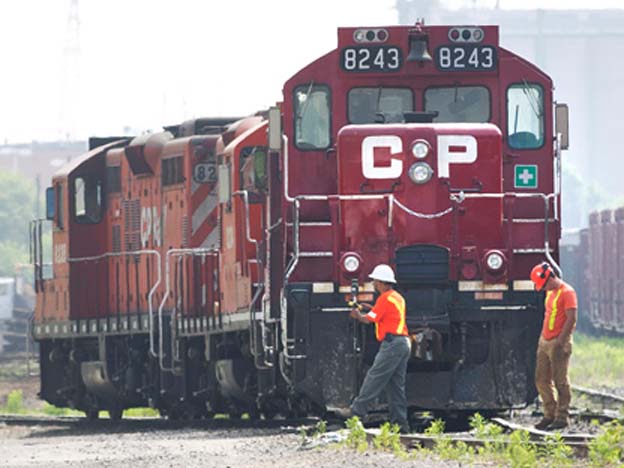
Fully 94% of American freight is shipped by rail or by trucks using diesel power.
Diesel moves America. About 94% of the freight crisscrossing the country depends upon diesel, whether you’re talking 18-wheelers heading in and out of the Ports of Los Angeles, New York or Charleston – where they off-load cargo from diesel-powered ships – or mile-long freight trains and local delivery vans.
The run-up in diesel fuel costs is creating what economists describe as “an inflationary pulse” coursing through the entire economy. John Kilduff, Founding Partner at Again Capital and an observer of global energy markets, said in a recent interview on CNBC, soaring diesel prices threaten to fuel still more inflation by boosting prices for all sorts of goods. That’s just everything you could imagine, from food to clothing to the construction materials needed for new homes, stores and factories.
The pressure on diesel puts stress on the economy as a global supply shortage collides with demand from consumers, farmers and manufacturers, added Kilduff. “We need the Strait (of Hormuz) back open,” he said. The increase in the price of diesel feeds into renewed inflation. With higher inflation “knocking on the door,” the Federal Reserve Board, according to Kilduff, is not going to be able to cut interest rates. “It’s definitely an inflation pulse,” Kilduff said.
More Auto News
- Hybrids Charged Up July Auto Sales
- Has SRT Found the Answer to Turbo Lag?
- Dodge Debuts Charger Super Bee – But There’s More Coming
A “Quiet Crisis”

Ships anchor away from Strait of Hormuz. Photo courtesy MoneyControl.com.
Officials at the top of the Trump administration believe the price of gasoline, now well over $4 per gallon nationwide, will drop a bit as the summer driving season ends on Labor Day. But it’s another matter entirely when it comes to diesel fuel – which is spiking as high as $6 a gallon or more in some parts of the country, including heavily traveled shipping corridors in the Midwest. Bringing diesel down is a problem that will be harder to fix, according to the National Security Journal in an article about the “Quiet Crisis.”
Trucking companies routinely adjust prices to reflect their fuel costs whenever possible. Railroads, which also use diesel, have been adding fuel “surcharges” to their bills since March, shortly after the war against Iran began, The American Association of Railroads reported. These surcharges are typically indexed to the U.S. monthly average on-highway diesel price or West Texas Intermediate crude oil prices.
Thus, when diesel prices rise the impact is felt everywhere, reported the Journal. “Most goods moving in the United States spend at least part of their journey on a truck, which means higher fuel costs work their way into the price of nearly everything consumers buy, from groceries to building materials to medical supplies,” the article noted. And, as other experts point out, consumers are already paying higher prices on many goods due to the Trump administration’s import tariffs which could soon see new levies of 50% on many Canadian products.
Empty Shelves. Abandoned Crops?

Diesel powers most farm equipment.
Higher fuel prices also shift where risk lands in the supply chain. When carriers become more selective about which loads they take, capacity tightens. Shippers who pay competitive rates and have established carrier relationships tend to maintain their service levels. Those relying on spot capacity find it harder to cover loads when they need it most, according to the American Trucking Association. This could have an impact on availability of some goods.
The country could face another crisis now that the harvest season has begun. Roughly 70% of American farmers said they were struggling to purchase all the – largely petroleum-based – fertilizer they needed this year, according to a report by the American Farm Bureau Federation’s nationwide survey released on April 14, 2026. With farmers already under financial stress, they now face the prospect of spending record amounts to fire up their diesel-powered equipment to bring in and process their crops.
Did We Mention Availability of Diesel Could Become Another Issue?
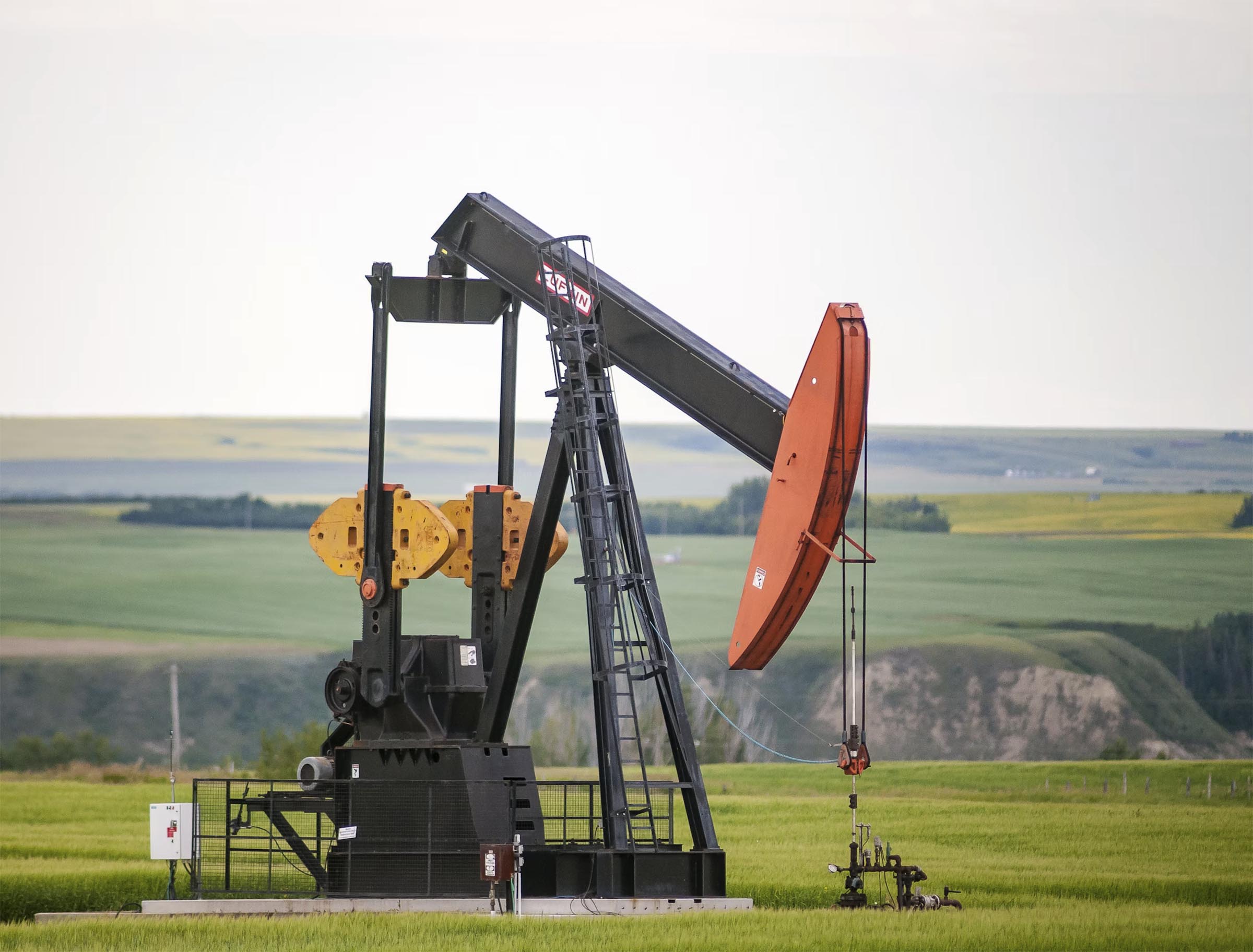
Oil supplies are being strained worldwide.
The Trump administration insists it has the problem under control. However, the data underscore the growing concerns about more than just the everyday price for diesel. Inventories of the fuel worldwide have now dropped to their lowest levels since 1996 when the global economy was far more dependent upon fossil fuels. The problem is that wind, solar and other renewables are yet to have a major impact on the shipping industry.
The U.S Strategic Petroleum Reserve, which is kept in the salt caverns of Texas and Louisiana to serve as a buffer when prices climb too high or too fast, have reached their lowest levels since December 1982, when it was initially being filled. That was during the first administration of President Ronald Reagan, according data from the U.S. Energy Information Agency, shortly after the second of the twin oil shocks of the 1970s. The current low follows the Trump administration’s decision to release more than 400 million barrels of crude from the reserve this past spring.
Meanwhile, even as refineries in the U.S. produce record amounts of diesel, the so-called “crack price” – the difference or “spread” between a barrel of crude oil and the refined product – has climbed to a new record because of international pressure on the overall supply, according to Bloomberg. Ukrainian drones have succeeded in crippling the production at Russian refineries, reducing the availability of the diesel fuel Russia had been trading internationally. The conflict in the Middle East has shut down 20% of refining capacity around the Persian Gulf.
China Sees An Opportunity
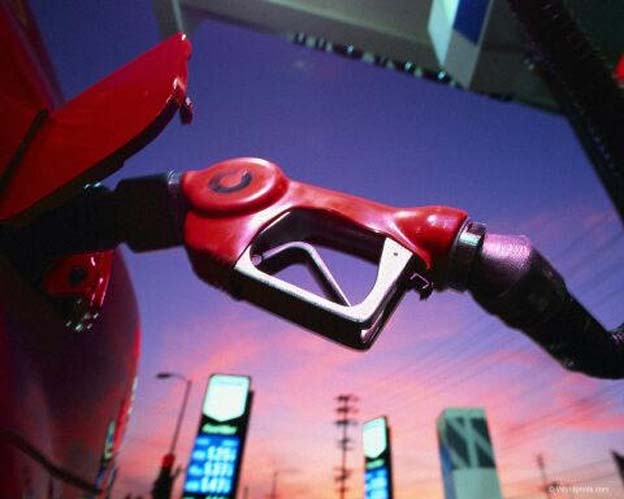
Experts warn the diesel problem could stretch beyond year-end, even with a settlement of the Iran War.
Americans are by no means the only ones struggling with both rising costs and shrinking supplies of diesel. Users in Europe are paying as much as 70% more than they did before the Iran conflict began, even more than for jet fuel, according to Reuters, “driven by severe refining bottlenecks and supply losses.” That said, the crisis also is creating opportunities for countries such as China, which are looking to expand their global influence.
Back in March as the Iran-US. War moved towards a stalemate, China offered what it said would be energy stability to Taiwan if it agreed to Beijing’s rule, part of a campaign by China to convince the island of the benefits of “reunification”, which it has long rejected.
Taiwan, which had received a third of its LNG from Qatar, and which sources no energy from China, said it has secured alternative supplies for the time being, including from the United States, the island’s main international backer.
Ending the Iran War May Not be Enough
Pres. Trump has declared an end to the Iran War on a number of occasions. But even the Memorandum of Understanding inked on June 17 failed to resolve the dispute. It took barely three weeks before fighting resumed. Since then, the vital Strait of Hormuz, through which 20% of world petroleum supplies normally travel each say, is seeing only a fraction of pre-war traffic.
Despite comments from Washington, there seems little movement by either side towards a quick settlement, according to widespread news reports. But even if a deal were to emerge anytime soon, the experts warn it could take quite some time for the diesel crisis to subside. “Shrinking inventories could prolong the crisis for months, driving higher diesel prices and intensifying inflation risks worldwide, particularly as winter approaches,” warned a report by tracking site Oilprice.com.
If anything, the ongoing war in Ukraine will complicate matters if the fighting isn’t resolved there, as well, the publication said, since the latest Ukrainian strategy has it launching intense drone attacks on the Russian petroleum infrastructure.
Worldwide, the situation could “get ugly” before it gets better, Eugene Lindell, head of refined products at consultancy FGE NexantECA, warned in an interview with Bloomberg.


0 Comments