
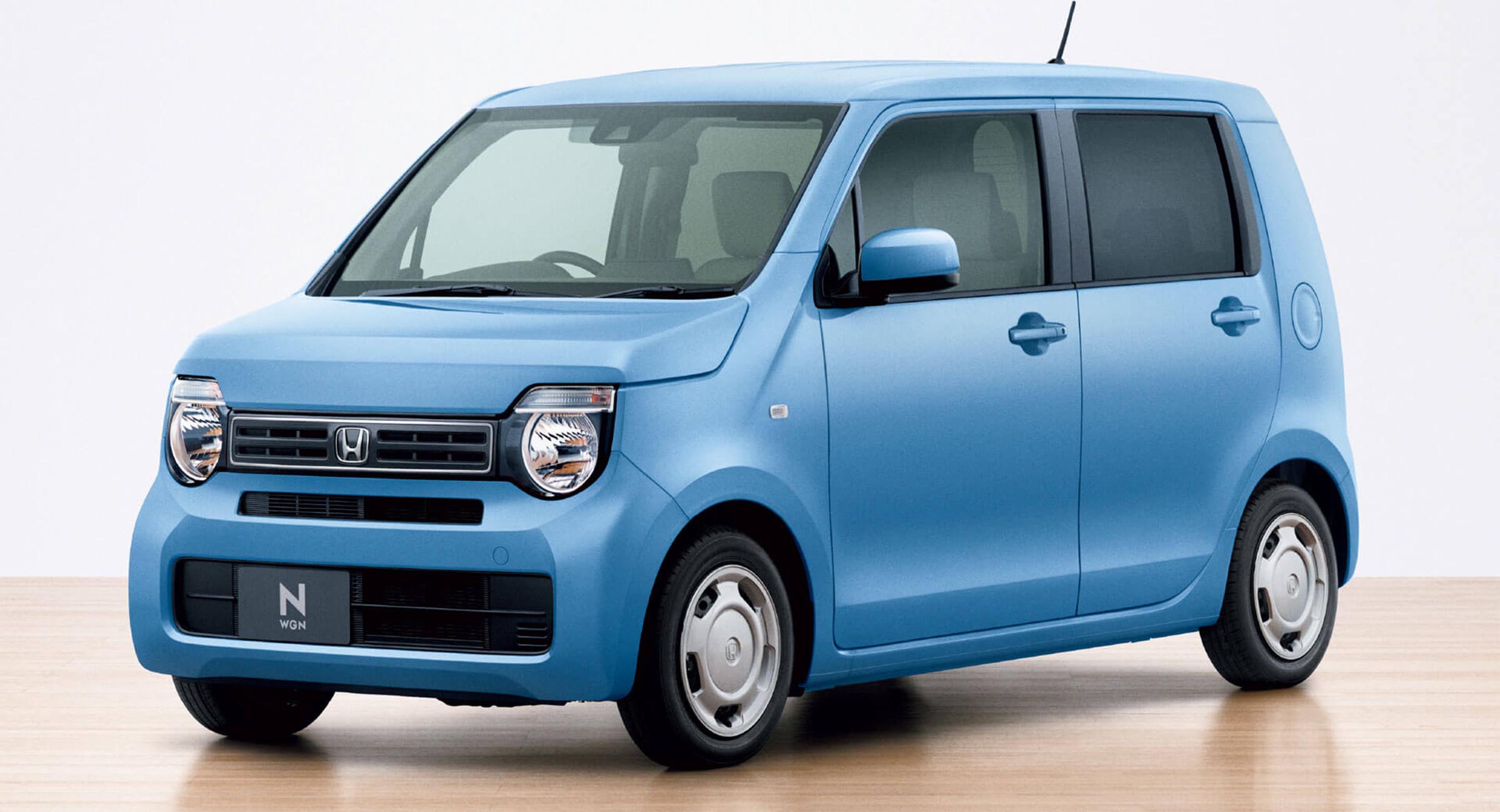
They’re some of the smallest cars in the world and make up 40% of the Japanese domestic market. But could “Kei cars” find a niche here in the United States? That’s something Pres. Don Trump suggested this week as he announced a rollback of federal fuel economy standards. More from Headlight.News.
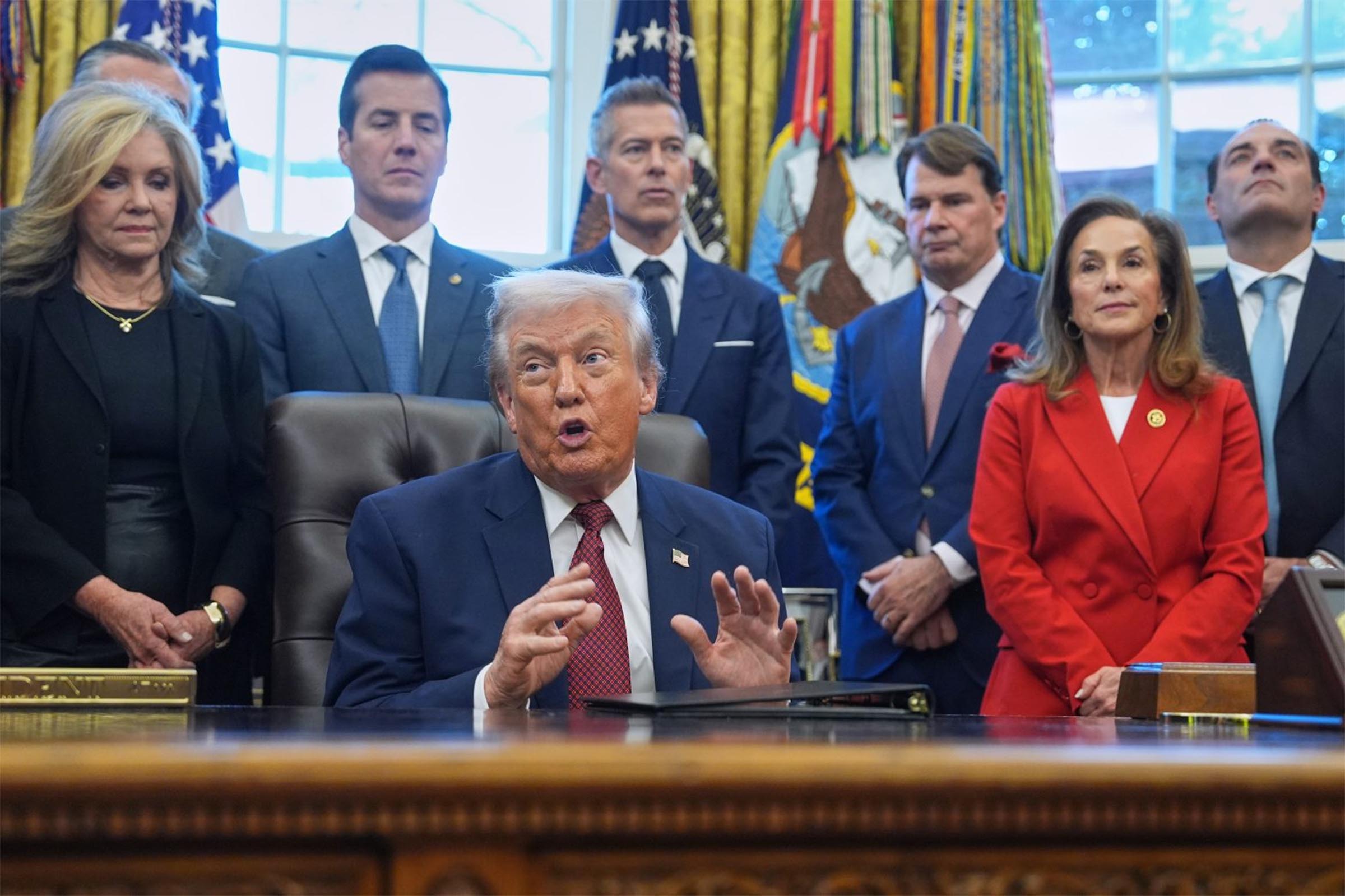
Pres. Honda told U.S. auto execs at the White House they should build Japanese-style “Kei” microcars.
The official reason why Pres. Donald Trump called auto industry executives to the White House this week was to announce a rollback in Biden-era federal fuel economy standards. But, along the way, the conversation turned to another serious topic of growing concern: affordability.
The price of the typical new vehicle has now topped $50,000, an all-time record, according to Consumer Reports, and something pricing millions of Americans out of the new car market.
One of the suggestions offered by the president: domestic automakers should take a tip from the likes of Toyota and Honda and start building the “kei” cars that have become one of the largest segments in the Japanese home market. “They’re really cute,” said Trump. But whether American manufacturers actually could produce these microcars here — and whether U.S. motorists would buy them is the question.
What are they?
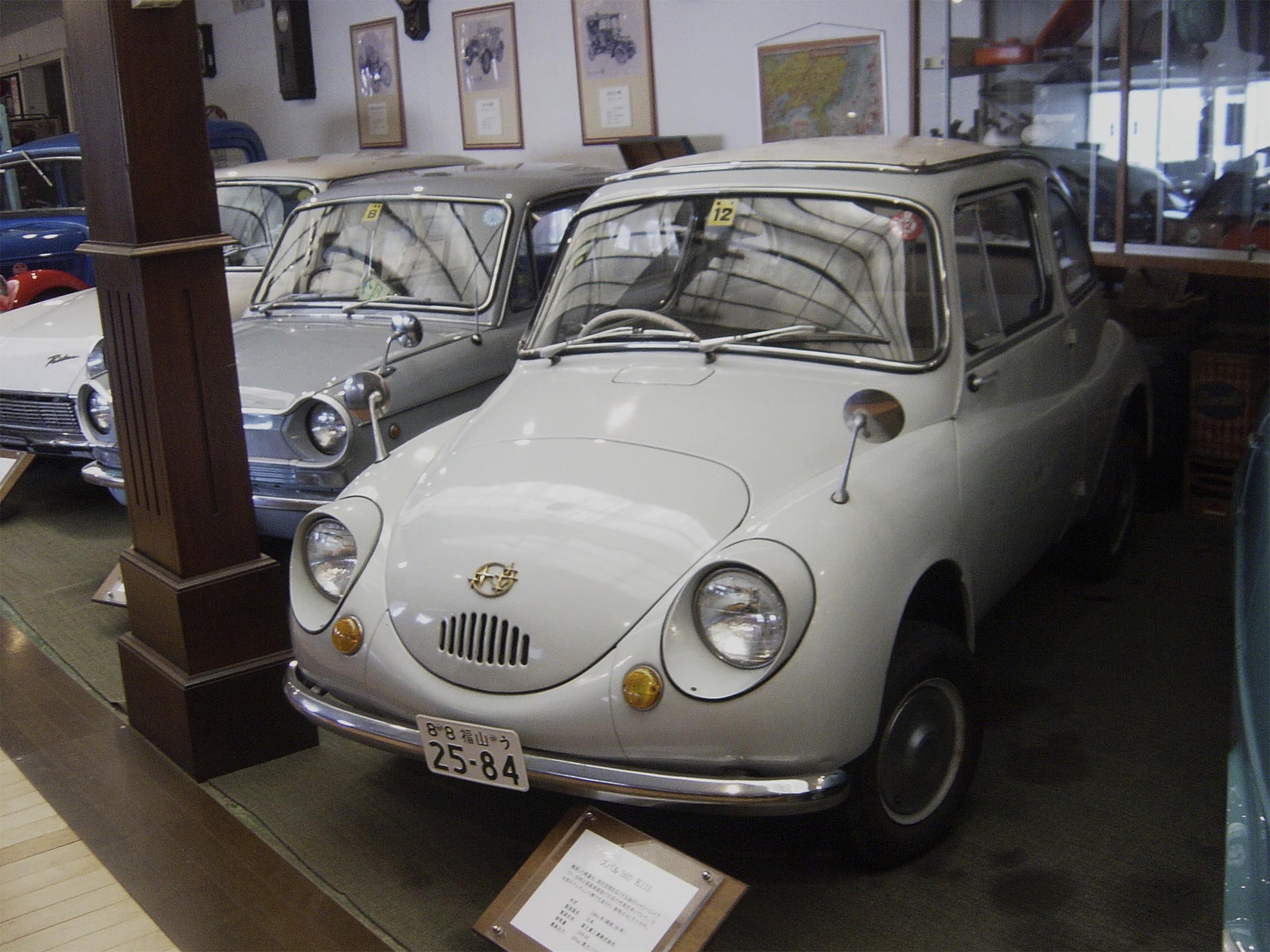
Kei cars first appeared in post-War Japan.
The first Kei cars were introduced in 1949, as Japan struggled to rebound from the devastation of World War II. More formally known as kei Jidosha, they’re well suited for the narrow roads and limited parking motorists have to deal with in cities like Tokyo, Hiroshima and Kyoto.
Under Japanese law, they can be no longer than 11.2 feet, bumper-to-bumper, small enough they could almost fit in the bed of a Ford F-150 pickup with an extended bed. They can stand as tall as 6.6 feet, however, allowing for creative seating that makes them a wee bit roomier than they might at first seem. Kei cars are limited to engines of no more than 660 cc, and output is capped at 63 horsepower.
But they are typically the most affordable products in Japan, and among the most fuel-efficient, and currently account for about 40% of overall new vehicle sales there.
Trump tells U.S. automakers it’s time to launch their own versions
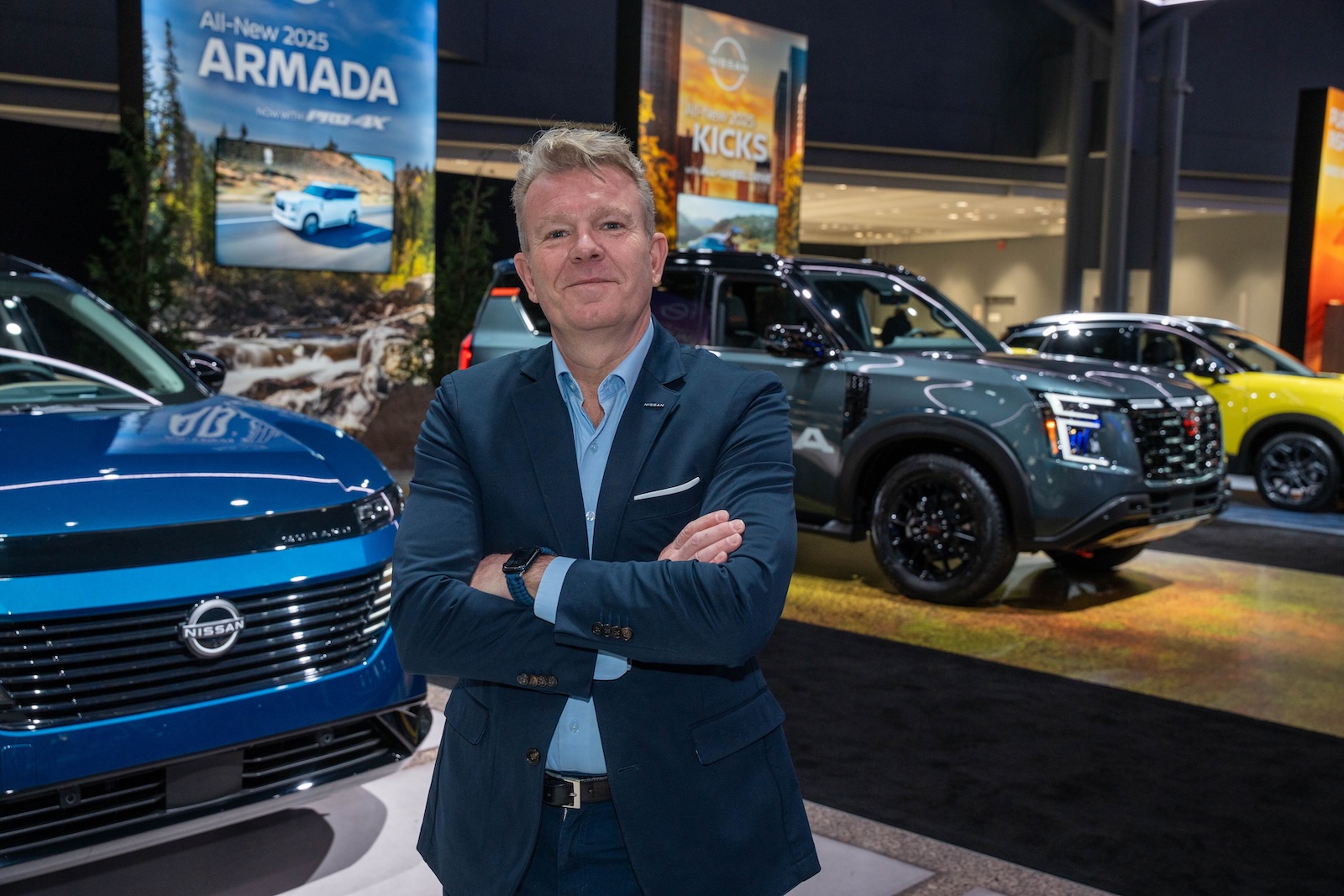
Nissan North America chief Christian Meunier sees no way to affordably build Kei cars in the U.S.
They’re “really cute,” Pres. Trump said during the fuel economy meeting in the Oval Office. He went on to say “Honda (and) some of the Japanese companies do a beautiful job, but we’re not allowed to make them in this country,” adding that, “I think you’re going to do very well with those cars. So, we’re going to approve those cars.”
Actually, there is nothing to indicate the administration has given any actual thought to allowing the production of kei-sized vehicles in the U.S. – something that would require some changes to vehicle safety regulations. Of course, the president has shown a willingness to simply issue executive orders on a whim and could yet push for the necessary changes to be made by the National Highway Traffic Safety Administration.
“They really give people a chance to have a car, have a brand new car as opposed to a car that maybe isn’t so great,” Trump continued. “So new car companies, start thinking about that.”
But making it possible isn’t the same as making it so. Even were more tolerant regulations somehow to materialize, there’s no justifiable business case, Christian Meunier, the chairman of Nissan Americas told Headlight.News. “Entry cars, we cannot make them profitably in the U.S.” At best, they would have to be imported, he and others said. And that would then saddle the vehicles with Trump’s own auto import tariffs, driving up prices and making for an even worse business case.
Could they sell here?
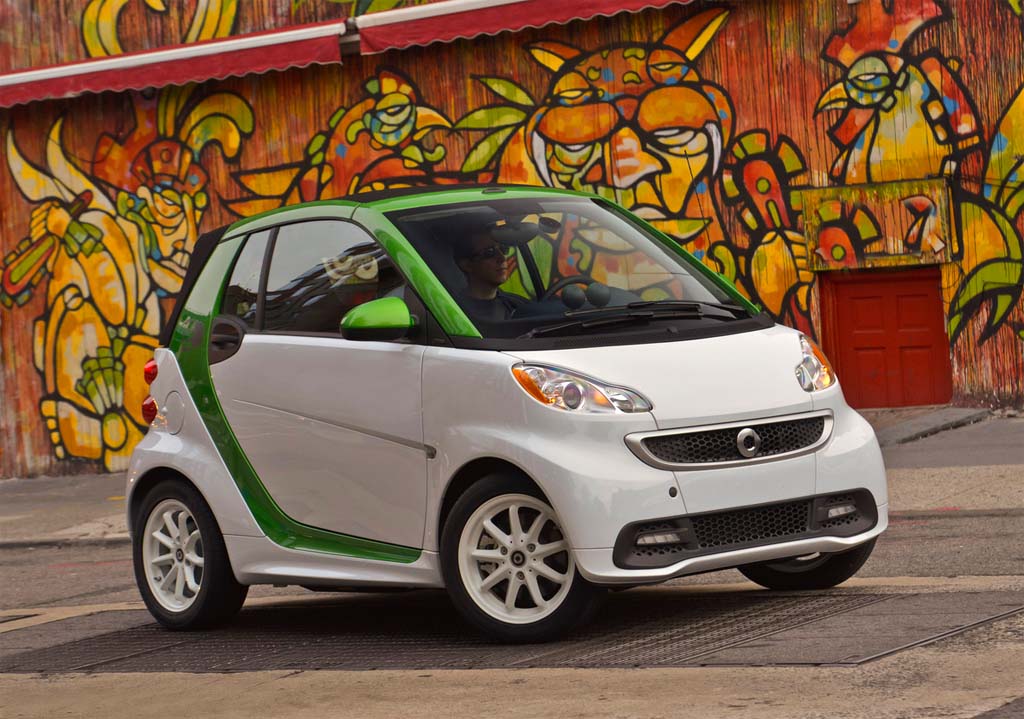
A 2013 Smart fortwo.
That’s the even bigger question. Is there a potential market in the U.S. for vehicles in what the industry refers to as the “A” segment.
“Nope,” is the short answer from Stephanie Brinley, principal auto analyst with S&P Global Mobility. True, she says, there is a small niche among car buffs who have been importing Kei cars under federal rules permitting them into the country as “antiques,” when at least 25 years old. But as for a more mainstream market segment, she contends, “Ther’s not enough consumer interest.”
The last A-segment product on sale in the U.S. was the old Smart fortwo, available from 2008 through 2019. The microcar seemed to get off to a big start at a time when the American economy was collapsing and fuel prices were surging to new records. First-year sales came to 24,622. But the little fortwo never again passed the 10,000 annual sales mark and was pulled from U.S. showrooms – though it remains available in Europe and some other markets.
“Dropped like a stone”
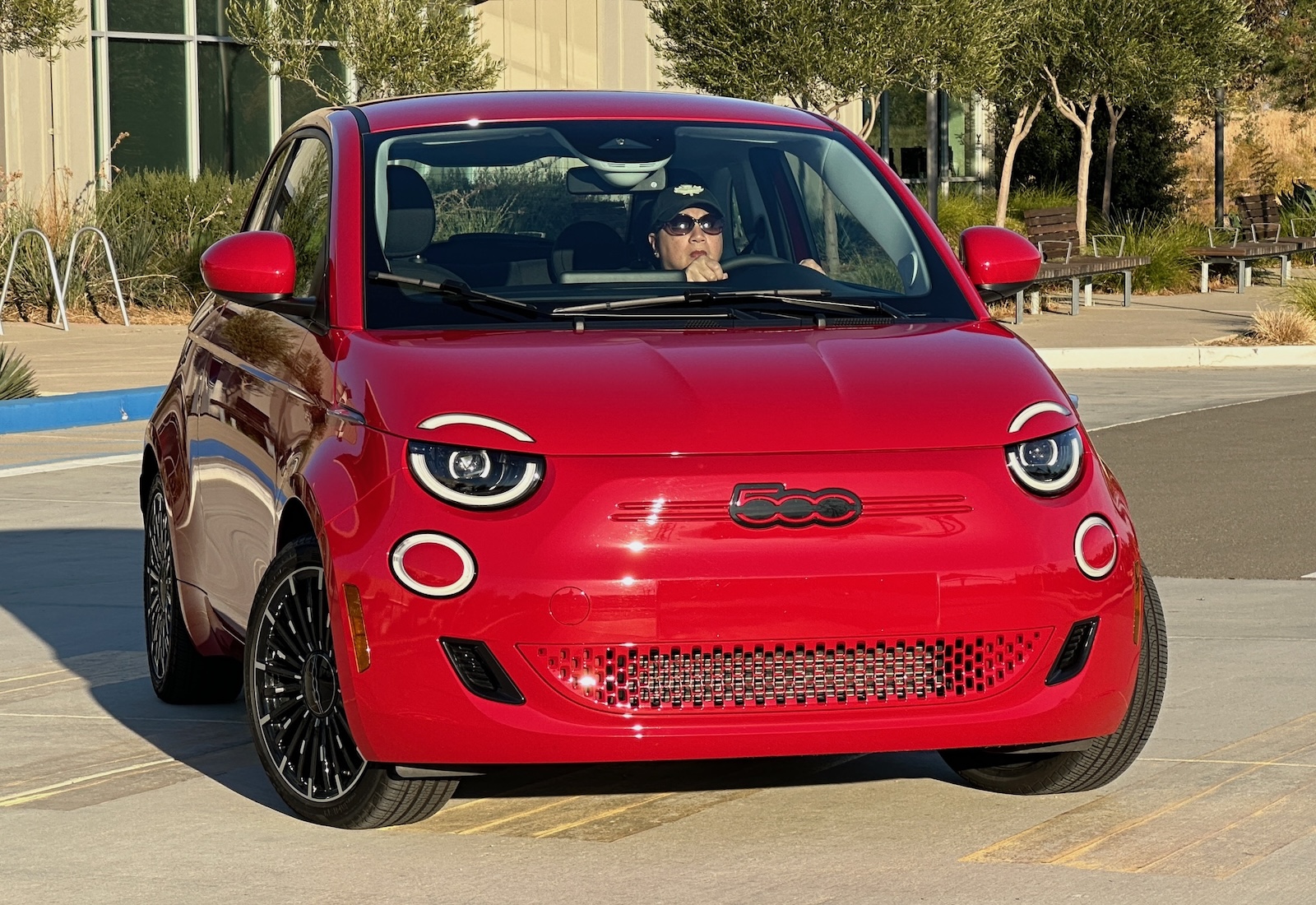
The latest Fiat 500.
Currently, the smallest vehicle available in American showrooms is the B-segment Fiat 500. But U.S. motorists bought barely 1,000 last year – and demand has “dropped like a stone” since it went all-electric with the latest makeover, said Brinley.
Americans currently show almost no interest in small cars, putting utility ahead of even affordability, analysts contend. Even British Mini has recognized that, upsizing all of its line-up when launching new versions over the last several years.
They may be cute, and they may even be fun to drive – in the right market – but there seems to be no way that American motorists would embrace Kei cars if they were to show up at local dealerships.


I think there should be a ‘trial’ period of imports to see if there is an interest. After that they are subject to tariffs. Reduce federal regulations, limit the max speed, and don’t allow them on the Interstates. They’d be a good car for local trips.
Gotta be safer than a motorcycle; certainly, more comfortable.
Based on what we’ve seen whenever small cars are offered in the U.S., demand is marginal, at best. It usually peaks quickly as curious motorists check them out and then collapses.
As a newly minted resident of Victoria, BC, I do see a lot of Smart cars on the road, as well as other small cars that I have not seen in the US in a looooong time. I was in a parking lot this week with two Toyota Echos (out of maybe 40 cars), for example. Maybe they could try selling Kei cars here, as people seem to like small, slow cars. The older the better, generally.