
Even the most popular vehicles eventually succumb to shifting market conditions. And there are plenty of products that fail to connect with buyers in the first place. Here’s a look at the nameplates that won’t survive into 2026 – though several of these just might make a comeback in the not-too-distant future. More from Headlight.News.
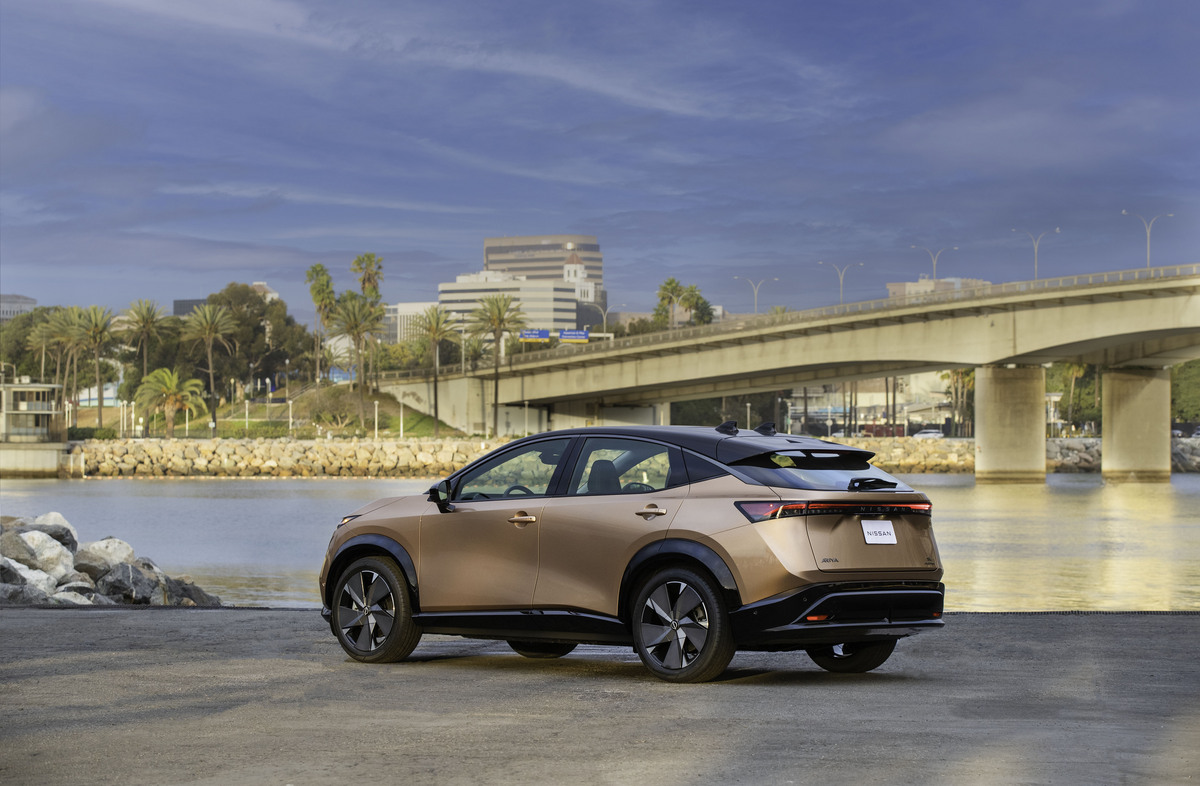
Some nameplates, like the Nissan Ariya, could return at a later date.
As 2025 comes to a close its time to say goodbye to some familiar nameplates, such as the Ford Escape, Kia Soul and Jaguar F-Pace. The automotive market is in the midst of turmoil and a number of once popular models won’t make it into 2026 – or will be around only until dealers clear out leftover inventories.
A number of all-electric models are also going to be absent from showrooms next year, reflecting a sales slump worsened by the phase-out of federal EV tax credits. As you might expect, the list of discontinued products is heavy on passenger cars, reflecting the market’s ongoing shift from sedans, coupes and sports cars to SUVs, CUVs and pickups. Even some utility vehicles are driving off into the sunset, however.
In recent years we’ve seen a few forgotten nameplates stage a return, however. So don’t be surprised if some of the models on this list, such as the Volkswagen ID.Buzz, return to life in the coming years.
Acura TLX and ZDX.
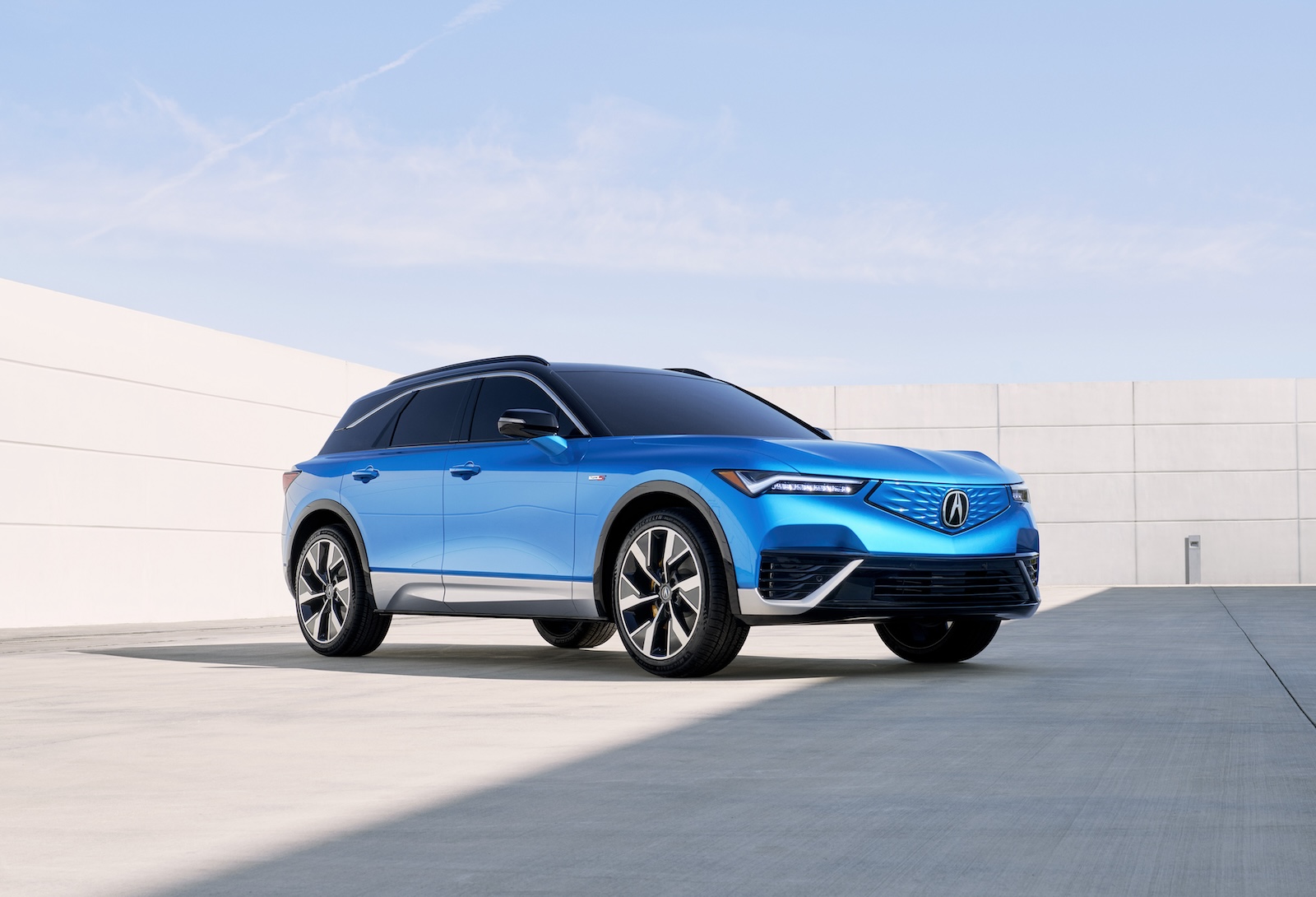 The Japanese luxury brand continues struggling to firm up its identity and gain traction in a hotly competitive luxury market but these two models didn’t cut it. The midsize TLX was one of only two remaining Acura sedans when it ended production last July. The ZDX was the marque’s first long-range EV but likewise failed to develop an audience. ZDX was the upscale sibling of Honda’s Prologue – both developed in partnership with General Motors. Expect Acura to add an EV developed in-house in 2027.
Audi A4 and Q8 e-Tron.
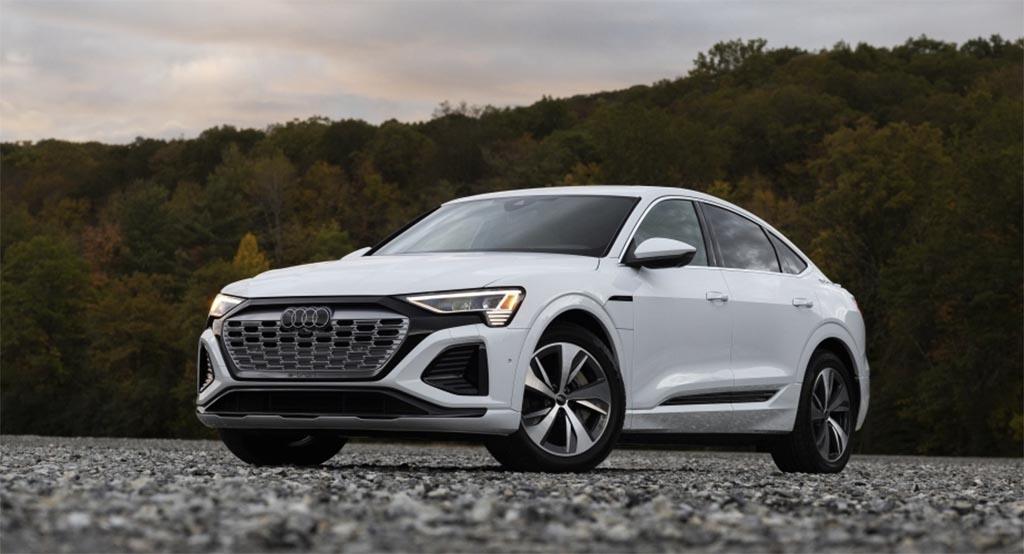 These two models cover the German marques extremes. Around for nearly three decades, the A4 has been one of Audi’s most affordable – and popular models and was offered both in sedan form and as the wagon-like A4 Allroad. Going forward, U.S. buyers will have the option of the smaller A3, though A4 is officially being replaced by the bigger, and newly redesigned A5. Meanwhile, the flagship Q8 e-Tron is a victim of lackluster sales.`
BrightDrop vans.
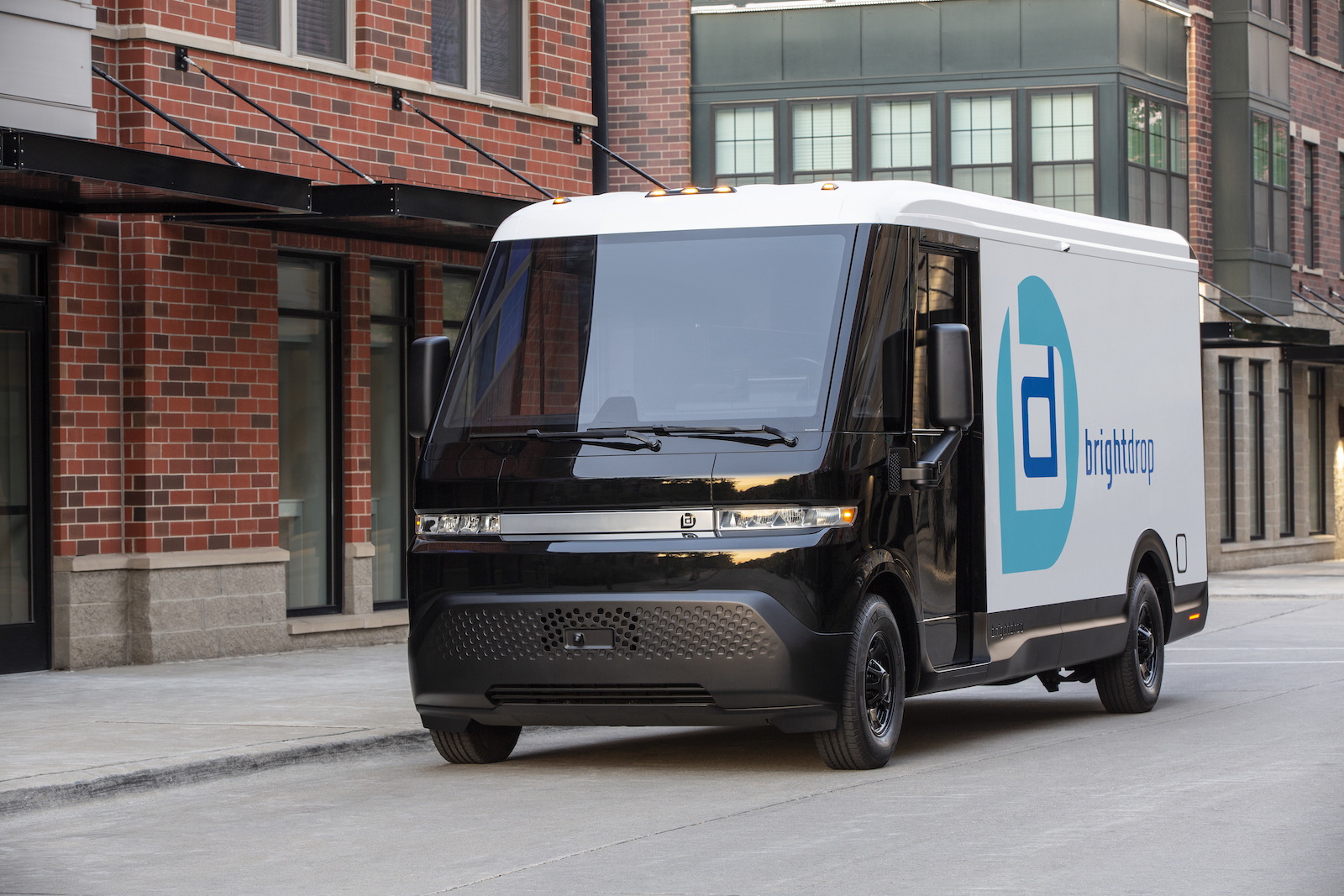 While EVs remain a tough sell for many American motorists, there’s been a surge in demand among fleet customers, especially so-called “last mile delivery” services, like Amazon Prime and FedEx. And General Motors thought it could cash in with its BrightDrop start-up. But the operation, based in Canada, suffered from significantly lower than expected demand, leading GM to pull the plug on the project earlier this year. Folded into Chevrolet, however, we could see it revive production of electric vans in the near future
Cadillac XT4 and XT6.
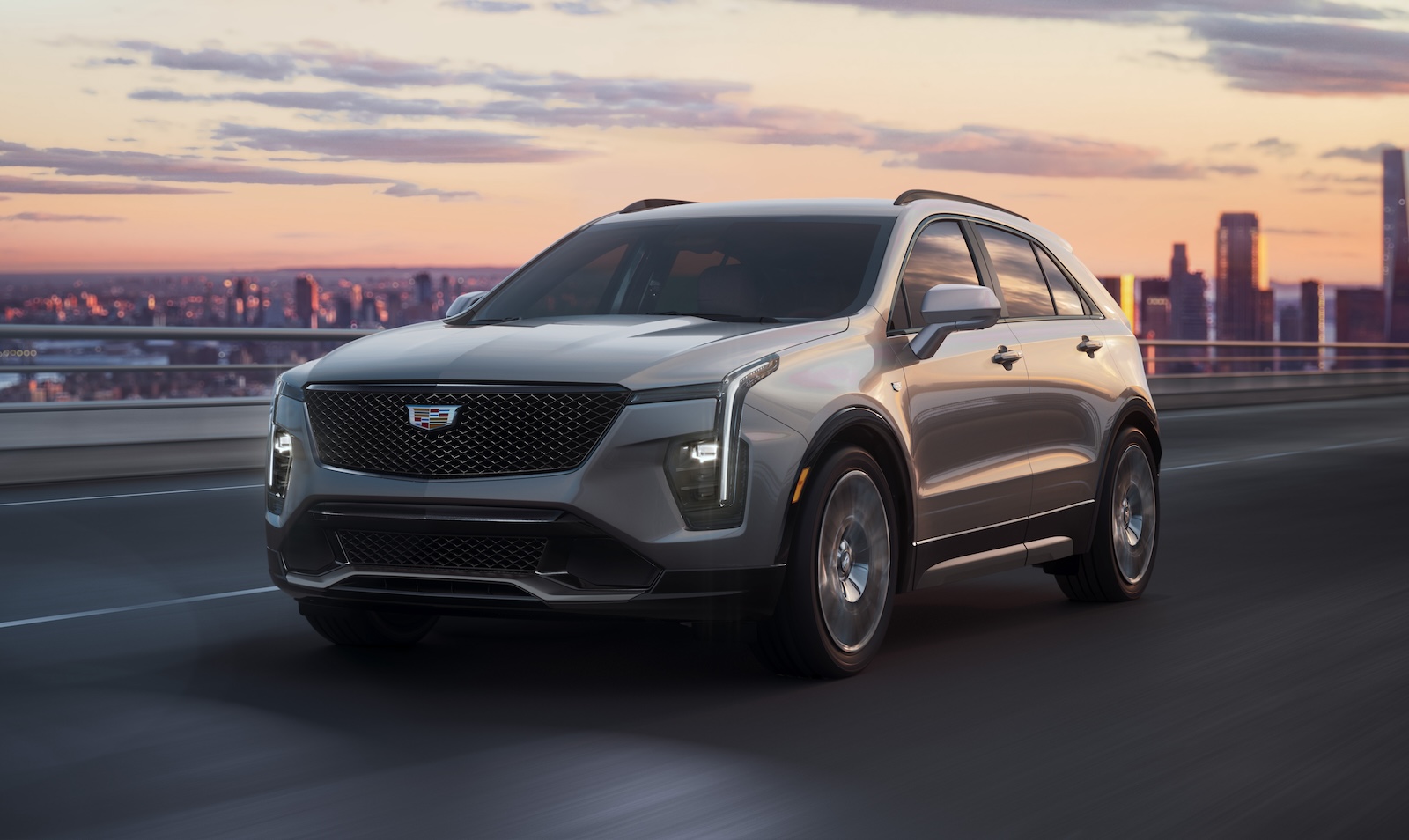 Like so many other luxury brands, GM’s Cadillac brand has all but walked away from the sedan market, expecting to win over consumers with SUVs like the XT4 and XT6. Sales, however, suggest it has either misread the market or just not found the right formula for its crossovers. There’s another factor at work here, however. Caddy has made a massive commitment to going all-electric – though it’s now stretching out the timeline. Still, it has already landed an assortment of EV options in options, including Optiq, Lyriq and Vistiq.
Ford Escape and Lincoln Corsair.
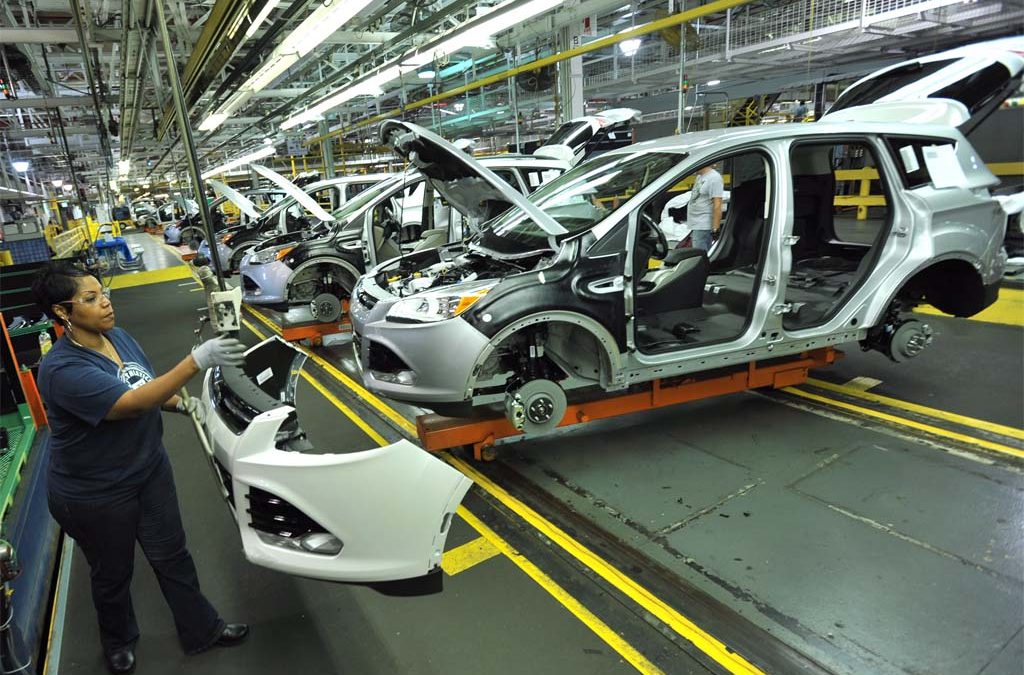
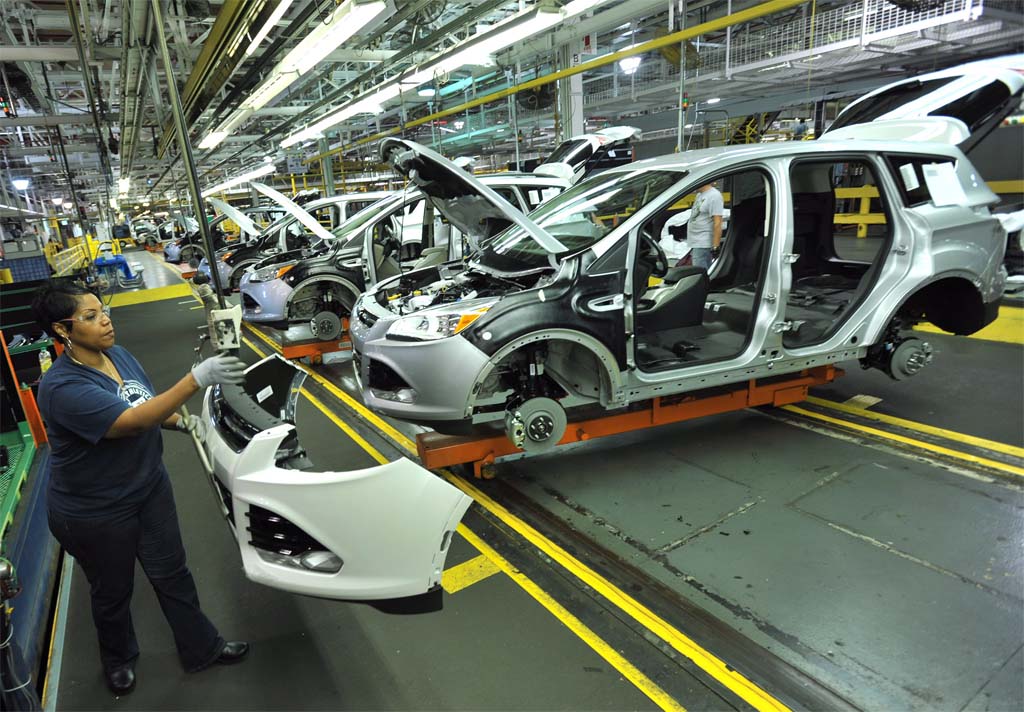 After a 25-year run, Escape has driven off into the sunset, Ford building the last of the compact SUVs at a plant in Louisville, Kentucky set to undergo a multi-billion-dollar transformation as it prepares to launch its new Universal EV line-up in 2027. Dealers aren’t necessarily thrilled, but Ford is betting it can move buyers into the more profitable Bronco Sport SUV and Maverick pickup – and, eventually, those new EV options. Lincoln, meanwhile, has not announced how it will fill the gap for the Corsair based on the Escape platform.
Genesis Electrified G80.
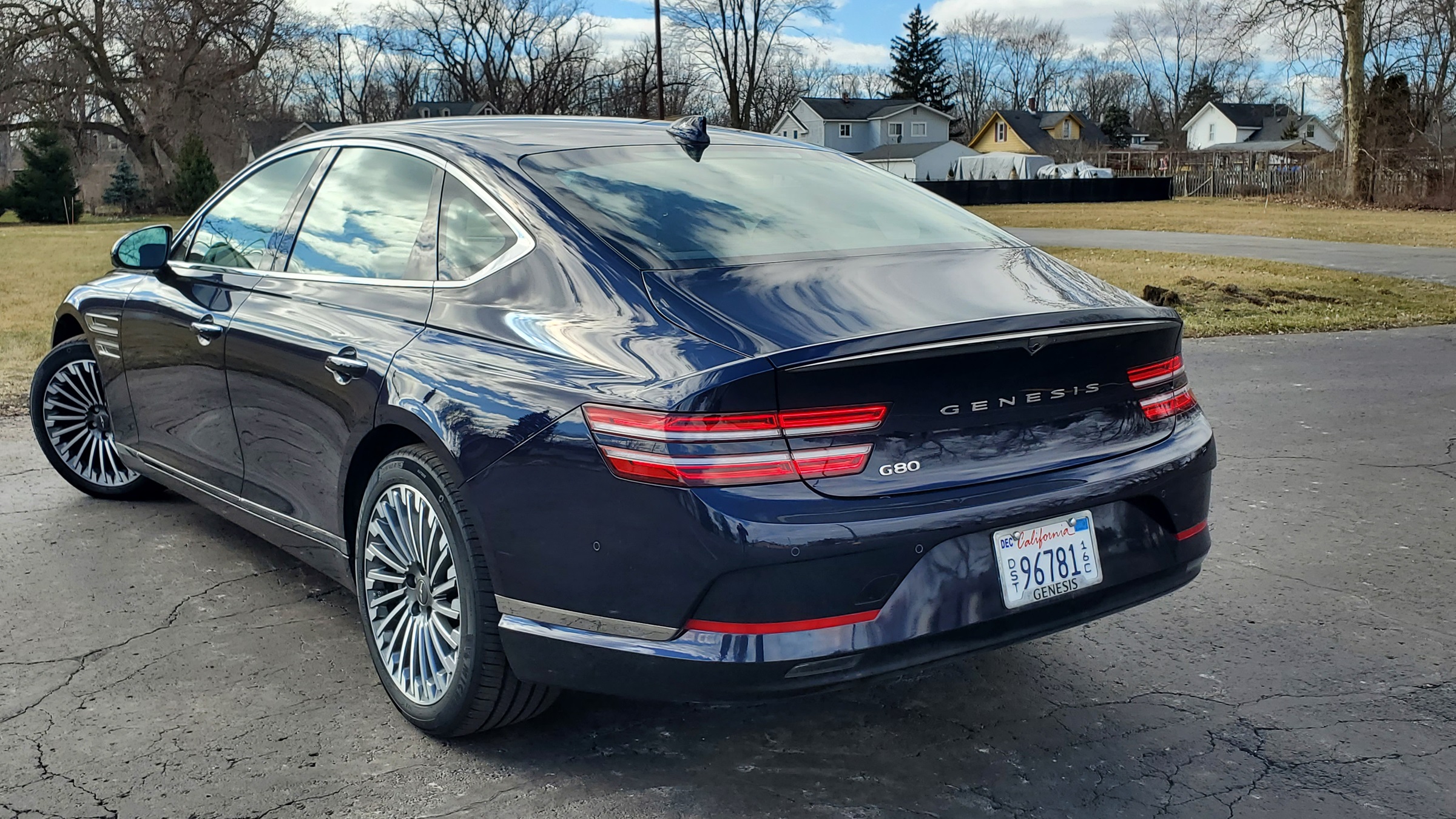 First introduced in 2022, this sedan gave Genesis a way to expand its EV line-up by swapping out the internal combustion in the standard G80 – unlike its approach with the smaller G60 which was designed from the get-go to be all-electric. While the Electrified G80 has won generally favorable reviews, it hasn’t turned on consumers and was the slowest-selling Genesis model in the U.S. A redesigned version will continue to be sold in overseas markets. Genesis will continue offering the Electric GV70 and the all-electric GV60, while it plans still other new EV models.
Infiniti QX50 and QX55.
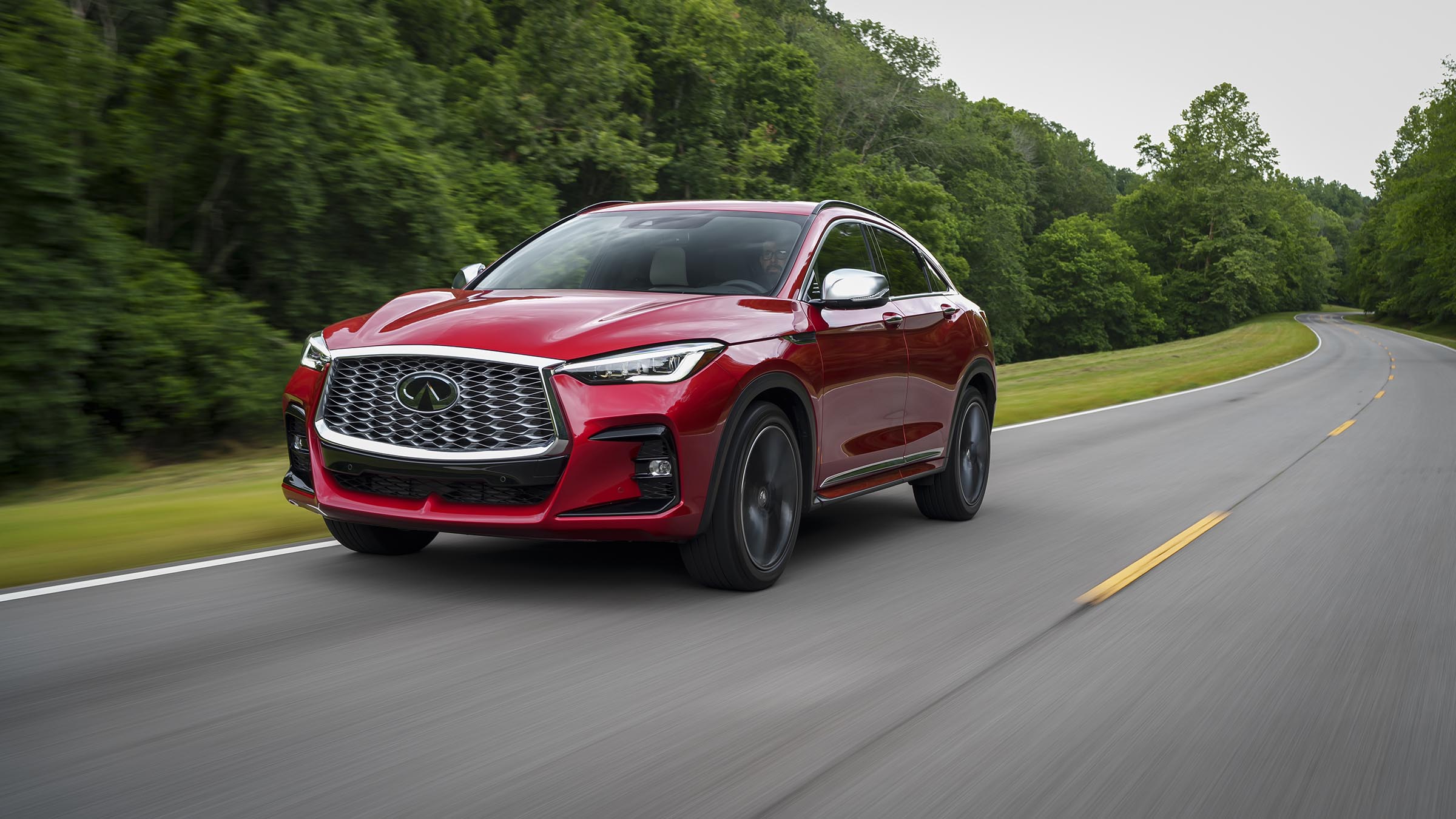 After more than three decades, Infiniti is another Japanese luxury brand looking for its identity. Both the QX50 crossover and the more coupe-like QX55 have ended production – though Infiniti says it will have enough of them on hand to keep dealers stocked through mid-2026. This leaves the brand with plenty of empty shelf space, however, dealers primarily depending on the flagship QX80 model until Infiniti starts rebuilding the line-up in 2027.
Jaguar F-Pace.
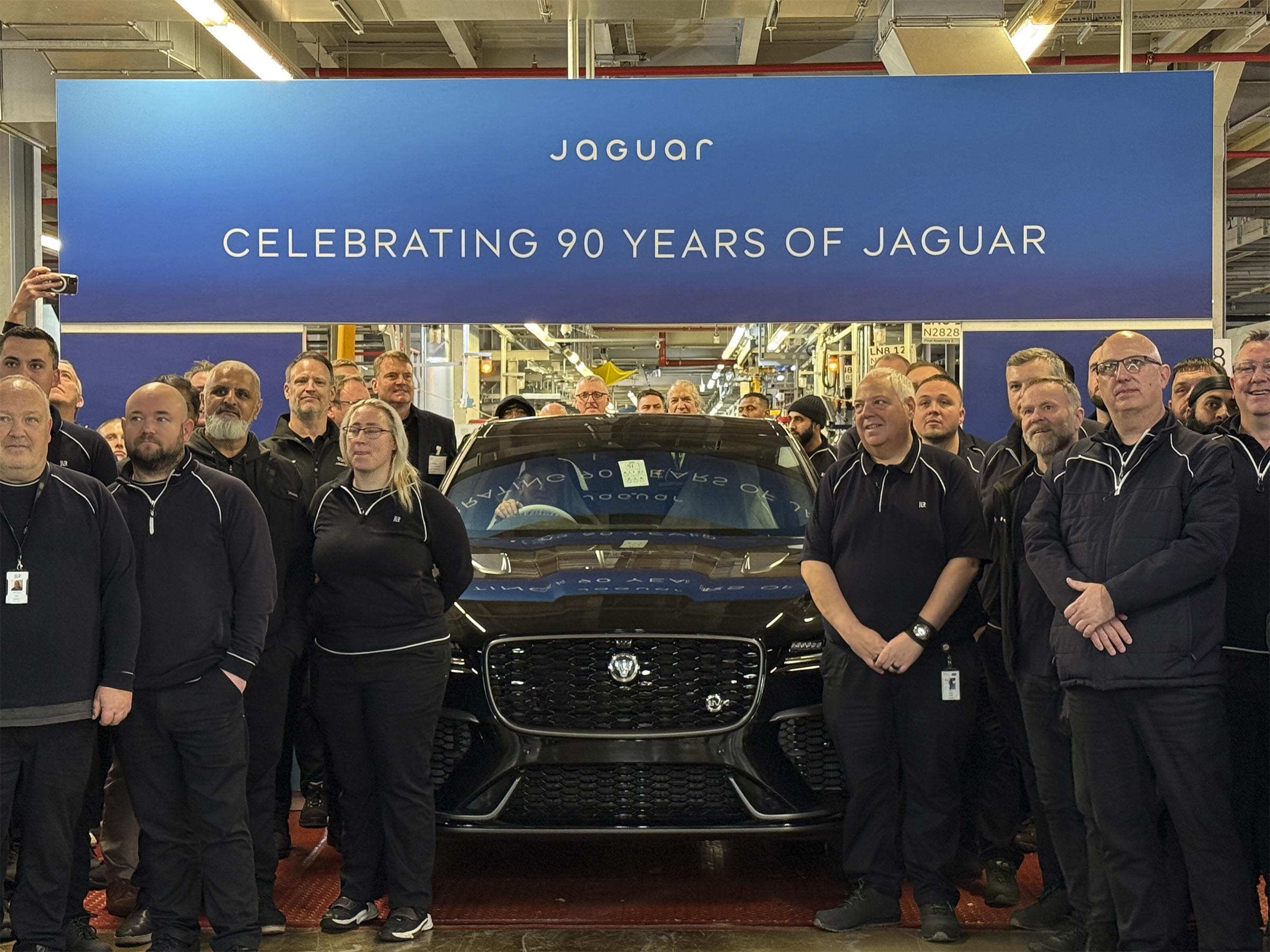 The last Jaguar F-Pace rolled off the line at the automaker’s Solihull assembly plant this month, marking the end of not only the brand’s largest SUV, but its long history of producing vehicles powered by internal combustion engines. In what is widely seen as a you-bet-your-company risk, when Solihull resumes operations it will mark the start of Jaguar’s transition to an all-electric automotive brand. The first of those is expected to pick up on the polarizing design of the Type 00 concept unveiled in December 2024 – and will be priced in the low 6-figure range.
Kia Soul.
 With its boxy shape and a quirky ad campaign featuring dancing hamsters, the Kia Soul became an unlikely hit when it debuted in the 2010. But after a 16-year run and a number of updates and makeovers, the subcompact CUV has gone out of production. Since launch, the Korean carmaker has sold 1.5 million of the crossovers – whose name was a play on that country’s capital city of Seoul. But demand has been steadily dwindling over the last several years and Kia will shift focus to its other entry model, the K4, going forward.
Lexus RC and RC F.
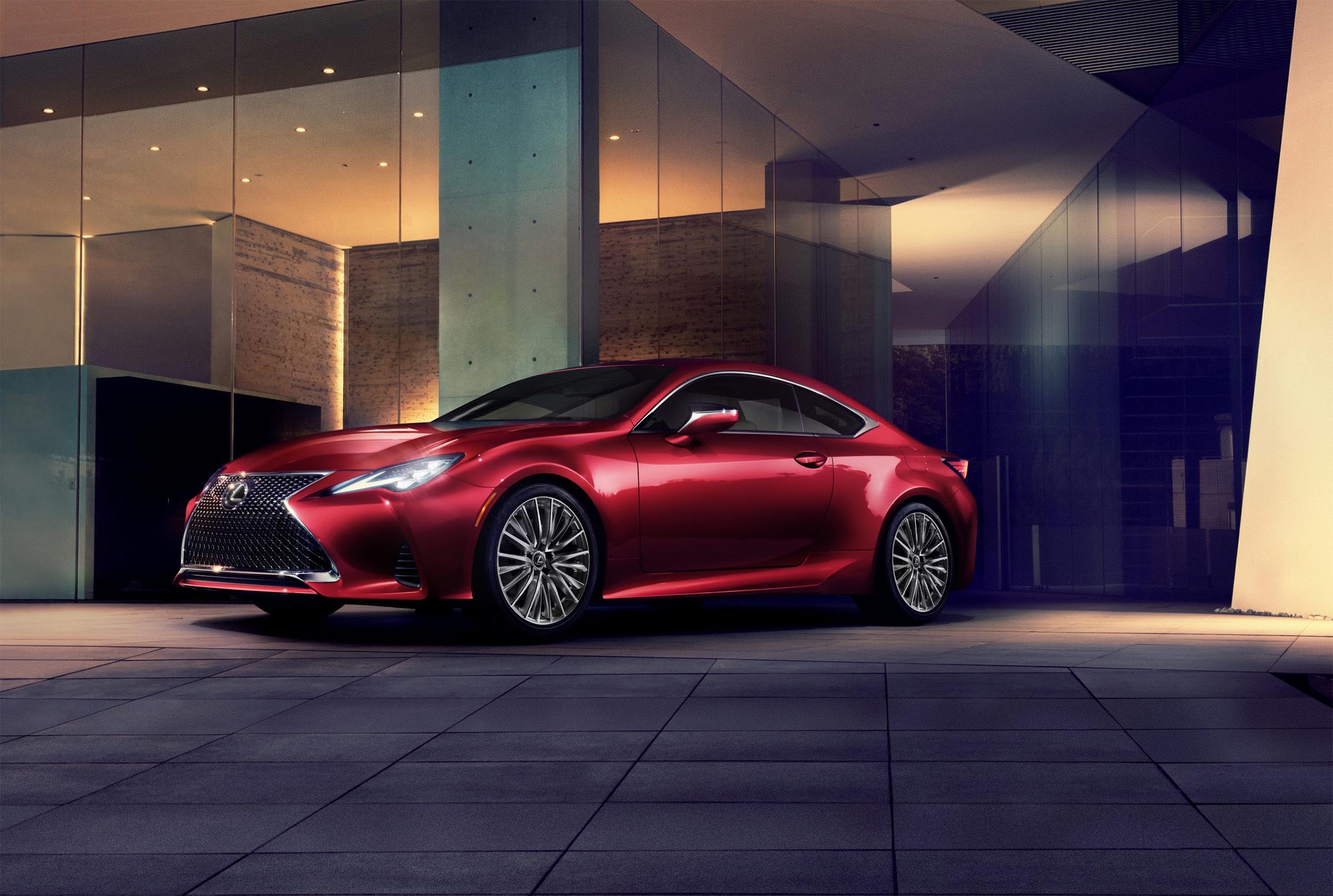 If anything sells slower than a sedan these days, it’s a coupe. And you can almost count all the available options using both hands these days. The Lexus RC and sportier RC F are the latest victims of that market decline. Sales for 2024 came in at just 1,854, barely a tenth the nameplate’s peak of 14,784 back in 2015. The luxury brand insists it will continue to offer performance models, but coupe options aren’t likely to be in the cards.
Mercedes-Benz EQB.
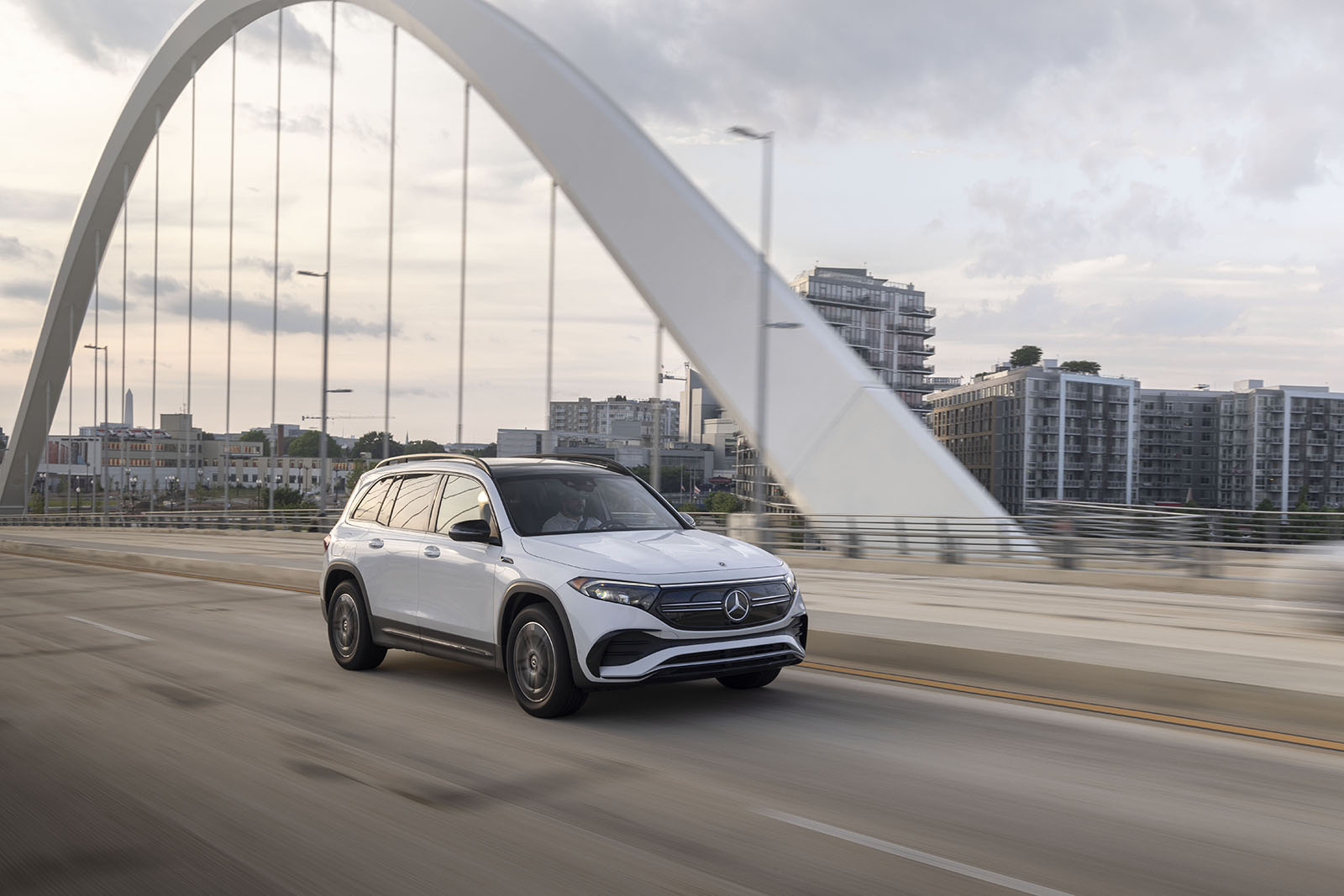
The German automaker has been a big proponent of electrification – though it’s gotten off to a rocky start with its dedicated EQ line-up of EVs. The EQE and EQE models are due for significant updates, but the EQB crossover is going away for 2026. Mercedes won’t abandon the segment, however, and will offer an all-electric version of the new GLB. Going forward it’s the EQ nomenclature that will be abandoned, with the new approach using familiar badging for both EV and ICE models.
Nissan Ariya.
 Nissan will have just one all-electric model in showrooms this coming year, the third-generation Leaf. But the automaker stressed it is just pausing, rather than permanently ending, production of the bigger and more expensive Ariya SUV. The move reflects what were already weak sales and the prospect that demand was going to further decline after the Trump administration phased out tax credits for EV buyers on September 30. We could see Ariya return to U.S. showrooms as early as 2027 if Nissan senses a market for it.
Polestar 2.
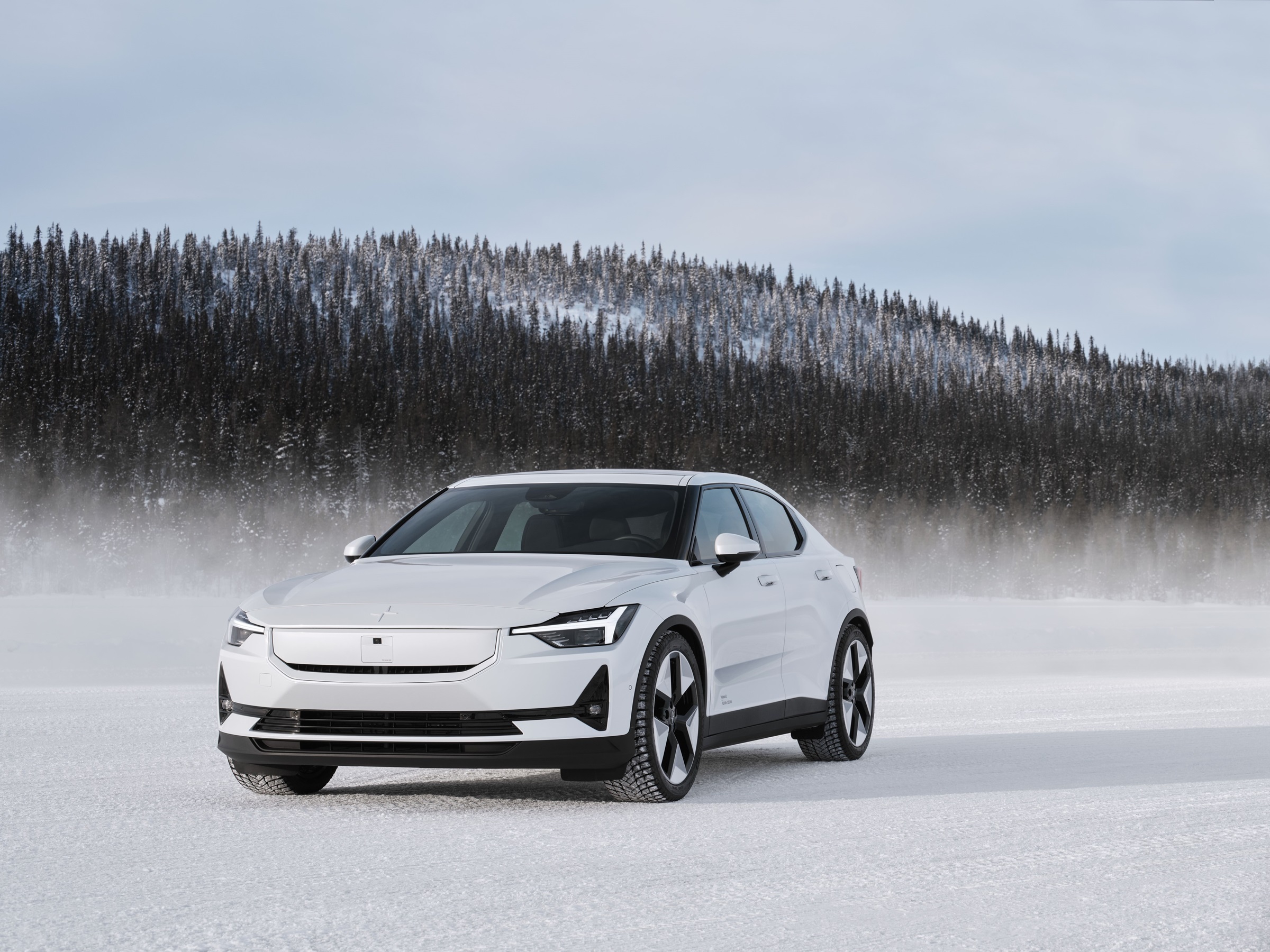 The first “volume” model from this Volvo spin-off, Polestar 2 delivered lackluster results – and that even before the Trump administration delivered a double-whammy. First, the Polestar 2 became subject to the new import auto tariffs, particularly onerous on Chinese-made vehicles. On top of that, Polestar could no longer cushion the hefty sticker price with the federal tax credits that were phased out on September 30. Polestar isn’t going away, however, most recently launching the sporty Polestar 4 package.
Porsche 718 Boxster and 718 Cayman.
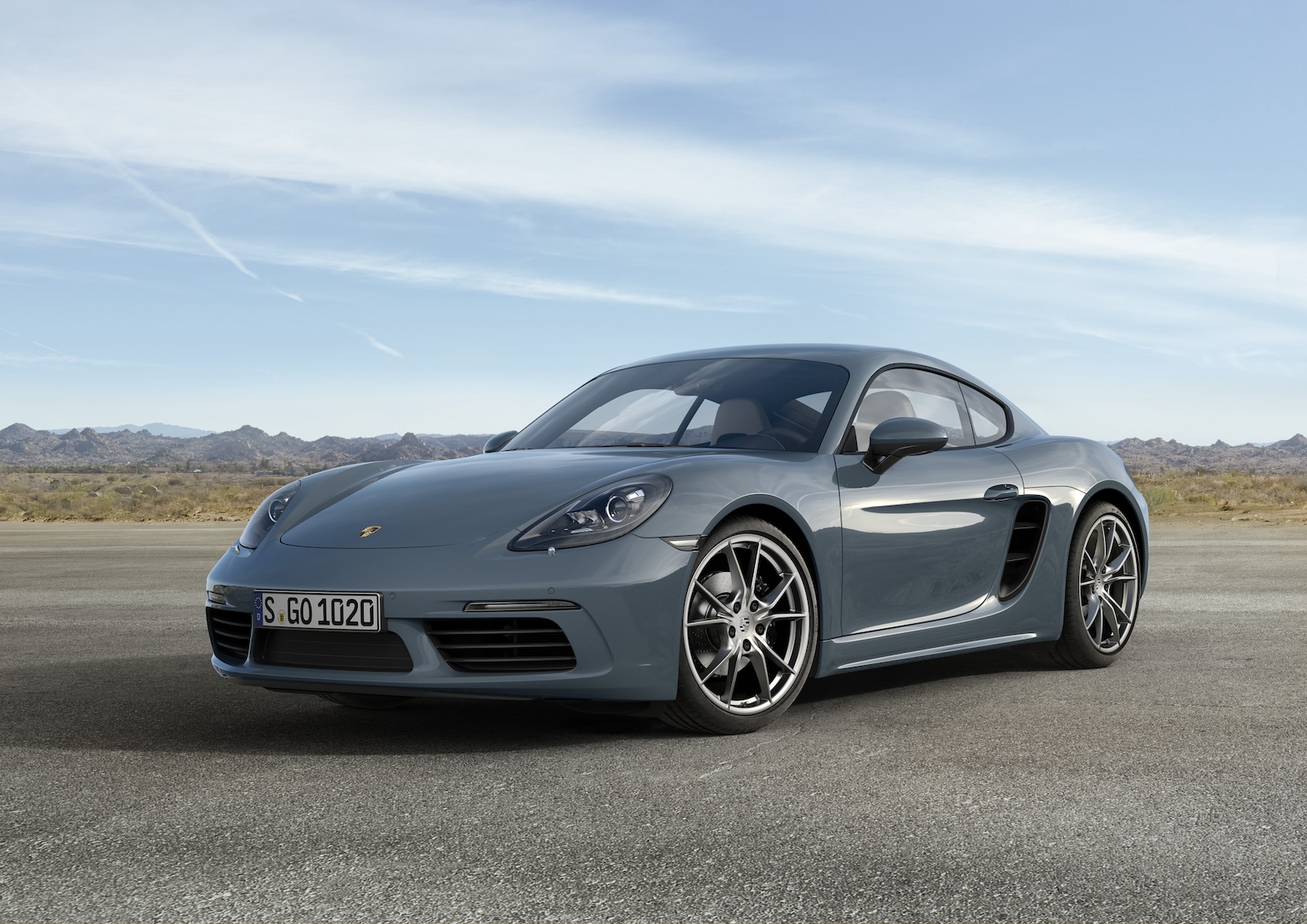 The Stuttgart-based automaker ended production of its two lowest-priced sports cars in October. Boxster made its debut as a concept model in 1993, going into production three years later. It was one in an assortment of Euro luxury roadster, including the old Mercedes SLK and BMW Z3. Cayman followed with a stiffer hardtop body. Both Porsche nameplates are slated to return shortly, the original plan calling for them to be revived in all-electric form. Porsche now plans to also offer gas-powered options in upper trim packages.
Subaru Legacy.
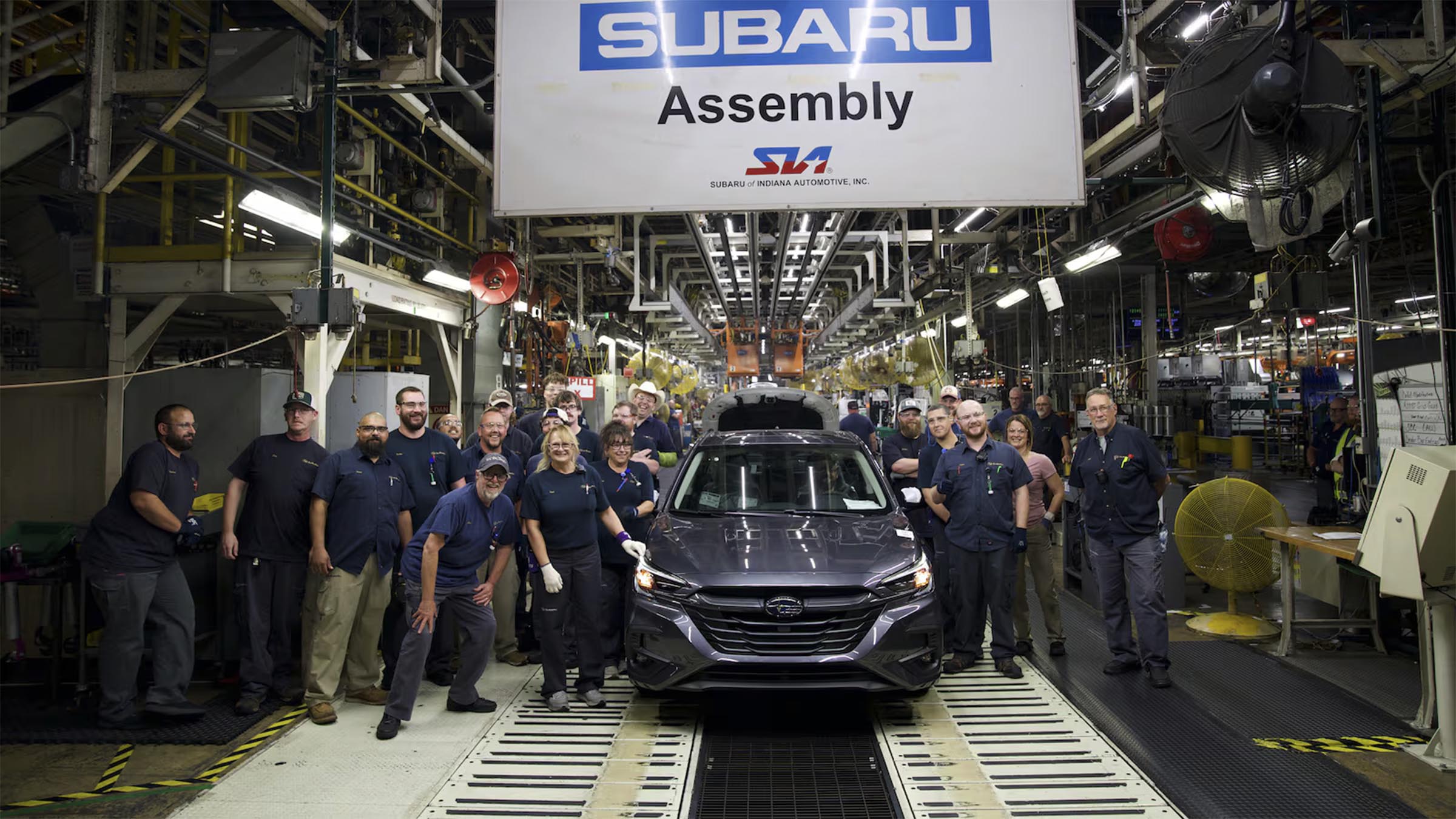 There was a time when Legacy was the most essential product in the Japanese automaker’s line-up – justifying its role as the first Subaru model built in the U.S. back in 1989. But while offered in both sedan and wagon trims, it was the Legacy Outback package that really connected with U.S. consumers. In recent years, Subaru has rolled out an expanding line-up of crossovers which have helped it grow far beyond its niche origins. The demise of Legacy frees up Outback to fully become what it was always meant to be.
Toyota Supra.
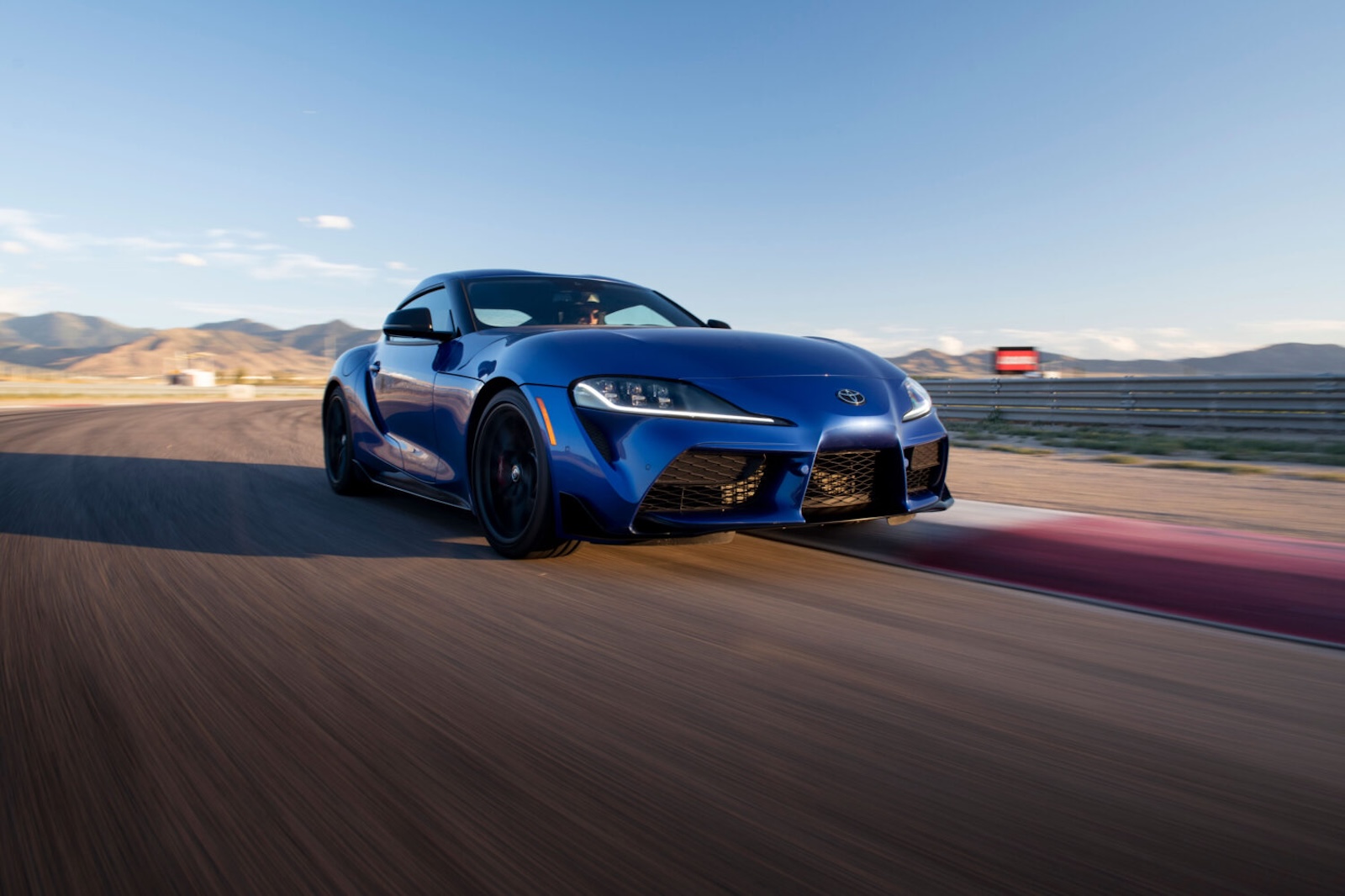 It was a full 17 years after last being produced that this once-popular sports car made its return in 2019 – 21 years since last offered in the U.S. It took an unusual joint venture between Toyota and BMW – where it became the latest-generation Z4 – to make a business case. But sales never quite lived to expectations and with demand for all sports cars on the wane, only a handful of Supras will be built early in 2026. But Toyota officials openly suggest a new version could follow and will almost certainly be electrified, if not all-electric.
Volkswagen ID.Buzz.
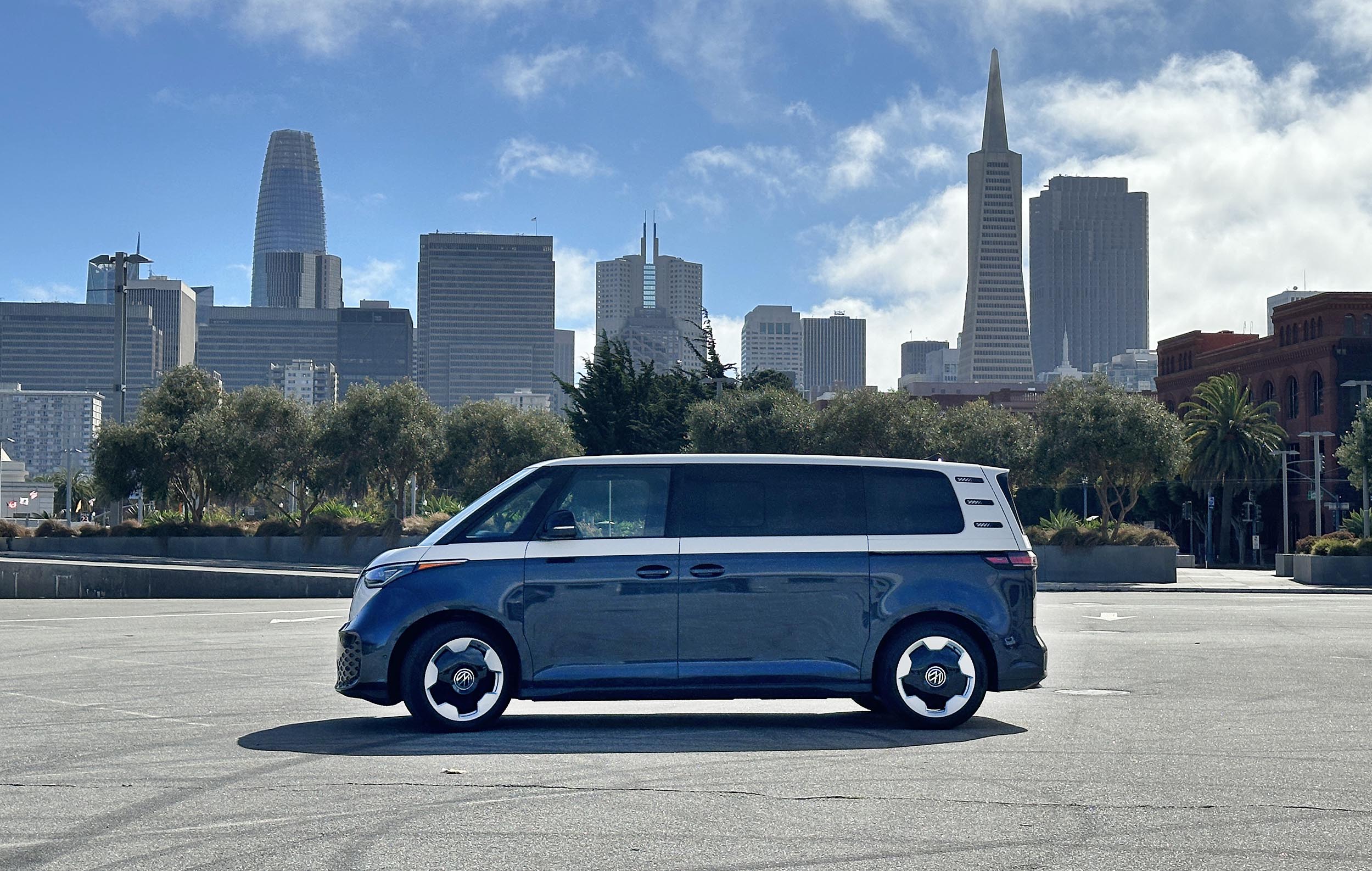 The German automaker spent years struggling to come up with the right formula to revive its legendary Microbus, finally settling on an all-electric van design. It won raves in concept form – but, if sales are any indication – the ID.Buzz has generated little more than yawns among potential U.S. buyers. Limited range hasn’t helped, nor has its starting price of $59,995, far from the affordable Microbus of the Hippie era. The good news is that VW expects to revive Buzz for 2027, likely with lower-cost and longer-range packages.
Volvo S90.
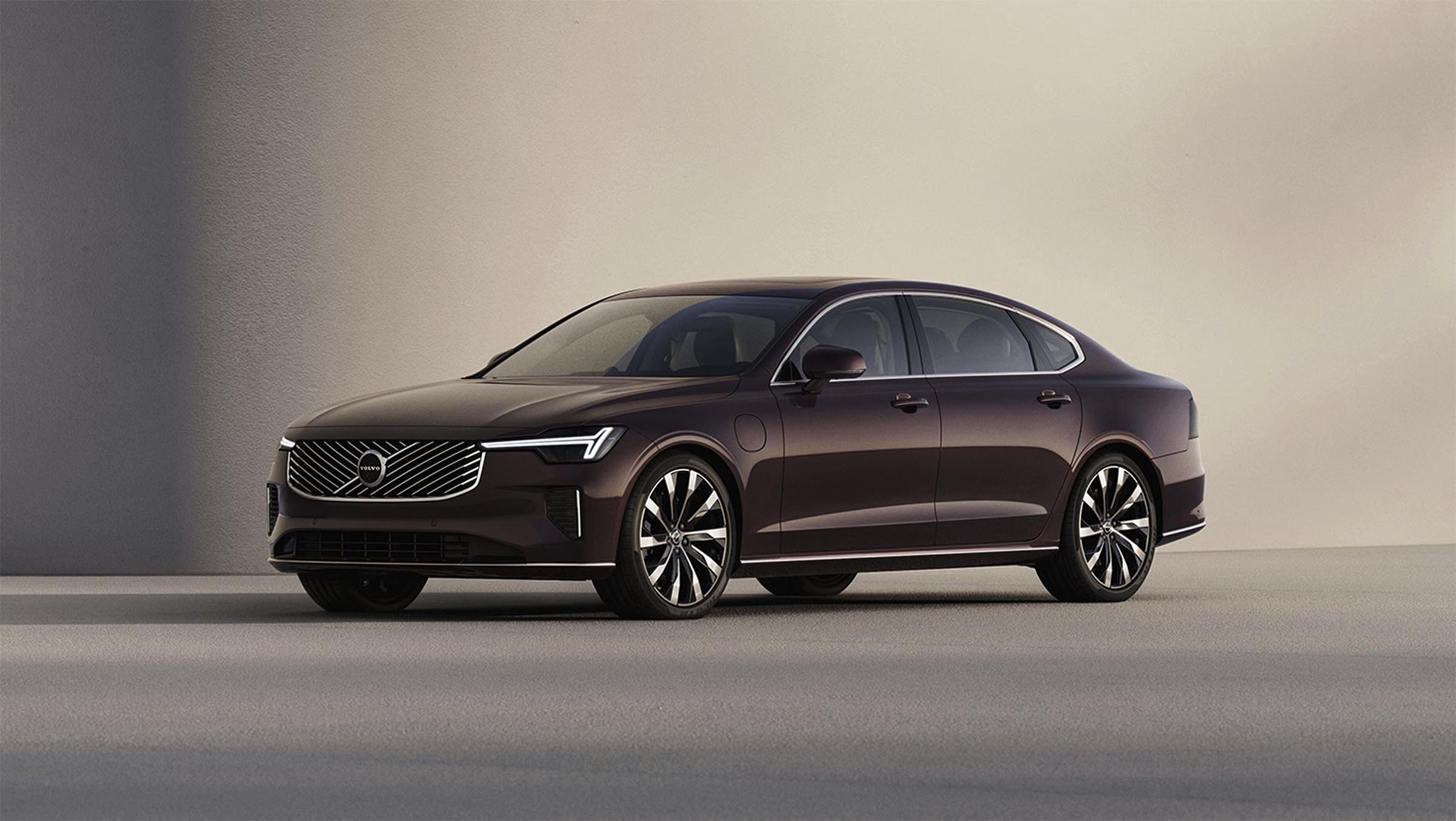 It’d be easy to blame the market shift from sedans and coupes to SUVs and CUVs for the demise of the Swedish automaker’s flagship four-door model – especially following the cancellation of the smaller S60 a year ago. And, sure, that didn’t help. But the primary cause of its premature death can be put on the import auto tariffs launched by Pres. Donald Trump. The S90 was built in China and thus faced even more onerous tariffs than if it had come from a Volvo plant in Europe.



0 Comments