

As affordability takes center stage in the auto market, manufacturers are shifting their attention to the affluent end of the market to offset the expense of Donald Trump’s tariffs while setting aside the innovation created by electric vehicles. Headlight.News has more.
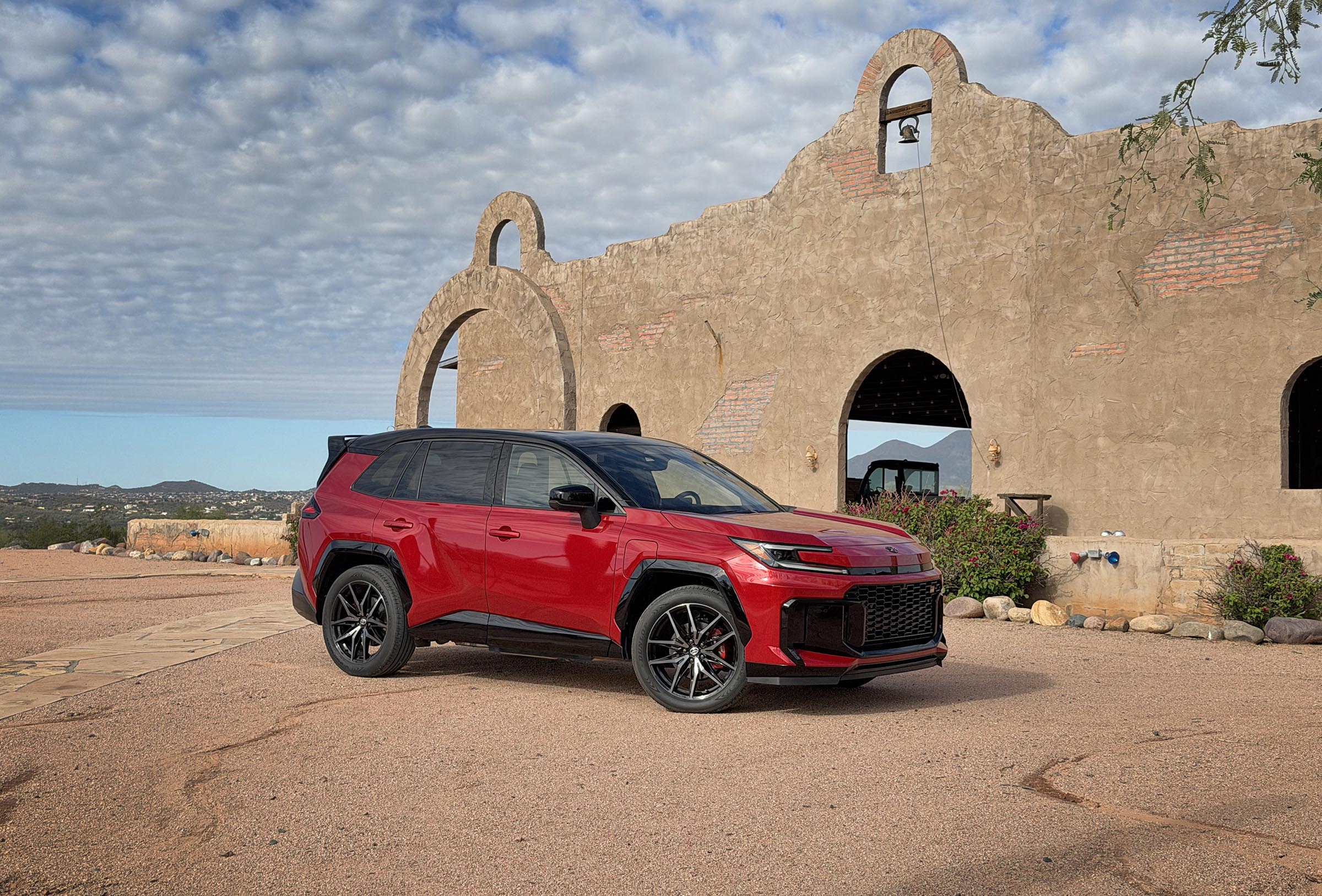
Even a base 2026 Toyota RAV4 starts at $42,260 and runs as high as $58,360.
“Affordability” has emerged as an all-purpose buzzword in the American vocabulary, taking on fresh vitality in discussions around everyday politics and day-to-day economics.
But the issue of affordability is front and center in the automobile industry where analysts are now saying steadily rising prices have not only contributed to inflation but also have begun to shrink overall demand for new vehicles even as production costs continue to rise thanks to the tariffs imposed by President Donald Trump.
With new vehicle prices now topping $50,000, according to industry data, the question is how the industry will respond. With little potential to make significant cost reductions, analysts warn that the industry may write off entry buyers in favor of more affluent motorists ready to absorb the tariff-driven price hikes.
Few takers for Trump’s small cars
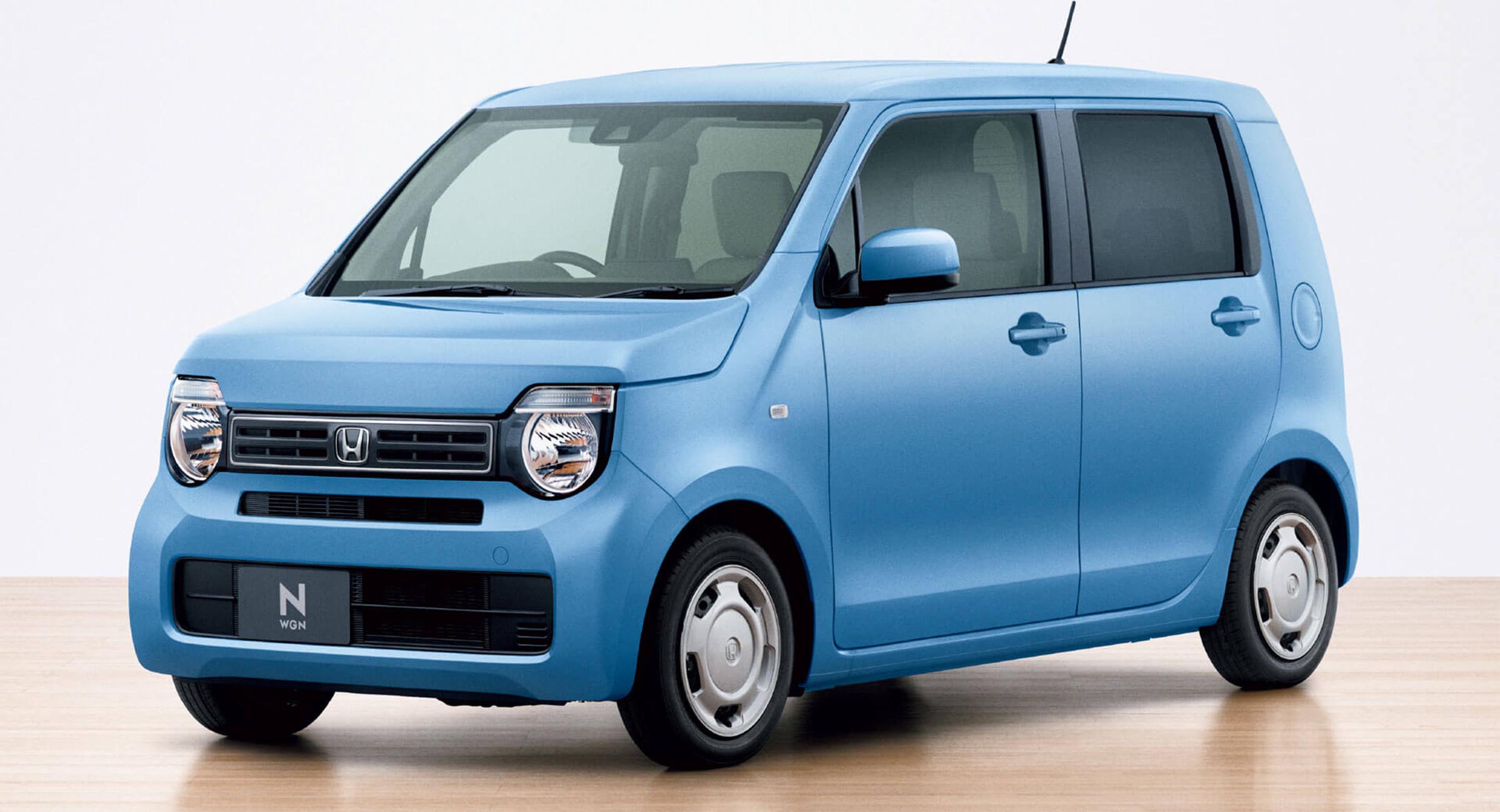
American consumers have expressed little interest in Japanese “Kei” cars, like the Honda N-WGN,
With the average price of the average new vehicle now at $50,000 and expected to continue rising in 2026, Trump has been suggesting it’s time for automakers to think about selling the microcars found in Japan and Southeast Asia to ensure American drivers have continuing access to new vehicles.
Most experts scoff at that idea and recent history suggests there’s little interest in such products considering the minimal sales of products like the old Smart fortwo or the latest Fiat 400. If anything, manufacturers with a stake in the U.S. are going in a different direction.
Nissan now plans to discontinue the Versa in the U.S., marking the end of sales for the last new car in the country with a base price under $20,000. This decision further reduces affordable options for new car buyers. Earlier this year, Nissan announced it would stop importing the manual-transmission version of the Versa. The automaker confirmed that production of the entire Versa line in the U.S. ended in December 2025 as part of its broader product strategy.
Affordable entries are vanishing
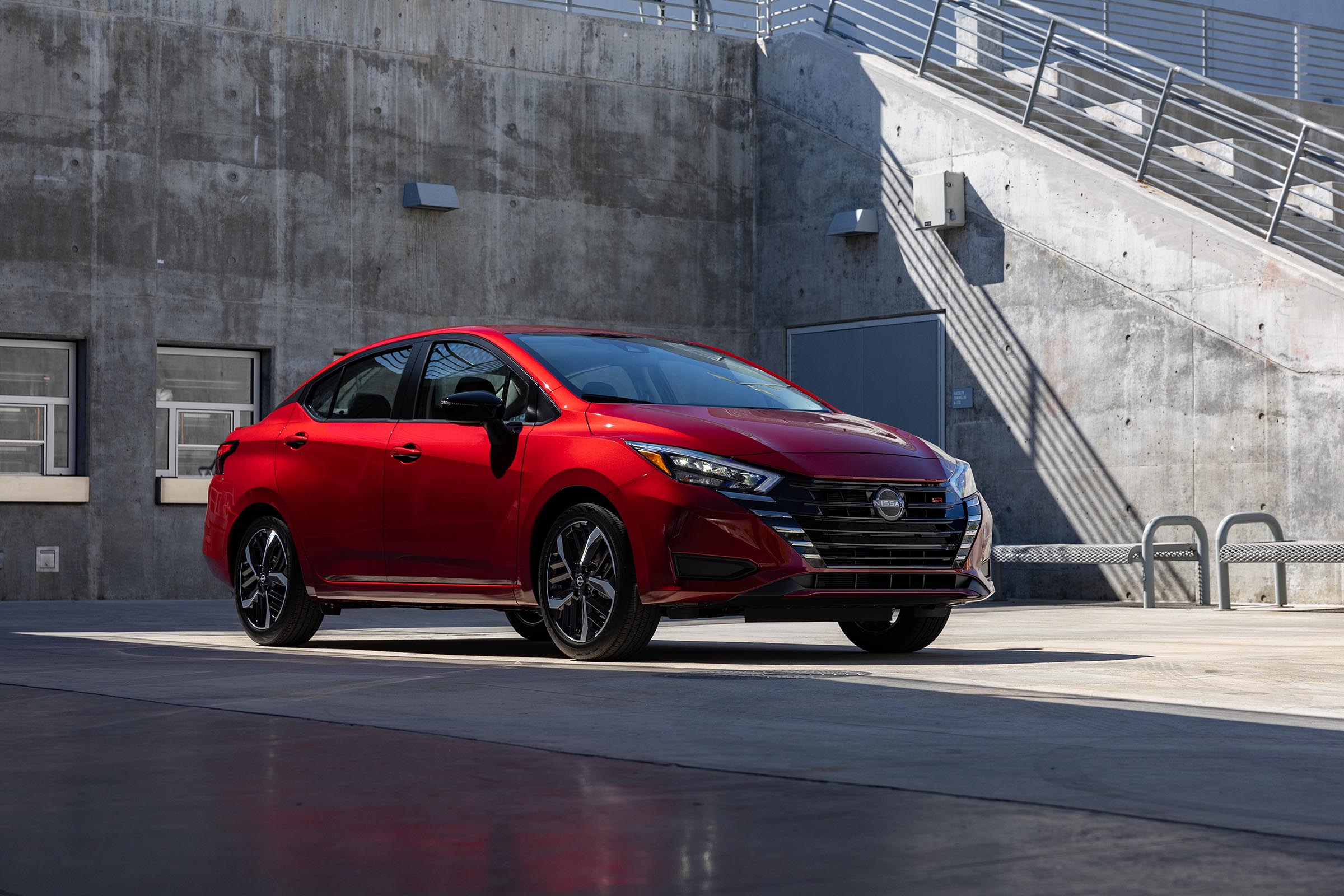
Nissan is dropping its most affordable model though, ironically, sales of the Versa were up sharply this year.
Nissan is by no means alone. Kia has announced plans to end sales of the dated, but modestly priced Kia Soul.
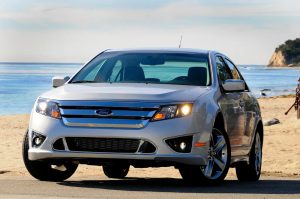
Ford Motor Co. recently ended production of the compact Ford Escape, a compact SUV, which traditionally has been one of the more affordable vehicles in the company’s model line.
CEO Jim Farley has indicated Ford intends to concentrate on selling vehicles, carrying an opportunity for higher margins and more profit. In this case, Ford dealers will be pushing former Escape owners to trade in on the more expensive Bronco Sport.
More Auto News
- Consumers Forced to Work More to Afford a New Vehicle
- Fed Rate Cut Doesn’t Help Auto Buyers
- Affordability is the Big Story in This Week’s Headlight.News Podcast
Automakers seek a lifeline from affluent buyers
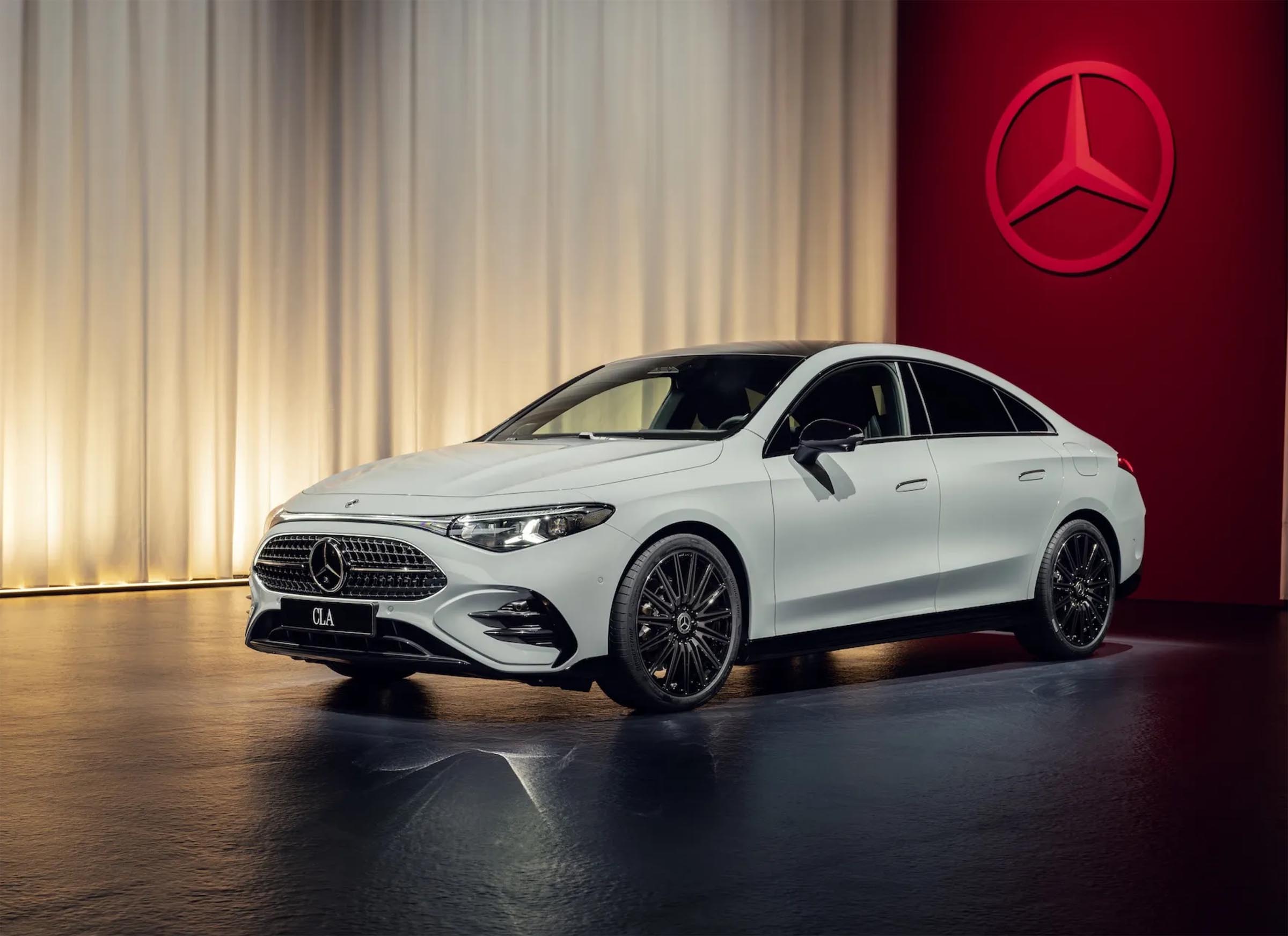
Automakers are counting on more affluent buyers to prop up sales and earnings.
Automakers also are cutting back on incentives and moving to discontinue even mid-range models they deem unable to carry their own weight from a business perspective.
Instead, they’re putting more focus on high-trim packages and luxury vehicles capable of appealing to an increasingly affluent customer base.
Senator Ted Cruz (R-Texas) is angling to hold public hearings on why new vehicles cost so much, but he has run into trouble because he also is trying to shield Tesla’s Elon Musk from prying questions from Democratic Senators eager to have chance to quiz him about Trump’s overall economic policy and other issues.
A K-shaped auto market

Federal Reserve Chair Jerome Powell. The Fed’s recent rate cuts have done little to address auto affordability.
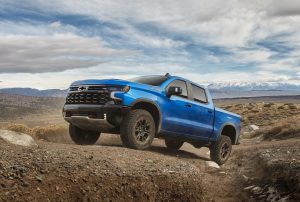
Automakers are pushing upmarket as they cater to more affluent households with luxury vehicles and well-equipped vehicles geared for off-road adventure. Indeed, the trend is highlighted in new data produced by Cox Automotive, which shows sales in segments such as compact car, mid-sized cars and even compact luxury SUVs. all segments attractive to middle-class buyers, saw sales declines in 2025.
According to Cox, the segment Shift reflected a changing market with the “K-shaped economy” impacting segment performance. The most affordable segments are losing share, while luxury segments gain share. The findings are further supported by new data from the Federal Reserve Bank of Atlanta, which show most of the wage gains in recent gains going to the most affluent quartiles, while less affluent had income gains wiped out by inflation.
The net result is the auto market, once the all-purpose symbol of the American middle class, is now dominated by affluent and dual-income households.
Economics point to shrinking market
The underlying economics facing the industry are stark, according to analysts.
Automakers are expected to sell 16.2 million vehicles to customers in the United States when all the sales numbers for 2025 are compiled and in the books. But the sales forecasts for 2026 are expecting a dip of perhaps a half-million units, which could contribute to slower economic growth in the new year.
Auto manufacturing is the largest main sector in the U.S. economy and any drop in production of such magnitude is certain to ripple through the entire automotive ecosystem. Indeed, members of the United Auto Workers employed by General Motors, Ford and Stellantis are expected to receive significantly smaller profit-sharing checks in 2026 as the carmakers spread the pain of the Trump tariffs.
Auto manufacturing is the largest main sector in the U.S. economy and any drop in production of such magnitude is certain to ripple through the entire automotive ecosystem. Indeed, members of the United Auto Workers employed by General Motors, Ford and Stellantis are expected to receive significantly smaller profit-sharing checks in 2026 as the carmakers spread the pain of the Trump tariffs.
The ripple effect is expected to reach far beyond auto assembly plants and adds to growing concerns about a recession in the coming year.







0 Comments