

Trump, tariffs and trade barriers. EVs disconnected. Autonomy and hackers. Elon Musk’s very good/very bad year. And affordability. Oh, yes, 2025 brought a series of significant developments to the automotive market. Here are the top 5 stories from the past year as picked by Headlight.News editors.
The auto industry touches pretty much everyone in America. There are nearly 300 million vehicles on the road and, as manufacturers tally up their final numbers it looks like they sold a collective 16.3 million new models in 2025. Auto manufacturing is credited with directly or indirectly creating roughly one in seven U.S. jobs. And even a small hiccup in the market can create turmoil in the economy.
No wonder we all tend to pay attention to what happens in the auto industry, whether you’re simply buying a new vehicle, maintaining an old one, working in an auto-related job or tying up some of your investment money in an automotive stock.
What’s clear is that the auto industry made for a lot of headlines in 2025 and here are the Top 5 stories named by Headlight.News editors from the past year.
Trump, tariffs and trade barriers
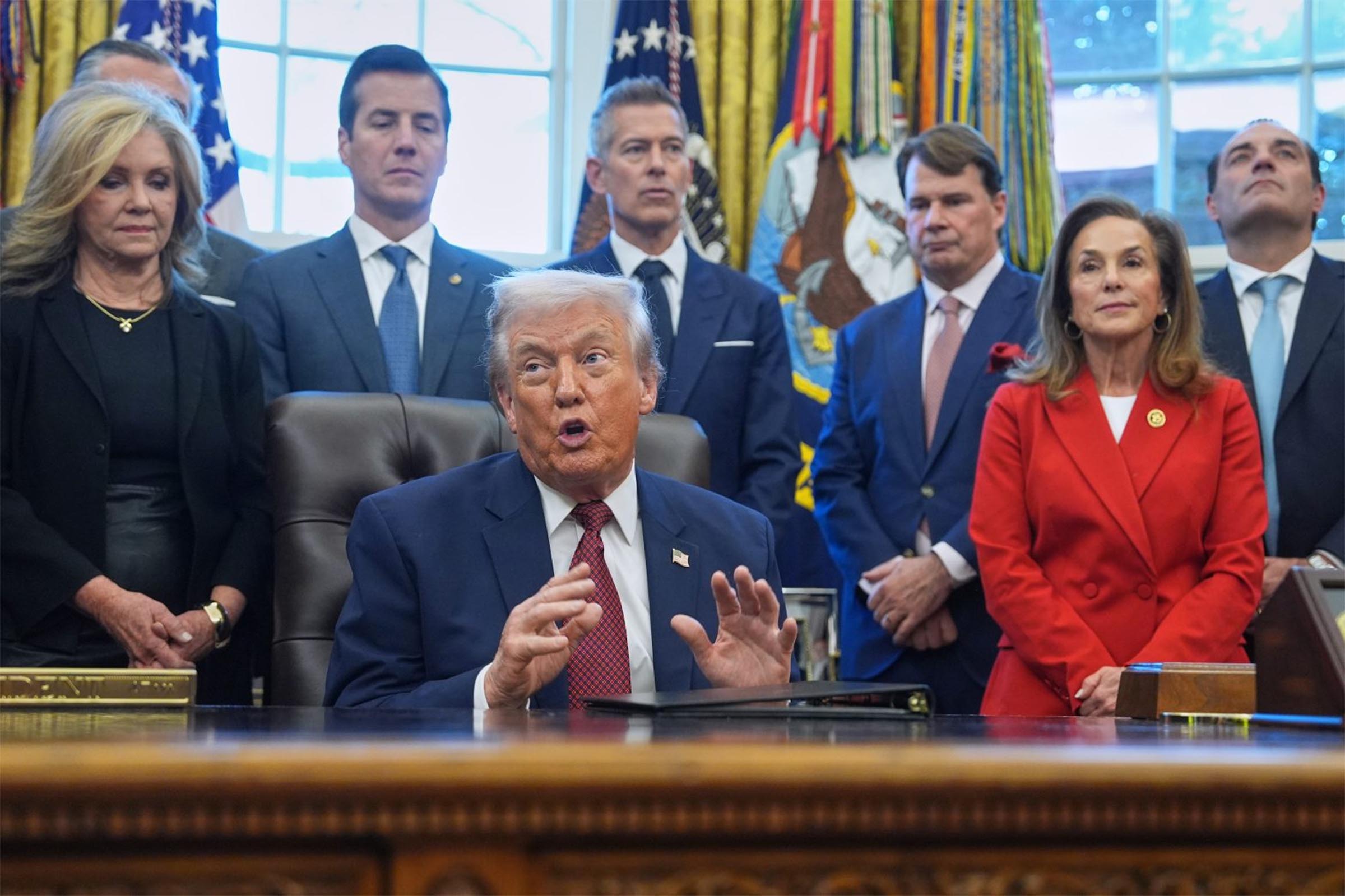
Pres. Trump told U.S. auto execs at the White House they should build Japanese-style “Kei” microcars.
Even before taking the oath of office on January 20, candidate Donald Trump made it abundantly clear he would be putting broad new trade barriers in place. And nowhere has that had more of an impact than the auto industry.
While trade talks continue with a number of allies, tariffs currently add about 15% to the wholesale price of most foreign-made vehicles. But it’s not just imports that are affected. Tariffs on imported aluminum and steel, as well as foreign-made parts and components have driven up the production costs for virtually all vehicles assembled in the U.S., as well.
Pres. Donald Trump has impacted the auto industry in a number of other ways. He’s effectively blocked California’s EV mandate while reducing investments in a planned nationwide EV charging network. And the phase-out of federal tax credits on Sept. 30 immediately resulted in a sharp slump in sales of battery-electric vehicles.
The current administration is also taking steps to sharply reduce fuel economy standards and may make major changes to safety guidelines, as well.
Affordability
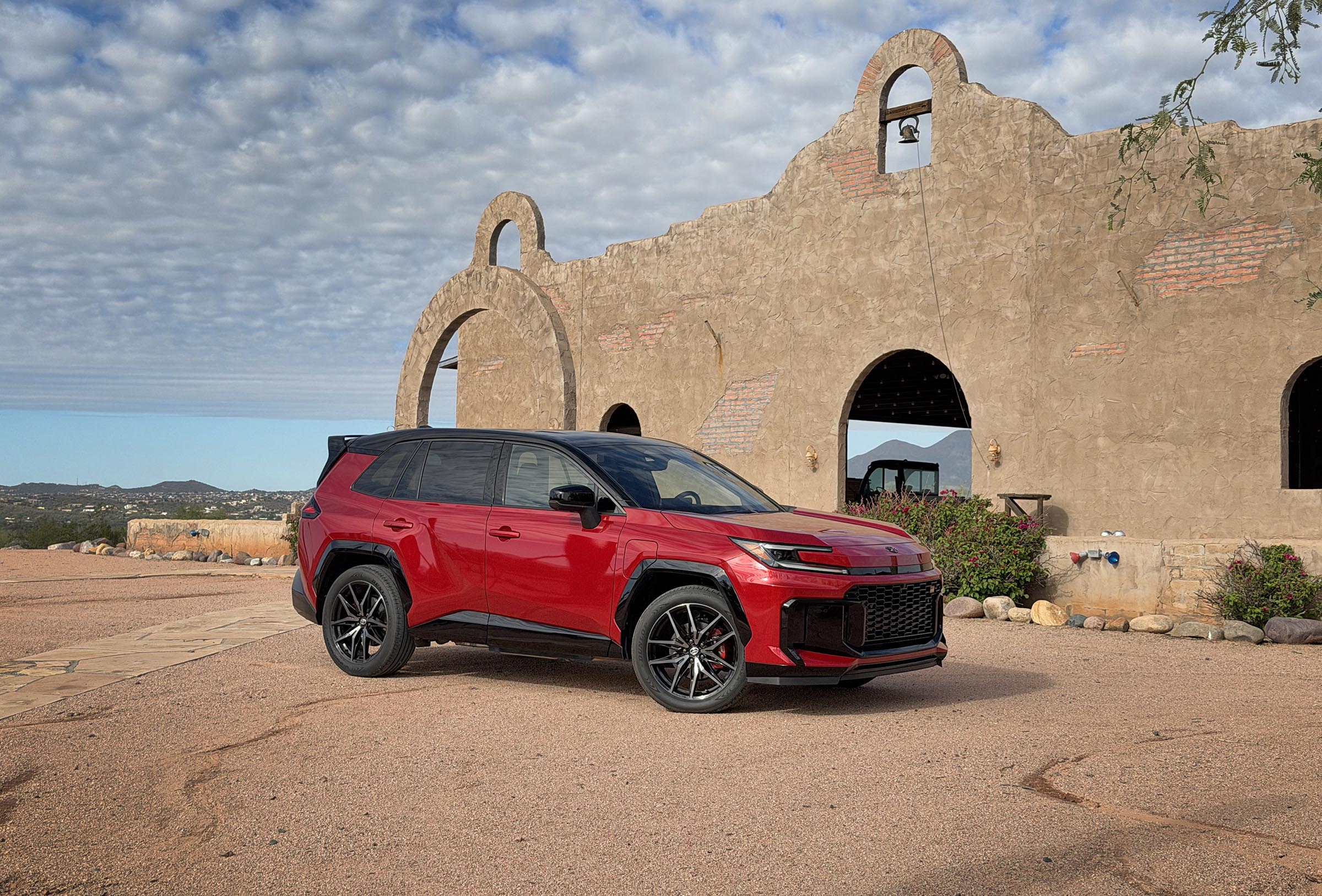
Even a base 2026 Toyota RAV4 starts at $42,260 and runs as high as $58,360.
That’s a word the president apparently doesn’t like to hear. But it’s one that has been dominating headlines in recent months – and which is likely only to become even more of an issue in 2026.
Affordability isn’t a new subject, especially in the auto industry where the cost of a typical new vehicle has surged well beyond the average rate of inflation in recent years. As recently as 2015 the average motorist drove home in a vehicle costing $33,500, according to Kelley Blue Book. Currently, it is nudging $50,000, various sources suggest, and recent industry announcements make clear the figure will be going up again in the coming months.
A variety of factors, including the price of raw materials, chips and other components catch some of the blame. Then there are those pesky tariffs. Until now, manufacturers have largely swallowed most of those added duties to avoid hurting sales. General Motors estimated this will result in a $5 billion hit to its bottom line this year, the industry overall expected to feel an $80 billion impact. But more of those costs are beginning to be passed on. Porsche, for one, announced a second tariff-related price hike coming in January.
Automakers are finding it difficult to keep offering entry level products, as a result. The Nissan Versa, the last product in the U.S. market starting under $20,000, will soon disappear. Expect to see an increasing focus on upscale buyers less impacted by higher prices, with millions of potential buyers forced into the used car market.
EVs and electrification
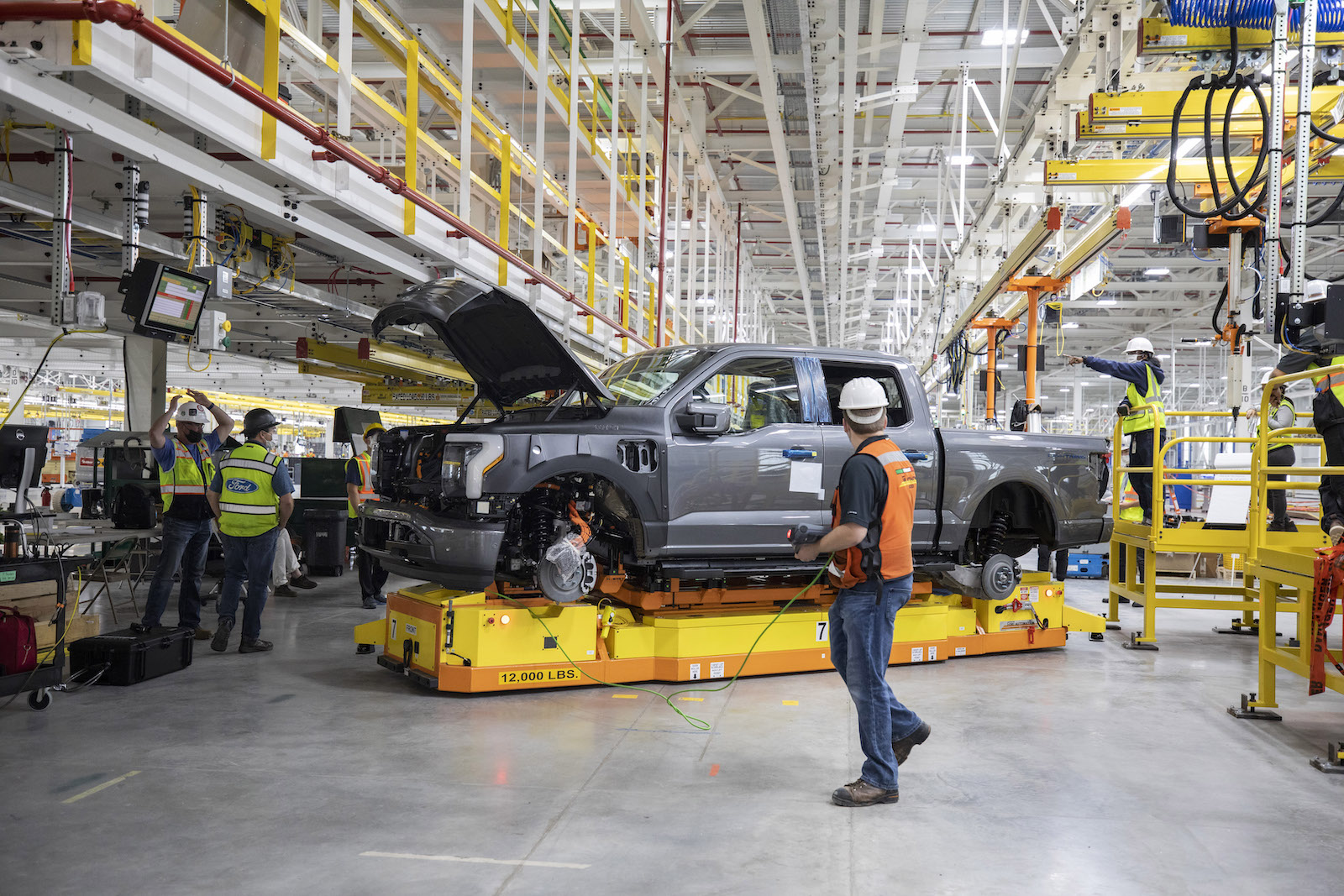
Demand for the F-150 Lightning has tumbled, leading Ford to end production in December.
Only a few years ago, battery-electric vehicles made up the hottest-growing segment in the U.S. auto market, demand surging 800% from 2019 through the end of 2023. This past year, however, EV sales flattened out at about 8% of total new vehicle sales, falling well below that in the final months of the year.
Analysts again point to a variety of factors, including high costs, range anxiety and concerns about the lack of a robust nationwide charging network. It certainly didn’t help when Congress, at the behest of Pres. Trump, phased out federal EV tax credits on Sept. 30. Demand is still expected to grow, but where all-electric models were forecast by AutoPacific, Inc. to top 25% by decade’s end, the consulting firm now estimates the figure will come in about half that. More products are in the pipeline but others are being delayed or cancelled. And several current models are being dropped, including the Acura ZDX, Ford F-150 Lightning, Nissan Ariya and Volkswagen ID.Buzz.
Proponents still hold out hope that a wave of new, low-cost models — such as the upcoming Chevrolet Bolt, and the Universal EV family Ford will launch in 2027 – could rebuild momentum. Promising new battery technology also could help. And, despite conventional wisdom, public chargers are going in by the many thousands each month.
While EV demand has slowed, other forms of electrification are gaining traction fast. Conventional hybrids are expected to account for 15% of the U.S. market in 2025, double the 2023 share, according to industry data. It helps that today’s HEVs are not only fuel-saving but often the most powerful option available for products like the 2026 Hyundai Palisade. Meanwhile, plug-in hybrids are becoming more common and new extended-range electric vehicle systems are set to roll out, helping overcome range and charging concerns. Ford plans to bring back its Lightning in E-REV form.
Musk and Tesla
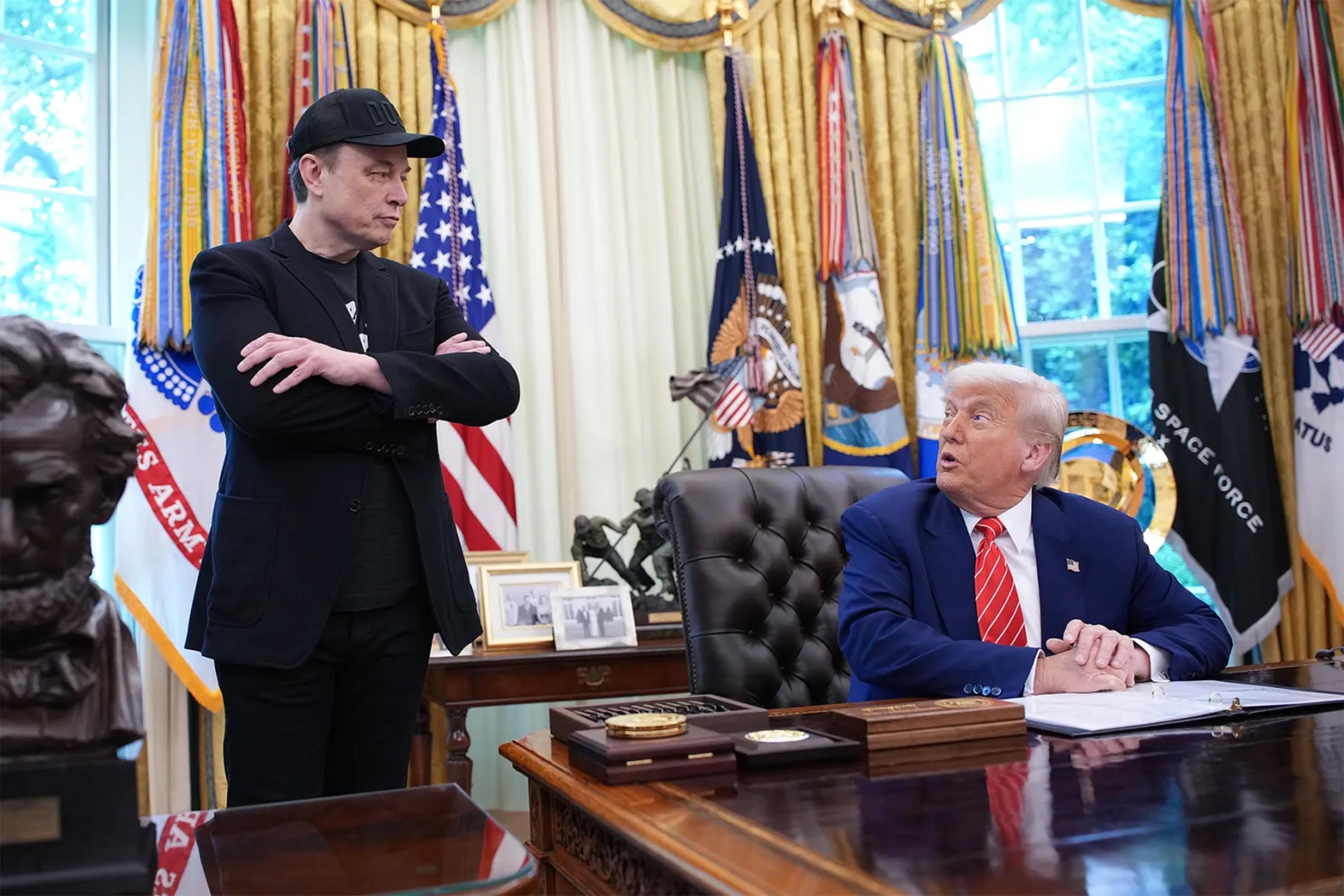
After working as head of DOGE, Elon Musk’s relationship with Pres. Donald Trump collapsed.
The year got off to a good start for Elon Musk, the world’s richest man. But it soon took a turn for the worse, impacting both the South African-born entrepreneur and Tesla, where he continued serving as chairman, even while taking on management of the Trump administration’s Department of Government Efficiency. Musk demonstrated his strategy when he appeared on stage with a chainsaw – and his team quickly started firing thousands of government workers while claiming a goal of cutting $2 trillion in government “waste.”
Musk has since admitted regretting his role and the CATO Institute, among others, found little, if any, savings were achieved. In some areas, costs actually rose. Worse, at least for Musk and Tesla, the exec’s role triggered a massive global backlash resulting in massive demonstrations – and some vandalism – at Tesla stores. And a sharp slump in sales this past year was, at least partially, due to boycotts.
But not all went wrong. Tesla finally launched its first small fleet of robotaxis in Austin, Texas, this past June, with plans to expand to other markets in the months ahead. It’s also moving ahead with its AI and robotics operations.
Musk, for all the pushback, still remains wildly popular with investors who went on to approve a board proposal that could generate an eventually $1 trillion payout for the CEO should he meet a series of targets over the coming years. And while some major shareholders voted no – and, in some cases, sold out their stock – Tesla’s stock price has rebounded sharply from the $214 price it fell to in April. It was at $454 in midday trading on December 31.
Big automakers, bigger trouble
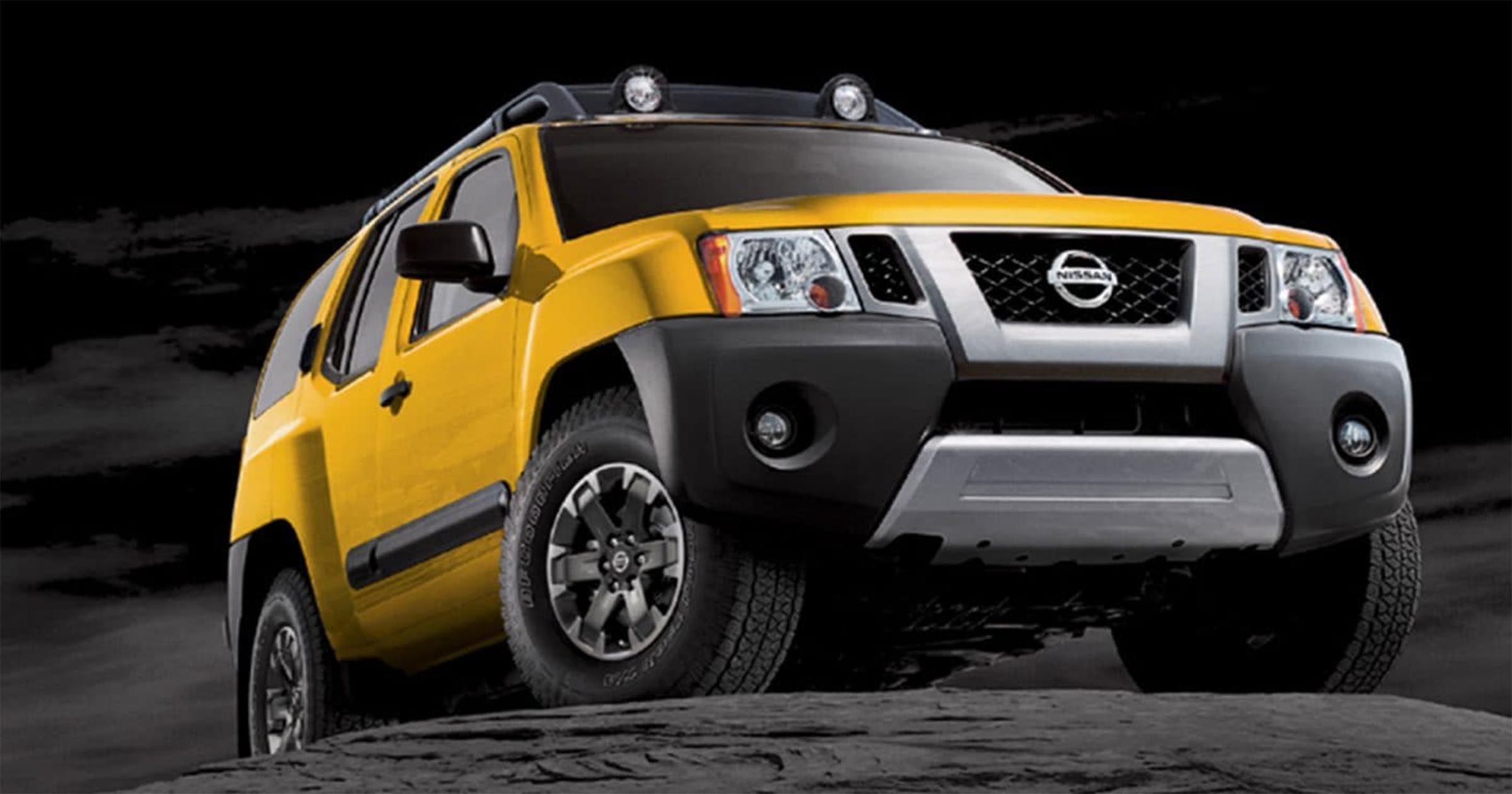
Nissan plans to revive the Xterra – a 2015 model shown here.
Automakers, in general, have faced some serious challenges this past year. Two, in particular, are ending 2025 at critical junctures that could determine their long-term fates.
Nissan has been in crisis ever since its one-time CEO and superstar Carlos Ghosn was arrested in November 2018 for alleged financial crimes. It has since gone through a series of crises that have resulted in several management shake-ups, the loss of global market share and deep financial losses. Its newest CEO, Ivan Espinoza, was appointed last April. He has moved even further in a cost-cutting effort now dubbed RE:Nissan. About 15,000 jobs will eventually be eliminated, with the company’s production capacity trimmed by a third.
But Espinoza has also acknowledged his company can’t simply cost-cut its way to prosperity, putting more emphasis on introducing desirable new products. Among other things, it will soon revive the old Xterra badge. And it is moving ahead with an updated electrification program using its e-Power technology. Espinoza hopes to see improved financial results but its last quarterly figures, covering April through September saw a net loss 22.9 billion yen, with global sales down 7.3%.
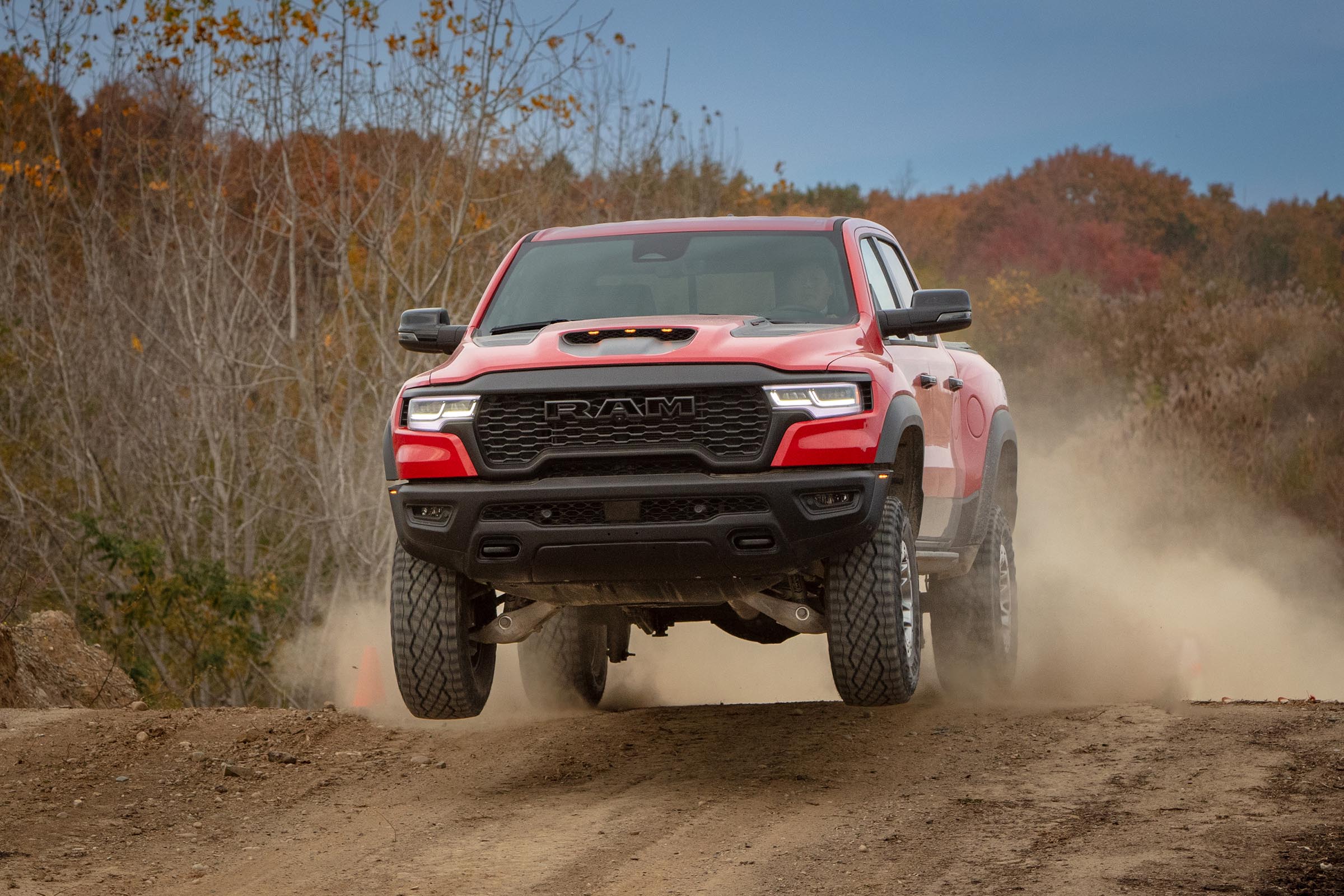
Ram got liftoff after bringing back the Hemi for its 1500 pickup.
Then there’s Stellantis. When it officially was birthed on January 17, 2021 through the merger of Fiat Chrysler and Groupe PSA, it instantly became the world’s fourth-largest automaker. Initially results were promising, CEO Carlos Tavares boasting of billions of dollars saved through bottom line-boosting synergies. But things started taking a turn for the worse in 2024, especially in the U.S. market, the automaker’s primary source of earnings. A series of questionable moves resulted in sharp sales downturns at key brands Jeep and Ram. Tavares blamed himself for his “arrogance,” but failed to come up with a turnaround strategy the Stellantis board would accept, resigning unexpectedly last in 2024.
It took six months to name Antonio Filosa his replacement. Previously working as North American COO, the Italian-born executive has been widely praised both inside and out of the company and has approved a number of moves beginning to show results, including the revival of the iconic Hemi V-8 engine for the Ram 1500 pickup. He’s also radically altered the Stellantis electrification plan. Whether it all pays off could take a few more quarters to prove out.
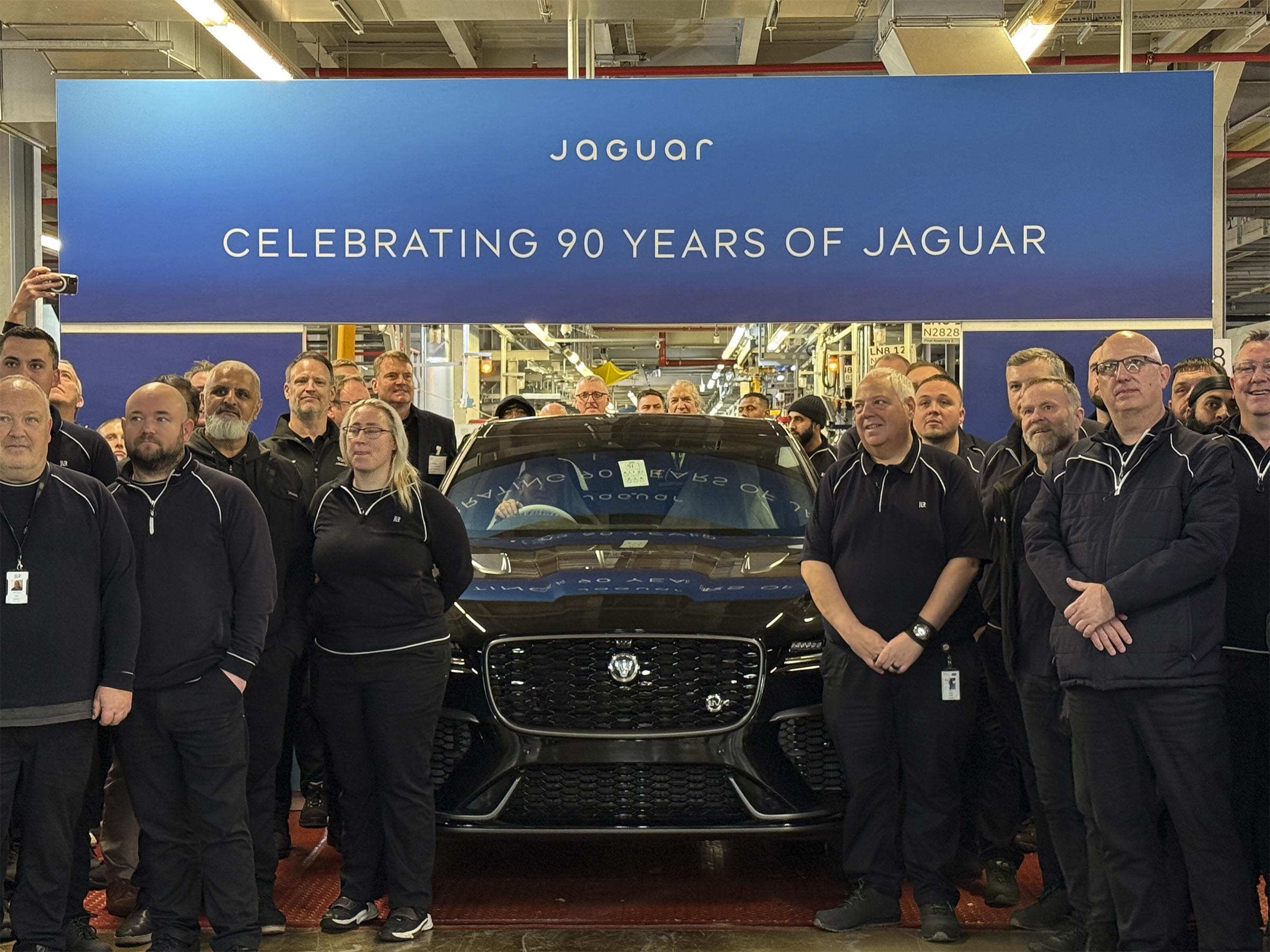
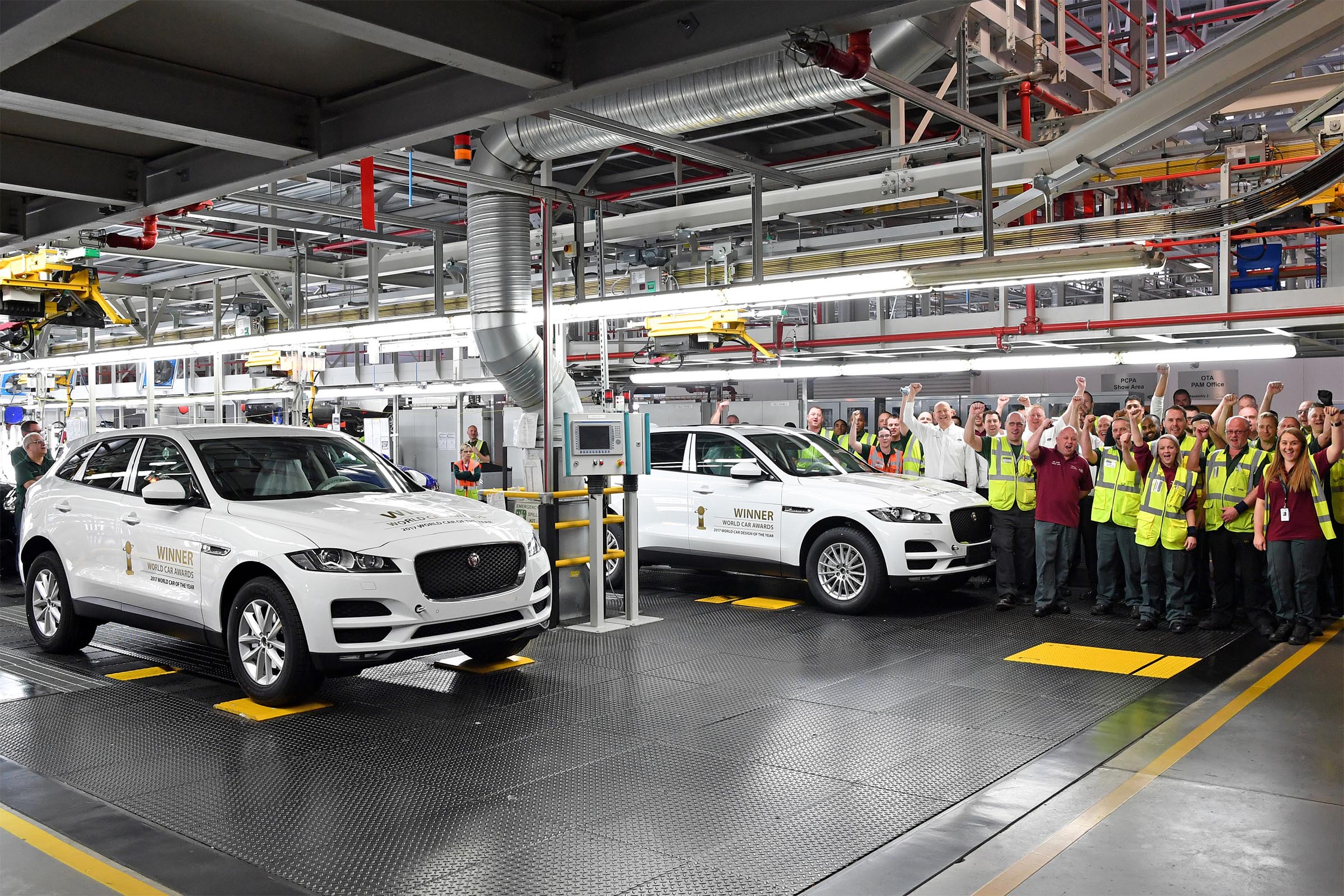
The last Jaguar F-Pace was built at the Solihull plant.
Other big headlines:
- Jaguar ends production of the F-Pace, its last gas-powered model, preparing to launch its shift to an all-electric manufacturer starting late in 2026.
- Autonomous vehicles become increasingly commonplace – at least in robocab fleets. Tesla launches its first in Austin; Waymo plans increasingly aggressive nationwide roll-out.
- Hackers are becoming increasingly bold, especially those relying on ransomware. Among the manufacturers hit, Jaguar Land Rover saw production operations shut for roughly two months in one notable attack.




0 Comments