

Fear is beginning to set in on oil markets around the world as Iran strikes back after the U.S. and Israel launched attacks over the weekend. Insurers are refusing to cover shipments through the critical Strait of Hormuz while Iran is upping its own drone and missile strikes on tankers and Mideast energy infrastructure. Petro prices are surging on markets as experts and traders try to determine just how much of a disruption to energy supplies could be in store, reports Headlight.News.
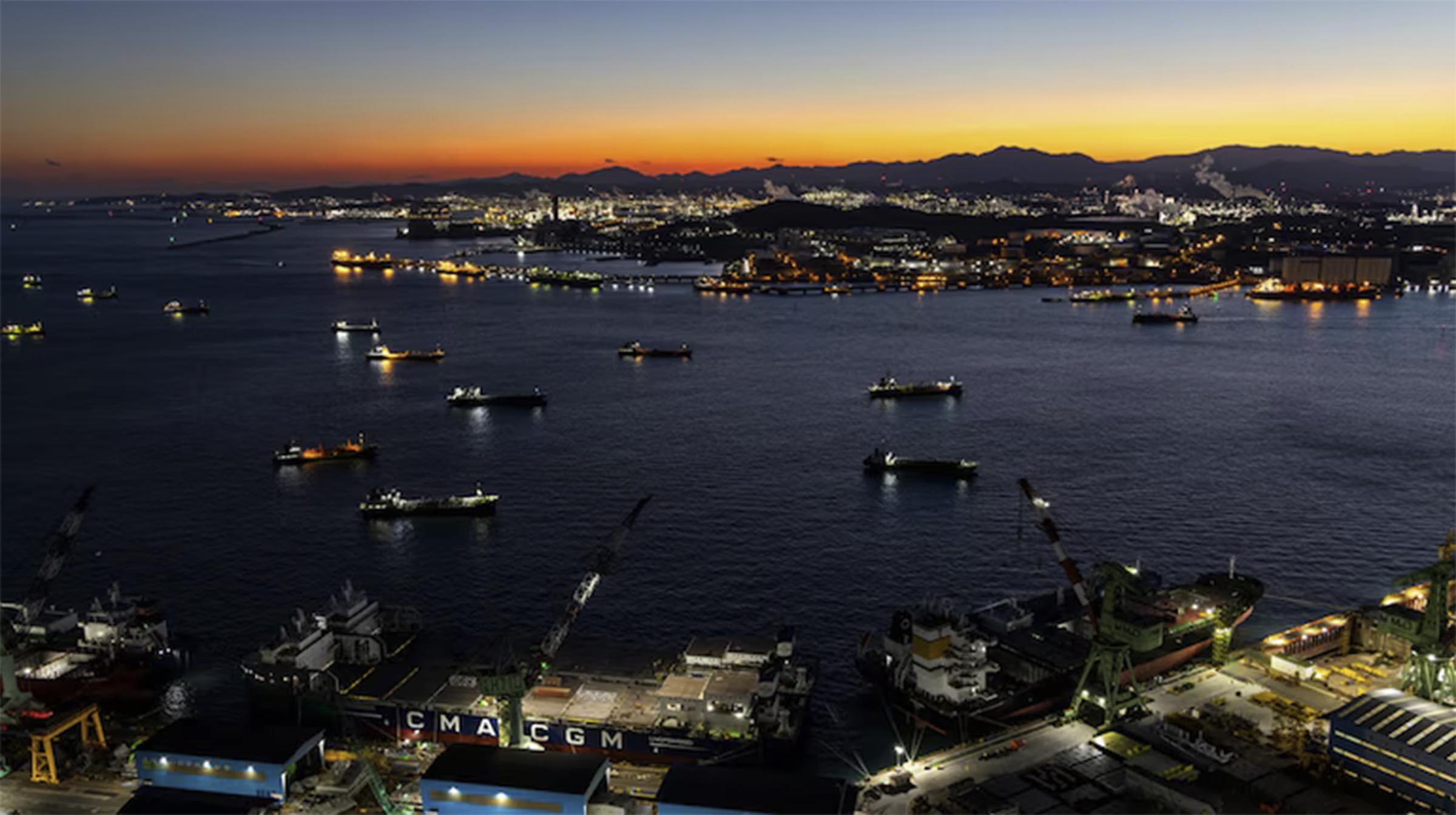
Ships anchor away from Strait of Hormuz. Photo courtesy MoneyControl.com.
Shipping through the critical Strait of Hormuz has come to a virtual halt as the strikes against Iran by the U.S. and Israel enter their fourth day – and that has led to a growing sense of concern on global energy markets where prices are rapidly surging.
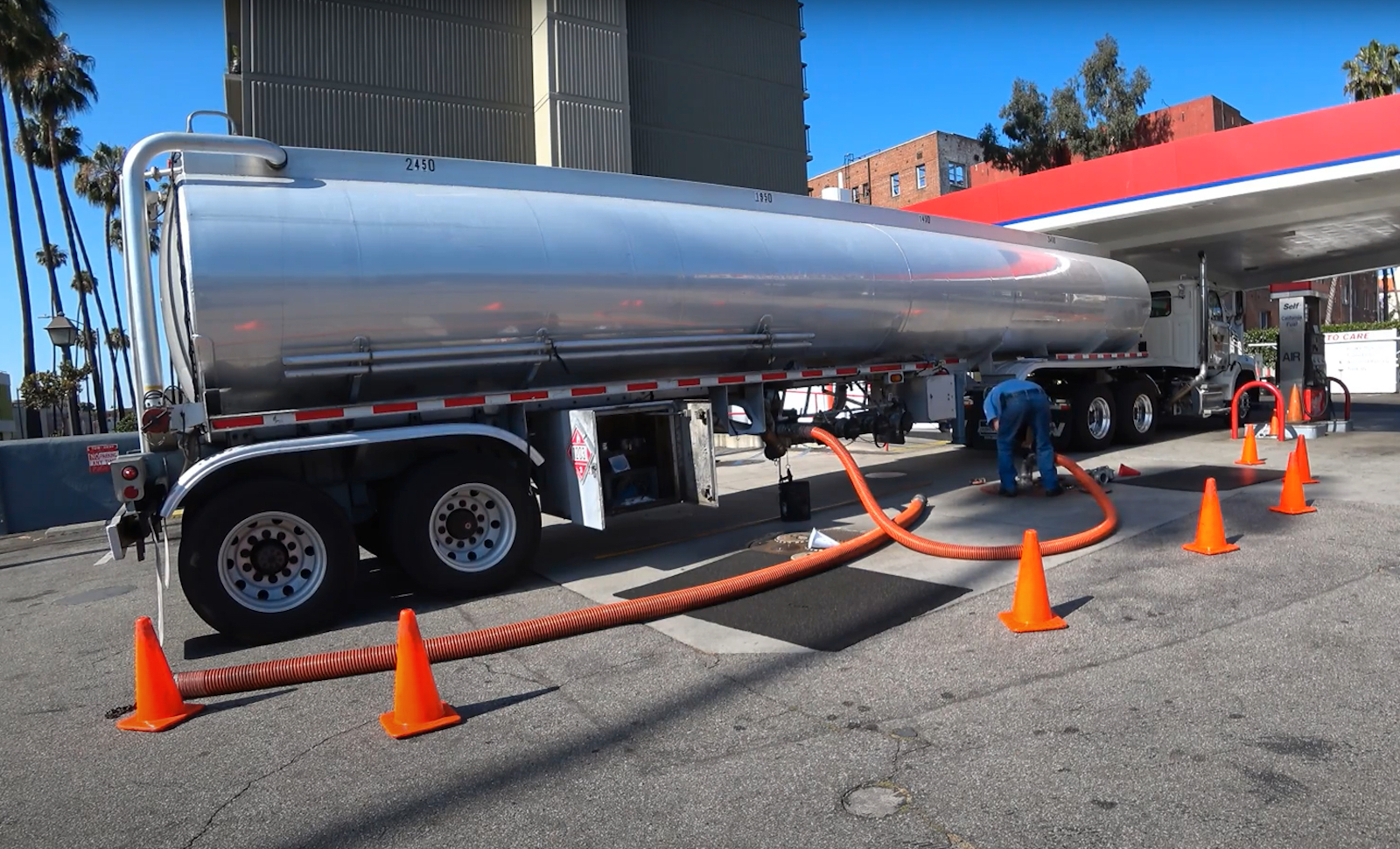
The cost of a barrel of benchmark Brent Crude surged past $84 as of midday in Europe, up from around $72 on February 27, just ahead of the Trump administration’s move to strike Tehran and other Iranian targets. In terms impacting U.S. motorists, the average price of a self-serve gallon of unleaded regular gasoline approached $3.00 on Tuesday morning, according to the AAA. That was up more than 11 cents from the day before.
But the bigger concern is whether world markets could soon experience shortages of petroleum and other fossil fuels sourced from the Middle East. A commander of the Iranian Revolutionary Guard Corps on Monday declared the Straits “closed,” Aljazeera reported. Any vessel going through the 104-mile waterway, he warned, will be set “ablaze.”
Why that matters
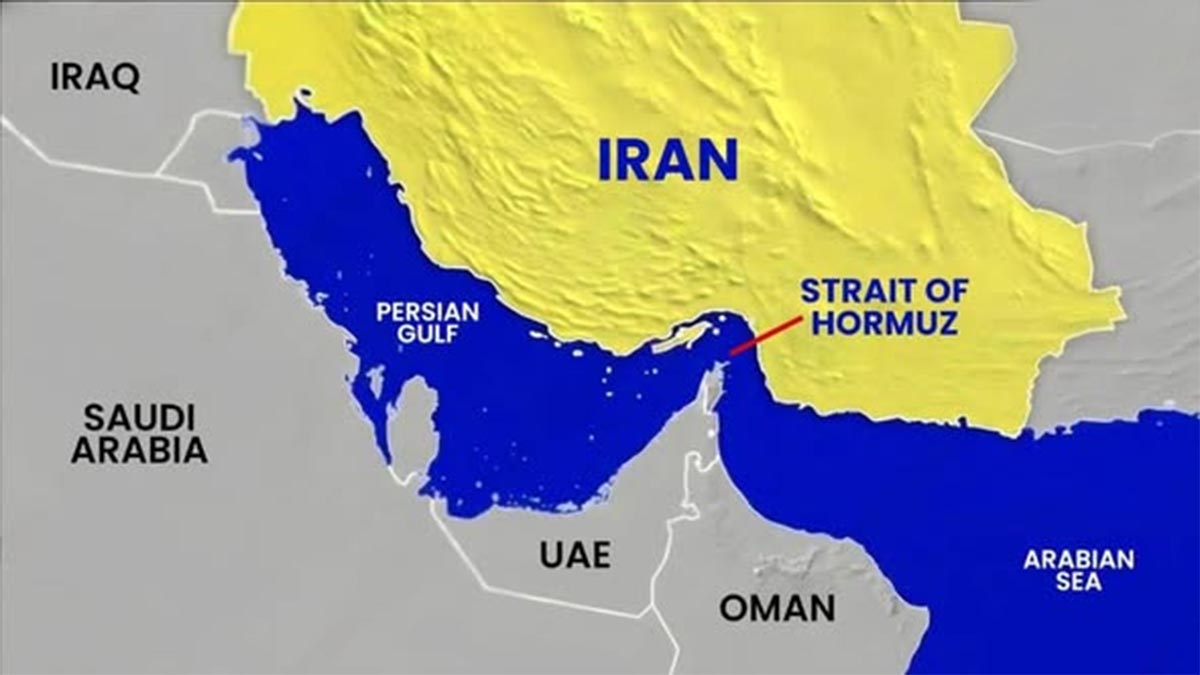
Strait of Hormuz – courtesy India Today.
The Strait of Hormuz is the most critical waterway in a region of the world providing 31% of global petroleum production and 17% of its natural gas, according to the International Energy Association. About 20% of the world’s fossil fuels normally travel through the channel to reach their various destinations.
At just 21 miles wide at its narrowest point, the Strait makes shipping an easy target in a shooting war, and Iran has already responded to the U.S. and Israeli assault by launching drone and missile attacks on tankers traversing the route. Several have been hit, with two deaths reported by Aljazeera. Iranian reports on Monday claimed the Honduran-flagged Nova tanker was engulfed in flames after taking hits from two drones.
Iran also has targeted several key oil facilities in the Gulf region, including the Saudi Aramco’s oil facility in Saudi Arabia and an LNG plant in Kuwait.
Further complicating matters, Iran is taking steps to jam the GPS satellite navigation systems used by the marine industry, Wired reporting this has impacted about 1,100 ships operating in the Mideast. “It’s becoming very dangerous to go in or out,” Ami Daniel, the CEO of maritime intelligence firm Windward told the magazine.
Insurers pull coverage
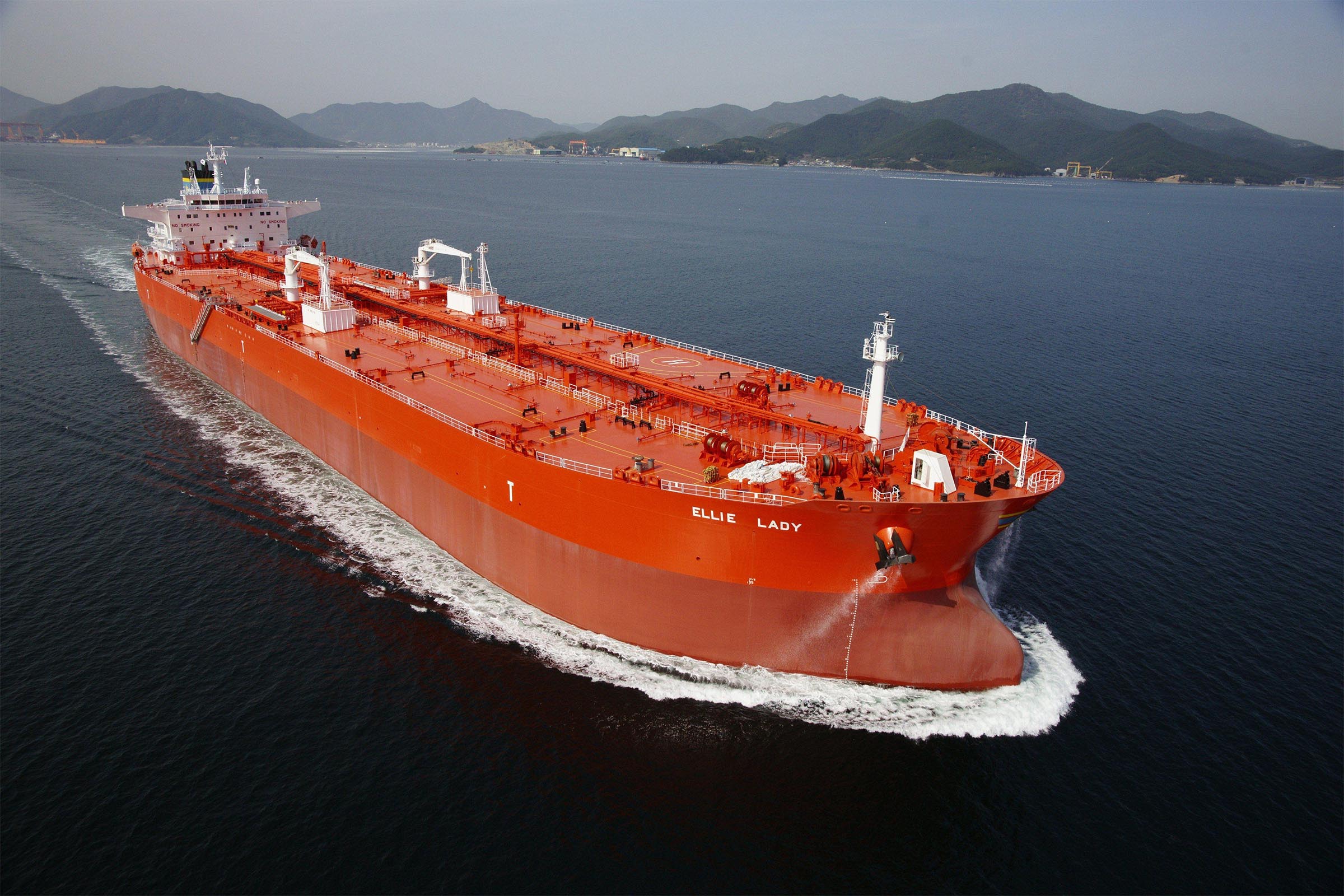
Hundreds of tankers are currently refusing to transit the Strait of Hormuz.
By Monday, 10% of the world’s container ships were essentially at anchor as a result of the crisis, according to Jeremy Nixon, CEO of container carrier Ocean Network Express, known as ONE. Ship-tracking service Kplr showed scores of vessels, including 40 of the largest fuel carriers, had halted in place by Tuesday morning in the Gulf region.
The problem isn’t just a question of willingness to risk transit by shipping companies and their crews.
As of Monday, more than half of marine insurers had pulled coverage from ships operating in the Persian Gulf region, Bloomberg News reported. As of midnight GMT on March 5, coverage for vessels will automatically be pulled if they enter the Gulf. The insurers involved include Gard AS, NorthStandard Ltd., Steamship Mutual Underwriting Association Ltd., Assuranceforeningen Skuld, American Steamship Owners Mutual Protection and Indemnity Association Inc., The Swedish Club, and the London P&I Club. Together, they provide coverage for 90% of global ocean-going tonnage.
Without coverage, only a handful of ships are expected to risk a transit of the Straits, experts are warning.
More Auto News
- Iranian War Triggers Surge in Fuel Prices
- Honda to Follow Toyota, Exporting U.S.-Made Vehicles to Japan
- Ford’s Recall of 4M Trucks Underscores Growing Issue with Onboard Software
A far-reaching impact
 Brent Crude, often seen as a litmus test for what’s happening in petro markets, rose 6% to close at $77 a barrel on Monday. By midday Tuesday in Europe it was up to $84 and “There’s huge room for prices to go up,” Ramanan Krishnamoorti, a professor of petroleum engineering at the University of Houston, told ABC News.
The impact of the war and the subsequent halt in shipping is being felt worldwide. Reuters on Tuesday reported India is bracing for possible shortages as 50% of its oil and LPG supplies traverse the Straits.
Over the years, a network of pipelines has been put in place around the Gulf. Of the 15 million barrels of oil that go through the waterway each day, from 5 million to 7 million barrels could be redirected through pipelines, reported Yahoo! Finance. But another 8 million to 10 million barrels might be stranded.
America isn’t immune
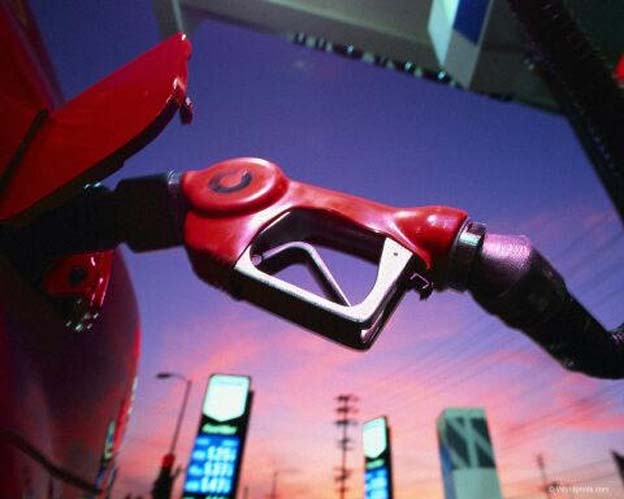
Motorists should prepare for more pain at the pump.
The U.S., as one of the world’s largest producers of oil and natural gas, could avoid the sort of energy shock that the nation faced twice in the 1970s – first following the Iranian revolution and then after the Yom Kippur War. But as part of a global network, Americans aren’t isolated from the effects of the war launched by Pres. Donald Trump last weekend.
The live ticker on GasBuddy.com showed the price of unleaded regular surging to $3.083 as of 8:30 AM EST. That was up 11.2 cents from a week ago and 19.8 cents compared to February 3. Oklahoma had the lowest price, at $2.568 per gallon, with California highest among the contiguous 48 states at $4.636
For his part, Morgan Stanley energy analyst Michael Wilson said it would likely take oil surging to at least $100 a barrel to have a major knock-on impact on the U.S. economy. The last time prices broke that psychological barrier occurred after Russia’s invasion of Ukraine four years ago this month. Oil prices topped out at $122 before settling back down.
Auto industry in for a hit if crisis drags on
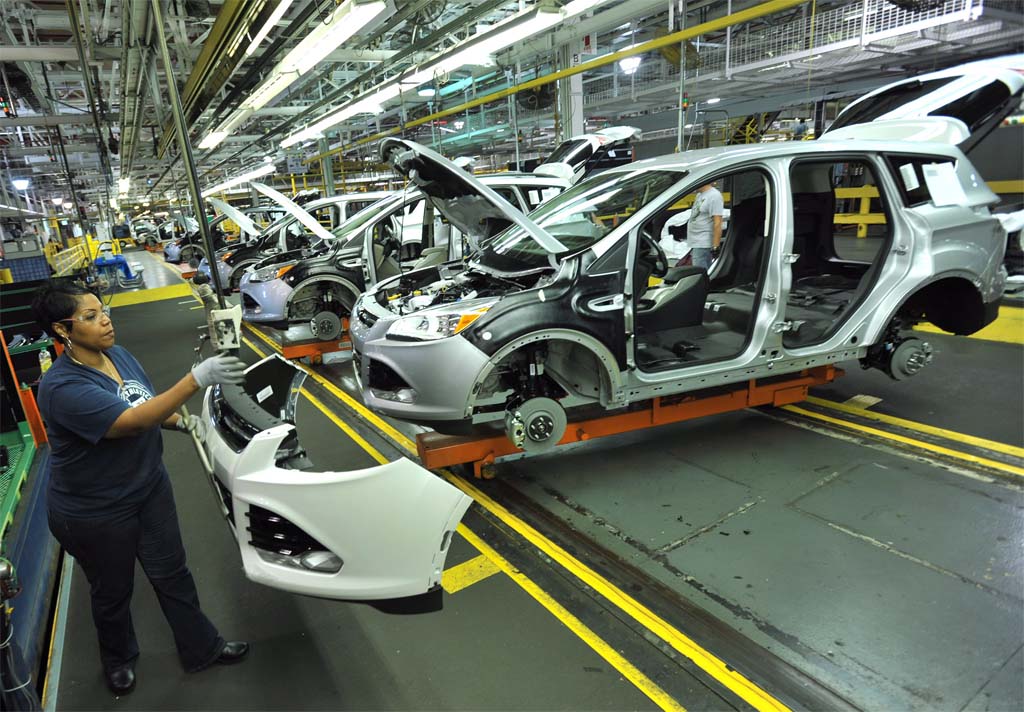
Petroleum byproducts are critical to the auto industry, used for many plastic parts, components and fabrics.
But not everyone is confident the U.S. can escape pressure on the economy even if oil prices don’t surge that high at a time when millions of Americans are already struggling to pay for basics like food, clothing and shelter without having to cover a surge in energy prices.
Rising fuel prices could have a big impact on the auto industry, several analysts told Headlight.News. Even if supplies of gasoline aren’t disrupted motorists will likely drive less and tighter budgets could lead many to delay or cancel plans to buy new vehicles at a time when average transaction prices have topped a record $50,000.
Manufacturers, meanwhile, could face both higher costs and delays when it comes to some critical materials shipped through the Straits of Hormuz. That includes some aluminum and steel, as well as petro-based materials like ethylene, polyethylene and polypropylene used for auto parts, components and fabrics, according to consulting firm AlixPartners. A prolonged crisis will force the auto industry to seek out alternative shipping routes – which would add to costs and result in delays and could cause temporary disruptions to manufacturing operations.



0 Comments