
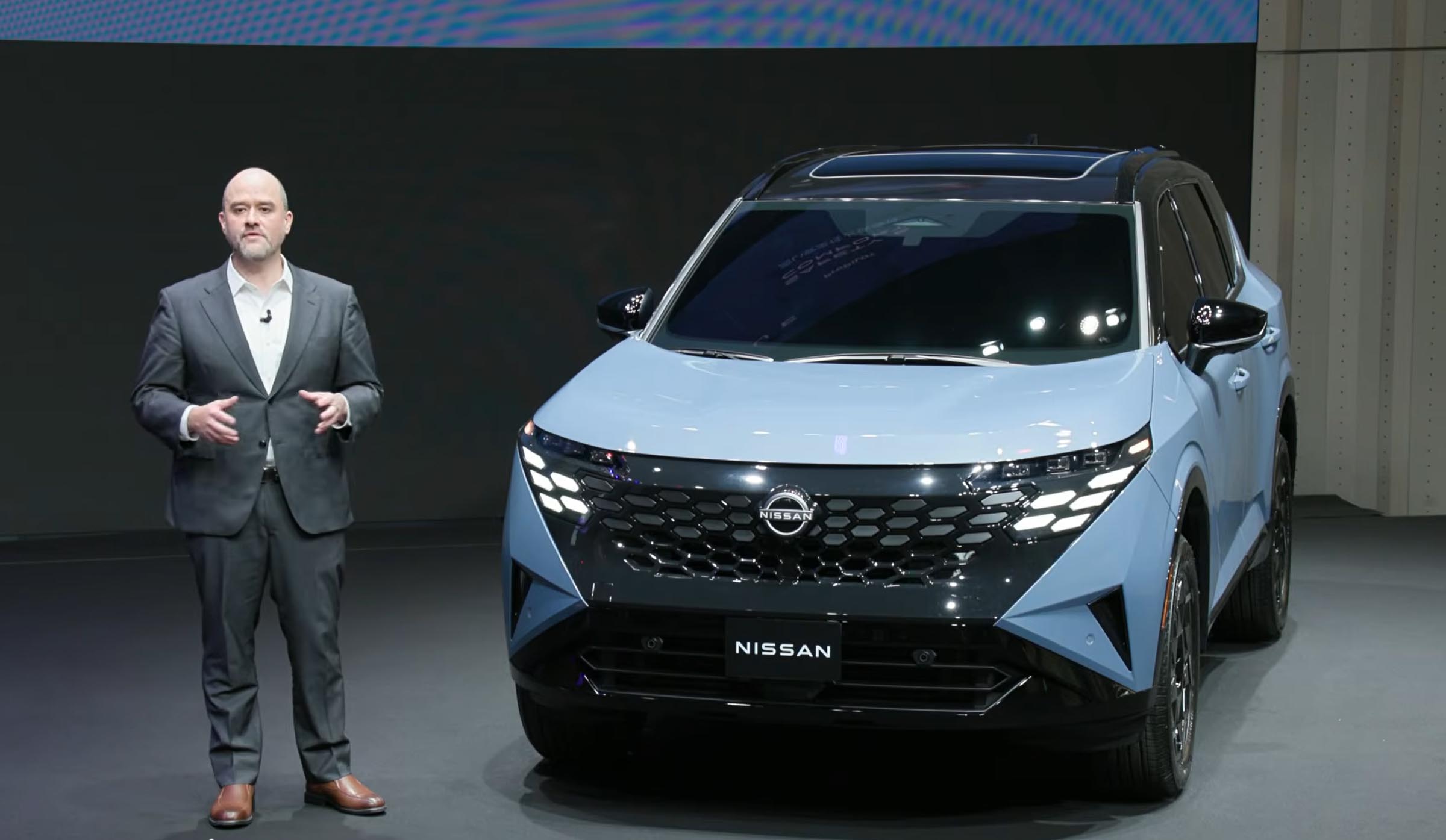
Let by CEO Ivan Espinosa, senior Nissan officials spent nearly an hour Thursday morning outlining a grand plan meant to move beyond the massive cuts it was forced to make over the last few years. It calls for a smaller, more focused product portfolio, new powertrain technologies, more tech features, a leaner product development and manufacturing system – and growth in the key markets of the U.S., Japan and China. Headlight.News has more.
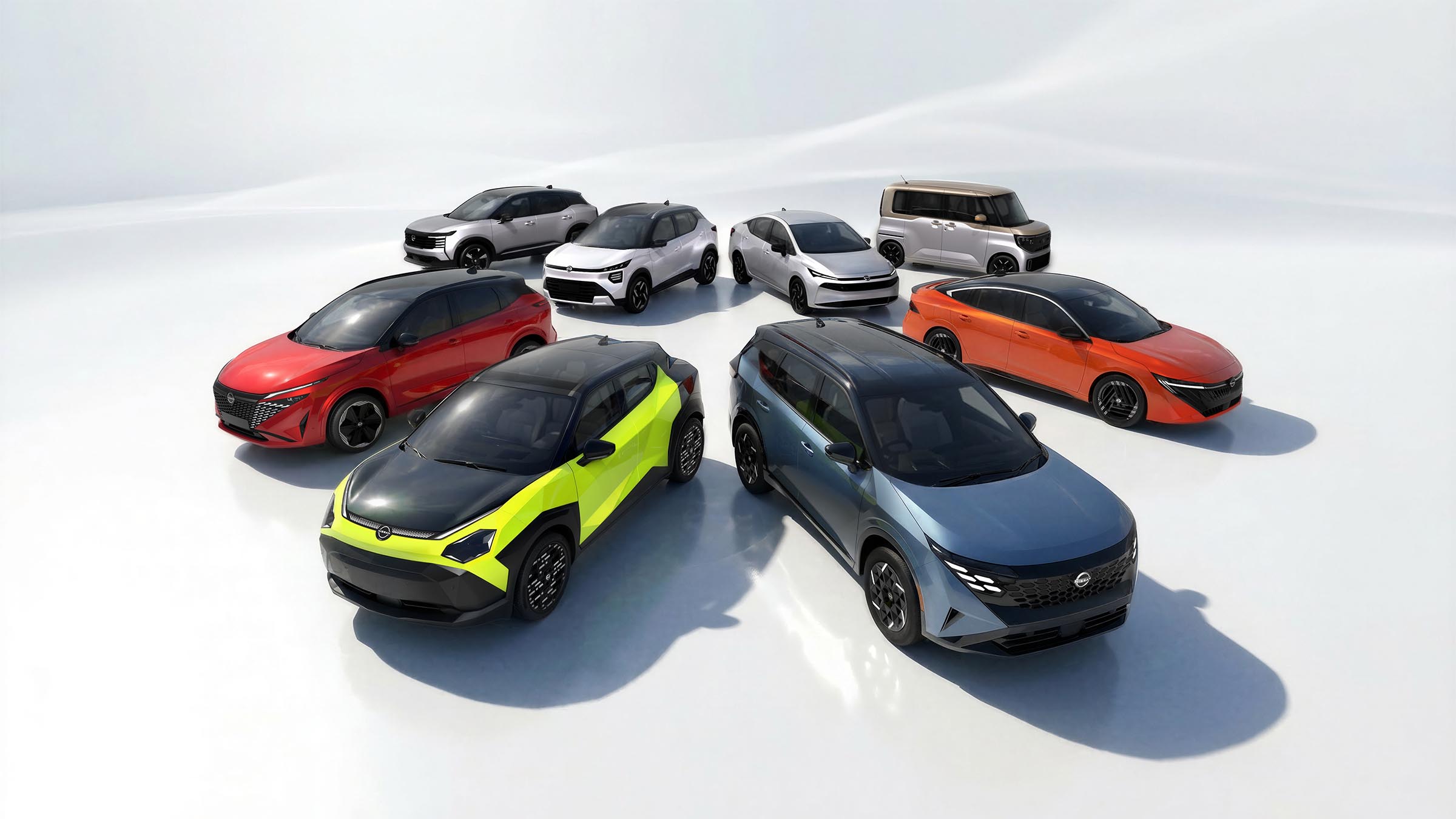
The core group of products Nissan will now depend on.
He took on his role as chief executive at a time when many observers saw a company crashing and burning – but a year and a few days later, Nissan boss Ivan Espinosa took to the stage at the company’s Yokohama headquarters Thursday morning to outline a strategy calling for a leaner albeit more successful company delivering growth in all of its key markets.
The plan, according to Espinoza and other key officials, will drop slow-selling products, focusing on a learner portfolio including the return of iconic nameplates, such as XTerra. It anticipates offering various levels of autonomous driving and other AI-driven technologies in the vast majority of its products. More powertrain options are coming, including a sporty new V-6. Meanwhile, after massive cuts, Nissan expects to have a far more efficient product development and manufacturing system.
And it will focus, Espinosa said, on three key markets: the U.S., Japan and China, for most of its growth – though it sees other opportunities in regions as diverse as the Mideast and Mexico. In the U.S., Nissan will respond to the pressure of import tariffs by further localizing production. It currently supplies about 60% of the vehicles sold in the States from domestic plants, but it now has “an ambition to reach 80% over time,” the CEO said.
“The right moment”
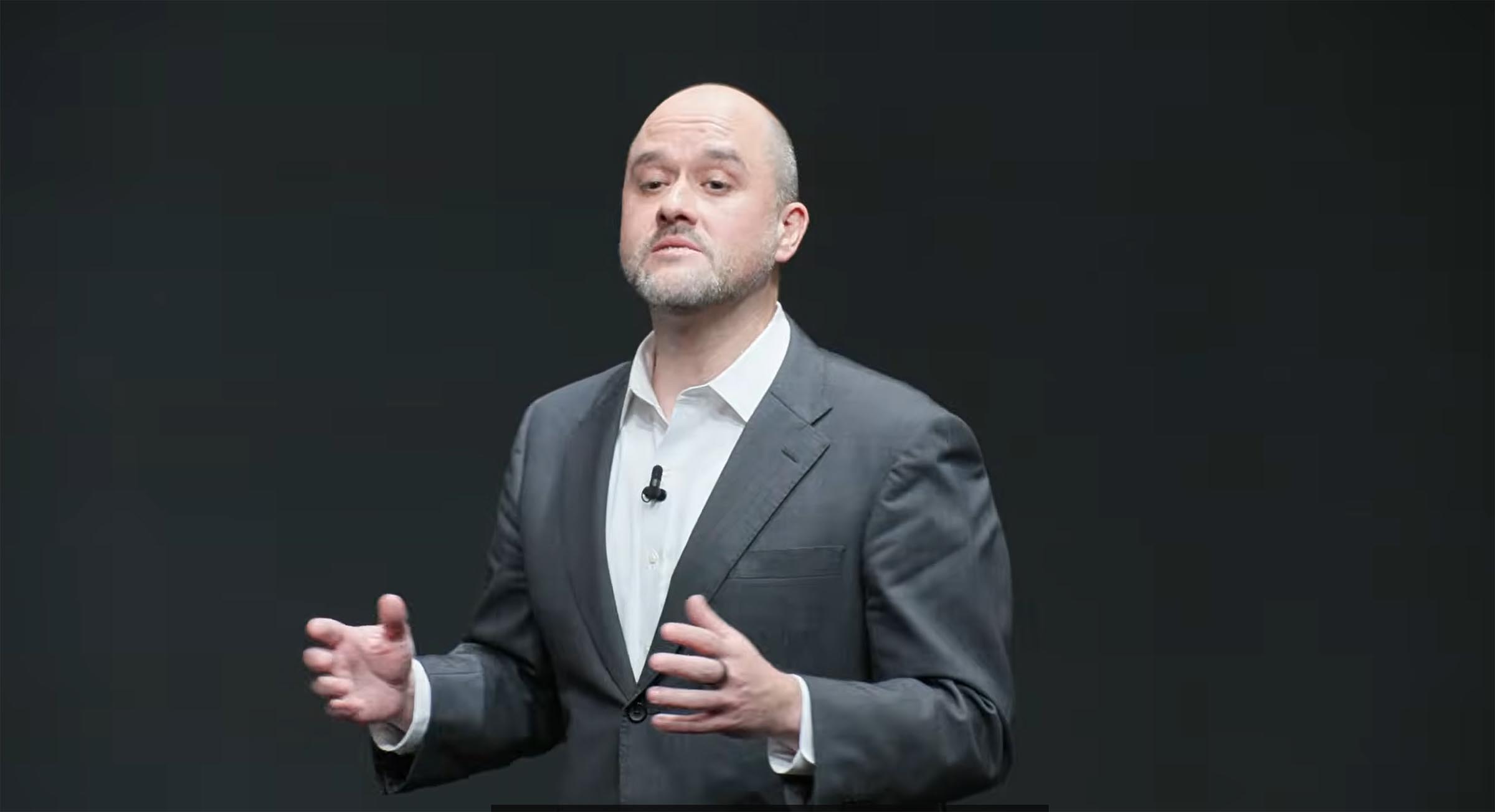
Nissan CEO Ivan Espinosa
For much of the past decade, Nissan has been in retrenchment mode. The wheels started to come off in November 2019 when former Chairman and CEO Carlos Ghosn was arrested upon his arrival in Japan and subsequently charged with a variety of financial crimes. In the following years, Nissan went through a series of management shake-ups while suffering a sharp decline in sales and mounting deficits. Espinosa was named CEO in April 2025, as the company entered its self-described “emergency mode,” which saw the closing of three assembly plants and the elimination of over 10,000 jobs worldwide.
“This is the right moment to articulate Nissan’s long‑term vision as we move beyond the Re:Nissan recovery plan and set a clear path for the future,” Espinosa said Tuesday. “Our vision defines where Nissan is headed, with customer experience as our guiding priority. By advancing mobility intelligence, we will deliver intuitive, advanced, and reliable products and technologies that offer outstanding value and enrich how mobility is experienced.”
The “vision” announced by Espinosa and his team – dubbed “Mobility Intelligence for Everyday
Life,” covers virtually every aspect of the business, from product development to manufacturing and marketing. It also puts more emphasis on technologies such as autonomous driven and connected vehicle systems where Nissan is seen as playing catch-up with key rivals.
Product plans
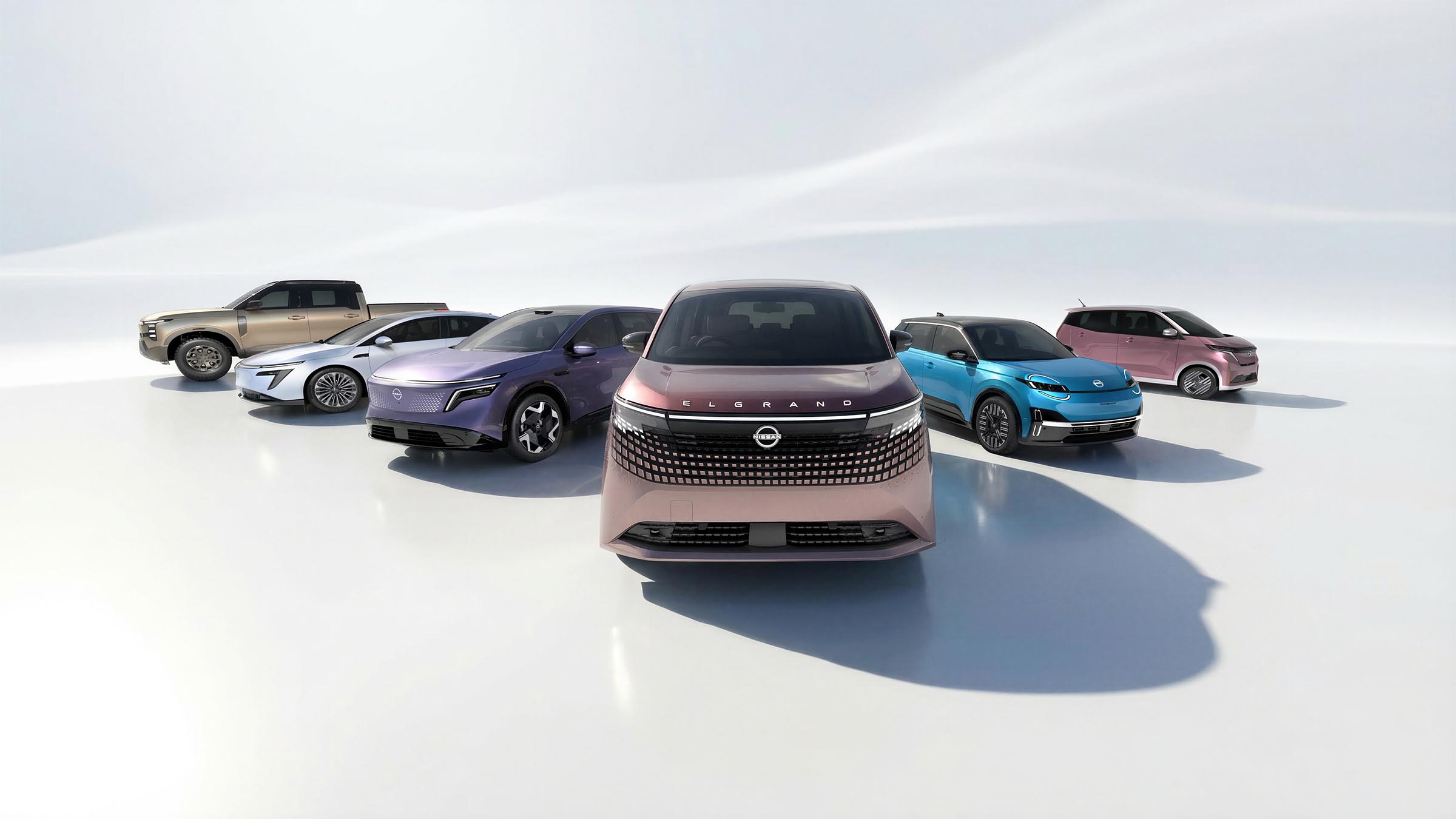
The “Growth” group includes the luxurious Elgrand minivan (front center).
In some areas, the plan calls for still more cuts. Notably, it intends to move forward with a portfolio of just 45 models through its various brands, down from 56 today. Moving ahead, it sees the future line-up divided up into three families:
- Heartbeat products that may not yield big volume but generate energy and enthusiasm. These include models like the Fairlady Z (Japan’s version of the Nissan Z), the rugged Patrol SUV and the Leaf EV;
- Core models that will provide the bulk of the automaker’s volume, whether globally or in specific markets. These include the Rogue, Nissan’s best-seller in the U.S., and Europe’s popular Qashqai;
- Growth models like the Elgrand luxury minivan and the Sakura, an all-electric microcar.
Nissan also will work with partners “through disciplined collaboration,” said Espinosa, referencing the automaker’s long-time, albeit long-strained, relationship with France’s Renault, as well as the smaller Japanese automaker Mitsubishi,
More Nissan News
Returning models
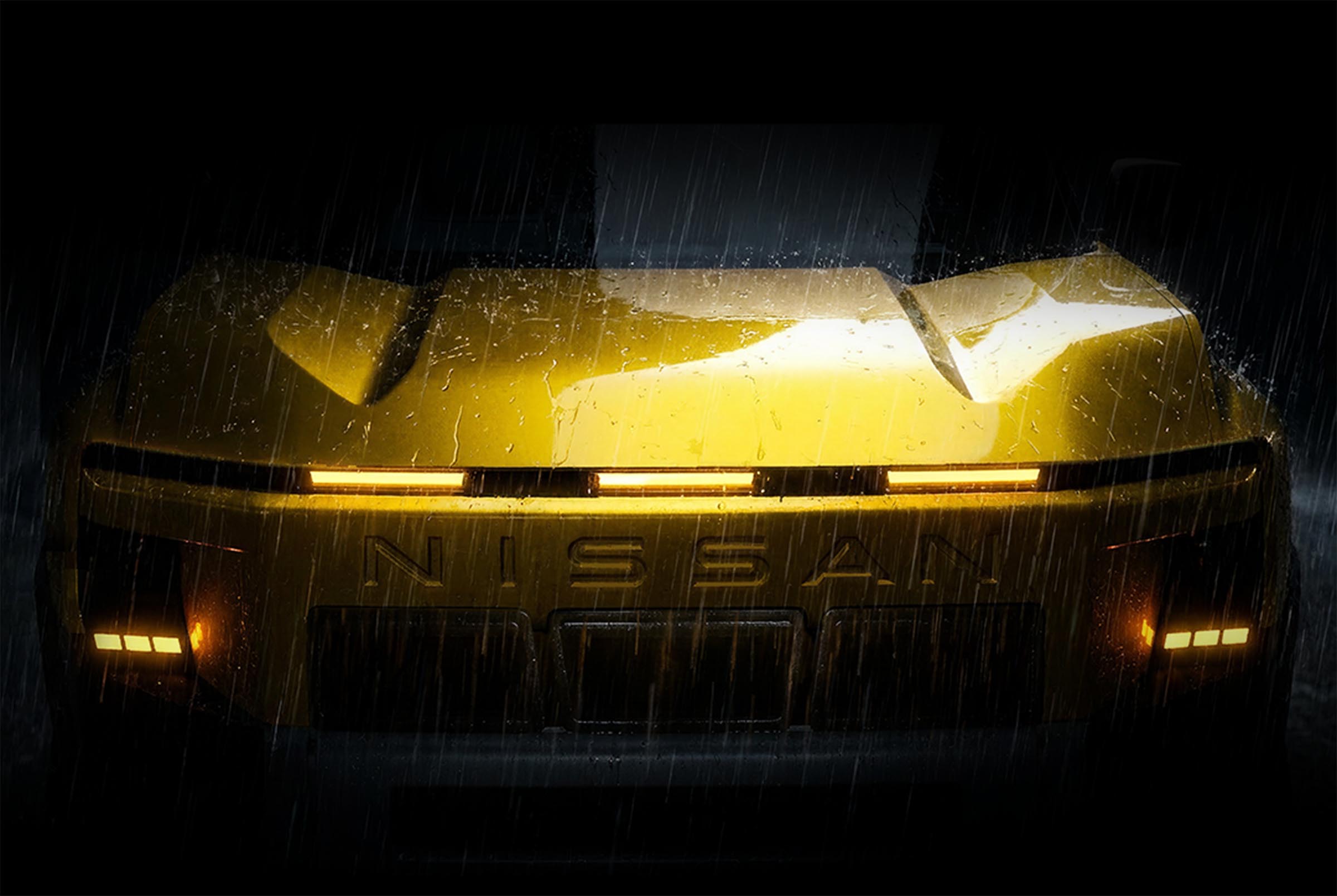
A teaser image of the returning Nissan Xterra.
During the Tuesday news event, Espinosa and his team spoke of several models that will play a key role going forward. Among other things, they teased the return of the rugged XTerra SUV. The list also includes the Nissan Skyline.
Significantly, Nissan will reverse course – as have some key competitors – by expanding its line-up of body-on-frame models designed for more rugged applications, XTerra being a prime example.
Consumers will also get more powertrain choices going forward, for one thing, with Nissan set to expand the use of its e-Power system, a unique alternative to more conventional hybrid technology. It will debut in the U.S. with the launch of the next-generation 2027 Rogue. Also on tap: new V-6 variants which will include both high-performance and hybrid versions.
Infiniti
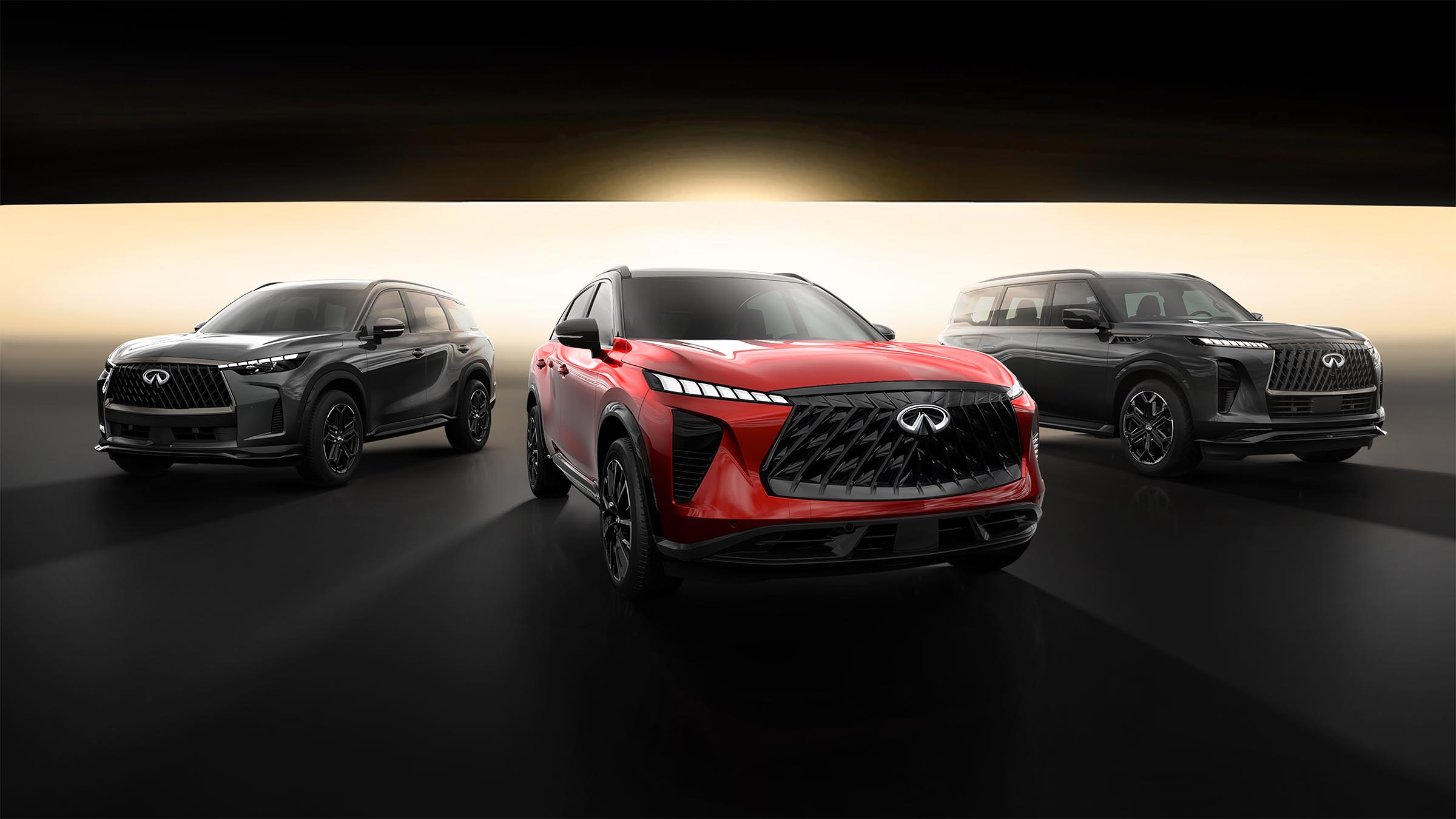
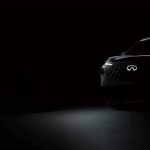
Infiniti has at least four more products coming.
Nissan’s luxury arm, Infiniti, has never matched the success of Toyota’s own Lexus, both launched in 1989. Within the last year, Infiniti was briefly down to a single product line, raising the oft-heard question of whether it would be abandoned rather than nurtured. But Espinosa made it clear the latter strategy is part of the plan.
“Infiniti remains a powerful asset which we will cultivate and expand,” Espinosa declared, promising it will have a full line-up that returns the brand to full strength.”
The recently unveiled QX65, a sporty coupe-like crossover, he revealed, will be followed by four more new models, including a midsize hybrid SUV, a “performance-oriented sedan,” as well as to large hybrid SUVs using body-on-frame platforms. Notably, Infiniti will benefit from a diverse mix of powertrains.
Battery power
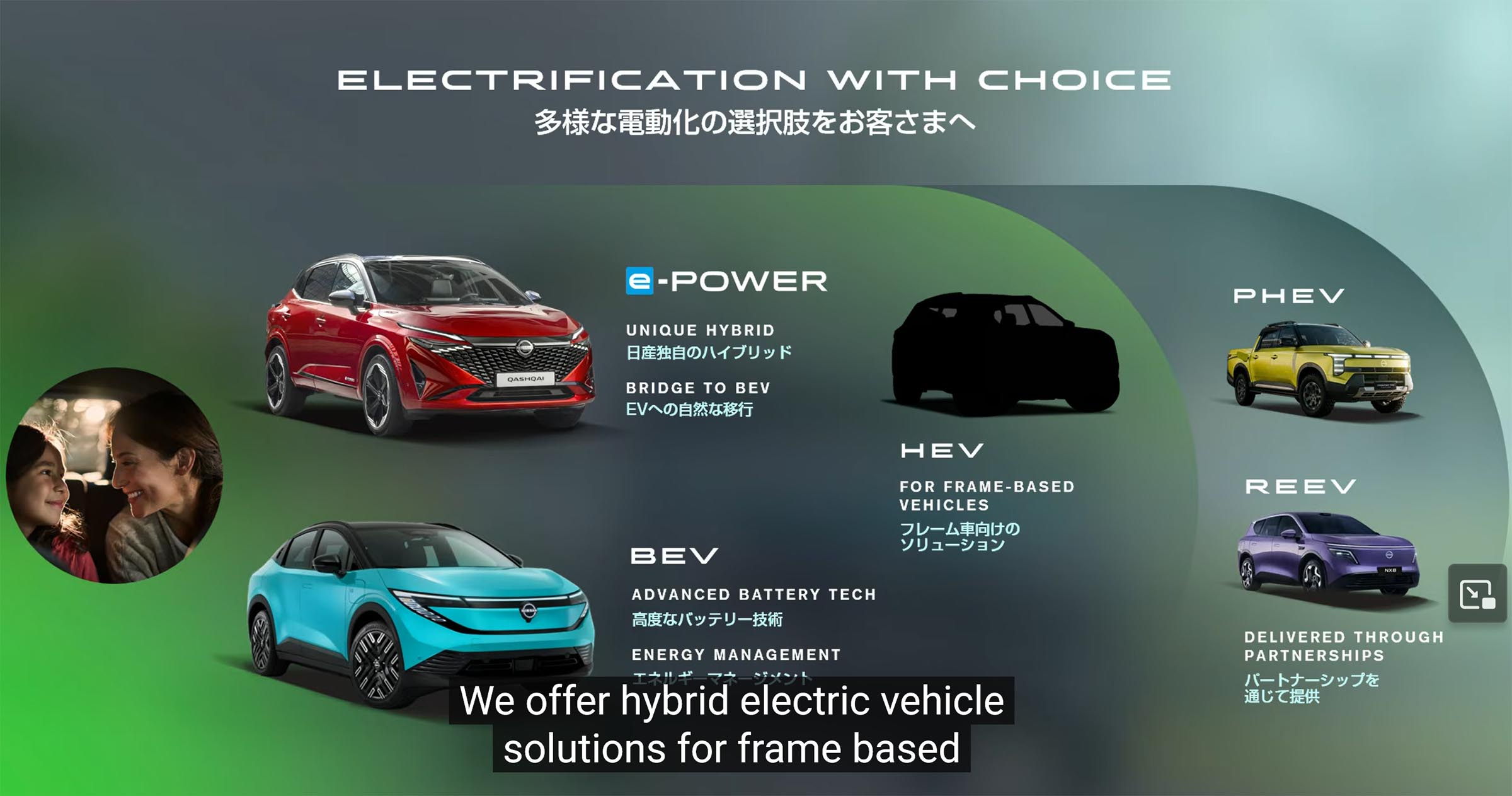 What wasn’t made clear is whether that will include all-electric drivetrains. If anything, Nissan officials were vague as to how they plan to roll out EVs over the life of the latest plan, though there will be new ones. That includes the little Juke which will be sold in Japan solely in battery-electric form.
During the Tuesday presentation, officials did mention that Nissan is working on solid-state batteries, a technology many see as the EV Holy Grail.
“We continue to advance this next-generation technology,” said Chief Technology Oficer Eiichi Akashi, but, unlike some other automakers, he didn’t offer any indication of when solid-state technology might show up in Nissan products. He did, however, say that by “scaling” up its EV production, Nissan is finding ways to bring down the cost of familiar lithium-ion batteries.
Technology
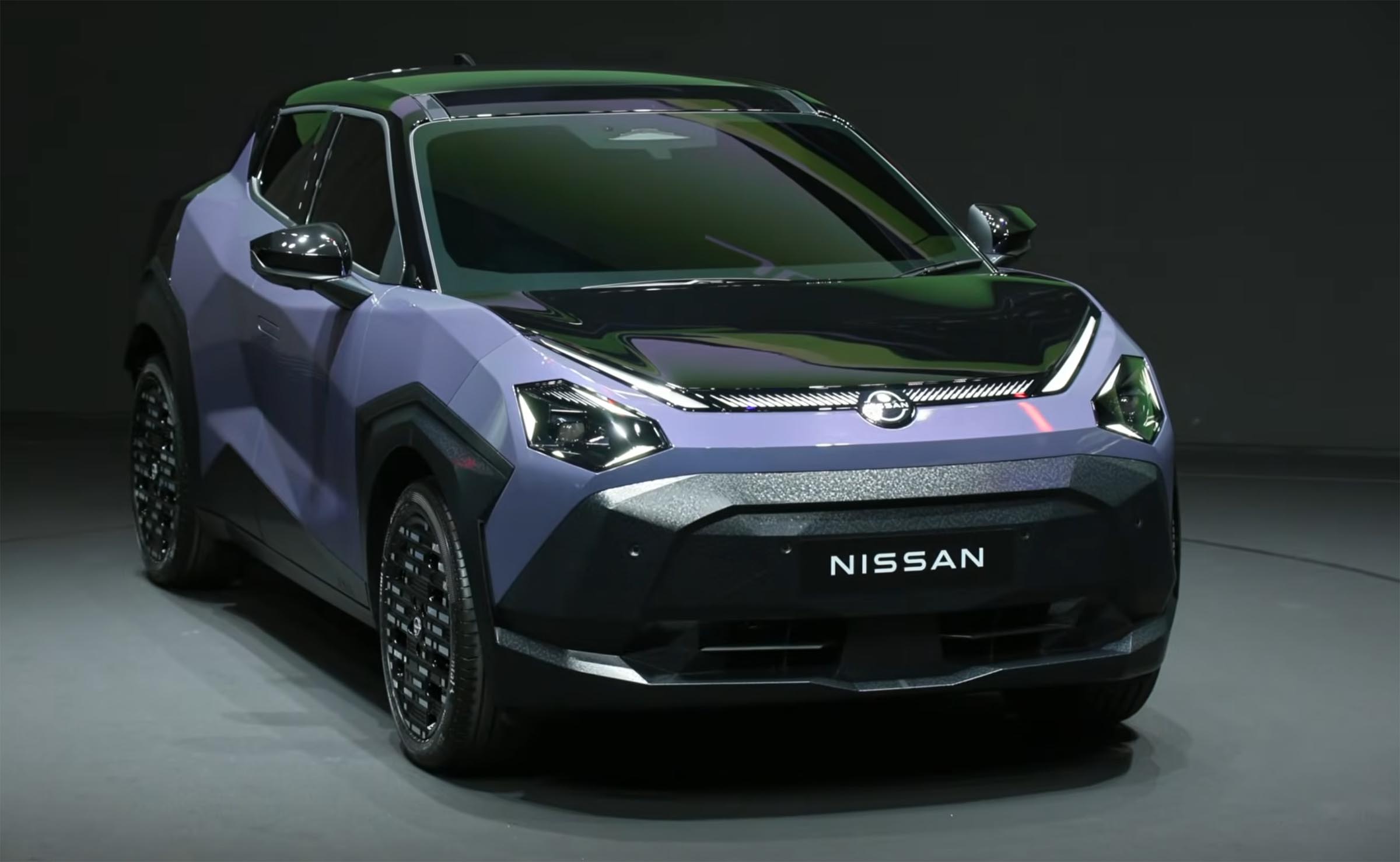
The Nissan Juke will go all-electric.
AI will be critical for Nissan going forward, the company made clear. And it is particularly focused on two areas. That starts with autonomous driving. It is making a major transition in the way its most advanced ProPilot system operates. It currently relies on rules-based programming, requiring software engineers to effectively anticipate every possible scenario and write algorithms to handle such situations. The new approach turns to AI programming which can learn and adopt on the fly, making it easier to handle whatever might occur when traveling from Point A to Point B, even in dense urban traffic.
“We will equip the majority of our line-up with Nissan AI drive technologies, promised Akashi, “with ambition to reach 90% over the long-term.”
Separately, Nissan intends to increase the use of connected car systems to provide a better in-car “experience,” said Akashi.
Smaller is bigger
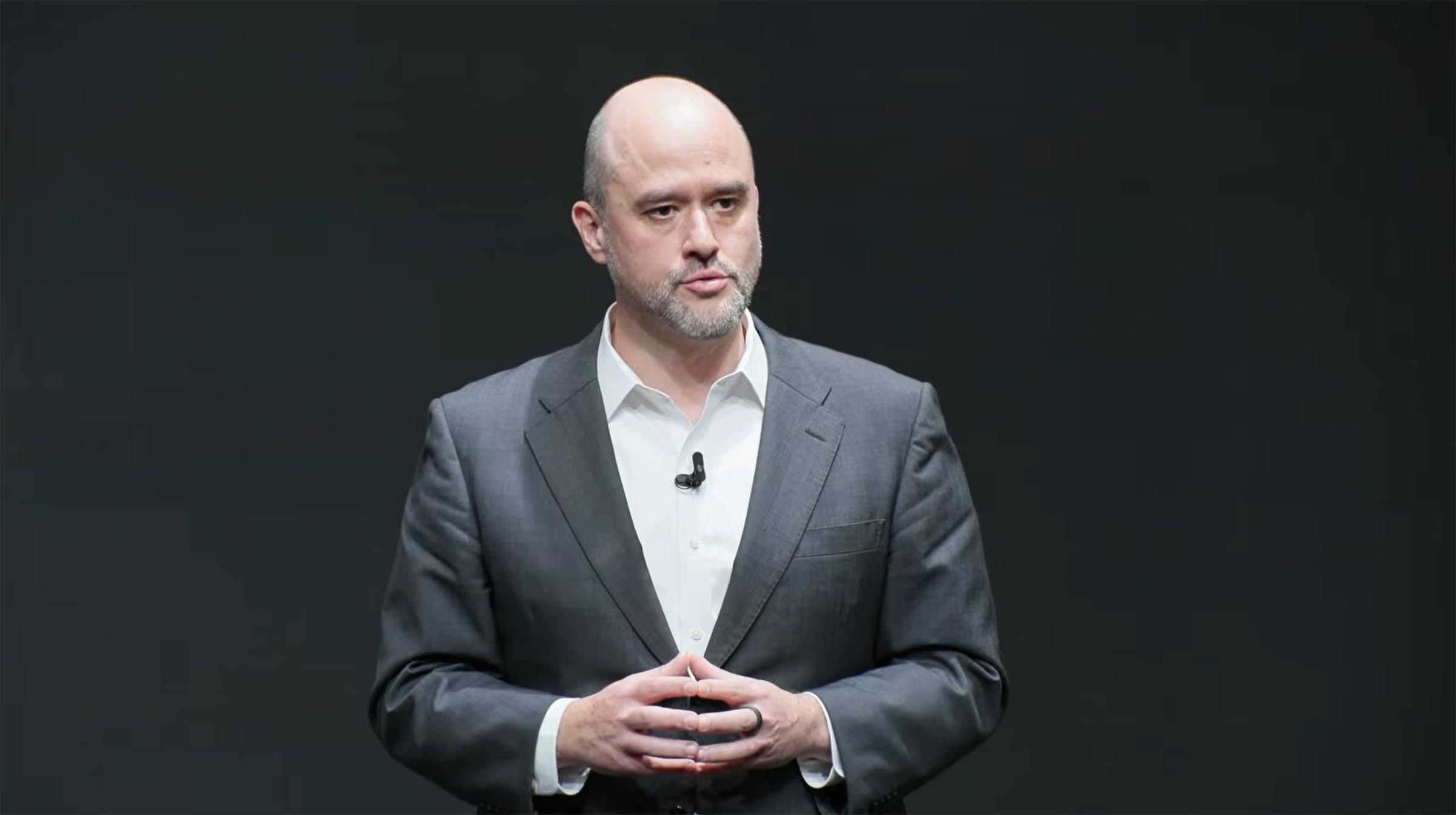
Espinosa wants to move past all the cuts Nissan has been forced to make.
This has been a rough decade for Nissan, beyond the management changes and big deficits the company has run up, the human toll has been significant, with over 10,000 jobs eliminated, many of them at the three assembly plants Nissan has shuttered. That includes its former headquarter factory in Japan.
In one sense, Nissan continues to cut back, eliminating a fifth of its product line-up as part of the latest turnaround plan. But that will help bring the company back “to life, anchored in profitability and built around a leaner, stronger lineup,” promised Espinosa.
By 2030, officials outlined, they expect to see sales rebound to at least 1 million in each of the three key markets, the U.S., Japan and China. Add the rest of the world and it should well exceed the 3.2 million vehicles it delivered in 2025. But that will nonetheless fall well short of the record 5.8 million sales achieved in 2017. If it can make the target profitably, however, that will be a significant achievement considering the troubles Nissan has faced since the beginning of the decade.
0 Comments