
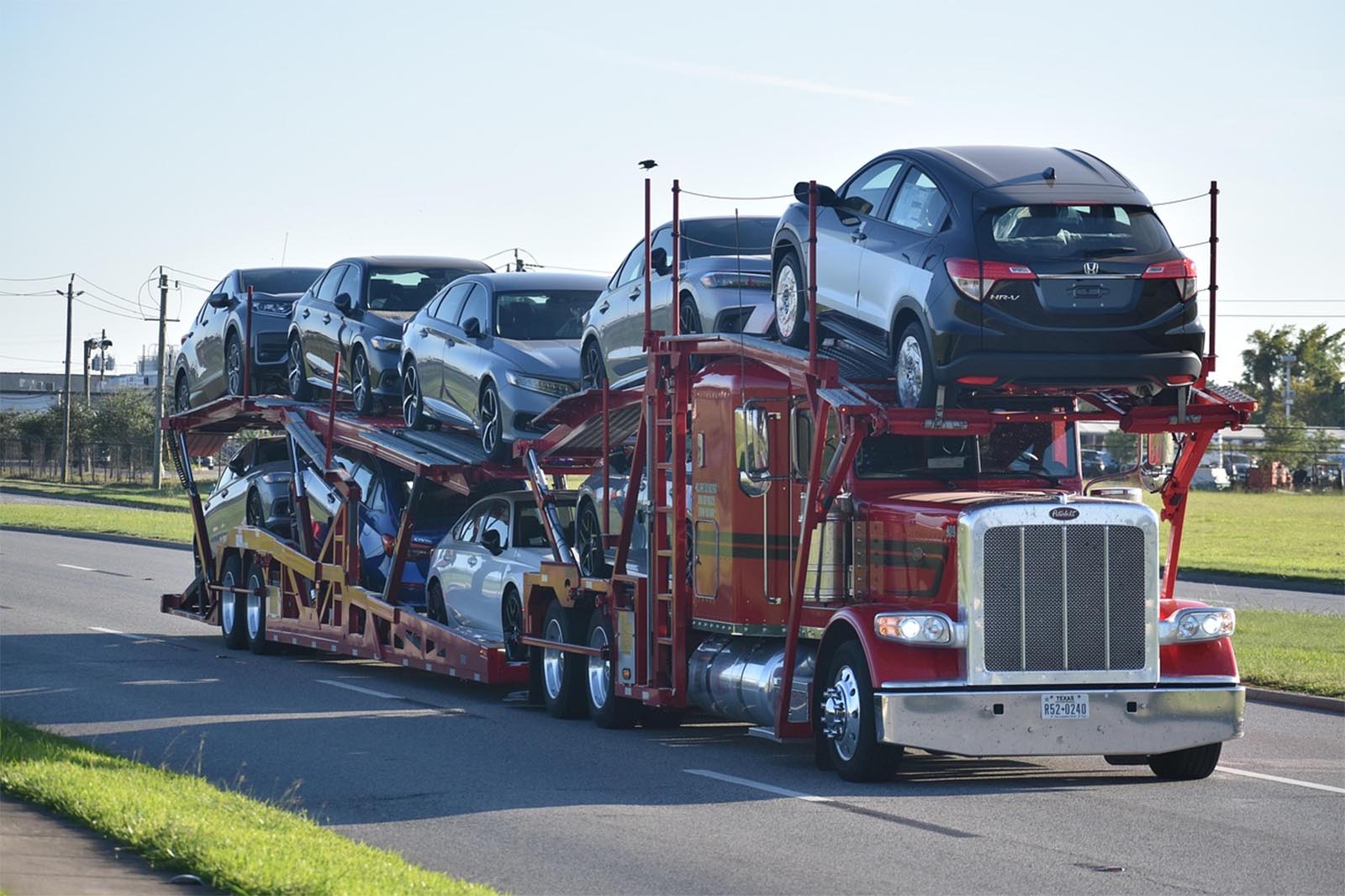
New vehicle prices have been running at record levels over the last several years, and posted another big jump in February. A lot of factors catch blame, including the Trump administration’s auto tariffs. But there’s another factor buyers often overlook: the delivery fees manufacturers tack on – in some cases adding more than $3,000 to a vehicle’s MSRP. Headlight.News has more.

Shoppers are discovering some unexpected price hikes — destination fees reaching record levels.
You’ve found just the right vehicle for what you and your family need, and the price comes in just under the limits of your budget. Or so you thought. But when it comes to figure out what it will take to ink the deal you discover it wasn’t quite the bargain you expected after factoring in some additional fees.
Most notably, you could discover you’ll have to add in anywhere from $1,000 to $3,000 in “destination charges” that have been rising significantly faster than the rate of inflation over the past decade.
“This potentially hefty, non-negotiable fee can cause genuine sticker shock,” noted Consumer Reports in a new study. “Over the past decade, (destination fees have gone) from a minor line item to a significant budget breaker.”
Where’s Amazon Prime when you need it?
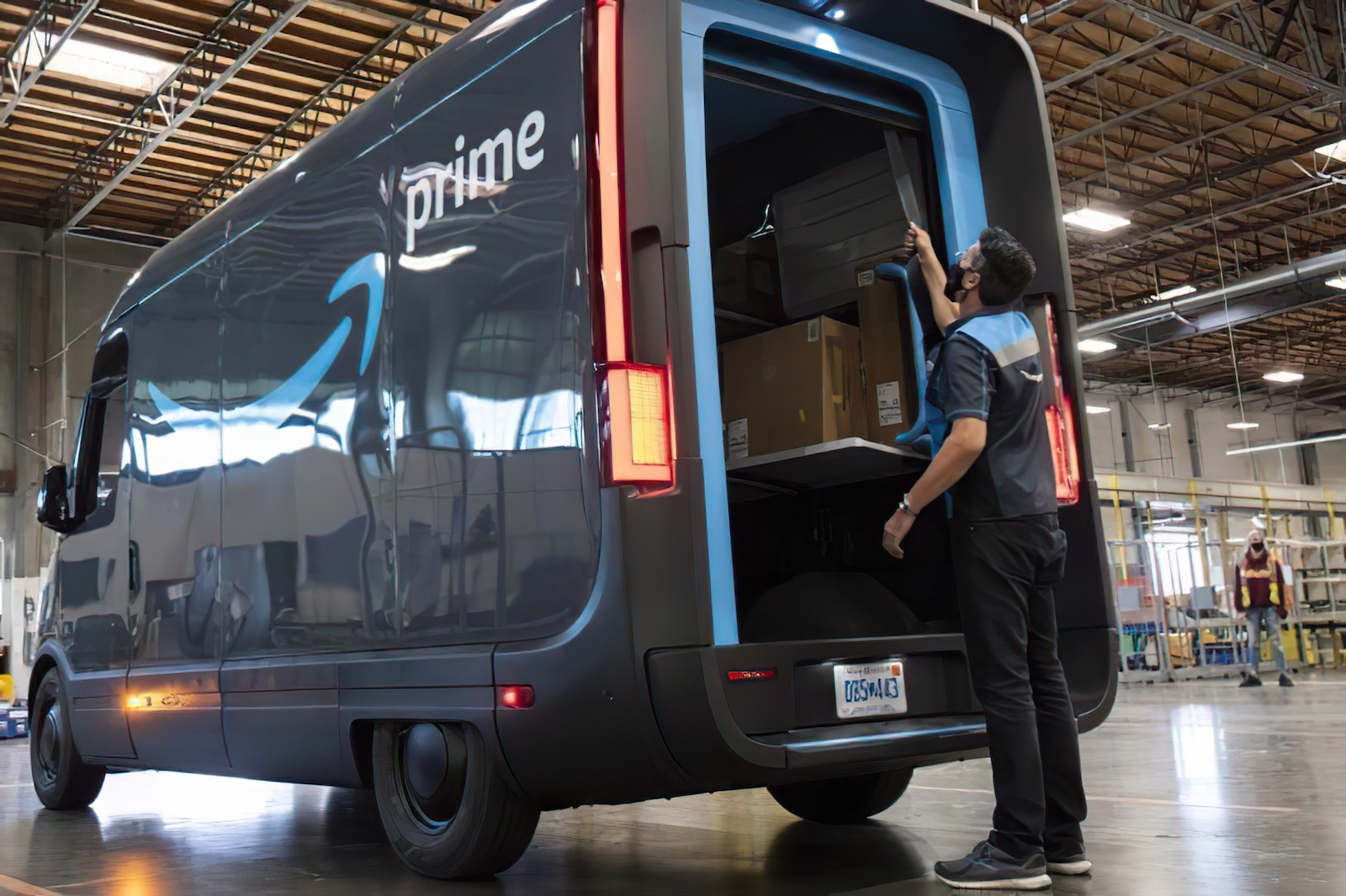
No free shipping when it comes to new vehicles.
The surge in what are often referred to as “delivery fees” comes at the same time as Americans have become increasingly used to getting free delivery for goods purchased online, especially when ordering through services like Amazon Prime or Walmart’s Internet store.
But that’s not the case when it comes to automobiles.
There are a variety of fees buyers need to expect, including title paperwork and taxes. But delivery fees can add up to a significant – and non-negotiable – gut punch. Take a Toyota Corolla LE with a sticker price of $23,520. The $1,195 destination fee is equal to a more than 5% price hike.
The Consumer Reports study found a particularly big jump in destination fees since 2024. At the low end, such charges are up by several hundred dollars – and by more than $1,000 at the high end.
A budget breaker
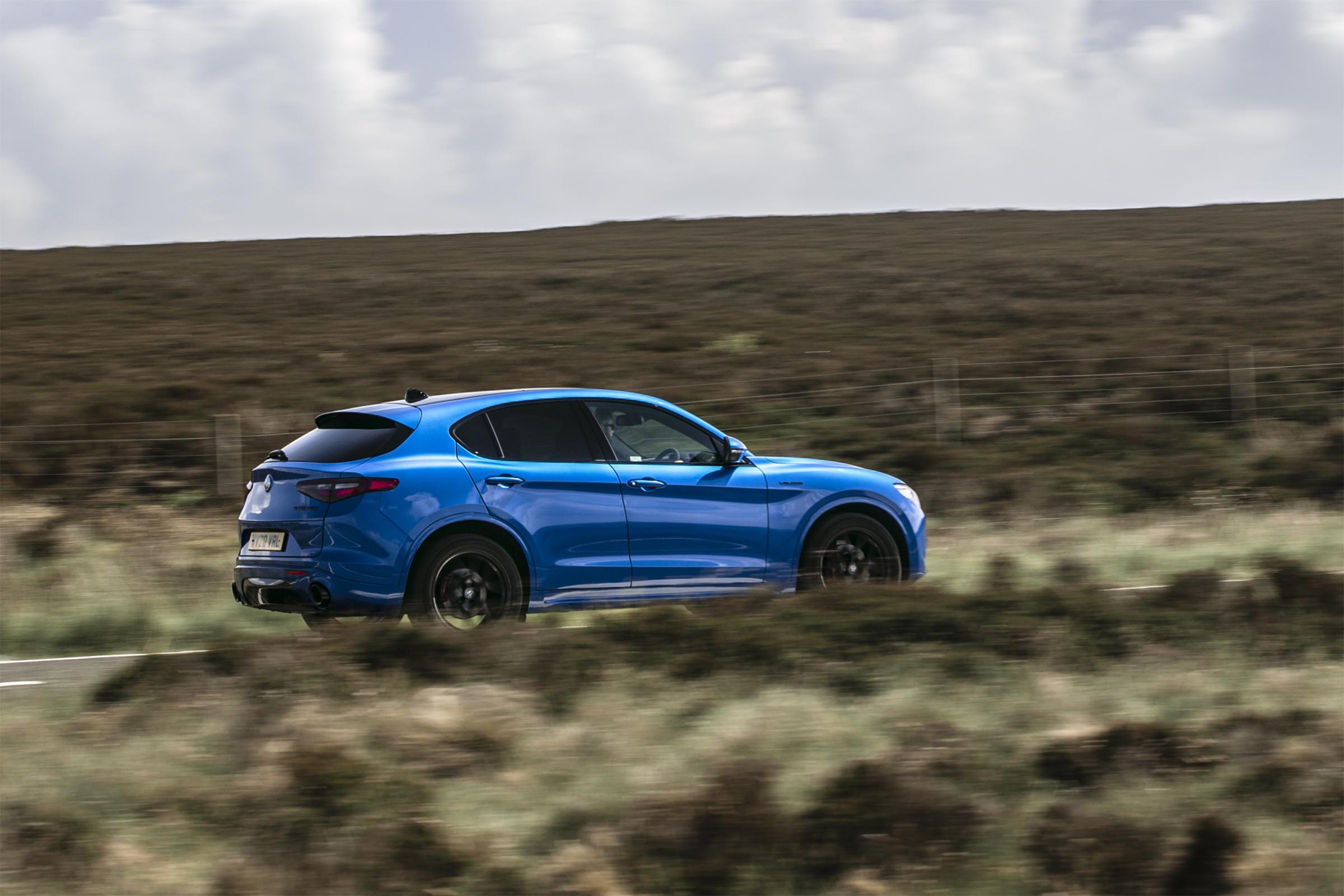
Alfa Romeo now charges $3,250 in destination fees, an industry high.
Clearly, it’s not cheap to ship vehicles, especially those coming from factories abroad. And manufacturers note that today’s vehicles are, on average, both larger and heavier than comparable products were a decade ago.
But destination fees have been rising far faster than that explains, and far faster than the rate of inflation, noted Consumer Reports, editor Jeff S. Bartlett writing, “a 2021 investigation by CR found that these charges often exceed the actual cost for shipping a vehicle.
If anything, destination fees have only gotten more out of control over the past five years. So, why the big jump? Many critics contend this is a way to hide price hikes. They can hold down a vehicle’s MSRP to make it look more attractive, tacking on a bigger destination fee which typically isn’t mentioned in advertising – or even in negotiations at the showroom.
More Auto News
- Iranian War Could Create a New Energy Crisis
- Honda to Follow Toyota, Exporting U.S.-Made Vehicles to Japan
- Ford’s Recall of 4M Trucks Underscores Growing Issue with Onboard Software
What you can expect to pay
Two years ago, destination fees across the auto industry ranged from $995 to $2,095, depending upon product and manufacturer. Now, Consumer Reports noted, it starts at $1,150 and climbs to $3,250.
At the low end of the scale, perhaps surprisingly, is Mercedes-Benz which charges a relatively affordable $1,150 for all of its passenger cars and SUVs. BMW also has a flat $1,175 destination fee for its entire line-up. Most manufacturers base these fees on the type of vehicle or the individual nameplate. Most Toyota passenger cars come in at $1,160, though you’ll pay more for its SUVs and pickups.
Perhaps surprisingly, there are no domestic brands on CR’s list of the 10 lowest destination fees. But they account for nine of the 10 highest, topped only by Alfa Romeo which has a whopping $3,250 fee for its product line. Cadillac’s big Escalade family comes in just behind at $2,895.
What can you do about high destination fees? Not much. As noted, they’re considered non-negotiable – though you might push back harder for a better discount on the vehicle itself. For its part, Consumer Reports said it “is calling for rules requiring automakers to include destination charges in their advertised and online prices—and not just buried in footnotes.”





At least in California, I believe the destination charge is on the window sticker, so it’s in the MSRP of the car.