
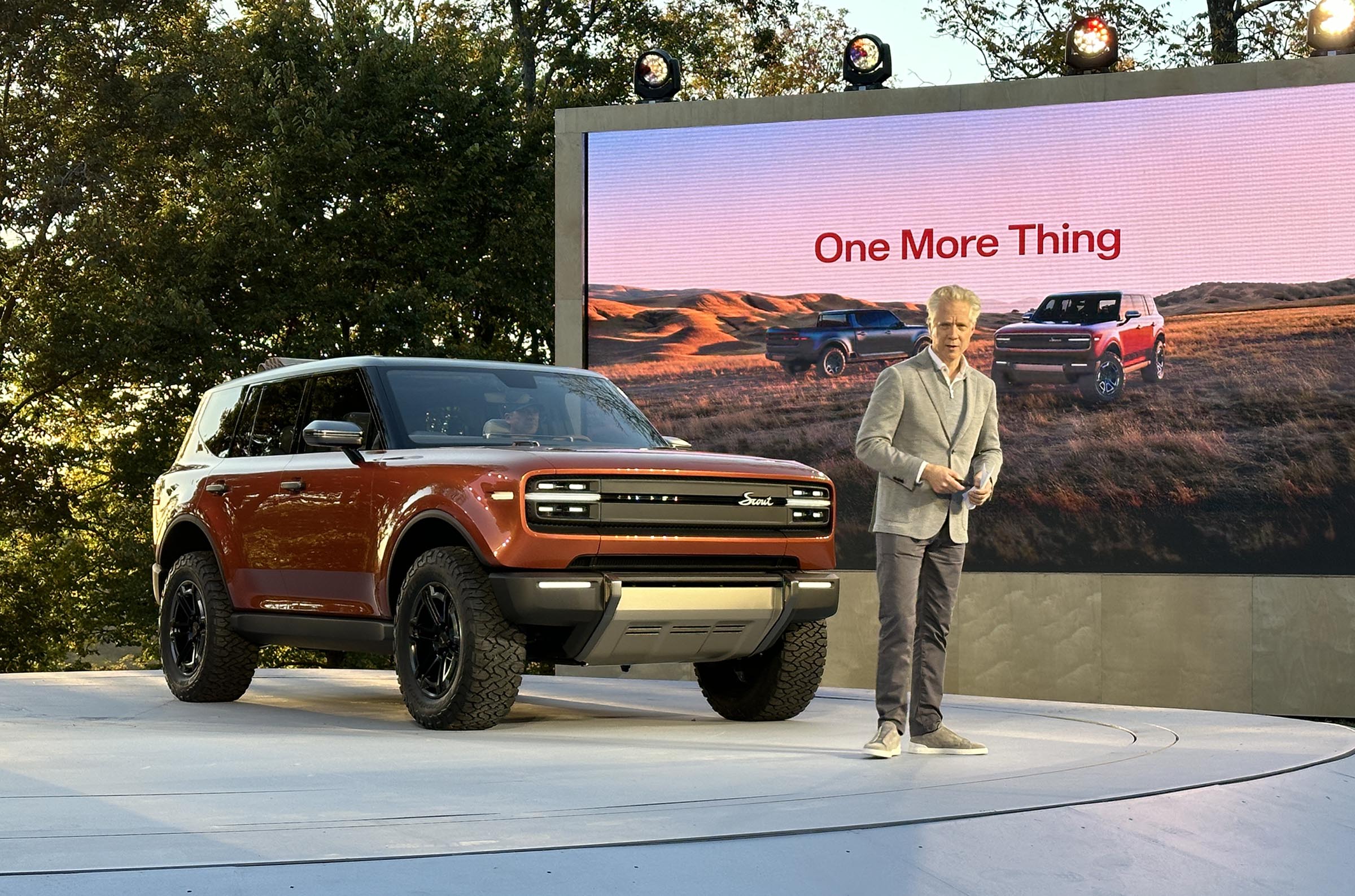
Scout Motors, the electrified vehicle brand the Volkswagen Group is set to bring back to life, faces an assortment of lawsuits aimed at preventing it from selling direct to consumers, the approach embraced by rival start-ups Tesla, Rivian and Lucid. Headlight.News looks at who’s suing Scout and why.
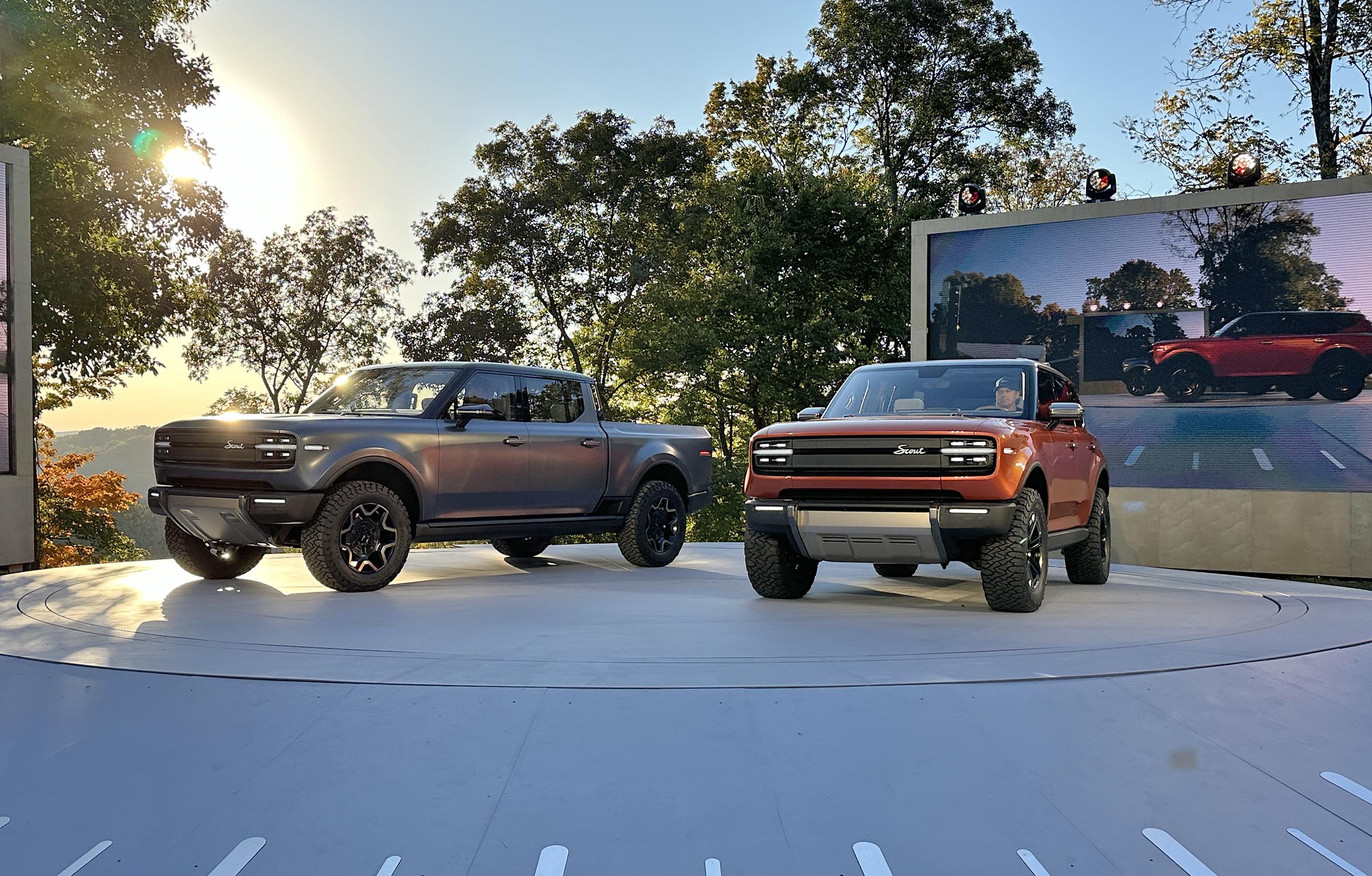
VW is setting up a second U.S. plant for the new Scout brand which will launch two models, Terra and Traveler.
When Scout launches its first new products next year, reviving a brand that’s been out of production for nearly a half century, it intends to skip the industry’s traditional approach to retailing. Rather than set up a network of franchised dealers, Scout plans to market directly to consumers.
That strategy hasn’t gone down well with various dealer organizations, however, and they’re taking steps to prevent that from happening. Two dealer groups, one based in New York, the other in Connecticut, are the latest to file suit hoping to force Scout’s parent, the Volkswagen Auto Group, to stick to the century-old automotive playbook.
The lawsuit filed in U.S. District Court in Virginia essentially claims that, as part of the VW umbrella, Scout should be sold according to the language of existing dealer franchise agreements. In other words, through those two Volkswagen dealers and others around the country.
Breaking the old model
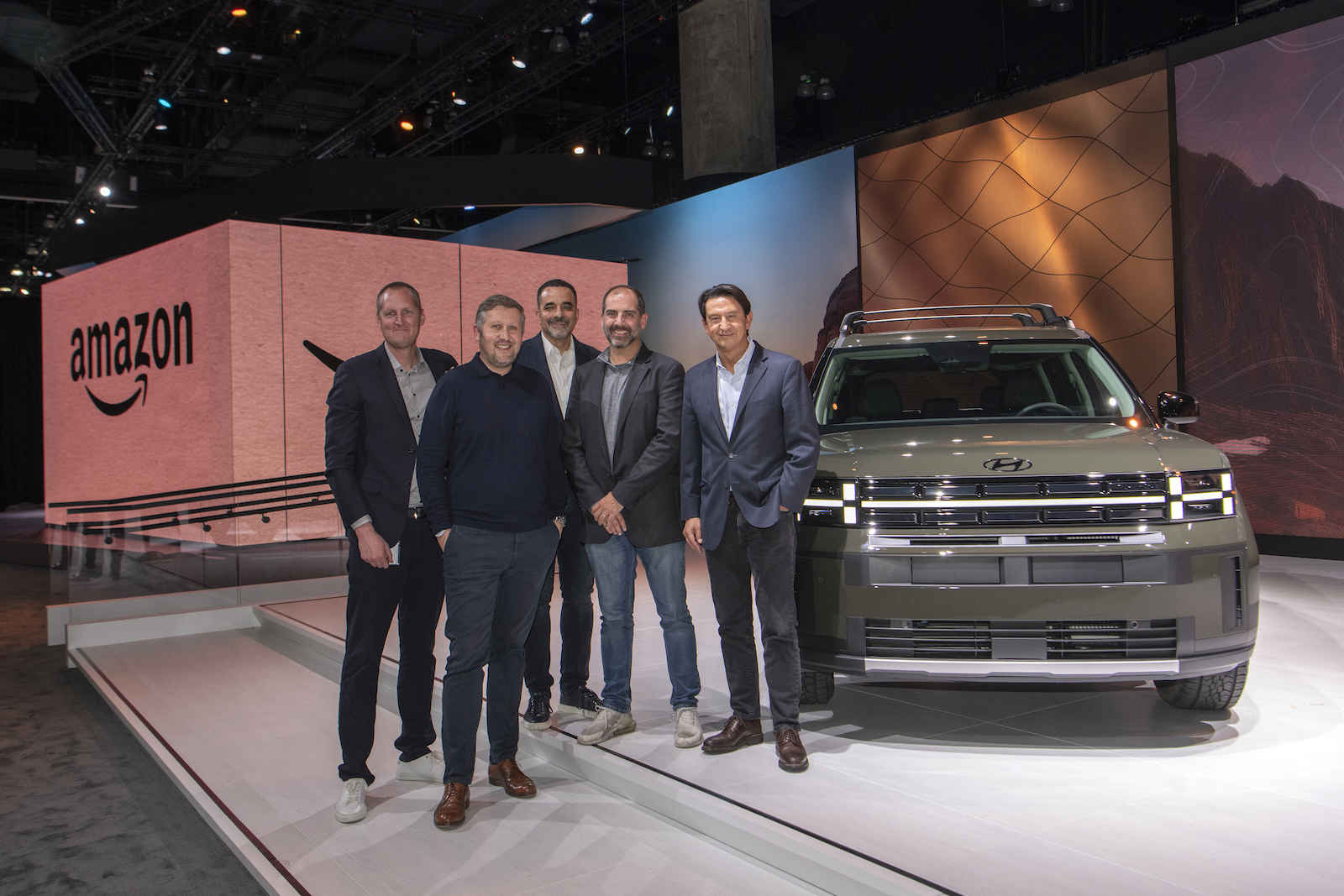
Hyundai has teamed up with Amazon, allowing potential buyers to check out its products online.
Depending upon whom you listen to, the classic dealer model is either the best thing to happen to the auto industry – or the worst. Proponents say it provides automakers with local representatives with ties to the community who put up their own money and handle the sort of day-to-day business challenges that could overwhelm a manufacturer.
Critics contend the franchise model is outdated and costly, adding thousands of dollars to the price tag of each new vehicle. They also point to long-running surveys citing the buying process as the most disliked part of vehicle ownership.
Over the decades, a number of manufacturers have sought out alternatives, in some cases operating factory-owned stores or even looking at the prospect of selling direct to shoppers online. Such approaches have failed to gain traction, companies including Ford eventually selling off factory stores. A handful of online retailing efforts have had modest success – Hyundai, for example, is partnering with Amazon. But its program, launched in 2024, still involves dealers who effectively close the sale and deliver the vehicle, taking a share of revenue in the process.
Tesla changes the game
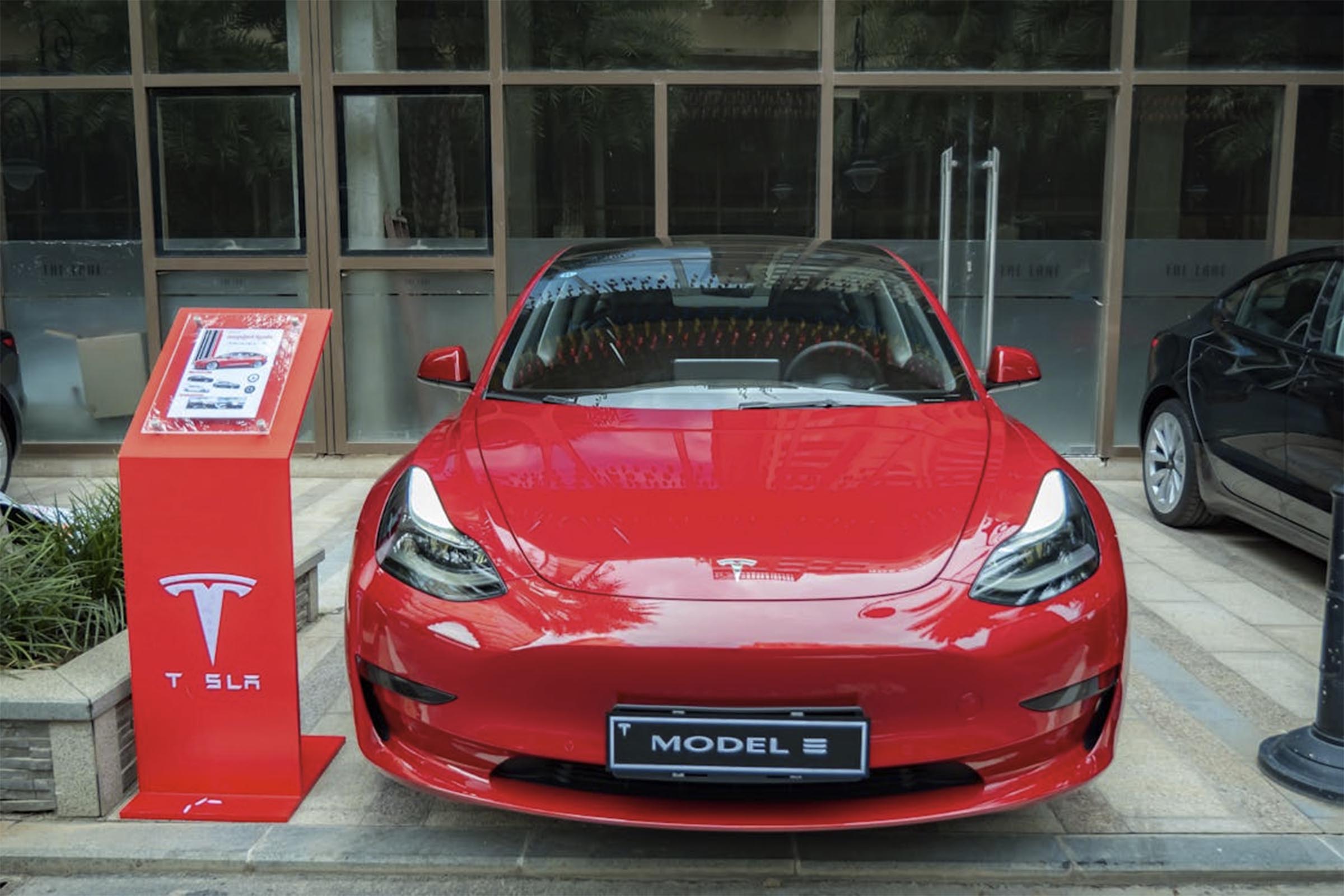
Tesla is still locked out of 14 U.S. states due to franchise laws.
The most significant shift occurred when Tesla began its nationwide rollout, the company determined to avoid the franchise model. It faced significant pushback, both in the form of lawsuits and regulatory restrictions, most states having put in place strict laws requiring independent dealers serve as the retail face for the auto industry. Since it was starting up from scratch, Tesla won concessions in a number of states but still is barred from directly selling its products in 14 others, including Alabama, Connecticut, Iowa, New Mexico and Texas.
Rivian and Lucid, two other EV start-ups, have since copied Tesla’s approach and have been able to set up their own direct-sales models in some states. Now, Volkswagen is hoping to do the same thing.
The German automaker acquired Scout in 2024 and announced plans to bring it back to life as an all-EV brand – though it has since added plans to sell extended-range electric vehicles, as well. Scout was originally founded in 1960 by the old International Harvester, which eventually became part of Navistar. but the brand was abandoned in 1980, ironically, just before the SUV surge began.
More Auto News
- Iranian War Raises Spectre of New Energy Shock
- New Study Finds Drivers Can Be Tracked Using Their Vehicle Tire Sensors
- Ford’s Recall of 4M Trucks Underscores Growing Issue with Onboard Software
Independent or not?
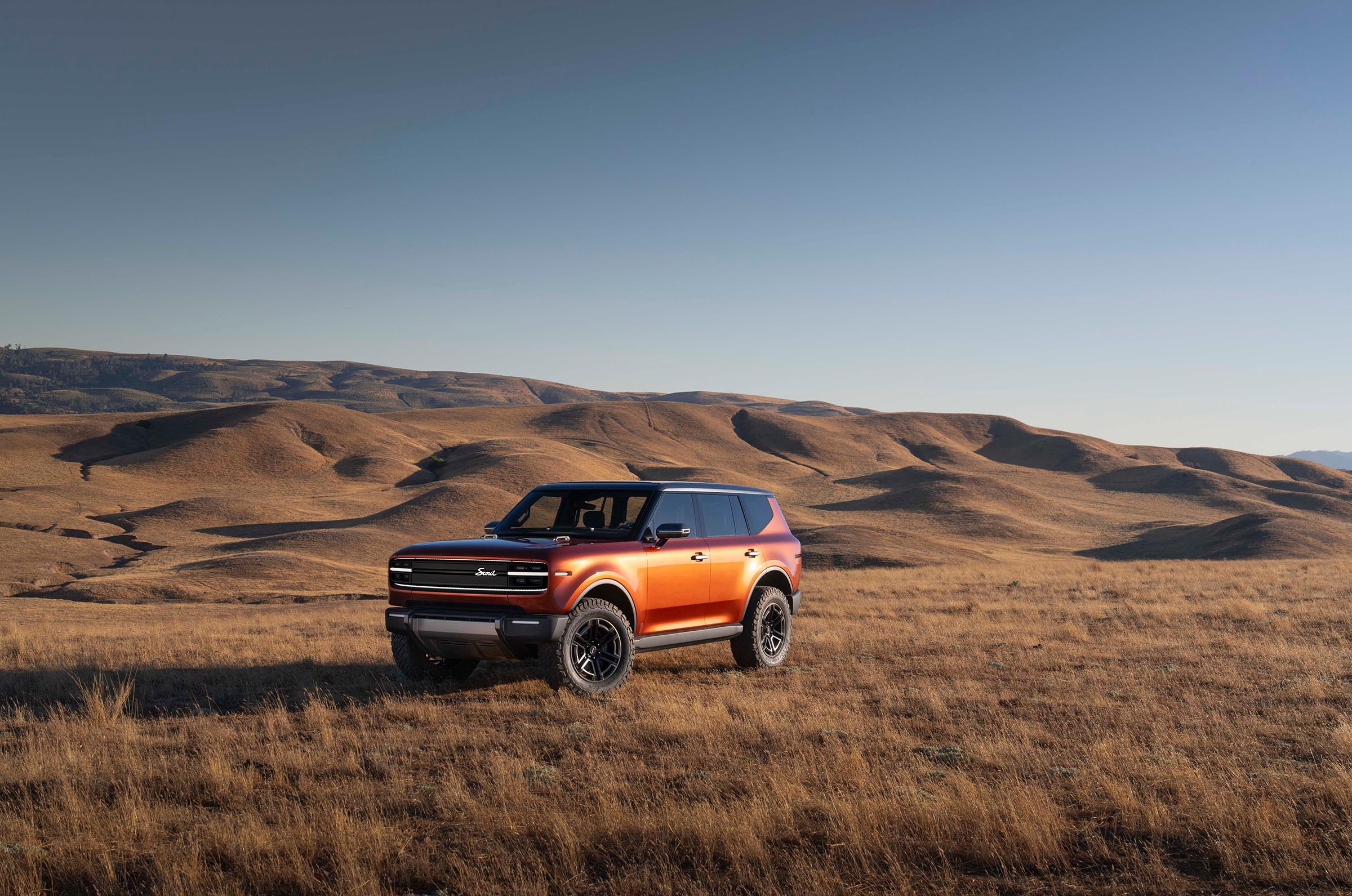
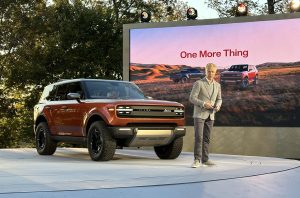
The concept version of the Scout Traveler.
VW has positioned Scout as an independent company, a move it believed would mean it’s not subject to the dealer agreement the German parent has with its U.S. dealers. And that’s the nub of the new lawsuit – and others previously filed in states including Colorado, Florida, and South Carolina.
“Dealers sell 90 to 95% of the cars in America,” Scout CEO Scott Keogh said during a Bloomberg conference in San Francisco two months ago. “They have a massive footprint. They’ve treated customers well. They’ve done great things.” But for Scout, he stressed, the company wants to try “an alternative” approach.
The reborn brand is already taking advance $100 reservations for its Traveler SUV and Terra pickup from potential customers across the country. It’s won a license to set up its own stores in Colorado. But one of the lawsuits is aimed at reversing that decision. Others preemptively seek to lock out Scout as it seeks approval in other parts of the U.S.
VW’s approach is nothing but a “shell game,” declared Leonard Bellavia, a dealer franchise attorney representing Volkswagen of West Islip in New York and Curran Volkswagen in Stratford, Connecticut. “We feel we have a viable legal case to get an injunction and also damages for the lost business opportunities to the franchise dealers across the country.” The case is being positioned to turn into a class action.
Volkswagen has routinely refused to comment on such litigation. But Keogh has repeatedly indicated that the Scout brand is moving forward with plans for a 2027 production launch and the debut of its direct sales model.
0 Comments