
This story first appeared on TheCarCollective.substack.com. Click Here to check it out.
You may find a number of once popular products absent from showrooms as we enter the 2027 model year.
The headwinds are blowing hard, automakers struggling to cope with tariffs, soaring fuel costs, record high prices and weakening consumer demand. That has them taking a sharp knife to their vehicle lineups. A number of nameplates that can’t carry their own weight are going away as we wrap up the 2026 model year.
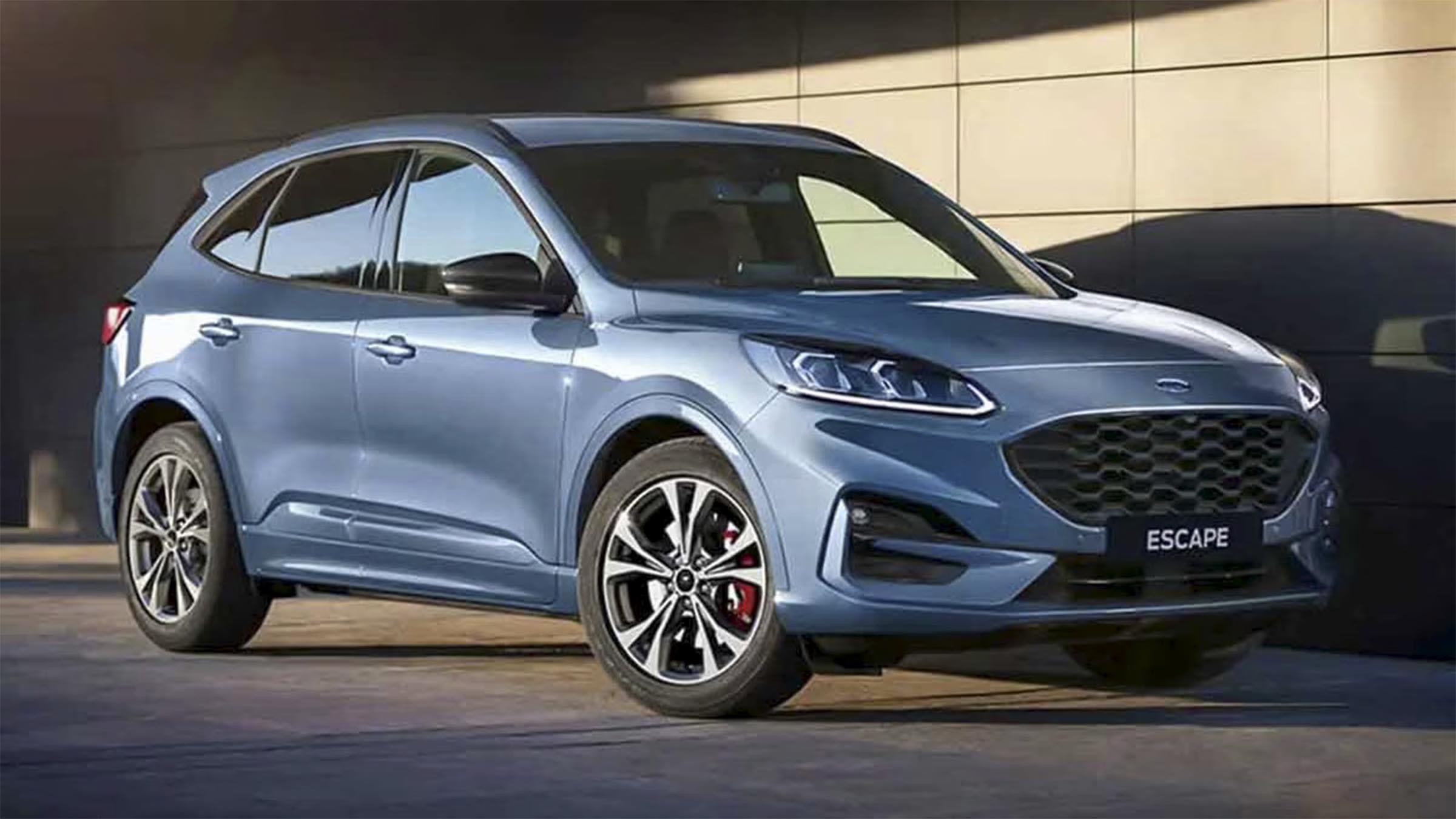
The list includes some once-popular models, like the Ford Escape; products that helped establish a brand, including the Tesla Model S; and models that simply failed to find a market, such as the Honda Prologue.
It’s normal to see some product lines dropped each year, but the 29 we’ve counted so far marks an unusually high retrenchment. Here’s a lit of the nameplates that won’t make it into the 2027 model year.
 Acura RDX
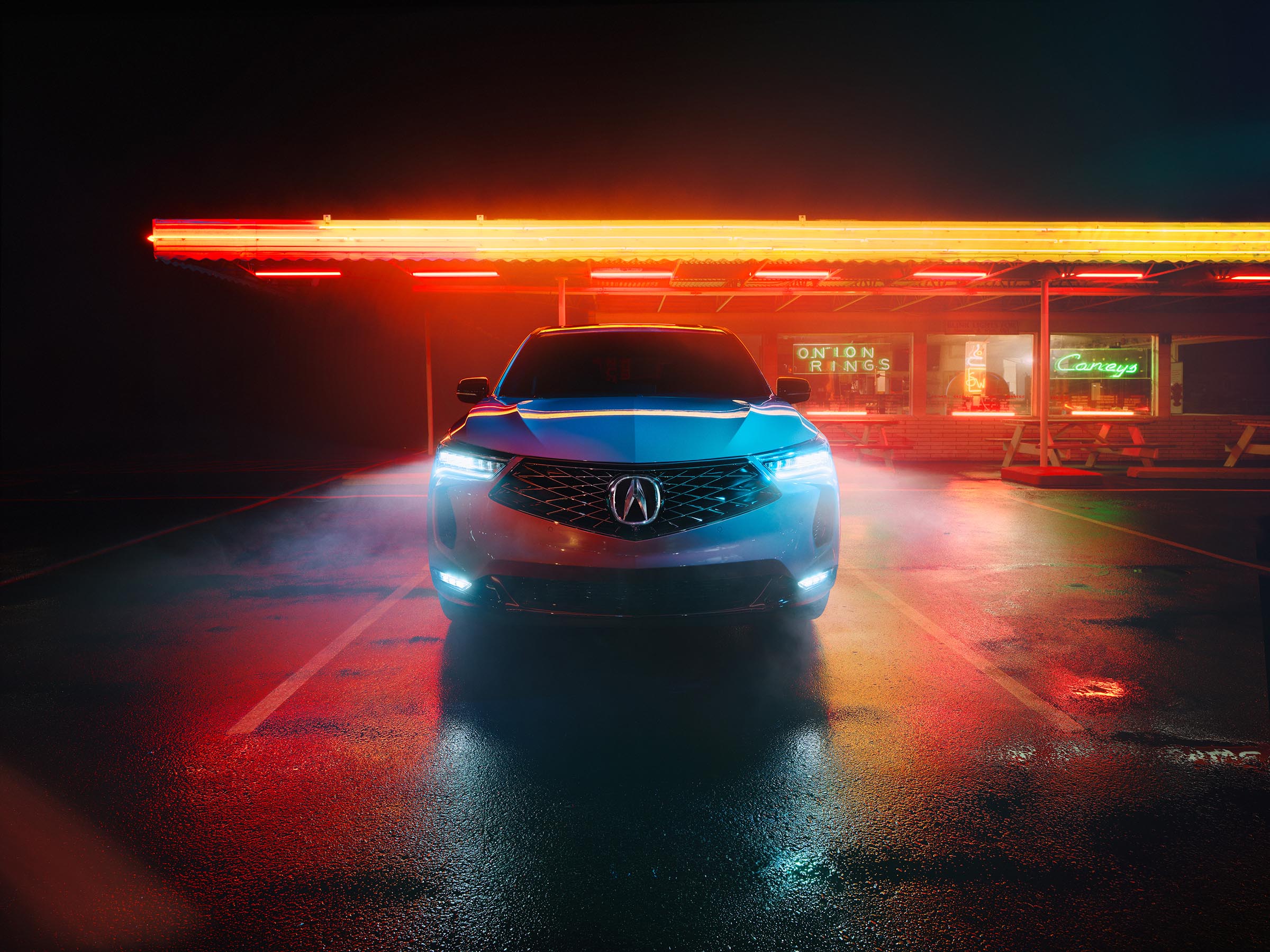
It was pitched as “the most premium RDX we’ve ever made,” according to Mike Langel, assistant vice president, Acura National Sales. But the compact crossover failed to deliver the sort of numbers Honda’s luxury arm had anticipated. While it will be gone for the 2027 model year the nameplate is set to return to life, Lazarus-like, with an all-new version promised to debut in 2028.
 Audi RS7
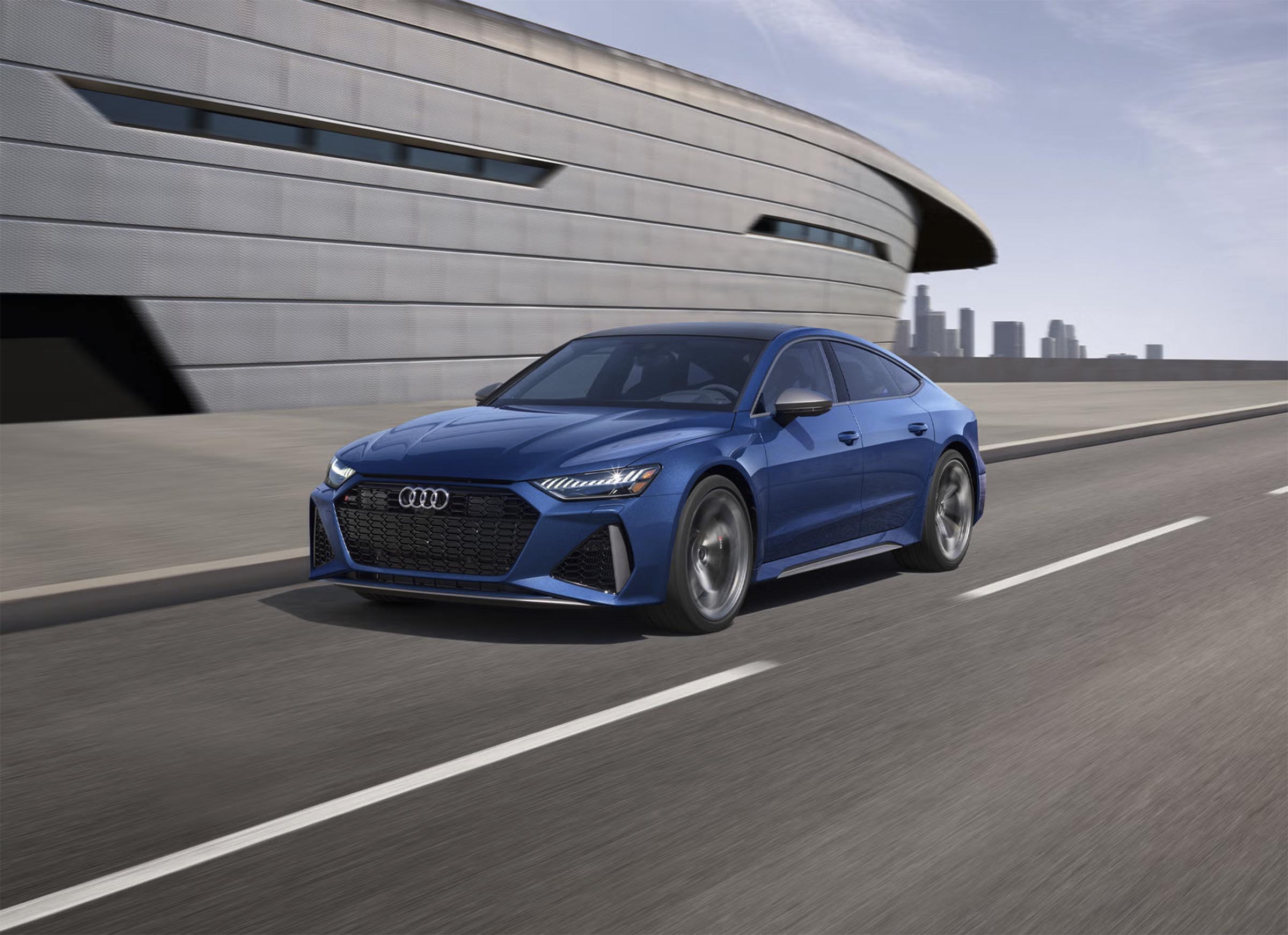
With its long hood, sharply raked windshield, and sleek, coupe-like roofline, the Audi A7 was a breakthrough design for the German brand when it debuted in 2010. But with sedan sales steadily declining, Audi has repeatedly pared back the line-up, leaving just the high-performance RS7 available in 2026. And that package will vanish, as well, as the model year draws to a close.
 BMW 8-Series
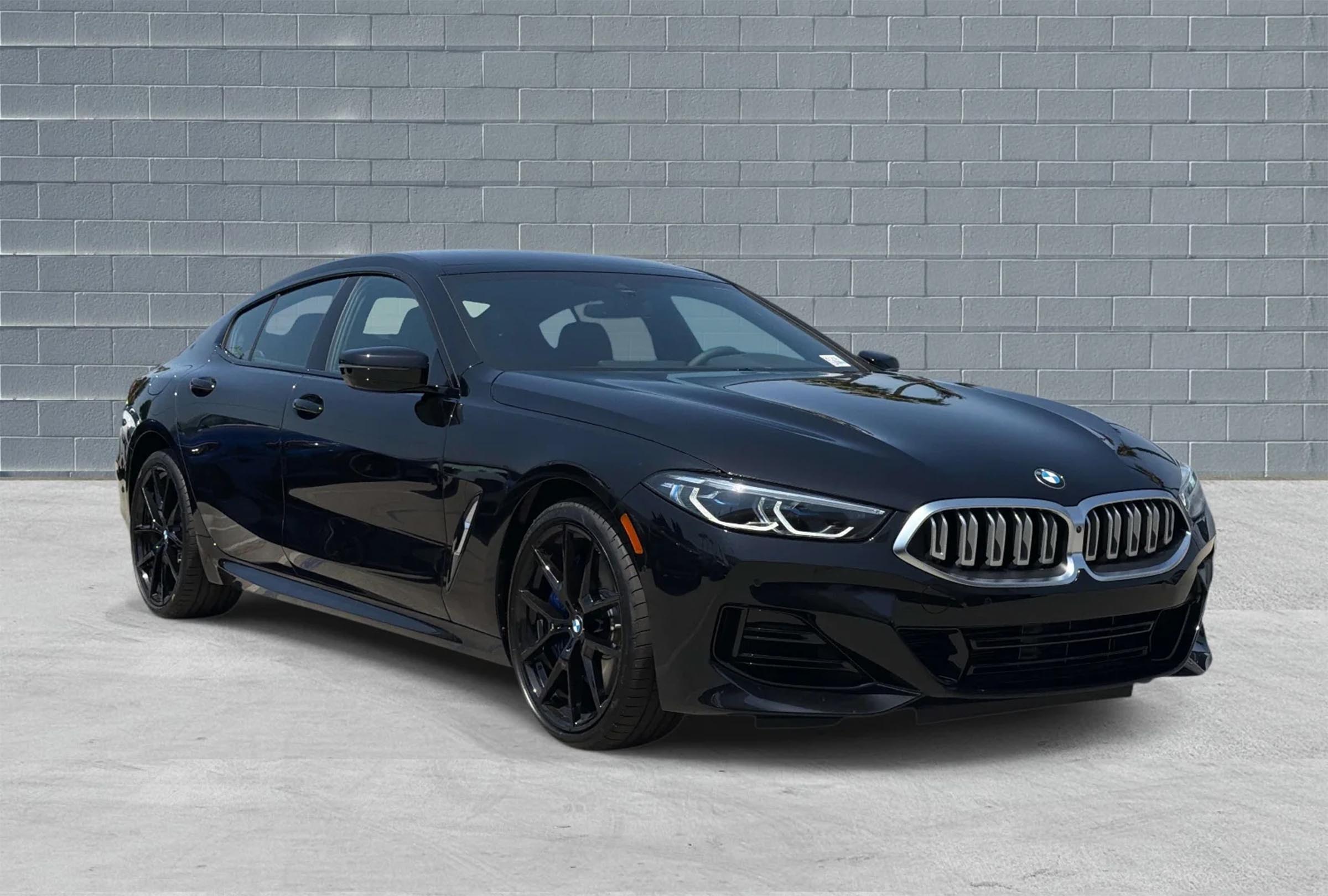
Meant to serve as the brand’s styling and luxury flagship, the sleek 8-Series came along at the wrong time, finding a steadily dwindling market for passenger cars. The Bavarian automaker certainly tried to maximize the 8-Series’ appeal by offering it in a variety of configurations, including coupe, coupe/sedan and convertible, but despite the brand’s overall sales surge, buyers opted for BMW’s crossovers, instead.
 BMW iX
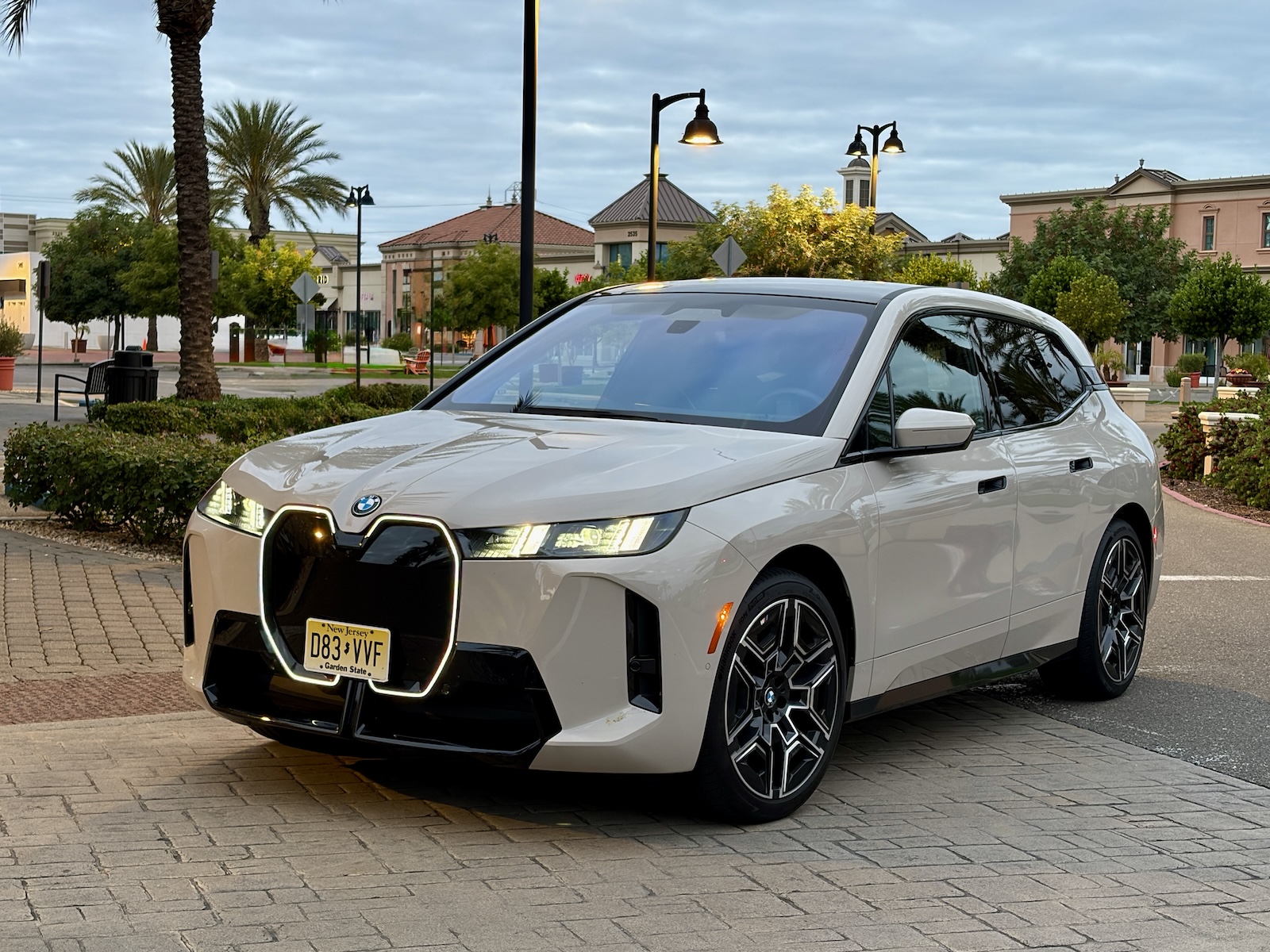
The Bavarian brand was an early entrant in the EV market and the iX was a second-wave entry that delivered improved range and performance, while adding more luxury accoutrements. That didn’t seem to help, especially considering the crossover’s awkward design. For those who still want a BMW battery-electric vehicle, however, the brand has a number of newer entries carrying on in the 2027 model year.
 BMW Z4
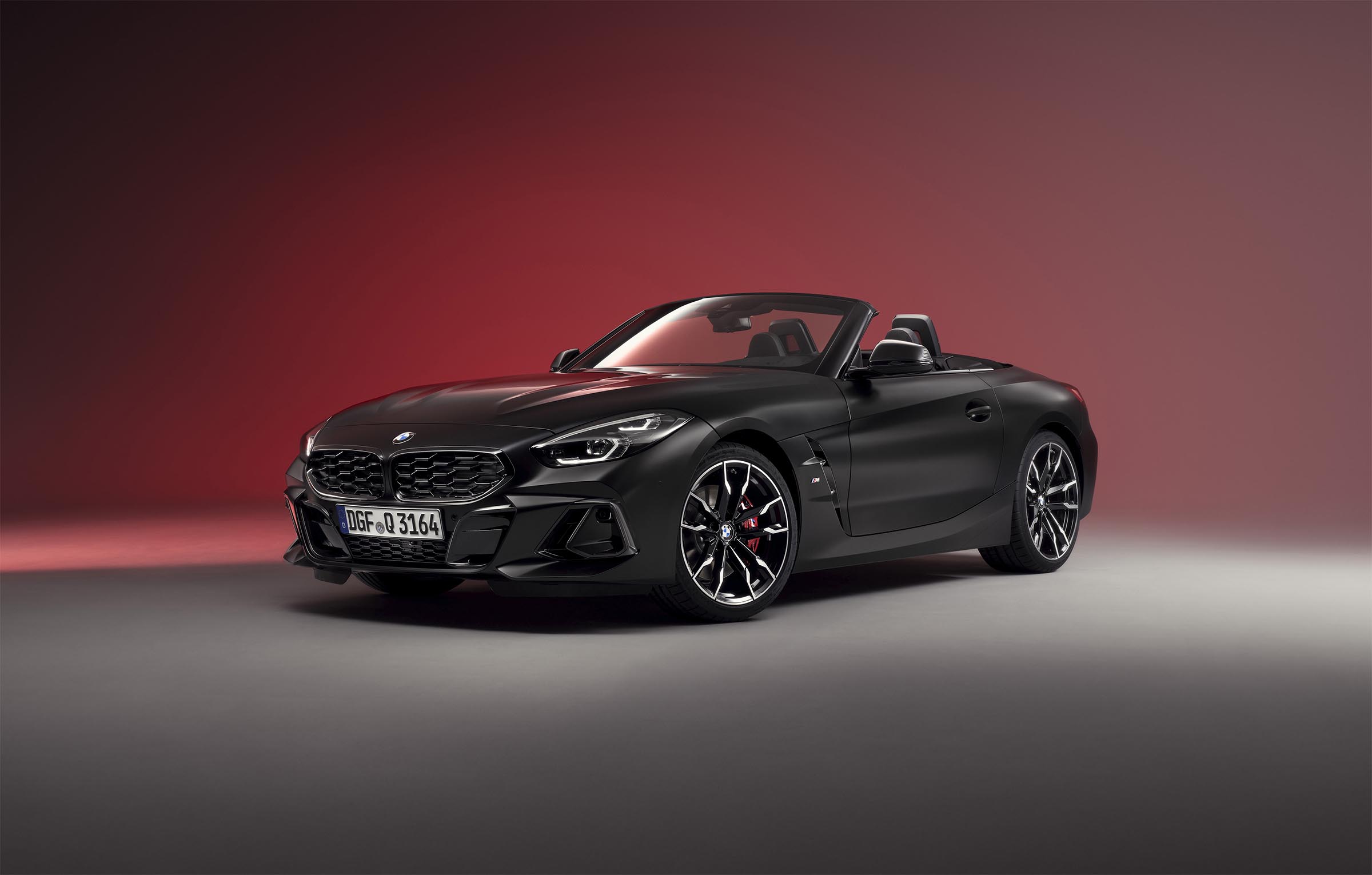
First launched in 2024 in roadster form, the Z4 was the successor to the original Z3, part of a wave of sporty German entries aiming to create a more upmarket alternative to the plebian Mazda Miata. Sales declined over the years and BMW turned to Toyota, the two partnering on a pair of sporty products. But with the Toyota Supra now gone there was no business case to maintain the BMW Z4.
 Cadillac CT4
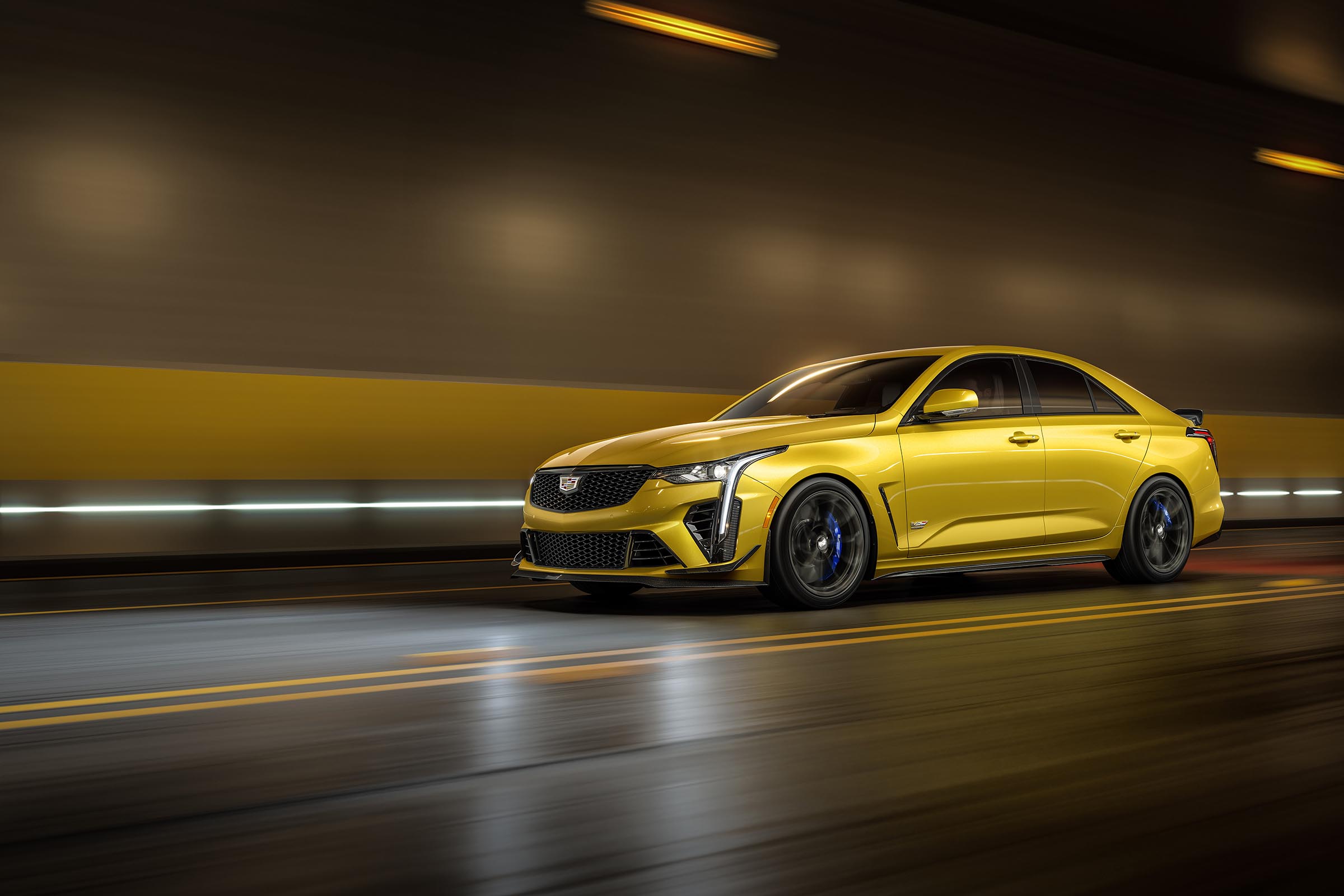
We’re in the third decade of the Cadillac “renaissance,” the Detroit luxury brand’s bid to regain its position as a serious competitor to luxury imports BMW, Lexus and Mercedes-Benz. The effort began in 2003 with the original CTS – which begat two current models, including the compact CT4. While a bit short on upscale features, its drive dynamics did manage to win praise in a dwindling sedan market.
 Cadillac CT5
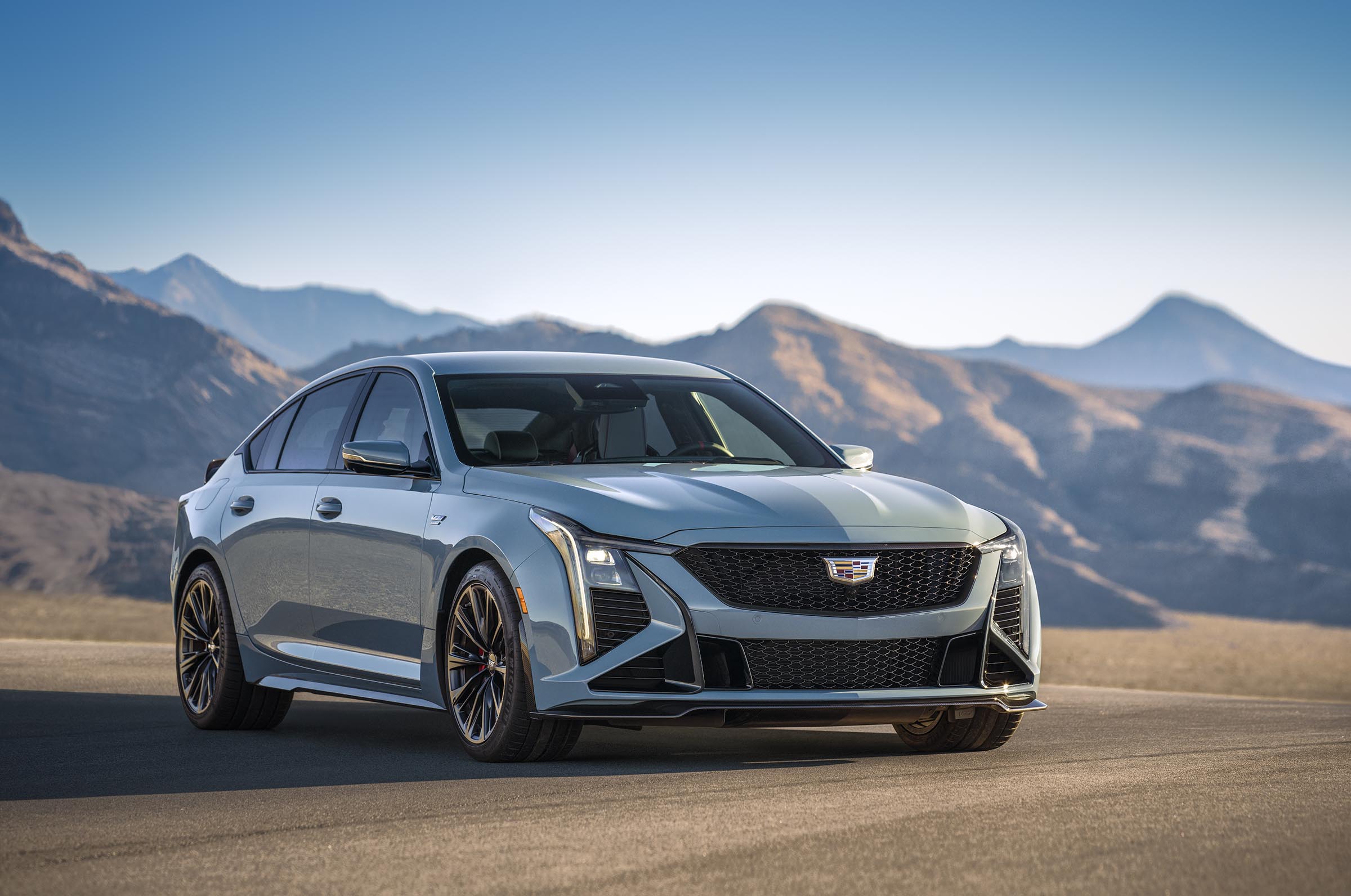
The CT5 was closer in size and stature to the once-beloved CTS sedan. It has likewise won kudos for its sporty ride and, in particular, the awesome performance of the 668-hp supercharged Blackwing package. But, like the rest of the General Motors family, Caddy has been putting emphasis on crossovers (and EVs) and CT5 disappears as 2027 approaches – though there are hints from inside a new package will follow.
 Chevrolet BrightDrop
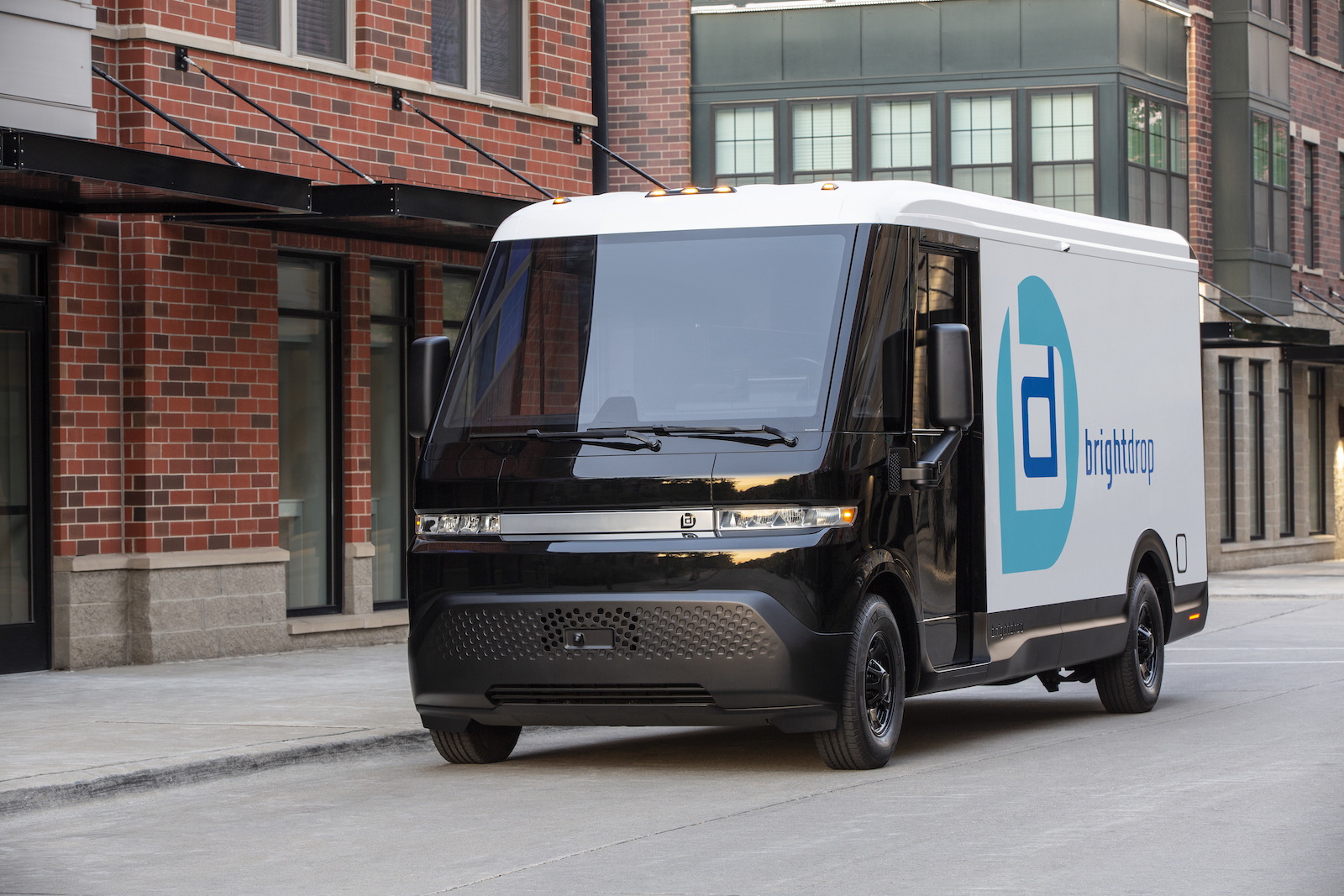
Odds are high that the van bringing your next Amazon Prime delivery will be battery-powered. Indeed, many experts continue to believe the last-mile delivery segment will be the biggest opportunity to go all-electric. GM certainly thought so as it launched BrightDrop first as a standalone van brand, then rolling it under the Chevy umbrella. But demand wasn’t as bright as expected and the project has been unplugged.
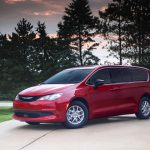 Chrysler Voyager
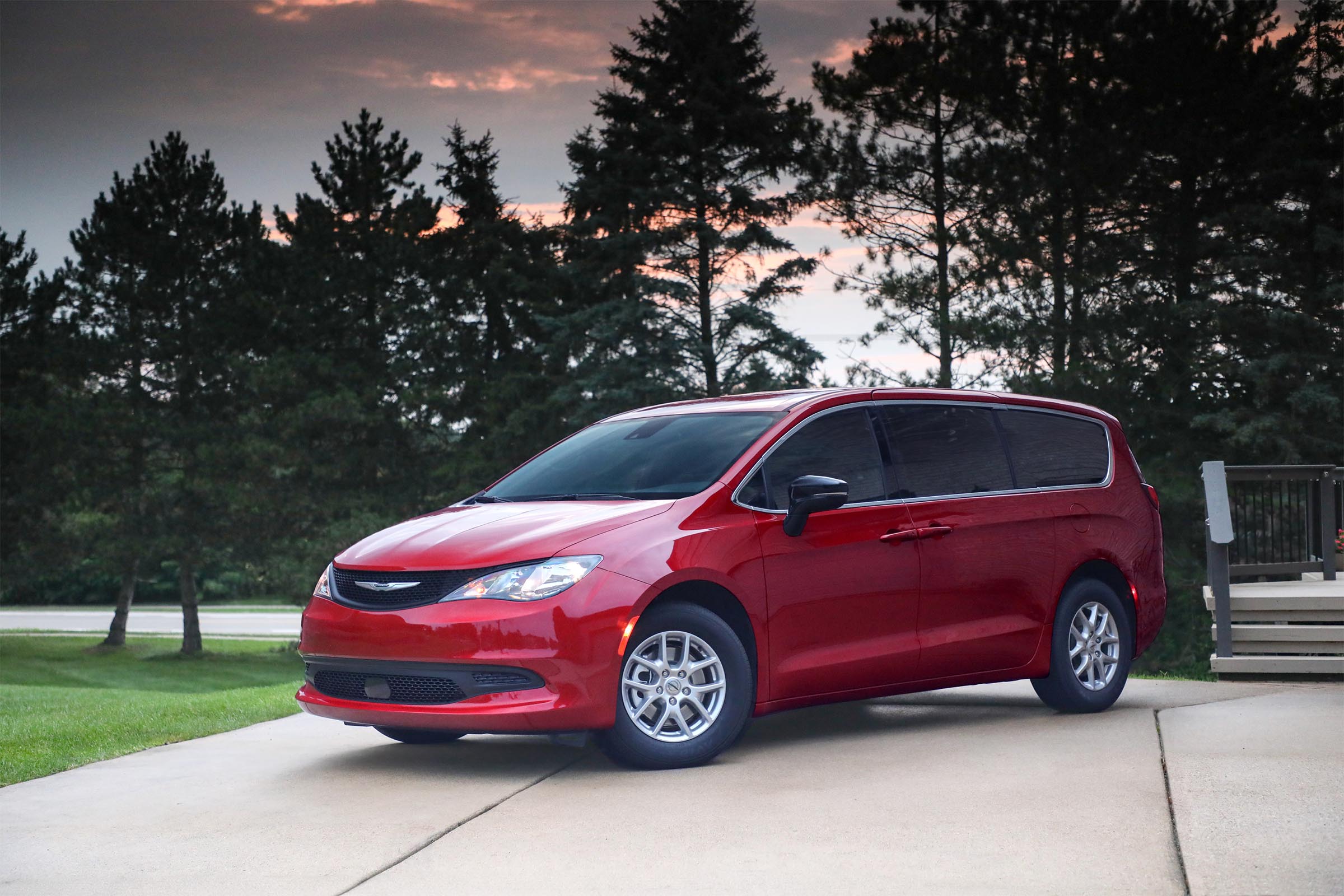
What was then Chrysler Corp. transformed the family vehicle with the 1984 launch of its first minivan line-up. By 2000, Americans were buying 1.4 million of these people-movers annually – including a broad range of competitors. But today’s market belongs to the utility vehicle and only a handful of minivans remain. While that will include the Chrysler Pacifica, the more affordable Voyager vanishes for 2027.
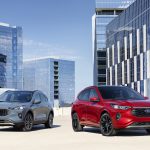 Ford Escape
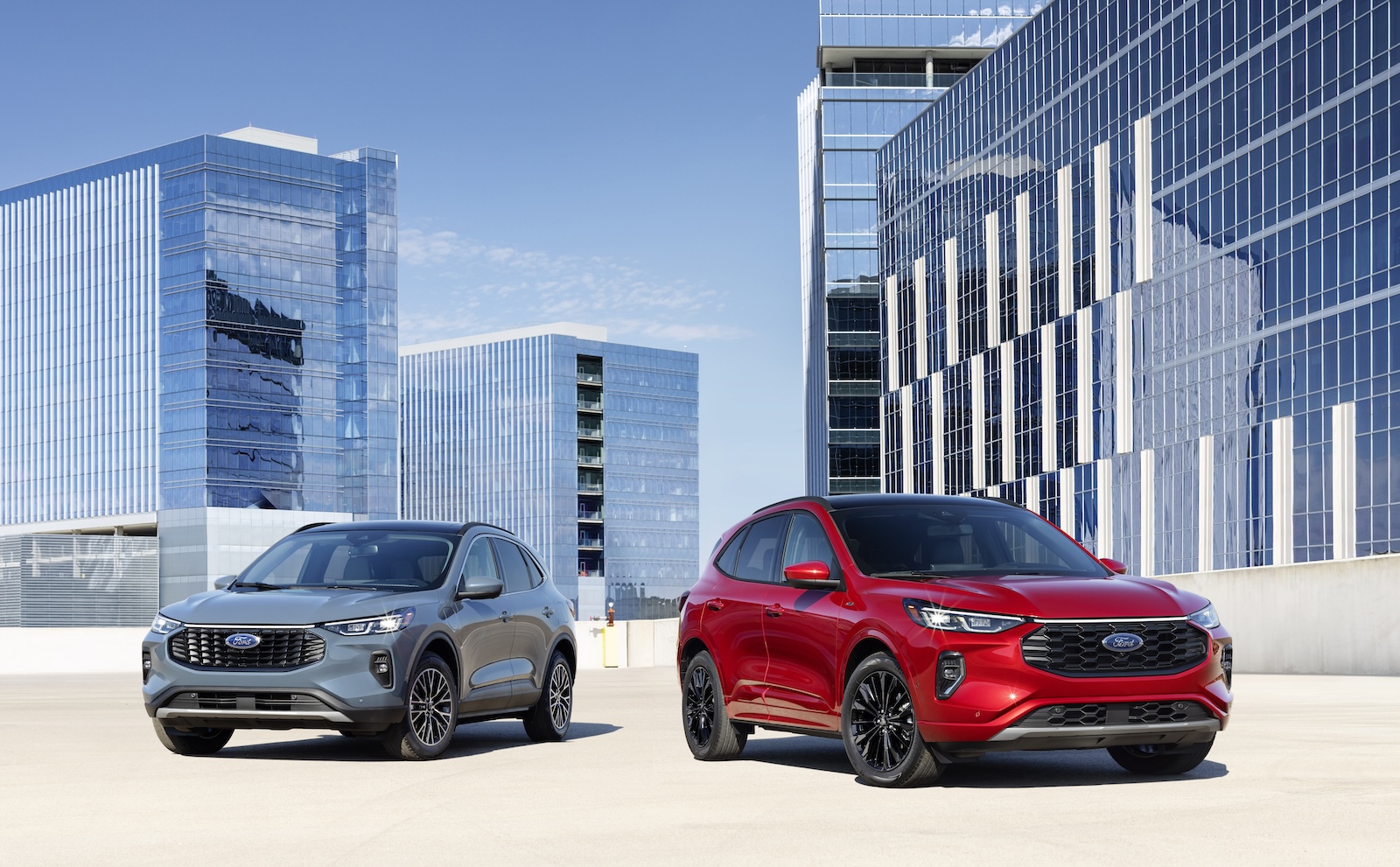
News that Ford was scrapping the long-lived Escape came as a big surprise considering the automaker sold nearly 150,000 of them in the U.S. alone last year, A 4.2% year-over-year increase. The decision apparently was made to focus on the similar-sized – and more profitable Bronco Sport package. The move also freed up a Kentucky assembly plant that will now produce Ford’s new Universal EV family.
 Honda Prologue
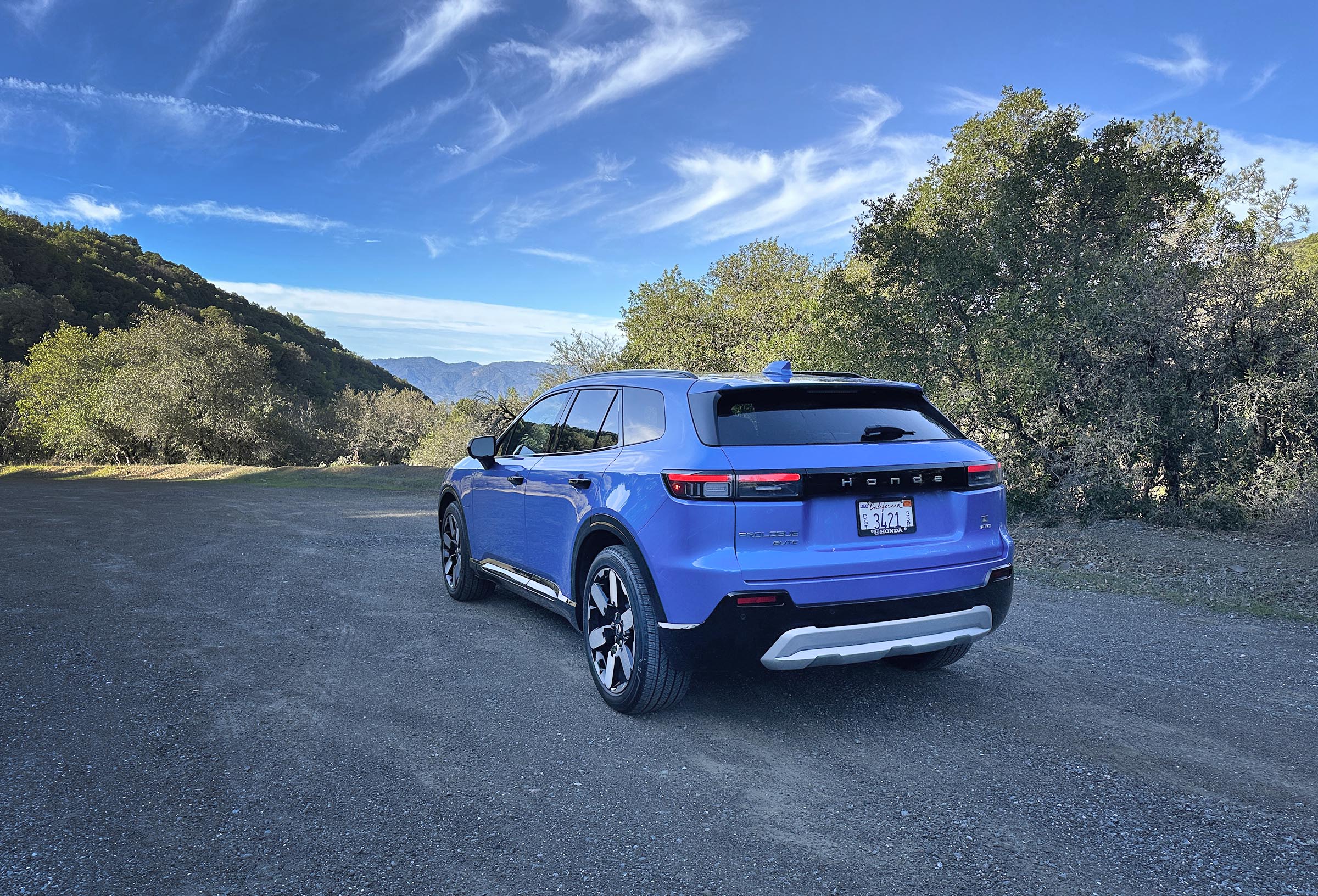
As the name was meant to suggest, the Prologue was meant to set the stage for Honda’s big push into battery-electric vehicles. To get there, however, the automaker initially turned to a joint venture with GM, Prologue sharing the same underpinnings as the Chevrolet Blazer. Marginal sales and the overall decline of the EV market has led Honda to scrap all of its EV plans for the mid-term future.
 Honda Ridgeline
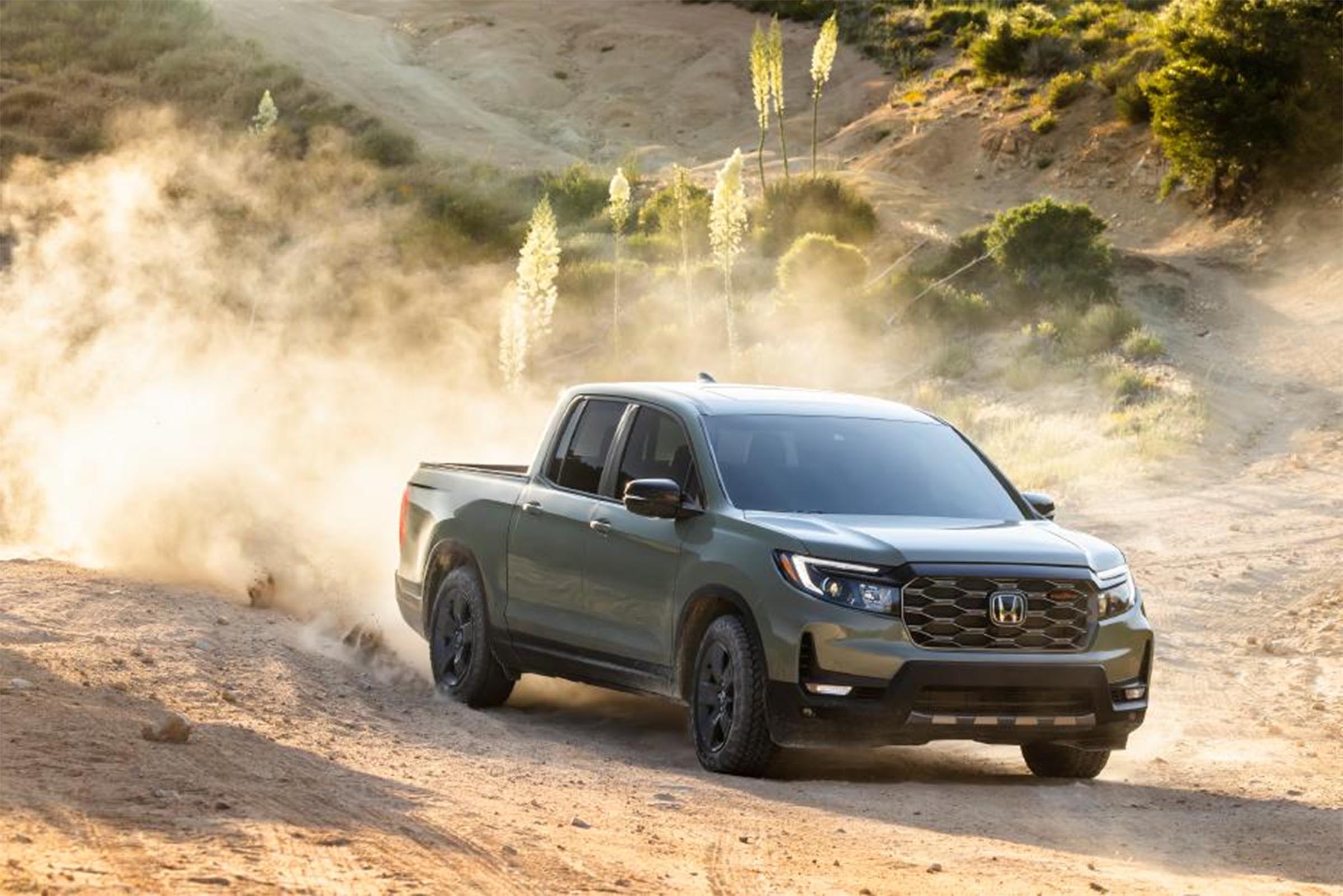
Try and try again, Honda has struggled to gain a footing in the midsize pickup segment. its first entry, the original Ridgeline, debuted in 2006. The quirky design didn’t win many fans and went out of production in 2014. A new version returned three years later – and retained its car-like platform. Ridgeline is again being sidelined, ostensibly due to powertrain issues, with an all-new model due in 2028.
 Hyundai Ioniq 6
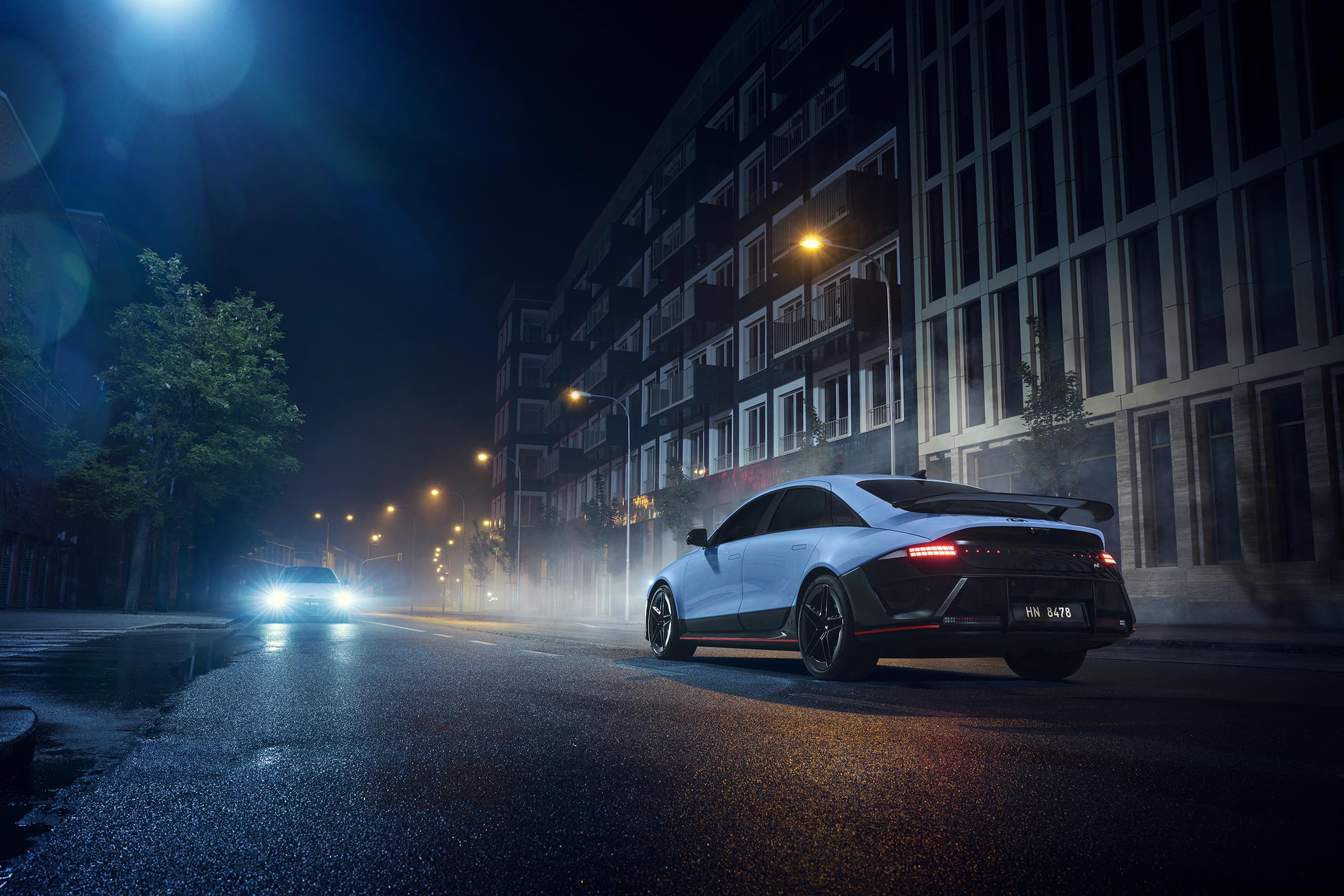
To be honest, reports of the death of the Hyundai all-electric sedan have been “greatly exaggerated,” as Mark Twain might have said, Ioniq 6 will remain in production in South Korea, though virtually all versions of what was dubbed “the electric streamliner” are exiting the United States market. One package will remain, the dual-motor, 641-hp Ioniq 6 N.
 Jaguar F-Pace
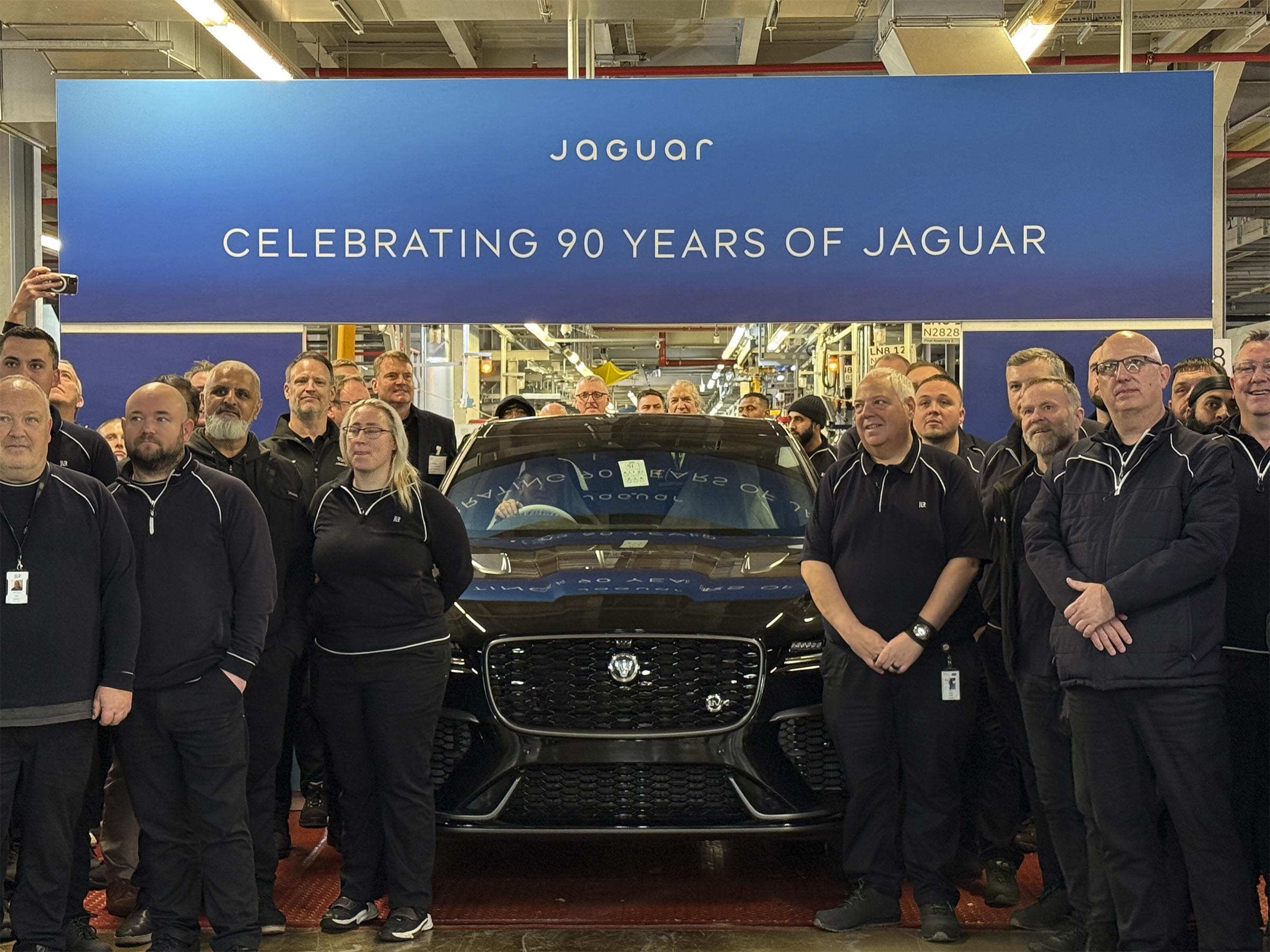
The British automaker is in the midst of the biggest – and riskiest transformation it’s made since its Brown’s Lane factory burned down in 1957. This time, however, it’s voluntarily halting production for 18 months while it prepares to launch the new Type 01 EV early next year, its first step into an all-electric future. The F-Pace crossover was the last of the old Jaguar line-up.
 Land Rover Discovery Sport
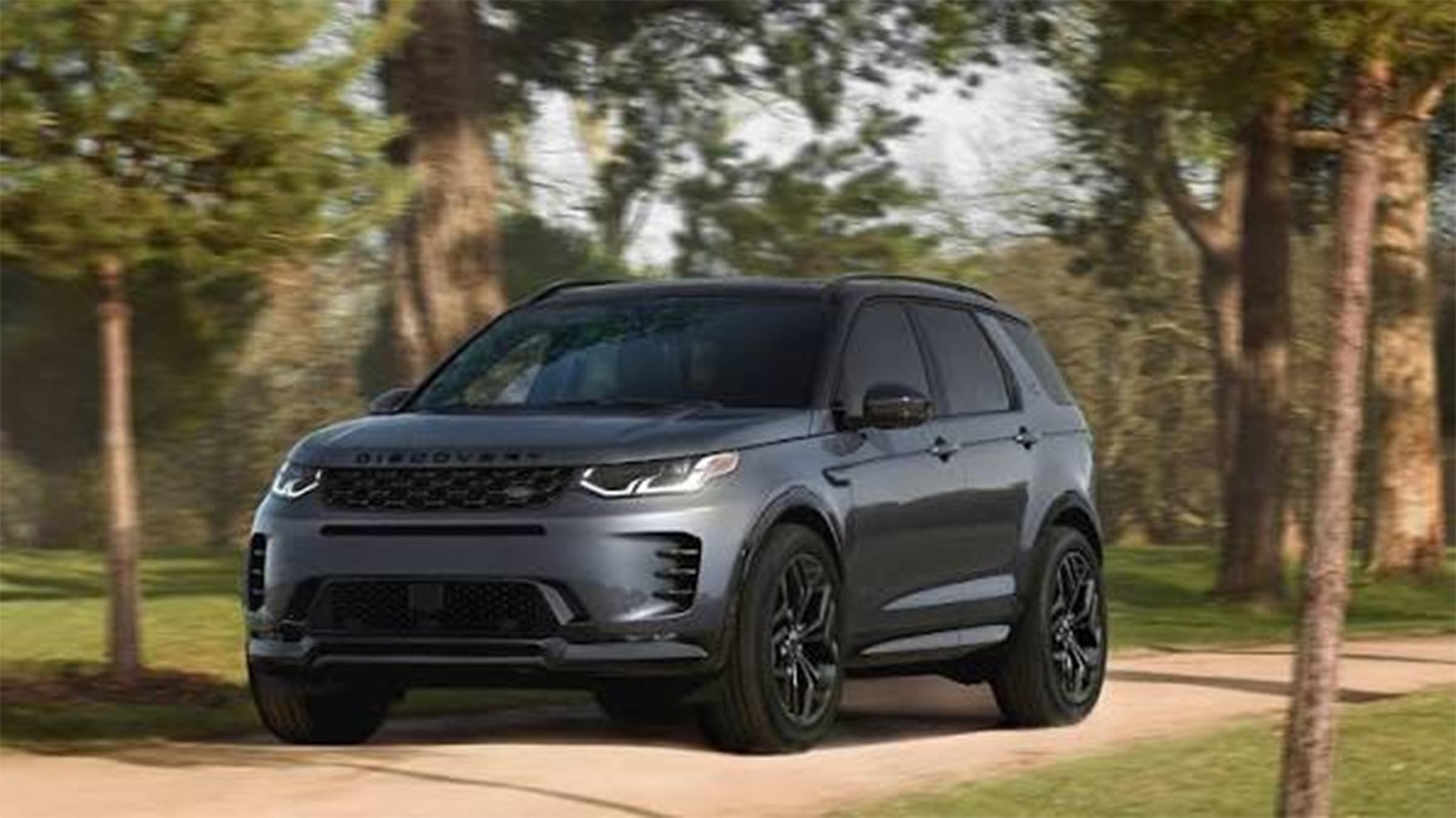
Disco is dead. Following the demise of the Land Rover Discovery comes news the Discovery Sport has also run its course and will be gone come the 2027 model year. This marks a big change in the British brand’s strategy as the Discovery nameplate was seen as a key pillar of its line-up. Instead, Disco Sport fans will find the little seven-seater replaced by the new Defender Sport package.
 Lexus LC
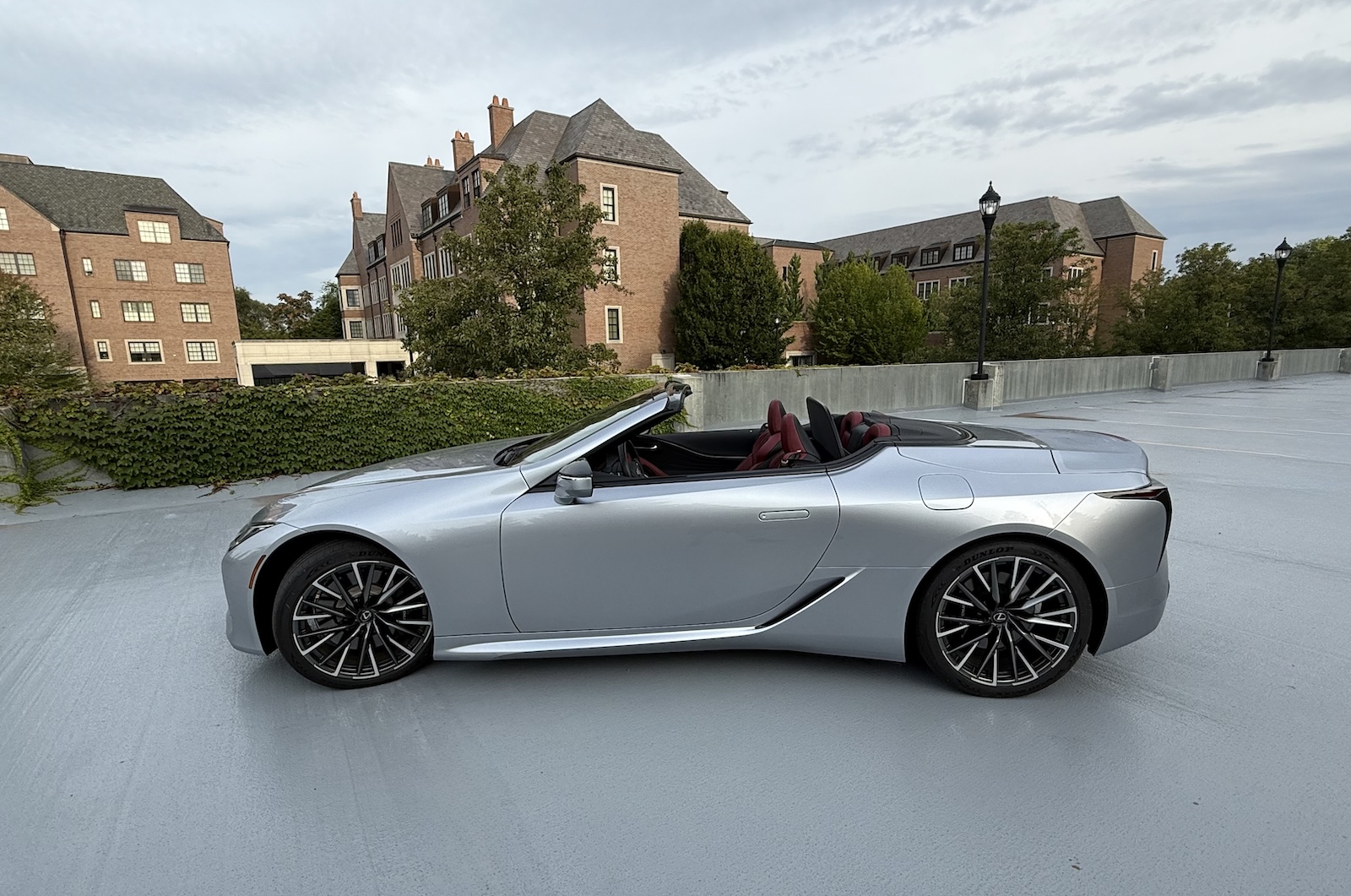
Despite strong sales, Toyota’s luxury brand has long struggled to craft a truly distinct identity. It scored big with the striking LC – at least with reviewers, though buyer demand was marginal, at best, the Lexus grand tourer never quite clearly defining itself. The automaker had already phased out a hybrid version in 2025. Now the V-8-powered coupe and convertible models are at the end of their run.
 Lexus LS
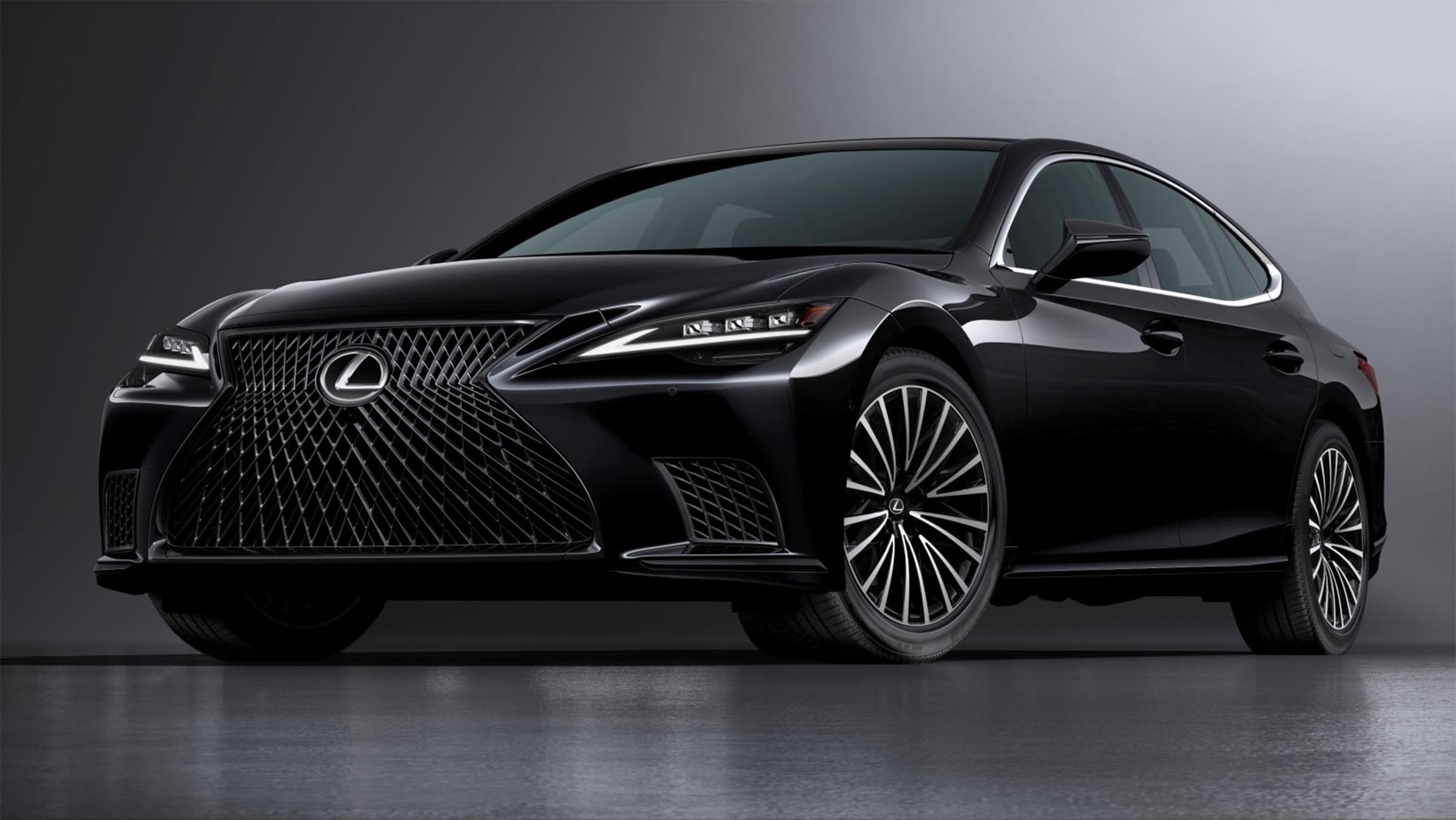
It’s hard to imagine Lexus without the LS. It was, after all, the more luxurious of the two models that marked the launch of the Japanese luxury brand back in 1989. But LS is not immune from the realities of the automotive world and that means steadily dwindling demand for sedans, whatever their stories history. Only two Lexus 4-door models will remain in 2027: the IS and recently redesigned ES.
 Mercedes-Benz EQE Sedan
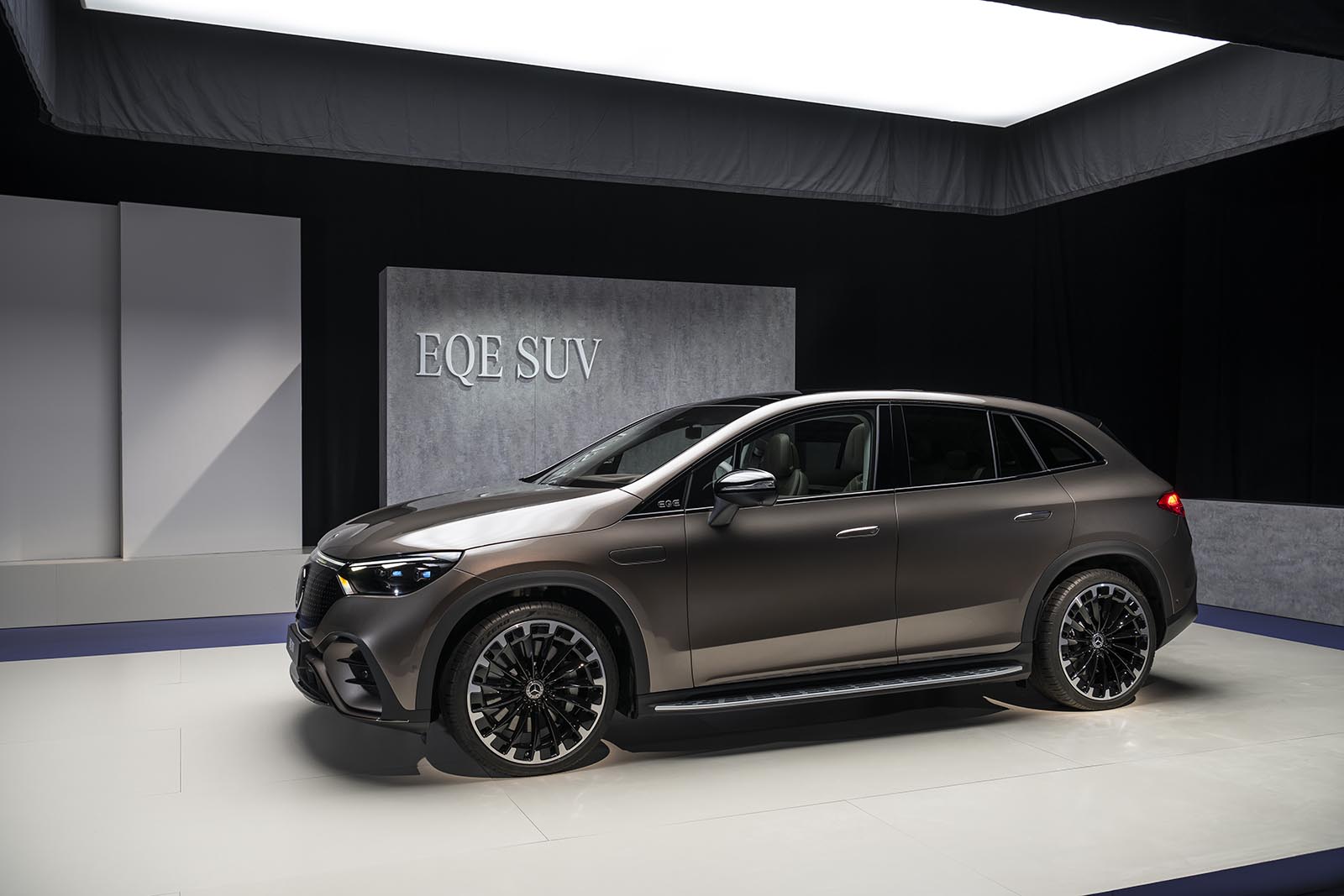
Determined to become a dominant player in the luxury EV market, Mercedes raced out a series of ultra-streamlined models, including the EQE line, available as both sedan and CUV. The German marque is making a number of critical changes, among other things dropping the EQ designation and migrating to multi-energy platforms. That means the sedan will become one of multiple versions of the next E-Class.
 Polestar 4
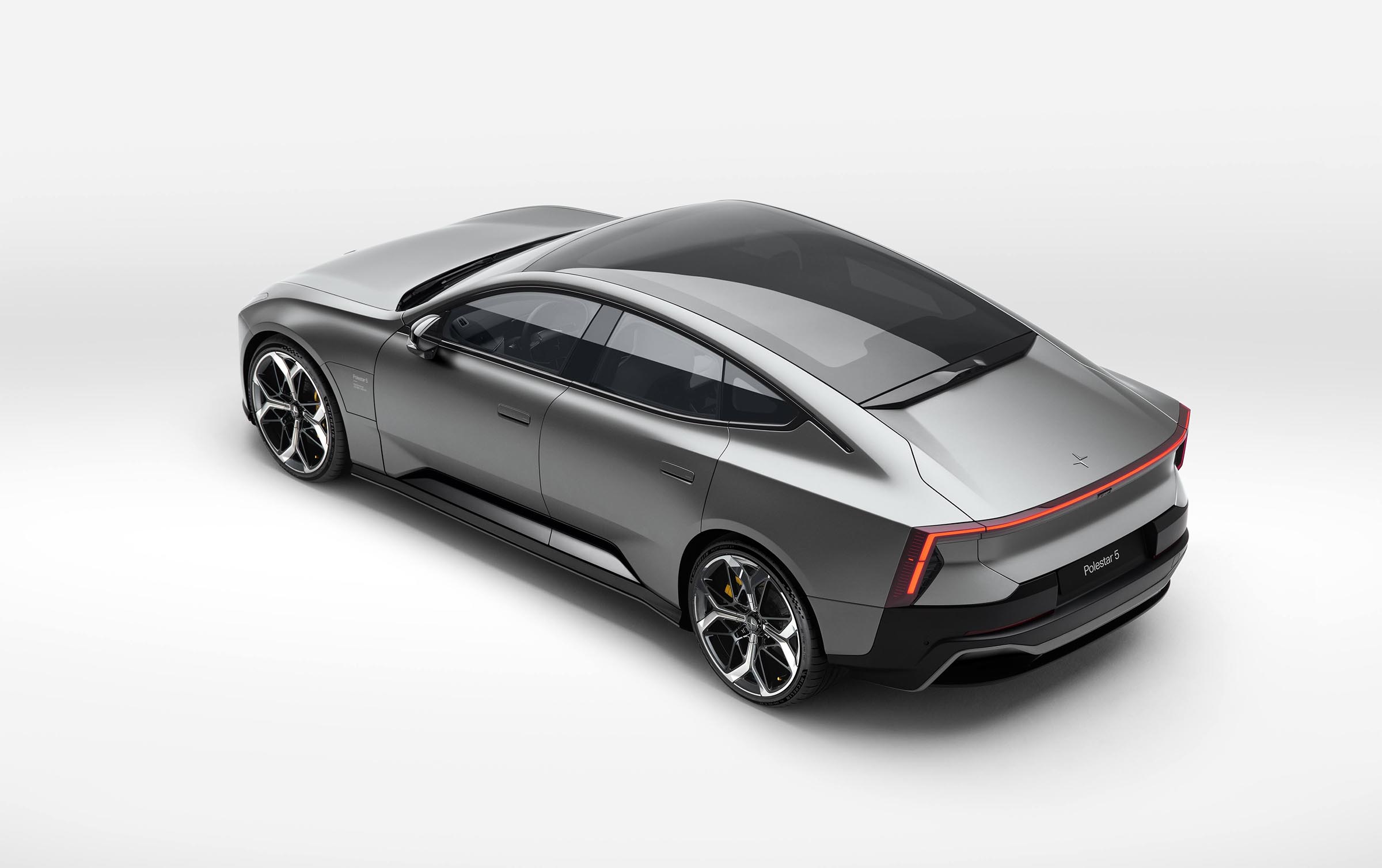
With its lack of a rear window, the Polestar 4 was a radical entry for a struggling EV start-up looking for a unique brand proposition. A spin-off of Volvo, Polestar was, just a year ago, promising to launch an assortment of new battery-electric models. It still will. Just not in the U.S. Owned by China’s Geely, it decided to pull out of the market because of regulations barring the use of Chinese connected car tech.
 Porsche Macan (gas)
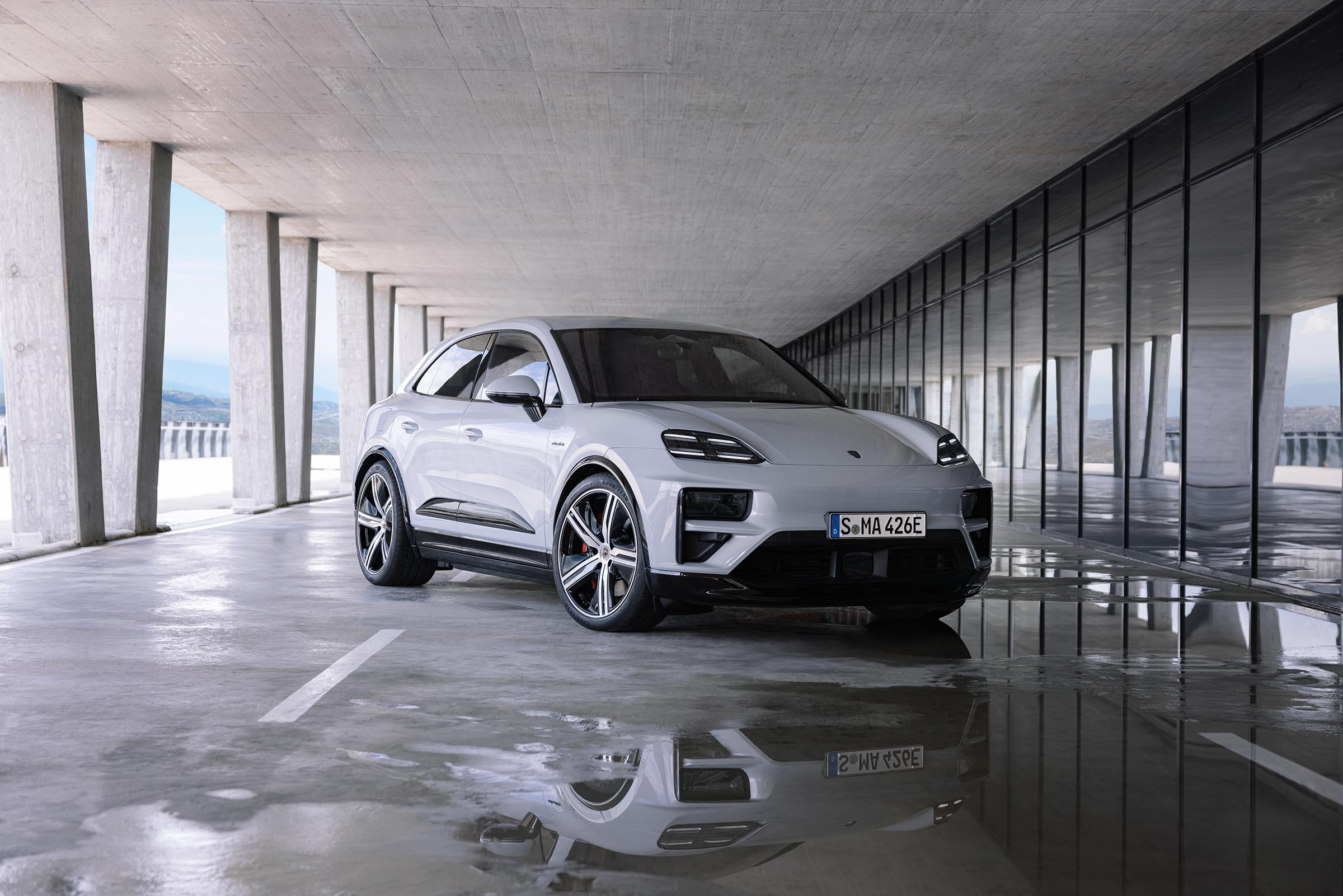
Porsche fans, take a deep breath. The Macan is not going to vanish entirely. But, at least for now, you’ll only be able to find it, come 2027, in all-electric form. A new gas-powered package was always in the plans but Porsche initially said it wouldn’t arrive until the end of the decade. Considering the recent slowdown in U.S. EV sales the company is reportedly racing to move that up to 2028 or 2029.
 Porsche Taycan Cross Turismo and Sport Turismo
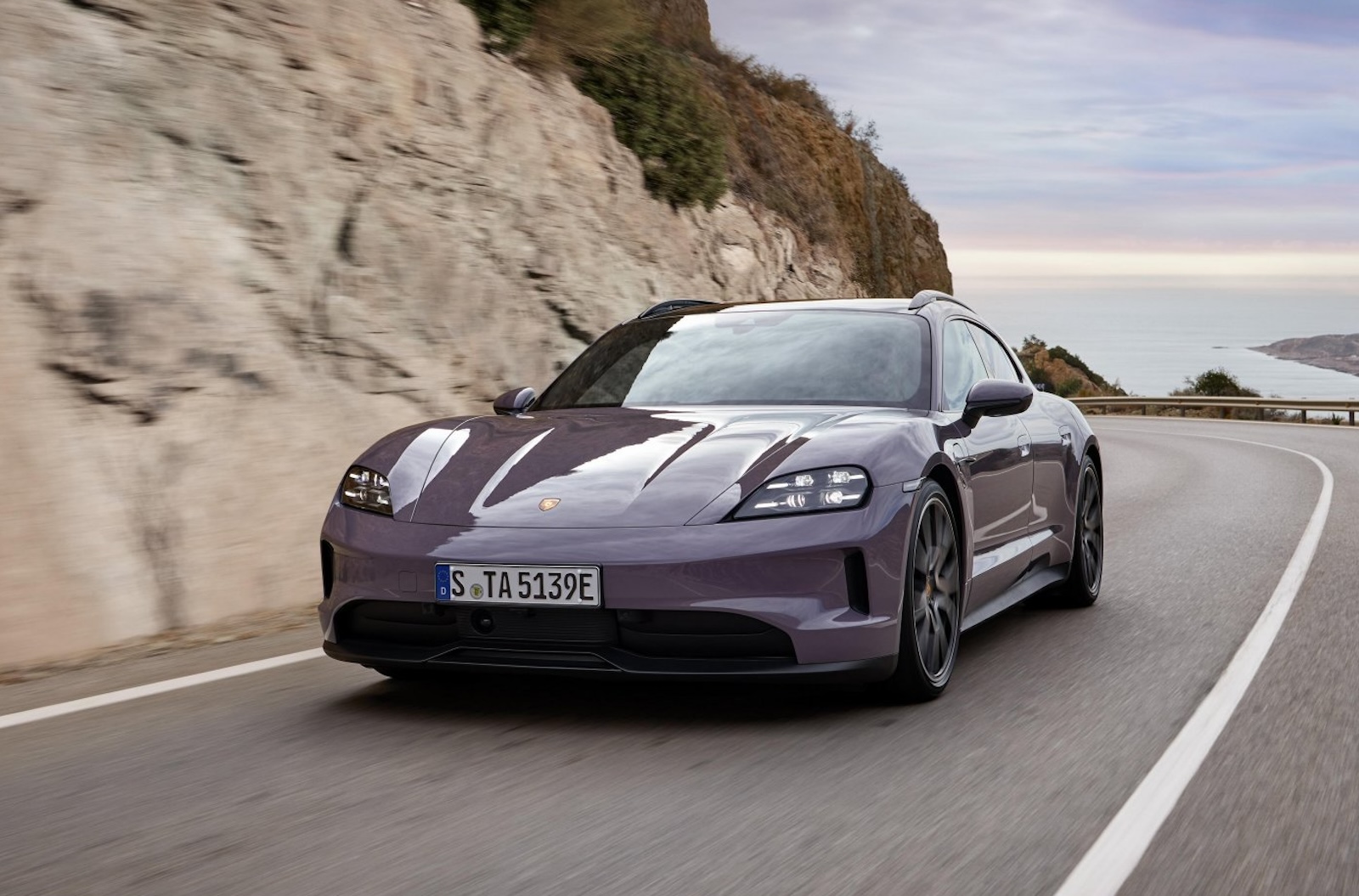
It’s an inside joke that were automotive journalists to rule the industry everything would be available in station wagon form. Unfortunately, that doesn’t reflect market reality, as Porsche learned with two variants of the battery-electric Taycan. That means two of the three versions of the EV will disappear in 2027, though the original Taycan will remain in U.S. showrooms.
 Tesla Models S and X
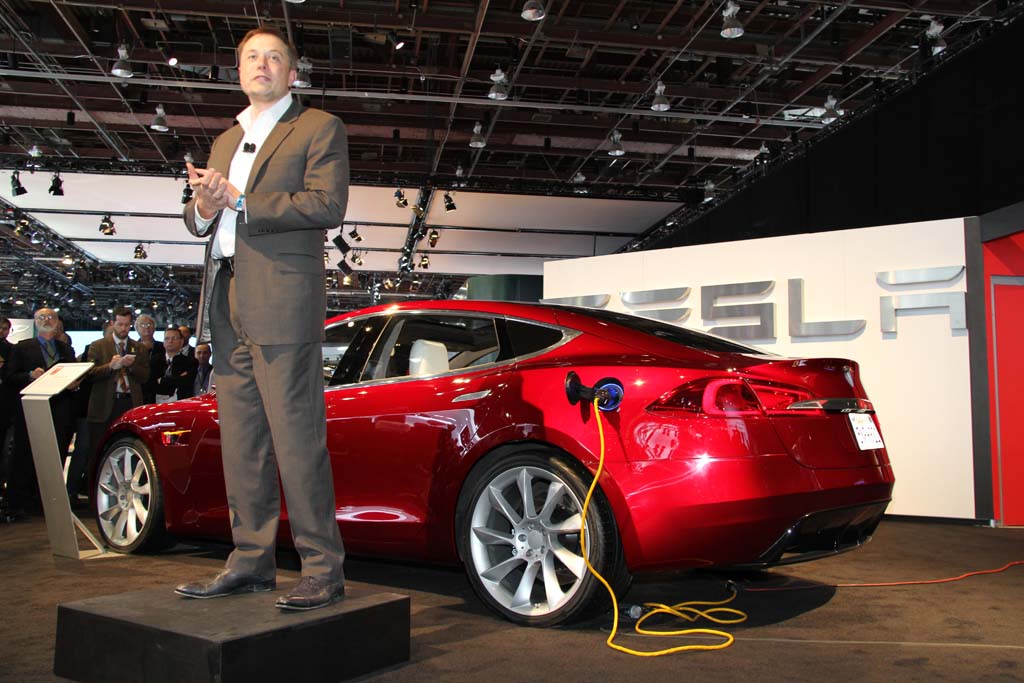
It’s the world’s most valuable automaker. But Tesla might have been little more than a vague memory – like so many other EV start-ups – had it not been for the Models S and X. The sedan came first and showed that battery-electric vehicles could be more than quirky little science experiments. The X added CUV dimensions. But the automaker is now focused on its smaller 3 and Y models.
 Tesla GR Supra
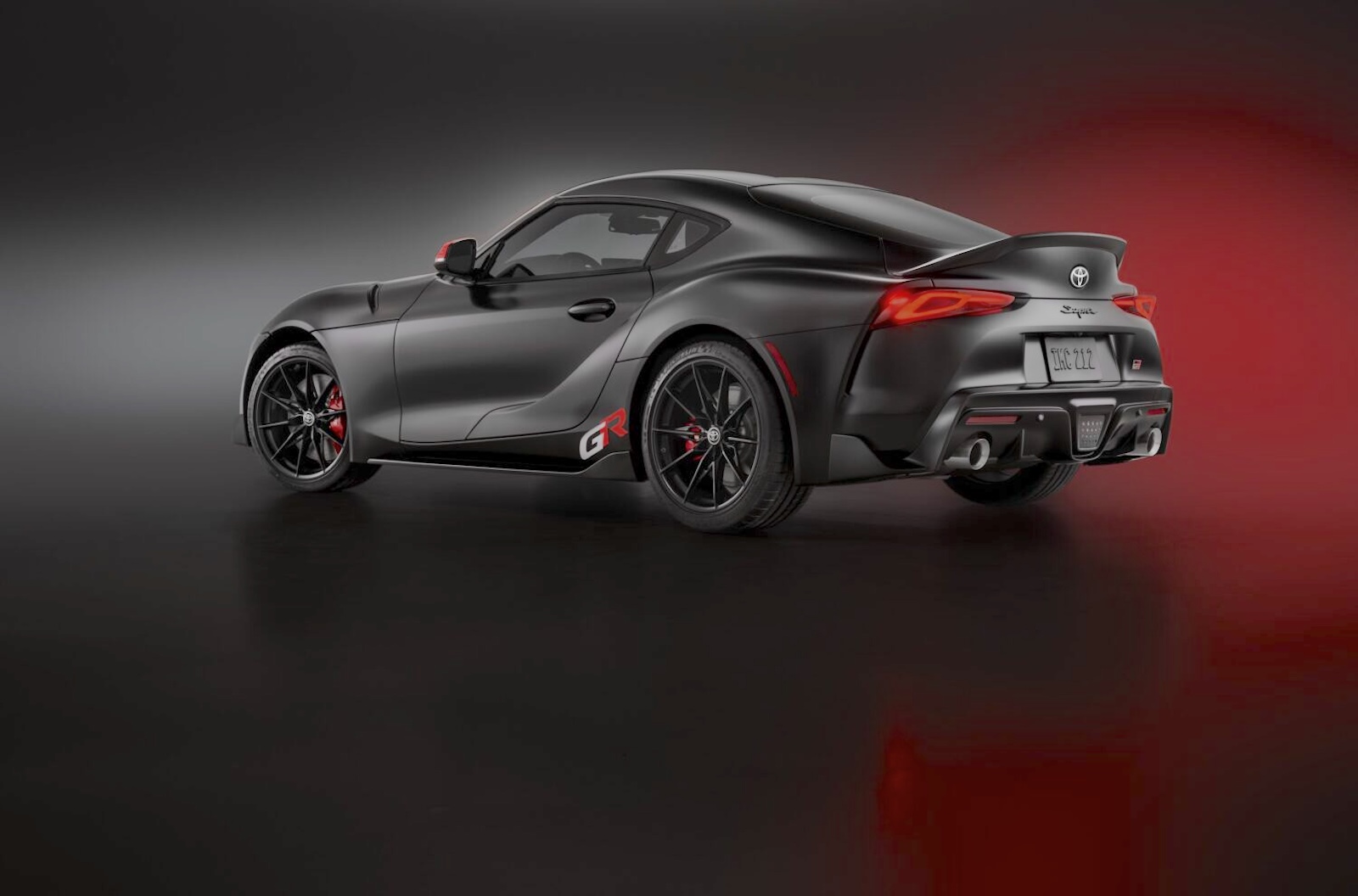
When Toyota began toying with the idea of bringing the once-iconic Supra back to life there was one big problem: projected sales couldn’t justify the development and production costs. That led to an unusual deal with BMW, the carmakers sharing underpinnings for two distinctly different products. But sales proved even weaker than expected. The “ultimate” GR Supra goes away in 2027, as does the BMW Z4.
 Toyota Highlander (gas)
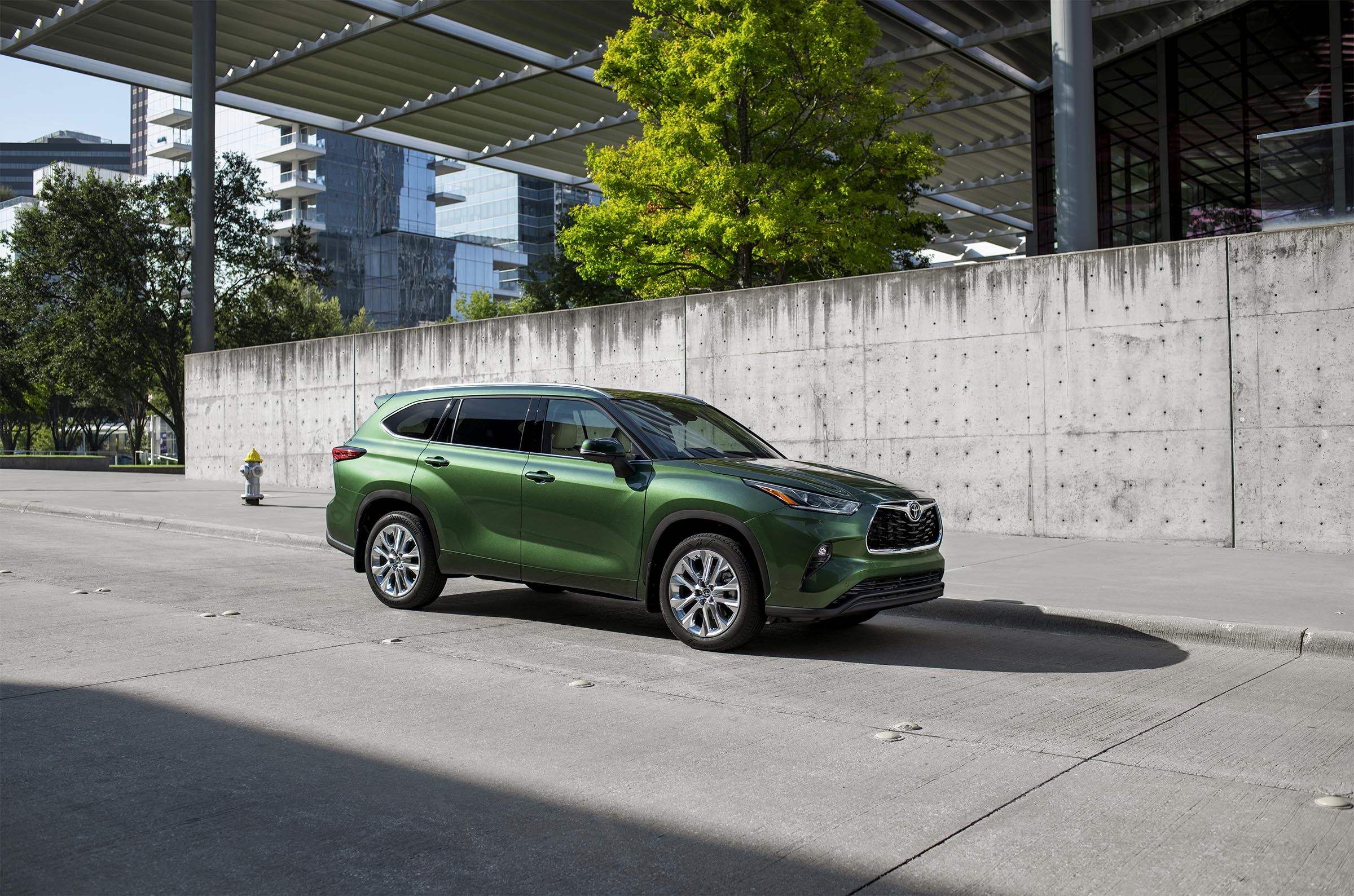
It can take four years or more for automakers to go from concept to production – and the challenge is to guess where market forces might be when your new model hits showrooms. We’ll have to wait to see if the now-delayed all-electric Toyota Highlander was a good decision. Unlike with Porsche Macan, however, there’s no move to add back a gas package. The alternative is the bigger Grand Highlander.
 Volkswagen ID.4
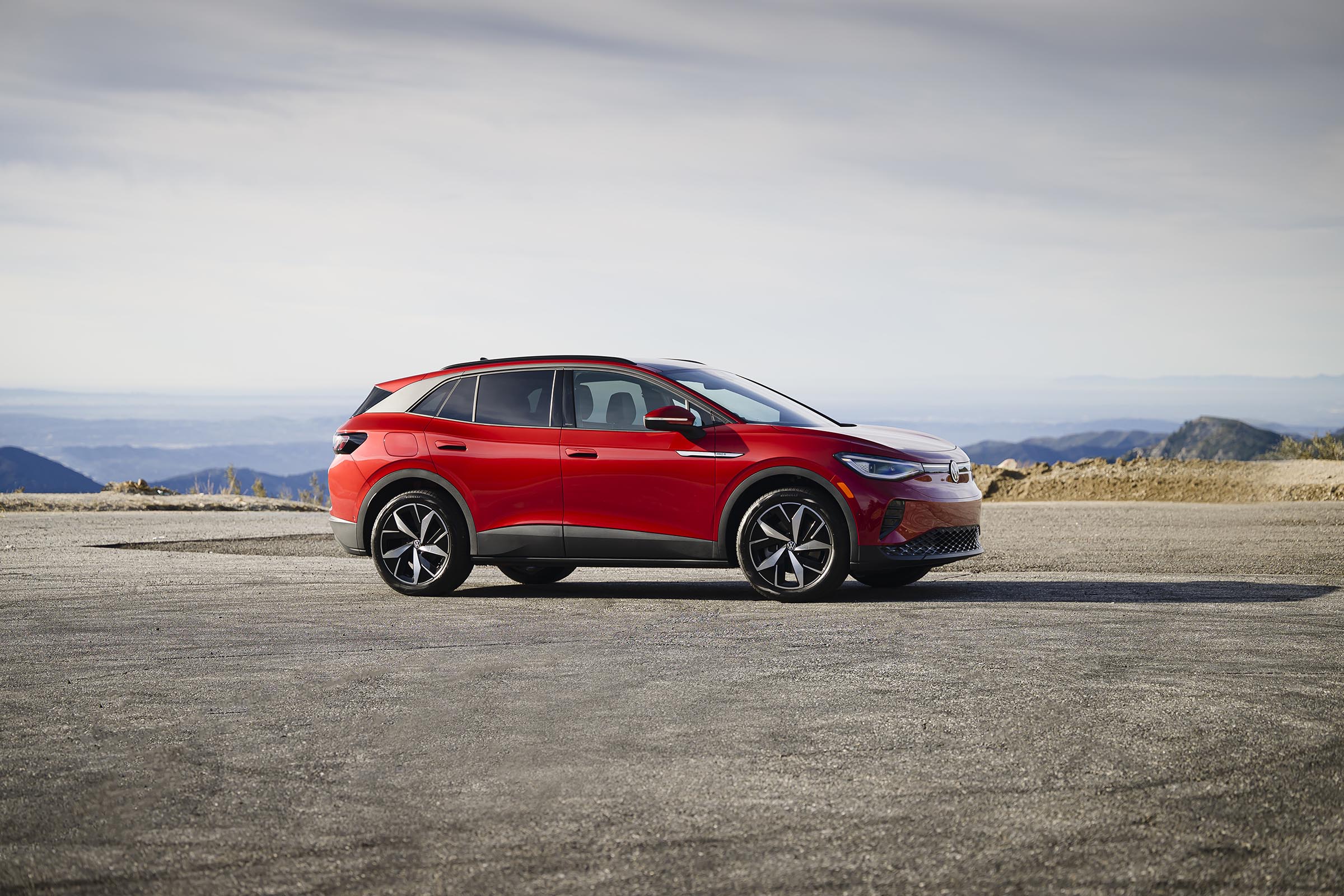
VW original EV was supposed to usher in a massive shift to battery-electric propulsion into which the parent Volkswagen Group was planning to invest about $100 billion. While the automaker will continue to add more models, it’s sharply pared back the offerings coming to the U.S. And the original ID.4 will be replaced in 2027 by the ID. Tiguan which will feature a more conventional design, inside and out.
 Volvo EX30

The compact EX30 was expected to serve as the entry point for Volvo’s big push into battery power. The best laid plans oft go astray, especially when they run up against trade wars. The more than 100% tariffs on Chinese-made EVs forced Volvo to switch production from Chengdu to Ghent, Belgium. Even then, tariffs on European imports resulted in a $48,000 price tag that proved too rich for U.S. buyers.
 Volvo EX40 and XC40
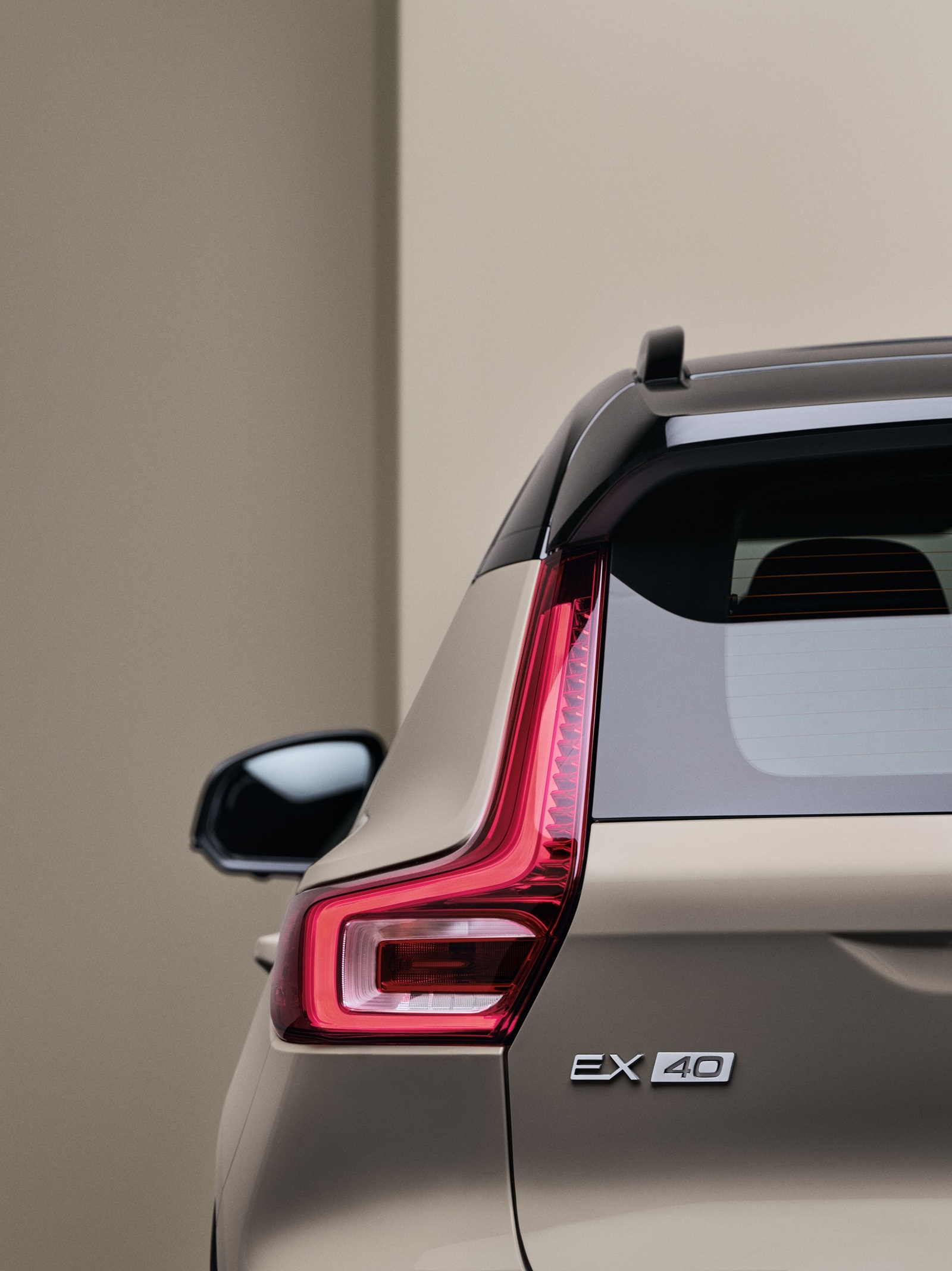
These two variants of Volvo’s mid-range battery-electric vehicles were also hammered by Trump tariffs and simply priced out of the market. For now, the lowest-priced all-electric Volvo will be the EX60. An updated version of the XC40 could be back by as early as 2028. Volvo says it remains committed to battery power, though its likely to continue with hybrid variants for longer than originally expected.
 Volvo V90
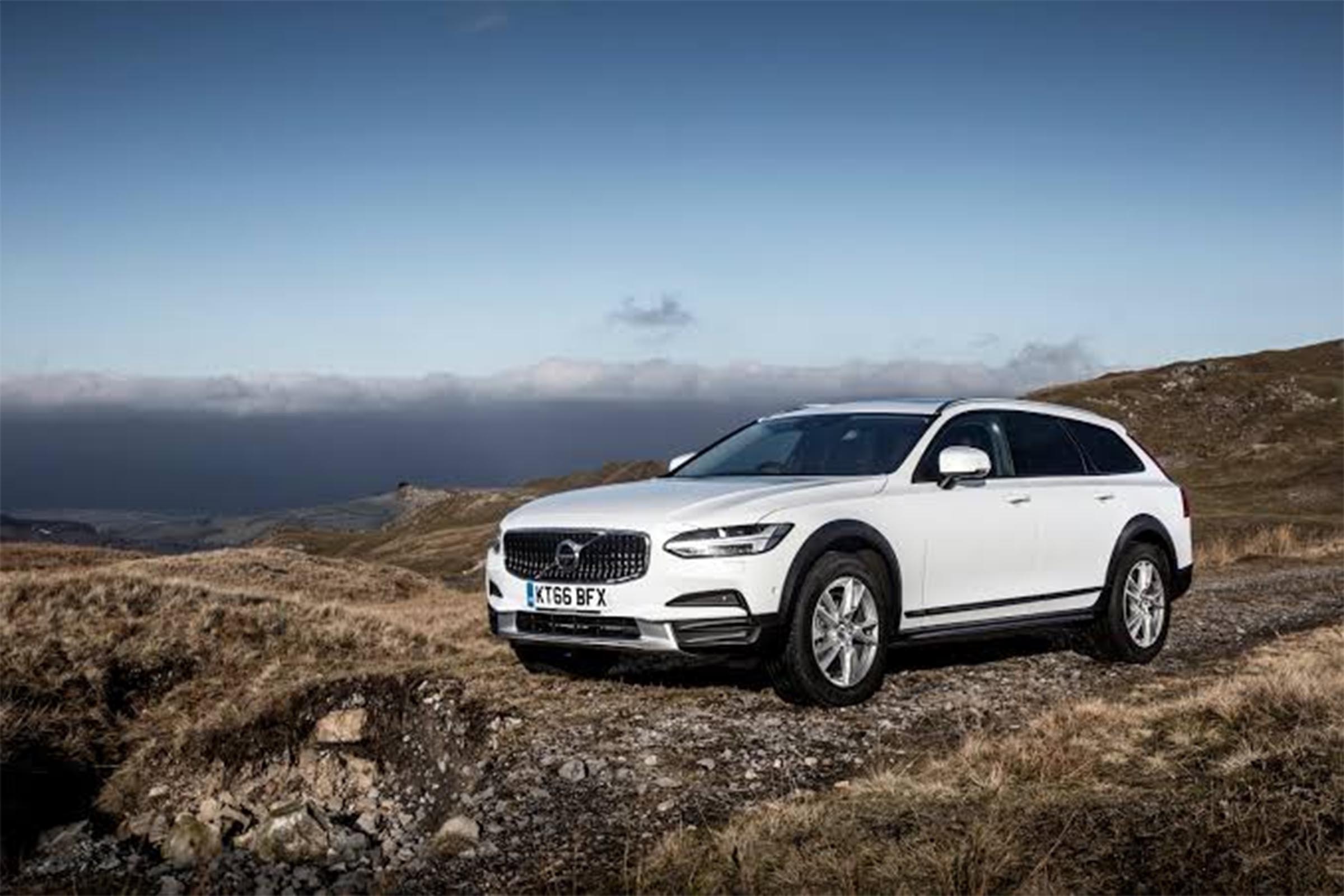
If you’ve followed Volvo long enough you’ll recall – and perhaps you’ll have owned – one of the brand’s ubiquitous station wagons. But they’ve become little more than afterthoughts in today’s SUV/CUV-centric market and the Swedish automaker is about to signal the death knell of its wagon history with the demise of the big V90.
0 Comments