
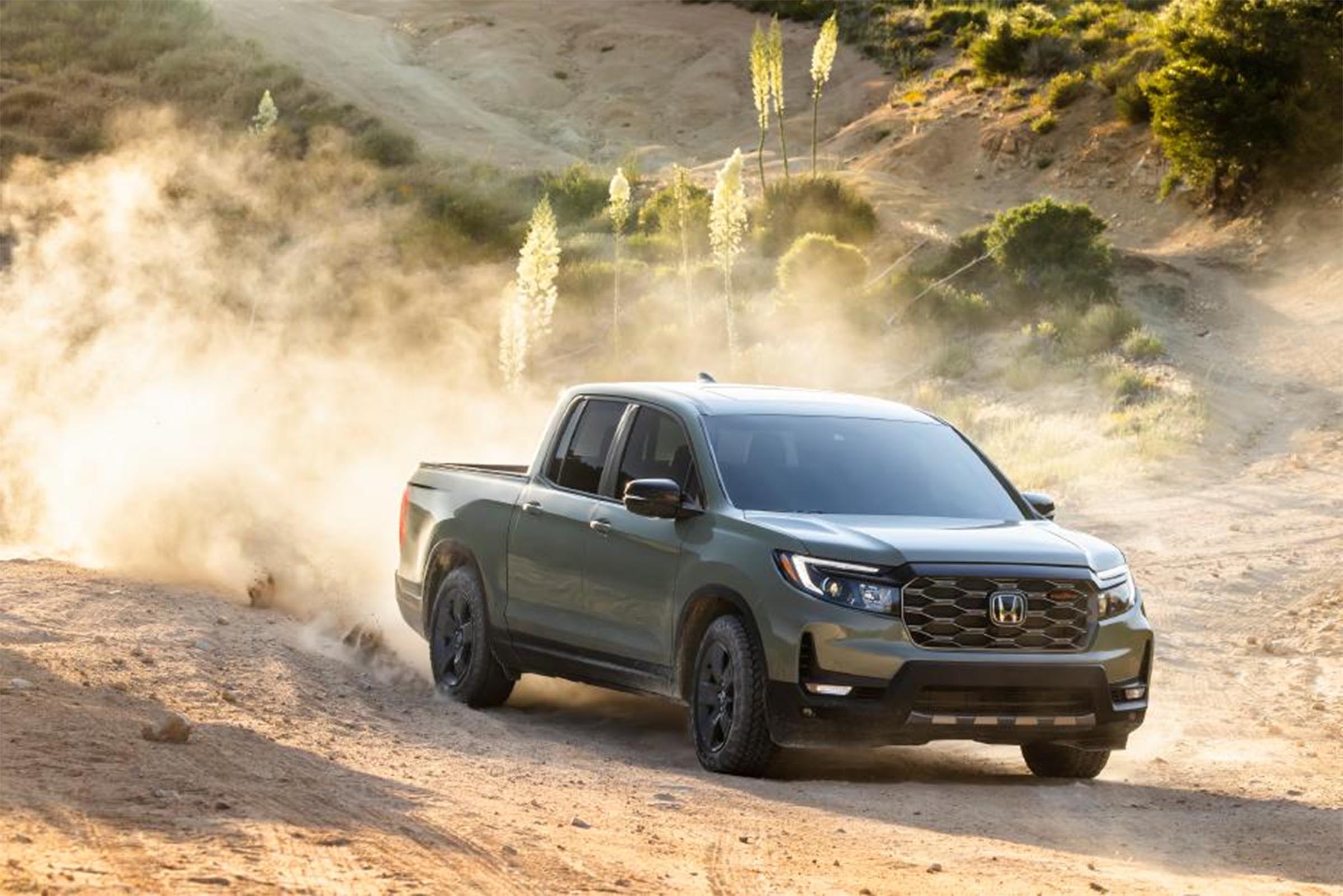
Once given up for dead, the midsize pickup segment is booming — but faces a real battle as more players get set to enter the game.
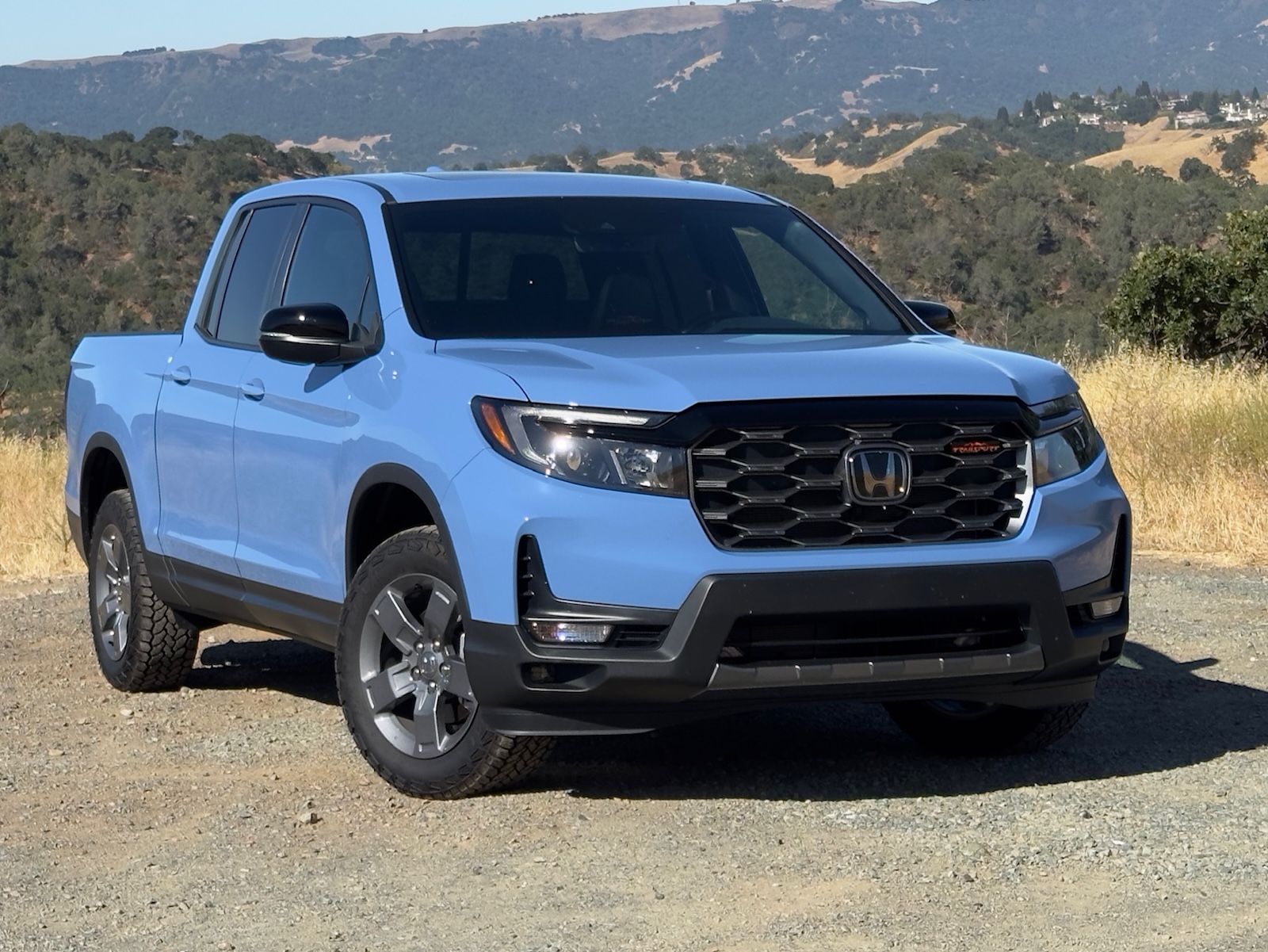
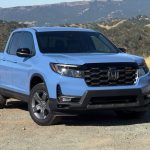
Strong performance, standard all-wheel drive and modest off-road capability make the Honda Ridgeline appealing, but it’s taking a break until late 2028.
Honda will pull the Ridgeline pickup from production late this year, ostensibly due to challenges meeting emissions standards with the truck’s current powertrain.
That should come as good news to competitors in a midsize pickup segment that’s become a battleground in recent years as manufacturers like General Motors, Ford and Nissan all take aim at the long-time king-of-the-hill, the Toyota Tacoma.
But, even with Ridgeline out of the mix, we’re likely to see this become an even more vicious dogfight before the decade’s out. For one thing, Honda plans to return after an 18-month pause with an updated Ridgeline. By then, however, the segment looks to host even more competitors from the U.S., Asia and, perhaps, even Europe.
Running on Empty
Go back to the era when Baby Boomers first got their driver’s licenses and compact and midsize trucks actually outsold full-size models. The two segments hit their peak in 1987 when nameplates like Ford Ranger, Chevrolet S-10 and Toyota Hilux collectively generated 1.4 million sales.
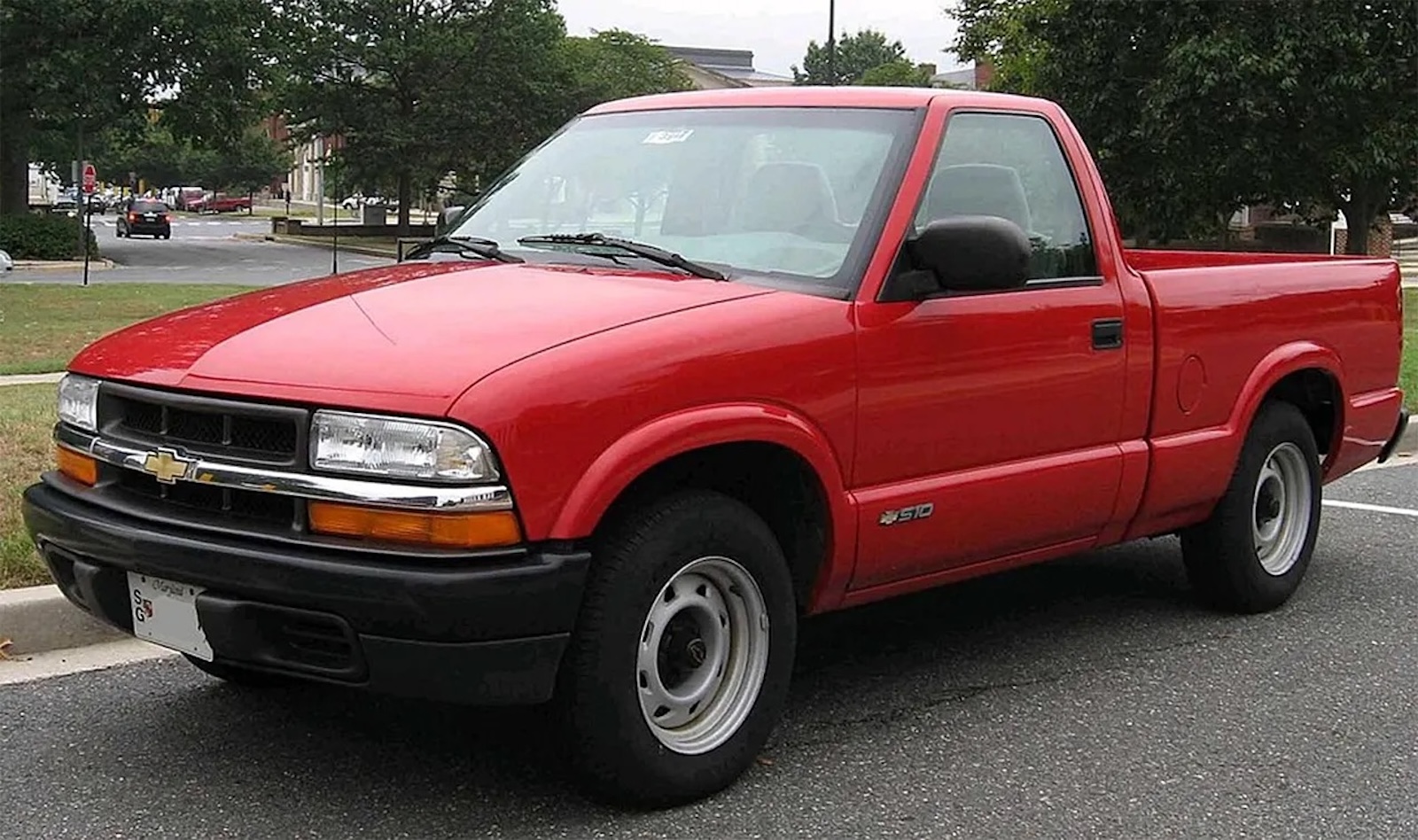
The classic Chevrolet S-10.
Then, manufacturers began shifting strategies. The 1980 film, “Urban Cowboy,” featured the character played by John Travolta driving a Ford F-250 pickup.
Big rigs became increasingly cool, even among buyers who’d likely never load up the cargo bed with anything more than garden supplies. It helped that manufacturers — lured by the massive profits these big trucks offered — started making them more comfortable to drive while loading them up with more car-like features.
By the turn of the millennium, demand flip-flopped, sales of midsize models steadily dwindling until 2014 when sales bottomed out at just 242,750. The renamed Toyota Tacoma overwhelmingly dominated the market that year, generating 155,041 sales. By then, it had few competitors, with domestic brands Chevrolet, Dodge, Ford and GMC having dropped out of the market and only Nissan and Honda left among the imports.
Back From the Dead
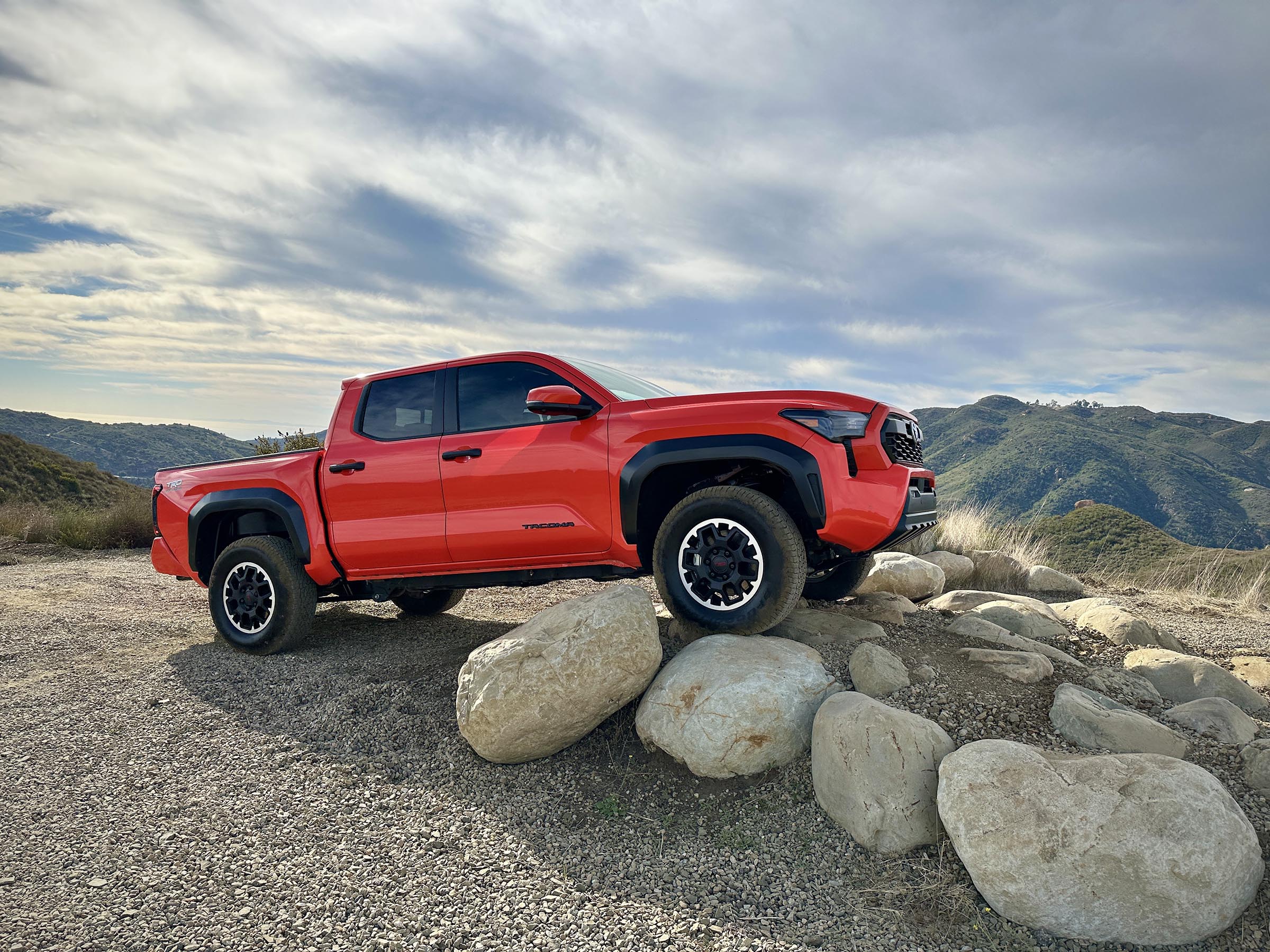
The king-of-the-hill Toyota Tacoma.
Even as the midsize segment bottomed out, however, it began showing new signs of life.
Late 2014 brought the return of the Chevrolet Colorado and its near-twin, the GMC Canyon. They were no longer the stripped-down econoboxes that had been so popular back in the 1970s and 1980s. They also introduced new features and a more comfortable ride.
They were also markedly bigger than the midsize trucks of decades past. I recall driving a Colorado during a media event in San Diego back in 2014 and pulling up next to an old Chevrolet CK. Colorado was nearly as big as that ‘70s-era full-size model – and decidedly more upscale.
Rising demand finally convinced Ford to get back in the game. The automaker had a solid hit — outside the U.S. — with its latest-generation Ranger. But it feared the truck wouldn’t be suitable for the American market. And, indeed, it finally took some major rework to come up with the right package for Stateside buyers. But when it finally landed, Ranger added still more momentum to the once nearly dead segment.
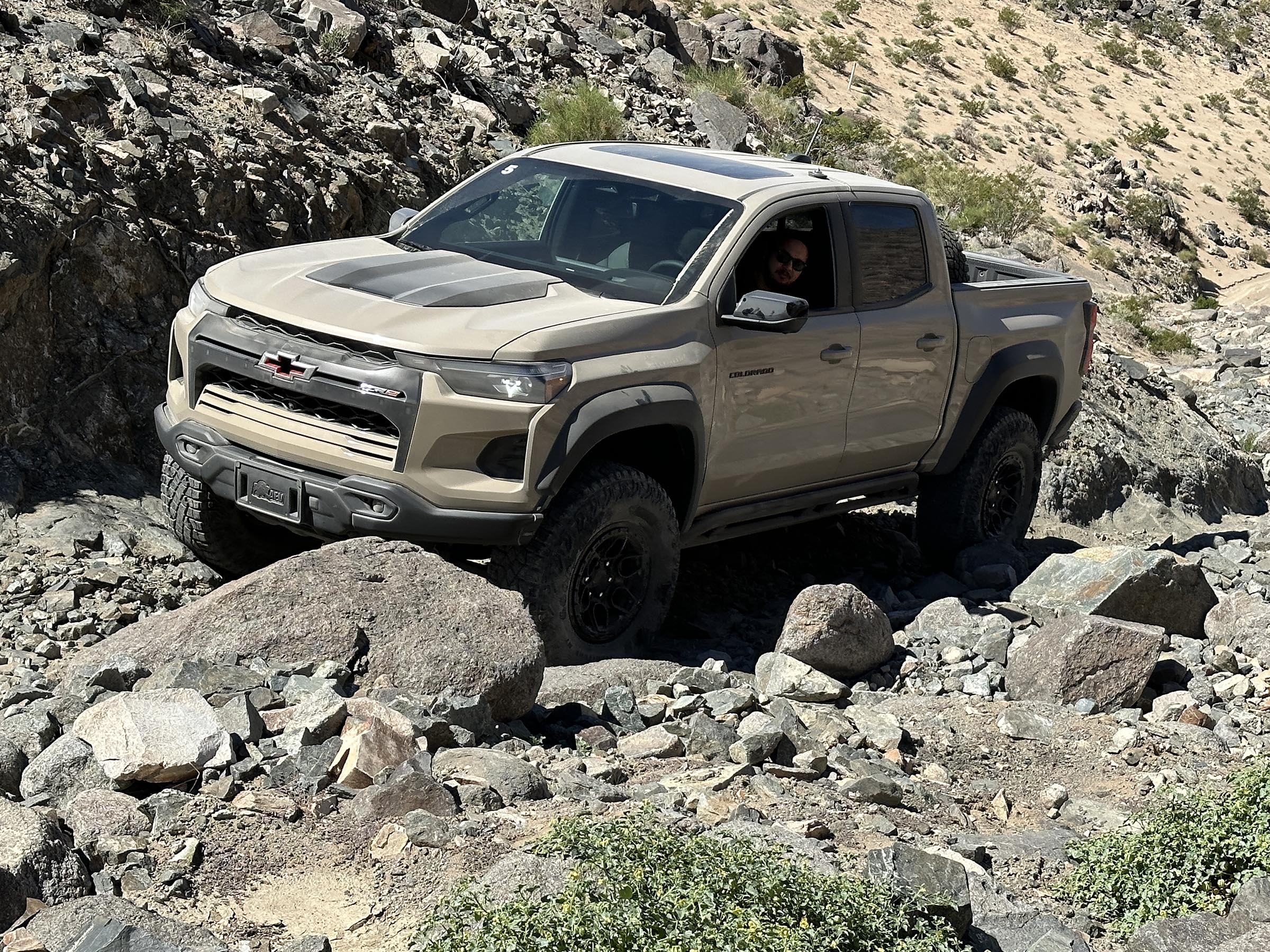
The rugged Chevrolet Colorado’s Bison package is made for off-roading.
Just a year after hitting its nadir, midsize truck sales surged by nearly 50%, to 356,886. And, with the understandable exception of the COVID years, demand has been growing ever since, reaching a new peak of 660,331.
By the Numbers
- Toyota Tacoma continues to overwhelmingly dominate the midsize segment, with help from a major makeover for the 2024 model year. In 2025, demand hit 274,638, a 42.4% year-over-year increase;
- General Motors came in second with combined sales of 144,344, a 6% increase. That included 107,867 Chevy Colorados and 36,477 GMC Canyons;
- Ford’s latest Ranger update has also been building momentum, sales last year totaling 70,960;
- Nissan has slipped behind the resurgent American brands with Frontier sales of 65,232 in 2025;
- Jeep Gladiator has lost some of its early momentum but the off-road brand still managed to deliver 56,790 of its rugged truck;
- Honda lagged at the back of the pack with just 48,448 Ridgelines sold last year, many analysts saying weak demand was as much a factor in the decision to halt production as emissions issues.
More to Come
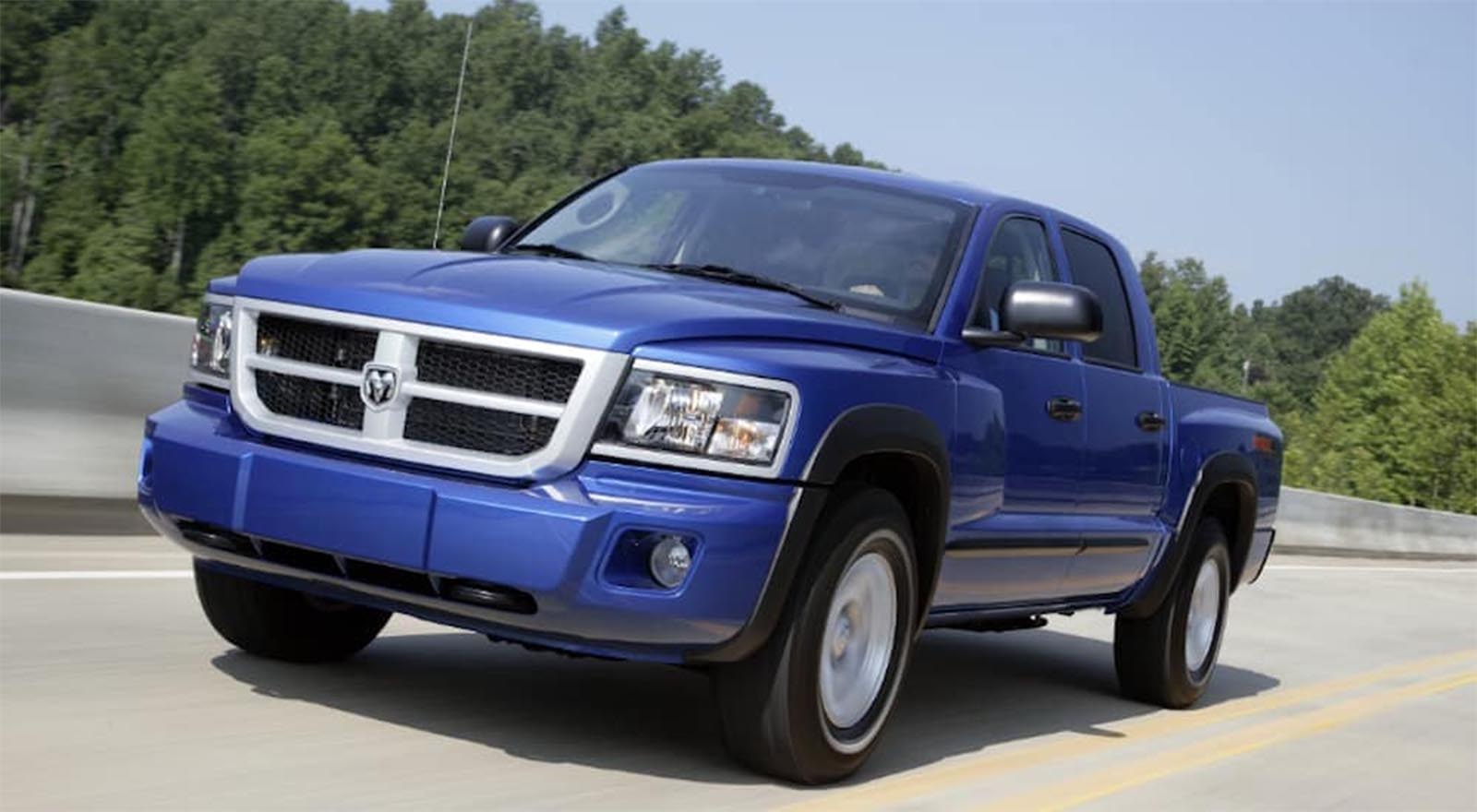
Ram will add a Dakota to the U.S. lineup.
The Japanese automaker does plan to bring Ridgeline back, but not until late in 2028, likely as a 2029 model. It will undergo some major updates, Honda promises, before returning to production at the company’s Lincoln, Alabama assembly plant.
By then, however, the market is going to be substantially more crowded than it is today. For one thing, Ram will enter the game with the reborn Dakota due out sometime in 2027 as a 2028 model. Contrary to early expectations, it will get an all-new body-on-frame platform, rather than sharing the architecture used for the Jeep Gladiator. It’s expected to feature several powertrain options, including what could be a segment-first hybrid. Parent Stellantis is gearing up to build as many as 100,000 Dakotas annually at the Toledo (Ohio) Assembly Complex. Prices are expected to start in the $30,000 to $40,000 range.
Jeep, meanwhile, is coming up with the Scrambler. Set to debut in 2028, it’s basically a two-door take on Gladiator, with just a single row of seats and a shorter body and wheelbase better suited for serious off-roading.
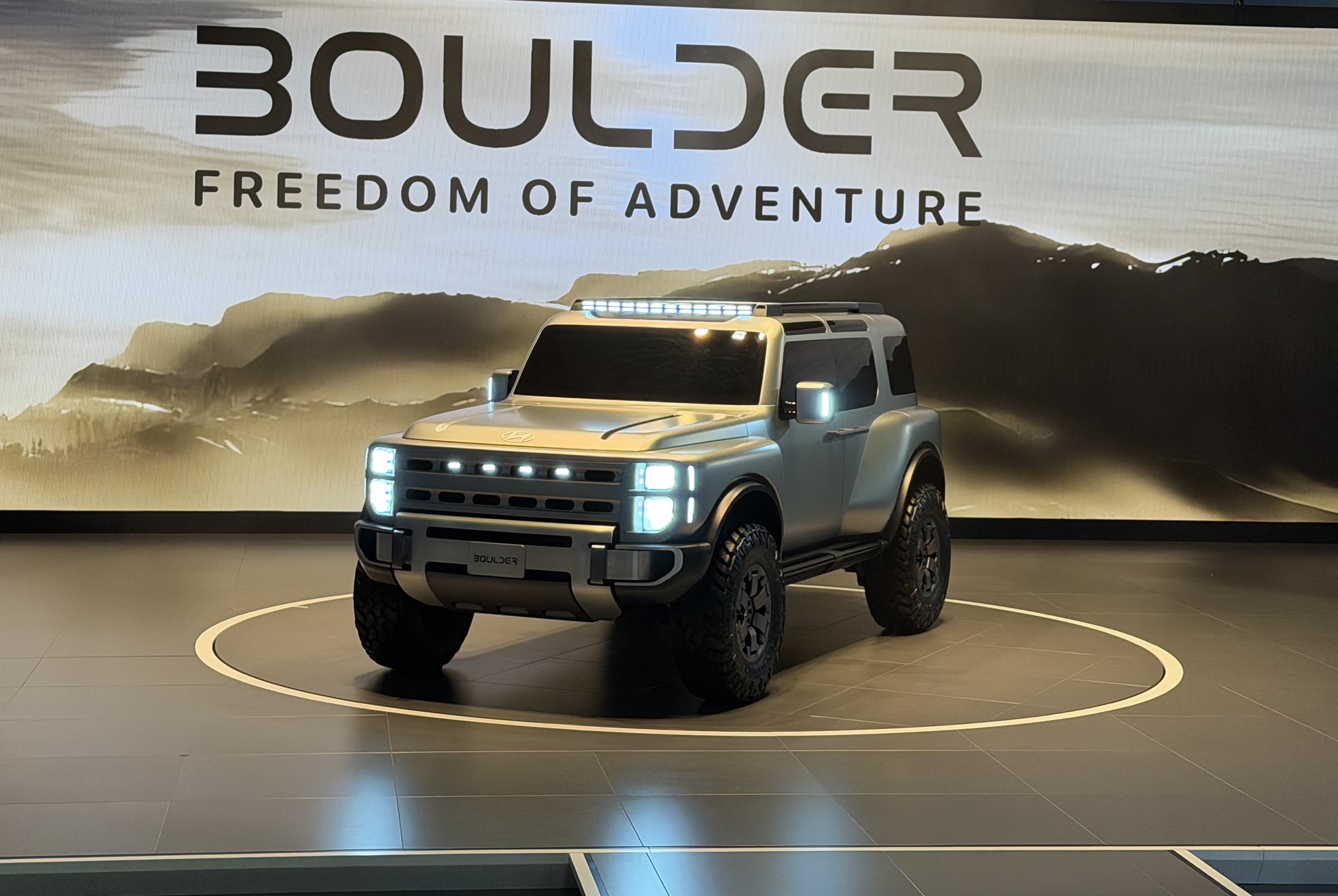
Hyundai’s Boulder will share its body-on-frame platform with Hyundai and Kia pickups.
The Honda Motor Group also expects to get into the midsize game before decade’s end, Hyundai Motor Co. CEO Jose Munoz confirmed during a presentation at the NY International Auto Show in March. It will use the same body-on-frame architecture set to underpin the production version of the rugged Boulder SUV that was a star of the show. Separately, Kia officials told me during a trip to Seoul last month that they plan to have their own midsize truck and that it’s not yet decided whether theirs will beat Hyundai’s to market.
Volkswagen once was a significant player in the midsize segment. And it would love to get back in. Rumors have long circulated that a U.S. version of its global Amarok truck is in the works. And while he didn’t confirm that concept, VW Group of America CEO Kjell Gruner in April said he “wouldn’t rule out” a pickup in one form or another.
Downsizing
While most of the industry’s energy has been focused on reviving the midsize pickup segment, we’ve been seeing sharp growth in the compact market, as well.
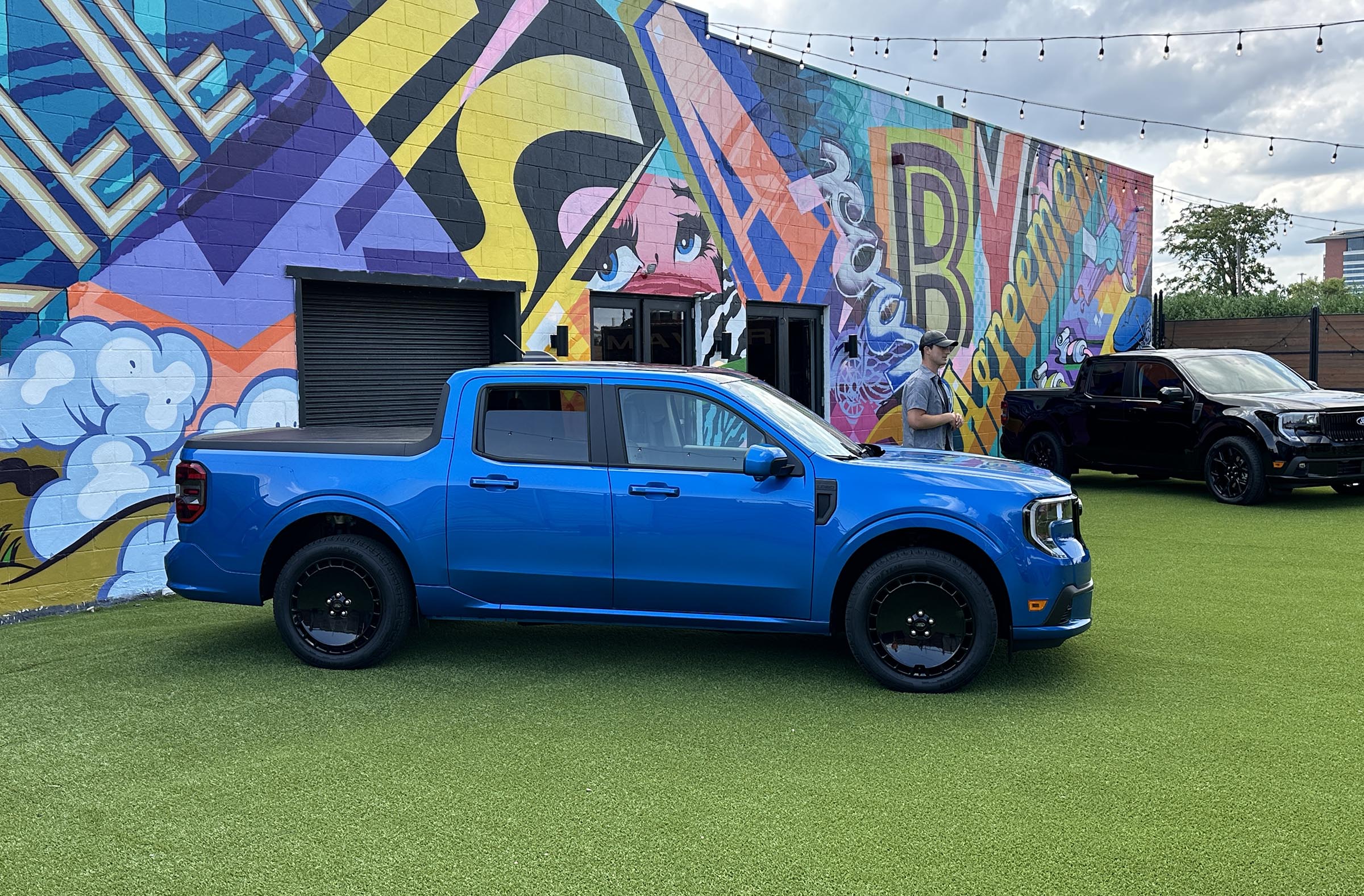
The Lobo version of the Ford Maverick.
For now, however, there really are only two players: the little Hyundai Santa Cruz and the Ford Maverick, both adopting unibody designs. Maverick has been the overwhelming hit – even outselling the bigger Ranger with demand hitting a record 155,051 in 2025. Significantly, the “entry” hybrid package has proved most popular among buyers.
Whether Hyundai will retain Santa Cruz is uncertain considering sales hit just 25,499 last year. Insiders suggest the quirky little model could be dropped once the Korean automaker’s midsize model debuts.
Compact Competitors
But don’t think Ford will have the market all to itself. There are several competitors in the works. That includes the new Ram Rampage, a version of the unibody pickup currently sold in Europe and Latin America. It’s expected to feature a 2.0-liter turbocharged version of the Hurricane inline-four engine. It’s unclear whether Rampage will be assembled in the U.S. or Mexico, a decision that could be impacted by upcoming trilateral trade negotiations that also include Canada.
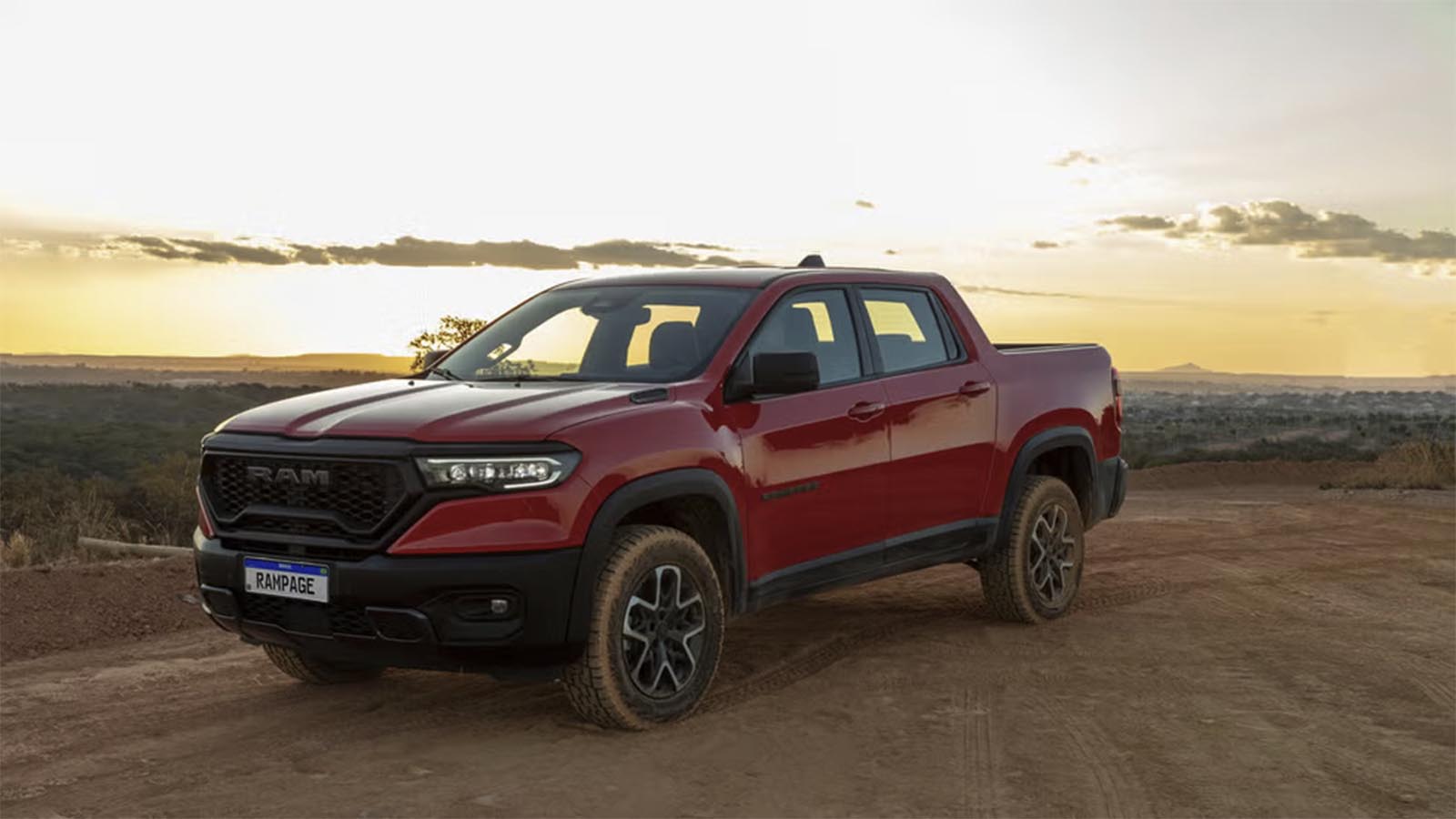
The Ram Rampage.
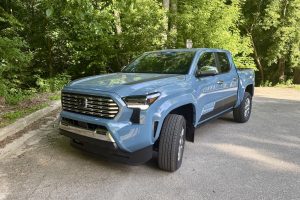
Toyota is preparing its own unibody assault on Maverick’s dominance in the compact segment. Slotting in under Tacoma, it’s expected to feature a hybrid engine – though it’s unclear if, like Maverick, it also will offer a gas-powered option, as well. The name, Toyota Stout, has been floated by a number of “sources.” We could find out what the actual plans are later this year.
Ford will soon have a second entry in the compact segment. Though a formal name has yet to be revealed it’s set to launch the first product developed through its Universal Vehicle program in 2027 and it will be a two-row model about the size of the Maverick. But it also will be all-electric. Expect it to start somewhere in the low $30,000 range, company officials have suggested.
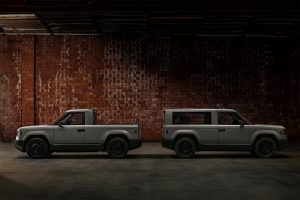
Finally, there’s Slate, the Jeff Bezos-backed startup that plans to launch a completely stripped-down, all-electric compact pickup something in the next year or so. Other than the drivetrain, the Slate truck will be a paean to the classic small trucks of a half-century ago, with roll-down windows and no radio. Buyers will have plenty of do-it-yourself options, however, even the ability to convert the pickup into an SUV.

0 Comments