
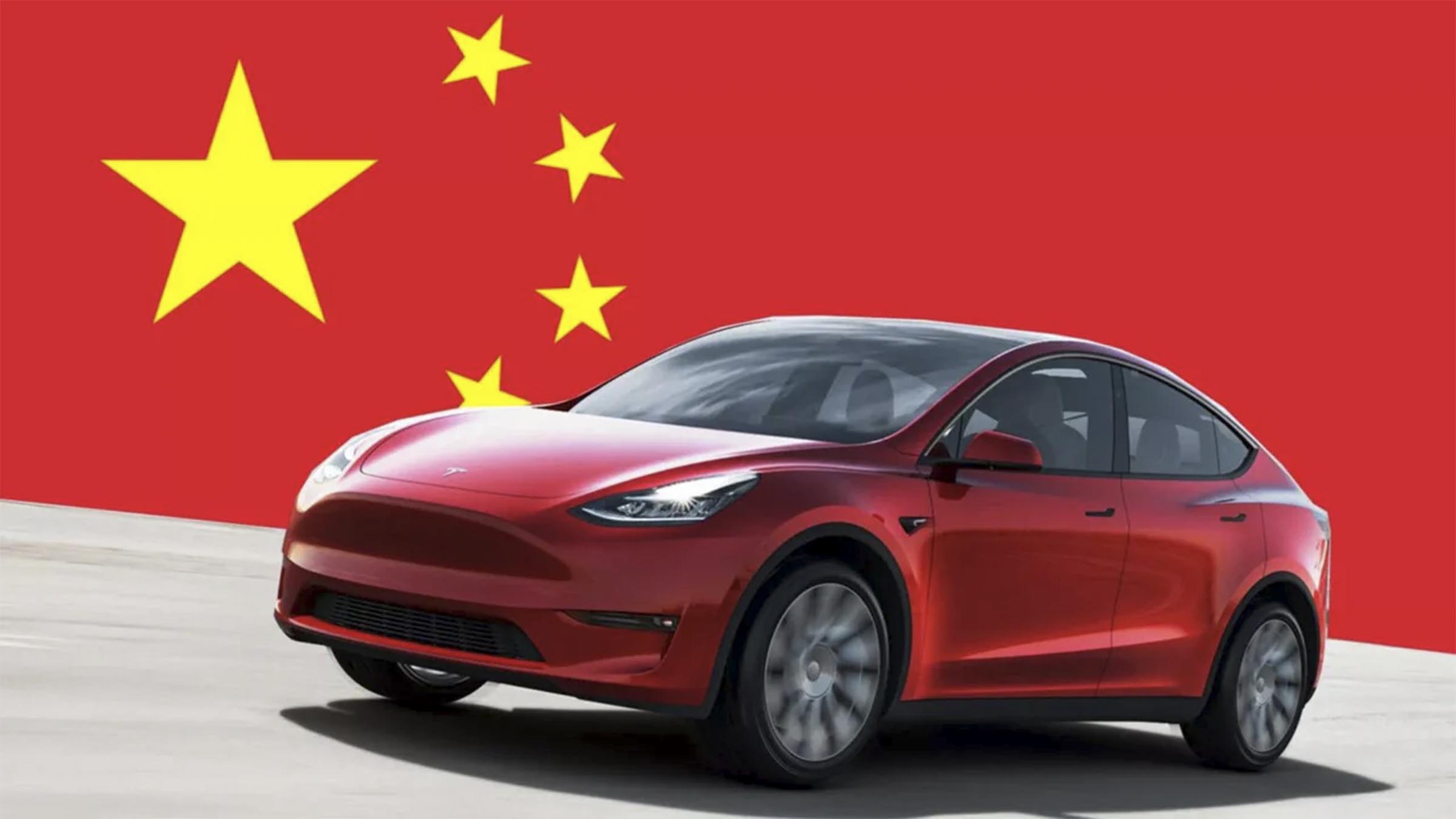
Stagnating demand in Western markets, the end of the ‘global car,’ and the cost of electrification present automakers and suppliers with a triple conundrum, says AlixPartners’ annual report on the state of the auto industry.
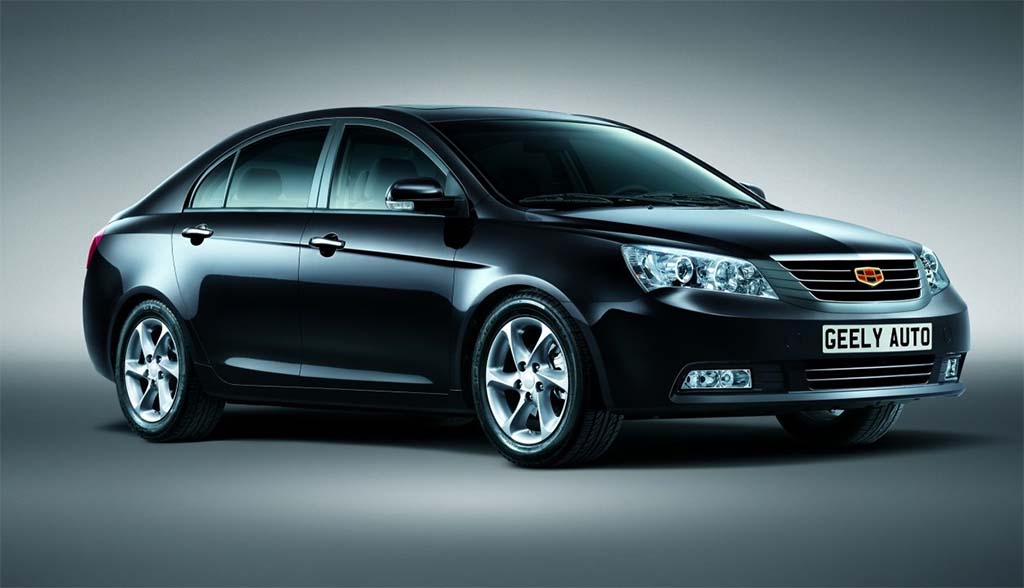
Chinese automakers are rolling out new products like this Geely Emgrand EV at a rapid pace.
The auto industry is retreating from globalization and moving towards a regional approach, ending the push towards the ‘global car,’ which left a massive imprint on the automotive business after the 1973 oil embargo created a huge demand for small fuel efficient cars.
However, the annual industry-wide survey by Alix Partners also found the push for electrification is continuing and that Chinese automakers have emerged as a dominant force in the industry, exporting 10 million vehicles to every corner of the globe despite slowing sales in their home market.
“After decades of globalization, an era of regionalization is now firmly embedded, driven by geopolitics and the rise of low-cost, high-tech vehicles from China,” according to AlixPartners new survey, which was released this week.
Chinese carmakers loom over the business
Even as they scale back their plans for EVs and developing overseas markets for their brands, traditional North American and European automakers and their suppliers face continuing pressure from Chinese carmakers, including BYD and Geely, who are eager to enter new markets with their electric vehicles even as they scramble for sales at home.
In Europe, Chinese-brands are forecast to see their market shares reach 16% by 2030 on the heels of what is expected to be a 25% increase in sales this year to European consumers, many of them young buyers in markets like France and Germany who are deserting the storied nameplates in their home market, Alix Partners observed.
Chinese automakers, despite fierce competition at home, are also looking to begin assembling vehicles in Europe to take over underutilized factories, which once belonged to companies such as Ford and Volkswagen, according to Stephen Dyer, AlixPartners’ Asia Pacific and China market lead.
The research firm expects the current trends in China to bring a 10% drop in demand this year. But much of that will involve foreign automakers like Volkswagen and General Motors. That has forced non-Chinese automakers and suppliers to refocus on competitiveness in their home markets since China is no longer a reliable profit center.
Return of the “ICE Age”
The ‘New ICE Age’ in the U.S. creates near-term cash-flow opportunities for Ford and GM, but also represents an existential challenge of eroding long-term competitiveness, according to Mark Wakefield, AlixPartners’ Global Market lead for the auto industry.
With the Trump administration pushing for big changes to the U.S.-Mexico-Canada trade agreement, “An ideal ‘USMCA 2.0’ would focus on competitiveness with China rather than Mexico or Canada,” and seek to minimize the costs added to U.S. vehicles, while supporting investments in resiliency and affordability by using money from tariffs for pre-competitive technology, Wakefield said.
“The USMCA renegotiation may lead to added costs to U.S. vehicles, with a larger piece of a smaller pie for the U.S., or an opportunity to create a ‘Fortress North America,’ with the U.S. at the center of a resilient and competitive industry with a supply chain leveraging the strengths and installed capacity in Mexico and Canada, and pre-competitive cooperation in the U.S. on the key areas such as battery supply chains, semiconductors, autonomy, and electrical architectures.”
Trade deal could mean higher vehicle prices
As it stands, the tracking and reporting included in compliance cost for USMCA 2.0 could add up to $2,000 per vehicle in annual costs.
Meanwhile, U.S. new-vehicle sales in 2026 are forecast to fall 2.5% to 15.8 million. They’re expected to rebound to 16.8 million by 2030 as new vehicles continue to be affordable only to the affluent.
Rising prices for new vehicles, rapidly accelerated by the Covid-19 pandemic, probably cost automakers sales of an estimated 600,000 units in 2025, AlixPartners noted. That has led the industry to focus on more affluent consumers in the upper 40% of the income scale.
AI is coming for cars and trucks
AI-defined vehicles represent the next frontier in automotive technology. At the same time, though, automakers are now competing with data centers for key pieces of technology, such as memory chips, driving up costs.
Alix Partner noted the longer-term challenges that automakers must confront centers on a shift from software defined vehicles to the next frontier of AI-DV, where the vehicle learns and heals rather than relies on over-the-air fixes. This can deliver value through product-development efficiency as well as better vehicles.
Stagnant Western-market volumes are leading automotive companies to pursue new, ‘adjacent’ sectors such as defense, humanoid robotics, and energy storage, but many lack the manufacturing scale and setup to meet the requirements
“The auto industry’s new regionalization era lands virtually every company in this industry at a critical crossroads, weighing which markets, technologies, and partnerships to invest in at a time when significant disruption is the only constant,” Wakefield observed.
“Becoming complacent within a protectionist wall could inevitably open the door to Chinese companies to take share in the U.S. marketplace through joint ventures, licensing or other indirect methods


0 Comments